Caring for a child with a chronic illness, disability, or complex medical need is a journey filled with love, dedication, and unique challenges. As a parent or caregiver, your home often transforms into a space of healing, growth, and specialized care. Having access to the right pediatric medical supplies is essential to keeping your child comfortable, safe, and thriving. Navigating the world of pediatric care can feel overwhelming, especially when trying to understand which products are best suited for your child's growing body. This guide is designed to answer your most common questions about pediatric care supplies, offering clear, evidence-based information to help you manage your child's daily routine with confidence.
Navigating Your Choices for Pediatric Medical Supplies
Children are not just miniature adults; their anatomical, developmental, and emotional needs are entirely unique. According to the American Academy of Pediatrics (AAP), medical equipment and supplies designed specifically for children must account for their rapid growth, delicate skin, and changing developmental milestones. Whether you are managing enteral nutrition, respiratory therapy, or specialized hygiene needs, using properly sized pediatric items helps prevent complications and ensures your child's comfort. Below, we answer the most frequently asked questions about selecting, using, and managing these essential daily tools.
What makes pediatric medical supplies different from adult medical supplies?
Pediatric medical supplies are specifically engineered to fit a child's smaller anatomy and support their physical development. According to the American Academy of Pediatrics (AAP), using adult-sized medical equipment on children can lead to ineffective treatment, discomfort, or even injury. For example, pediatric feeding tubes, respiratory masks, and intravenous (IV) catheters are much smaller and more flexible than those made for adults. Additionally, pediatric products often feature gentler adhesives to protect sensitive, developing skin, and are designed to be less intimidating in appearance to help reduce a child's anxiety during procedures.
What are the essential supplies needed for pediatric enteral feeding at home?
Enteral feeding, which means delivering nutrition directly into the stomach or small intestine, requires several specialized components to run safely and cleanly. According to the National Institutes of Health (NIH), a standard home setup typically includes a feeding pump, feeding bags or containers, extension sets (tubing that connects the pump to your child's feeding port), and syringes for flushing the tube with water or administering medication. You will also need skin-prep wipes, securement devices to keep the tube in place, and mild soap or saline for cleaning the insertion site. Keeping a well-stocked inventory of these items ensures your child receives their daily nutrition without interruption.
How do I choose the correct size of pediatric incontinence products for my child?
Choosing the right size of pediatric diapers, youth pants, or protective underwear is critical for preventing leaks and protecting your child's skin. The National Association for Continence (NAFC) recommends selecting products based on your child's current weight and waist/hip measurements, rather than their age. A product that is too large will cause gaps around the legs, leading to leaks, while a product that is too small can rub against the skin, causing irritation, redness, or breakdown. Always measure your child's waist and hips with a flexible measuring tape and compare those measurements to the manufacturer's specific sizing chart for the best fit.
What pediatric respiratory supplies are commonly used for home airway management?
For children managing respiratory conditions like asthma, cystic fibrosis, or chronic lung disease, home respiratory supplies are vital. According to the Centers for Disease Control and Prevention (CDC), common home supplies include nebulizers (machines that turn liquid medicine into a fine mist), pediatric-sized face masks or mouthpieces, and spacers (holding chambers used with inhalers to help medicine reach the lungs more effectively). For children with more complex airway needs, supplies may include suction machines, sterile suction catheters, and tracheostomy care kits, which contain specialized ties, sponges, and cleaning brushes to keep the breathing tube clean and secure.
How should I safely store and organize my child's medical supplies at home?
Proper storage is essential to maintain the sterility and function of your child's supplies. The National Institutes of Health (NIH) recommends storing medical items in a clean, dry, and dust-free environment, away from direct sunlight, extreme heat, or moisture (such as steam from a bathroom). Use clear, labeled plastic bins to organize items by category (e.g., "Feeding," "Respiratory," "Wound Care") so they are easy to find. Always place older supplies at the front of your storage area and newer ones in the back to ensure you use items before their expiration dates. Crucially, keep all sharp objects, medications, and small, swallowable parts locked away or completely out of reach of children and pets.
What is the best way to travel safely with pediatric medical supplies?
Traveling with a child who has complex medical needs requires careful planning. The American Academy of Pediatrics (AAP) suggests packing at least 25% to 30% more supplies than you expect to use to account for travel delays or misplaced items. Keep all essential daily supplies, medications, and portable equipment (like feeding pumps or suction machines) in your carry-on bag rather than checked luggage. It is also helpful to carry a signed letter from your child's pediatrician explaining their medical condition, the necessity of the equipment, and a list of prescribed medications and supplies. This documentation can make navigating airport security or seeking emergency local care much smoother.
What is the difference between a G-tube and an NG-tube for a child?
Both tubes are used to deliver nutrition and fluids, but they are placed differently. According to the National Institutes of Health (NIH), a nasogastric (NG) tube is a temporary, thin tube inserted through the child's nose, down the esophagus, and directly into the stomach. It is typically used for short-term feeding needs. A gastrostomy (G) tube, or "button," is surgically placed directly through the abdominal wall into the stomach. G-tubes are generally preferred for long-term feeding because they are more secure, less visible under clothing, and more comfortable for active children, though they require a minor surgical procedure for placement.
How can I make medical procedures at home less stressful for my child?
Performing medical procedures at home can be emotionally challenging for both you and your child. The American Academy of Pediatrics (AAP) recommends using child life strategies to ease anxiety. This includes using age-appropriate, honest language to explain what you are doing, using distraction techniques (such as playing a favorite video, reading a book, or blowing bubbles), and practicing "comfort positioning" where the child sits in your lap rather than being held down flat. Establishing a predictable routine, offering small choices (like choosing the color of a bandage), and providing positive reinforcement or comfort items afterward can significantly improve your child's coping experience.
How often should pediatric medical supplies be replaced?
Replacement schedules depend entirely on the specific product and the manufacturer's guidelines. Single-use items, such as enteral feeding syringes, suction catheters, and certain wound dressings, must be discarded after a single use to prevent bacterial contamination and infection. Reusable items, such as feeding tube extension sets, nebulizer cups, and tracheostomy tubes, have specific lifespans ranging from a few days to several weeks. According to clinical consensus from organizations like the CDC, you should inspect all equipment daily for signs of wear, discoloration, cracking, or stiffness, and replace any compromised items immediately, even if they have not reached their official expiration date.
What should I do if my child's medical supply delivery is delayed?
To avoid emergencies, it is best to establish a "buffer stock" by reordering supplies when you still have a one- to two-week reserve. If a delay does occur, contact your medical supply provider immediately to track the shipment or request an expedited delivery. If you are in danger of running out of critical, life-sustaining items, contact your pediatrician's office, as they may have sample supplies on hand. You can also reach out to local home health agencies, pediatric hospital social workers, or local support groups for families of children with special healthcare needs, who may be able to share emergency supplies. For any urgent clinical concerns or if a lack of supplies poses an immediate risk to your child's safety, seek emergency medical care or visit the nearest emergency department.
How can I protect my child's skin around medical devices like G-tubes or tracheostomies?
Protecting the delicate skin around medical devices is crucial for preventing painful breakdown and infection. According to the National Institutes of Health (NIH), the skin should be kept clean and dry. Wash the area daily with mild soap and warm water, rinsing thoroughly and patting it completely dry. Avoid using harsh chemicals, alcohol, or heavily fragranced lotions unless specifically directed by your healthcare provider. If you notice redness, swelling, unusual moisture, or a foul-smelling discharge, these can be signs of infection or irritation from friction. Contact your pediatrician or home health nurse promptly for guidance on skin barriers, specialized dressings, or topical treatments.
What types of pediatric care products are available for home delivery?
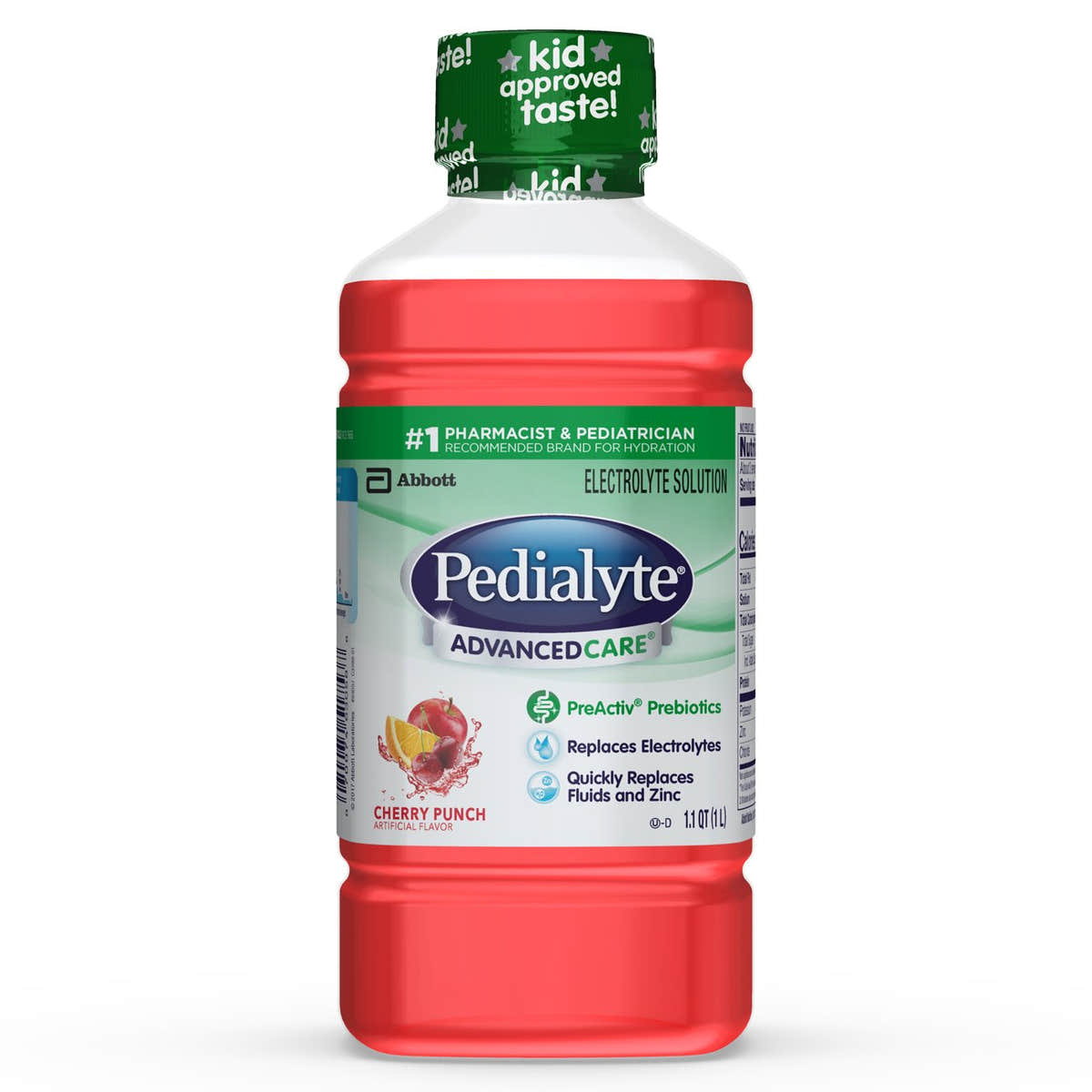
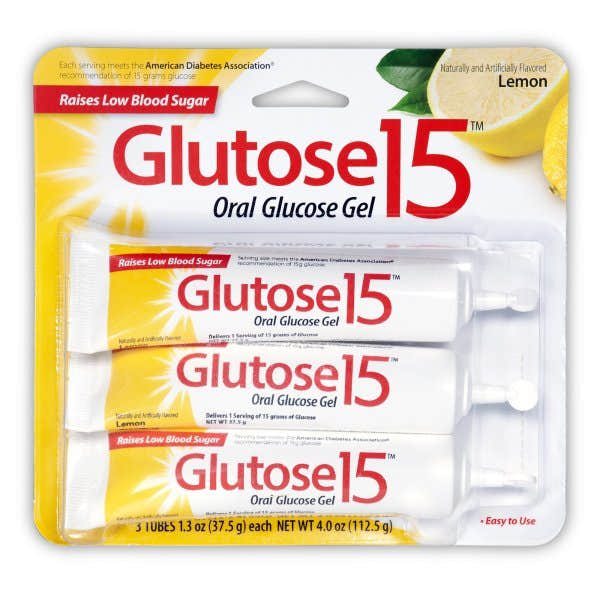
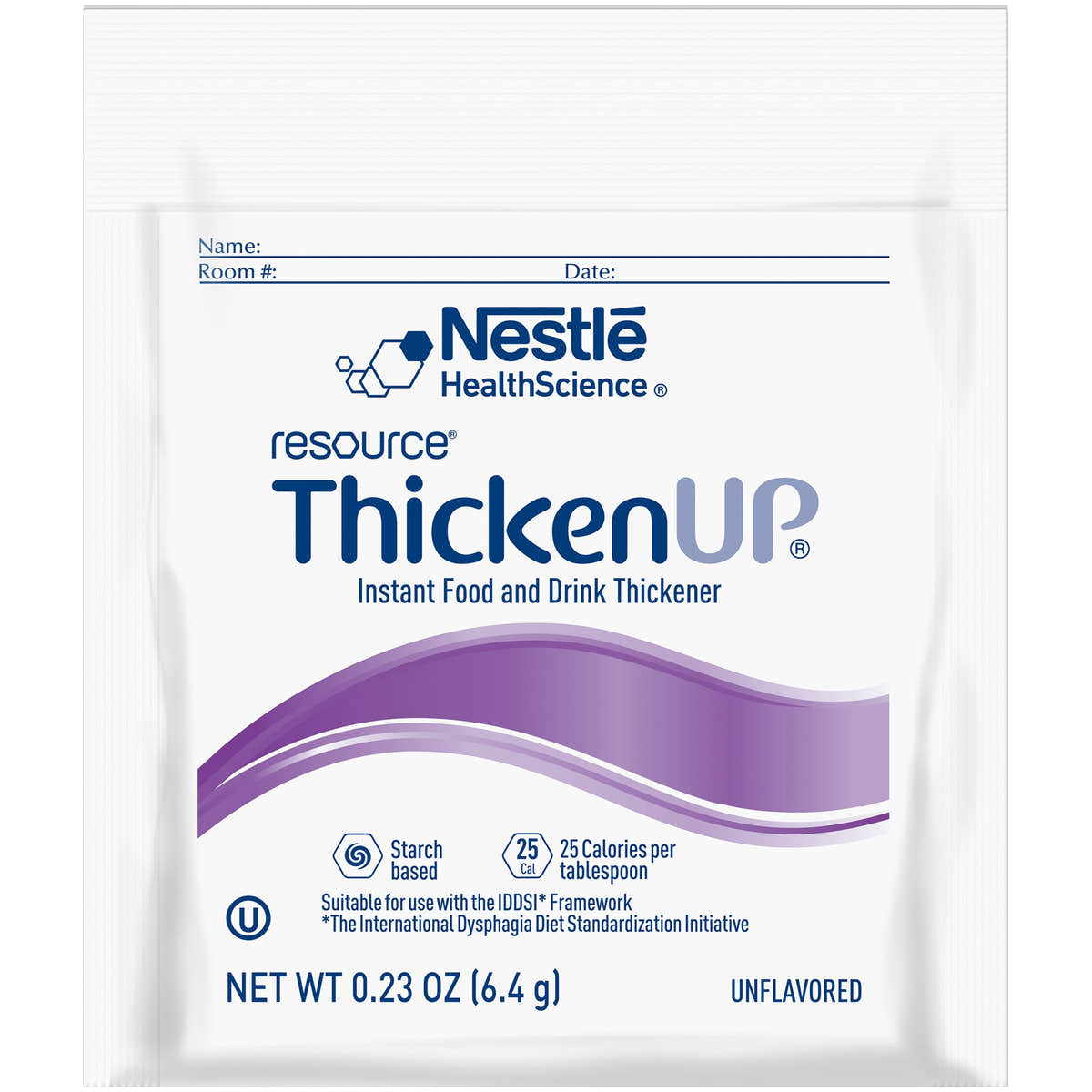
Managing a child's health at home requires a wide array of reliable products. Our specialized pediatric supplies collection includes high-quality enteral feeding accessories, pediatric-sized respiratory masks, gentle skin care products, youth incontinence pants, and daily wellness essentials. These products are carefully curated to meet the unique sizing and comfort requirements of growing children, helping family caregivers manage daily health routines with ease and peace of mind. Having these supplies delivered directly to your door reduces stress and ensures you always have what you need on hand.
This article is for general educational purposes and is not medical advice. Always consult your healthcare provider for guidance specific to your situation.