Managing bladder leaks at home can feel overwhelming, but having the right supplies makes a world of daily difference. When shopping for bladder control supplies, you will quickly notice that products are often categorized by gender. Understanding Men's vs. women's incontinence products: key differences is essential to finding a product that fits comfortably, prevents leaks, and keeps skin healthy. Whether you are a patient learning to manage your own symptoms or a family caregiver supporting a loved one, this guide will break down the structural, functional, and stylistic differences between these products so you can make an informed, confident choice.
Why Gender-Specific Designs Matter
According to the National Association for Continence (NAFC), millions of Americans experience some form of urinary incontinence. Because male and female anatomy differ significantly, urine is released in different directions and locations. Consequently, a one-size-fits-all approach to protective wear often leads to leaks, skin irritation, and bulkiness. Manufacturers design gender-specific options to place absorbent materials exactly where they are needed most, ensuring maximum protection and comfort.
For men, urine is released forward and higher up. Men managing conditions like prostate enlargement or recovering from prostate surgery often experience "dribbling" or sudden surges of urine toward the front of their undergarments. For women, the urethra is located lower down, directing urine downward and toward the center of the undergarment. Women frequently experience stress incontinence (leaking when coughing, laughing, or exercising) or urge incontinence, which requires rapid, centralized absorption. By tailoring the shape and absorbency zones of these products, manufacturers help users maintain their dignity and active lifestyles.
Men's vs. Women's Incontinence Products: Key Differences in Design
When comparing male and female bladder control options, the differences generally fall into three categories: absorbency placement, product shape, and overall styling. Understanding these details will help you choose the right style for your daily routine.
1. Absorbency Zones
The primary difference between men's and women's products is where the superabsorbent polymers (SAP)—the tiny beads inside the product that turn liquid into gel—are located.
- Men's Products: The absorbent core is concentrated heavily at the front of the guard or underwear. This targeted zone captures urine immediately as it is released, preventing it from pooling or leaking out the sides.
- Women's Products: The absorbent core is centered from front to back, with extra coverage in the middle and rear. This design aligns with a woman's anatomy to catch fluid as it flows downward.
2. Shape and Contour
The physical shape of the product dictates how well it hugs the body and prevents leaks during movement.
- Men's Guards and Shields: These are cup-shaped or triangular. They are designed to cup the male anatomy securely and are worn inside snug-fitting brief underwear.
- Women's Pads and Liners: These are typically hourglass-shaped or rectangular. They resemble menstrual pads but are specifically engineered to handle the rapid, heavy flow of urine rather than blood. If you are looking for these options, you can explore a wide variety of incontinence pads designed specifically for rapid fluid absorption.
3. Fit, Styling, and Aesthetics
For many patients, discretion is a top priority. Gender-specific protective underwear (often called pull-ons) is styled to look and feel like regular underwear.
- Men's Pull-Ons: These often feature a lower waistband, neutral colors like grey, blue, or black, and a printed waistband that mimics traditional men's briefs. Some even feature a faux-fly front.
- Women's Pull-Ons: These typically feature a higher waist, softer feminine patterns, pastel colors, and a closer, smoother fit designed to be virtually invisible under form-fitting clothing like leggings, slacks, or dresses.
Comparing Product Types: A Side-by-Side Look
To help you decide which option fits your specific situation, the table below compares the most common gender-specific incontinence products available today.
| Product Type | Men's Features | Women's Features | Best Use Case |
|---|---|---|---|
| Light Pads / Liners | Shields: Very thin, flat, and discreet. Ideal for light drips or minor dribbling. | Liners: Thin, elongated pads. Ideal for minor stress leaks from sneezing or laughing. | Active daytime wear for very light bladder weakness. |
| Moderate to Heavy Pads | Guards: Cup-shaped with adhesive backing. Fits securely inside snug briefs. | Incontinence Pads: Hourglass-shaped with adhesive backing. Fits inside regular underwear. | Daily wear for moderate leaks; easily packable and quick to change. |
| Protective Underwear | Pull-Ons: Front-loaded absorbency, lower waistband, masculine colors (grey/blue). | Pull-Ons: Center-loaded absorbency, higher waistband, feminine colors/patterns. | Moderate to heavy leaks; ideal for individuals who want an underwear-like feel. |
| Tab-Style Briefs | Unisex: Wide absorbent core covering front and back; adjustable side tabs. | Unisex: Wide absorbent core covering front and back; adjustable side tabs. | Heavy to severe leaks, overnight protection, or for patients with limited mobility. |
The Role of Unisex Products
While gender-specific products offer excellent targeted protection for active individuals, unisex products remain a cornerstone of incontinence care, especially for heavy or overnight needs. Tab-style briefs (often referred to as adult diapers) are generally unisex. Because these products are designed for maximum capacity and are often changed with the help of a caregiver, they feature a wide, highly absorbent core that covers both the front and back. This ensures protection whether the wearer is sleeping on their side, back, or stomach.
The Importance of Skin Health and Proper Sizing
According to the National Institutes of Health (NIH), prolonged exposure to moisture on the skin can lead to Incontinence-Associated Dermatitis (IAD), commonly known as diaper rash or moisture shear. This is why choosing the correct size and absorbency is so critical for both men and women.
A common mistake is buying a larger size of protective underwear thinking it will hold more liquid. In reality, a loose fit around the leg openings or waist will cause leaks and allow wetness to sit against the skin. Always measure the waist and hips, and use the manufacturer's specific sizing chart. Additionally, try to use the lowest absorbency level that successfully manages your leaks. Using a product that is too heavy can cause unnecessary bulk and heat buildup, while a product that is too light will saturate quickly and keep the skin damp.
Practical Tips for Family Caregivers
If you are caring for a loved one at home, managing bladder control supplies requires a blend of practicality and sensitivity. Here are a few evidence-based tips to make the process easier:
- Keep a variety of options on hand: Your loved one may need a lighter, more discreet gender-specific product during the day when they are active, and a more absorbent, unisex tab-style brief at night to ensure uninterrupted sleep.
- Establish a routine: Check and change products regularly. Do not wait for a product to reach its maximum capacity before changing it, as this helps prevent skin breakdown and odor.
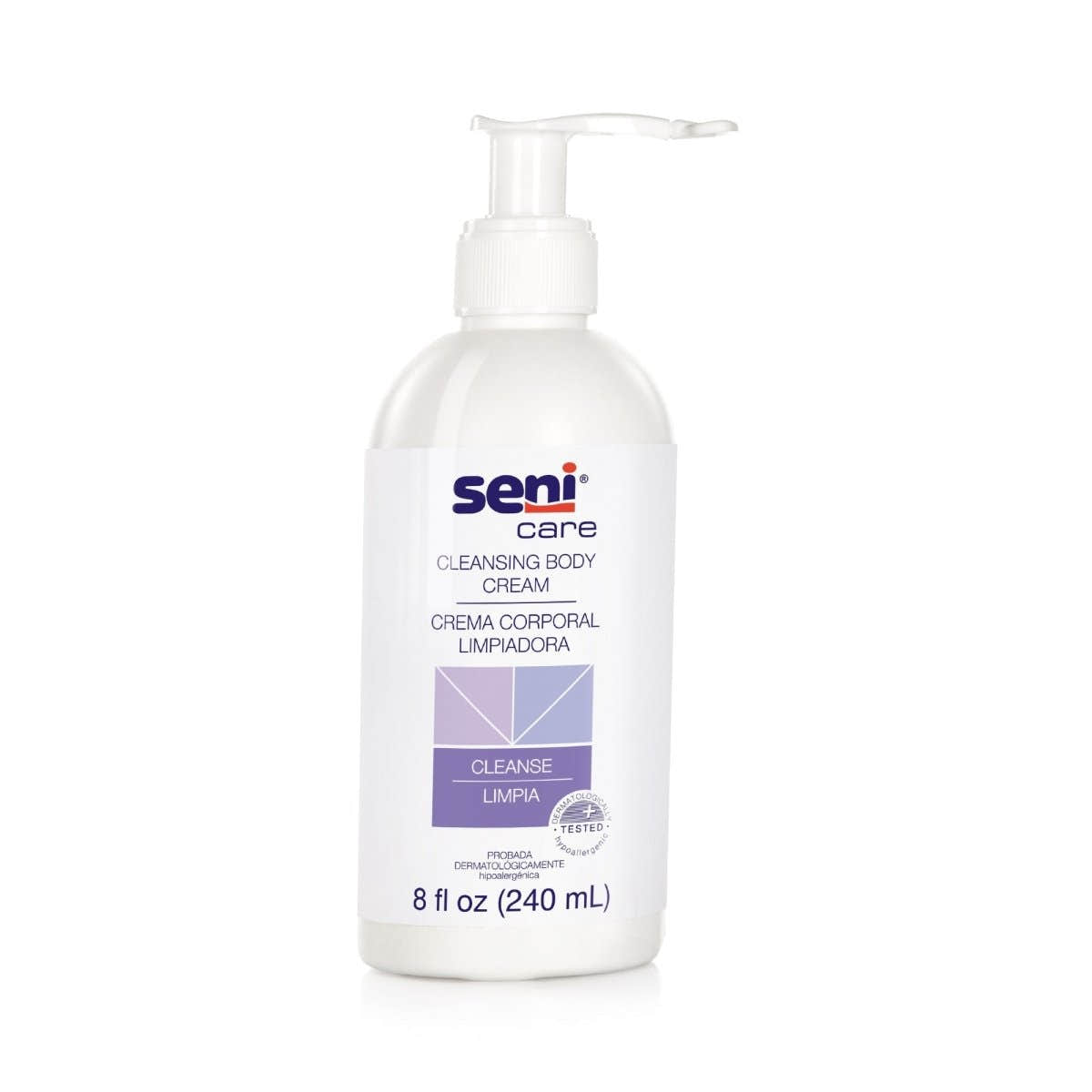
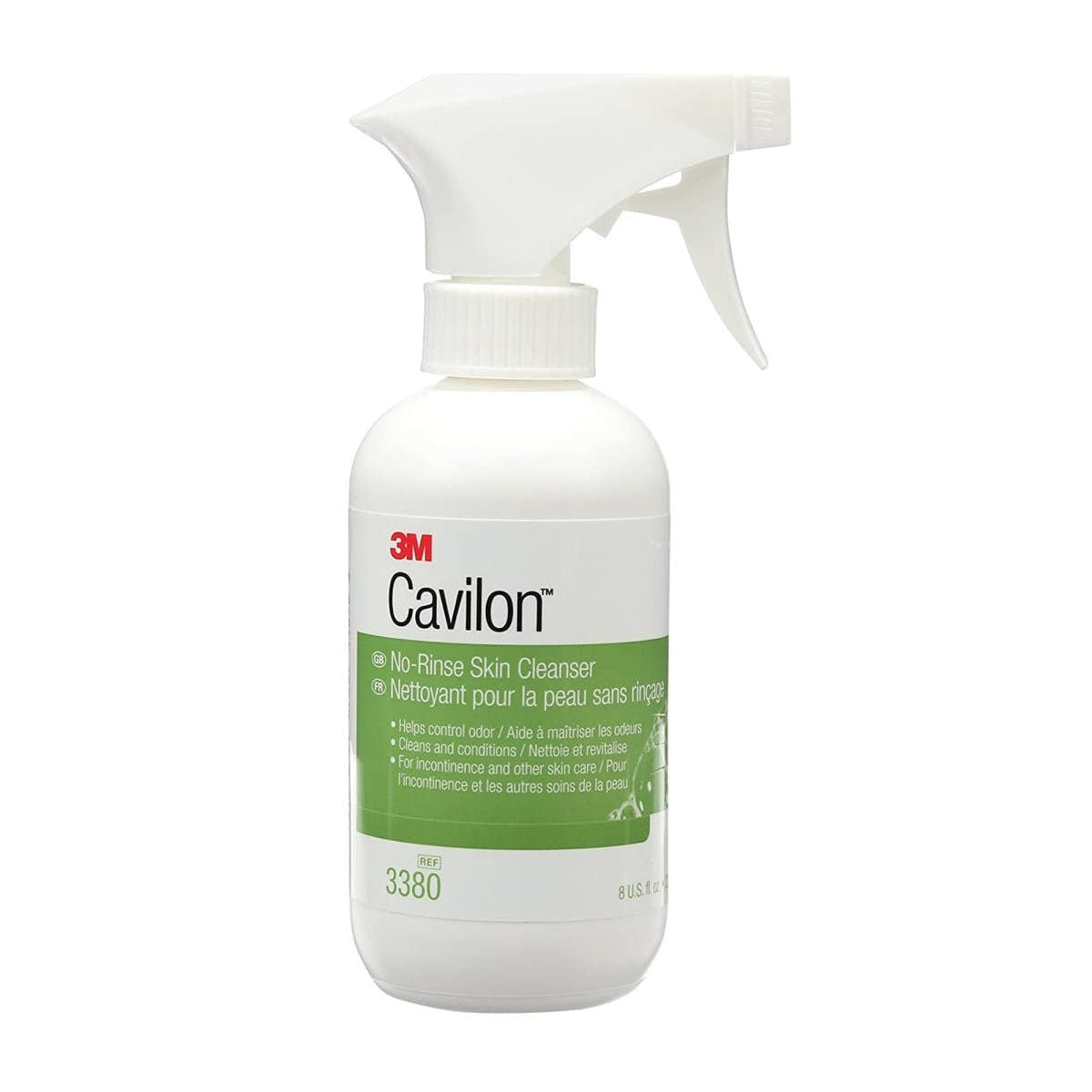
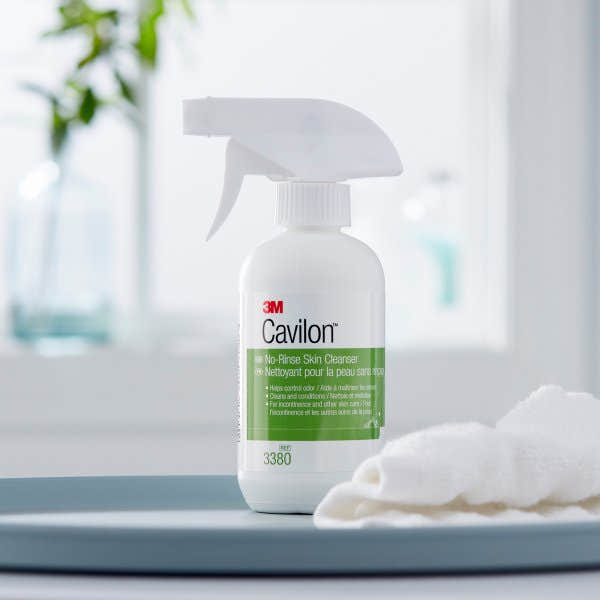
- Use skin protectants: Incorporate gentle, no-rinse cleansing wipes and barrier creams into the changing routine to keep the skin clean, dry, and protected.
When to Consult a Healthcare Provider
While choosing the right protective wear is a great way to manage daily symptoms, it is important to remember that incontinence is a treatable symptom, not an inevitable part of aging. The Urology Care Foundation notes that many types of bladder leakage can be significantly improved or even resolved with medical guidance, pelvic floor exercises, dietary changes, or medical treatments. Always consult your doctor, a urologist, or a physical therapist specializing in pelvic health if you experience a sudden change in bladder habits, pain during urination, or if you are seeking a formal diagnosis and treatment plan.
Frequently Asked Questions
Can women use men's incontinence products, or vice versa?
Yes, you can use products designed for the opposite gender in a pinch. However, because the absorbent zones are placed differently (front-loaded for men and center-loaded for women), you may experience leaks or discomfort if you use them long-term.
What is the difference between a menstrual pad and a women's incontinence pad?
Menstrual pads are designed to absorb thick, slow-flowing blood. Incontinence pads are engineered to rapidly absorb thin, fast-flowing urine and lock it away in a gel core to keep the skin dry and neutralize odors. Using menstrual pads for bladder leaks often results in a damp feeling and skin irritation.
How do I measure for the correct size of protective underwear?
Use a flexible measuring tape to measure both the waist (at the belly button) and the widest part of the hips. Use the larger of these two measurements to find your size on the manufacturer's sizing chart. A snug, comfortable fit around the leg openings is key to preventing leaks.
Are unisex adult diapers as effective as gender-specific options?
Yes, unisex tab-style briefs are highly effective, especially for heavy incontinence, overnight use, or for individuals with limited mobility. Because they feature a wider, all-around absorbent core, they provide excellent protection regardless of the wearer's anatomy or sleeping position.
This article is for general educational purposes and is not medical advice. Always consult your healthcare provider for guidance specific to your situation.