Caring for a loved one with bladder or bowel control issues (incontinence) requires patience, empathy, and the right tools. One of the most versatile and helpful tools in a caregiver's toolkit is the underpad. Also known as "chux" or bed pads, these absorbent sheets protect mattresses, chairs, and other surfaces from leaks. Using underpads at home and in bed can significantly reduce laundry time, protect expensive furniture, and—most importantly—keep your loved one comfortable, dry, and dignified. At Cart Health, we understand that managing these daily challenges can feel overwhelming, which is why we offer a wide range of high-quality underpads designed to meet different absorbency and sizing needs.
According to the National Association for Continence (NAFC), millions of adults experience some form of incontinence. Managing this condition at home often involves a combination of wearable products (like briefs or pull-ups) and surface protectors. Underpads act as a reliable second line of defense. They feature a soft top layer that is gentle on the skin, an absorbent middle core that locks away liquid, and a waterproof backing that prevents moisture from leaking through to the sheets or cushions below. This guide will walk you through how to choose, position, and change underpads safely and effectively.
Understanding Your Underpad Options
Before diving into how to use them, it is helpful to understand the different types of underpads available. Choosing the right pad depends on your loved one's level of mobility, the severity of their incontinence, and your daily routine. Underpads generally fall into two main categories:
1. Disposable Underpads
Disposable underpads are designed for single-use convenience. They are highly hygienic and ideal for quick cleanups, travel, or situations where washing facilities are limited. Many high-quality disposable underpads feature Super Absorbent Polymers (SAP). These are tiny beads inside the pad's core that turn liquid into a dry gel upon contact. This technology is excellent for keeping moisture away from the skin, which is crucial for preventing irritation.
2. Washable (Reusable) Underpads
Washable underpads are designed to be laundered and used hundreds of times. They typically feature a soft, quilted cotton or polyester top sheet, a thick absorbent middle layer, and a slip-resistant vinyl backing. Reusable pads are highly durable, environmentally friendly, and cost-effective over time. Because they are heavier than disposables, they tend to stay in place better on beds and chairs, making them a preferred choice for individuals who toss and turn during sleep.
Step-by-Step Guide: Using Underpads at Home and in Bed
Proper placement and handling of underpads ensure maximum protection for your furniture and maximum comfort for your loved one. Follow these steps to use underpads effectively throughout your home.
Step 1: Gather Your Supplies
Before you begin, make sure you have everything you need within arm's reach. This prevents you from having to leave your loved one unattended. Your supplies should include:
- A fresh, clean underpad (disposable or washable)
- Disposable gloves (if assisting with changes)
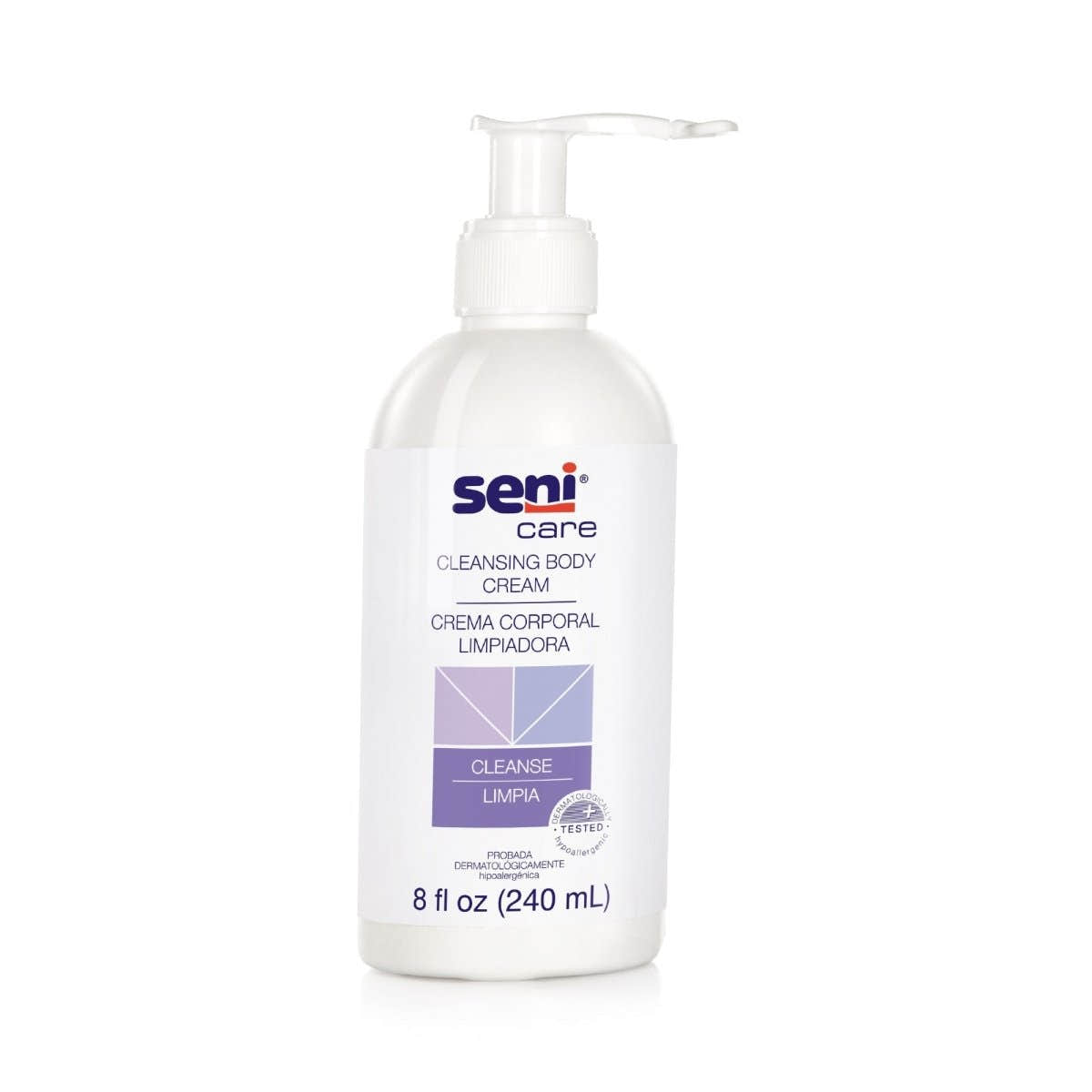
- Skin-cleansing wipes or a damp washcloth with mild, pH-balanced soap
- A skin barrier cream or ointment (if recommended by your doctor)
- A plastic trash bag for disposing of used items
Step 2: Prepare the Surface
Smooth out the sheets on the bed or the cushions on the chair. Any wrinkles in the bedding or the underpad itself can create friction points against the skin, which can lead to discomfort or skin breakdown over time.
Step 3: Position the Underpad Correctly
The placement of the underpad depends on where your loved one is resting:
- In Bed: Place the underpad horizontally across the bed, positioned directly under your loved one’s hips and pelvis. This is the area most vulnerable to leaks. The soft, quilted side must face upward (toward the body), and the waterproof plastic or vinyl backing must face downward (toward the mattress).
- On a Chair or Wheelchair: Center the underpad on the seat cushion. If the pad is slightly larger than the seat, gently tuck the excess edges down the sides of the cushion rather than folding them over, which can cause uncomfortable ridges.
Step 4: Use the Log-Roll Technique for Bed Placement
If your loved one has limited mobility, placing or changing a bed pad can be physically challenging. To protect your back and ensure their comfort, use the "log-roll" technique:
- Gently assist the person to roll onto their side, facing away from you. Ensure they are secure and comfortable.
- If you are replacing a soiled pad, fold the dirty pad inward (soiled side facing in) and tuck it slightly under their back.
- Take the fresh underpad and fold it in half vertically. Place the folded edge next to the soiled pad.
- Gently roll the person back over the folded pads onto their other side.
- Remove the soiled pad and place it in your trash bag.
- Unfold the remaining half of the clean underpad and smooth it out flat.
- Help your loved one roll back onto their back, centered on the fresh pad.
Step 5: Dispose of or Wash the Pad Properly
For disposable pads, roll the wet pad inward to contain any moisture or debris, place it in a plastic bag, and discard it in the trash. Never flush underpads down the toilet. For washable pads, place them directly into a laundry hamper or washing machine. Wash them on a warm cycle with mild detergent, and avoid using fabric softeners or bleach, as these can degrade the waterproof backing and reduce absorbency.
Protecting Skin Health and Common Mistakes to Avoid
According to the National Institutes of Health (NIH), prolonged exposure to moisture is a primary cause of skin breakdown, a condition known as Incontinence-Associated Dermatitis (IAD). When urine or stool sits against the skin, it weakens the skin's natural barrier, leading to redness, pain, and potentially serious infections. Using underpads correctly is a vital part of keeping skin healthy.
Mistakes to Avoid:
- Double-Padding: Some caregivers believe that layering two or three underpads will provide extra protection. However, layering can trap heat, cause the pads to bunch up, and create uneven pressure points that increase the risk of bedsores (pressure ulcers). Instead, choose a single pad with a higher absorbency rating.
- Leaving Wet Pads in Place: Underpads are highly absorbent, but they are not meant to hold moisture indefinitely. Change the pad as soon as possible after an episode of incontinence to keep the skin dry.
- Using the Wrong Side Up: Always double-check that the soft, absorbent side is facing the skin. Placing a pad upside down means the waterproof plastic backing is touching the skin, which will trap moisture and cause immediate discomfort.
- Using Underpads to Lift or Pull: Unless an underpad is specifically labeled as a "positioning pad" or "draw sheet" with reinforced handles, do not use it to lift, slide, or reposition your loved one. Standard underpads can tear easily under weight, which could lead to accidental falls or injuries.
When to Consult a Healthcare Provider
While underpads are excellent tools for managing daily incontinence, they do not treat the underlying cause of bladder or bowel issues. It is important to maintain regular communication with your loved one's doctor or a specialist. You should contact a healthcare provider if you notice any of the following:
- Persistent skin redness, raw patches, blisters, or open sores on the buttocks, hips, or thighs.
- Signs of a urinary tract infection (UTI), which can include strong-smelling or cloudy urine, pain during urination, fever, or a sudden increase in confusion or agitation (especially common in older adults).
- A sudden change in bladder or bowel habits, such as new or worsening leaks.
Can I wash disposable underpads to reuse them?
No, disposable underpads are designed for single use only. Attempting to wash them will destroy the absorbent core and the waterproof backing, making them unusable and potentially clogging your washing machine with paper pulp and polymer gel.
How do I prevent bed pads from sliding around at night?
To prevent sliding, you can choose underpads with adhesive strips on the backing, or select washable pads which tend to be heavier and stay in place better. Some underpads are also designed with "wings" or tuckable flaps that secure under the mattress to keep the pad firmly in place.
What size underpad should I use for a standard bed?
For a standard twin or full bed, an underpad measuring 30" x 36" is typically ideal. This size provides generous coverage across the width of the bed to catch leaks even if the individual rolls or shifts during sleep. For larger beds or highly active sleepers, a 36" x 36" pad may be preferred.
Are underpads breathable?
Some underpads are specifically designed with breathable backings. These pads allow heat and air to circulate while still locking in liquid, which is highly beneficial for individuals with sensitive skin or those at risk for heat rashes and pressure sores.
This article is for general educational purposes and is not medical advice. Always consult your healthcare provider for guidance specific to your situation.