Managing bladder changes can feel overwhelming, but you are not alone. Millions of adults experience some form of urinary leakage, whether it is a few drops when laughing or a sudden, strong urge to go. At Cart Health, we believe that understanding your body is the first step toward regaining your confidence and comfort. This comprehensive Incontinence FAQ is designed to answer your most common questions with clear, compassionate, and evidence-based information. Whether you are a patient learning to manage your symptoms or a family caregiver supporting a loved one at home, we are here to help you navigate this journey with dignity and ease.
Answering Your Questions: Incontinence FAQ
What is urinary incontinence, and how common is it?
Urinary incontinence is the involuntary loss of bladder control, which leads to unexpected urinary leakage. According to the National Association for Continence (NAFC), over 25 million adult Americans experience some form of bladder control issues. It can affect people of all ages, genders, and backgrounds, though it is more frequently reported by women and older adults. It is important to understand that incontinence is not a disease itself, but rather a symptom of an underlying physical change, medical condition, or daily habit. Recognizing how common this issue is can help reduce the stigma and encourage open, honest conversations with healthcare providers.
What are the different types of urinary leakage?
Urinary leakage is generally categorized into several distinct types, depending on what triggers the loss of bladder control. The National Institutes of Health (NIH) outlines the most common types as:
- Stress Incontinence: This occurs when physical pressure is put on the bladder. Activities like coughing, sneezing, laughing, exercising, or lifting heavy objects can cause small amounts of urine to leak.
- Urge Incontinence: This is a sudden, intense need to urinate, followed by an involuntary loss of urine. It is often associated with an overactive bladder (OAB) and can be triggered by the sound of running water or cold temperatures.
- Mixed Incontinence: This is a combination of both stress and urge incontinence symptoms, where a person experiences leakage from physical pressure as well as sudden, strong urges.
- Overflow Incontinence: This happens when the bladder does not empty completely during urination. As a result, the bladder remains full and constantly dribbles or leaks small amounts of urine.
- Functional Incontinence: This occurs when physical or mental limitations, such as severe arthritis, mobility challenges, or cognitive decline, prevent a person from reaching the restroom in time.
Is urinary leakage a normal, unavoidable part of aging?
No, this is one of the most common misconceptions about bladder control. According to the National Institute on Aging (NIA), while the muscles of the bladder and urethra do change and weaken slightly as we age, urinary incontinence is not a normal or inevitable consequence of getting older. It is always a sign of an underlying issue that can be evaluated, managed, and often improved. Believing that leakage is just something you have to live with can prevent you from seeking helpful treatments or finding the right management strategies. If you are experiencing changes in your bladder habits, it is always best to discuss them with your doctor.
What are some temporary causes of sudden bladder control issues?
Sometimes, urinary leakage can happen suddenly and resolve once the underlying cause is addressed. The Centers for Disease Control and Prevention (CDC) and other medical experts note that temporary incontinence can be triggered by:
- Urinary Tract Infections (UTIs): Infections can irritate the bladder lining, causing strong, sudden urges to urinate and temporary leakage.
- Certain Medications: Some prescription drugs, such as diuretics (water pills), muscle relaxants, or blood pressure medications, can increase urine production or affect bladder muscles.
- Dietary Irritants: Foods and drinks that act as bladder irritants, including caffeine, alcohol, carbonated beverages, spicy foods, and artificial sweeteners, can temporarily worsen urgency.
- Constipation: The rectum is located near the bladder and shares many of the same nerves. Compacted stool can put pressure on the bladder and interfere with its ability to fill and empty properly.
How can I talk to my doctor about my bladder control symptoms?
Bringing up bladder issues can feel uncomfortable, but doctors are highly trained to handle these conversations with care and professionalism. To make the most of your appointment, consider keeping a "bladder diary" for three to four days beforehand. Note when you drink fluids, when you urinate, when leakage occurs, and what you were doing at the time. Be prepared to discuss your medical history, any surgeries you have had, and a complete list of your current medications. Your doctor can help identify the root cause of your symptoms and create a personalized care plan, which may include lifestyle adjustments, pelvic physical therapy, or other medical interventions.
What lifestyle changes can help manage or reduce urinary leakage?
Many people find significant relief by making small, daily adjustments. According to the National Institutes of Health (NIH), effective lifestyle modifications include:
- Pelvic Floor Muscle Training: Often called Kegel exercises, these movements strengthen the muscles that support your bladder and urethra. Doing them consistently can greatly improve stress and urge symptoms. To do them, squeeze the muscles you would use to stop the flow of urine, hold for a few seconds, and release.
- Fluid Management: Staying hydrated is crucial, as avoiding water can actually irritate the bladder and make leakage worse. However, spacing out your fluid intake throughout the day and limiting liquids close to bedtime can help.
- Dietary Adjustments: Reducing your intake of caffeine, alcohol, and highly acidic foods can calm an irritated bladder.
- Maintaining a Healthy Weight: Carrying extra weight can put added pressure on your abdominal and bladder muscles, increasing the likelihood of stress leaks.
How do I choose the right protective products, like incontinence pads?
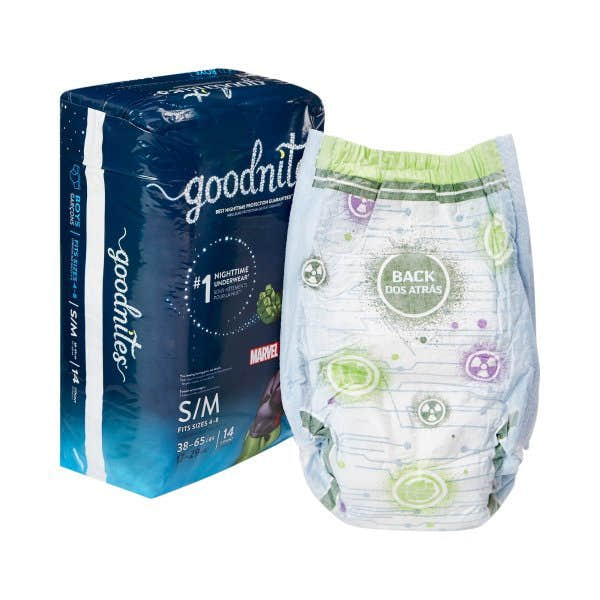
Finding the right product depends on your unique needs, level of leakage, and lifestyle. For light to moderate urinary leakage, specialized incontinence pads are often the most comfortable and discreet choice. It is important to use products specifically designed for urine, rather than menstrual pads. Incontinence pads feature advanced polymers that quickly absorb liquid, turn it into a gel, and lock away moisture and odor, keeping your skin dry. For heavier flow or overnight protection, you might consider protective underwear or briefs. Look for a secure fit that conforms to your body shape without chafing, and choose an absorbency level that matches your daily routine.
How often should incontinence pads be changed to protect the skin?
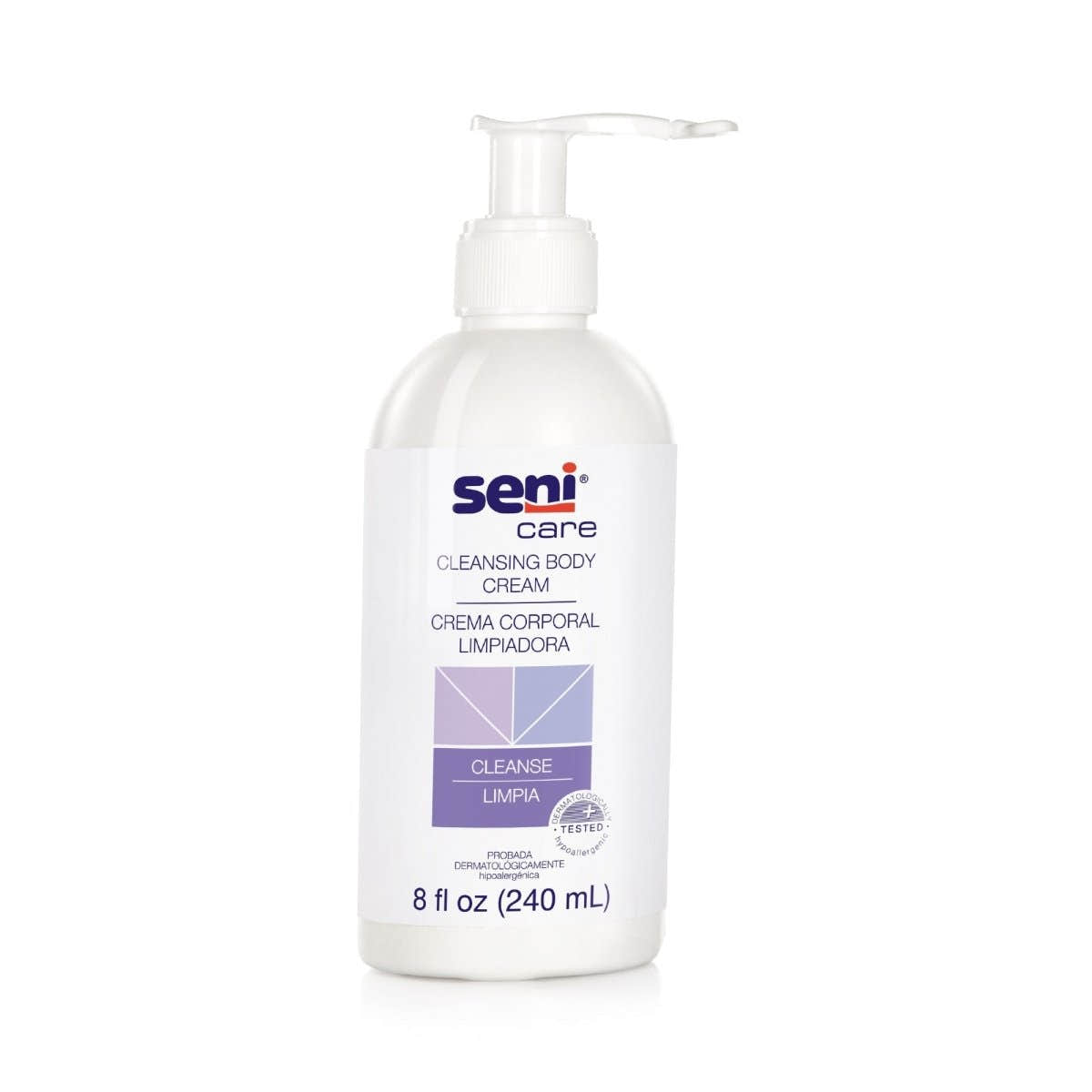
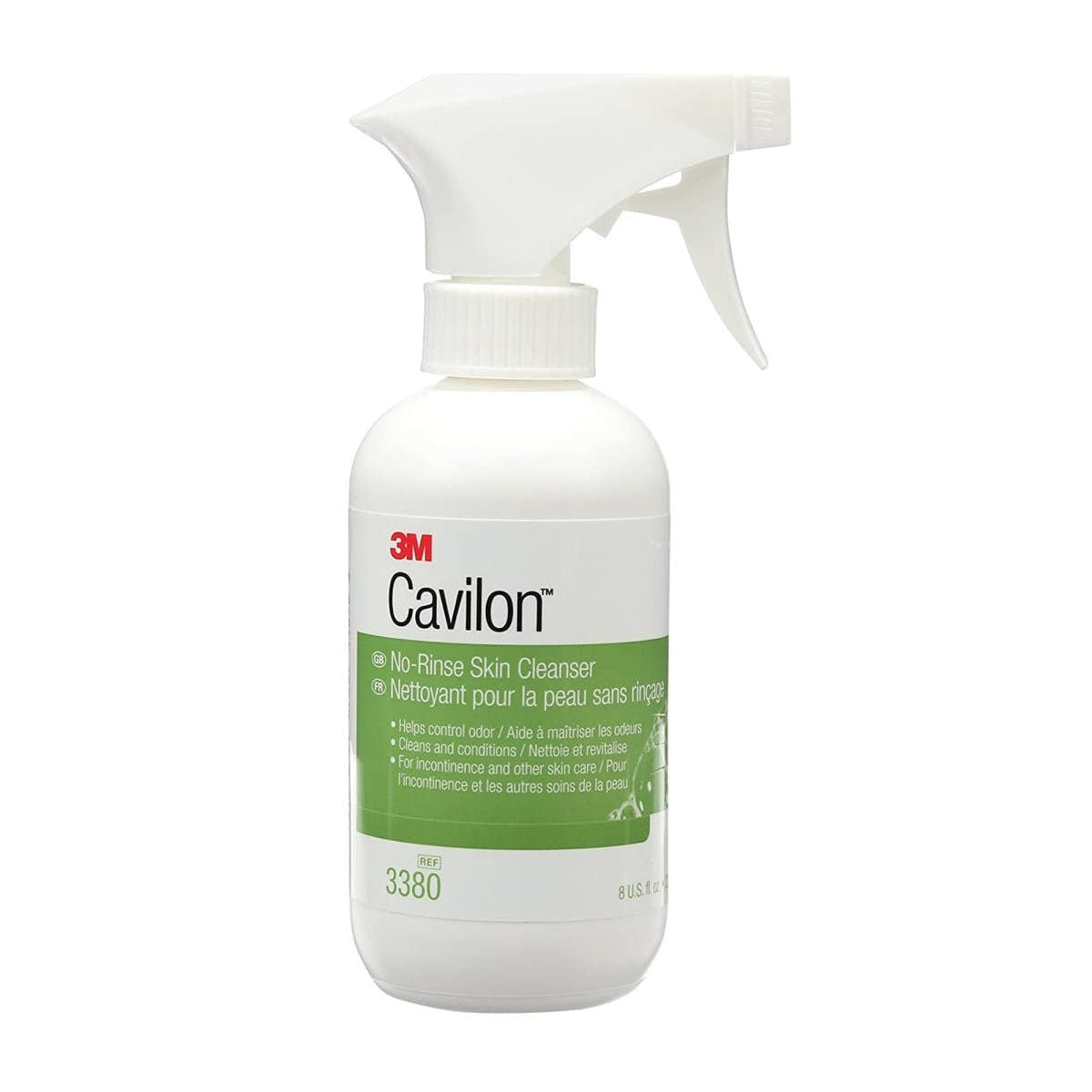
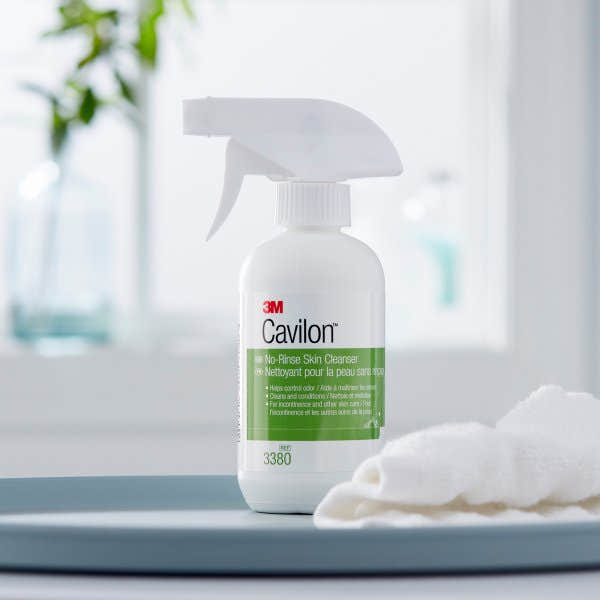
Protecting your skin is one of the most critical aspects of managing bladder leaks at home. Prolonged exposure to moisture can lead to a painful condition known as incontinence-associated dermatitis (IAD), which causes redness, irritation, and skin breakdown. The National Association for Continence (NAFC) recommends changing your protective pads as soon as they feel wet or soiled, or at least every three to four hours during the day. Additionally, using gentle, alcohol-free cleansing wipes and applying a moisture barrier cream can help shield your skin from irritation and maintain its natural protective barrier.
Are there medical treatments available for urinary incontinence?
Yes, there are many medical options available if lifestyle changes alone do not provide enough relief. Your healthcare provider can guide you through these options, which range from conservative therapies to medical procedures. Common treatments include pelvic floor physical therapy guided by a specialist, prescription medications to relax an overactive bladder, medical devices like pessaries (inserts that support the bladder), or minimally invasive outpatient procedures. Because every individual's body is different, a thorough evaluation by a physician or a specialist, such as a urologist or urogynecologist, is the best way to determine the safest and most effective treatment plan for you.
How can family caregivers support a loved one managing incontinence?
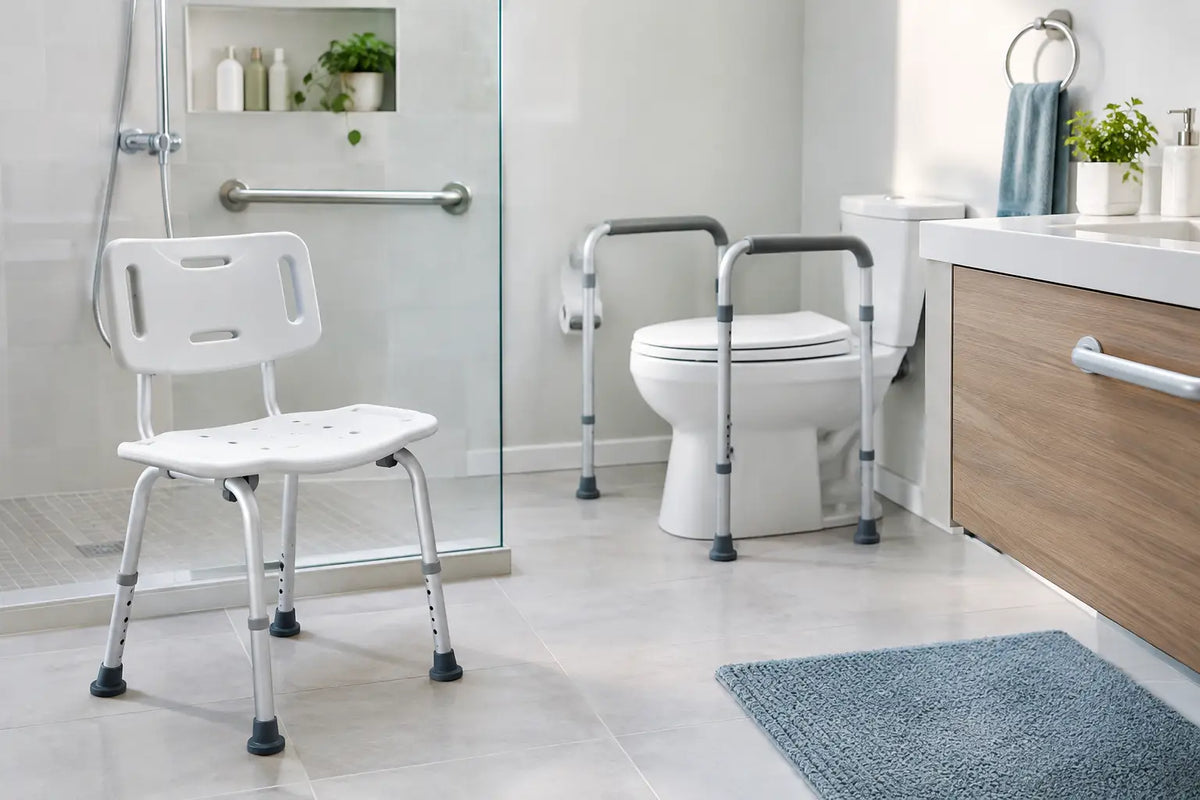
Caring for a loved one with bladder control issues requires patience, empathy, and practical preparation. Start by having an open, compassionate conversation to understand their feelings and preferences. Help them establish a regular toileting schedule, ensuring the path to the bathroom is clear, well-lit, and free of tripping hazards. Stocking up on high-quality hygiene supplies, skin protectants, and reliable absorbent products can reduce stress for both of you. Most importantly, focus on preserving your loved one's dignity and independence by encouraging them to participate in their own care as much as possible, while offering a supportive, non-judgmental environment.
This article is for general educational purposes and is not medical advice. Always consult your healthcare provider for guidance specific to your situation.