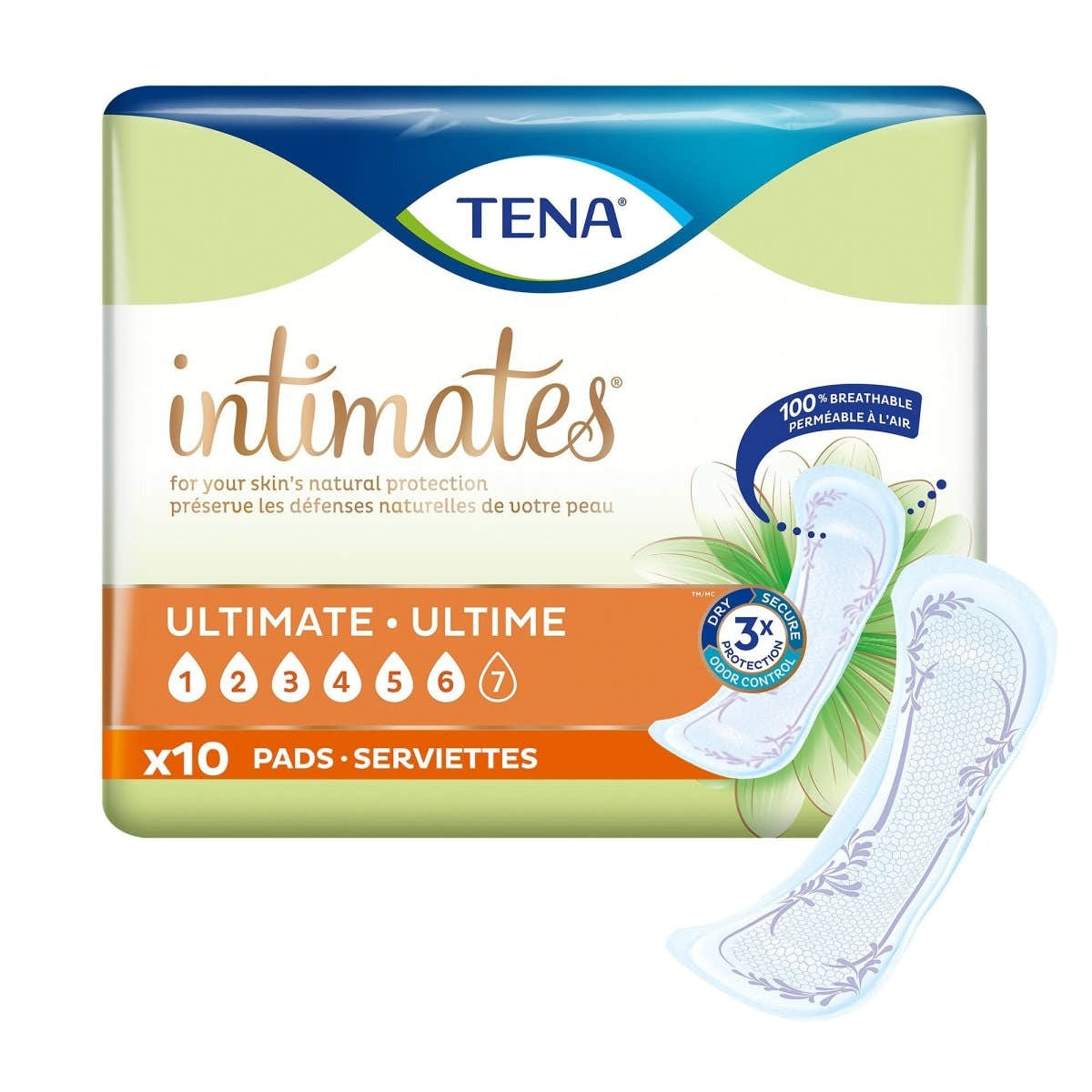
Waking up to wet sheets, damp pajamas, or interrupted sleep is a frustrating and exhausting reality for many individuals and family caregivers managing bladder control issues at home. Nighttime urinary leakage, sometimes referred to by healthcare providers as nocturnal enuresis, requires a completely different management strategy than daytime leakage. When we lie down to sleep, gravity changes how fluid pools in the body, and we go for much longer stretches of time without changing our protective wear. Finding the best incontinence products for nighttime leakage can help you or your loved one sleep through the night with confidence, dignity, and comfort.
Managing nighttime leaks is not just about convenience; it is a vital part of maintaining overall health. According to the National Association for Continence (NAFC), poor sleep quality due to nighttime wetting can lead to increased fatigue, a higher risk of daytime falls, and heightened caregiver burnout. Furthermore, prolonged exposure to moisture during the night can compromise skin health. By understanding what features to look for and how to choose the right products, you can significantly improve your quality of life and protect your skin.
Why Nighttime Urinary Leakage Requires Specialized Care
Many people attempt to use their standard daytime protective underwear or pads at night, only to experience leaks. Daytime products are designed for a body that is upright or seated, where gravity pulls liquid downward into the center of the product. When you are lying down on your back, stomach, or side, urine flows in different directions, often escaping through the leg openings or the waistband before the product can absorb it.
Additionally, daytime products are meant to be changed every few hours. At night, the goal is to achieve six to eight hours of uninterrupted rest. This means a nighttime product must have a much higher fluid capacity and advanced wicking capabilities to keep moisture away from the skin for an extended period.
Choosing the Best Incontinence Products for Nighttime Leakage
When searching for the right overnight protection, it helps to understand the specific design features that prevent leaks while you sleep. The most effective products combine high-capacity absorbency, secure barrier cuffs, and breathable materials.
1. High-Absorbency Cores
The core of a high-quality overnight product contains Superabsorbent Polymers (SAP). These are tiny beads that turn into a gel when they come into contact with liquid. This gel locks the fluid away, preventing it from squeezing back out when you roll over or change positions in bed. Look for products explicitly labeled "overnight," "maximum," or "overnight-plus" absorbency.
2. Tall Standing Leg Gathers
Also known as leak guards, these are the elasticized inner barriers that run along the leg openings. For side sleepers, tall standing leg gathers are absolutely essential. They act as dams, holding back sudden gushes of urine until the absorbent core can fully draw the liquid in.
3. Breathable Materials and Skin Protection
According to the National Institutes of Health (NIH), prolonged exposure to the moisture and ammonia in urine can lead to Incontinence-Associated Dermatitis (IAD), a painful skin irritation similar to diaper rash. The best nighttime products feature fully breathable side panels or outer backsheets. These materials allow heat and moisture vapor to escape while keeping liquid trapped inside, maintaining a healthy microclimate for your skin.
4. Wide Front and Rear Coverage
Because fluid moves upward or backward depending on whether you sleep on your stomach or your back, nighttime products require a wider absorbent zone in both the front and the rear. Standard daytime pull-ups often lack this extended coverage, leading to leaks at the waistband.
Comparing Product Types: Briefs vs. Protective Underwear
When selecting the primary wearable product for overnight use, you will generally choose between two main styles: tab-style briefs and pull-on protective underwear.
Adult Briefs (Tab-Style)
For heavy nighttime leakage, tab-style adult briefs are often the most reliable option. These products feature adjustable tabs on the sides rather than an elastic waistband.
- Customizable Fit: The tabs allow you to tighten or loosen the waist and leg openings independently, creating a secure seal that prevents leaks.
- High Capacity: Tab-style briefs generally hold more fluid than pull-on underwear because they have a thicker, wider absorbent core.
- Easy Changes: They can be put on and taken off while lying down, which is highly beneficial for individuals with limited mobility or caregivers assisting a loved one in bed.
Protective Underwear (Pull-On Style)
Pull-on protective underwear looks and feels more like regular underwear. They are ideal for active individuals who prefer a familiar design.
- Familiarity and Dignity: They slip on easily and feel less bulky under pajamas.
- Moderate to Heavy Protection: While many overnight pull-ons offer excellent absorbency, they do not allow for the same customized leg-tightening as tab-style briefs, which may lead to leaks for very active sleepers or side sleepers.
How to Get the Perfect Fit to Prevent Leaks
A common misconception is that buying a larger size will provide more protection. In reality, an oversized product is one of the leading causes of nighttime leaks. If the leg openings are too loose, fluid will escape long before the absorbent core can do its job. Conversely, a product that is too small will be uncomfortable and may tear or chafe the skin.
To find the correct size, follow these steps:
- Measure correctly: Use a flexible measuring tape to measure both the waist and the widest part of the hips. Use the larger of these two measurements when consulting sizing charts.
- Check the leg openings: The elastic leg gathers should fit snugly against the crease of the groin without digging in or leaving red marks. There should be no visible gaps.
- Verify the waistband: The waistband should sit comfortably at or just below the belly button. If it sags or rolls down, you may need a different size or a tab-style brief that allows you to adjust the tension.
Layering for Extra Protection: Booster Pads and Underpads
Sometimes, even the highest-absorbency brief needs a little extra help to get through the night. Rather than wearing two pairs of underwear (which actually causes leaks because the outer layer's waterproof backing prevents fluid from passing through), experts recommend a strategic layering system.
Booster Pads (Diaper Doublers)
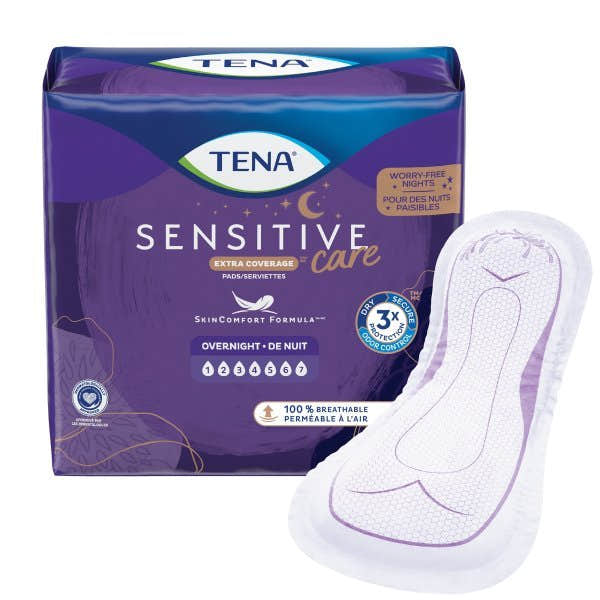
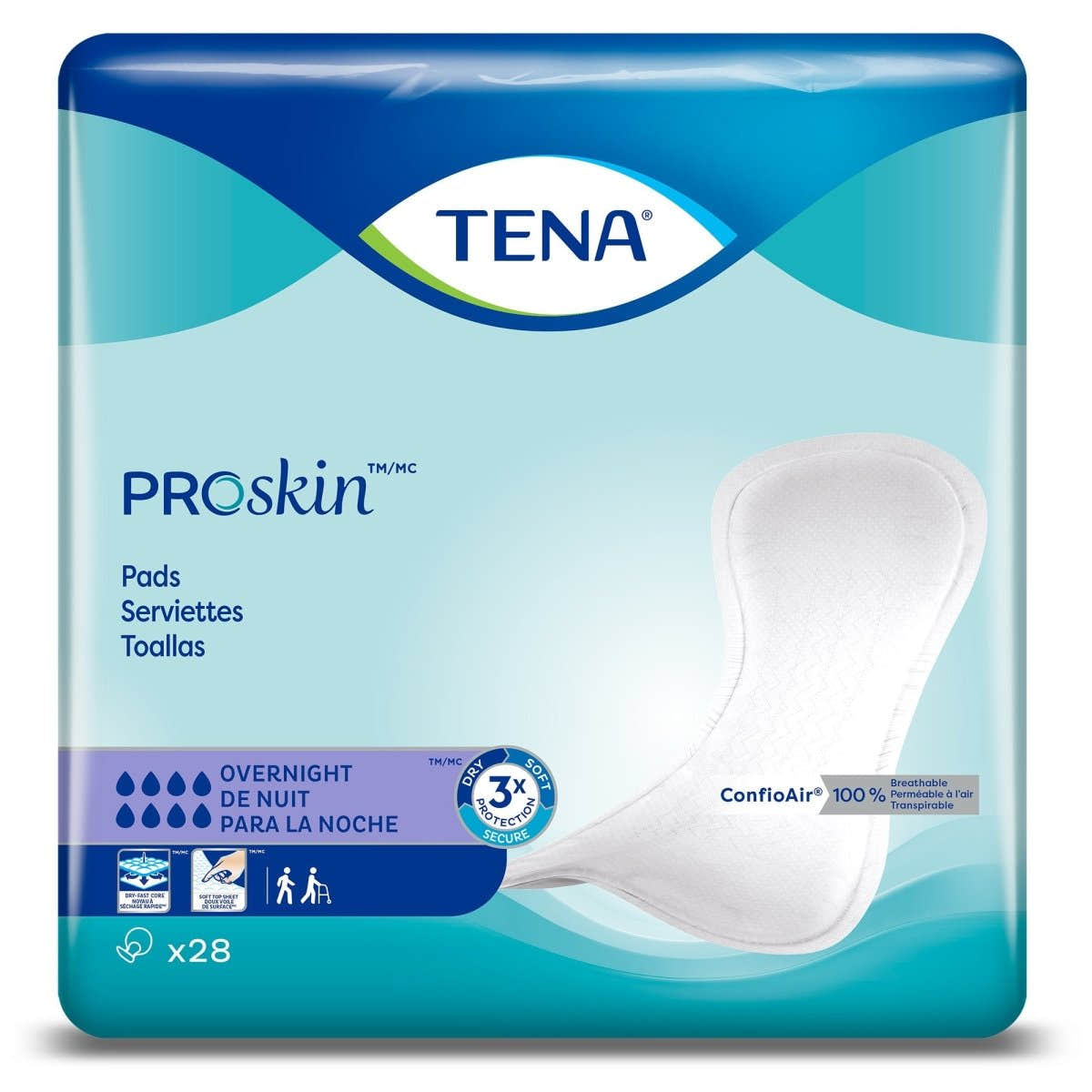
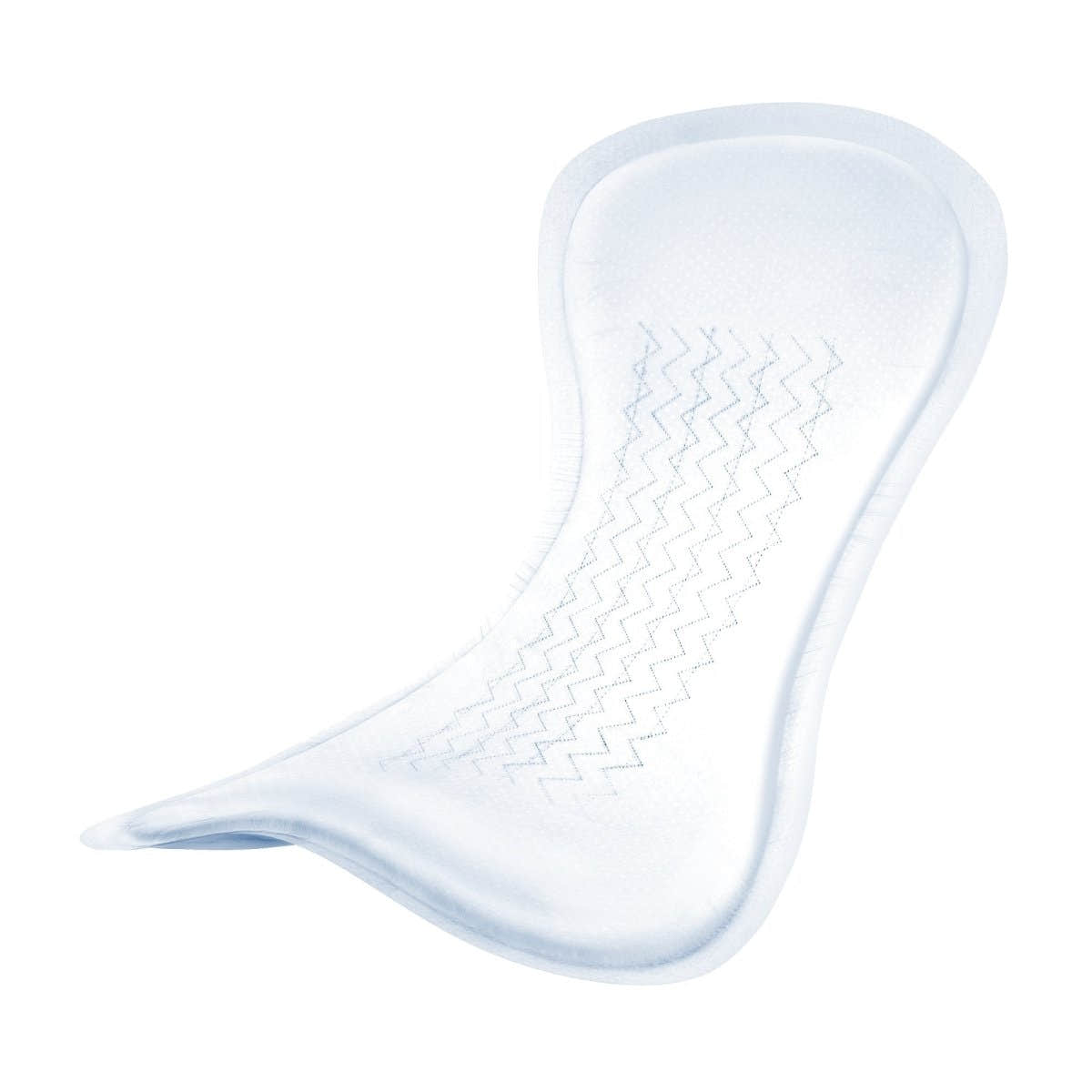
A booster pad is a pad designed without a waterproof plastic backing. It is placed directly inside the cup of a tab-style brief or protective underwear. When you urinate, the booster pad fills up first. Once it reaches capacity, the fluid flows through the breathable backing into the primary brief. This effectively doubles the absorbency of your overnight product without compromising its fit.
Disposable and Reusable Underpads (Chux)
Underpads are flat, waterproof pads placed directly on top of the bed sheets. They serve as a crucial secondary line of defense, protecting your mattress and linens from any accidental overflow.
- Disposable underpads: Highly convenient for quick cleanup during the night. Look for heavy-duty options with adhesive strips to prevent them from bunching up as you roll over.
- Reusable underpads: Often made of soft cotton or quilted fabric with a waterproof vinyl backing. They are highly durable, machine-washable, and offer a more discreet, comfortable sleeping surface.
Tips for Maintaining Skin Health Overnight
Protecting the skin from moisture damage is just as important as keeping the bed dry. The Urology Care Foundation notes that constant exposure to moisture can weaken the skin barrier, making it susceptible to infections and pressure injuries. Implement these daily habits to protect yourself or your loved one:
- Cleanse gently: Avoid harsh, scented bar soaps, which can dry out and irritate sensitive skin. Use mild, pH-balanced, no-rinse cleansing foams designed specifically for incontinence care.
- Apply a moisture barrier: Before putting on a fresh nighttime brief, apply a thin layer of barrier cream or ointment containing zinc oxide, petroleum, or dimethicone. This creates a protective shield that keeps urine from directly touching the skin.
- Let the skin breathe: If possible, allow the skin to air-dry completely for a few minutes during changes before applying creams or putting on a new product.
Practical Bedtime Routines to Reduce Nighttime Leaks
In addition to selecting the right products, making small adjustments to your evening routine can significantly reduce the volume of nighttime urinary leakage.
- Manage fluid intake: While you should never restrict water intake to the point of dehydration (which makes urine more concentrated and can actually irritate the bladder), try to limit fluids two to three hours before bedtime.
- Avoid bladder irritants: Limit caffeine, alcohol, artificial sweeteners, and highly acidic beverages in the late afternoon and evening, as these can trigger sudden bladder contractions.
- Practice double voiding: Before going to bed, urinate once, wait a few minutes while relaxing on the toilet, and try to urinate again. This helps ensure the bladder is completely empty before you lie down.
Frequently Asked Questions
Can I wear two pairs of protective underwear at the same time to stop leaks?
No, wearing two pairs of protective underwear or standard diapers at the same time is not recommended. Most incontinence underwear has a waterproof outer barrier. If you wear two, the inner pair will absorb fluid, but any overflow will be blocked by its waterproof backing, causing the liquid to run out the leg openings rather than soaking into the outer pair. Instead, use a flow-through booster pad inside a single, high-absorbency nighttime brief.
Why does my nighttime brief leak when I sleep on my side?
Side sleeping causes gravity to pull urine toward the hips and thighs rather than the center of the product. If the leg openings do not fit snugly, or if the product lacks tall, elasticized standing leg gathers (leak guards), the fluid will escape through the side gaps. To prevent this, ensure your product fits snugly around the thighs and consider switching to a tab-style brief, which allows you to tighten the lower tabs for a more secure seal around the legs.
How do I know if I need a tab-style brief or pull-on underwear for the night?
Tab-style briefs are generally best for heavy nighttime leakage, side sleepers, and individuals with limited mobility who need assistance with bed changes, as they offer higher absorbency and a highly customizable fit. Pull-on underwear is ideal for active individuals with moderate leakage who prefer the feel of regular underwear and can stand independently to change.
How often should a nighttime incontinence product be changed?
Ideally, a high-quality overnight product is designed to keep the wearer dry and comfortable for a full night's sleep (6 to 8 hours). However, if the product becomes fully saturated, or if the individual wakes up and feels wet or uncomfortable, it should be changed immediately to protect the skin from damage. Always change the product promptly upon waking in the morning.
This article is for general educational purposes and is not medical advice. Always consult your healthcare provider for guidance specific to your situation.