Managing bladder or bowel leakage at home can feel overwhelming, especially with the wide variety of management products available today. Whether you are managing your own symptoms or caring for a loved one, finding the right wearable product is key to maintaining comfort, dignity, and skin health. One of the most common decisions caregivers and patients face is: Brief vs. pull-on: which incontinence product is right? Making the wrong choice can lead to embarrassing leaks, skin irritation, or unnecessary frustration during daily changes. According to the National Association for Continence (NAFC), choosing the correct product type and size is one of the most effective ways to manage symptoms and maintain an active, worry-free lifestyle.
Incontinence—which the National Institutes of Health (NIH) defines as the involuntary loss of bladder or bowel control—affects millions of adults. Fortunately, modern manufacturing has moved far beyond bulky, crinkly designs. Today's products are discreet, highly absorbent, and tailored to specific lifestyles. This comprehensive guide will break down the differences, pros, cons, and specific use cases for both adult briefs and pull-on protective underwear to help you find the perfect fit for your daily routine.
Brief vs. Pull-On: Which Incontinence Product Is Right for Your Daily Routine?
To make the best choice, it helps to understand exactly what these two terms mean. While many people use the word "diaper" to describe any adult incontinence garment, manufacturers and healthcare professionals generally divide heavy-duty products into two distinct categories: tab-style briefs and pull-on protective underwear.
What Are Tab-Style Adult Briefs?
An adult brief is a wrap-around garment that secures at the hips with adhesive or hook-and-loop tabs. They are similar in design to baby diapers but are engineered specifically for adult anatomy. When browsing a high-quality adult briefs collection, you will find products designed for maximum absorbency, featuring heavy-duty cores and secure side panels. Briefs do not require you to slip your legs through leg holes; instead, they can be opened completely flat, wrapped around the body, and fastened securely.
What Are Pull-On Protective Underwear?
Pull-on protective underwear, often referred to simply as "pull-ons," are designed to look, feel, and wear just like regular everyday underwear. They feature a continuous, stretchy elastic waistband and are slipped on and off by pulling them up and down the legs. Most pull-ons feature tear-away side seams, allowing for quick and sanitary removal when the product is soiled, without needing to pull a wet garment down the legs.
Key Differences: Side-by-Side Comparison
To help you weigh your options, the table below outlines the primary differences between adult briefs and pull-on protective underwear across key categories like absorbency, mobility, and ease of use.
| Feature | Tab-Style Adult Briefs | Pull-On Protective Underwear |
|---|---|---|
| Design & Closure | Open flat design with adjustable side tabs (re-fastenable). | Continuous elastic waistband; slips on like standard underwear. |
| Absorbency Level | High to maximum/overnight. Excellent for heavy bladder and bowel leaks. | Moderate to heavy. Best for light-to-moderate bladder leaks. |
| Mobility Level | Ideal for individuals with limited mobility, bedridden patients, or those requiring caregiver assistance. | Ideal for active, mobile individuals who can stand and dress independently. |
| Bowel Incontinence | Highly recommended. Adjustable tabs allow for a secure, custom seal around the legs. | Not recommended for heavy bowel incontinence, as removal can be messy. |
| Ease of Changing | Can be changed while standing, sitting, or lying down without removing pants or shoes. | Requires removing pants and shoes to put on a fresh pair (though sides tear for easy removal). |
Deep Dive: The Benefits and Drawbacks of Tab-Style Briefs
Tab-style briefs are the gold standard for heavy-duty protection and assisted care. Understanding their specific benefits can help you decide if they are the right choice for your household.
The Benefits of Briefs
- Maximum Absorbency: Briefs typically contain a larger volume of superabsorbent polymers (SAP)—tiny beads that turn liquid into a gel. This makes them highly effective for heavy bladder voids and overnight use.
- Customizable Fit: Because the side tabs can be adjusted individually, you can tighten or loosen specific areas. This is highly beneficial for individuals with unique body shapes, thin waists, or wider hips.
- Caregiver-Friendly: If you are caring for a loved one with limited mobility, changing a pull-on can be physically exhausting. It requires helping them stand, balance, and remove their shoes and trousers. Briefs can be easily applied while the individual is lying in bed or sitting in a wheelchair, reducing the physical strain on both the patient and the caregiver.
- Superior Bowel Protection: The adjustable leg cuffs and secure side tabs of a brief help contain solid waste far better than the looser fit of a pull-on.
The Drawbacks of Briefs
- Bulkier Profile: Because they hold more fluid, briefs can be thicker and more noticeable under tight clothing.
- Learning Curve: Applying a tab-style brief correctly takes practice. If the tabs are fastened too tightly, they can pinch the skin; if they are too loose, the product will leak.
- Dignity Challenges: Some active individuals feel that tab-style briefs look too much like baby diapers, which can negatively impact their self-esteem and independence.
Deep Dive: The Benefits and Drawbacks of Pull-On Underwear
For individuals who maintain an active lifestyle and manage their own bathroom needs, pull-on protective underwear offers unmatched convenience and normalcy.
The Benefits of Pull-Ons
- Familiarity and Dignity: Pull-ons look and feel like standard cotton underwear. They slip on easily, allowing individuals to maintain their normal bathroom routines and dress themselves independently.
- Discretion: Modern pull-ons feature low-profile, quiet backing materials that do not rustle or make noise when walking. They fit smoothly under jeans, slacks, and skirts.
- Tear-Away Sides: When it is time to change, you do not have to pull a wet or soiled garment down your legs. You simply tear the side seams open, roll the product up, and dispose of it cleanly.
The Drawbacks of Pull-Ons
- Lower Absorbency Limits: While heavy-absorbency pull-ons do exist, they generally cannot hold as much volume as premium, high-capacity tabbed briefs.
- Inconvenient Public Changes: To put on a fresh pull-on, you must completely remove your shoes and pants. This can be highly inconvenient or unhygienic in public restrooms.
- Less Secure for Bowel Leakage: Because the leg openings rely on standard elastic rather than adjustable tabs, they may not form a tight enough seal to reliably contain bowel movements.
How to Choose: Matching Products to Lifestyle and Care Needs
To determine whether a brief or a pull-on is the right choice, ask yourself the following practical questions about the user's daily life and physical capabilities:
1. What is the user's level of mobility?
If the person wearing the product can walk, stand, and use the restroom independently, a pull-on is almost always the preferred choice. It supports their independence and fits seamlessly into their active life. However, if the user spends most of their time in a bed or wheelchair, or if they require physical assistance to stand, a tab-style brief is much safer and easier for caregivers to manage.
2. Is the user experiencing bladder leaks, bowel leaks, or both?
For urinary incontinence only, pull-ons are highly effective. However, if the individual experiences fecal (bowel) incontinence, professional consensus from organizations like the NAFC strongly favors tab-style briefs. The adjustable tabs allow caregivers to create a secure, custom seal around the thighs and hips, containing solid waste and preventing odor and leakage.
3. When will the product be worn?
Many families use a combination of both products. For example, an individual might wear a discreet pull-on during the day to stay active and social, but switch to a high-capacity tab-style brief at night to ensure uninterrupted sleep and prevent bedsheet changes.
The Importance of Proper Sizing and Fit
Regardless of whether you choose a brief or a pull-on, the product will only perform as well as its fit. A common misconception is that a larger size will hold more liquid. In reality, choosing a product that is too large creates gaps around the legs and waist, leading to immediate leaks.
To find the correct size, follow these steps:
- Measure the individual's waist at the narrowest point.
- Measure the individual's hips at the widest point.
- Use the larger of these two measurements when consulting the manufacturer’s sizing chart.
- Check the leg cuffs: they should fit snugly against the skin without digging in or leaving red marks.
Protecting Skin Health and Preventing Irritation
According to the National Institutes of Health (NIH), prolonged exposure to moisture and digestive enzymes from urine and stool can lead to Incontinence-Associated Dermatitis (IAD). This is a painful type of skin damage characterized by redness, swelling, and sometimes blistering.
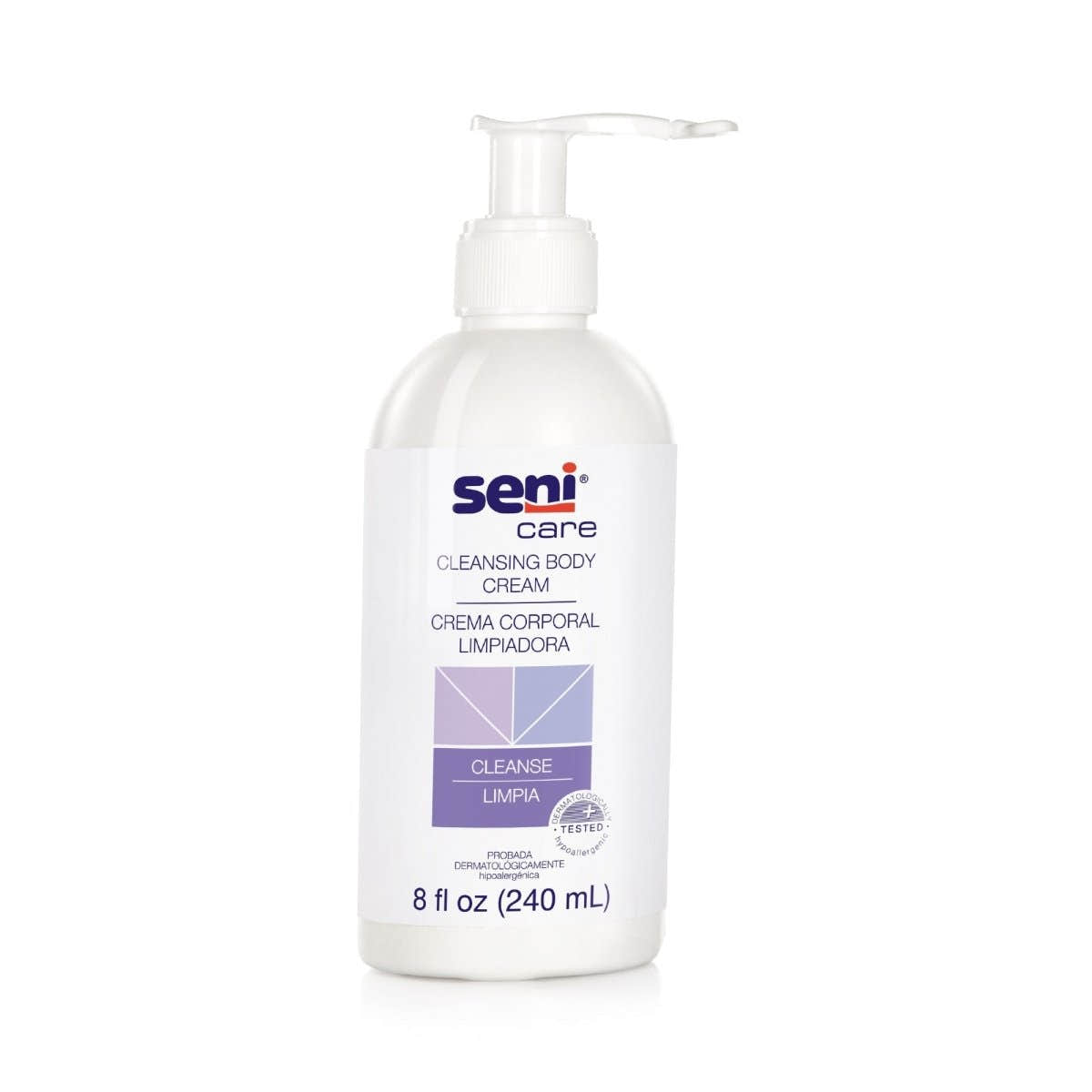
To protect vulnerable skin, look for products that feature a "breathable" outer layer, which allows heat and humidity to escape while keeping liquid trapped inside. Additionally, prioritize products with a quick-drying top sheet that rapidly pulls wetness away from the skin and locks it into the core. Regular skin checks, gentle cleansing with no-rinse cleansers, and the application of a moisture barrier cream are also essential components of a healthy care routine.
What is the main difference between a brief and a pull-on?
The main difference is how they are put on and secured. Tab-style briefs open flat and secure around the waist with adjustable adhesive or hook-and-loop tabs. Pull-ons feature a continuous elastic waistband and are slipped on and off just like standard, everyday underwear.
Are pull-ons or briefs better for bowel incontinence?
Tab-style briefs are generally much better for bowel (fecal) incontinence. Their adjustable side tabs allow you to create a tight, custom seal around the legs and waist to securely contain solid waste. Pull-ons can sag or leak during bowel movements, and removing them when soiled can be messy.
Can I wear a brief or pull-on overnight?
Yes, but you should look for products specifically labeled for "overnight" or "maximum" absorbency. These products contain higher amounts of superabsorbent polymers to lock away large volumes of liquid, keeping the skin dry and preventing leaks throughout the night.
How do I know if an incontinence product fits correctly?
A properly fitting product should lay flat against the skin without gaps. The leg openings should be snug but comfortable, and the waistband should sit securely without digging in. If you experience frequent leaks but the product's core is not completely saturated, the size is likely too large.
This article is for general educational purposes and is not medical advice. Always consult your healthcare provider for guidance specific to your situation.