Managing urinary leakage can feel overwhelming, but having the right supplies can make a world of difference in your daily comfort and confidence. Incontinence pads are designed to absorb moisture quickly, keeping your skin dry and your clothing protected. However, browsing through the many options available can be confusing. Learning how to choose incontinence pad absorbency is the key to finding a product that fits your lifestyle, protects your skin, and gives you peace of mind.
According to the National Association for Continence (NAFC), millions of adults manage some form of bladder leakage. Despite how common this experience is, many people struggle to find the right level of protection. Using a pad with the wrong absorbency can lead to leaks, skin irritation, and unnecessary worry. In this guide, we will break down the different levels of absorbency, explain the technology behind these products, and help you find the perfect match for your unique needs.
Why Menstrual Pads Are Not the Same as Incontinence Pads
One of the most common mistakes people make when managing bladder leaks is using menstrual pads instead of dedicated incontinence pads. While they may look similar, they are designed for entirely different types of bodily fluids.
Menstrual pads are engineered to absorb blood, which is thicker and flows slowly. In contrast, urine is thin, watery, and often exits the body in rapid, sudden bursts. According to clinical resources from the National Institutes of Health (NIH), urinary leakage requires materials that can instantly capture rapid fluid flow and lock it away to prevent skin damage. Incontinence pads contain specialized polymers that turn liquid into a gel upon contact, whereas menstrual pads rely primarily on cotton or cellulose fibers that can quickly become saturated, heavy, and wet against the skin. Using the correct product ensures that moisture is pulled away from your body immediately, keeping you dry and comfortable.
Understanding Incontinence Pad Absorbency Levels
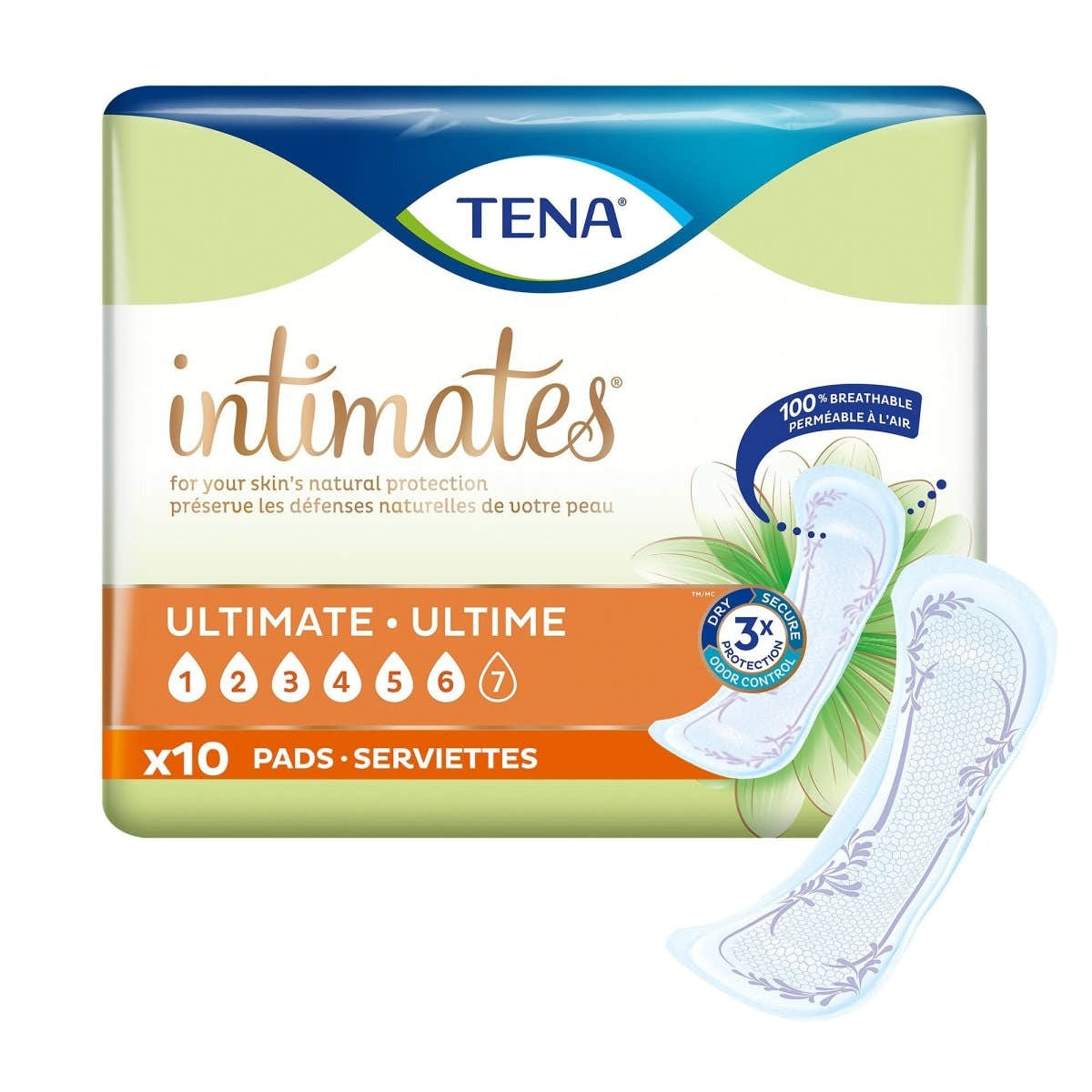
Incontinence pads come in a wide range of absorbency levels to accommodate different volumes of urinary leakage. Manufacturers usually use a scale of droplets or descriptive terms on their packaging. Understanding these levels will help you narrow down your choices.
Light Absorbency
Light pads, often called pantyliners, are designed for minor drips and dribbles. This level of protection is ideal for individuals who experience stress urinary incontinence—leakage that occurs when coughing, sneezing, laughing, or exercising. Light pads are thin, discreet, and perfect for everyday wear when you only expect a few drops of moisture throughout the day.
Moderate Absorbency
Moderate pads are thicker and can handle more than just a few drips. They are designed for small trickles or sudden, minor surges of urine. If you experience urge incontinence—a sudden, strong need to urinate that sometimes results in a leak before you can reach the restroom—moderate absorbency pads provide a reliable layer of protection without feeling overly bulky.
Heavy Absorbency
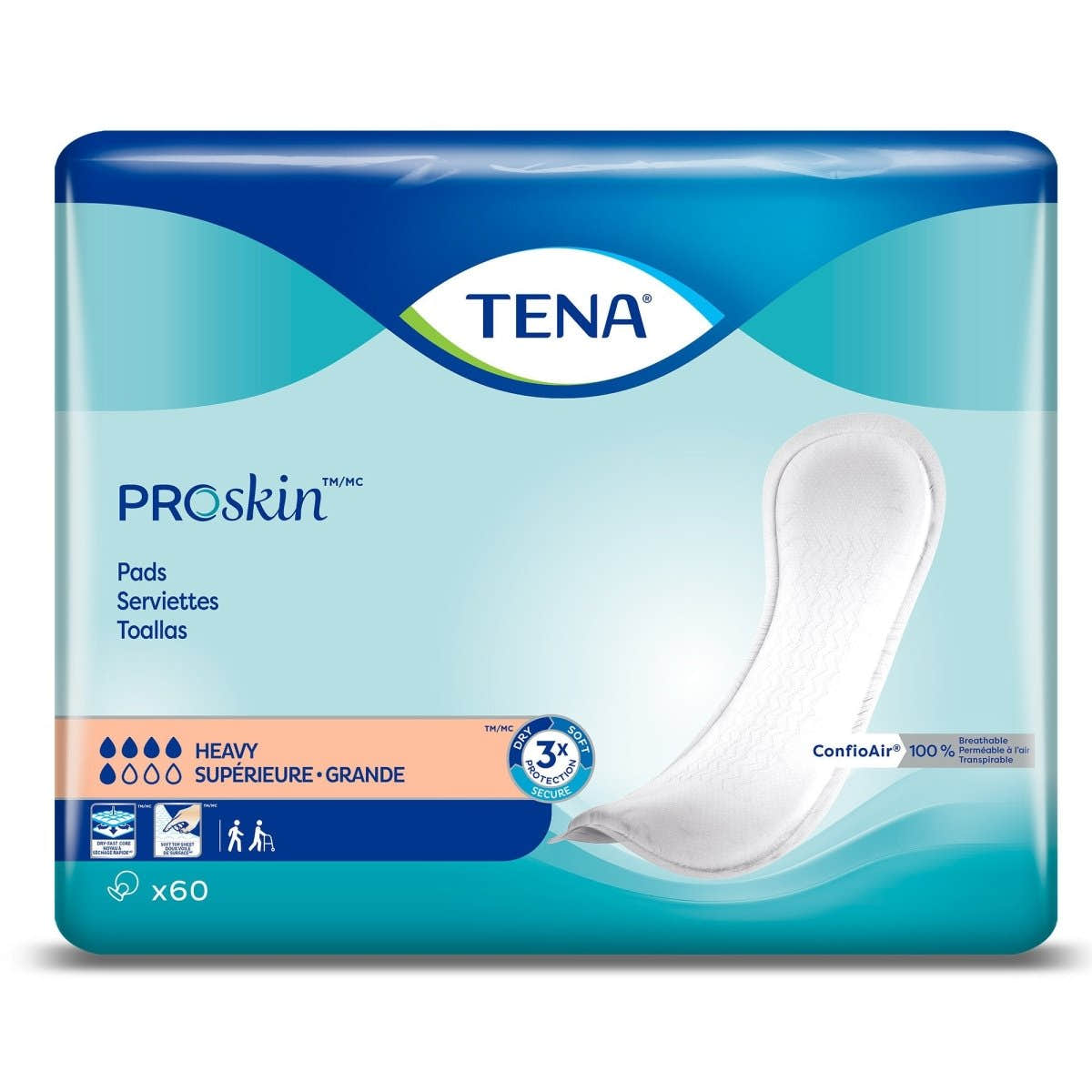
Heavy pads are designed for significant releases of urine. If you regularly lose larger amounts of bladder control or have difficulty reaching the bathroom in time due to mobility challenges, heavy-absorbency pads are highly recommended. These pads feature a thicker core and taller leak guards along the sides to prevent fluid from escaping onto your clothes.
Maximum or Overnight Absorbency
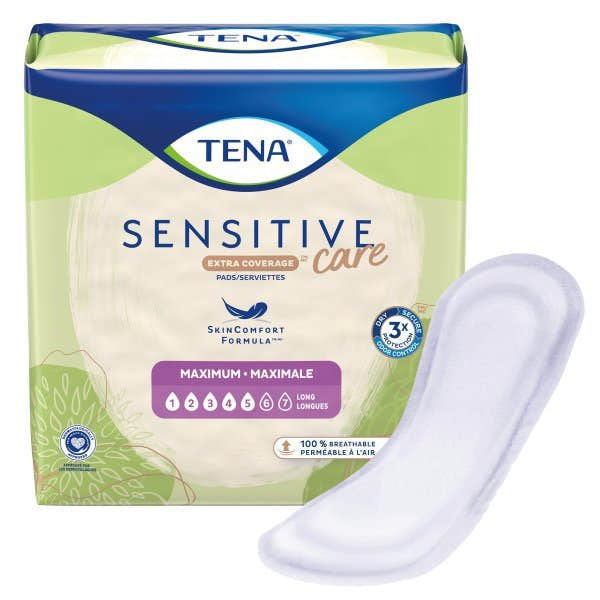
Maximum and overnight pads offer the highest level of protection. They are longer and wider, particularly at the back, to protect you while lying down. When you sleep, gravity causes fluid to pool differently than when you are standing or sitting. Overnight pads are designed to handle multiple, large surges of urine, allowing you and your caregiver to sleep through the night without interruption.
How to Choose Incontinence Pad Absorbency for Your Daily Routine
Choosing the right absorbency is not just about the amount of leakage; it is also about how you live your life. To determine how to choose incontinence pad absorbency for your specific routine, consider the following factors:
- Your Activity Level: If you are highly active, go to the gym, or walk frequently, you may prefer a thinner, moderate-absorbency pad that moves with your body during the day, paired with a higher-absorbency pad for times when you are resting.
- Access to Restrooms: If you travel frequently, work long shifts, or have limited access to a bathroom, opting for a slightly higher absorbency than you think you need can provide a helpful safety buffer.
- Time of Day: Many people find they need different products for daytime and nighttime. A moderate pad may work perfectly during the day when you can change it frequently, while an overnight pad is necessary for solid, uninterrupted sleep.
- Fluid Intake: If you drink a lot of water or take prescribed medications like diuretics (water pills), your urine output will naturally be higher, requiring a more absorbent pad.
The Role of Fit and Sizing in Leak Prevention
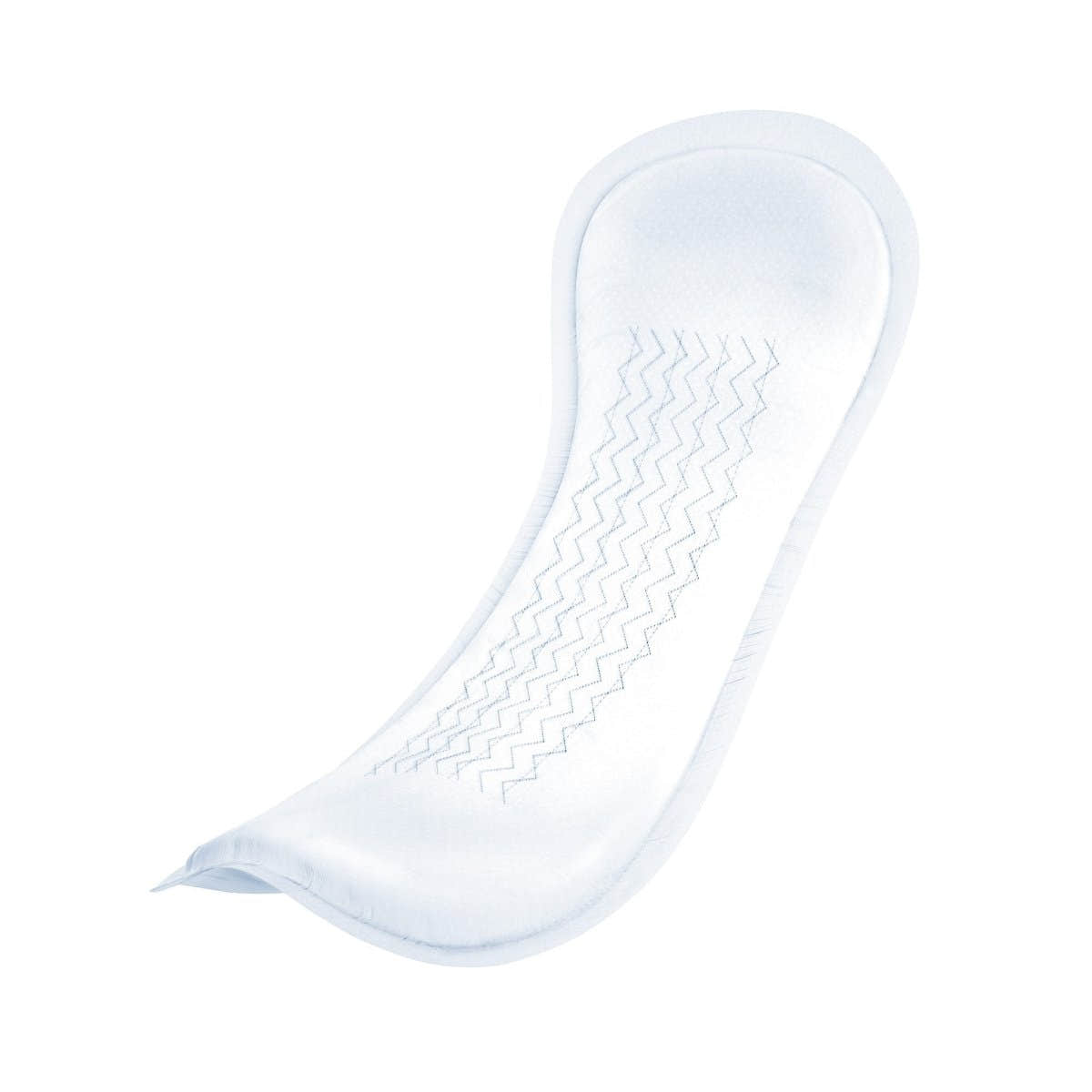
Even the most absorbent pad will leak if it does not fit your body correctly. Proper fit ensures that the absorbent core stays directly beneath the source of the leak and that the side guards hug your body to prevent spills.
When selecting incontinence pads, pay close attention to the shape of the product. Many brands offer gender-specific designs. Men's pads (often called male guards) are cup-shaped and wider at the front to match male anatomy. Women's pads are contoured to fit securely in the center of standard underwear. For the best results, always wear snug-fitting underwear that holds the pad firmly against your body; loose-fitting boxers or loose briefs can cause the pad to shift, leading to leaks.
Protecting Your Skin from Moisture Damage
One of the most critical reasons to choose the correct absorbency is to protect your skin health. The National Institutes of Health (NIH) warns that prolonged exposure to moisture and urine can break down the skin barrier, leading to a painful condition known as Incontinence-Associated Dermatitis (IAD).
To keep your skin healthy, always choose a pad that keeps the surface touching your skin dry. Look for products that feature a "dry-touch" or "wicking" top sheet. Additionally, change your pad as soon as it feels damp or heavy. Even if a heavy-absorbency pad can hold more fluid, leaving a wet pad against your skin for hours increases the risk of irritation and infection. For those caring for a loved one at home, regularly checking and changing pads is a vital part of daily hygiene and comfort.
When to Consult a Healthcare Professional
While choosing the right incontinence supplies can greatly improve your quality of life, it is important to remember that urinary leakage is a symptom, not a disease. The Centers for Disease Control and Prevention (CDC) notes that bladder leakage can be caused by many treatable factors, including urinary tract infections (UTIs), pelvic floor weakness, or certain medications.
If you experience sudden changes in your bladder habits, pain or burning during urination, or if your leakage is accompanied by a fever, you should consult your healthcare provider immediately. A doctor can help identify the underlying cause of your symptoms and recommend a personalized treatment plan.
Frequently Asked Questions
Can I wear two pads at once to increase absorbency?
No, you should not wear two pads at the same time. Incontinence pads have a waterproof plastic backing to prevent leaks from reaching your clothes. If you stack two pads, the top pad will fill up, but the fluid will not be able to pass through to the bottom pad. Instead, the liquid will run off the sides, causing leaks and skin irritation. If you need more protection, choose a single pad with a higher absorbency rating.
How often should I change my incontinence pad?
As a general rule, you should change your pad as soon as it feels wet or heavy, or every 4 to 6 hours during the day. Keeping a wet pad against your skin for too long can lead to skin breakdown and odor. Always change your pad immediately after a bowel movement.
How do I know if my pad is too absorbent?
If your pad feels bulky, stiff, or uncomfortable to walk in, and you find that it is barely damp when you go to change it, you may be using an absorbency level that is too high. Switching to a lighter, thinner pad can improve your comfort and discretion while still providing adequate protection.
Are there different pads for men and women?
Yes. Because of anatomical differences, men and women leak in different areas. Men's pads (often called guards or shields) are shaped like a cup and fit in the front of the underwear. Women's pads are contoured to absorb fluid in the center and back. Choosing a gender-specific pad often provides a more secure and comfortable fit.
This article is for general educational purposes and is not medical advice. Always consult your healthcare provider for guidance specific to your situation.