An oxygen concentrator may run for many hours each day, often in the rooms where life happens: beside a favorite chair, near the bed, or alongside a caregiver’s daily routine. Consistent oxygen concentrator maintenance helps the unit deliver the prescribed flow reliably, reduces avoidable service issues, and keeps the equipment easier to live with.
Home oxygen equipment is not one-size-fits-all. Your concentrator’s manual, oxygen provider, and prescribing clinician should always guide care for your particular model. A portable unit, for example, has different cleaning needs and battery considerations than a stationary concentrator. Still, a few everyday habits apply to most home units.
Start With Safe Placement
Good maintenance begins before you touch a filter or wipe down the cabinet. A concentrator needs room to draw in air and release warmth. Place it on a firm, level surface in a well-ventilated area, away from curtains, bedding, upholstered furniture, and tight corners that can block the air intake.
Follow the clearance distance listed in your manual. Many units need several inches of open space around them, but the exact requirement varies by manufacturer. Do not place the unit in a closet, bathroom, laundry room, or other area where moisture, dust, heat, or lint may build up.
Keep the concentrator away from open flames, gas stoves, candles, fireplaces, and anyone smoking or vaping. Oxygen itself does not burn, but it makes materials ignite more easily and burn faster. Post no-smoking reminders where visitors can see them, especially when oxygen tubing is in use.
Use a properly grounded wall outlet whenever possible. Avoid extension cords and power strips unless your equipment provider specifically approves them. The concentrator should not share an overloaded outlet with appliances that draw significant power, such as space heaters or microwaves.
A Practical Oxygen Concentrator Maintenance Routine
The goal is not to take apart the machine. Routine home care usually means keeping the exterior, intake area, filters, tubing, and accessories clean while watching for changes in performance. Internal repairs should be left to qualified service technicians.
Every day: check the basics
Before use, look over the power cord, tubing, nasal cannula, and connections. Make sure the tubing is not bent, pinched under furniture, or stretched across a walkway where someone could trip. Listen for the normal sound of the unit running. If it seems unusually loud, cycles differently, or displays an alarm, do not ignore it.
Check that the prescribed flow setting has not been changed accidentally. Do not adjust your oxygen flow rate based on how you feel unless your clinician has given you a plan to do so. A pulse-dose portable concentrator and a continuous-flow stationary unit may behave differently, so confirm that the device mode matches your prescription and use instructions.
If your concentrator uses a humidifier bottle, inspect the water level and connections. Use only the water and cleaning process directed by your provider. Tap water can leave mineral deposits and may not be appropriate for the setup you have.
Weekly: clean the exterior and intake area
Turn off and unplug the concentrator before cleaning its exterior. Wipe the cabinet with a soft, slightly damp cloth and a mild cleaner if the manufacturer permits it. Keep liquid away from vents, controls, and electrical connections. Never spray cleaner directly onto the machine.
Use a dry cloth or soft brush to gently remove dust around the vents and intake area. Pet hair, lint, and household dust can restrict airflow over time. This matters even more in homes with pets, carpeting, or frequent cooking near the equipment.
Avoid harsh chemicals, aerosol sprays, solvents, bleach on the machine housing, and abrasive scrubbers. These can damage plastic surfaces, labels, or internal openings. A clean exterior is helpful, but moisture inside the unit creates a much bigger problem than a little dust on the case.
Clean or replace filters as directed
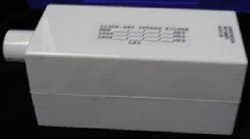
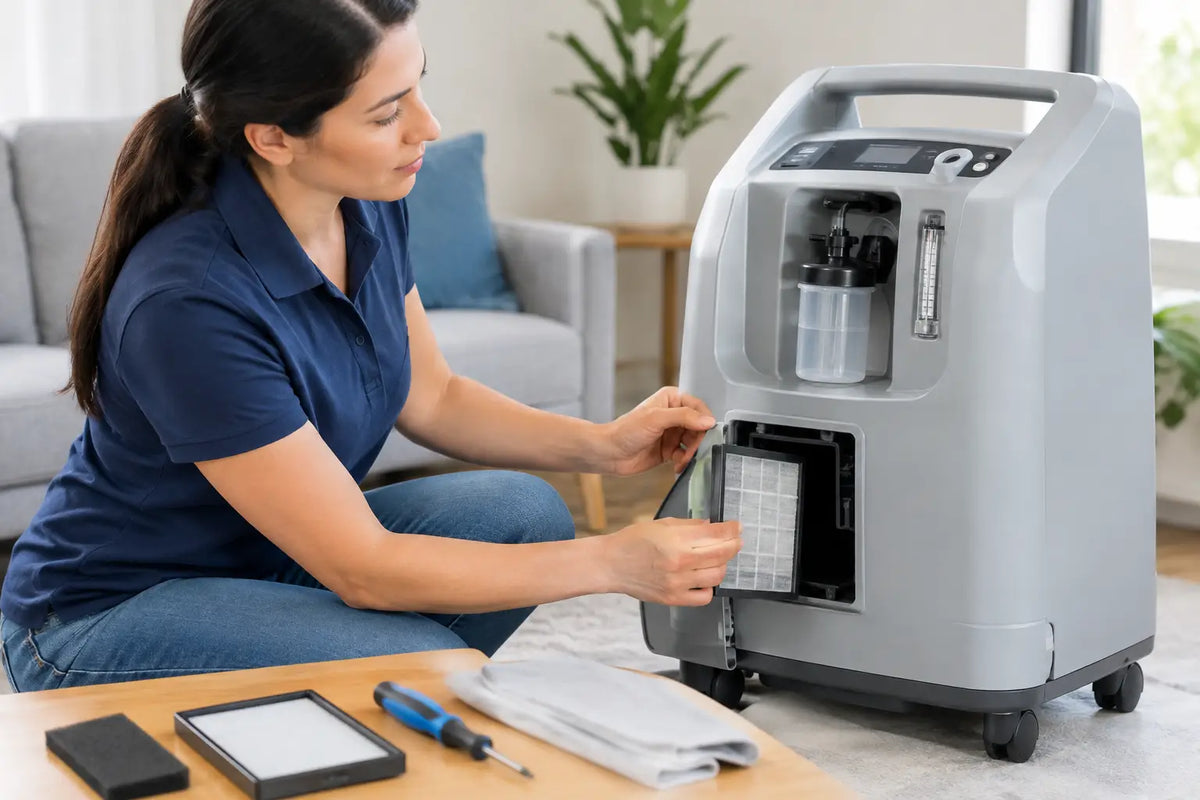
Many stationary concentrators have an external foam or reusable intake filter. This filter is often washable, but not always. Check your model’s instructions before removing it. Some units also contain internal filters that are not meant for home cleaning or replacement.
For a washable foam filter, the usual process is to remove it, rinse it with warm water and mild soap, rinse thoroughly, and allow it to air-dry completely before reinstalling it. Never put a damp filter back into the concentrator. Moisture can interfere with operation and may contribute to damage.
Do not substitute a household air filter, cut material to fit, or run the unit without its required filter. Replacement schedules vary based on the unit, the home environment, and how often it runs. A provider may recommend more frequent cleaning in homes with pets or higher dust levels.
Keep Tubing and Cannulas Clean
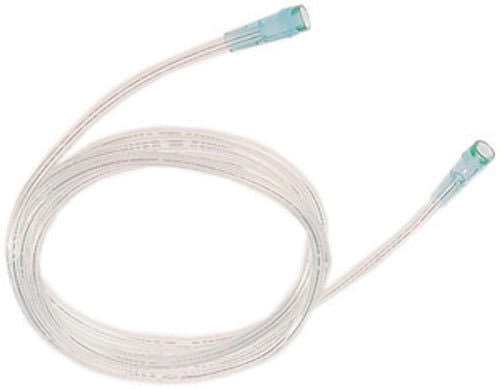
Oxygen tubing and nasal cannulas are part of the delivery system, not just accessories. Replace them on the schedule recommended by your oxygen provider or clinician, and sooner if they are cracked, stiff, discolored, visibly dirty, or no longer fitting comfortably.
Tubing can collect moisture or become contaminated when it rests on floors, furniture, or bedding. Keep it off the floor when practical, and route it so it does not kink. If you use a long tubing length, check it from end to end regularly. A hidden bend behind a recliner can reduce flow without being obvious.
Cannulas are generally intended for individual use. Wash your hands before handling the prongs or connecting tubing. If a cannula causes skin irritation around the ears or nostrils, speak with your care team about fit, replacement frequency, or comfort accessories rather than trying to modify it yourself.
What Not to Do
A concentrator is durable medical equipment, but it is not a household appliance to troubleshoot from the inside. Avoid these common mistakes:
- Do not open the cabinet, remove internal parts, or attempt repairs.
- Do not use compressed air to blow dust into vents or internal components.
- Do not cover the unit with blankets, clothing, or furniture to reduce noise.
- Do not use the concentrator in a vehicle unless the manufacturer specifically allows it.
- Do not store it in extreme heat, freezing temperatures, or damp spaces.
Know When to Call Your Provider
Contact your oxygen equipment provider if the concentrator repeatedly alarms, shows an error message, feels unusually hot, produces a new odor, loses power unexpectedly, or has a noticeable change in sound. Call if the flow seems weak, the unit will not start, or a filter cannot be cleaned or reinstalled as instructed.
If you experience shortness of breath, chest pain, confusion, blue lips or fingertips, or another urgent symptom, follow your emergency plan and seek medical help right away. Do not wait to see whether cleaning the machine solves a potential medical emergency.
A backup oxygen plan is also part of responsible home use. Power outages, severe weather, and equipment failures can happen. Ask your provider how long any backup cylinder will last at your prescribed flow rate, where to keep it, and whom to call after hours. Keep the provider’s phone number and your prescription details in an easy-to-find place.
Make Maintenance Easier for Caregivers
For families managing several health needs at home, the simplest system is usually the one that gets done. Keep a small care log near the equipment or in a phone note. Record filter cleaning dates, tubing and cannula changes, service visits, and any alarms or questions. This makes it easier for another caregiver to step in and gives the provider useful information if a problem develops.
Set reminders based on the manufacturer’s schedule, not a generic calendar online. Some filters need weekly attention, while others have a different routine. If your provider gives you written instructions, keep them with the concentrator rather than relying on memory.
Reliable oxygen therapy depends on more than the machine alone. A clean intake, dry filter, clear tubing path, safe placement, and a plan for alarms can help make daily care feel more manageable for both patients and caregivers.