A walker that feels narrow, unstable, or difficult to turn can make a short trip to the bathroom feel much harder than it should. Bariatric walker options are designed to provide higher weight capacities, wider frames, and more stable support for adults who need dependable assistance with walking at home, during recovery, or while managing a long-term mobility limitation.
The right choice is not simply the walker with the highest weight rating. Frame width, handle height, wheel style, braking control, and the layout of the home all affect whether a mobility aid feels secure and practical. For many caregivers and shoppers, the best walker is the one that supports daily movement without creating new obstacles at doorways, beside the bed, or in the bathroom.
What Makes a Walker Bariatric?
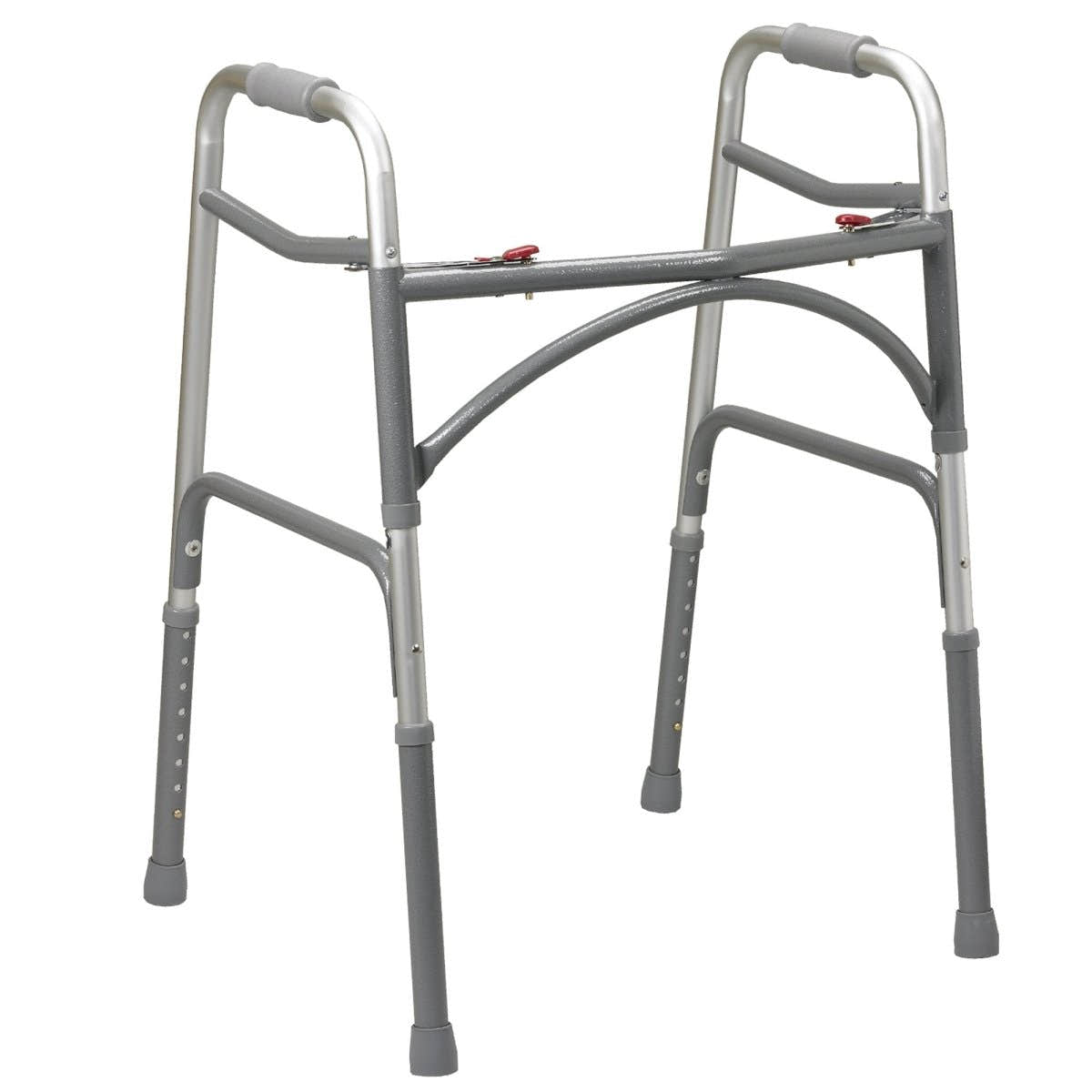
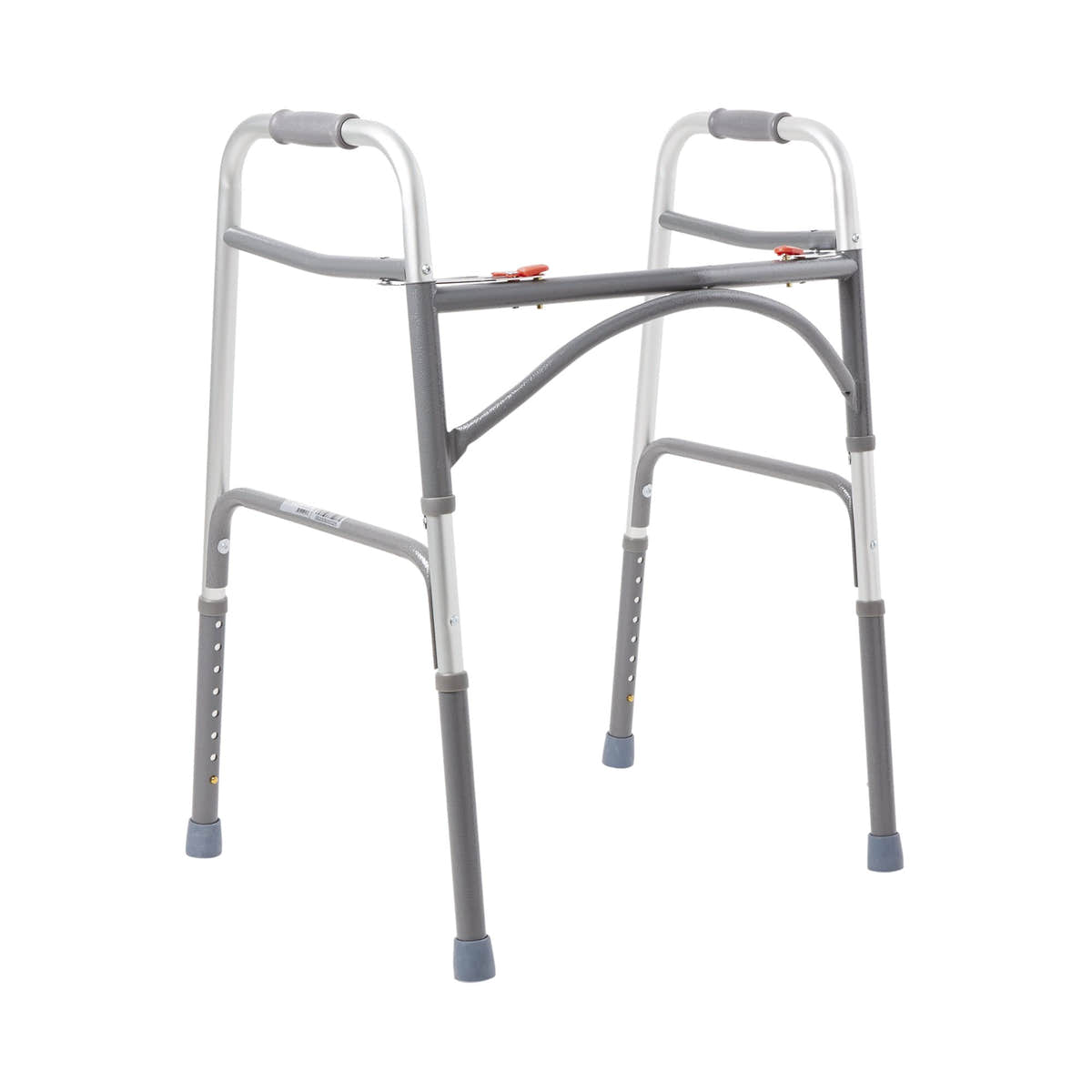
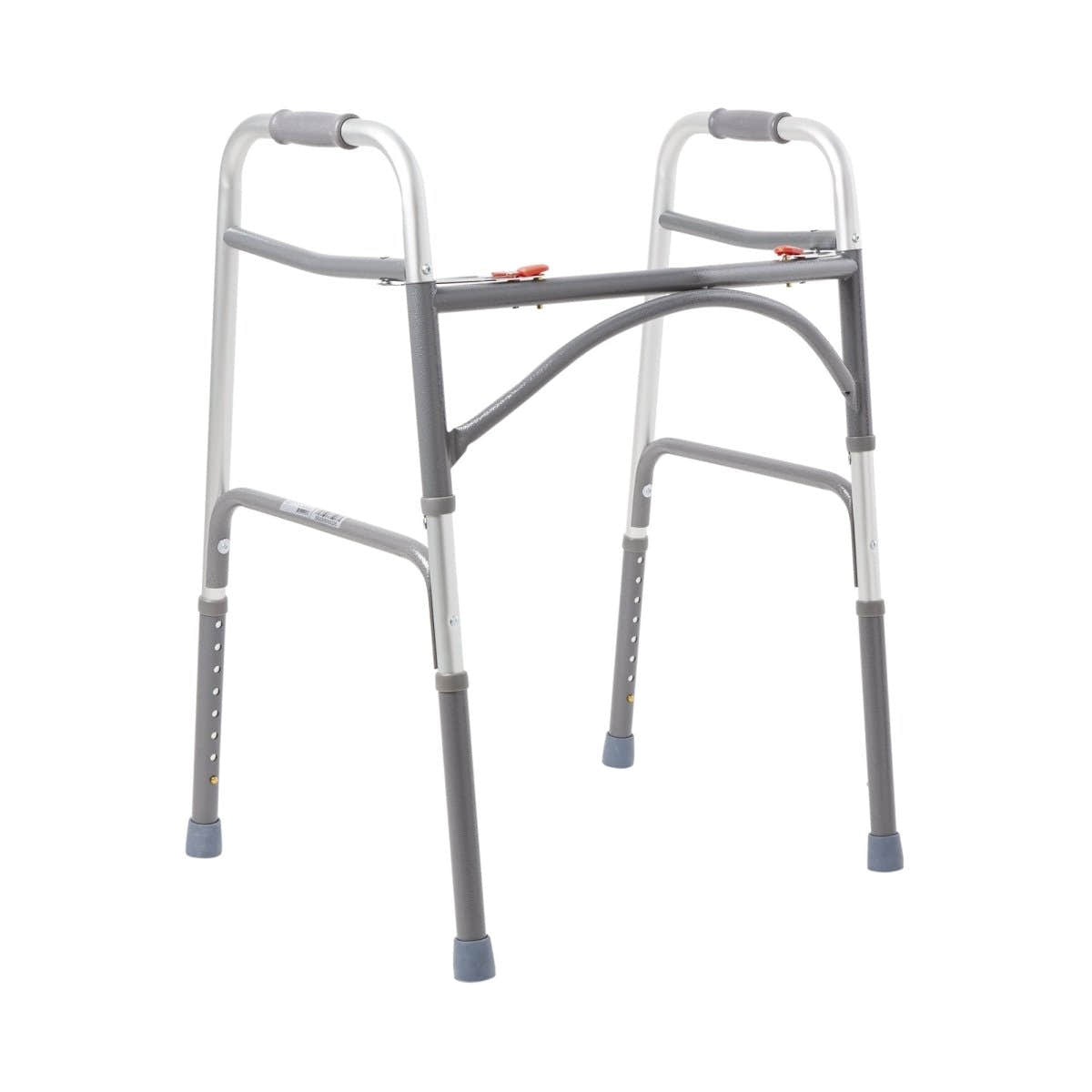
A bariatric walker is built with a reinforced frame and a higher stated weight capacity than a standard adult walker. Standard walkers commonly support up to 250 or 300 pounds, while bariatric models may be rated for 350, 400, 500, or more pounds, depending on the product.
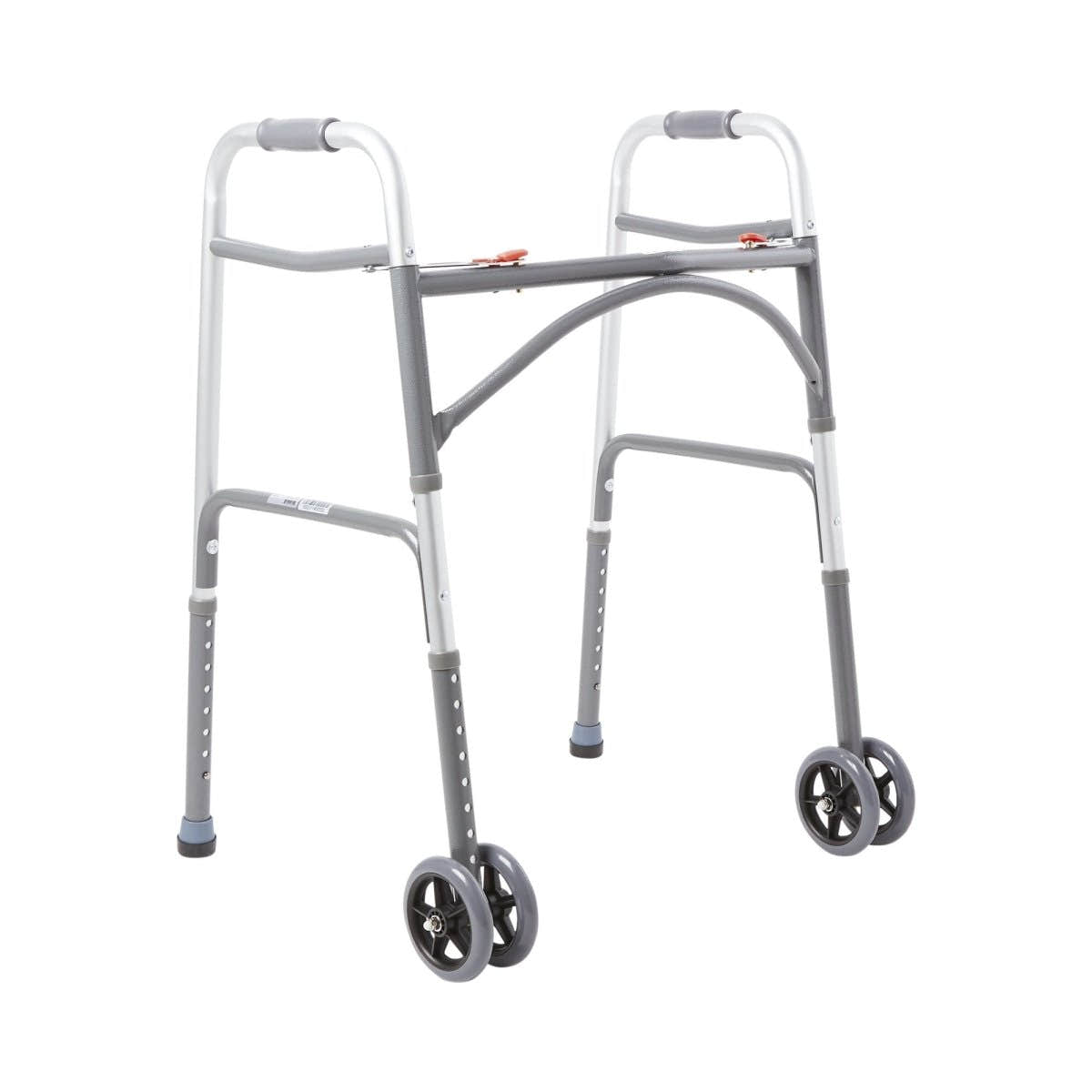
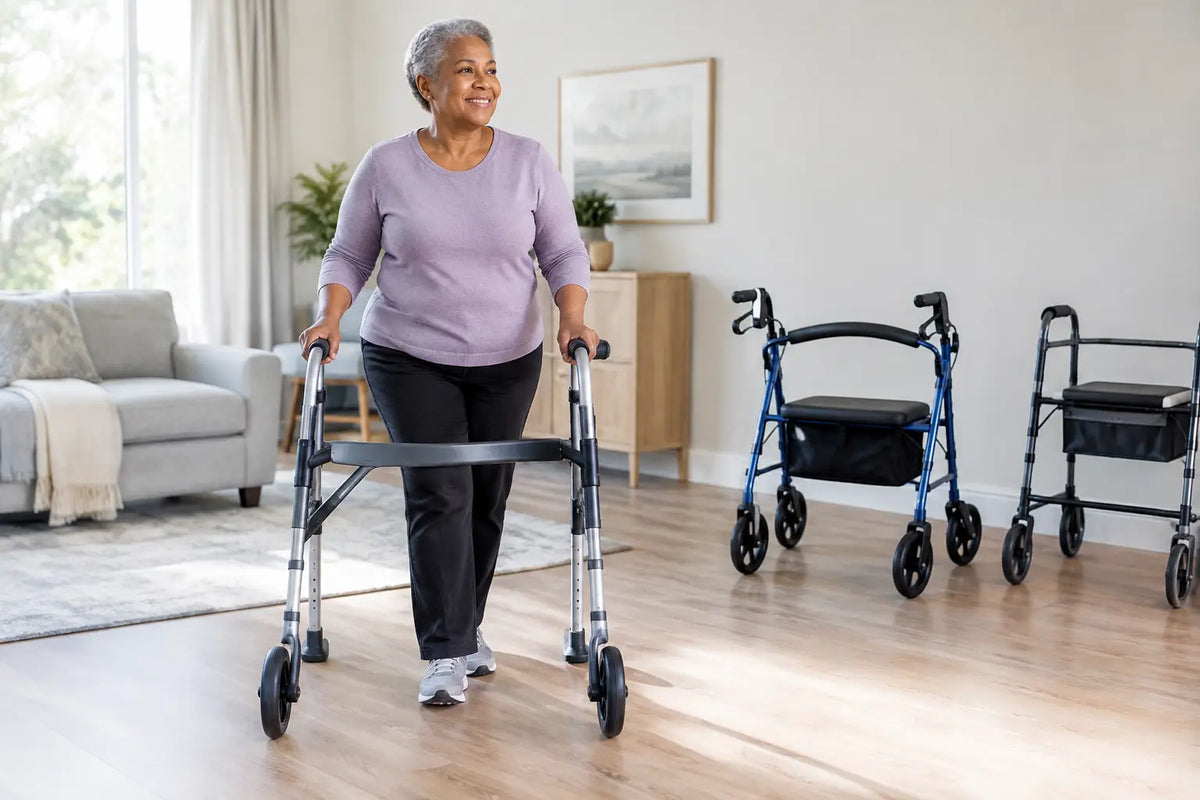
These walkers often have a wider base and wider spacing between the handgrips. That added room can improve comfort and reduce the feeling of being confined by the frame. Reinforced crossbars, larger tubing, and heavy-duty wheels or casters are also common features.
Weight capacity should always be treated as a safety limit, not a target. Follow the manufacturer’s instructions for the specific model, including any limits for a built-in seat, basket, or accessory. A walker may have one overall capacity, while its seat or storage compartment has a separate, lower limit.
Main Bariatric Walker Options
The best style depends on balance, endurance, hand strength, and where the walker will be used. A physical therapist or prescribing clinician can help determine which type is appropriate, particularly after surgery, a fall, or a major change in mobility.
Standard bariatric walkers
A standard walker has four legs and no wheels. The user lifts the frame, places it slightly ahead, then steps forward. This style provides a high level of stability and can be useful for people who need to put substantial weight through their arms or who have difficulty controlling a rolling device.
The trade-off is effort. Lifting a heavy-duty frame repeatedly can be tiring, especially for someone with shoulder pain, limited grip strength, or low stamina. Walker glide caps or skis may make it easier to move the front legs across indoor flooring, but they do not turn the walker into a wheeled model.
Two-wheel bariatric walkers
A two-wheel walker generally has wheels on the front legs and stationary rear legs with rubber tips or glides. The user pushes rather than lifts the front of the walker, while the rear legs help keep it from rolling away too quickly.
This is often a practical middle ground for indoor use. It requires less lifting than a standard walker but can feel more controlled than a four-wheel rollator. It may be a good fit for someone who needs steady support while walking room to room and can manage the width of the frame through their home.
Bariatric rollators
A bariatric rollator has four wheels, hand brakes, and often a padded seat with a backrest. Some models include a basket, pouch, or under-seat storage for personal items. This style can be helpful for users who walk independently but need a stable handhold and a place to sit when fatigue sets in.
Rollators move easily, which is a benefit outdoors and across longer indoor distances. That same mobility means brake use matters. The user needs enough hand strength, coordination, and reaction time to squeeze the brakes while walking and lock them before sitting. A rollator should never be used as a transport chair unless the manufacturer specifically states that it is designed for that purpose.
Platform and specialty walkers
Some people cannot comfortably bear weight through their hands or wrists because of arthritis, injury, weakness, or a cast. Platform walkers support the forearm instead of requiring the user to grip traditional handholds. Specialty configurations may also be available for people recovering from certain orthopedic procedures or those with one-sided weakness.
These models should be selected with clinical guidance. Proper platform height and arm positioning are essential, and an incorrectly fitted platform can affect posture, balance, and shoulder comfort.
How to Compare Bariatric Walker Options
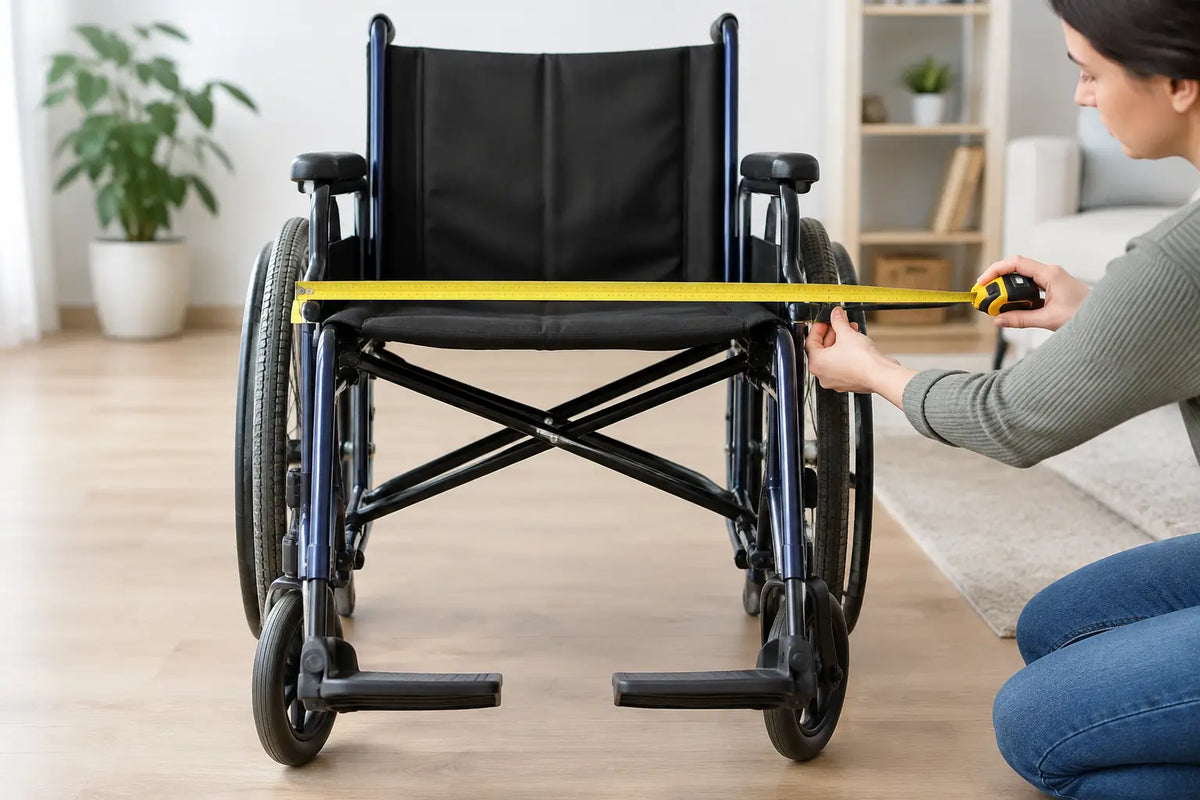
Start with the user’s needs, then measure the space where the walker will be used. Product specifications matter, but a walker that cannot pass through the bathroom door or turn beside the toilet will not solve the daily problem.
When comparing models, focus on these practical details:
- Weight capacity: Choose a model rated above the user’s body weight, following the manufacturer’s stated use guidelines. Do not assume a higher capacity makes every component, including a seat, rated the same.
- Overall width: Measure narrow doorways, hallways, and paths around furniture. Also compare the width between handgrips for comfort and easy positioning.
- Handle height: When standing upright inside the walker, the handgrips should generally align near wrist level with the arms relaxed. Handles that are too low can cause stooping; handles that are too high can reduce control.
- Walker weight and folding method: A reinforced walker may weigh more than a standard model. Consider who will lift it into a car, move it over thresholds, or fold it for storage.
- Wheels, brakes, and terrain: Larger wheels and dependable hand brakes are especially useful for rollator users who travel outdoors. For mostly indoor use, maneuverability and doorway clearance may matter more.
Fit and Setup Matter as Much as Capacity
Even a well-built bariatric walker can become uncomfortable or unsafe when it is adjusted incorrectly. Set both handgrips to the same height and make sure adjustment buttons are fully engaged. Check that rubber tips are not worn smooth and that wheels turn freely without wobbling.
For a standard or two-wheel walker, the user should step into the frame rather than stand far behind it. Moving the walker too far ahead can encourage leaning and place more strain on the shoulders. With a rollator, users should stay close enough to reach the brakes comfortably without hunching forward.
Home setup deserves attention too. Remove loose throw rugs, keep cords and pet toys out of walking paths, and improve lighting between the bedroom and bathroom. Thresholds, uneven patio surfaces, and wet floors can be difficult even with a heavy-duty frame. A walker adds support, but it cannot fully prevent a fall when the walking surface is unsafe.
When a Walker May Not Be the Best Choice
A bariatric walker is not automatically the right mobility aid for every person who needs a higher weight capacity. Someone who cannot safely stand, has frequent unpredictable knee buckling, experiences significant dizziness, or needs help with transfers may need a different level of support. In those situations, ask a clinician or therapist for an evaluation rather than trying to solve the issue by choosing a wider or heavier walker.
Likewise, a four-wheel rollator is not always safer than a two-wheel walker. If a user tends to push too quickly, cannot operate hand brakes reliably, or needs to bear considerable weight through the device, a more stable walker style may be better. The right choice depends on the person’s mobility, not just the product’s features.
Making Everyday Mobility Easier
A durable mobility aid should support the routines that matter most: getting out of bed, reaching the kitchen, attending appointments, and moving through the home with more confidence. CartHealth helps shoppers compare home mobility products alongside other daily care essentials, making it easier to plan for both immediate needs and ongoing support.
Take measurements before ordering, review the stated capacity and dimensions carefully, and choose a style the user can operate comfortably. A properly fitted bariatric walker can make daily movement feel more manageable while helping the user stay active in the spaces that matter most.