A glucose number can shape the next decision of the day: whether to eat, take medication, treat a low, call a clinician, or simply carry on with confidence. The right glucose monitors make those decisions easier by giving you readings you can understand and act on at home.
For many people, a dependable monitoring routine is less about having the most advanced device and more about having supplies that fit daily life. That means a monitor that is easy to use, test strips that are available when needed, and a system that works with your treatment plan.
What Glucose Monitors Measure
Glucose monitors measure the amount of glucose, or sugar, in your blood. The information helps people with diabetes and their care teams see how food, activity, illness, stress, and medication may affect blood sugar levels.
There are two main ways to monitor glucose at home. A traditional blood glucose meter uses a small finger-stick blood sample placed on a test strip. A continuous glucose monitor, often called a CGM, uses a small sensor worn on the body to measure glucose in the fluid beneath the skin at regular intervals.
Both options can be useful. The best choice depends on your diagnosis, prescribed treatment, comfort with technology, insurance or payment considerations, and the type of information your clinician wants you to track.
Blood Glucose Meters: A Familiar Daily Option
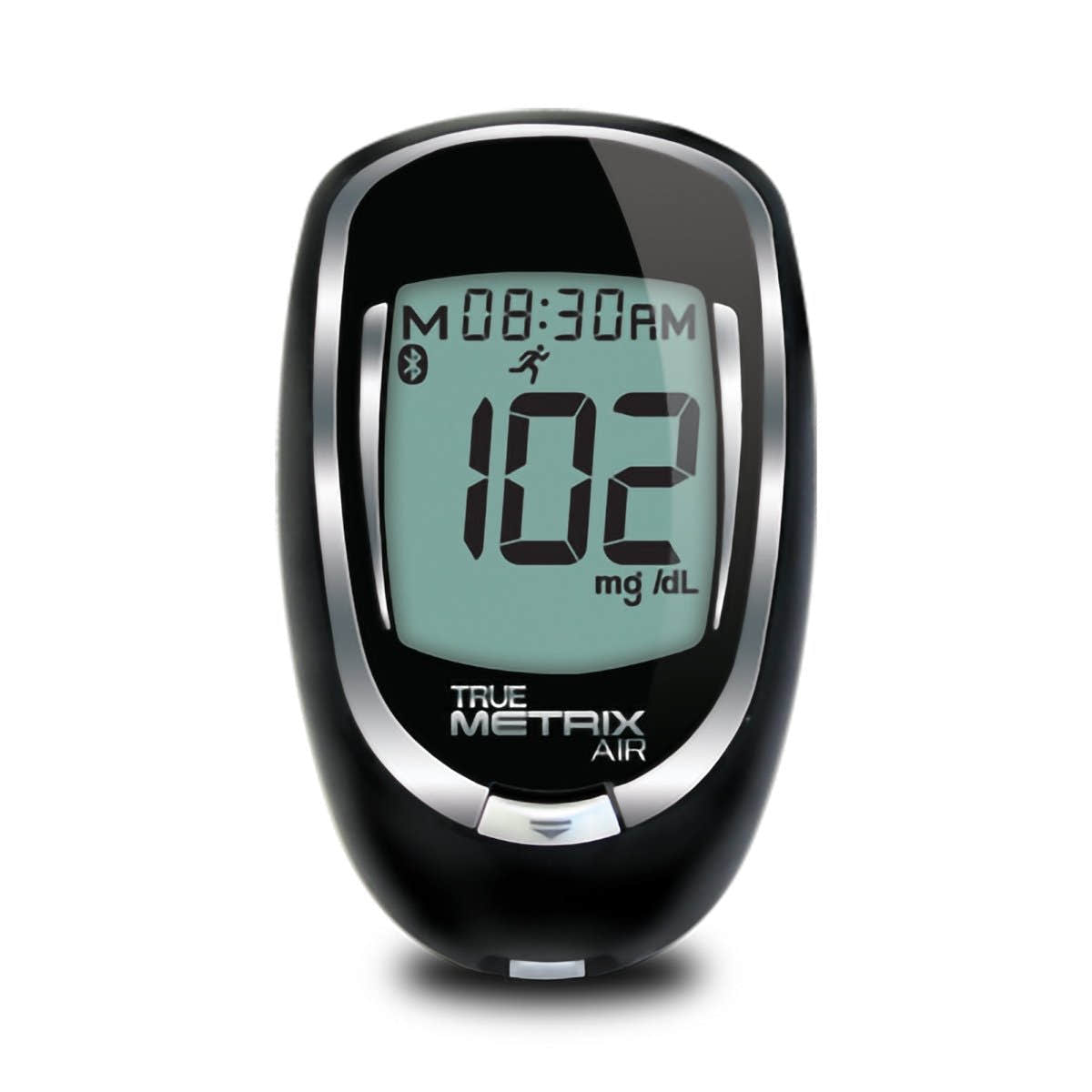
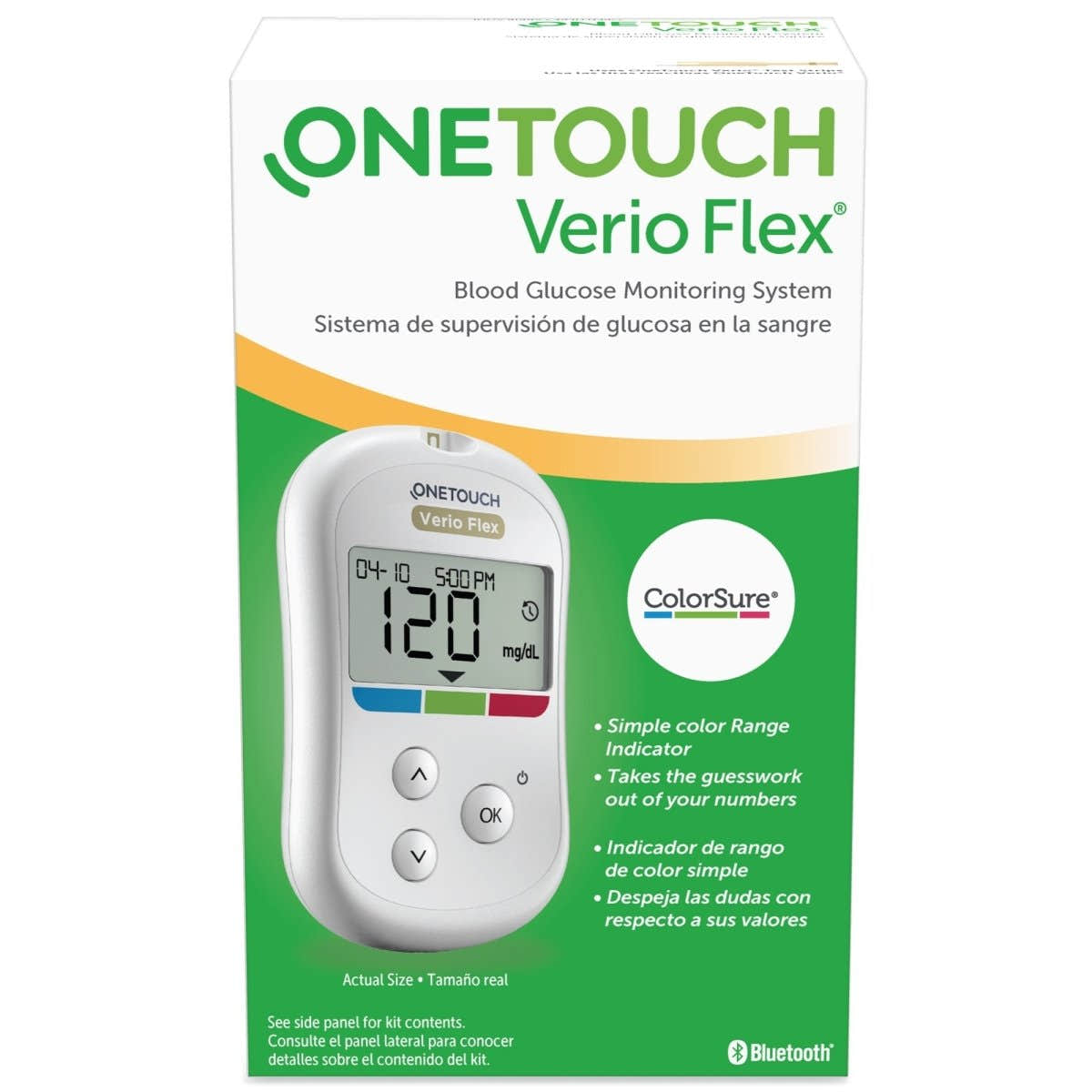
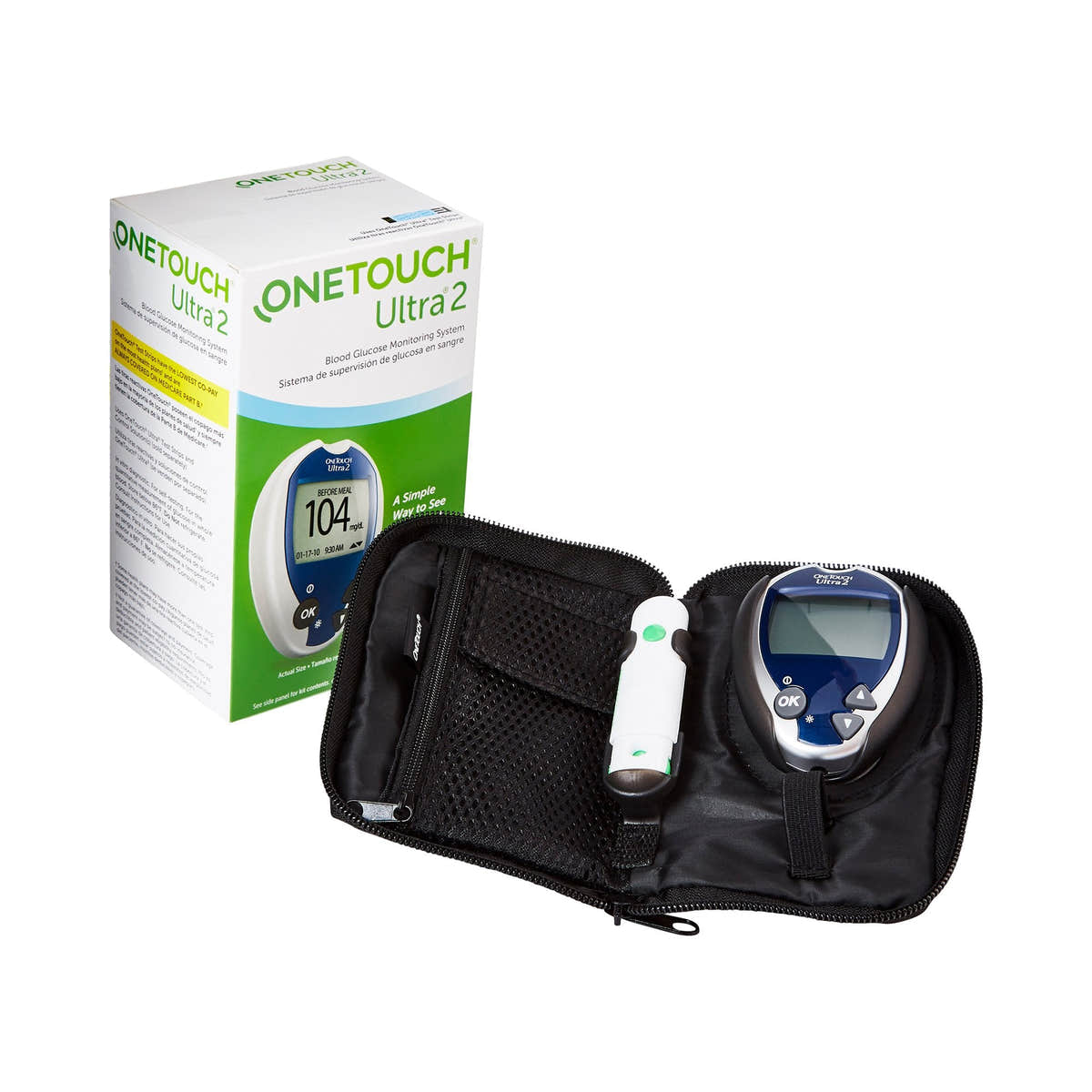
A blood glucose meter is a compact device that reads a test strip after a drop of blood is applied. It is a common choice for people who check at specific times, such as before meals, after meals, before bed, or when they notice symptoms of low or high blood sugar.
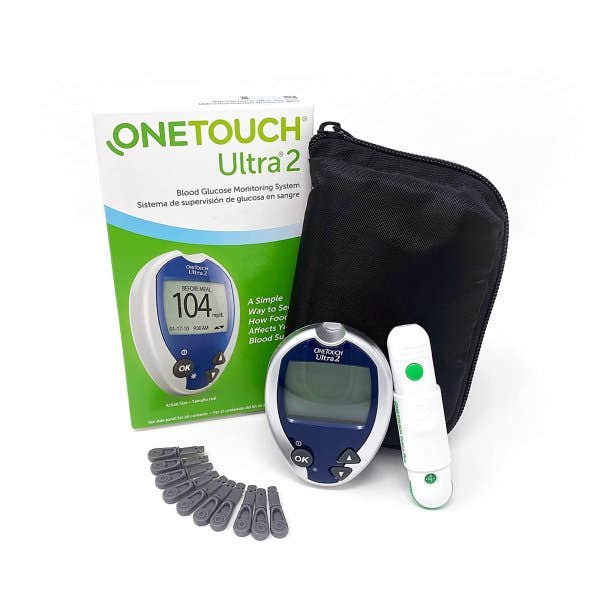
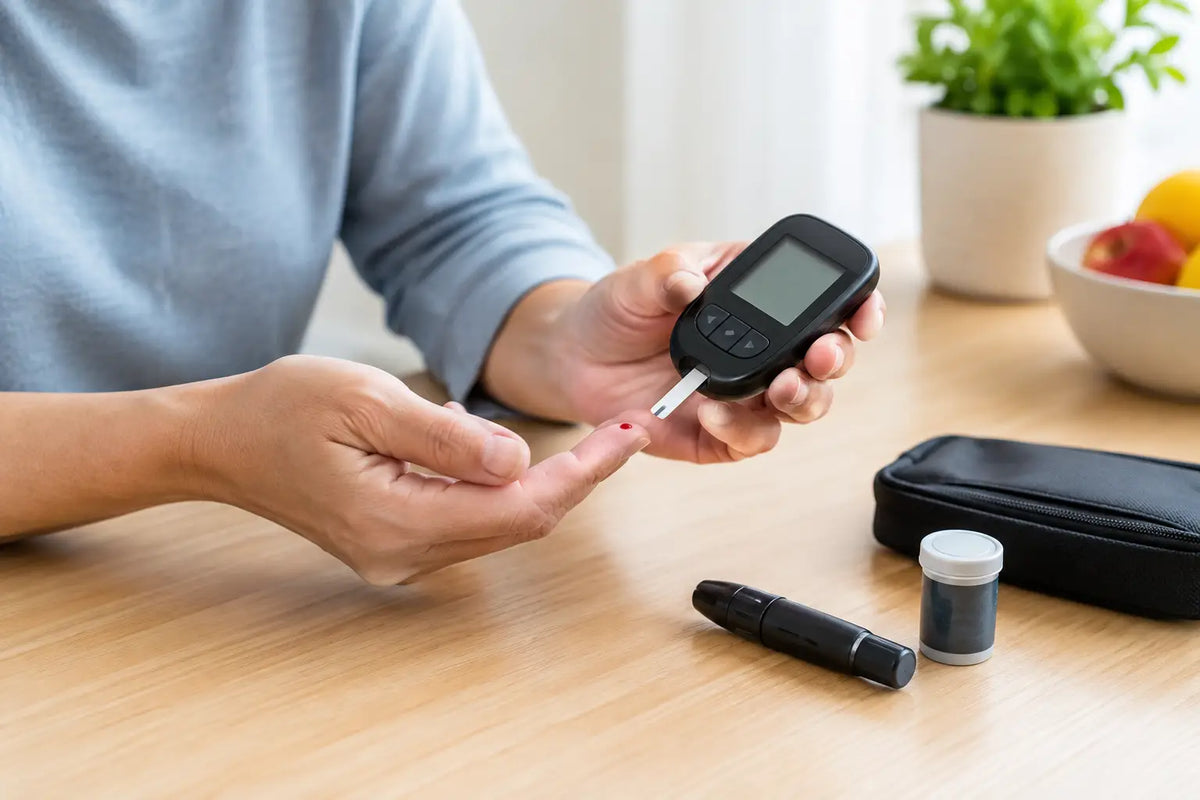
A basic testing routine typically includes a meter, compatible test strips, a lancing device, and lancets. The meter itself is only one part of the system. Test strips are the recurring supply, so it is practical to choose a meter with strips you can reliably reorder.
Many meters display results within seconds and store previous readings. Some offer larger screens, simple buttons, backlighting, audio features, or the ability to send readings to a compatible app. These features can be helpful for seniors, people with vision changes, caregivers recording results for someone else, or anyone who prefers a clearer view of patterns over time.
Finger-stick testing does require a little more hands-on effort than a sensor. You need clean, dry hands, an unexpired strip, and enough blood to fill the strip correctly. Still, many people appreciate the straightforward process, lower device cost, and ability to test only when their care plan calls for it.
Choosing a meter that is easy to maintain
When comparing blood glucose meters, look beyond the initial device. Consider whether the screen is readable, the buttons are easy to press, and the test strip container is manageable for hands with arthritis or reduced dexterity. If you travel or spend time away from home, a compact carrying case can keep supplies organized.
It also helps to check how readings are saved. A meter with memory may be enough for a person who writes numbers in a logbook. Someone who shares results with a family caregiver or healthcare provider may prefer a device with digital tracking features. The right answer is personal, and more features are not automatically better if they make daily testing harder.
Continuous Glucose Monitors: More Frequent Visibility
Continuous glucose monitors use a wearable sensor that takes readings throughout the day and night. Depending on the system, the information may appear on a handheld reader, smartphone, or compatible receiver. Many CGMs show trends, helping users see whether glucose is rising, falling, or staying relatively steady.
This added context can be especially helpful for people who use insulin, have frequent low blood sugar, experience nighttime lows, or need to understand changing patterns between finger-stick checks. Certain systems can provide alerts when readings cross a selected high or low threshold.
A CGM is not necessarily the right fit for every household. Sensors must be replaced on schedule, skin adhesive can irritate some users, and smartphone-based features may not appeal to everyone. Cost and coverage can also vary widely. Some CGMs still require occasional finger-stick checks in particular situations, such as when symptoms do not match the sensor reading. Follow the device instructions and your clinician's guidance.
Understanding trends without overreacting
One reading does not always tell the full story. Food digestion, exercise, hydration, medications, illness, and even a delayed sensor response can influence what you see. A trend arrow or a series of meter readings may be more useful than reacting to a single number in isolation.
Your healthcare provider can help establish target ranges and explain when to test. They can also tell you what steps to take for readings that are too low or too high. Do not change insulin doses or prescribed medications based solely on a new device without professional guidance.
How to Choose Glucose Monitors and Supplies
The most practical monitoring setup is one you can use correctly and consistently. Start with the testing method your clinician recommends, then consider the everyday details that affect use at home.
Look at these purchasing factors before settling on a system:
- Supply compatibility: Use only the test strips, lancets, sensors, and accessories designed for your specific model. Strips from another meter brand or model may not work and can lead to errors.
- Recurring availability: Test strips, lancets, and sensors are used regularly. Keeping an extra supply on hand can prevent a missed check when a container runs out unexpectedly.
- Ease of use: Large displays, simple controls, easy-open strip vials, and comfortable lancing devices can make a meaningful difference in a daily routine.
- Data needs: Decide whether basic readings are enough or whether you would benefit from stored results, averages, trend reports, alerts, or app connectivity.
- Cost over time: Compare the ongoing cost of strips or sensors, not just the price of the meter or reader. The most affordable device upfront is not always the simplest option to maintain.
Everyday Testing Habits That Support Accurate Results
Reliable readings begin with basic handling. Wash and dry your hands before a finger-stick test. Residue from food, fruit, lotion, or other products can affect a result. Avoid using expired or damaged test strips, and close the strip container promptly to protect strips from moisture.
For a finger stick, using the side of the fingertip is often more comfortable than the center. Rotating fingers can help reduce soreness. If you are having trouble getting a blood drop, warming your hands or letting the arm hang briefly may help. Do not squeeze the fingertip aggressively, since this may affect the sample.
Keep your meter and strips stored according to the manufacturer instructions. Extreme heat, cold, humidity, and a hot car can damage supplies. Check batteries when applicable, and carry a backup testing option when traveling, particularly if you rely on a CGM or are away from home for several days.
A simple record can also help turn numbers into useful information. Note the time, reading, meals, activity, medication, or symptoms when your care team asks for it. You do not need to document every detail forever, but a short record before an appointment can reveal patterns that memory may miss.
When a Reading Calls for Action
Your care plan should tell you how to respond to low and high glucose readings. Symptoms matter, too. Shakiness, sweating, confusion, dizziness, hunger, or a fast heartbeat can be signs of low blood sugar. Extreme thirst, frequent urination, nausea, fatigue, or blurred vision can occur with high blood sugar.
If a result seems surprising or does not match how you feel, repeat the test as directed by your device instructions and care plan. For CGM users, a finger-stick confirmation may be appropriate in certain circumstances. Seek urgent medical help for severe symptoms, loss of consciousness, seizure, trouble breathing, or any situation where a person cannot safely treat themselves.
Home diabetes care works best when the essentials are easy to reach: a trusted device, compatible recurring supplies, and a plan you understand. Keeping your preferred glucose monitoring supplies organized and reordered before they run low leaves more room for the part that matters most - taking care of yourself or someone you love.