As we age, maintaining our independence and staying active are vital components of overall well-being. According to the National Institutes of Health (NIH), regular physical activity supports heart health, improves mood, and helps maintain muscle strength in older adults. However, changes in balance, joint strength, or general stamina can sometimes make moving around feel less secure. When walking becomes challenging, assistive devices offer a safe, reliable way to keep moving confidently. To help you and your family navigate these choices, we have put together this comprehensive Mobility aids FAQ. Our goal is to provide clear, evidence-based answers so you can make informed decisions about your comfort and safety at home.
Answering Your Questions: The Mobility Aids FAQ
Choosing the right assistive device can feel overwhelming with so many options available. Below, we answer the most common questions that seniors, families, and caregivers ask when exploring supportive walking devices.
What are mobility aids, and how do they help seniors stay active?
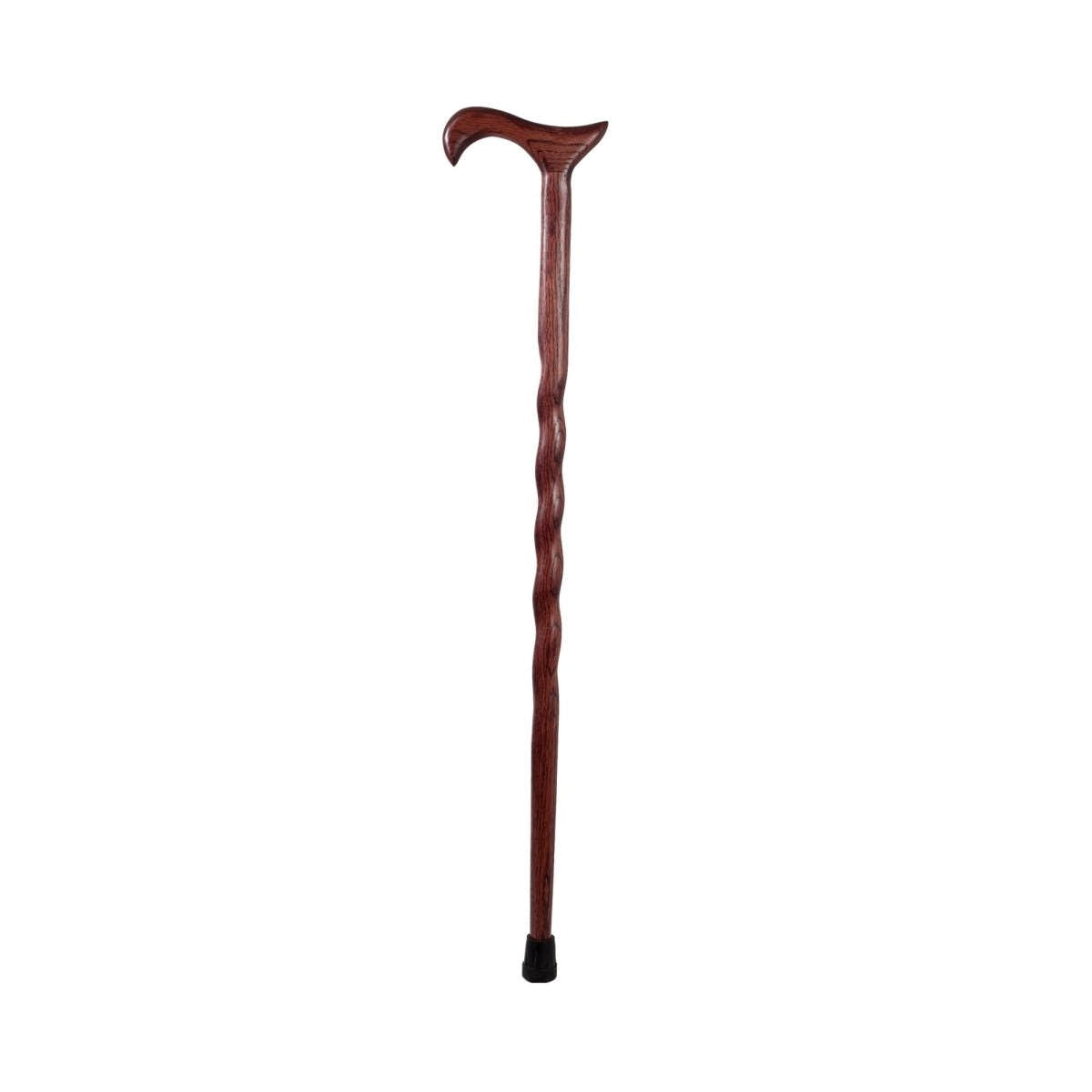
Mobility aids are devices designed to help individuals who have difficulty moving around enjoy greater freedom and safety. These tools include canes, standard walkers, rolling walkers (often called rollators), and wheelchairs. According to the Centers for Disease Control and Prevention (CDC), staying physically active is one of the most important things older adults can do for their health. Assistive devices help you maintain this activity level by reducing the physical strain of walking, improving your balance, and boosting your confidence. By providing extra points of contact with the ground, these tools distribute your body weight more evenly, which reduces stress on painful joints like the hips, knees, and ankles.
What is the difference between a standard walker and a rollator?
While they look similar, standard walkers and rollators serve different physical needs. A standard walker has a lightweight metal frame with four legs, none of which have wheels (though some may have small wheels on the front two legs). To use it, you must lift the walker slightly, place it forward, and step into it. This is highly stable and excellent for individuals who need to bear a significant amount of weight on the device.
A rollator, on the other hand, is a rolling walker that features wheels on all four legs, handbrakes, and a built-in seat. Because you do not need to lift a rollator to move it, it allows for a smoother, faster walking pace. Our collection of rollators offers an array of options equipped with padded seats, under-seat storage baskets, and easy-to-use loop brakes. Rollators are ideal for individuals who have decent balance but tire easily and need a reliable place to sit and rest during walks.
How do I know if it is time for me or my loved one to start using a walking aid?
Recognizing the need for support early can prevent injuries and preserve independence. The National Institute on Aging suggests watching for several key signs that indicate a walking aid may be beneficial. These signs include holding onto walls or furniture while walking (often called "furniture walking"), experiencing frequent stumbles or near-falls, feeling dizzy or unsteady when standing up, or avoiding social outings due to a fear of falling. If walking even short distances causes significant pain, fatigue, or shortness of breath, a supportive device like a rollator can help conserve your energy. We highly recommend consulting a physical therapist or primary care physician for a personalized assessment if you notice any of these signs.
How do I choose the correct size and height for a rollator or walker?
Proper fit is essential for safety and comfort. An improperly sized device can cause poor posture, back pain, and an increased risk of tipping. To find the correct handle height, stand up straight with your normal footwear on, let your arms hang naturally at your sides, and have someone measure the distance from the crease of your wrist to the floor. The handgrips of your walker or rollator should align with this measurement, allowing for a slight, comfortable bend of about 15 degrees in your elbows when holding the grips.
If you are purchasing a rollator, you must also consider the seat height and weight capacity. When sitting on the rollator, your feet should rest flat on the floor, and your knees should be at a comfortable 90-degree angle. Always check the manufacturer's weight limit to ensure the frame safely supports your body weight.
Can using a mobility aid help prevent falls at home?
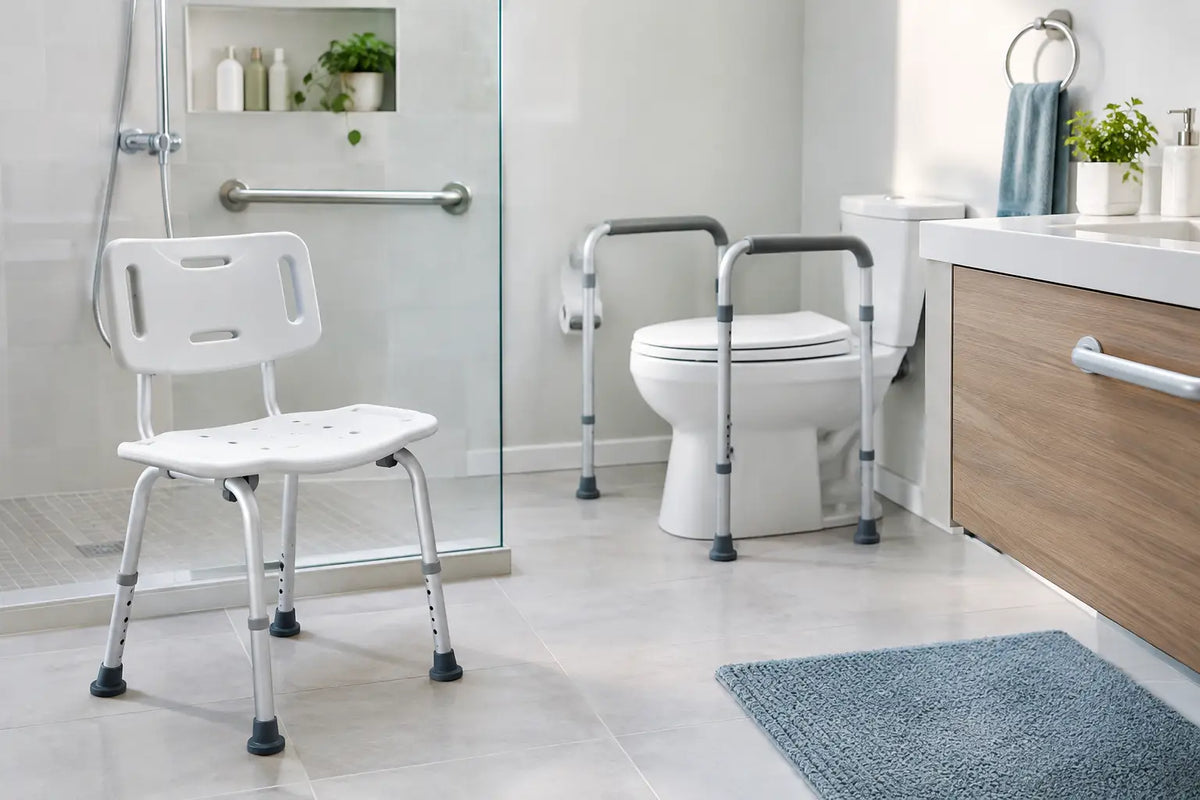
Yes, when used correctly, these devices are highly effective tools for fall prevention. According to clinical data published by the CDC, falls are the leading cause of injury among older adults, but many falls are preventable. A walking aid increases your "base of support," making it much easier to maintain your equilibrium on uneven surfaces or when turning around. To maximize safety at home, combine your device with simple home modifications. Remove tripping hazards like throw rugs, keep walkways clear of clutter, install grab bars in the bathroom, and ensure all areas of your home are well-lit. Practicing how to navigate doorways and transitions between carpet and tile with a physical therapist can also greatly reduce your risk of falling.
How do I safely use a rollator with a seat?
The built-in seat on a rollator is wonderful for managing fatigue, but it must be used with care to prevent tipping. First and most importantly, always engage the parking brakes completely before you attempt to sit down. Test the brakes to ensure the wheels are locked in place. Back up slowly until you feel the edge of the seat against the back of your legs, reach back to grip the handrests or frame, and gently lower yourself onto the seat. Never sit on the rollator when it is on an incline or uneven ground. Additionally, a standard rollator is not a wheelchair; you should never allow someone to push you while you are sitting on it, as this can cause the device to tip over forward.
Are walking aids covered by Medicare or insurance?
In many cases, yes. Medicare Part B covers walkers and rollators as Durable Medical Equipment (DME)—which are medical devices meant for everyday, long-term use at home. To qualify for coverage, your primary care physician or a specialist must write a prescription stating that the device is medically necessary to help you perform daily activities inside your home. Both your doctor and the medical supply provider must be enrolled in Medicare. Private insurance plans and Medicare Advantage plans often follow similar guidelines, but it is always best to contact your insurance provider directly before purchasing to understand your specific out-of-pocket costs, copayments, or deductible requirements.
What features should I look for if I plan to use my rollator outdoors?
If you enjoy walking in parks, visiting farmers' markets, or navigating outdoor sidewalks, look for a rollator designed for outdoor terrain. Key features to prioritize include large wheels (ideally 8 inches or larger in diameter), which roll much more smoothly over cracked pavement, gravel, and grass. Soft, rubber-like tires provide better shock absorption than hard plastic wheels, protecting your wrists and shoulders from excessive vibration. A sturdy yet lightweight aluminum frame makes it easier to lift the device over curbs or into a car trunk. Finally, look for models with loop-lock brakes that require minimal hand strength to operate, ensuring you can stop securely on downhill paths.
How do I maintain and care for my rolling walker?
Regular maintenance keeps your device safe and extends its lifespan. Once a week, check the handbrakes to ensure they lock the wheels firmly when squeezed and engaged. Inspect the wheels for any signs of wobbling, wear, or debris like hair and dirt wrapped around the axles, which can prevent smooth rolling. Ensure that all folding mechanisms click securely into place and that height-adjustment buttons or knobs are tight. Wipe down the frame, seat, and handgrips regularly with a mild, non-abrasive household disinfectant to keep the device clean. If you notice loose screws, frayed brake cables, or worn-out wheel treads, contact a medical supply specialist or repair technician promptly to service the device.
How can caregivers help a loved one transition to using a mobility aid?
Accepting the need for a walking aid can sometimes be emotionally challenging for seniors, as they may worry about losing their independence or feeling self-conscious. Caregivers can ease this transition with patience, empathy, and positive reinforcement. Focus the conversation on how the device actually increases freedom, allowing them to attend family gatherings, shop, and walk safely without pain or fear of falling. Involve your loved one in the selection process, letting them choose the color or style of their rollator. Finally, consider scheduling a session with an occupational therapist—a healthcare professional who can teach your loved one safe ways to use the device in their home, ensuring they feel confident and secure from day one.
Finding the Right Support for Your Journey
Choosing a supportive device is a positive step toward maintaining an active, fulfilling lifestyle. Whether you are looking for a lightweight standard walker for indoor stability or a versatile rolling walker with a comfortable seat for outdoor adventures, finding the right fit is key. We invite you to explore our carefully curated selection of high-quality rollators and walking accessories designed to bring comfort, dignity, and safety back to your daily routine. If you have questions about specific product features, dimensions, or weight capacities, our compassionate customer care team is always here to help you find the perfect match for your needs.
This article is for general educational purposes and is not medical advice. Always consult your healthcare provider for guidance specific to your situation.