As we grow older, staying active and moving safely around our homes and communities is one of the best ways to maintain our independence, health, and happiness. However, changes in balance, joint strength, or vision can sometimes make walking feel less secure than it used to. If you or a loved one are experiencing these changes, assistive devices can offer wonderful support. When it comes to selecting a mobility aid, choosing the right cane: types and features can make all the difference between feeling unsure on your feet and walking with absolute confidence. This guide will help you understand the options available so you can make an informed, comfortable choice for your daily life.
According to the Centers for Disease Control and Prevention (CDC), falls are a leading cause of injury among older adults, but many falls are preventable. Using a properly fitted mobility aid is an excellent, proactive step toward staying safe and steady. While a cane is a simple tool, it comes in many different designs, each tailored to specific physical needs and lifestyles. Working closely with a doctor or physical therapist is the best way to determine your exact needs, but understanding the basic types and features of canes will help you feel prepared and empowered as you shop.
Why the Right Cane Matters for Seniors
A cane does more than just help you balance. When used correctly, it redistributes your body weight, taking pressure off painful joints like your hips, knees, or ankles. This can significantly reduce pain during walking and allow you to stay on your feet longer. According to the National Institutes of Health (NIH), assistive devices like canes help seniors maintain their mobility, which is directly linked to better physical health, improved mental well-being, and a lower risk of depression.
However, using the wrong type of cane, or one that is sized incorrectly, can actually increase your risk of falling. It can also cause muscle strain, back pain, and wrist discomfort. That is why taking the time to understand your options and learning how to fit a cane properly is so important for your long-term comfort and safety.
Types of Canes: Finding Your Perfect Match
When exploring our selection of canes, you will find several distinct categories. Each type is designed to offer a different level of support and stability.
1. Single-Point Canes (Straight Canes)
Single-point canes are the most common type of walking aid. They have a single shaft with a single rubber tip at the bottom. These canes are ideal for individuals who need a little extra balance support or those who need to take a small amount of weight off a slightly weak or painful leg. They are lightweight, easy to maneuver, and highly portable.
Single-point canes generally come with three main types of handles:
- Crook (C-Shape) Handles: This is the classic, traditional cane style. The curved handle is easy to hang over your arm when you need to use your hands. However, because the grip is not directly over the center of the cane, it may not be the best choice if you need to put significant weight on the device.
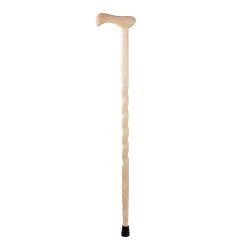
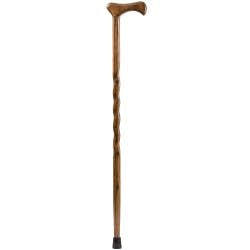
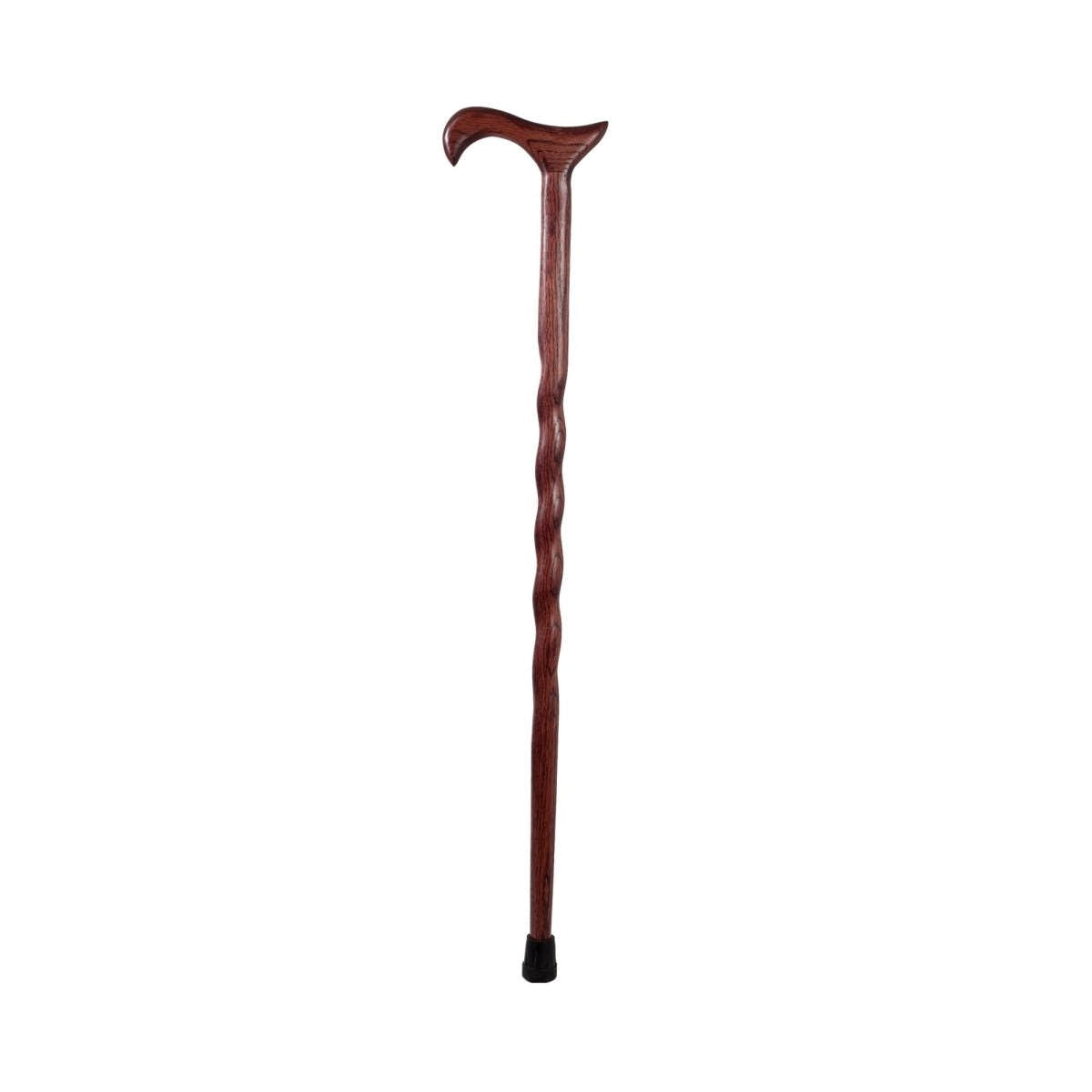
- Derby and T-Shape Handles: These handles feature a flatter, horizontal grip. This design helps distribute your hand pressure more evenly, making it more comfortable for daily use.
- Offset Handles: An offset cane has a shaft that curves outward near the top before straighting out. This unique shape centers your body weight directly over the strongest part of the cane. Physical therapists often recommend offset canes for individuals who need to put more weight on their cane due to moderate joint pain or mild weakness.
2. Quad Canes (Four-Point Canes)
If you require a higher level of stability than a single-point cane can provide, a quad cane is an excellent option. Quad canes feature a metal base at the bottom with four separate legs, each tipped with slip-resistant rubber. This wider base provides a much sturdier foundation and can support more weight.
Quad canes offer two major benefits. First, they provide excellent lateral (side-to-side) stability, making them highly beneficial for individuals recovering from a stroke or managing severe neurological conditions. Second, quad canes stand up on their own when you let go of them. This means you do not have to worry about your cane falling to the floor when you reach for your wallet or open a door.
Quad canes come in two base sizes:
- Large Base Quad Canes (LBQC): These offer the maximum amount of stability but are heavier and can be slightly cumbersome in tight spaces or on stairs.
- Small Base Quad Canes (SBQC): These have a smaller footprint, making them easier to lift and navigate through narrow hallways, while still offering significantly more support than a single-point cane.
3. Folding Canes
For active seniors and travelers, folding canes offer unmatched convenience. These canes are made of lightweight aluminum sections connected by a strong, elastic cord running through the center. They can be quickly folded down into a compact size that easily fits into a purse, backpack, or car glove compartment. When you need it, the cane snaps back into a rigid, secure walking aid in seconds. Folding canes are perfect for individuals who only need a cane occasionally, such as when walking long distances or navigating uneven outdoor terrain.
4. Seat Canes (Canes with Seats)
A seat cane is a specialized mobility aid that features a lightweight, fold-out seat attached to a three- or four-legged frame. When folded, it functions as a sturdy walking cane. When unfolded, it provides a small, temporary stool. This is an exceptional feature for seniors who love to attend outdoor events, visit museums, or go shopping, but find themselves needing frequent, short rests due to fatigue, shortness of breath, or joint pain.
Choosing the Right Cane: Types and Features to Compare
Once you have identified the general style of cane that fits your lifestyle, it is time to look at the specific features that will ensure maximum comfort and safety. When choosing the right cane: types and features should be evaluated based on your unique physical capabilities and daily routines.
Handle and Grip Materials
The part of the cane you interact with most is the grip. Choosing a material that feels comfortable in your hand can prevent blisters, cramping, and fatigue:
- Foam Grips: These are soft, cushioned, and highly comfortable for most users. However, they can wear down over time and may absorb sweat, making them harder to clean.
- Gel Grips: Similar to foam, gel grips offer excellent shock absorption, reducing the impact on your wrist and hand joints with every step.
- Wood and Plastic Grips: These are highly durable and easy to wipe clean. However, they do not offer much cushion and can feel slippery if your hands sweat.
- Ergonomic Grips: These are specially molded to fit the natural contours of your hand. They help distribute pressure across the entire palm, making them the absolute best choice for individuals living with arthritis, carpal tunnel syndrome, or general hand weakness.
Adjustability and Height Settings
Most modern canes are made of high-strength, lightweight aluminum and feature a push-button adjustment mechanism. This allows you to easily raise or lower the cane in one-inch increments to find the perfect fit. Traditional wooden canes are beautiful and classic, but they are not adjustable; they must be physically cut to the correct length by a professional. For most seniors, an adjustable aluminum cane offers the greatest flexibility and ease of use.
Weight Capacity
Always verify the weight capacity of any cane you are considering. Standard canes are typically rated to support up to 250 or 300 pounds. If you require a higher weight limit, look for bariatric or heavy-duty canes, which are constructed with reinforced steel or thicker aluminum to safely support 500 pounds or more.
Rubber Tips and Accessories
The rubber tip at the bottom of your cane is your point of contact with the ground. It is responsible for providing the traction that keeps you from slipping. Look for high-quality, non-marking rubber tips with deep tread. Just like the tires on a car, these tips will wear down over time and should be inspected regularly for cracks or smooth spots. Replacing a worn tip is a quick, inexpensive way to keep your cane safe.
You can also find specialized tips, such as tripod or quad-pod tips, which can be slipped onto a standard single-point cane to help it stand upright on its own. For winter weather, ice pick attachments can be clamped onto the bottom of the cane to provide grip on icy sidewalks.
How to Size and Fit a Cane Properly
Even the highest-quality cane will not help you if it is the wrong height. An improperly sized cane can cause you to stoop over, leading to back pain, or force your shoulder upward, causing joint strain. To ensure a perfect fit, follow these simple steps, ideally with the help of a family member, caregiver, or physical therapist:
- Put on the shoes you wear most frequently when walking outside.
- Stand up as straight as possible with your arms hanging naturally at your sides.
- Have your helper measure the distance from the crease of your wrist (where your hand meets your wrist) down to the floor.
- This measurement in inches is the ideal height for your cane.
When you hold the cane, your elbow should bend at a comfortable, natural angle of approximately 15 to 20 degrees. This slight bend allows your arm muscles to assist in supporting your weight and absorbing shock as you walk.
Tips for Walking Safely with Your Cane
Once you have selected and sized your cane, using it correctly is vital for your safety. Many people naturally want to hold the cane on their weaker side, but this is actually incorrect. You should always hold the cane in the hand opposite your weaker or painful leg. For example, if your left knee is weak or arthritic, hold the cane in your right hand.
To walk safely:
- Move the cane forward at the same time you step forward with your weaker leg. This allows the cane to share the weight and support that leg as it hits the ground.
- Step through with your stronger leg.
- When climbing stairs, remember the classic physical therapy phrase: "Up with the good, down with the bad." Step up with your stronger leg first, then bring your weaker leg and the cane up to meet it. When going down stairs, lead with your cane and your weaker leg first, then step down with your stronger leg.
Frequently Asked Questions About Choosing a Cane
How do I know if I need a single-point cane or a quad cane?
A single-point cane is best if you only need mild balance assistance or want to relieve a small amount of pressure from a single painful joint. A quad cane is better if you experience significant instability, muscle weakness, or are recovering from a neurological event like a stroke, as its four-point base provides a much wider, sturdier foundation.
Can a quad cane be used on either the left or right side?
Yes, but you must adjust the base correctly. The flat side of a quad cane's base should always face closest to your body to prevent you from tripping over the outer legs. Most quad canes have a simple push-button mechanism that allows you to rotate the shaft 180 degrees so the flat side faces the correct direction whether you hold it in your left or right hand.
How often should I replace the rubber tip on my cane?
You should inspect your cane's rubber tip once a month. Look for signs of wear, such as worn-down tread, cracks, tears, or uneven wear on one side. If the rubber looks smooth or damaged, replace it immediately to ensure you maintain proper traction on slippery surfaces. Most replacement tips are inexpensive and easy to slip onto the bottom of the shaft.