Catheters

30 products

Showing 1 - 24 of 30 products

Catheters & Catheter Accessories for Everyday Reliability

Cart Health's catheter collection brings together a wide range of catheters and supporting accessories from trusted brands including Coloplast, McKesson, Busse, and more. Whether someone is looking for a male external catheter, a suction catheter, or the small accessories that keep a catheter system secure and hygienic, this collection is organized to make finding the right product straightforward.
Showing 1 - 24 of 30 products
View
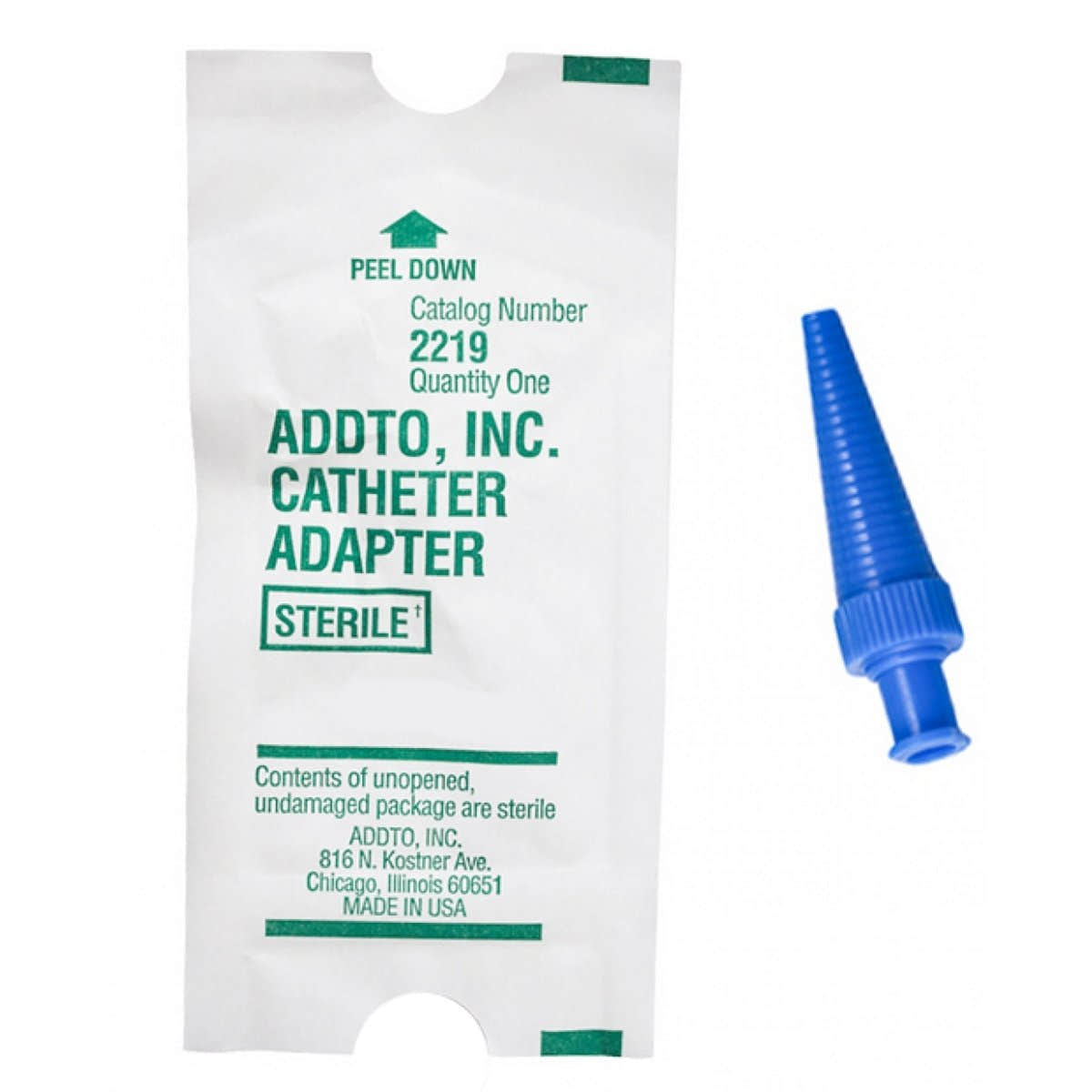
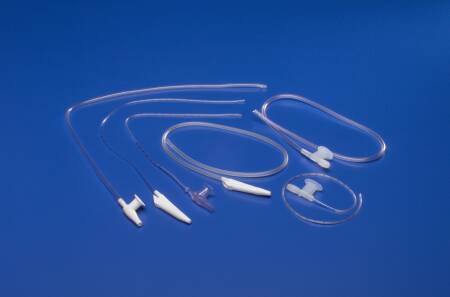
Addto Catheter / Syringe Adapter - 927951_BX - 1
Addto Catheter / Syringe Adapter
Sale priceFrom $1.99
Choose options
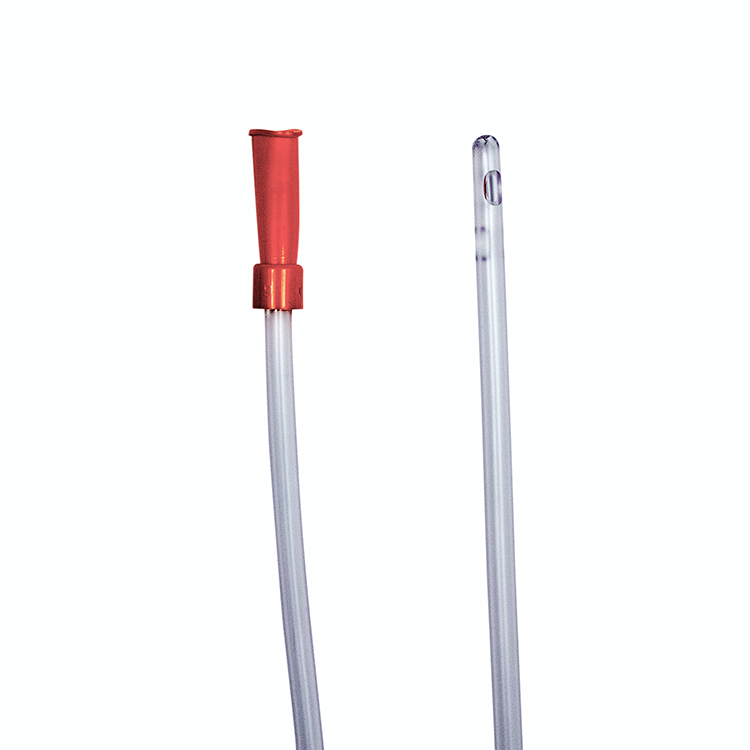
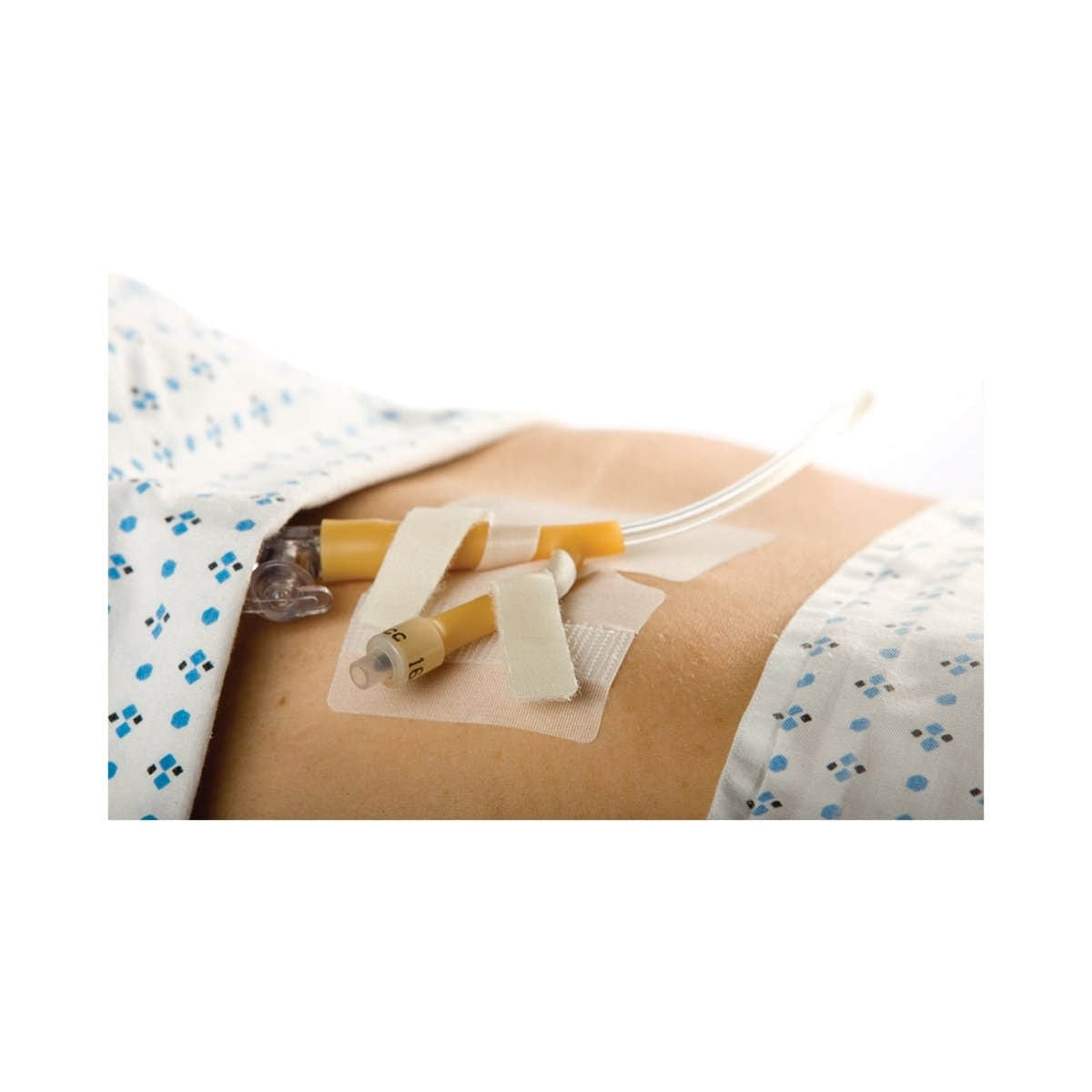
Argyle Suction Catheter - 358597_CS - 1
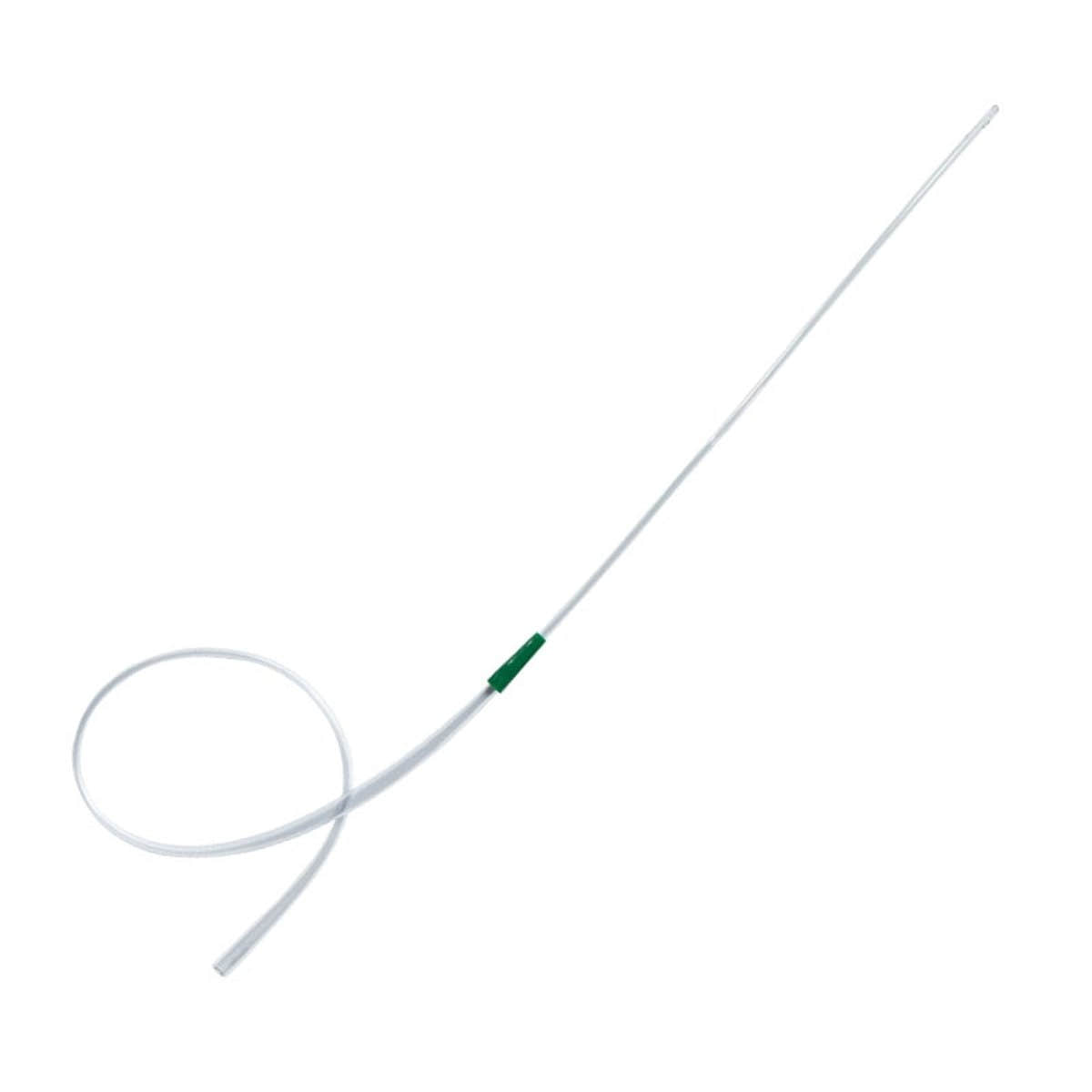
Argyle Suction Catheter
Sale priceFrom $1.99
Choose options
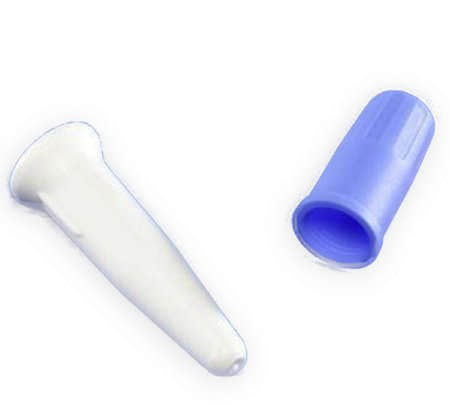
Busse Catheter Plug - 221945_CS - 1
Busse Catheter Plug
Sale priceFrom $1.99
Choose options
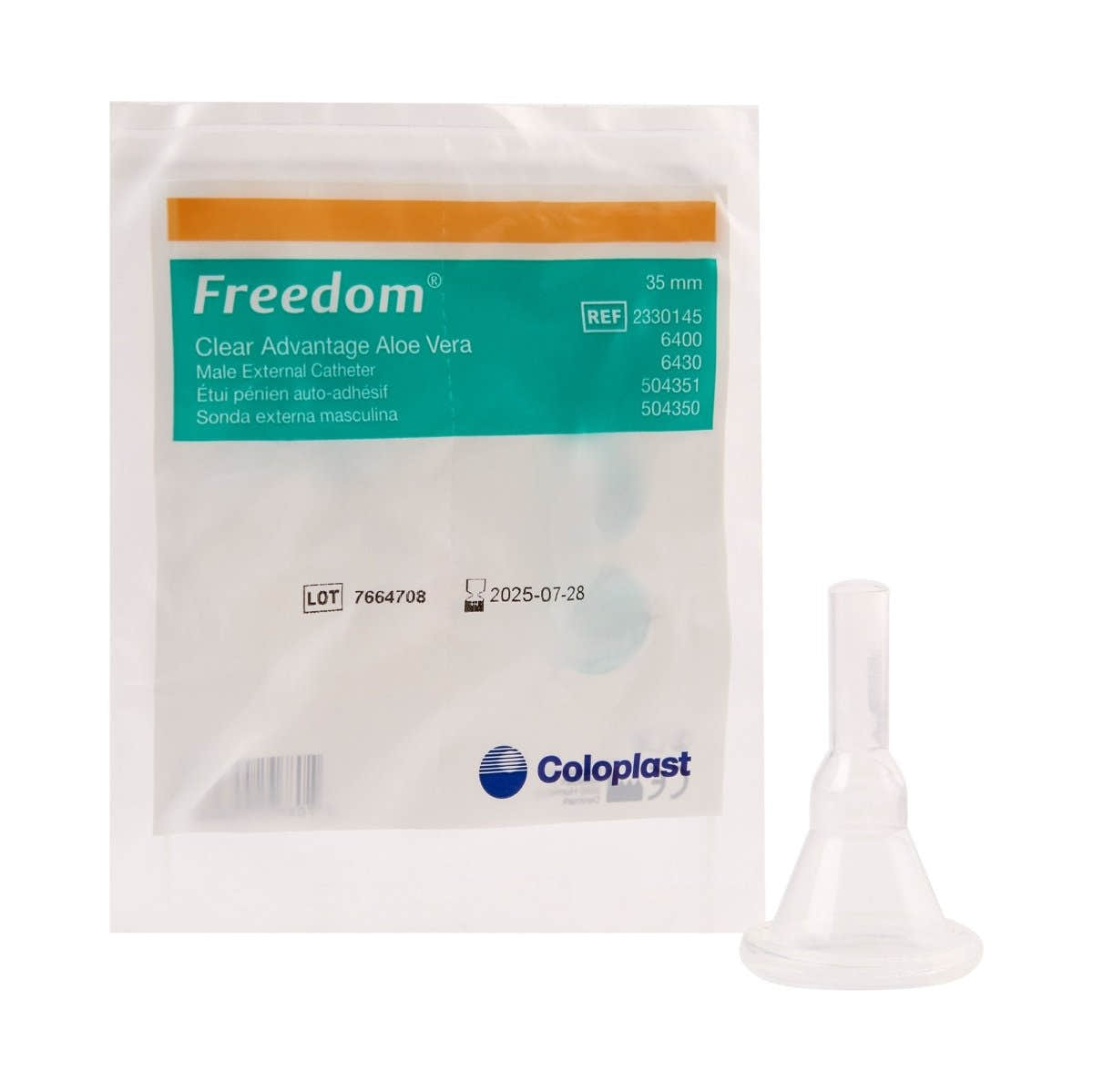
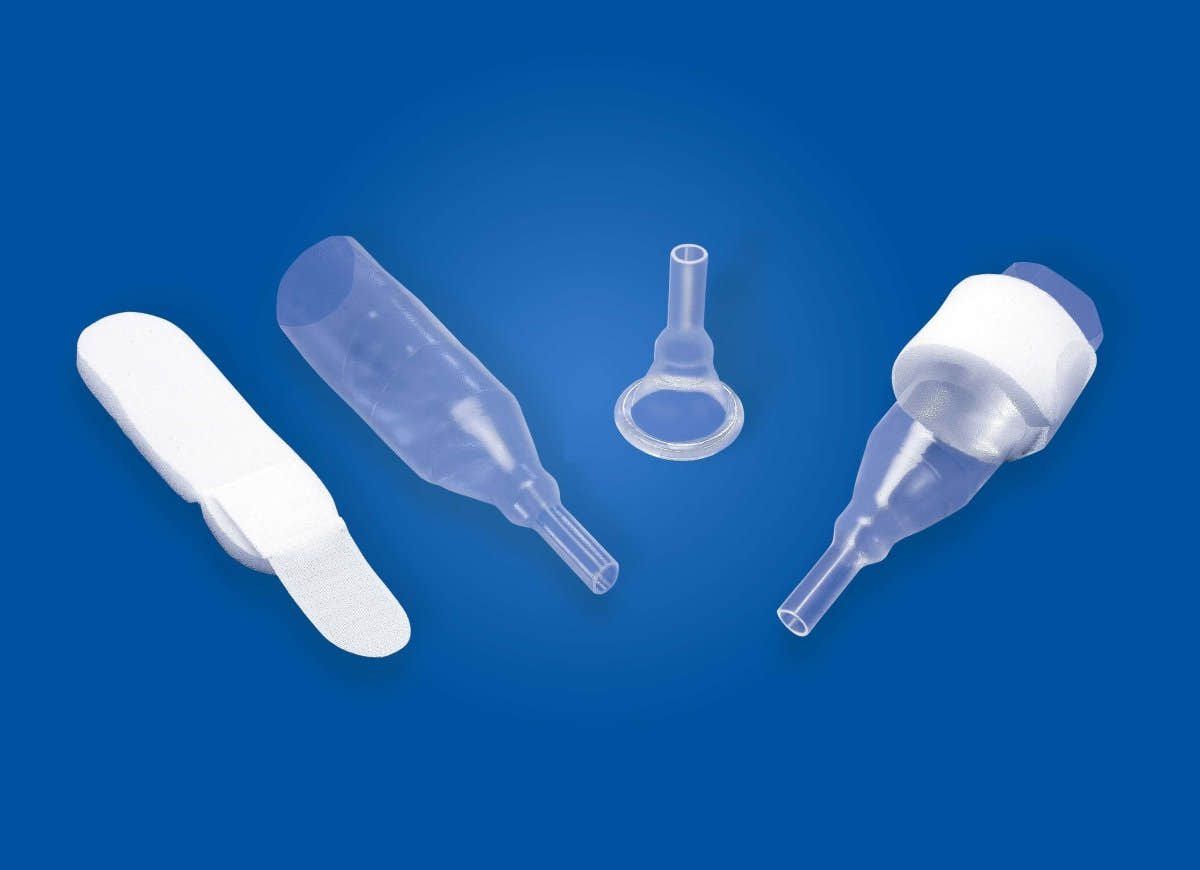
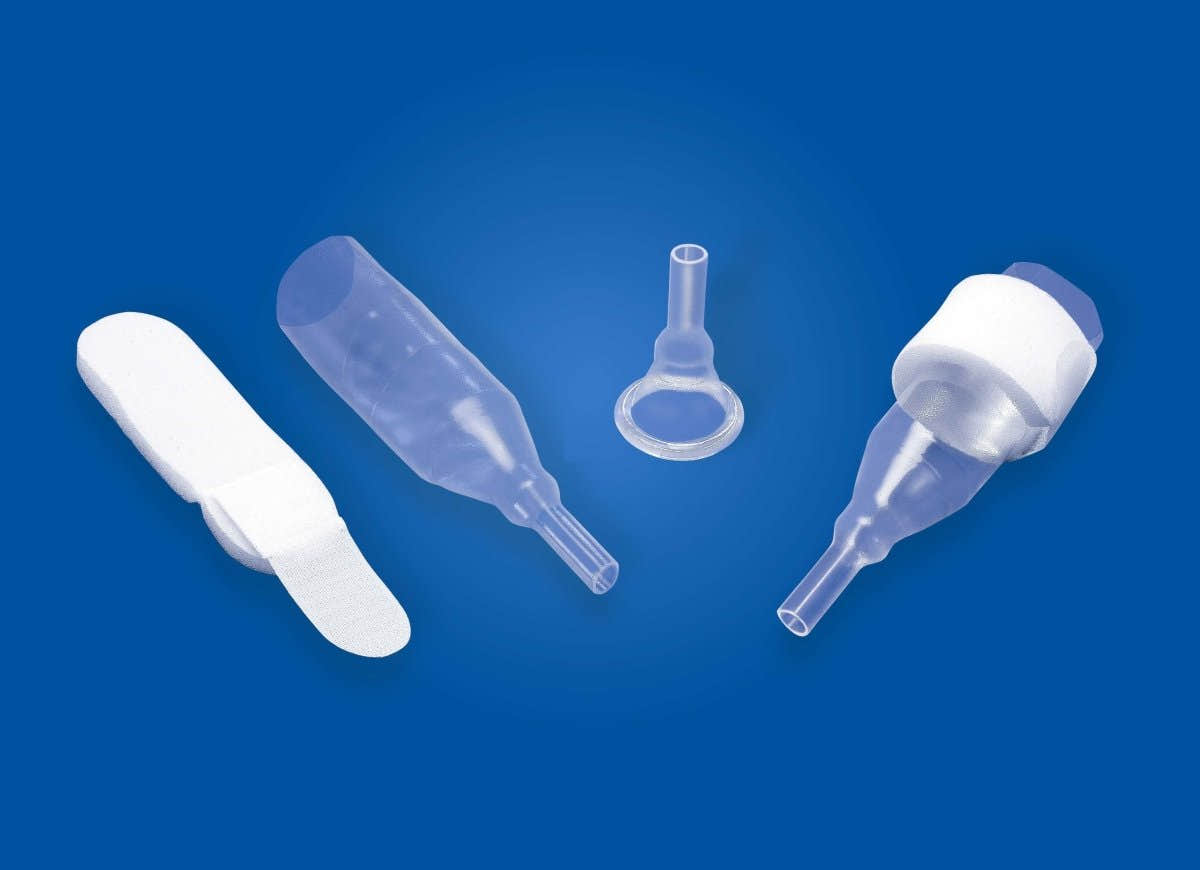
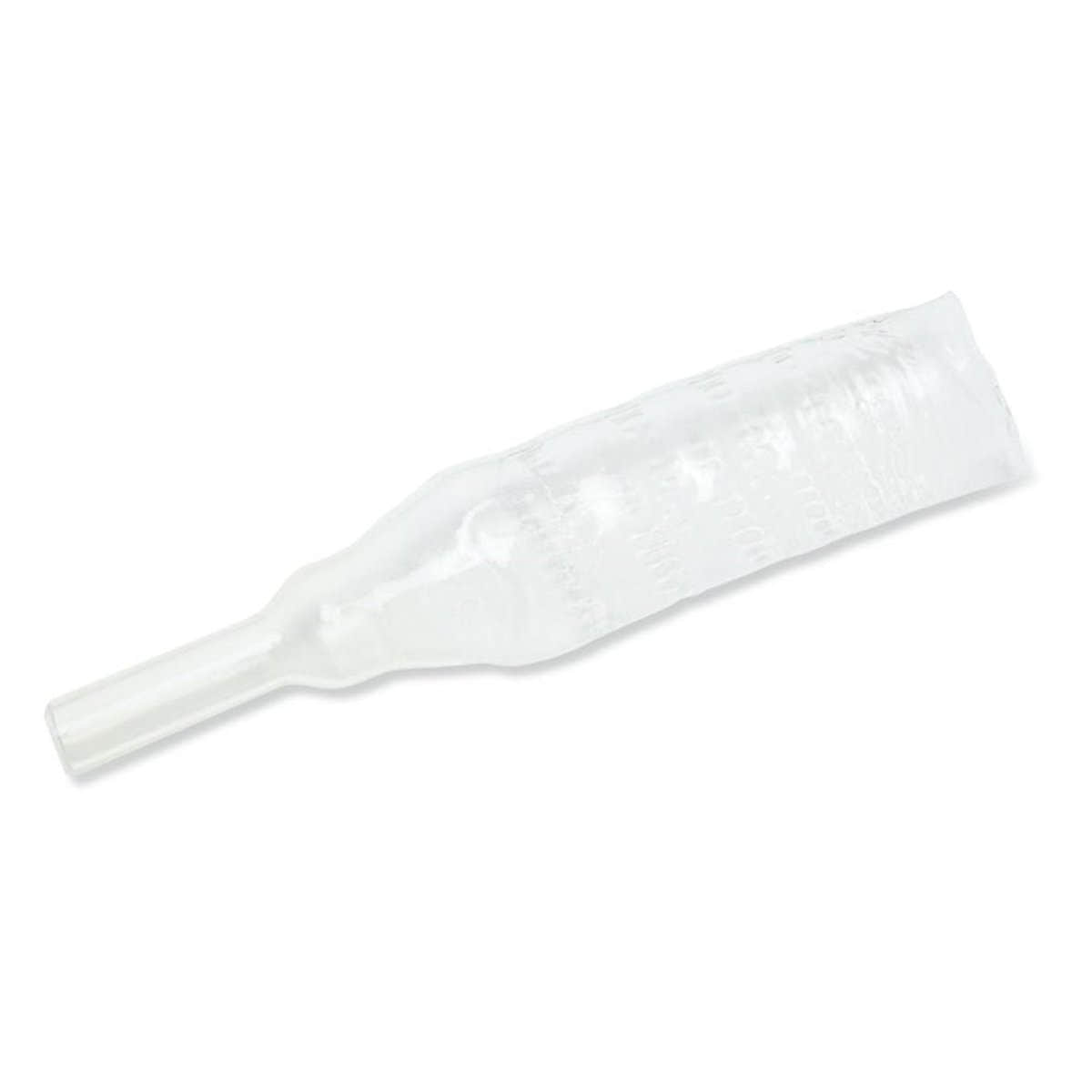
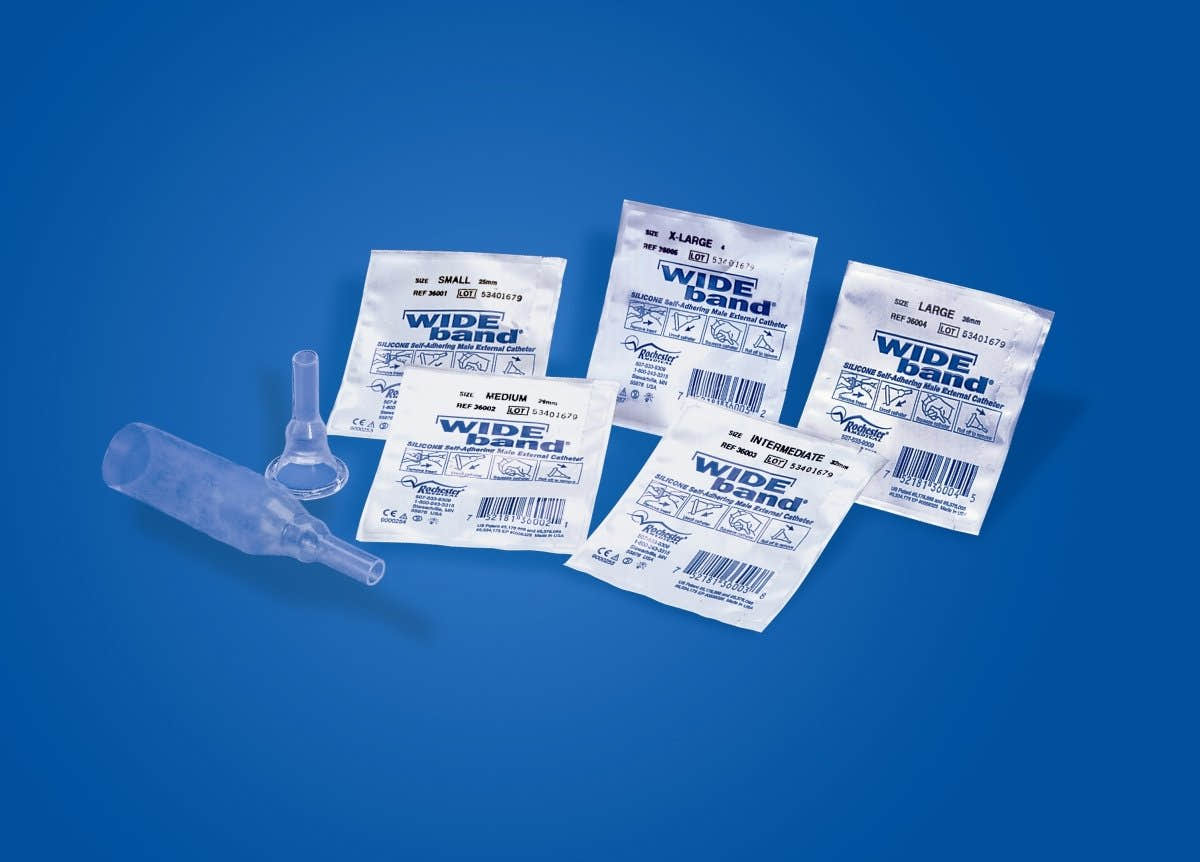
Coloplast Clear Advantage Male External Catheter - 208378_CS - 1
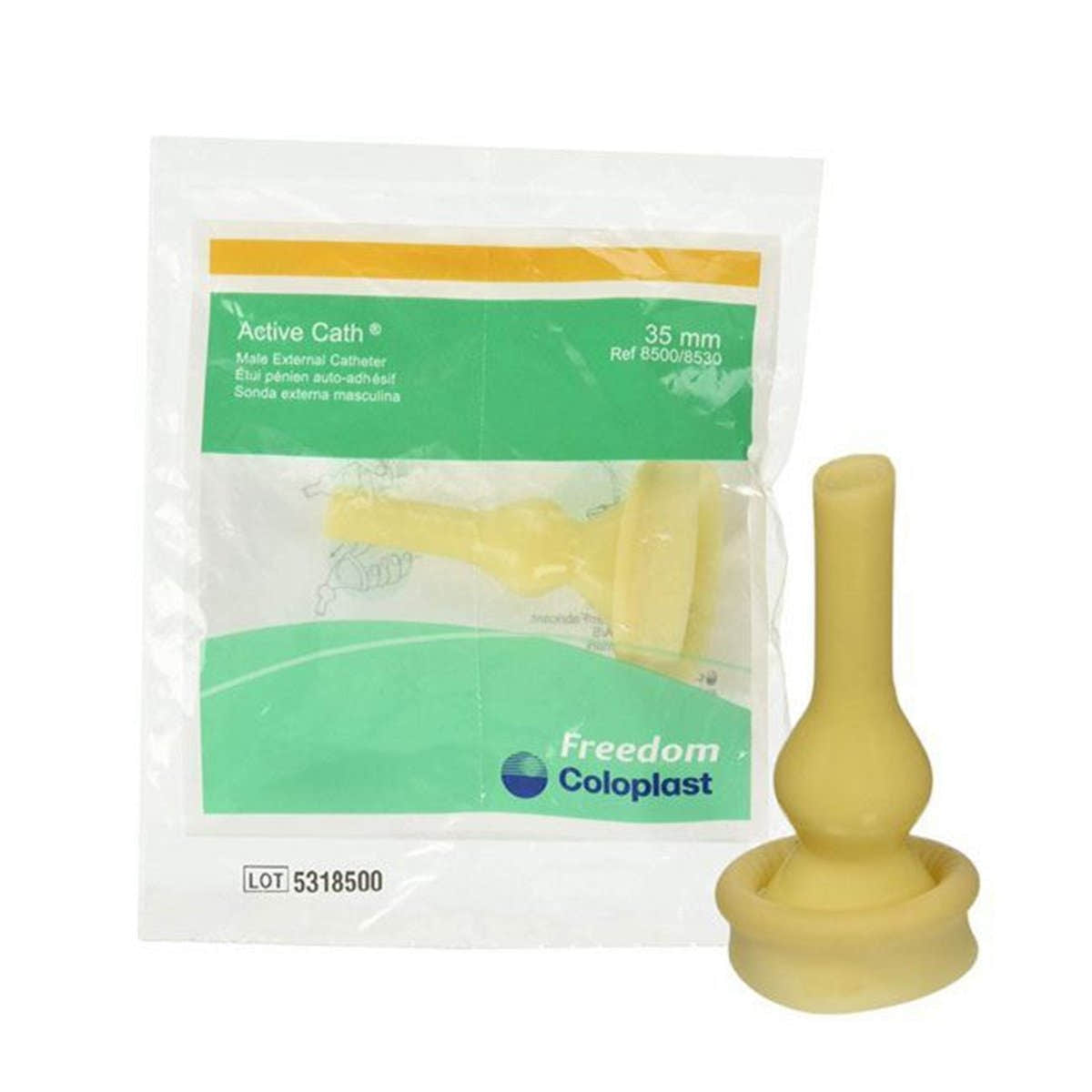
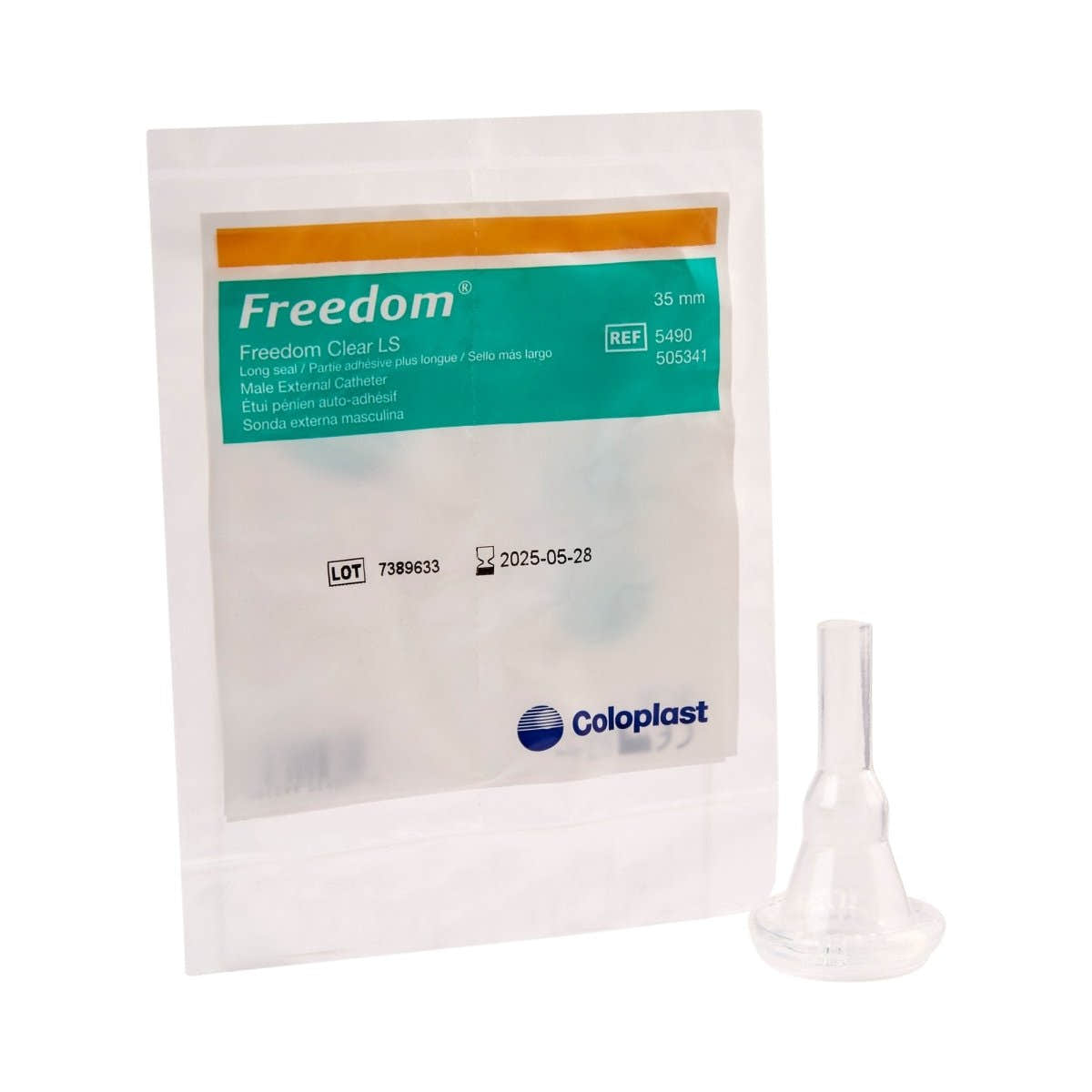
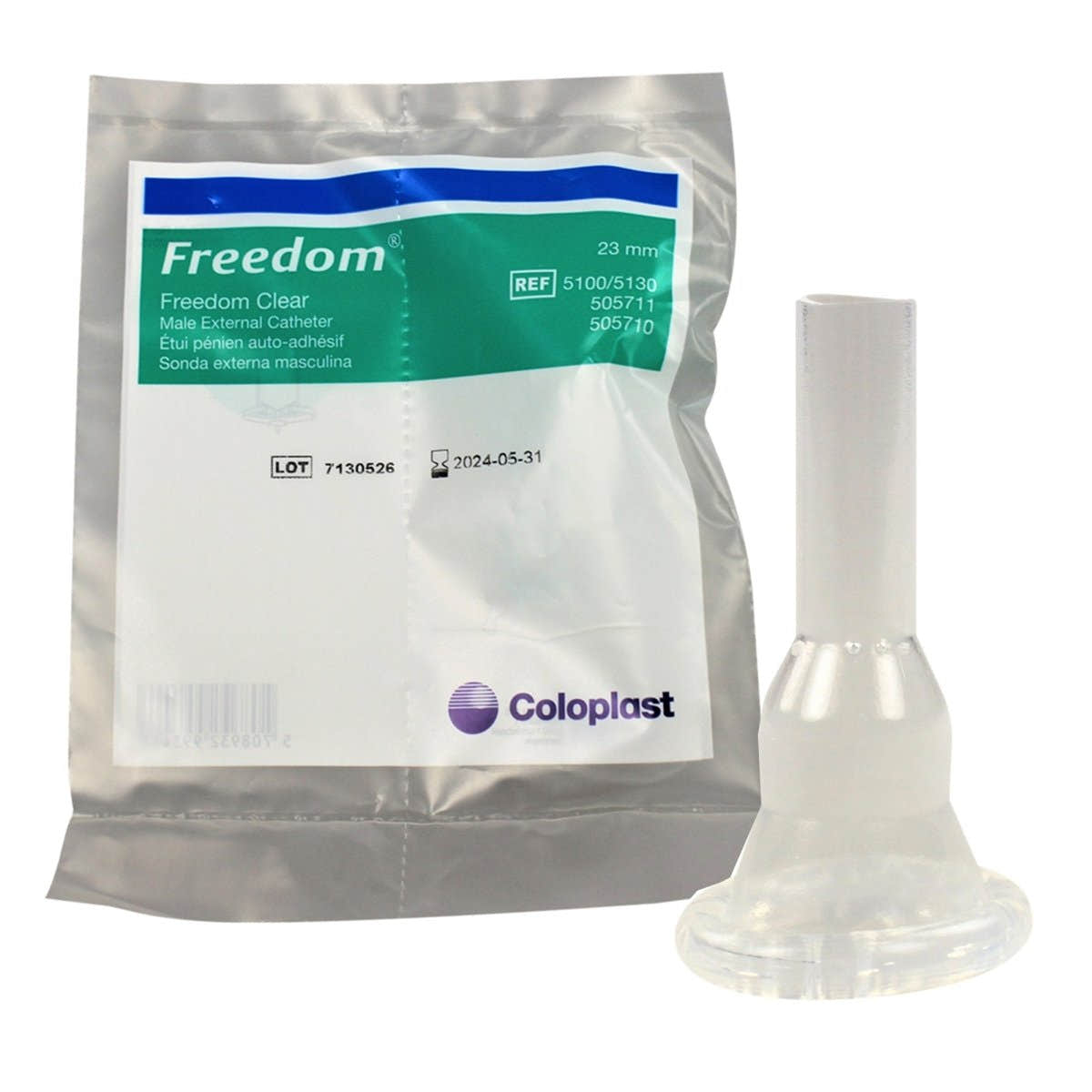
Coloplast Freedom Male External Catheter - 702154_BX - 1
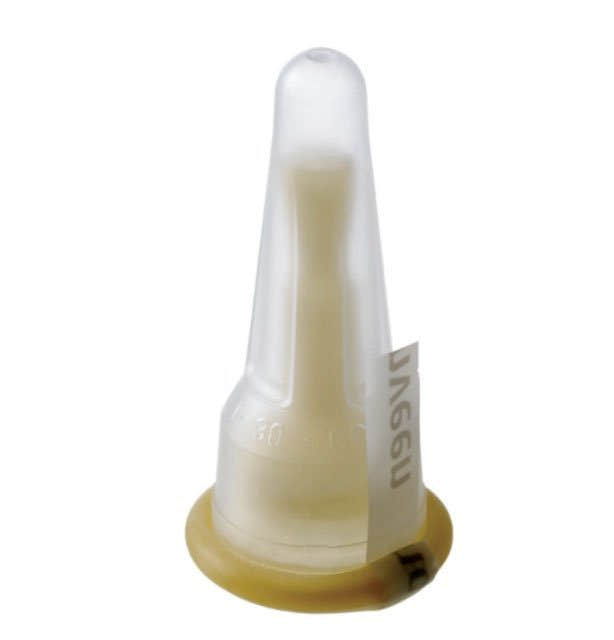
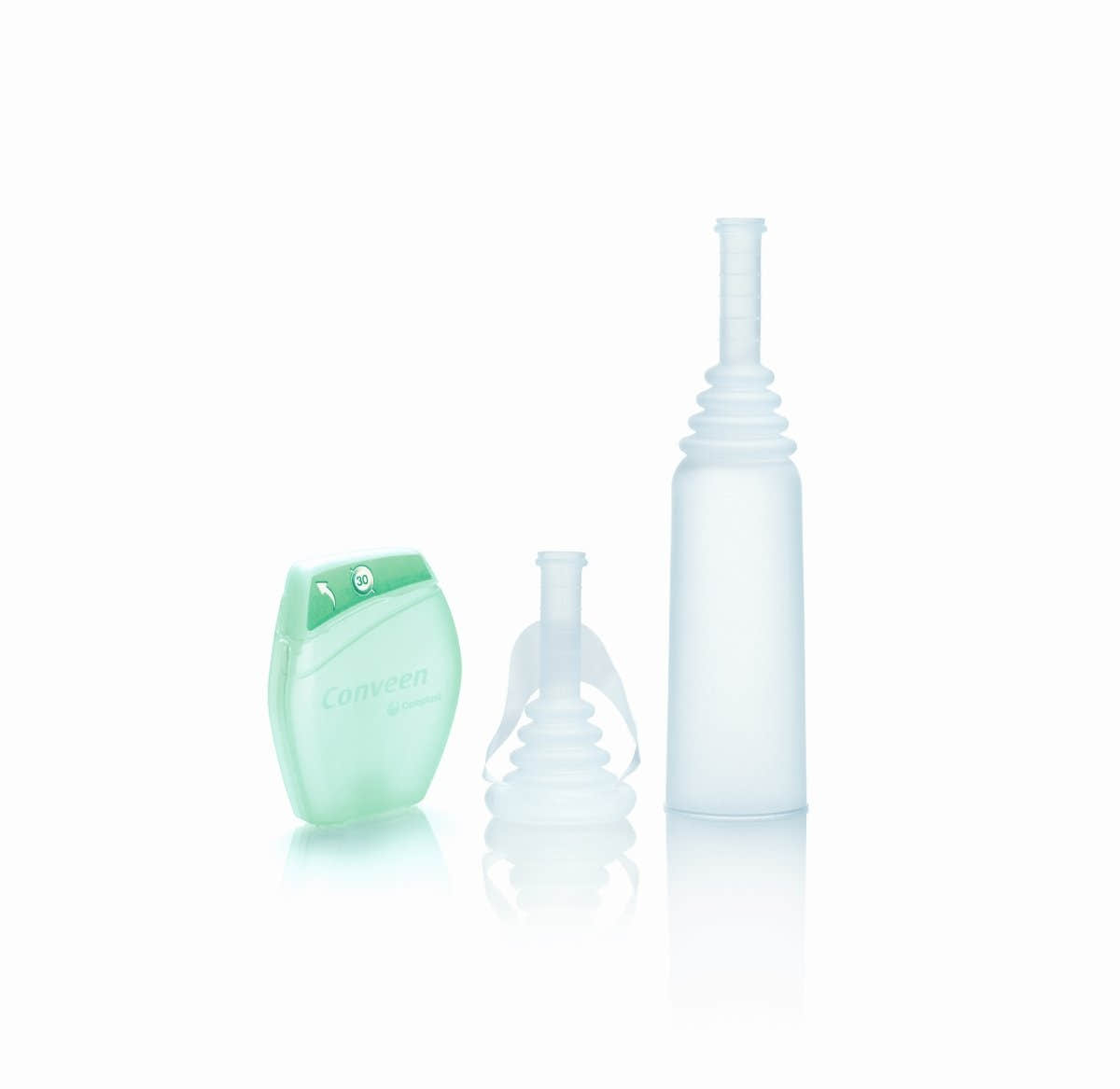
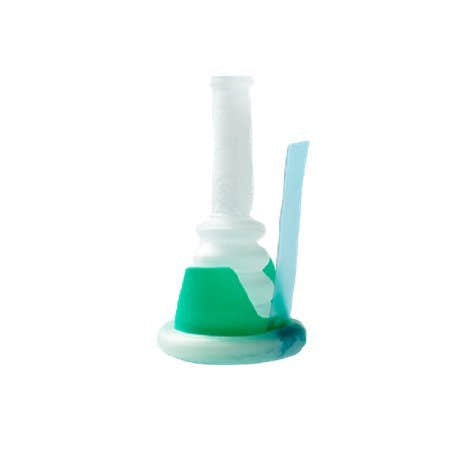
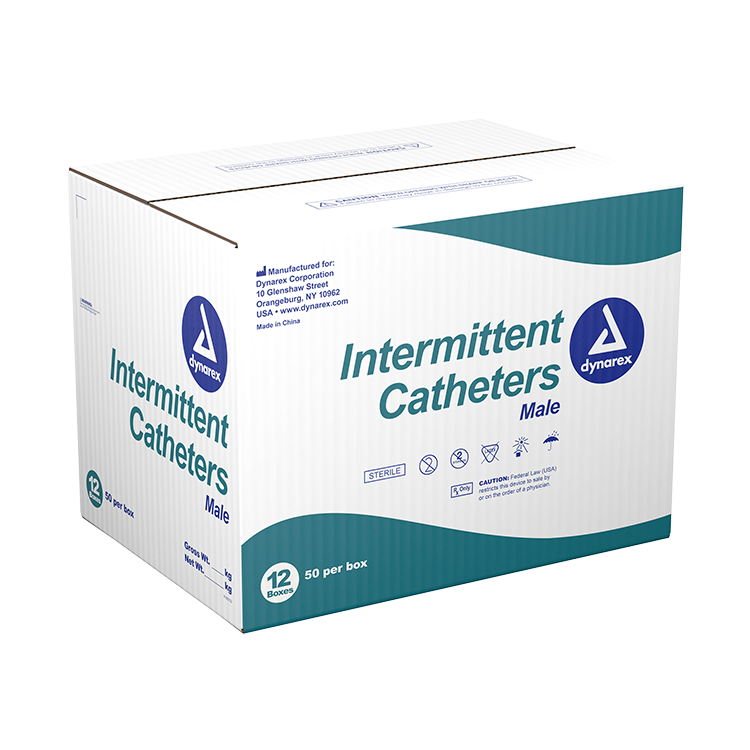
Conveen Security+ Male Catheter - 221500_BX - 1
Conveen Security+ Male Catheter
Sale priceFrom $2.99
Choose options
Cook Medical Catheter Luer Lock Adapter - 1090944_EA - 1
Covidien Curity Catheter Plug - 297350_EA - 1
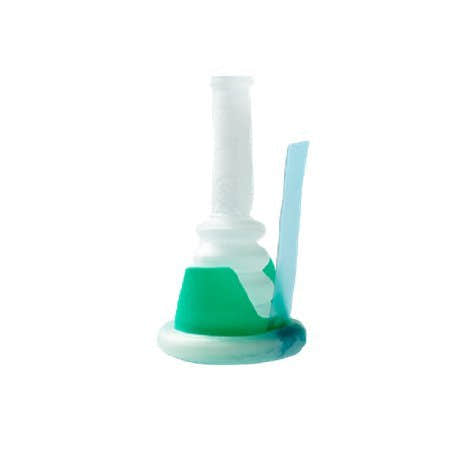
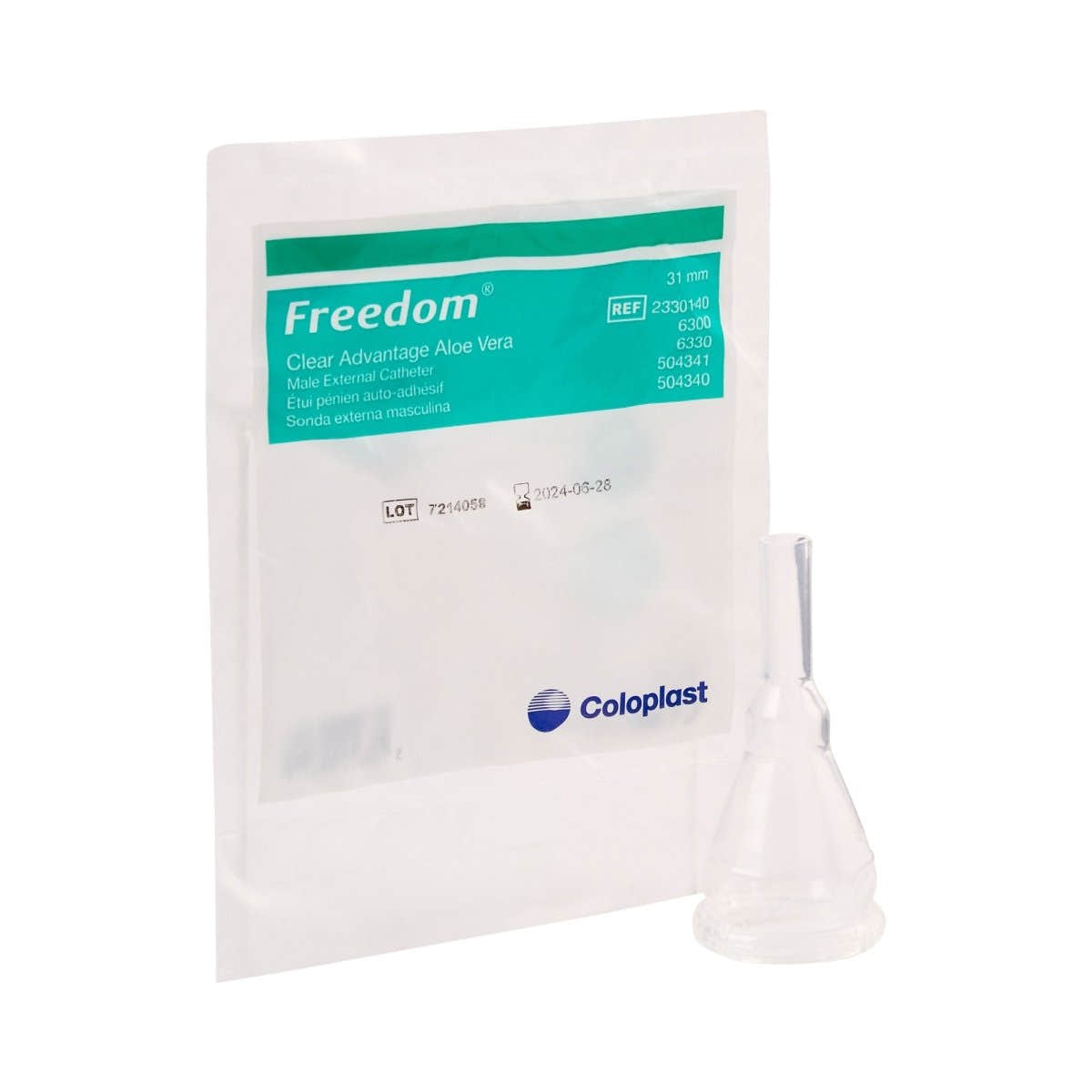
Natural Male External Catheter - 762308_BX - 1
Natural Male External Catheter
Sale priceFrom $2.99
Choose options
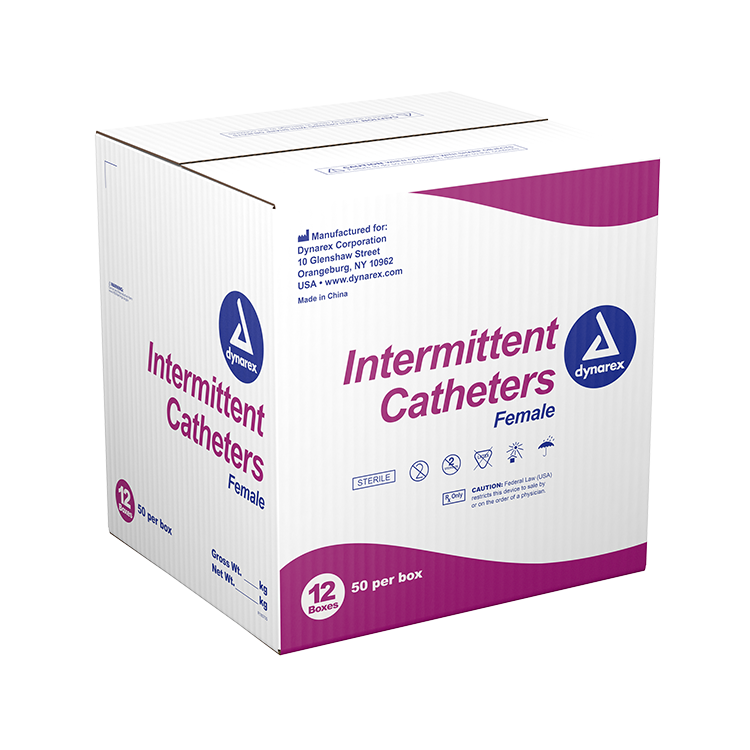
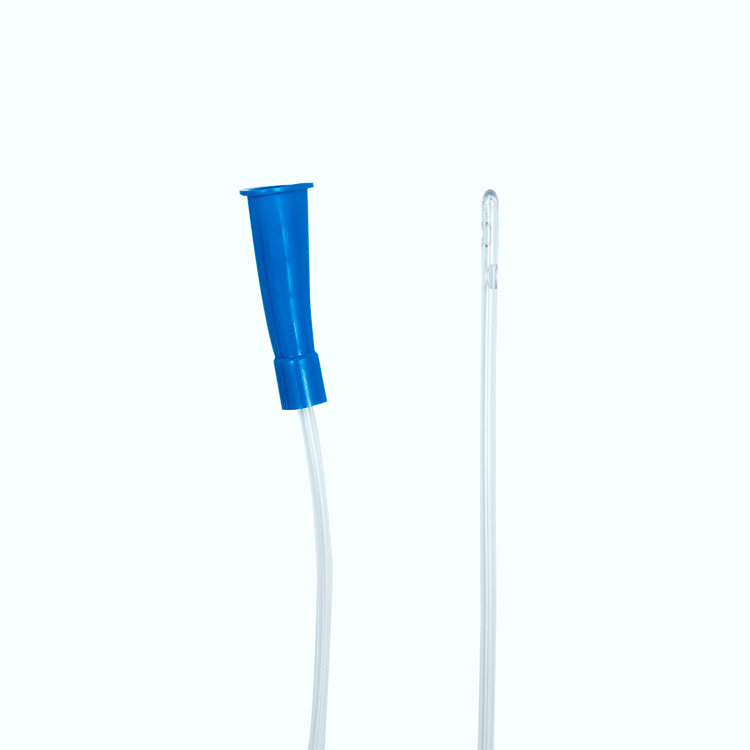
Self Cath Urethral Catheter - 216835_BX - 1
Self Cath Urethral Catheter
Sale priceFrom $1.99
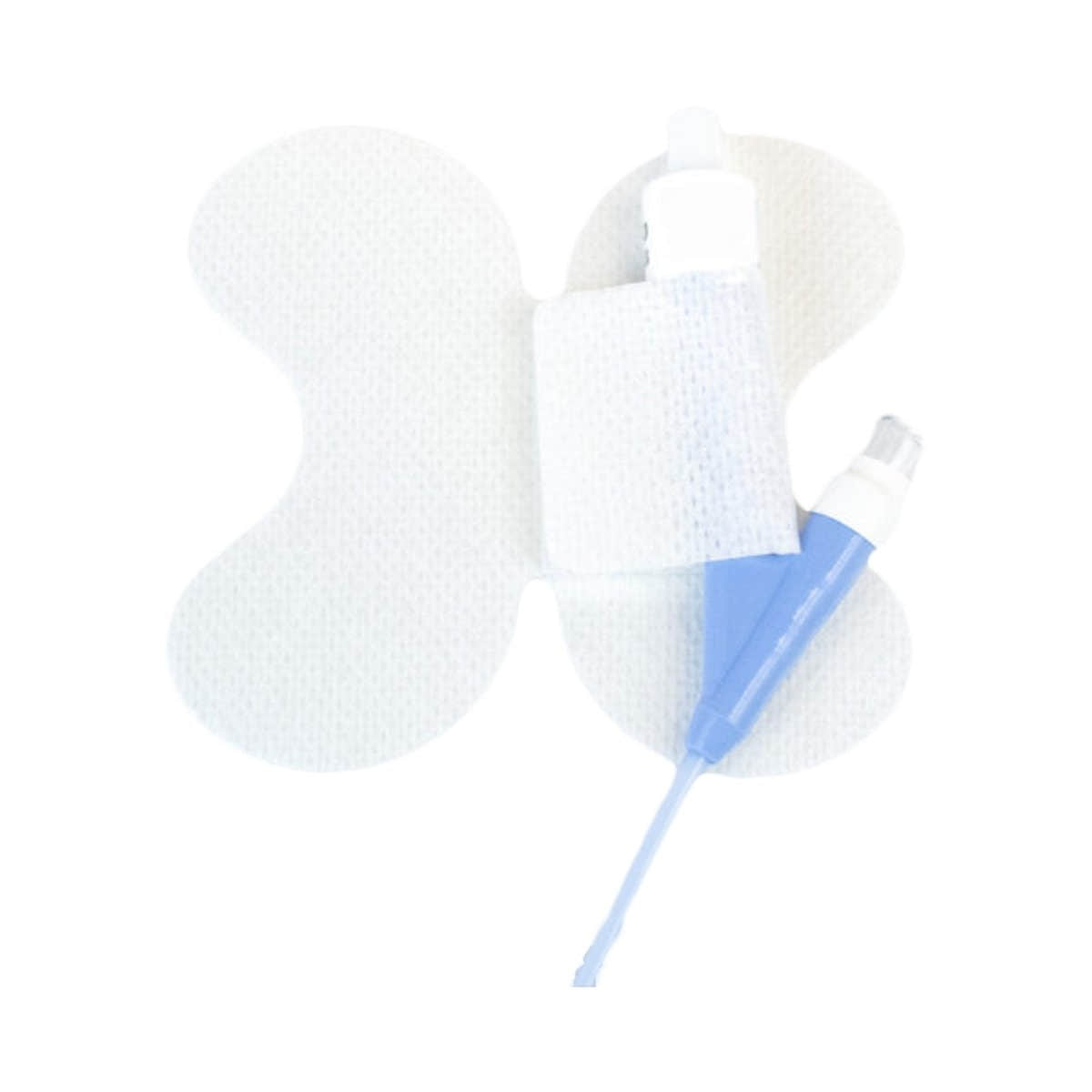
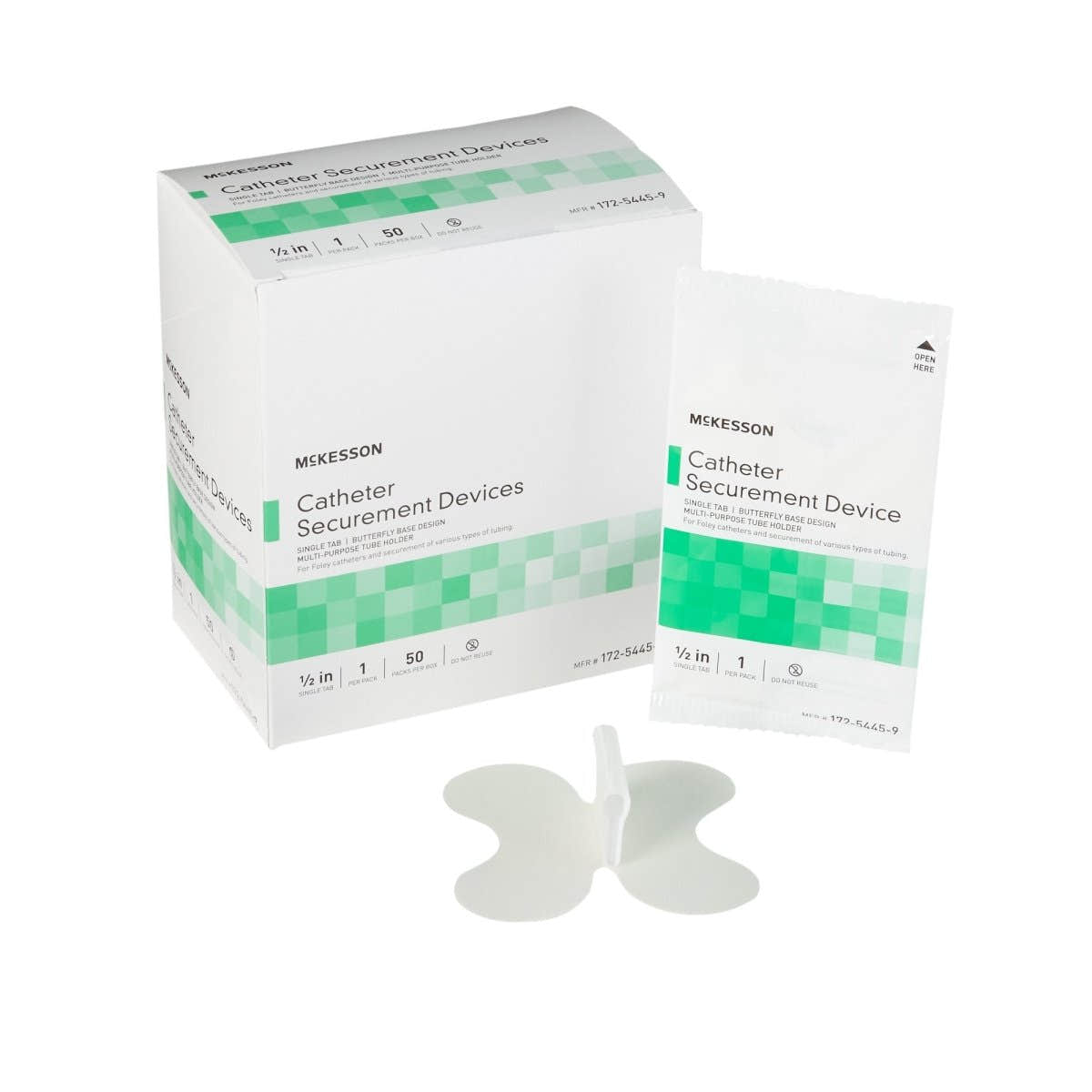
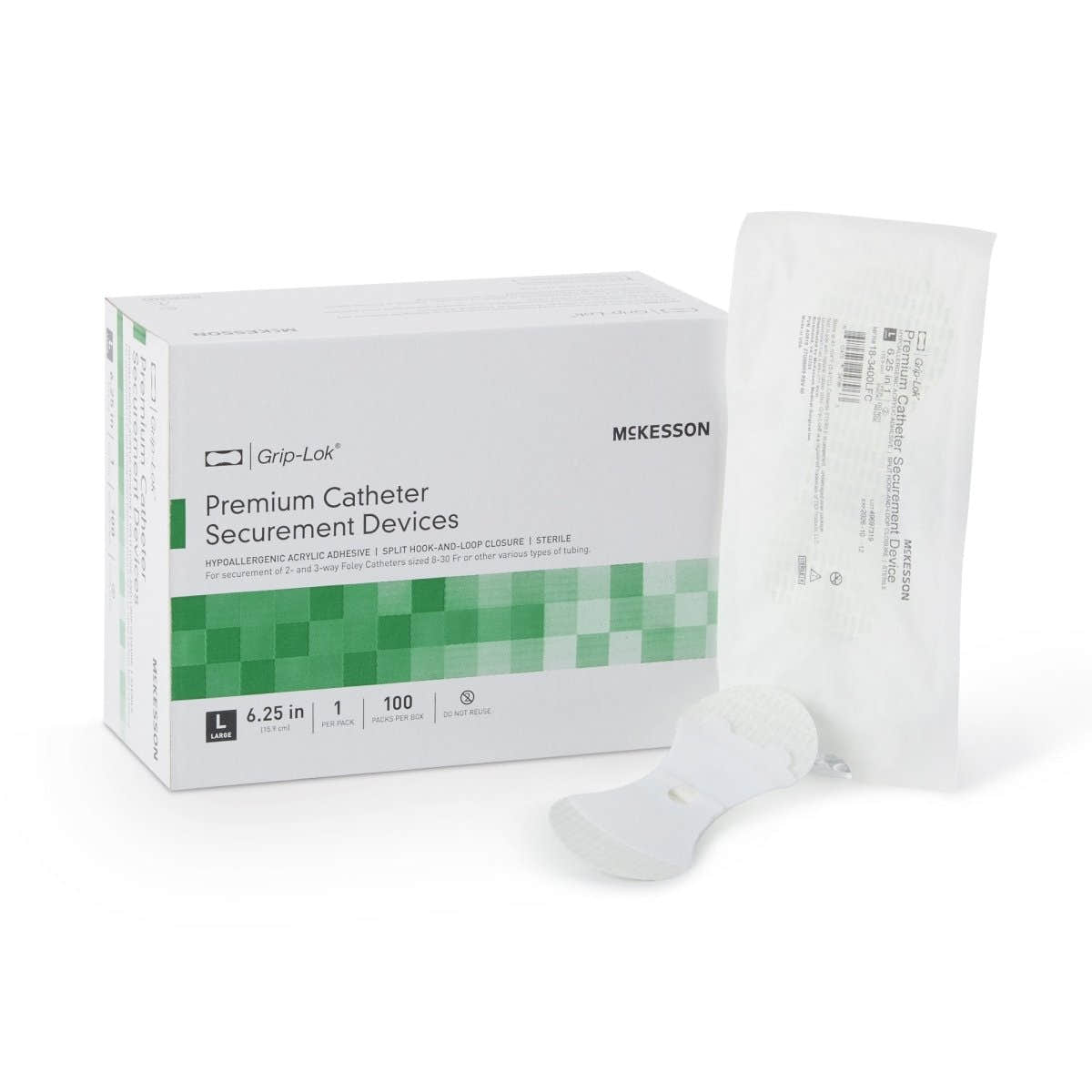
Stayfix Catheter Fixation Device - 721441_BX - 1
Stayfix Catheter Fixation Device
Sale priceFrom $17.99
Uri Drain Male External Catheter - 80782_EA - 1
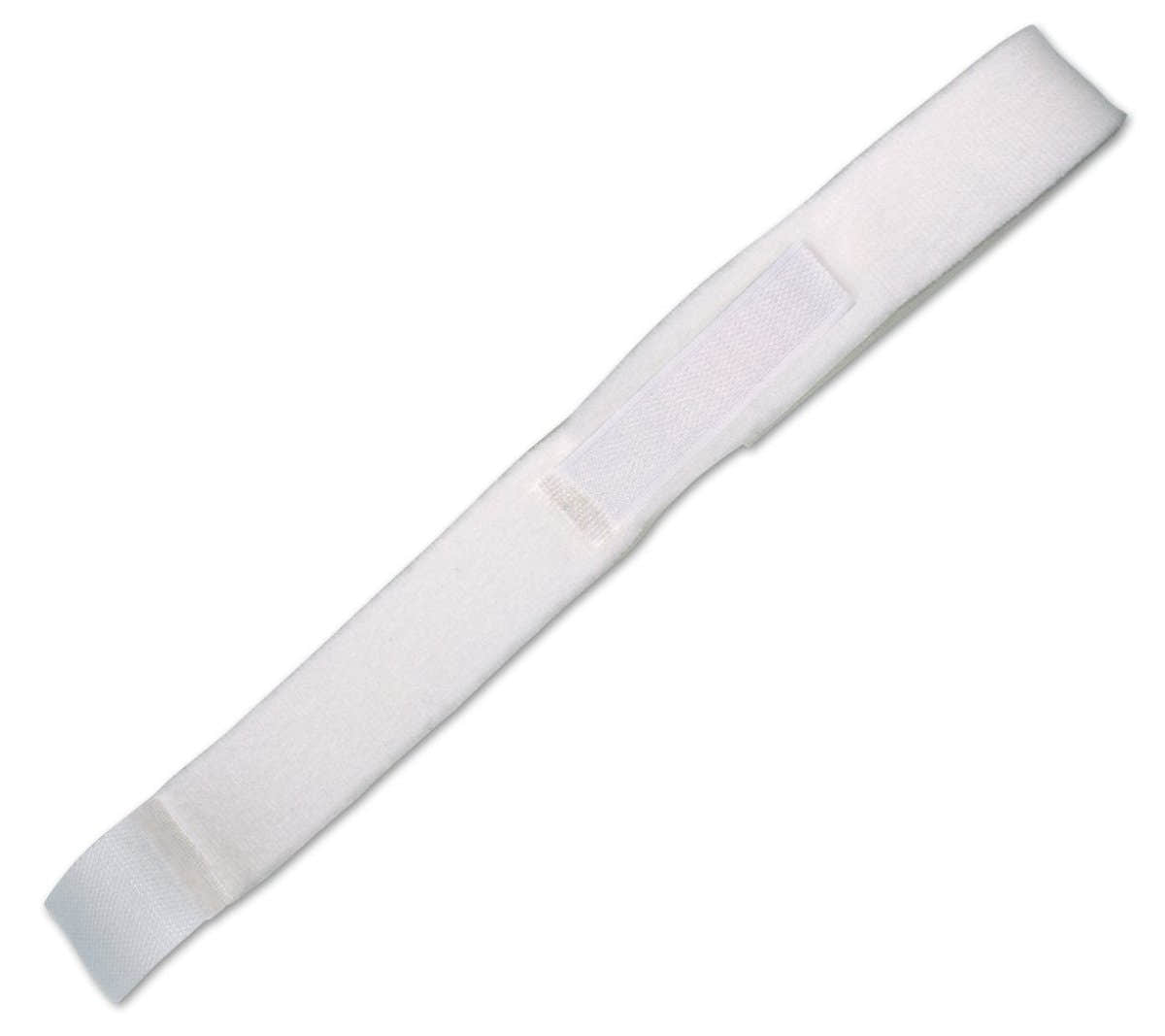
Uro Strap Universal Fabric Catheter Strap - 798372_EA - 1

Frequently Asked Questions about Catheters

Catheters are thin, flexible tubes used to drain urine from the bladder when a person cannot do so naturally due to injury, surgery, illness, or a chronic condition. Catheters come in several types, including intermittent, external, and indwelling options, each designed for different needs and lifestyles.

Catheters are designed for people who have difficulty emptying their bladder on their own, including those living with spinal cord injuries, urinary retention, neurogenic bladder, post-surgical recovery needs, or other medical conditions affecting bladder control. A healthcare provider can help determine which catheter type is most appropriate.

The main types of catheters available include intermittent catheters for single-use drainage, external catheters worn on the outside of the body, indwelling catheters that remain in place, and catheter trays that come pre-packaged with supplies for sterile insertion. Choosing the right type depends on your diagnosis, lifestyle, and how often you need to catheterize.

Start by washing your hands thoroughly, then open the catheter package using a sterile or clean technique as directed by your healthcare provider. Gently insert the catheter into the urethra until urine begins to flow, allow the bladder to drain completely, then slowly remove the catheter and dispose of it if it is a single-use type.

External catheters work by fitting over the outside of the penis and collecting urine through a drainage tube connected to a collection bag, eliminating the need for internal insertion. External catheters are a popular option for men who want a non-invasive catheter solution that supports greater comfort and independence throughout the day.

Yes, catheters can be used at home once a healthcare provider has trained you on proper technique and hygiene. Intermittent and external catheters are both commonly self-managed at home, and many people successfully incorporate catheter use into their daily routine with the right supplies and guidance.

Common catheter accessories include catheter plugs to cap the tube between uses, catheter holders and stabilization devices to keep the catheter secure, extension tubes for added length, and luer lock adapters for connecting to drainage bags or syringes. The accessories you need depend on your catheter type and individual care routine.

Yes, a male external catheter is worn on the outside of the body and does not require insertion into the urethra, making it a less invasive option compared to standard intermittent or indwelling catheters. Standard catheters are inserted directly into the bladder and are used when complete internal drainage is needed.

Catheters should be stored in a cool, dry place away from direct sunlight and extreme temperatures to preserve the packaging integrity and sterility of each unit. Always check the expiration date before use and never use a catheter if the packaging has been damaged, torn, or previously opened.

Catheters come in different sizes because the urethra varies in diameter between individuals, and using the correct size ensures effective drainage while minimizing discomfort or risk of injury. Catheter size is measured in French units, and a healthcare provider can help determine the right size based on your anatomy and medical needs.

Recently viewed