Cleaners & Disinfectants

193 products

Showing 73 - 96 of 193 products

Showing 73 - 96 of 193 products
View
McKesson Surface Cleaner -Case of 12
McKesson Surface Cleaner
Sale price$185.99
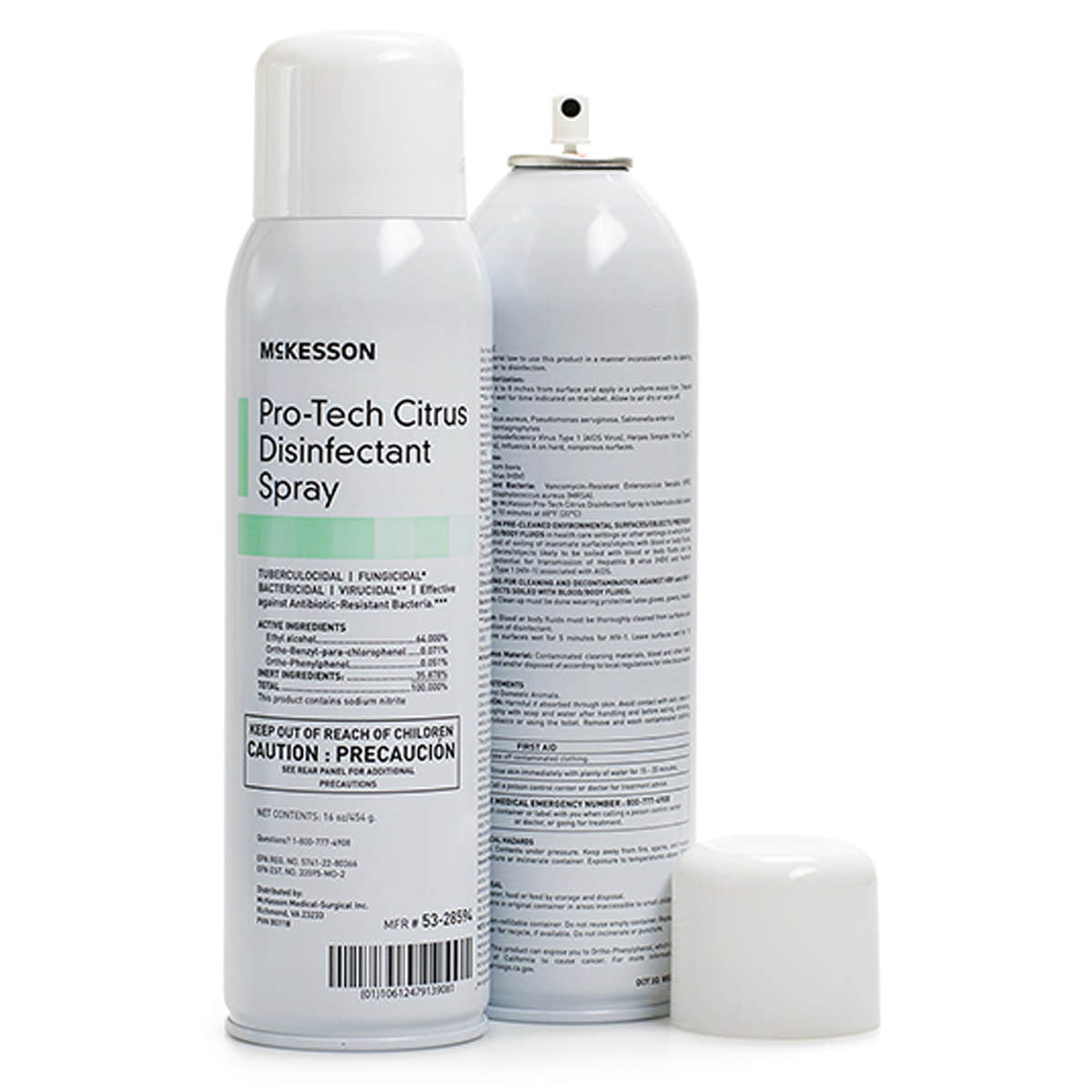
Lemon-Eze Surface Cleaner -Case of 12
Lemon-Eze Surface Cleaner
Sale priceFrom $16.99
Choose options
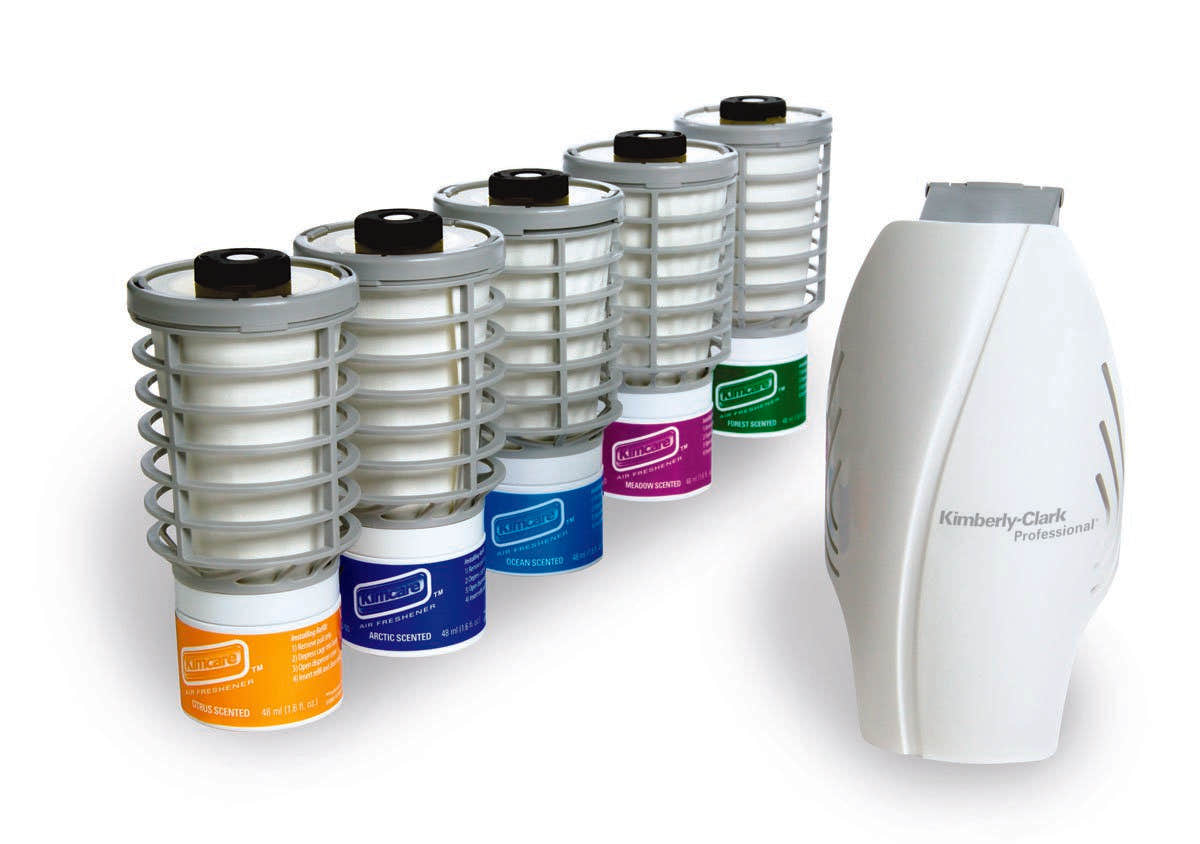
Kimcare Air Freshener Refill -Case of 6
Kimcare Air Freshener Refill
Sale priceFrom $24.99
Choose options
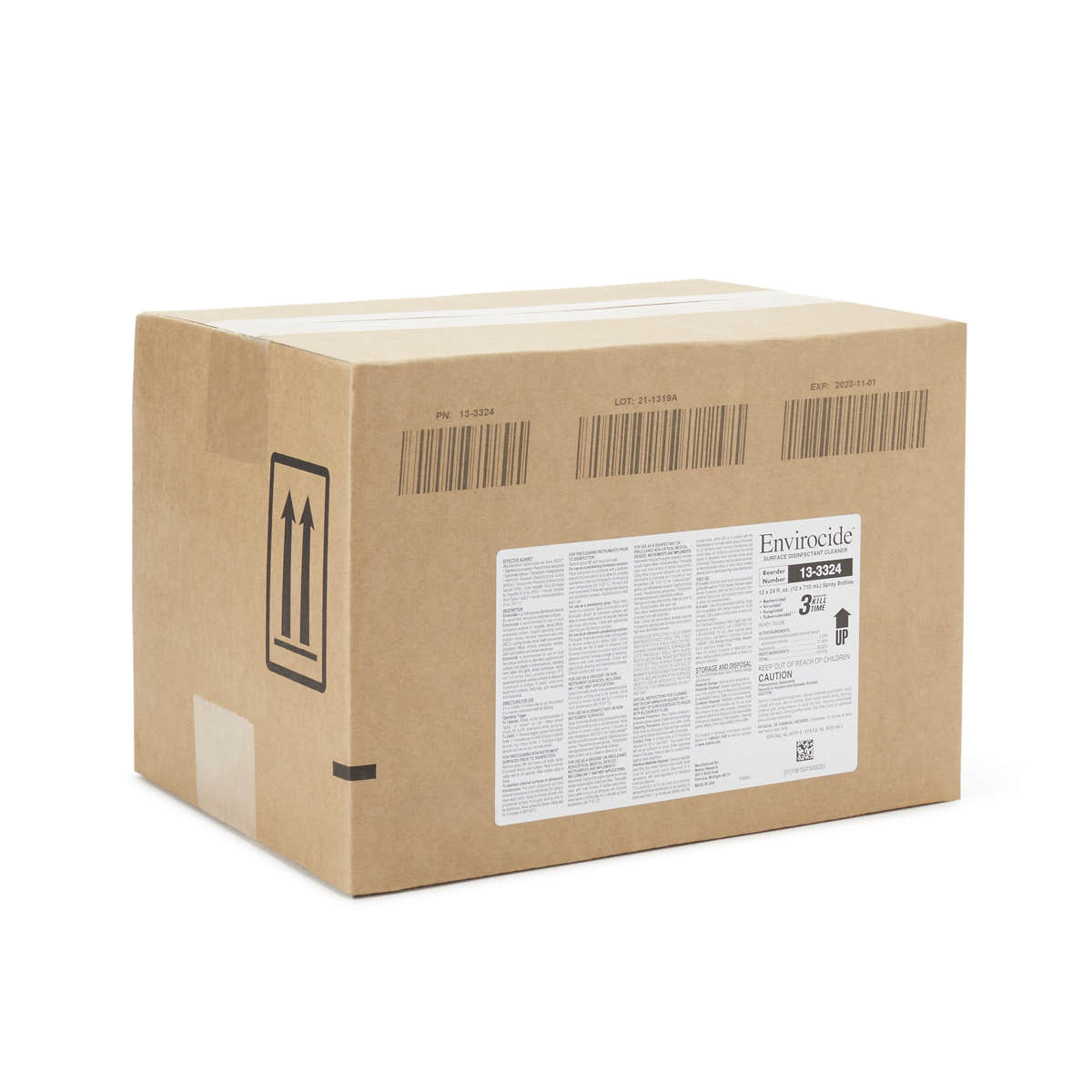
KC KIMTECH PREP Surface Disinfectant Cleaner -Case of 6
Husky Deodorizer -Case of 12
Husky Deodorizer
Sale priceFrom $7.79
Choose options
Coloplast Hex-On Air Freshener -Case of 12
Coloplast Hex-On Air Freshener
Sale priceFrom $5.99
Choose options

Frequently Asked Questions about Cleaners & Disinfectants

Cleaners and disinfectants are products used to remove dirt, grease, and organic matter while killing or neutralizing harmful germs, bacteria, and viruses on surfaces. Some formulas combine both cleaning and disinfecting in a single step, while others are designed for specific surface types or contamination levels.

Surface cleaners and disinfectants serve different purposes — cleaners physically remove soil and debris, while disinfectants chemically kill pathogens on a surface. Many medical-grade and commercial products combine both functions, but for full effectiveness, heavily soiled surfaces should be cleaned before a disinfectant is applied.

Medical-grade disinfectants and cleaners are designed for healthcare facilities, dental offices, veterinary clinics, and professional cleaning staff who need EPA-registered products that meet strict infection control standards. They are also appropriate for any setting where surface contamination poses a meaningful health risk.

Apply the surface disinfectant cleaner to the target area and allow it to remain wet for the full contact time listed on the product label — this is the time required to actually kill pathogens. Wipe away or allow to air dry according to the manufacturer's instructions, and never rinse unless the label specifies it.

Start by identifying the surface type, the pathogens you need to eliminate, and whether the area is a food-contact, medical, or general-use environment. From there, match those needs to a product's EPA registration, kill claims, and approved surface compatibility to avoid damage or inadequate disinfection.

Yes, disinfectant wipes can be just as effective as liquid disinfectant cleaners when used correctly, provided the surface stays visibly wet for the required contact time. Wipes offer added convenience for quick, targeted disinfection, but liquid formulas may be more practical for large surface areas or heavily soiled environments.

No, not all disinfectants and cleaners are safe for every surface — some formulas can corrode metals, degrade plastics, or damage porous materials with repeated use. Always check the product label for a list of compatible surfaces before applying, especially in healthcare or food-service environments where surface integrity matters.

Because EPA-registered disinfectants have been independently tested and verified to kill specific pathogens at the concentrations and contact times listed on the label, giving facilities documented proof of efficacy. In healthcare environments, using an EPA-registered product is often required for regulatory compliance and infection control protocols.

Store cleaners and disinfectants in a cool, dry location away from direct sunlight, extreme temperatures, and incompatible chemicals to preserve their active ingredients. Always keep containers tightly sealed and check the expiration or use-by date, as disinfectants can lose potency over time and may no longer meet their labeled kill claims.

Yes, a combined disinfectant cleaner can replace separate cleaning and disinfecting steps on lightly soiled surfaces where a single-product application is sufficient. However, on heavily soiled surfaces, pre-cleaning is still recommended before applying any disinfectant to ensure the active ingredients can reach and effectively neutralize pathogens.

Recently viewed