Filters

Face Shields

45 products

Showing 1 - 24 of 45 products

About Face Shields and their Benefits.

Face Shields come in a variety of styles to fit your needs. Make sure to use the filters to find the right face shield for you.

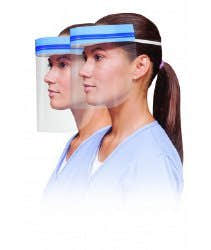
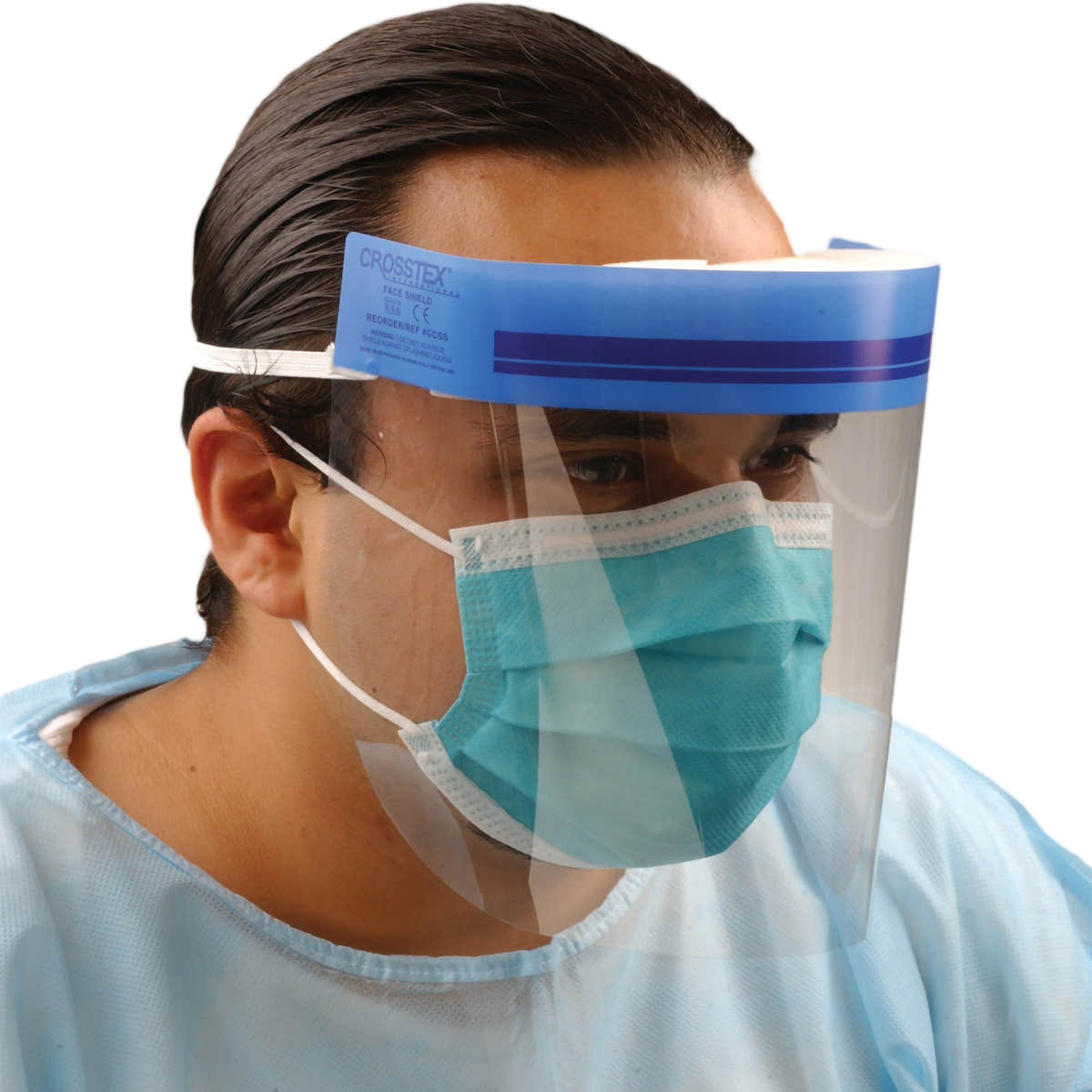
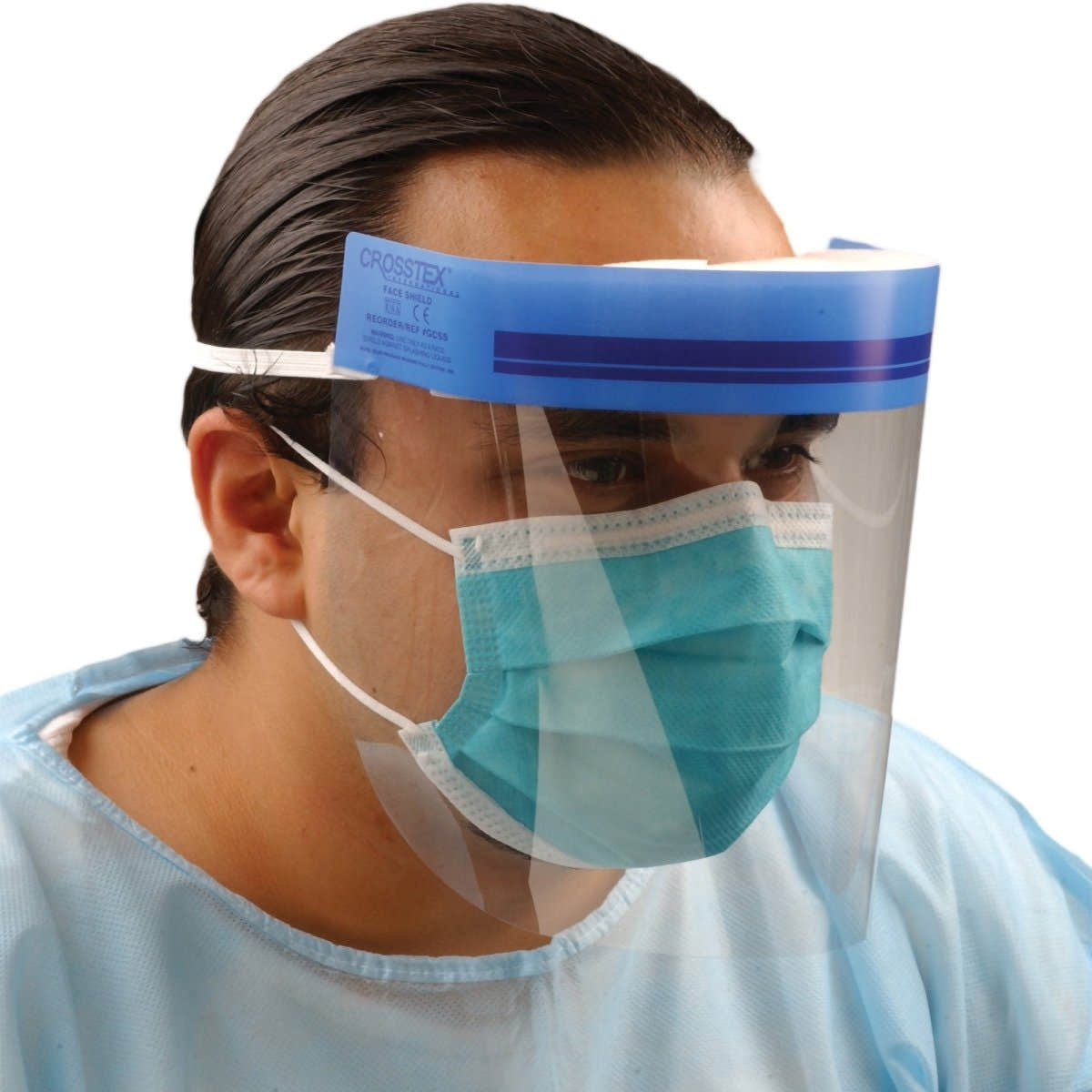
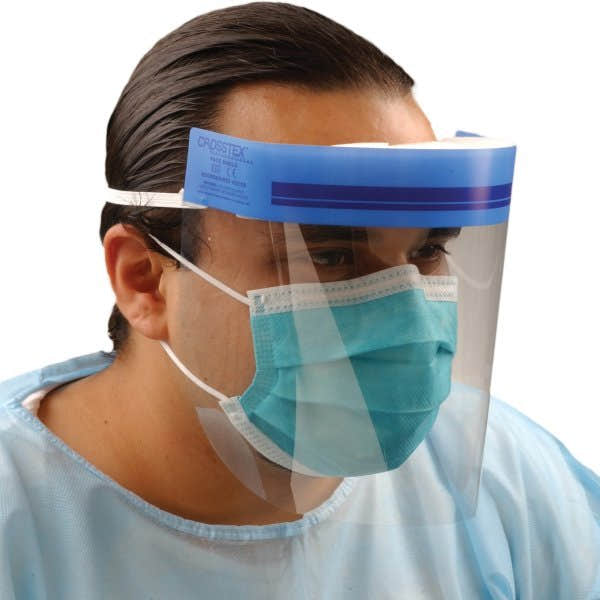
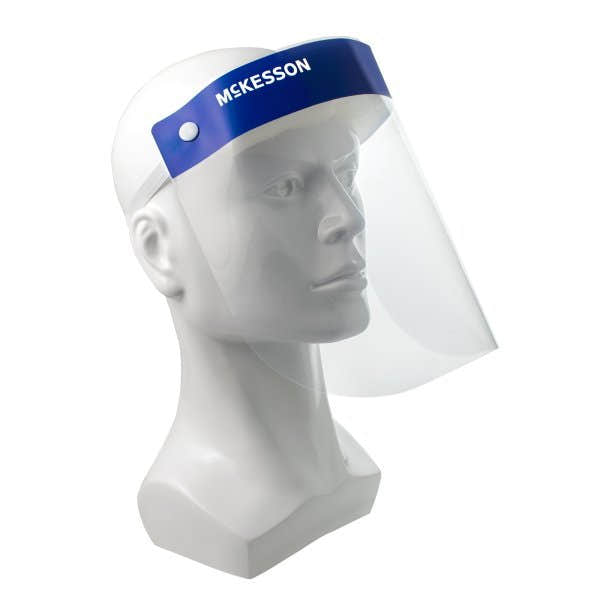
Face shields are transparent, plastic barriers that cover the entire face, providing a protective shield against airborne droplets, splashes, and other hazards. Unlike face masks, which primarily protect the nose and mouth, face shields offer comprehensive coverage for the entire face, including the eyes, nose, and mouth. This additional level of protection makes them an indispensable tool in healthcare settings, as well as in other high-risk environments such as laboratories, manufacturing facilities, and public-facing professions.

During the Pandemic, some creative people were using their 3D printers at home to make face shields as well as other accessories to make life a little bit easier.
Showing 1 - 24 of 45 products
View
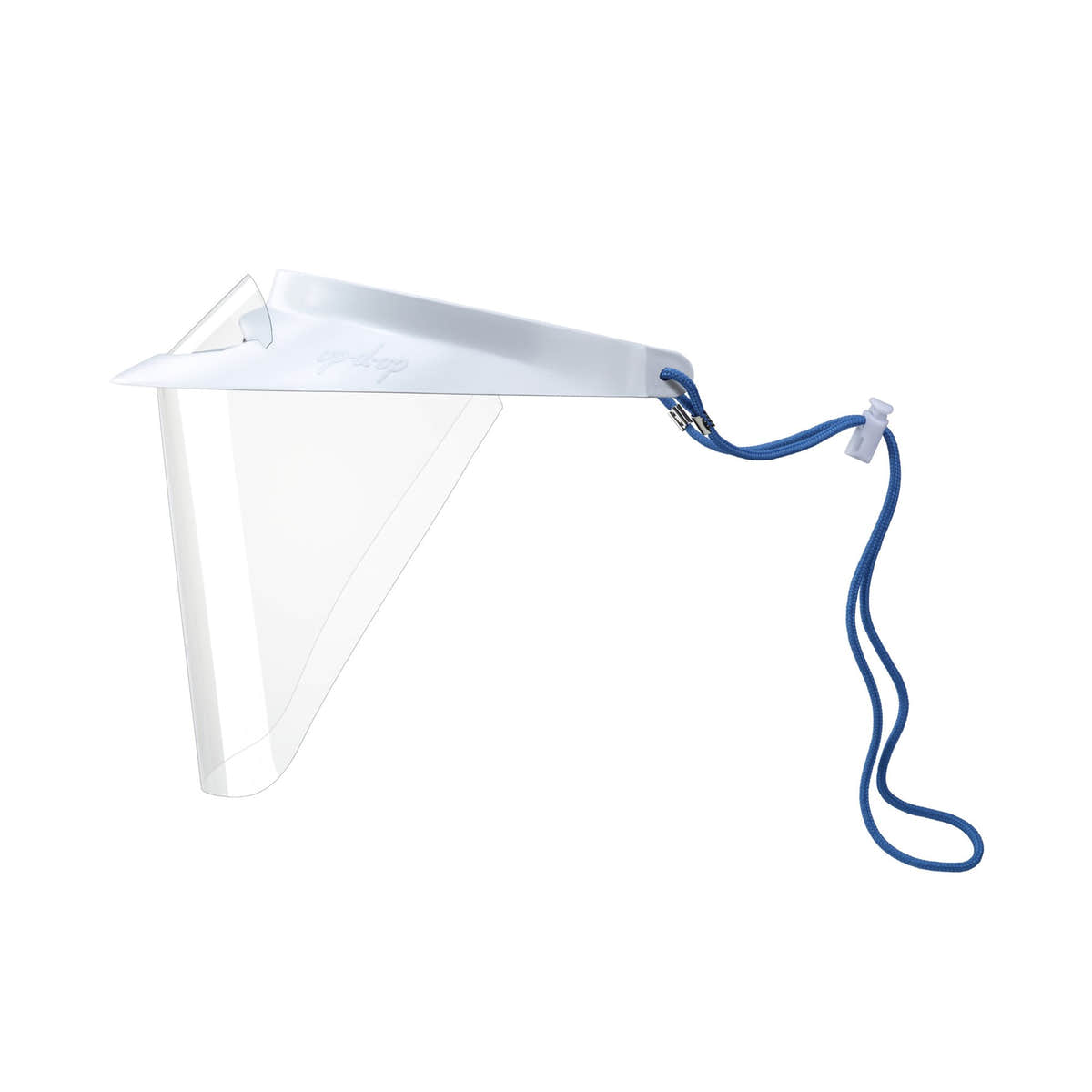
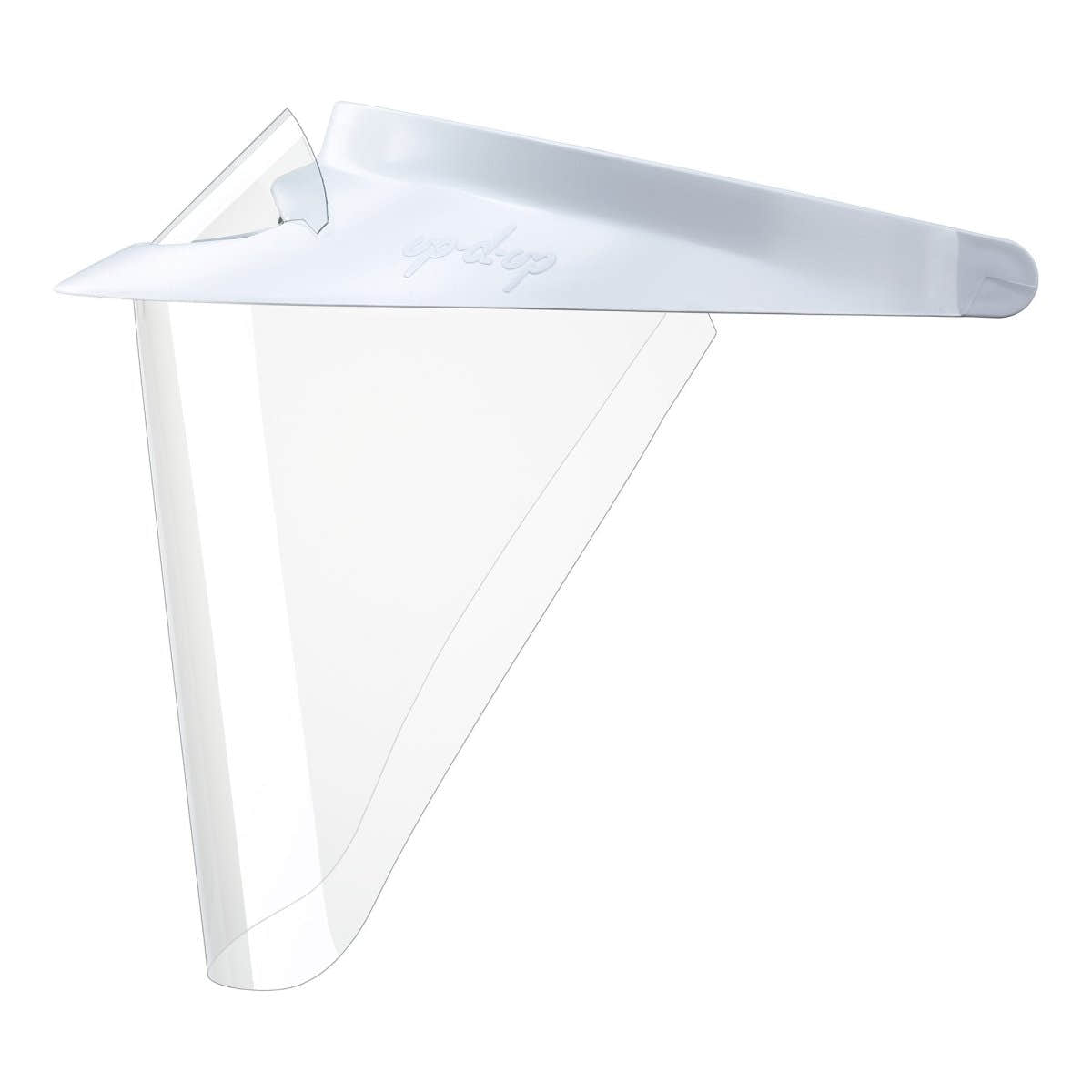
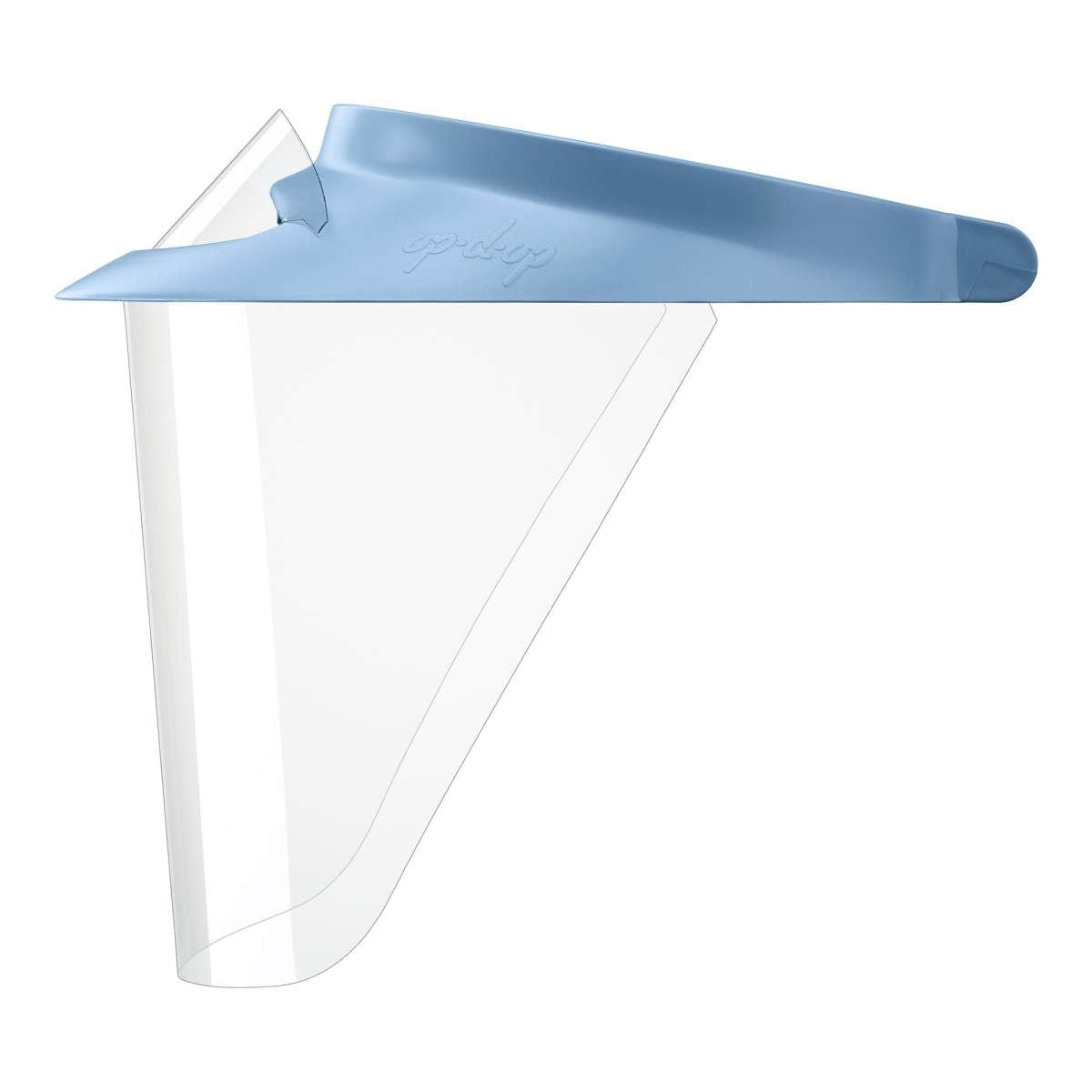
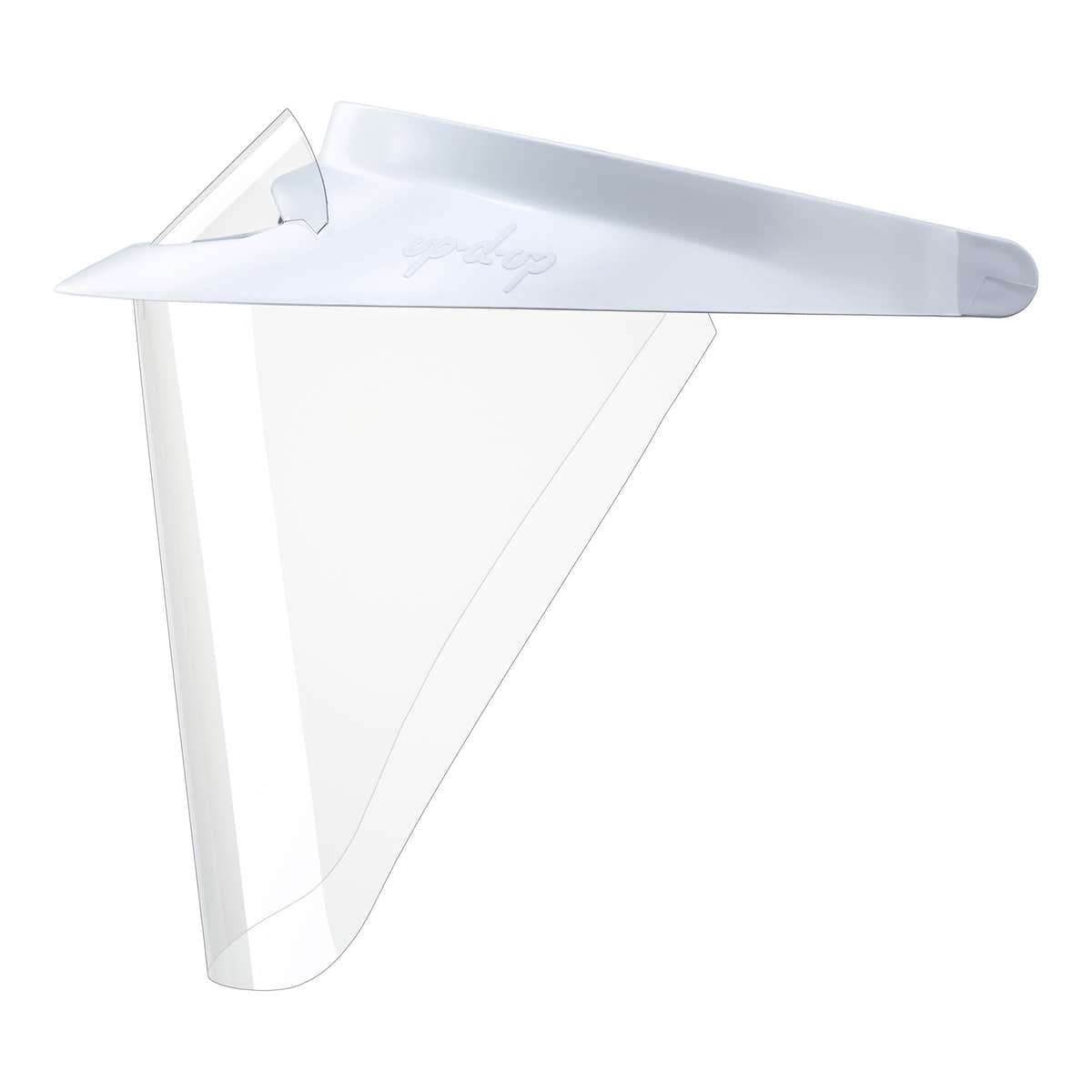
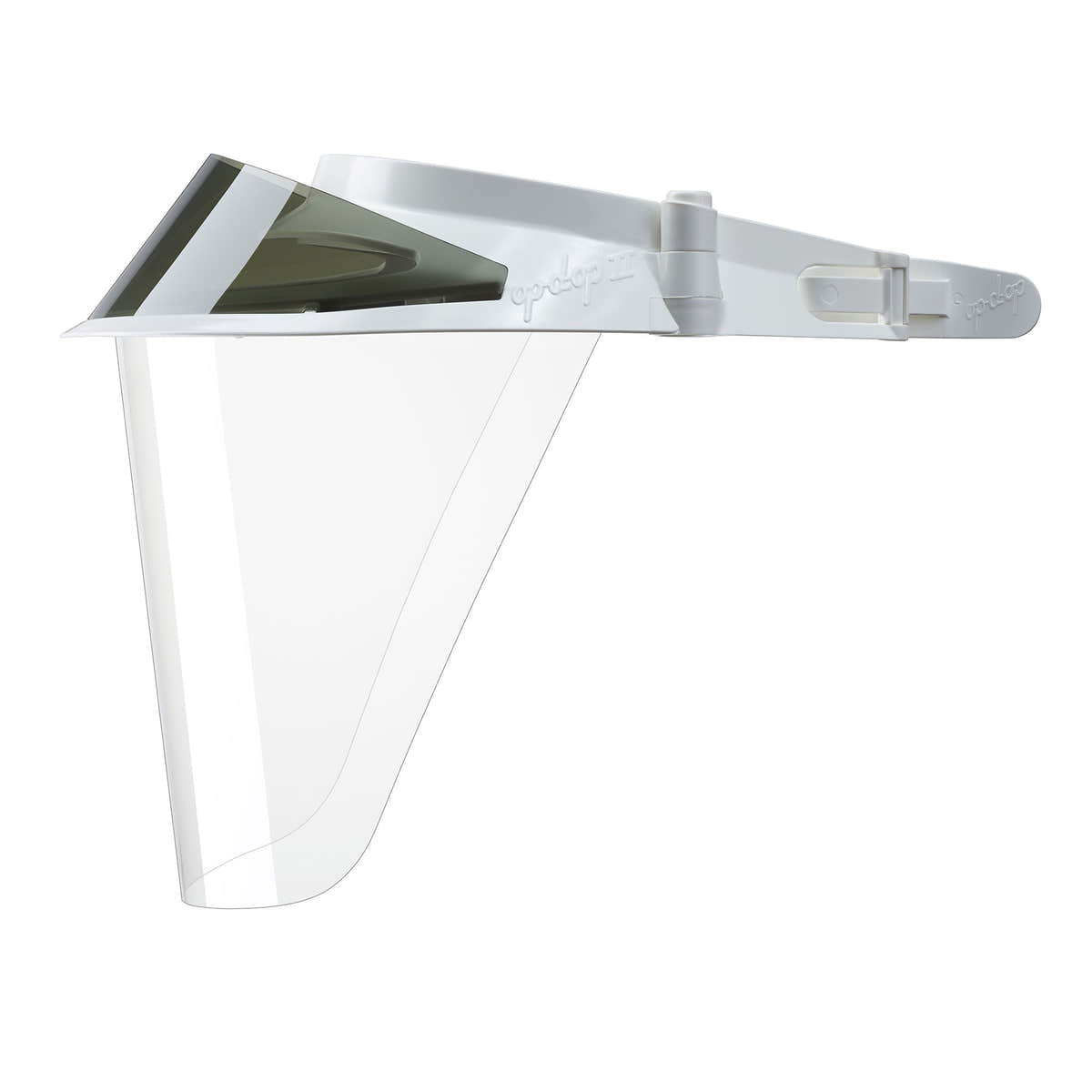
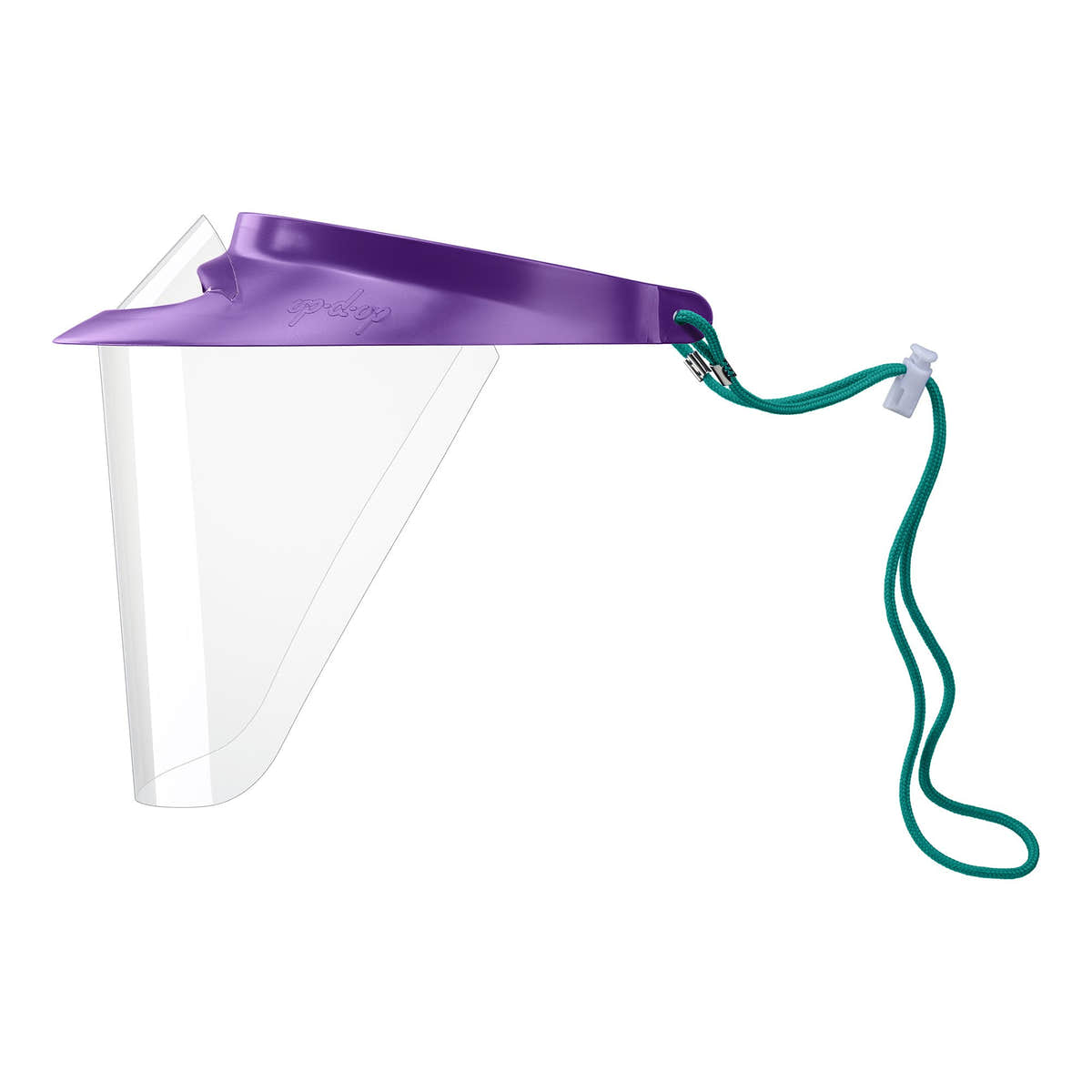
Op-D-Op Visor Shield Kit - 402573_EA - 1
Op-D-Op Visor Shield Kit
Sale price$65.99
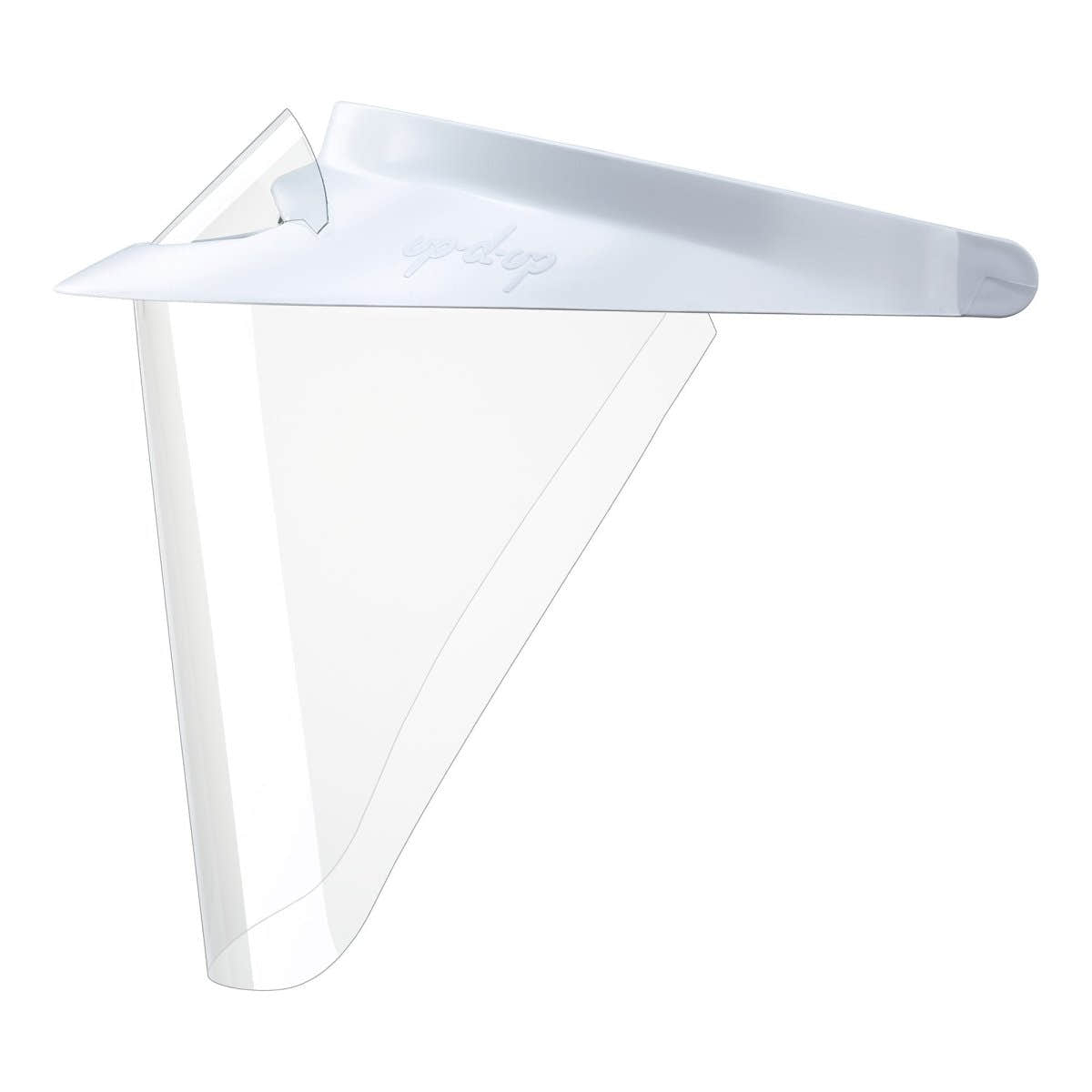
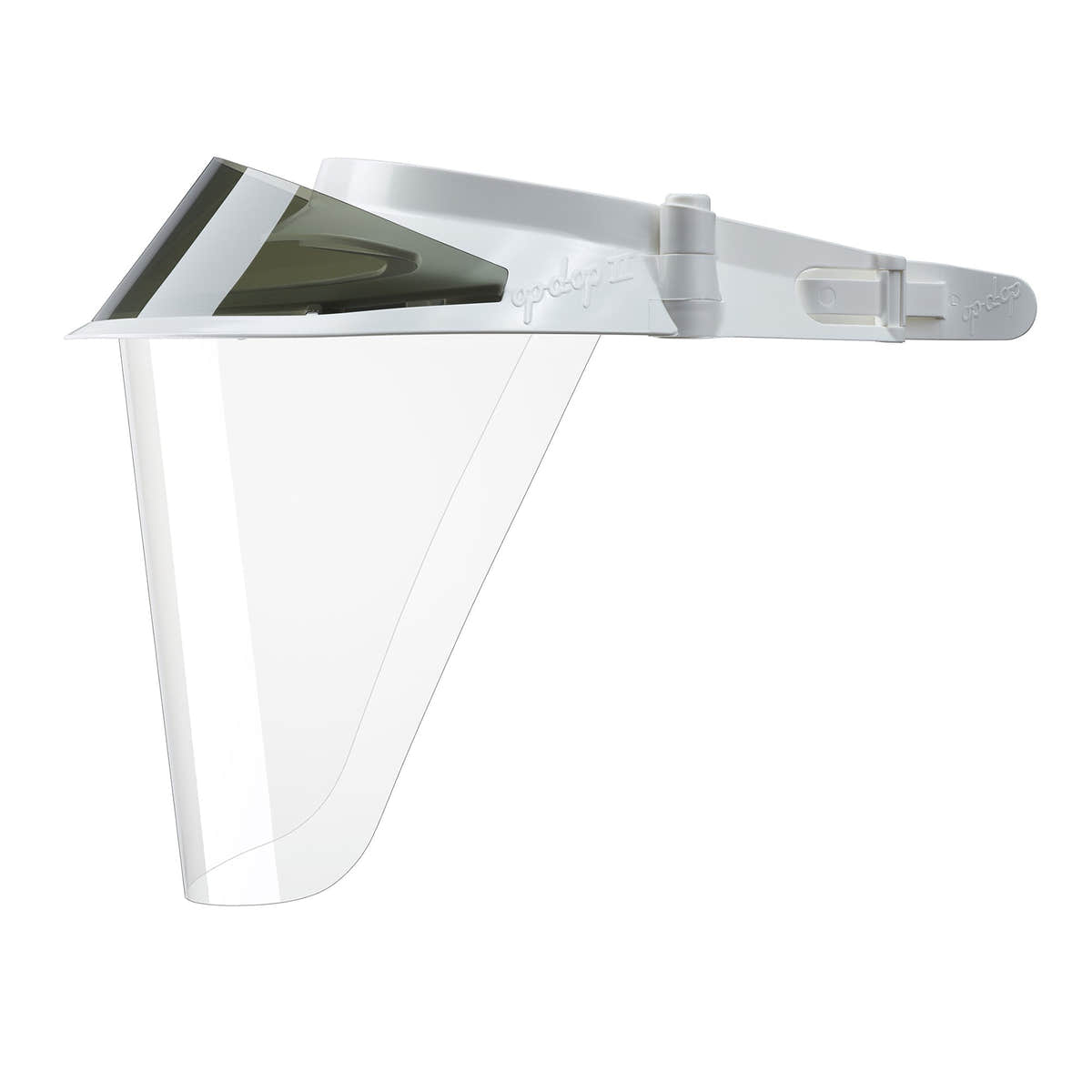
Op-D-Op Visor Shield - 562039_EA - 1
Op-D-Op Visor Shield
Sale price$68.99
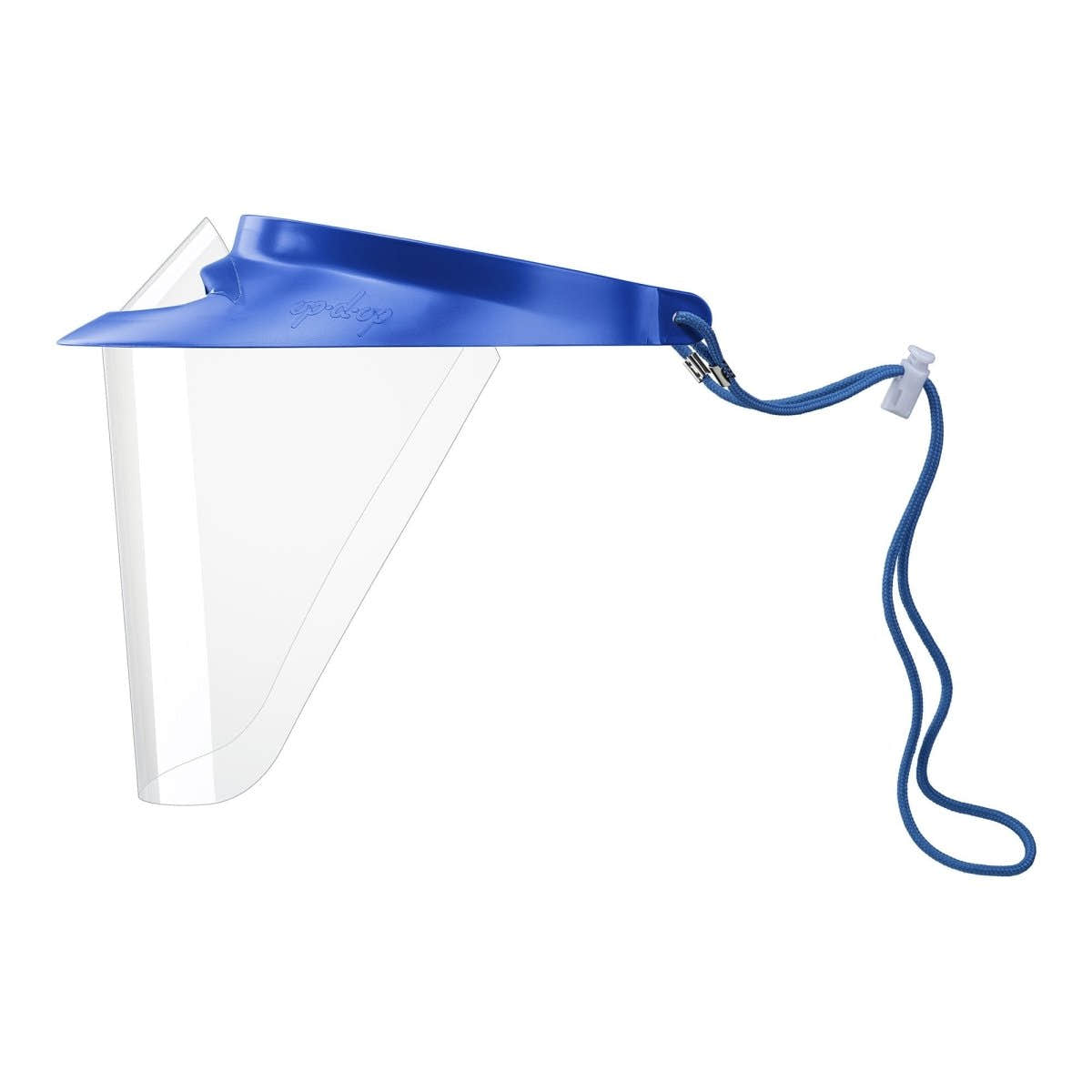
Op-D-Op Face Shield Kit - 720613_EA - 1
Op-D-Op Face Shield Kit
Sale price$63.99
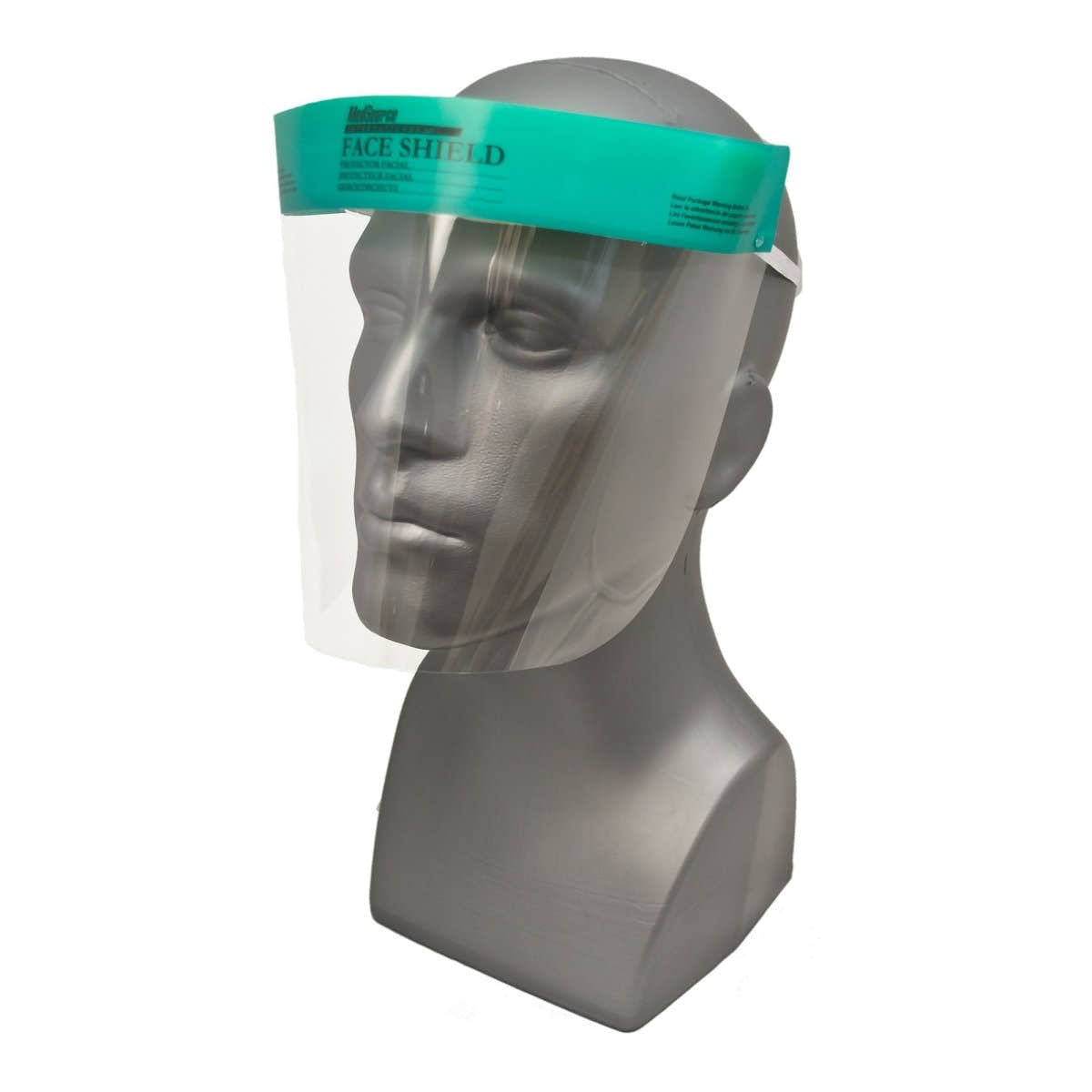
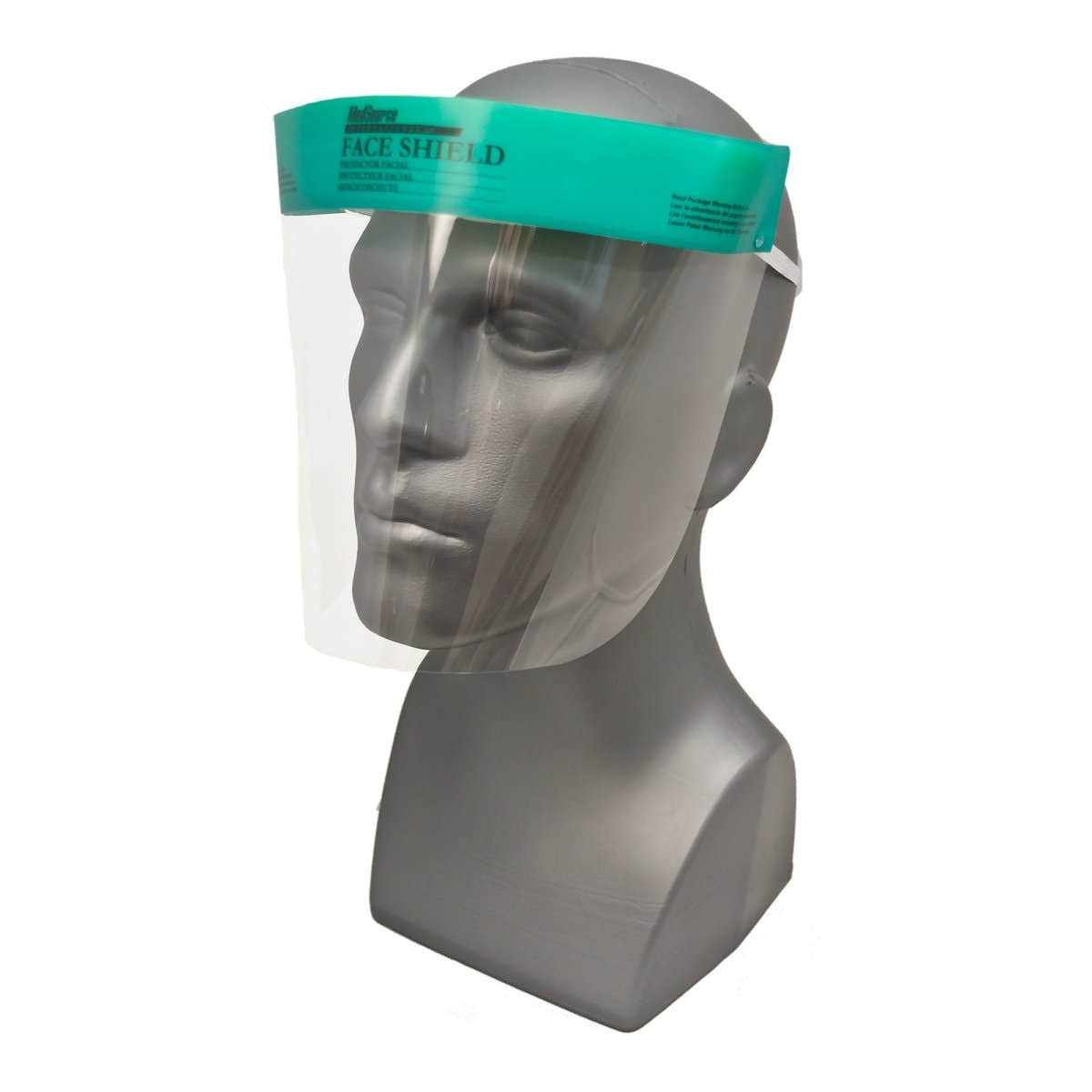
MedSource International Face Shield - 1072485_BX - 1
MedSource International Face Shield
Sale priceFrom $33.99
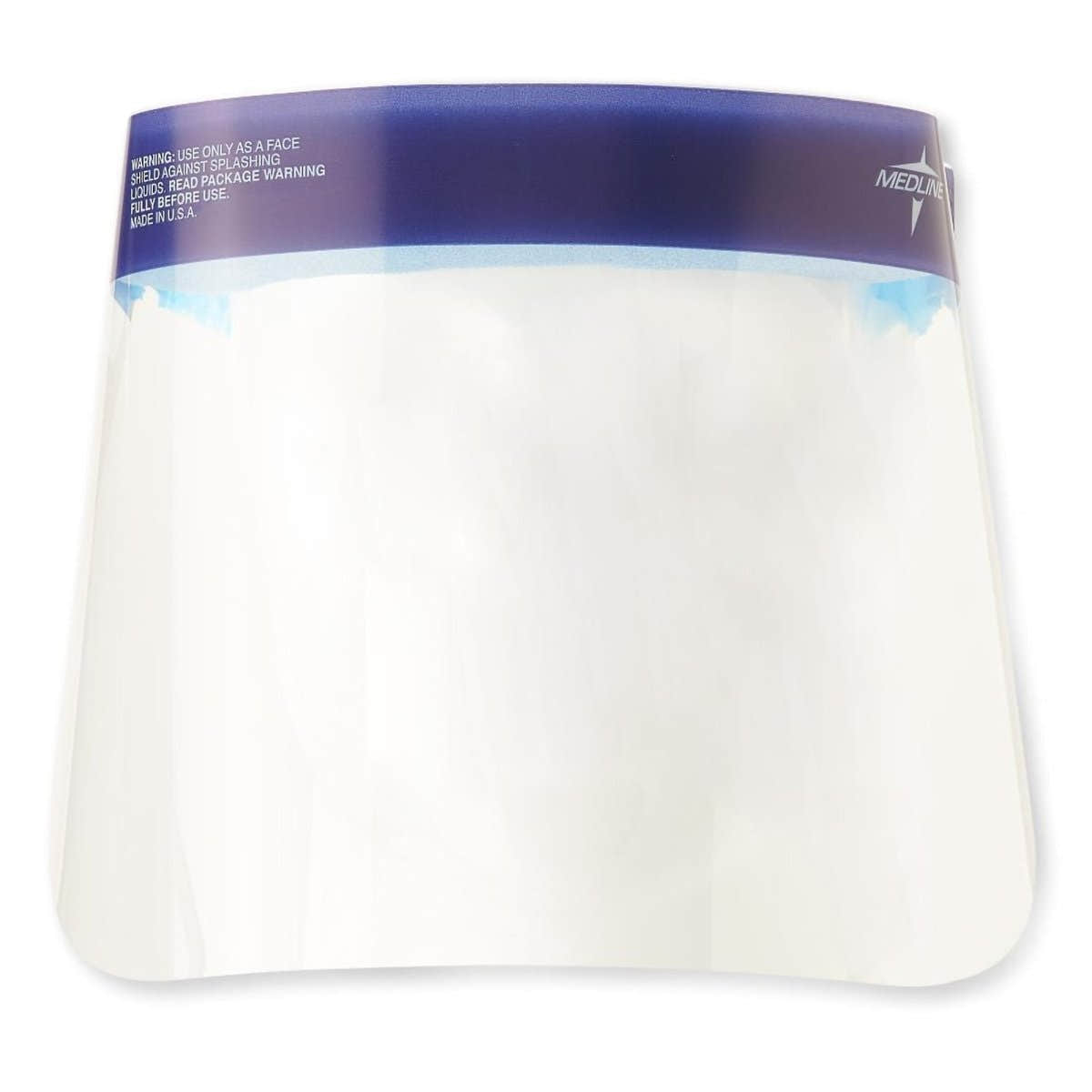
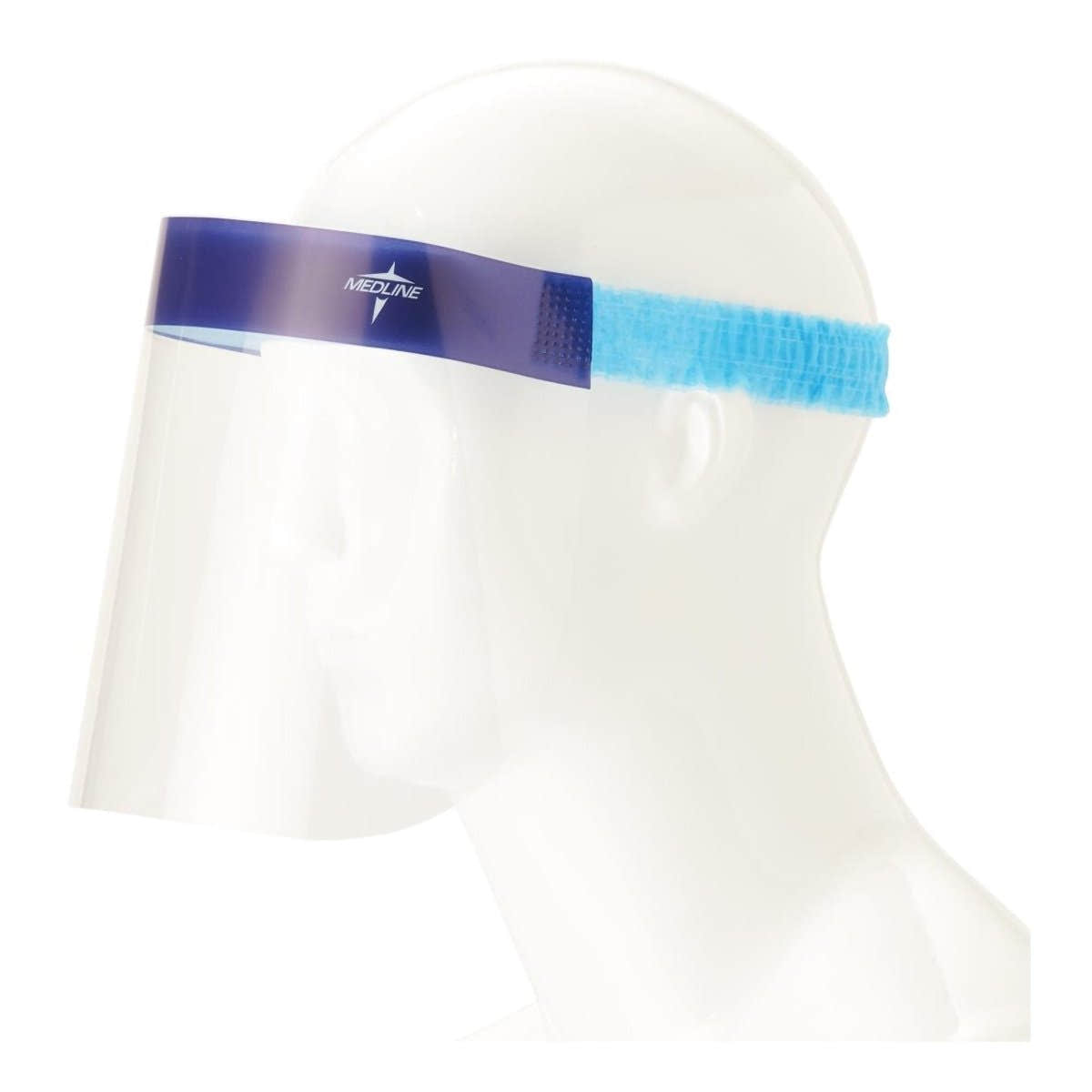
Medline Face Shield - 485727_BX - 1
Medline Face Shield
Sale priceFrom $12.99
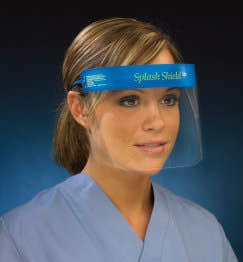
Splash Shield Lite Face Shield with Frame - 764818_BX - 1
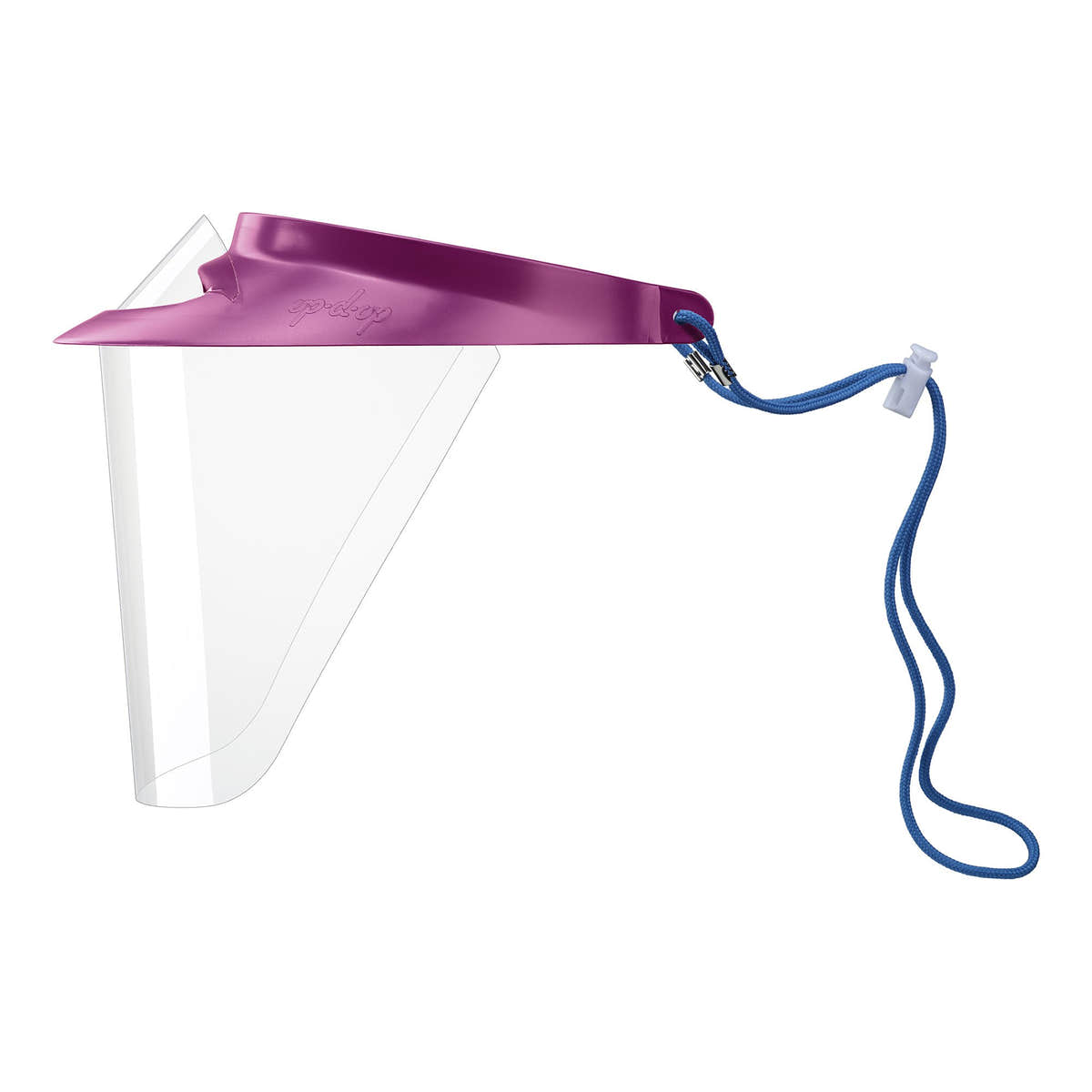
Polysoft Face Shield Kit Anti-fog, Burgundy -Each
Polysoft Face Shield Kit Anti-fog
Sale priceFrom $63.99
Choose options
Polysoft Anti-fog Face Shield -Case of 25
Polysoft Anti-fog Face Shield
Sale priceFrom $28.99
Choose options
Cardinal Health Face Shield, One Size Fits Most, Clear tint -Box of 25
Cardinal Health Face Shield
Sale priceFrom $73.99
Fisher Scientific Face Shield -Pack of 24
Fisher Scientific Face Shield
Sale price$119.99
Op-D-Op ABS Face Shield Kit, White, Medium -Case of 25
Op-D-Op ABS Face Shield Kit
Sale priceFrom $1.99
Choose options
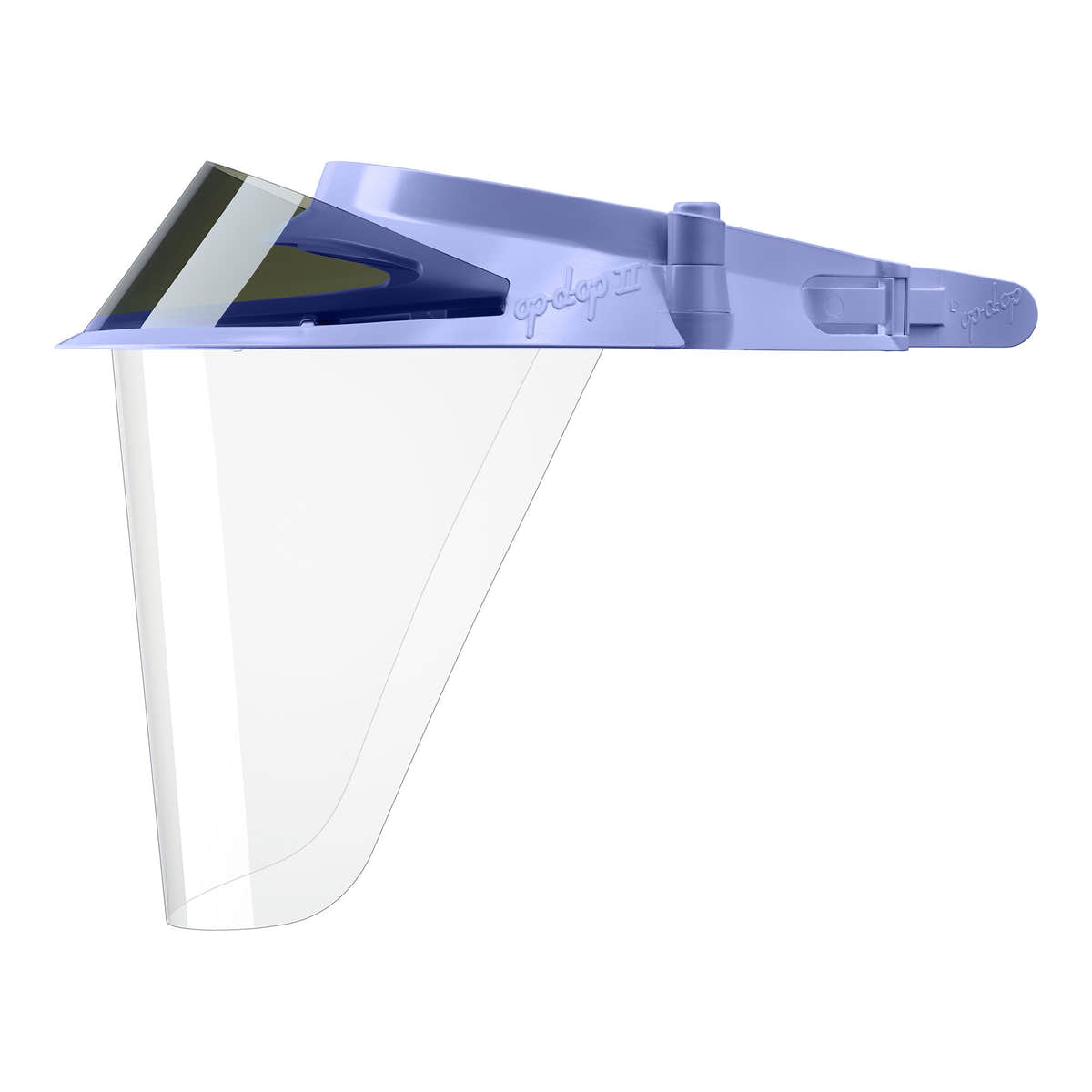
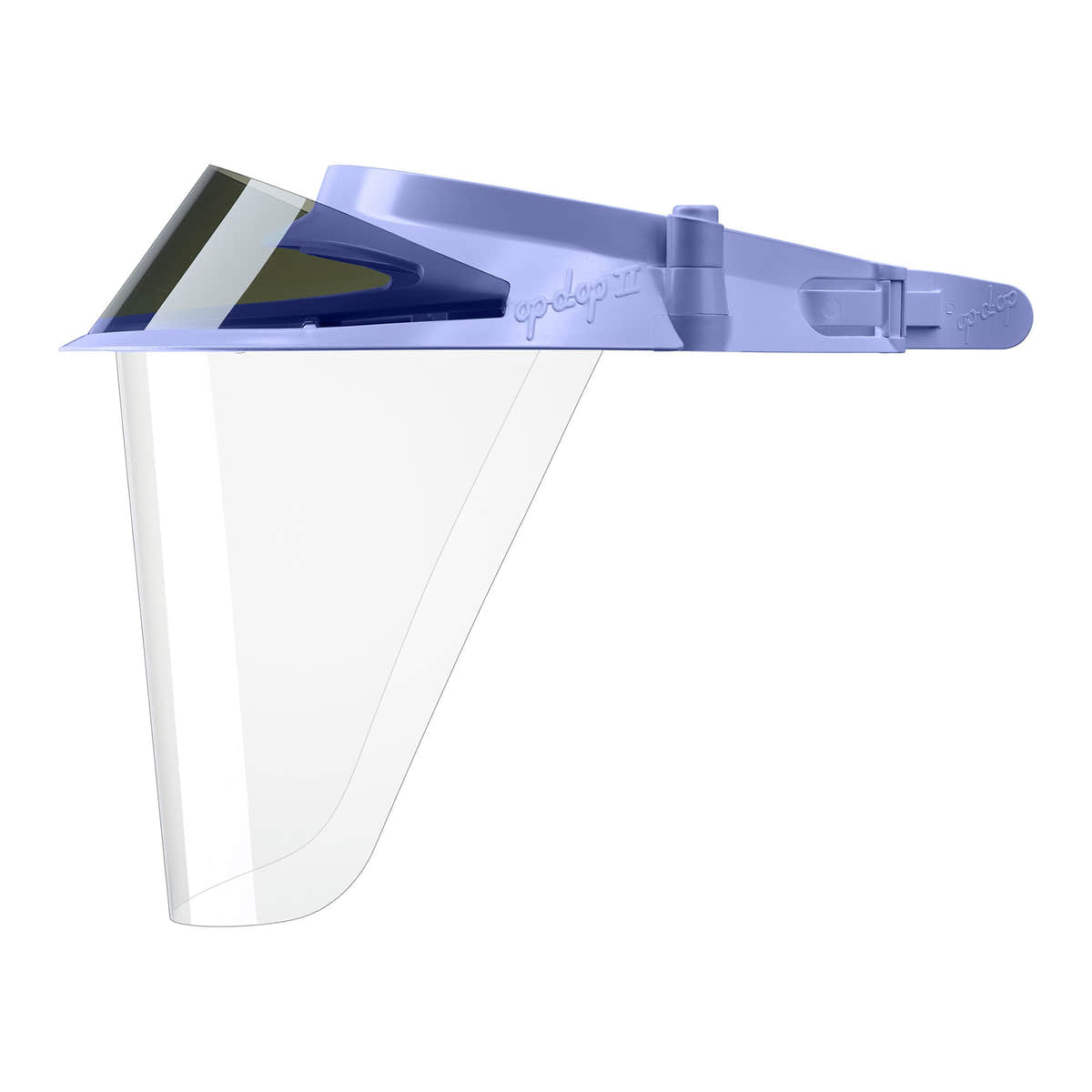
Op d Op II Face Shield Kit W/ 3 Shields, Periwinkle -Each
Op d Op II Face Shield Kit W/ 2 Shields, Periwinkle -Each
Intco Face Shield -Case of 200
Intco Face Shield
Sale price$487.99
Alimed Face Shield -Each
Alimed Face Shield
Sale price$1.99
Face-Fit Face Shield -Each
Face-Fit Face Shield
Sale price$124.99
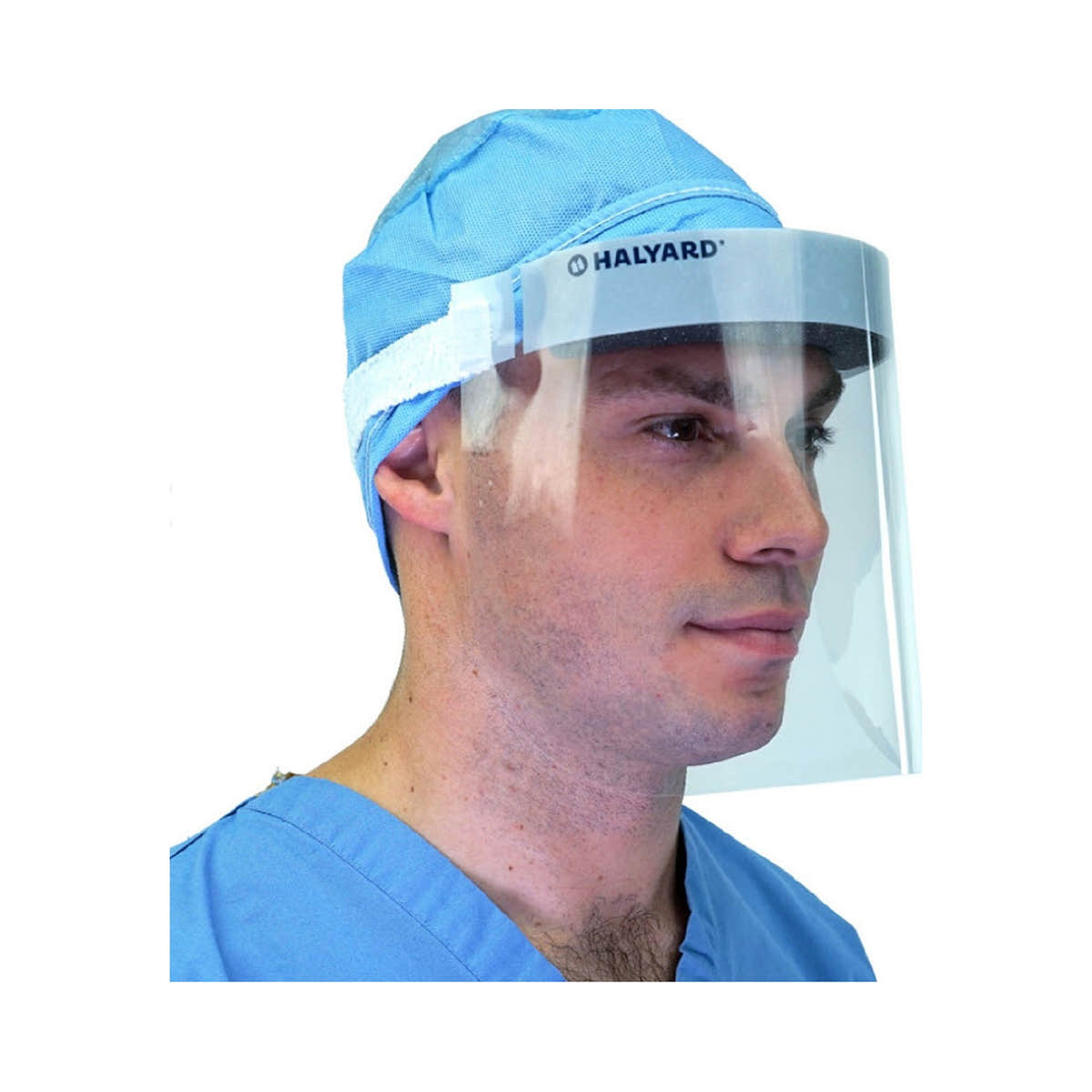
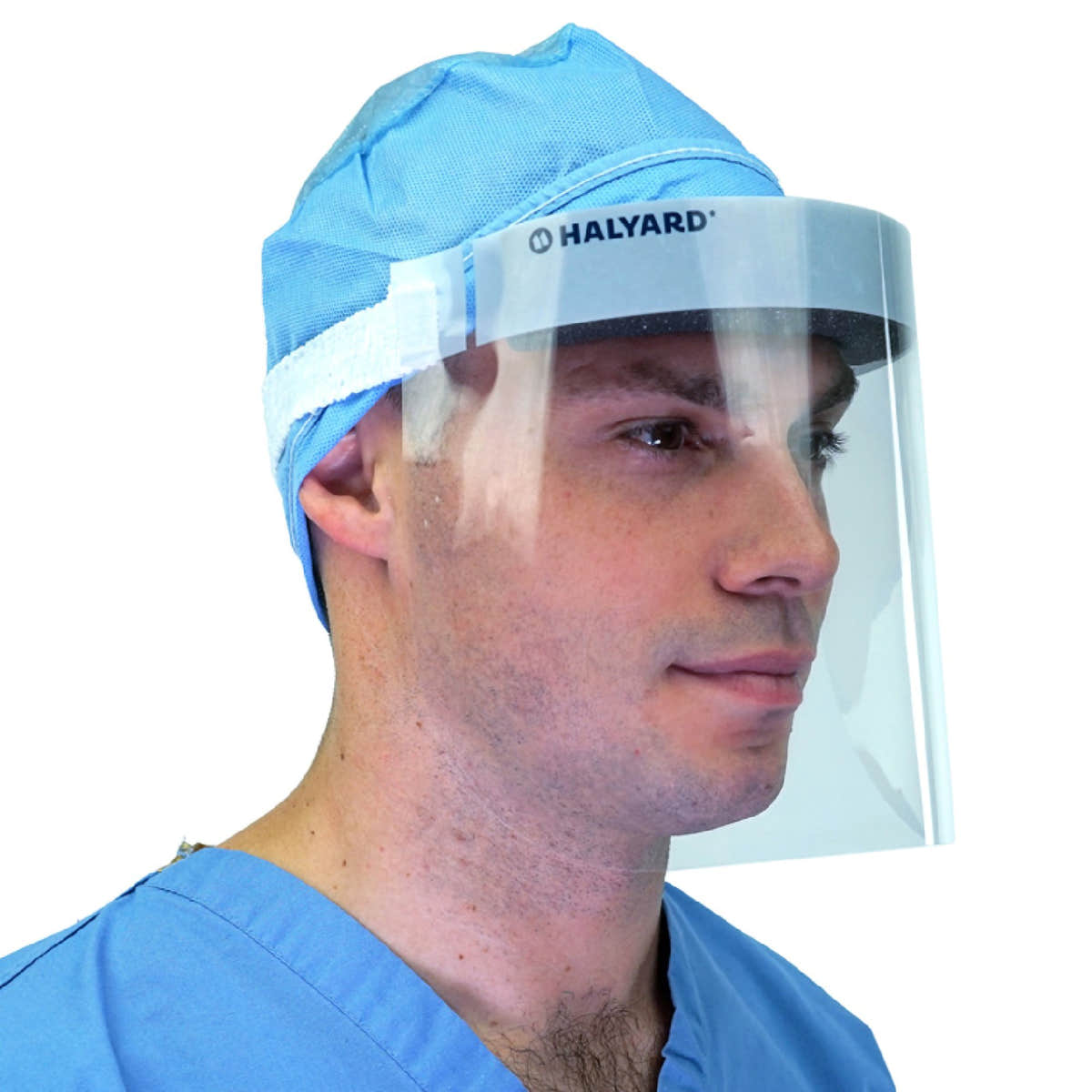
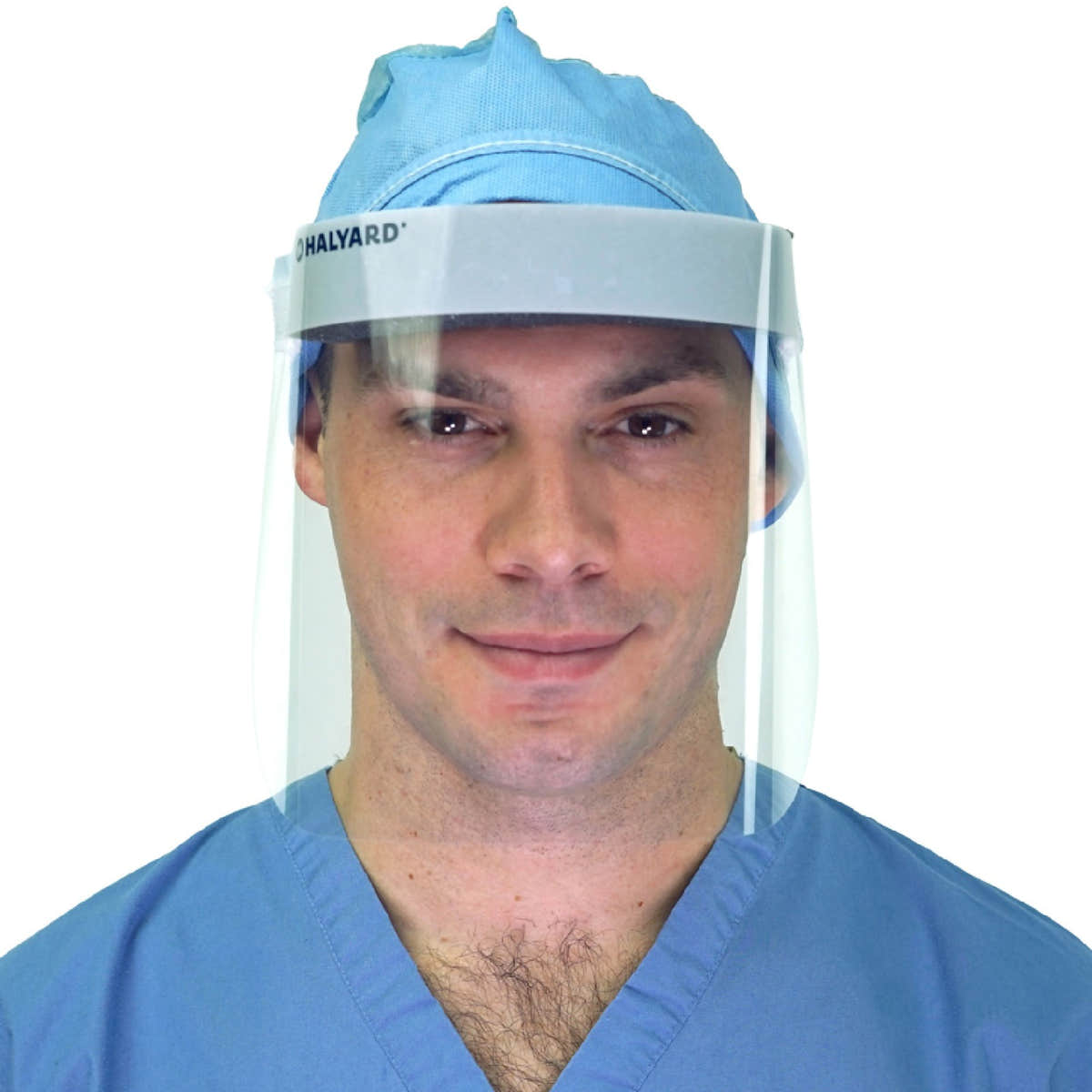
Halyard Face Shield Full Length -Case of 40
Halyard Face Shield Full Length
Sale priceFrom $3.99
Choose options
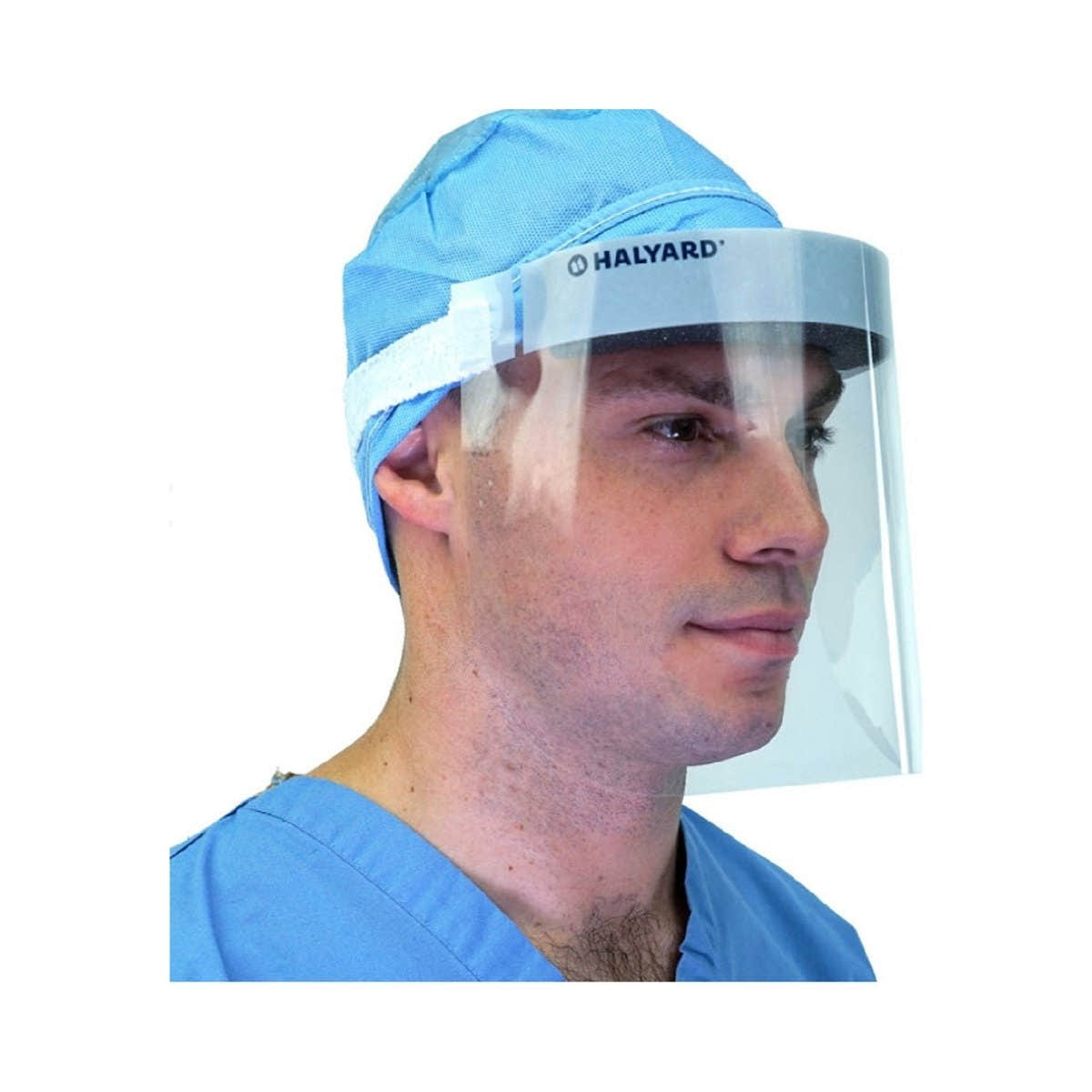
Halyard Face Shield 3/4 length -Case of 40
Halyard Face Shield 3/4 length
Sale priceFrom $3.99
Choose options
GRAB ‘N GO Wraparound Face Shield -Box of 24
GRAB ‘N GO Wraparound Face Shield
Sale priceFrom $103.99
Healthmark Industries Face Shield -Case of 100
Aspen Surgical Products Face Shield - 515643_CS - 1
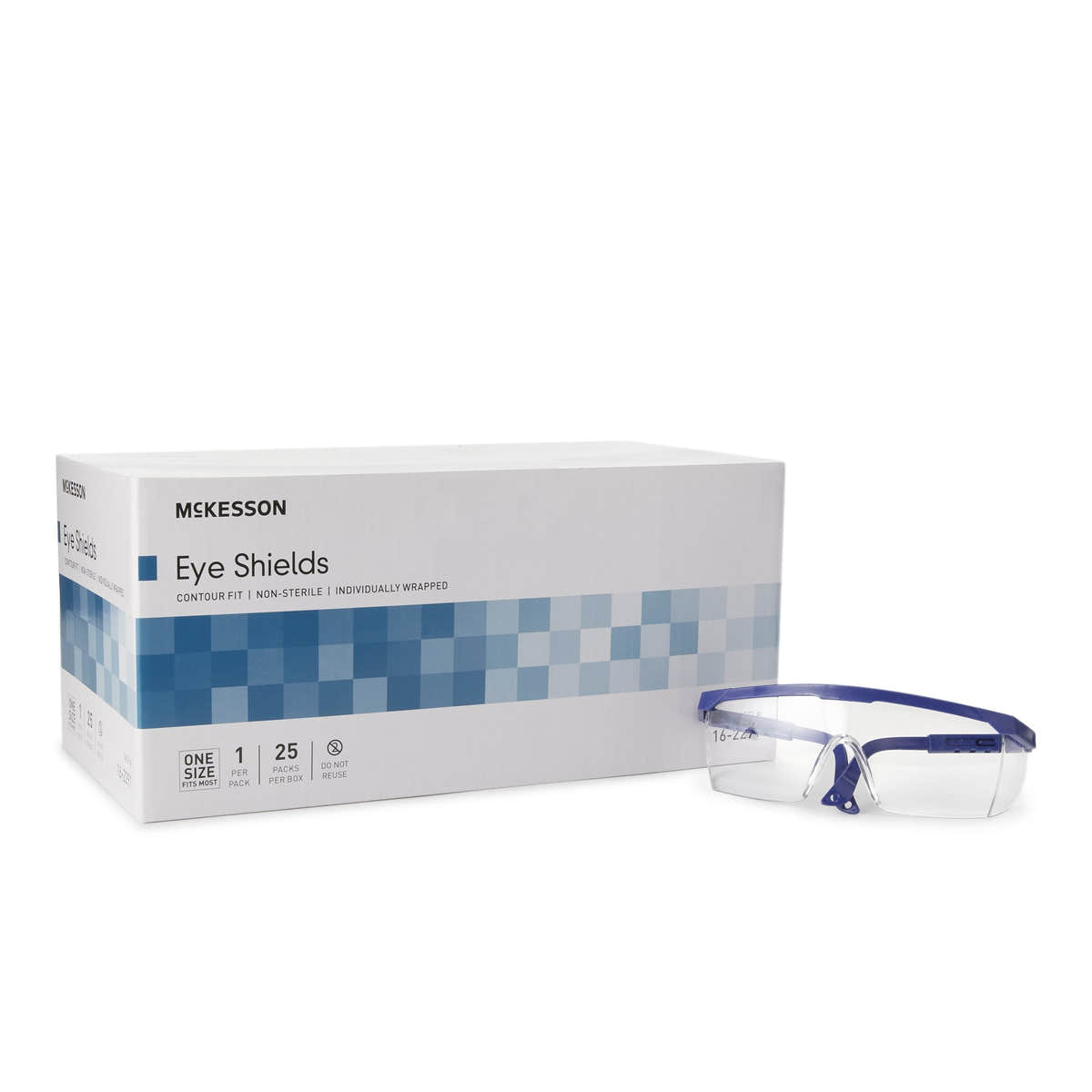
McKesson Protective Eyewear -Box of 25
McKesson Protective Eyewear
Sale priceFrom $2.99
Choose options

Frequently Asked Questions about Face Shields

Yes, a face shield is considered a form of eye protection. It provides a physical barrier that covers the entire face, including the eyes, to protect against potential hazards such as flying debris, splashes, or droplets.

Face shields minimize the risk of exposure to various hazards, including respiratory droplets, splashes of liquids, chemicals, or hazardous substances. They provide a barrier that reduces the chance of these materials coming into contact with the face, eyes, nose, and mouth.

While face shields offer some level of protection, they are not a substitute for wearing a mask in most situations. Face shields primarily protect the eyes and face from splashes and droplets, but they do not provide adequate filtration of small respiratory particles. It is generally recommended to wear a face mask along with a face shield for optimal protection, especially in situations where close contact with others is likely.

The main difference between a face shield and goggles lies in their coverage. Goggles are designed to protect the eyes by providing a snug and secure fit around them. They are typically used to protect against direct impacts, chemical splashes, or airborne particles. On the other hand, a face shield provides protection to the entire face, including the eyes, nose, and mouth. It consists of a clear plastic shield that extends from the forehead to below the chin.

Face shields are considered a form of eye protection, but they are not typically considered as primary eye protection. They are often used in conjunction with other protective eyewear, such as safety glasses or goggles, especially in high-risk situations where there is a higher likelihood of direct impact or exposure to hazardous materials.

Yes, it is possible to wear a face shield together with a respirator, depending on the specific situation and the level of respiratory protection required. However, it's important to ensure that both the face shield and the respirator fit properly and do not interfere with each other's effectiveness. Proper donning and doffing procedures should be followed, and compatibility between the two should be confirmed by consulting the specific guidelines provided by the respirator manufacturer.
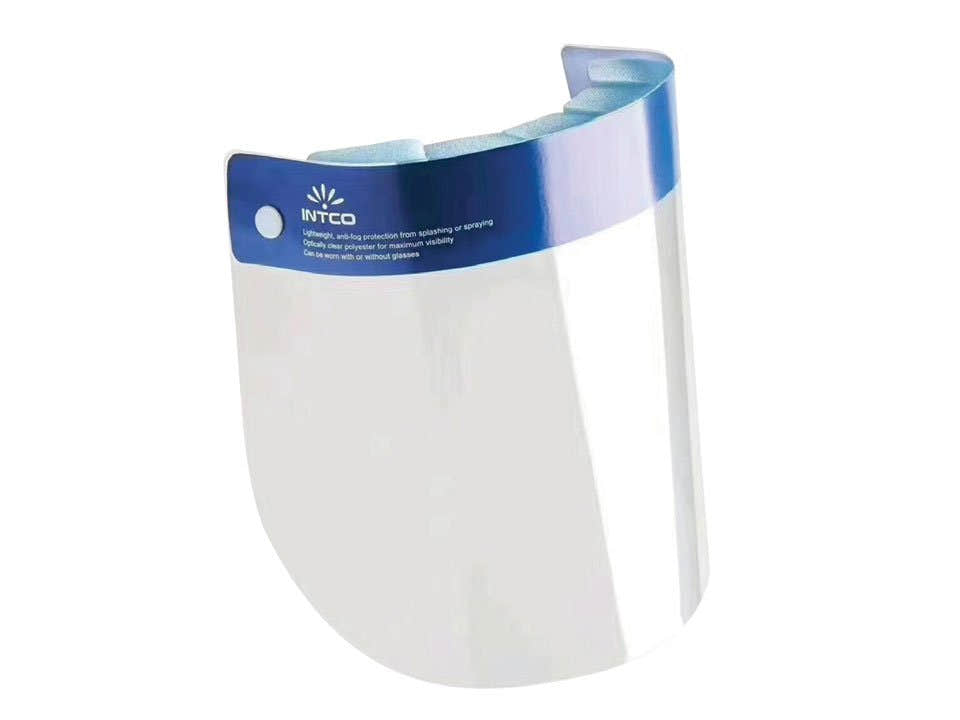
Face shields are effective in providing a physical barrier that helps protect the face, including the eyes, from splashes, droplets, and larger respiratory particles. They also act as a deterrent to prevent individuals from touching their face, reducing the risk of self-contamination. However, face shields alone may not provide sufficient protection against smaller airborne particles or aerosols, which is why they are often recommended to be used in conjunction with face masks for optimal protection.

Face shields provide some level of protection against cough aerosol droplets by preventing them from directly reaching the face and eyes. However, face shields may not offer the same level of filtration as masks, particularly when it comes to smaller aerosol particles. Therefore, using a face shield in combination with a face mask is generally recommended to achieve better overall protection against cough aerosol droplets.

While face shields provide a barrier against larger respiratory droplets and help reduce the risk of splashes, they may have limitations when it comes to aerosols. Aerosols are smaller particles that can remain suspended in the air for extended periods and can potentially be inhaled. Face shields alone may not provide sufficient protection against aerosols, as they do not create a seal around the nose and mouth. Therefore, it is advisable to wear a face mask along with a face shield when aerosol exposure is a concern.

Recently viewed