First Aid

66 products

Showing 49 - 66 of 66 products

In the critical moments of an emergency, having the right first aid products can make all the difference. Our selection of first aid supplies is here to ensure that you are prepared for any situation. From minor cuts and burns to more serious injuries, our products provide the assurance and quality necessary to administer effective and immediate care.
Showing 49 - 66 of 66 products
View
Neosporin Bacitracin / Neomycin / Polymyxin B / Pramoxine First Aid Antibiotic Cream - 677853_EA - 1
Neosporin First Aid Antibiotic - 762698_BX - 1
Neosporin First Aid Antibiotic
Sale priceFrom $15.99
Choose options
Puritan Wound Measuring Device - 682382_BX - 1
Puritan Wound Measuring Device
Sale priceFrom $1.99
Choose options
Seraket Automatic Tourniquet - 54371_DZ - 1
Seraket Automatic Tourniquet
Sale priceFrom $22.99
Choose options
Silvermed Antimicrobial - 636083_EA - 1
Silvermed Antimicrobial
Sale price$46.99
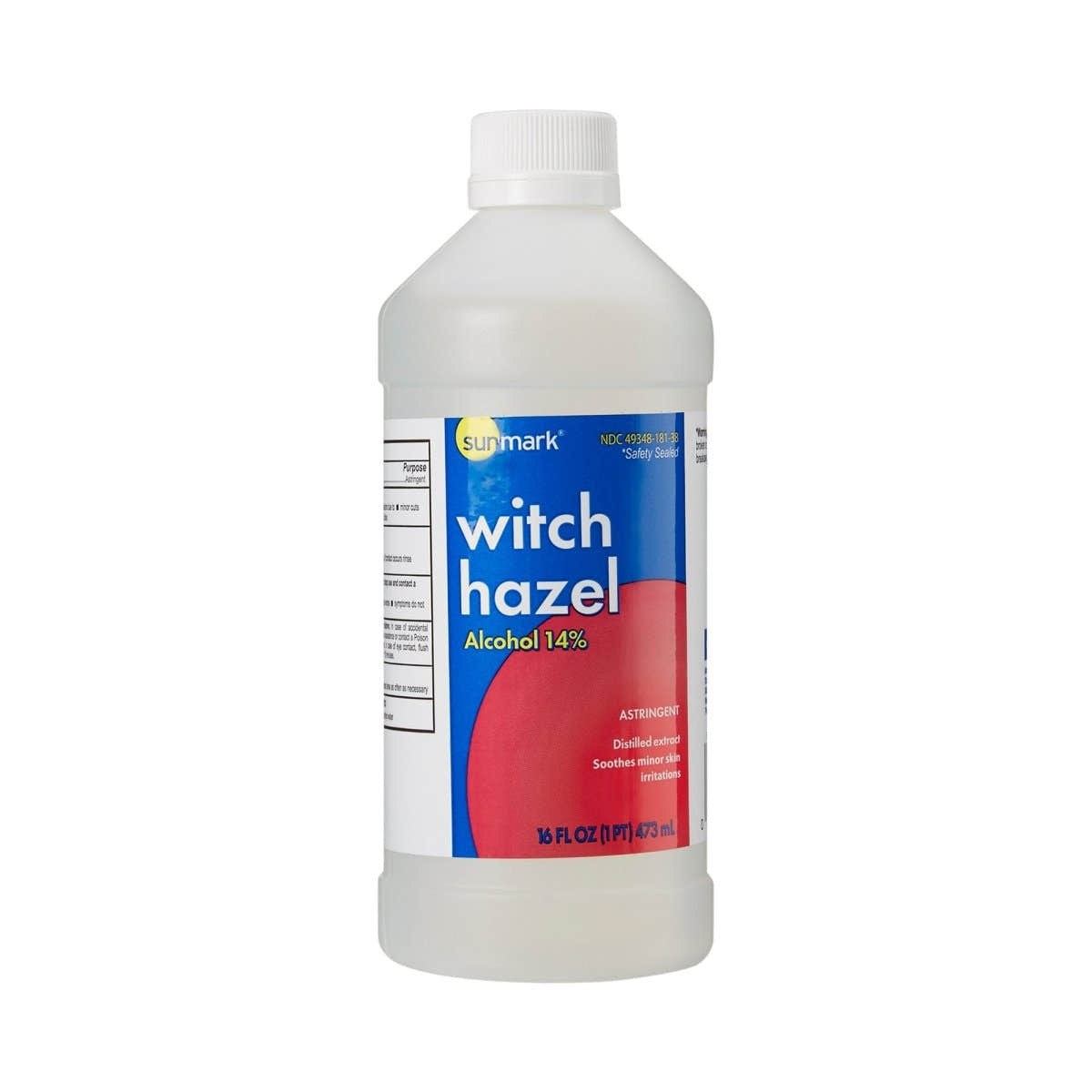
Sunmark Witch Hazel Astringent - 1035406_EA - 1
Tick Removal Kit - 501892_EA - 1
Tick Removal Kit
Sale price$8.99
Trojan Nonlubricated Condom - 762029_BX - 1
Trojan Nonlubricated Condom
Sale price$7.99
Water Jel Bacitracin / Neomycin / Polymyxin B First Aid Antibiotic - 943299_BX - 1
Water Jel First Aid Antibiotic
Sale priceFrom $0.99
Choose options
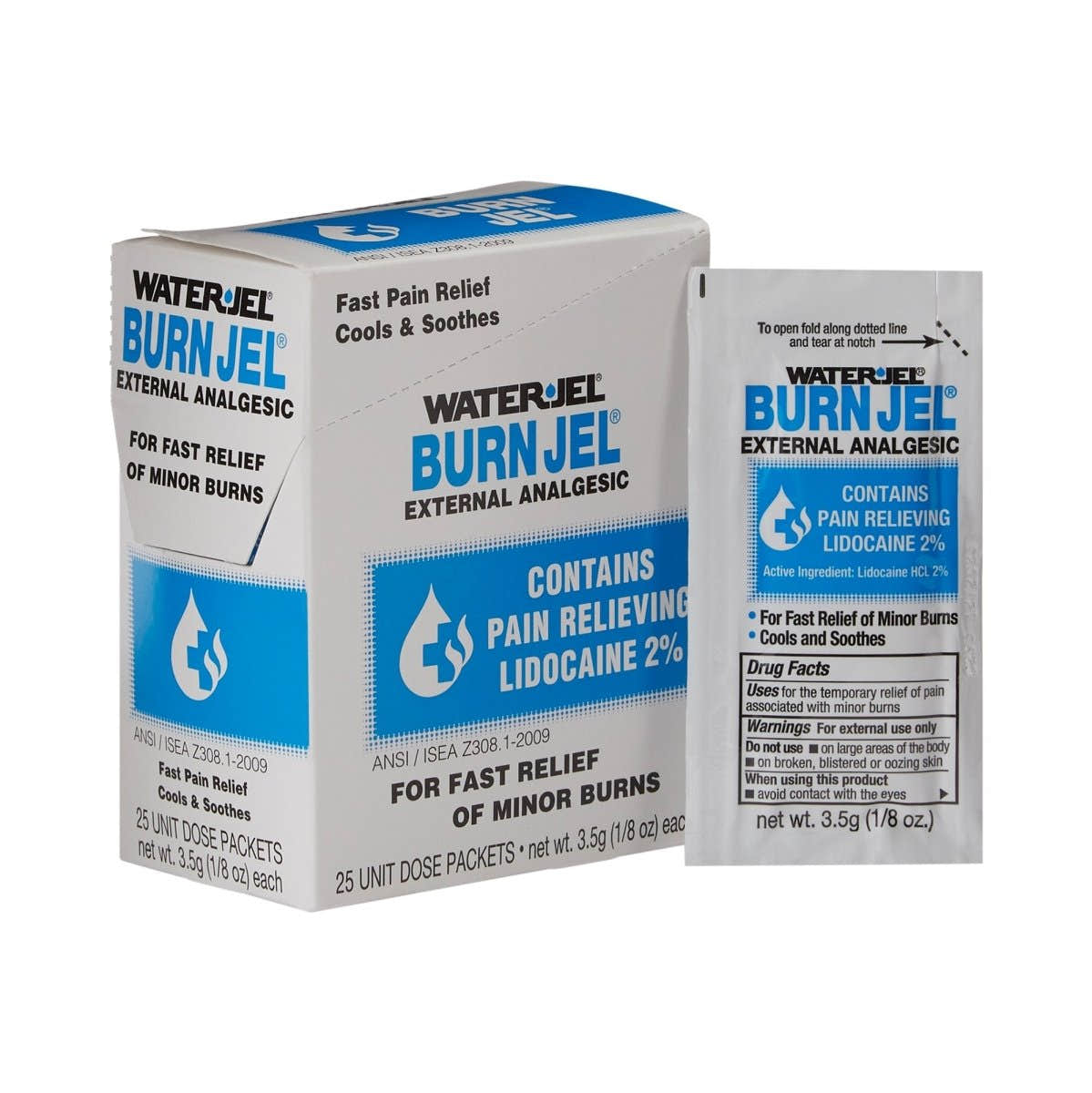
Water Jel Burn Jel Burn Relief - 786421_BX - 1
Water Jel Burn Jel Burn Relief
Sale priceFrom $3.99
Choose options
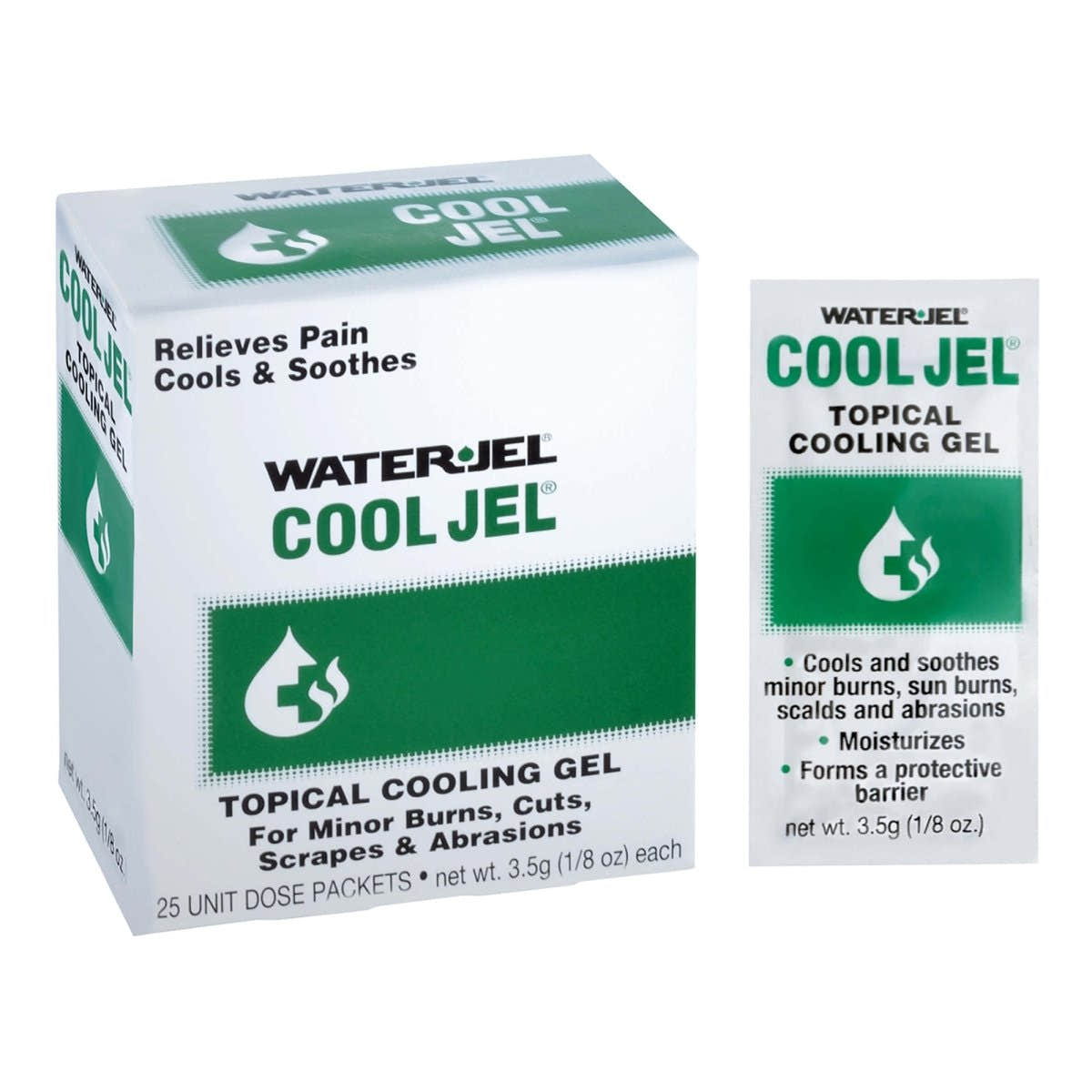
Water Jel Cool Jel Burn Relief - 786414_BX - 1
Water Jel Cool Jel Burn Relief
Sale priceFrom $12.99
Choose options

Frequently Asked Questions about First Aid

A first aid kit is a collection of medical supplies used to treat injuries and emergencies on the spot, before professional help is available. First aid kits typically include bandages, antiseptics, wound dressings, and tools for handling everything from minor cuts to more serious trauma depending on the kit size.

First aid supplies are essential for anyone responsible for the safety of others, including parents, coaches, employers, hikers, and workplace safety officers. Having a stocked first aid kit is recommended for homes, vehicles, offices, sports facilities, and outdoor activities where injuries can happen unexpectedly.

Start by considering how many people the first aid kit needs to cover and what environment it will be used in. A 10-person kit works well for small offices or households, while larger kits rated for 25 or more people suit workplaces, sports teams, or group outings. Waterproof cases are worth considering for outdoor use.

A general first aid kit covers common injuries like cuts, burns, and sprains, while specialized first aid kits are built for specific environments like hiking trails, sports fields, or industrial workplaces. Specialized kits may include items like CPR masks, immobilizers, or heavy-duty wound care supplies not found in standard kits.

Apply the antiseptic directly to the cleaned wound surface to kill bacteria and reduce the risk of infection. Most antiseptics used in first aid are safe for skin contact and should be allowed to dry before covering the wound with a bandage. Always follow the label instructions for the specific antiseptic product you are using.

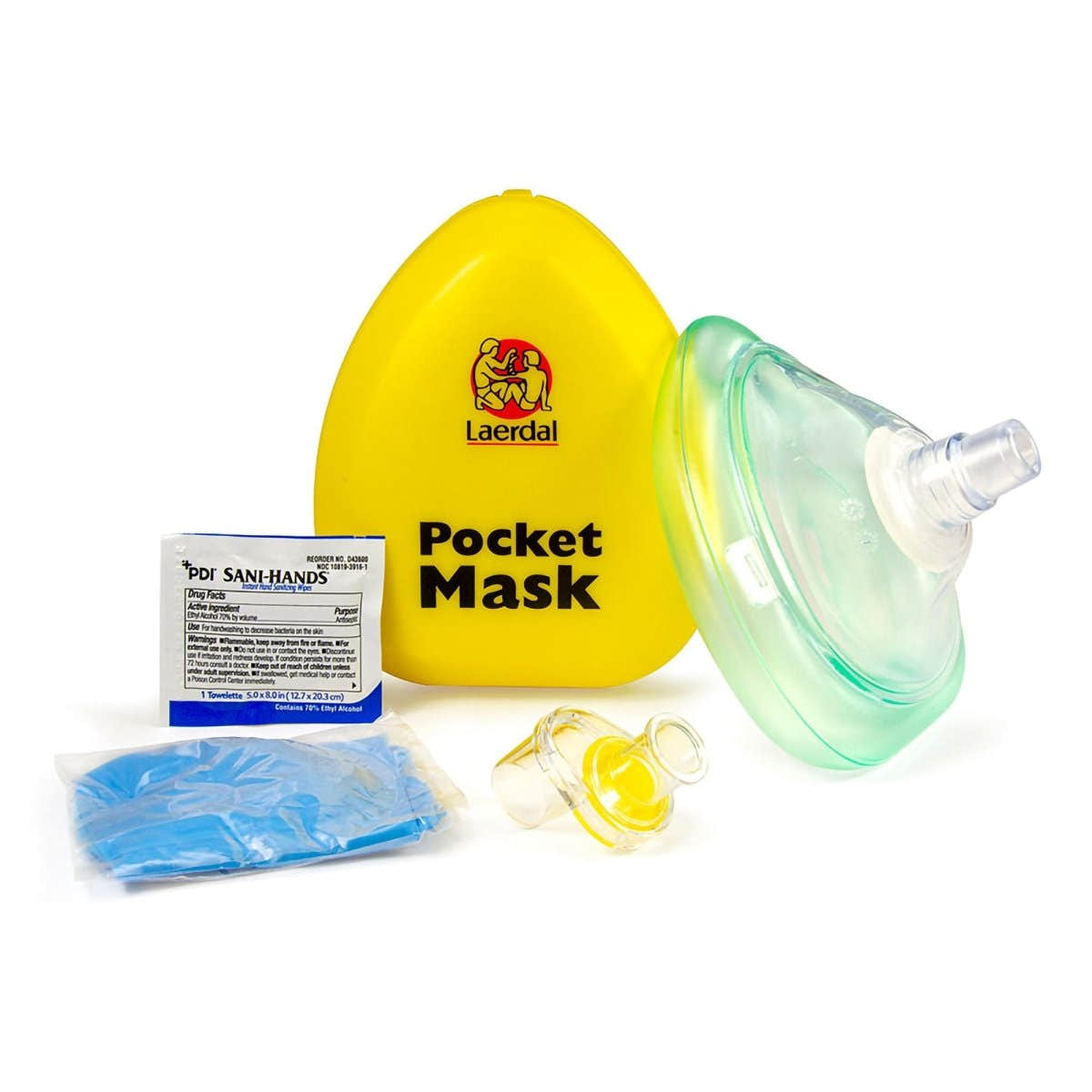
Yes, a CPR resuscitation mask is a valuable addition to any first aid kit because it allows rescuers to perform mouth-to-mouth resuscitation safely without direct contact. CPR masks create a protective barrier that reduces the risk of cross-contamination during emergency resuscitation, making them especially important in workplace and public-setting first aid kits.

First aid supplies should be stored in a cool, dry location away from direct sunlight and moisture to preserve their effectiveness. Many first aid kits come in sealed or waterproof cases that help protect the contents from humidity and contamination. Check the kit regularly and replace any expired or used items promptly.

First aid kit supplies should be inspected at least every six months to check for expired items, damaged packaging, or depleted stock. Antiseptics, bandages, and medications all carry expiration dates that affect their reliability in an emergency. Restocking after any use ensures the kit is always ready when needed.

Yes, most first aid supplies are designed to be used by everyday people without formal medical training, especially for treating minor injuries like cuts, burns, and scrapes. Items like antiseptics, bandages, and burn ointments come with straightforward instructions. For more advanced tools like CPR masks or immobilizers, basic first aid training is strongly recommended.

Because outdoor environments expose first aid supplies to rain, humidity, and water crossings, a waterproof first aid kit ensures that bandages, antiseptics, and other contents stay dry and usable in an emergency. A damaged or wet supply kit can fail when it matters most, making a waterproof case a practical necessity for hiking, camping, or sports use.

Recently viewed