Hand Sanitizers

34 products

Showing 25 - 34 of 34 products

Hand Sanitizers & Dispensers for Every Setting

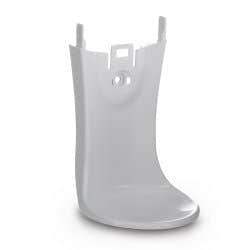
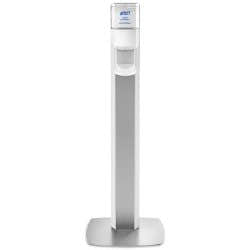
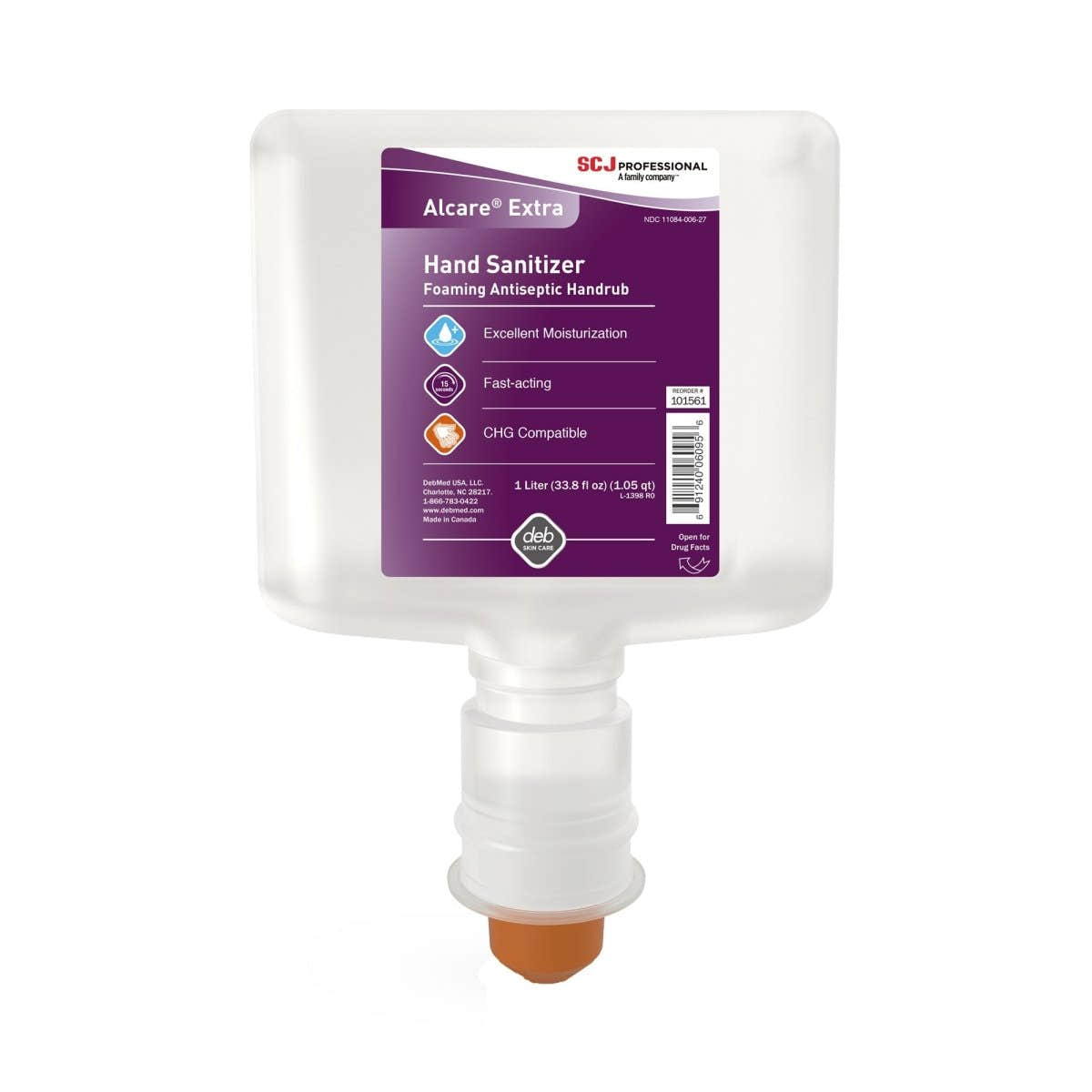
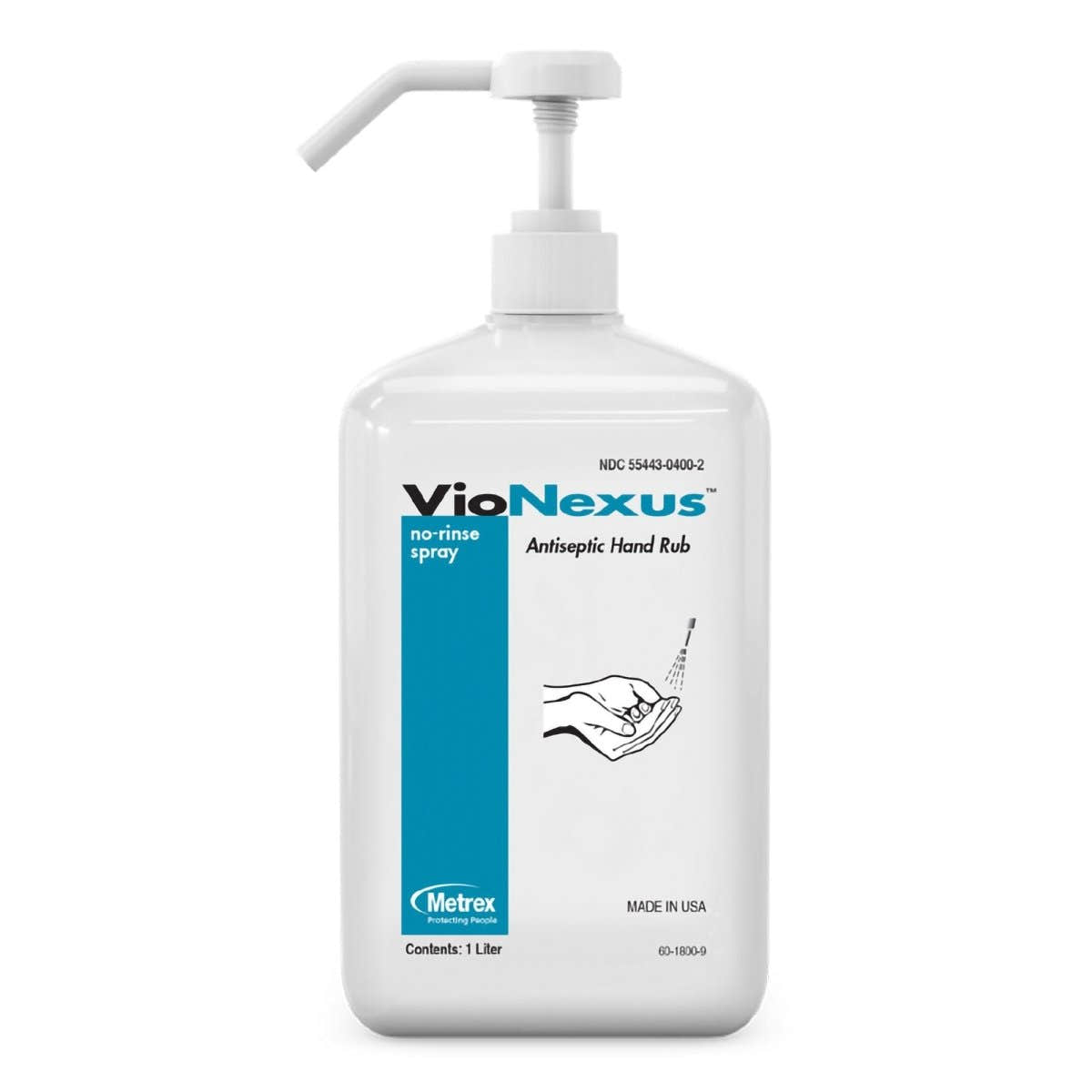
Clean hands are a cornerstone of good hygiene in homes, workplaces, healthcare facilities, and public spaces alike. Cart Health's hand sanitizer collection brings together products from individual-use gels and foaming sanitizers to wall-mounted dispensers and protective accessories — so you can find the right solution whether you're stocking a single bathroom or outfitting an entire facility.

Showing 25 - 34 of 34 products
View

Frequently Asked Questions about Hand Sanitizers

Hand sanitizers are antiseptic products that kill or reduce harmful germs on the skin without the need for soap and water. Hand sanitizers come in gel, foam, and liquid formulas and are used to maintain hand hygiene between handwashing opportunities. They are a practical first line of defense in homes, workplaces, and healthcare settings.

Hand sanitizers are designed for anyone who needs a quick, effective way to clean their hands when soap and water are not immediately available. Hand sanitizers are especially important for healthcare workers, teachers, office employees, and caregivers, but they are equally useful for everyday consumers looking to maintain good hygiene at home or on the go.

Apply a palm-sized amount of hand sanitizer to one hand, then rub both hands together — covering all surfaces including between fingers and around nails — until the product is fully absorbed. Most hand sanitizers require no rinsing and take effect within about 15 to 30 seconds of application.

Gel hand sanitizers have a thicker, liquid consistency that spreads easily across the hands, while foam hand sanitizers dispense as a light lather that many users find less sticky and easier to rub in. Both gel and foam hand sanitizers can be equally effective at killing germs when they contain the recommended concentration of alcohol.

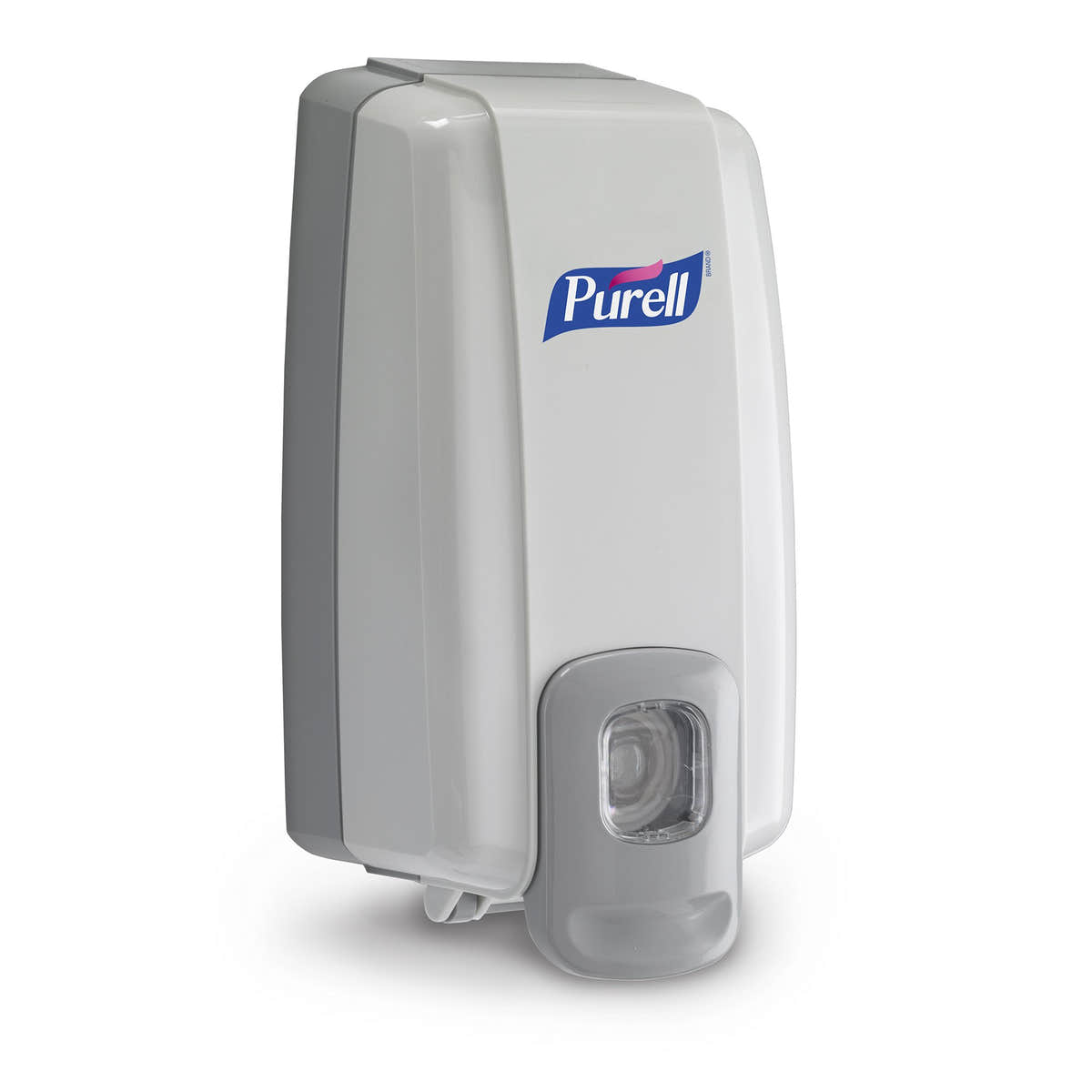
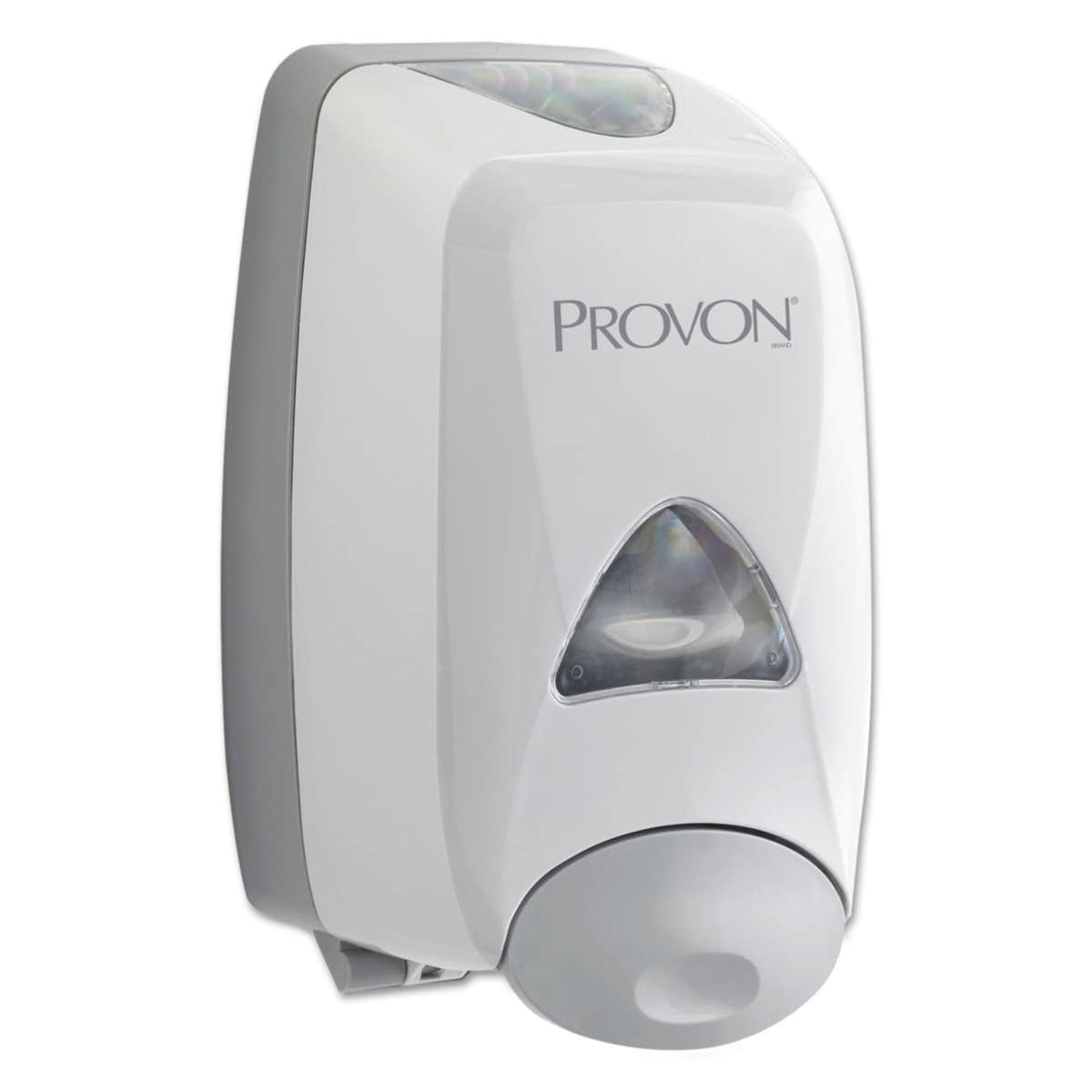
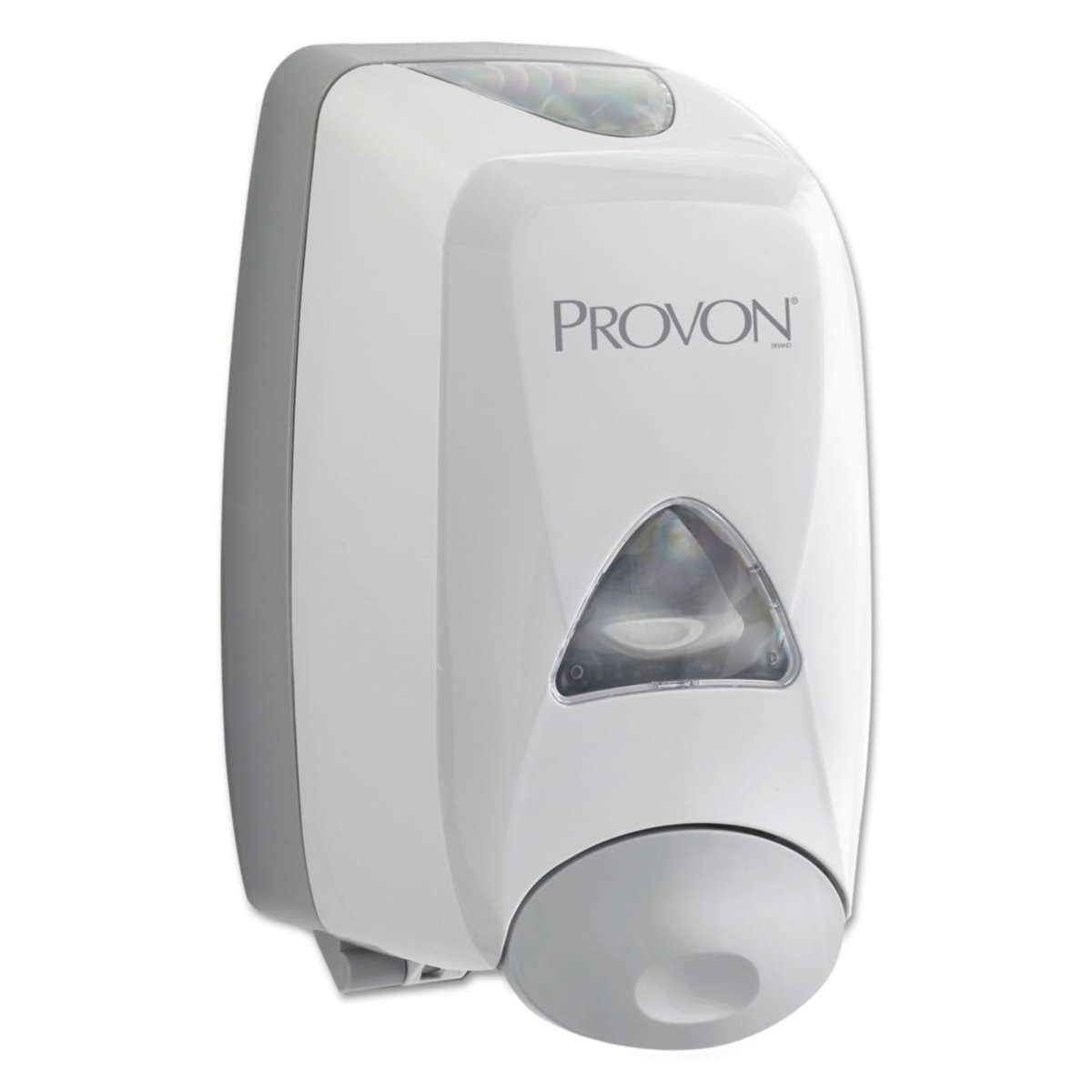
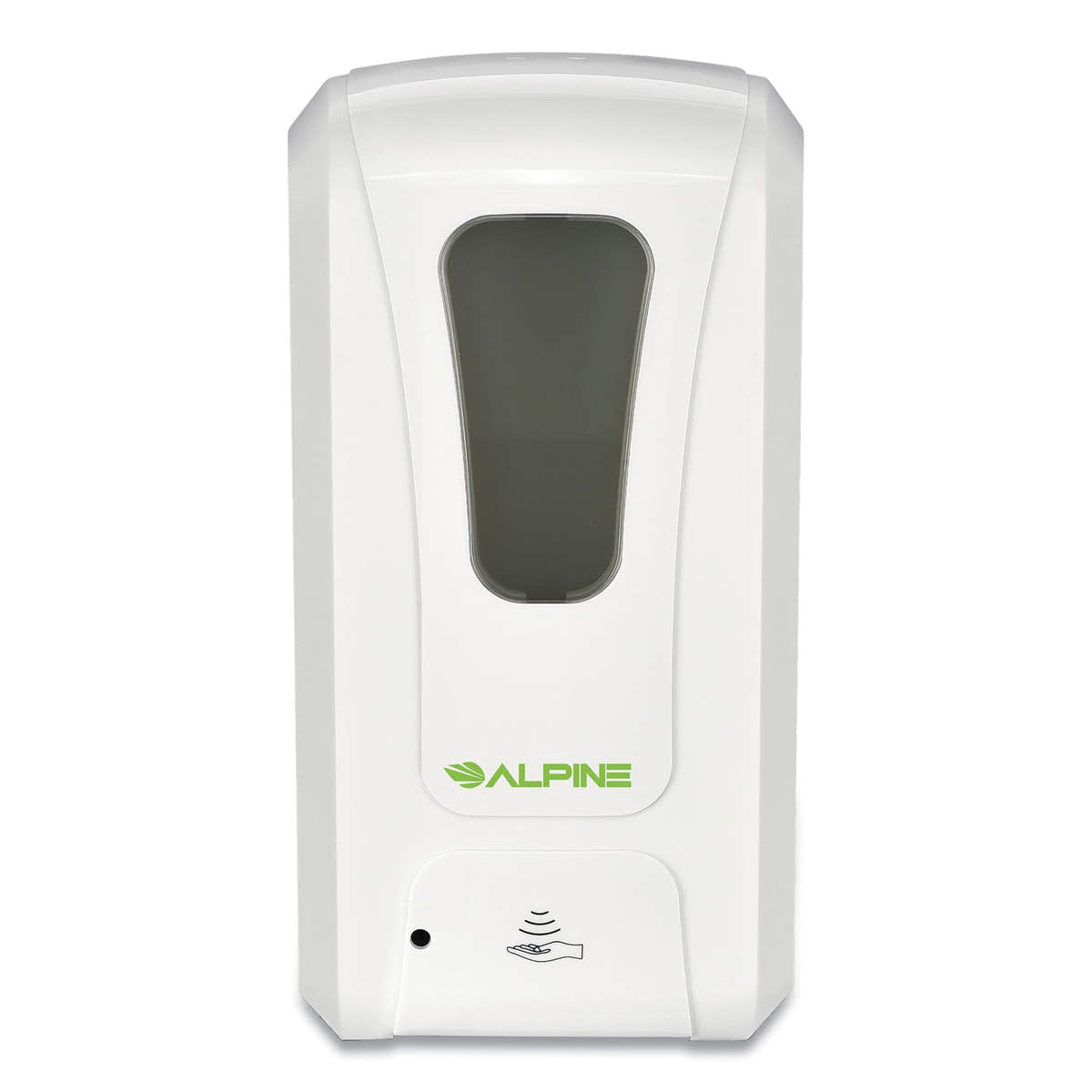
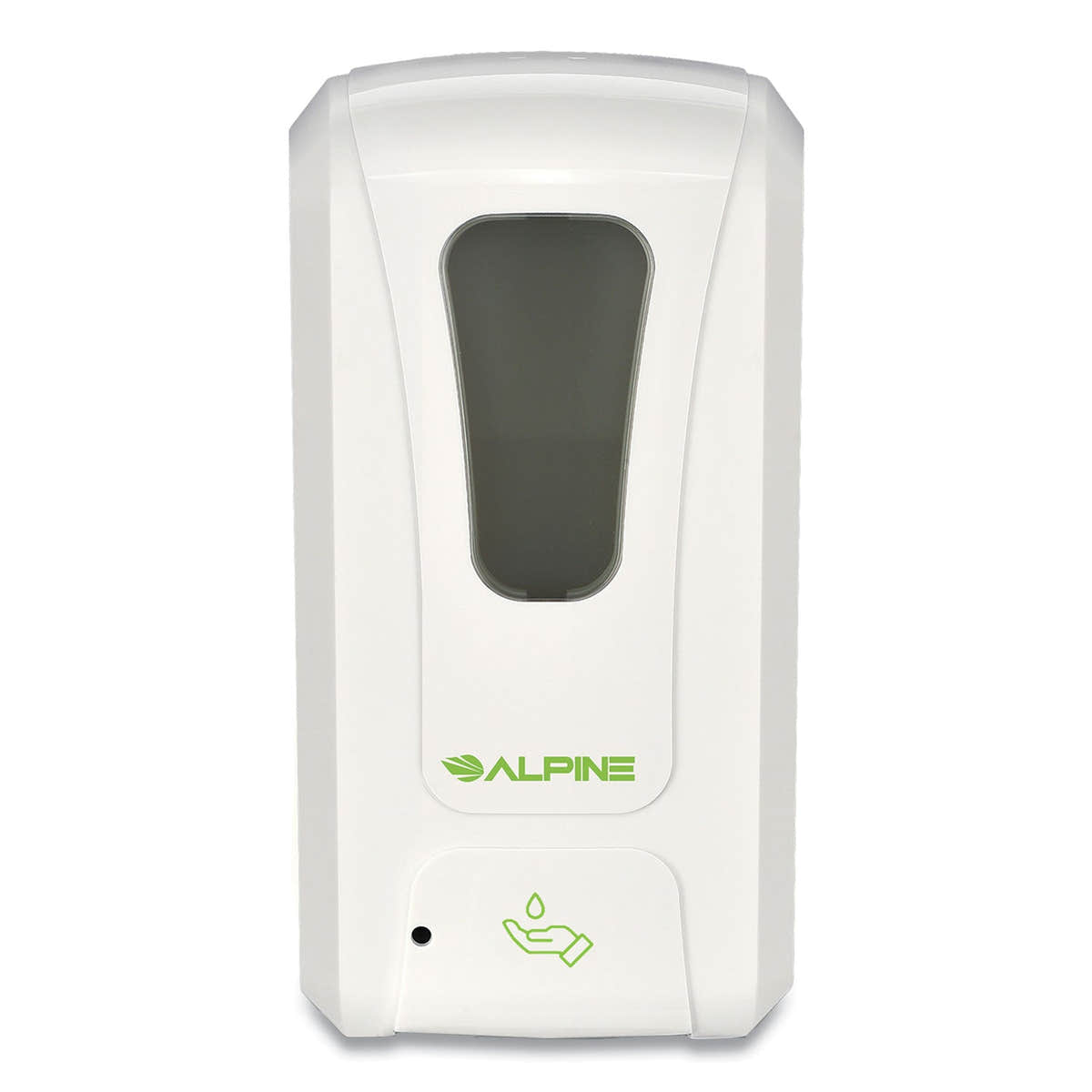
Choose a hand sanitizer dispenser based on the volume of traffic in your space, available mounting options, and the refill capacity you need. Wall-mounted dispensers work well for high-traffic areas like hallways and restrooms, while countertop or portable options suit smaller spaces. Matching the dispenser to the correct refill formula and size is also essential for proper function.

Yes, hand sanitizers are safe for regular daily use when applied as directed, though frequent use can sometimes dry out the skin. Many hand sanitizer formulas include moisturizers or aloe to help counteract dryness, making them more comfortable for people who need to sanitize their hands many times throughout the day.

Hand sanitizer dispensers should be installed at entry and exit points, near restrooms, at workstations, and in any high-touch area where people frequently move between tasks. In healthcare facilities, dispensers are typically placed at the point of care. For general use, positioning dispensers at eye level in visible, easy-to-reach locations encourages consistent use.

Because wall-mounted hand sanitizer dispensers reduce the risk of spills, control product usage more efficiently, and make it easier to maintain a consistent supply in high-traffic areas. Wall-mounted dispensers also present a cleaner, more professional appearance and can hold larger refill volumes — reducing how often staff need to restock compared to small individual bottles.

Yes, hand sanitizers do have a shelf life, typically printed on the product label as an expiration date. Over time, the alcohol content in hand sanitizers can evaporate, which reduces the product's effectiveness at killing germs. Storing hand sanitizers in a cool, dry place away from direct sunlight helps preserve their potency until the expiration date.

No, hand sanitizers cannot fully replace handwashing with soap and water in all situations. Hand sanitizers are highly effective at reducing most germs quickly, but soap and water are still recommended when hands are visibly dirty, greasy, or after contact with certain chemicals or bodily fluids. Hand sanitizers work best as a supplement to regular handwashing, not a complete substitute.

Recently viewed