Manual Wheelchairs

40 products

Showing 25 - 40 of 40 products

Manual Wheelchairs for Everyday Mobility

For individuals who require assistance with mobility, our manual wheelchairs collection offers a range of options to suit different needs and preferences. With 47 products from trusted brands like Drive Medical and McKesson, shoppers can find a wheelchair that provides comfort, support, and ease of use.
Showing 25 - 40 of 40 products
View
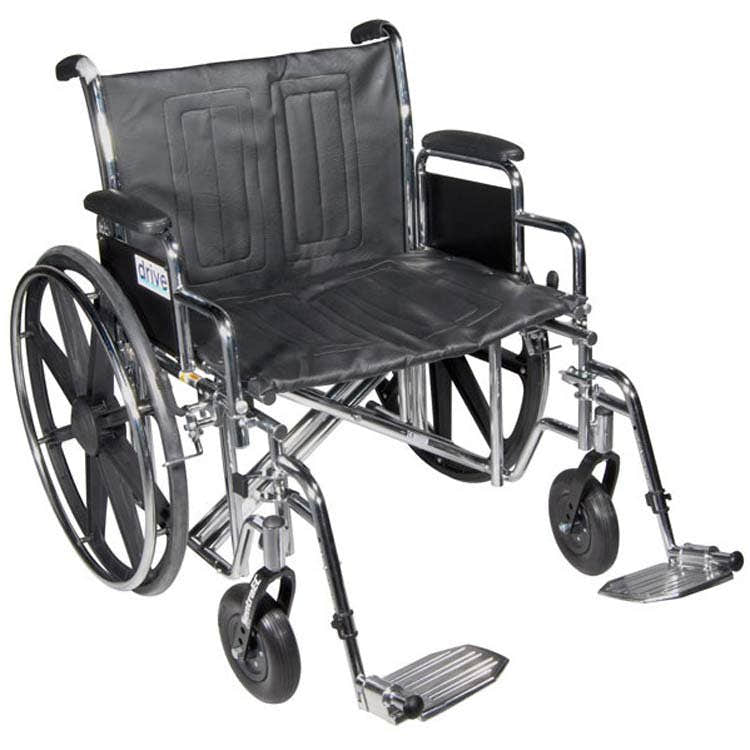
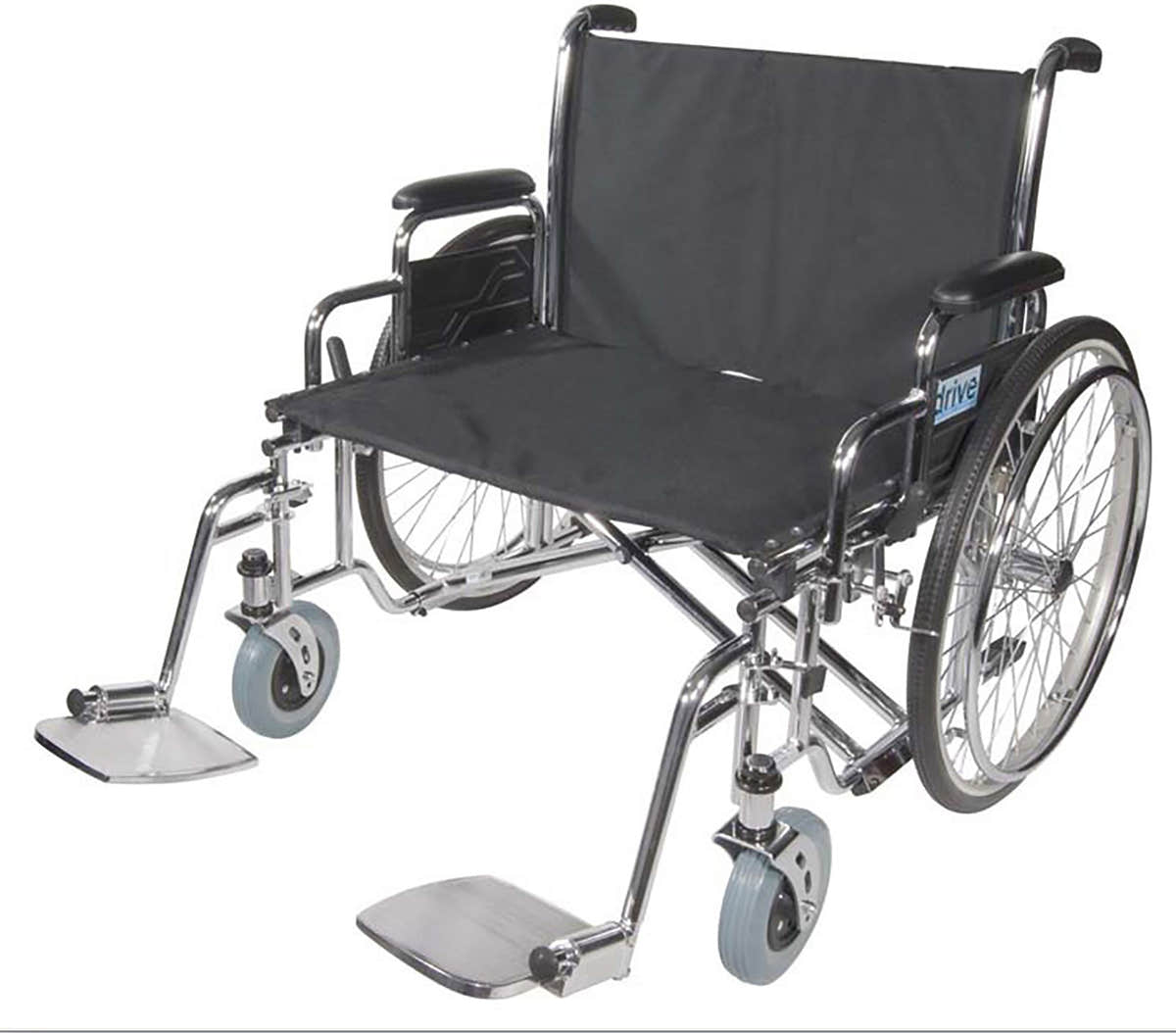
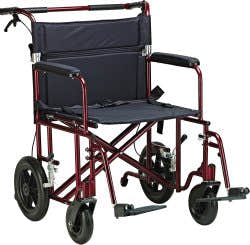
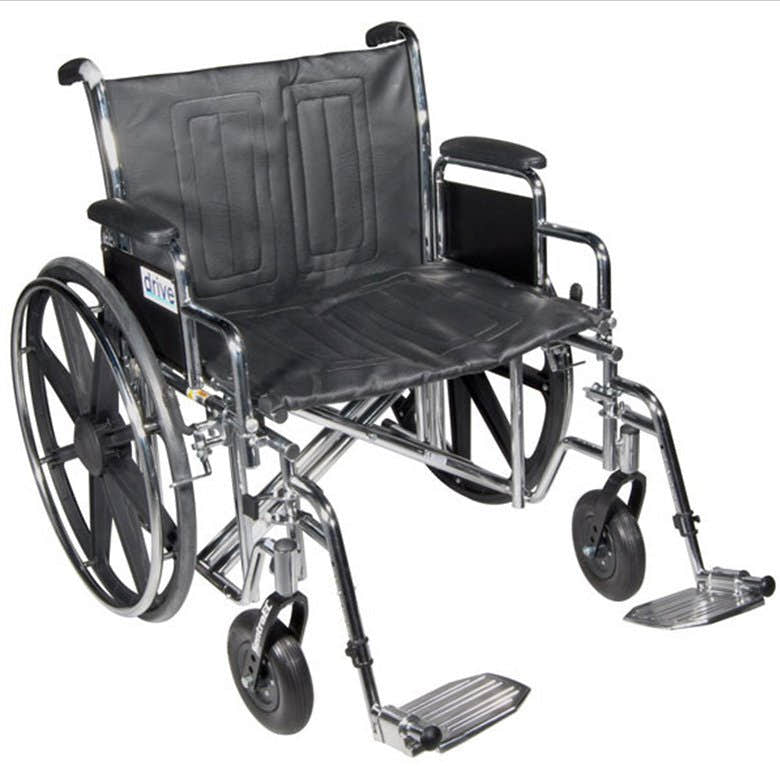
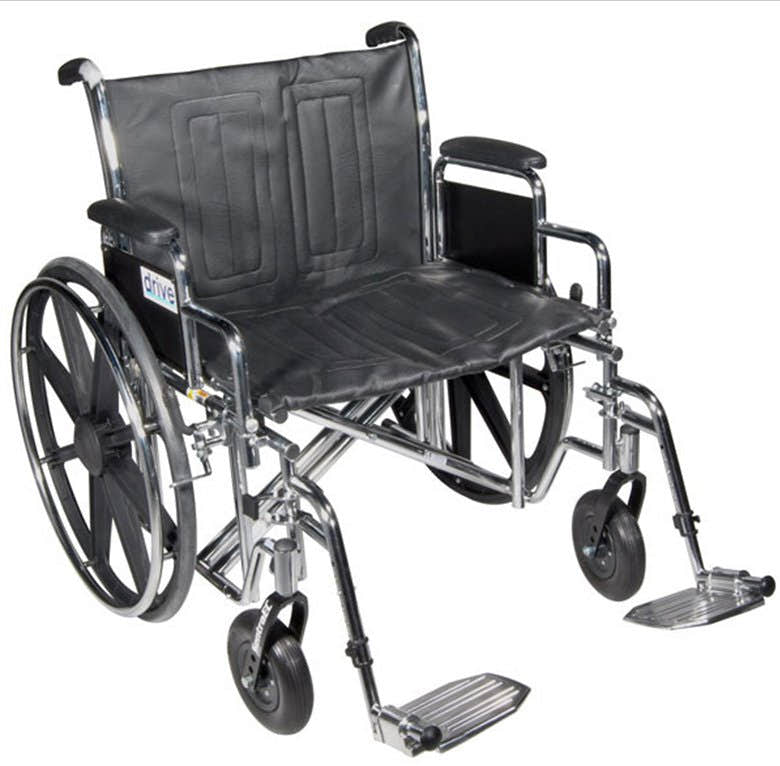
drive Sentra EC Bariatric Wheelchair, 30-Inch Seat Width - 930672_EA - 1
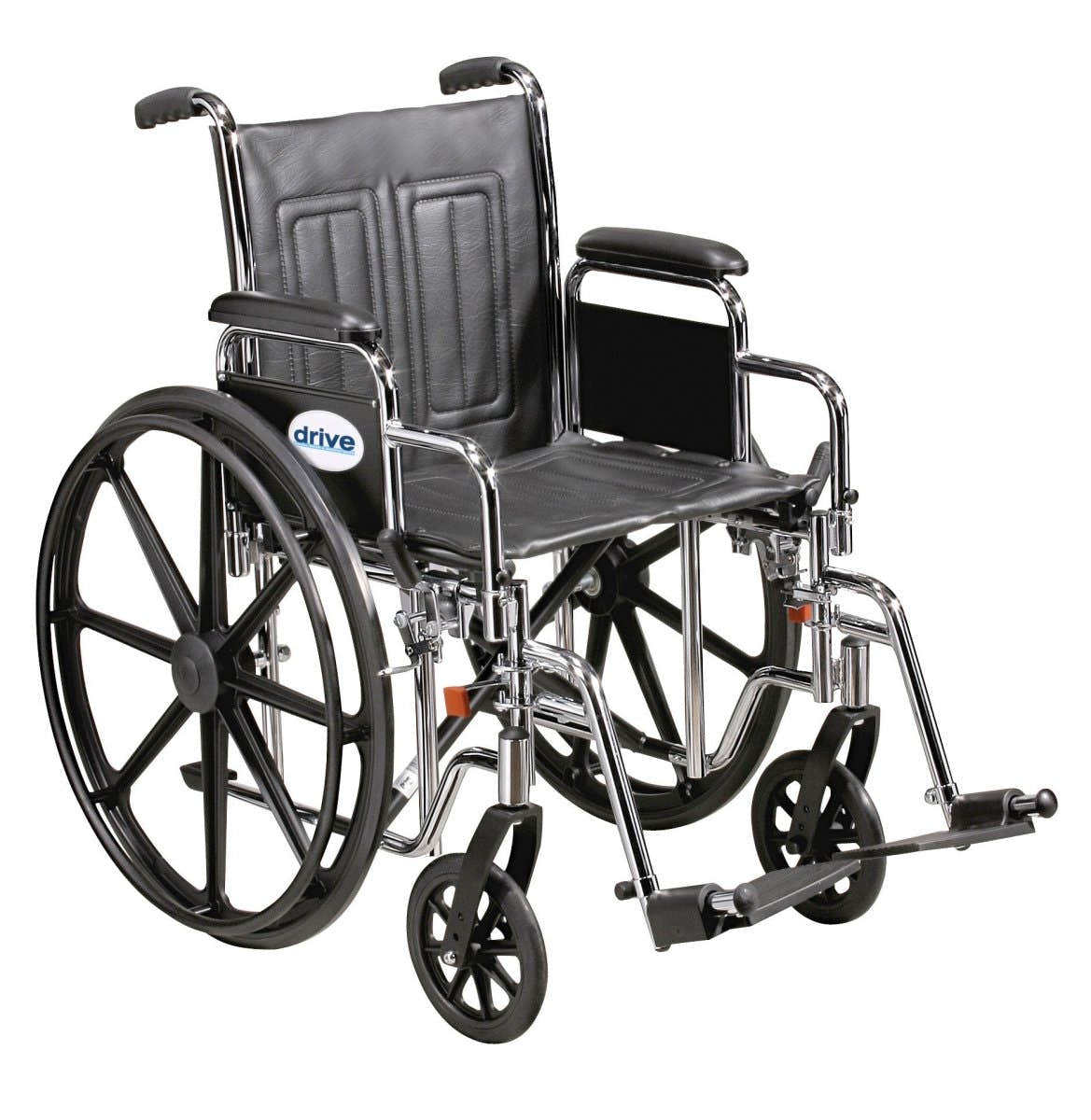
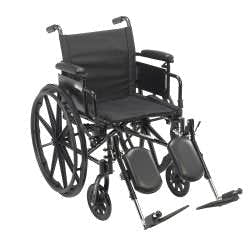
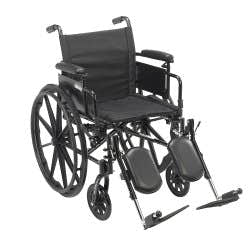
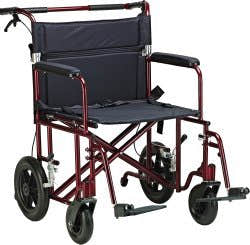
drive Cruiser X4 Wheelchair, 18 Inch Seat Width - 1025978_EA - 1
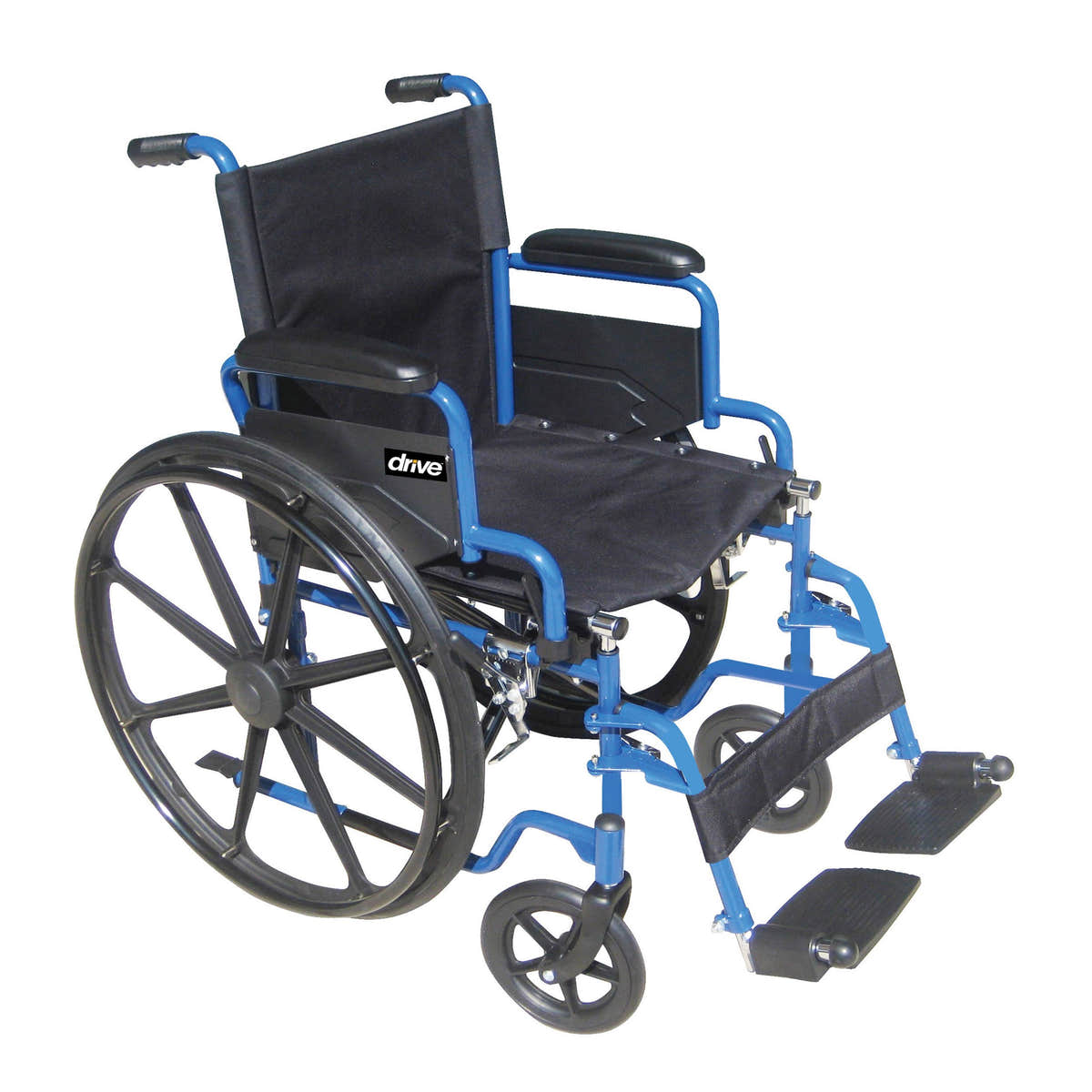
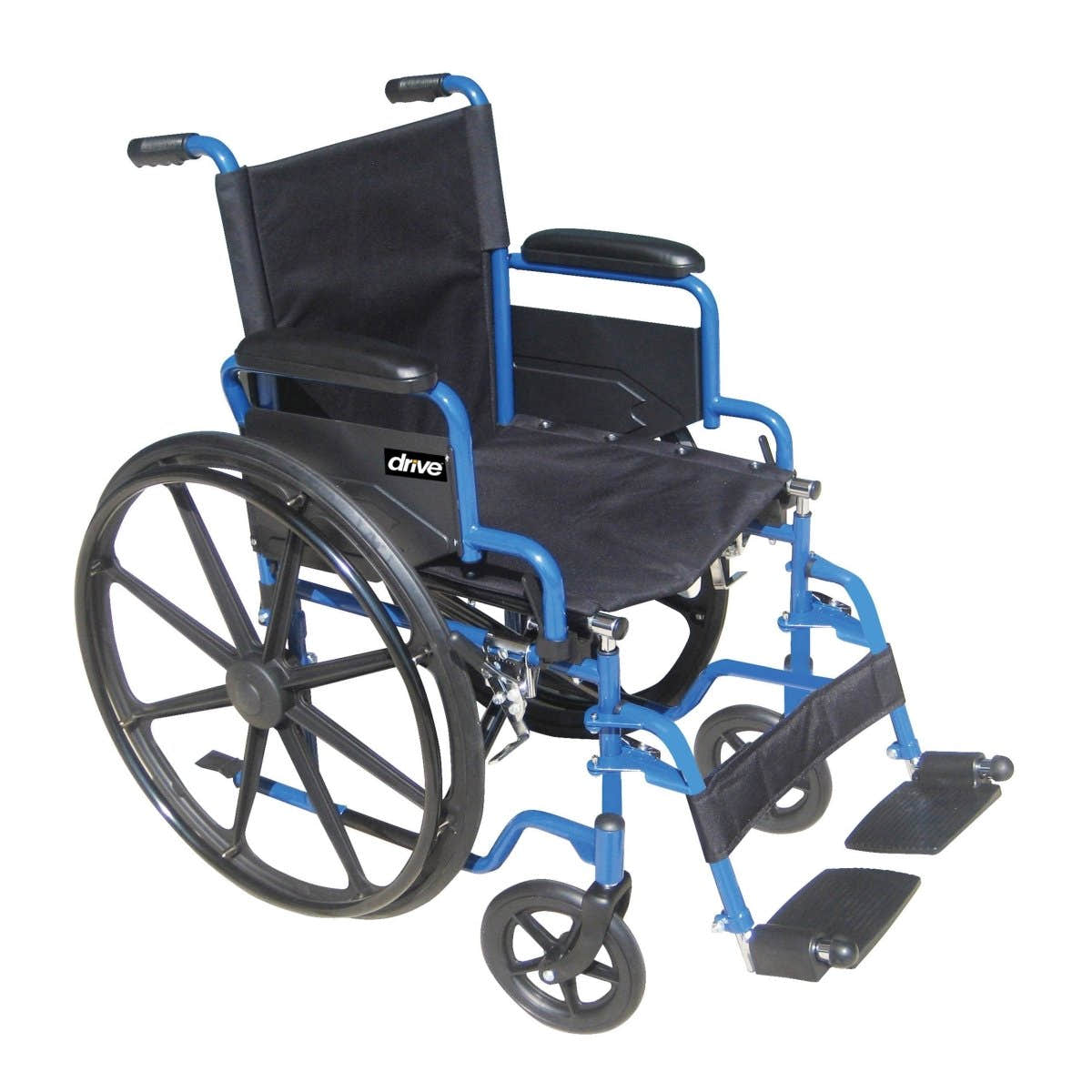
drive Blue Streak Wheelchair, 18-inch Seat Width -Each
Save 18%
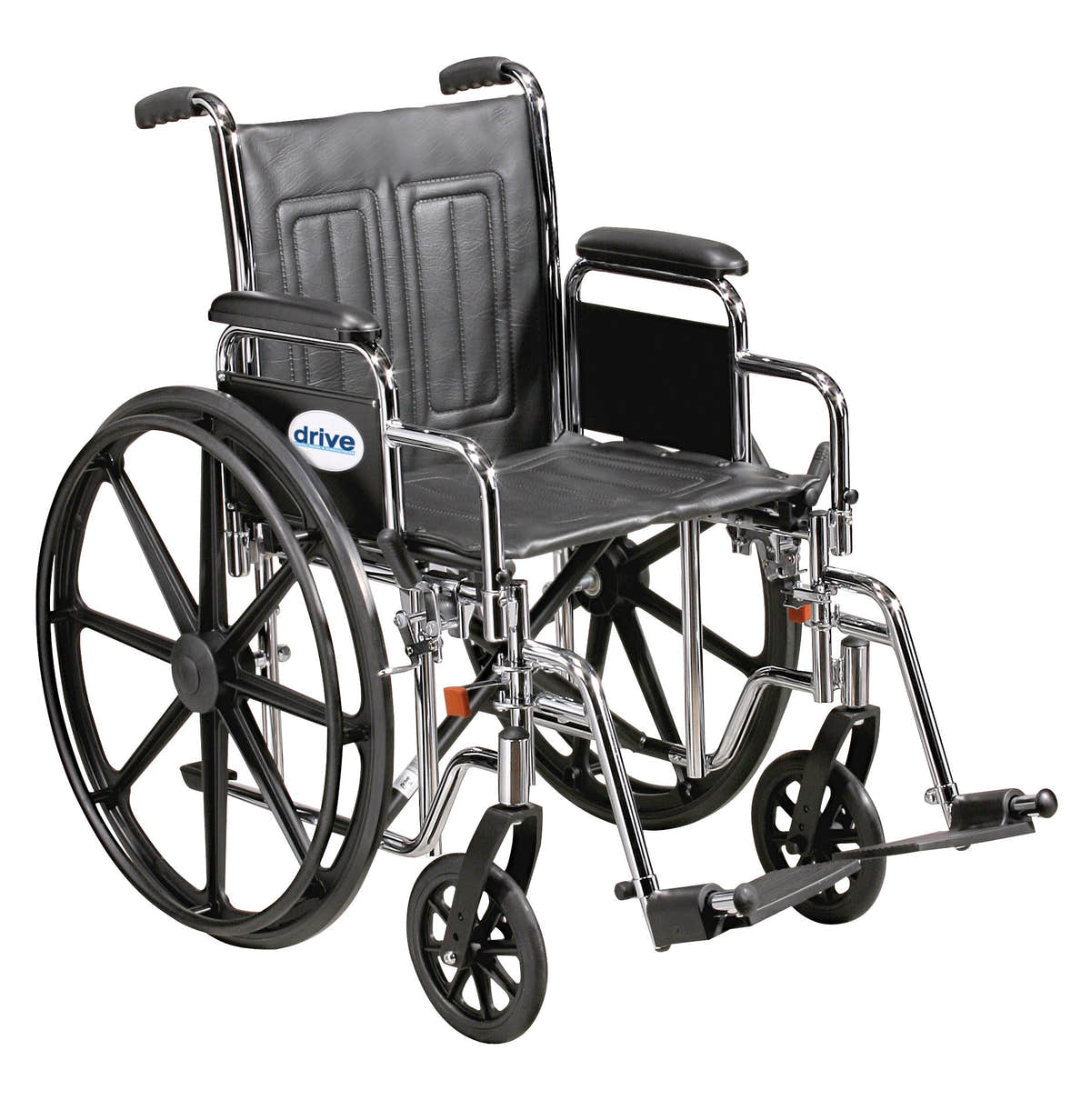
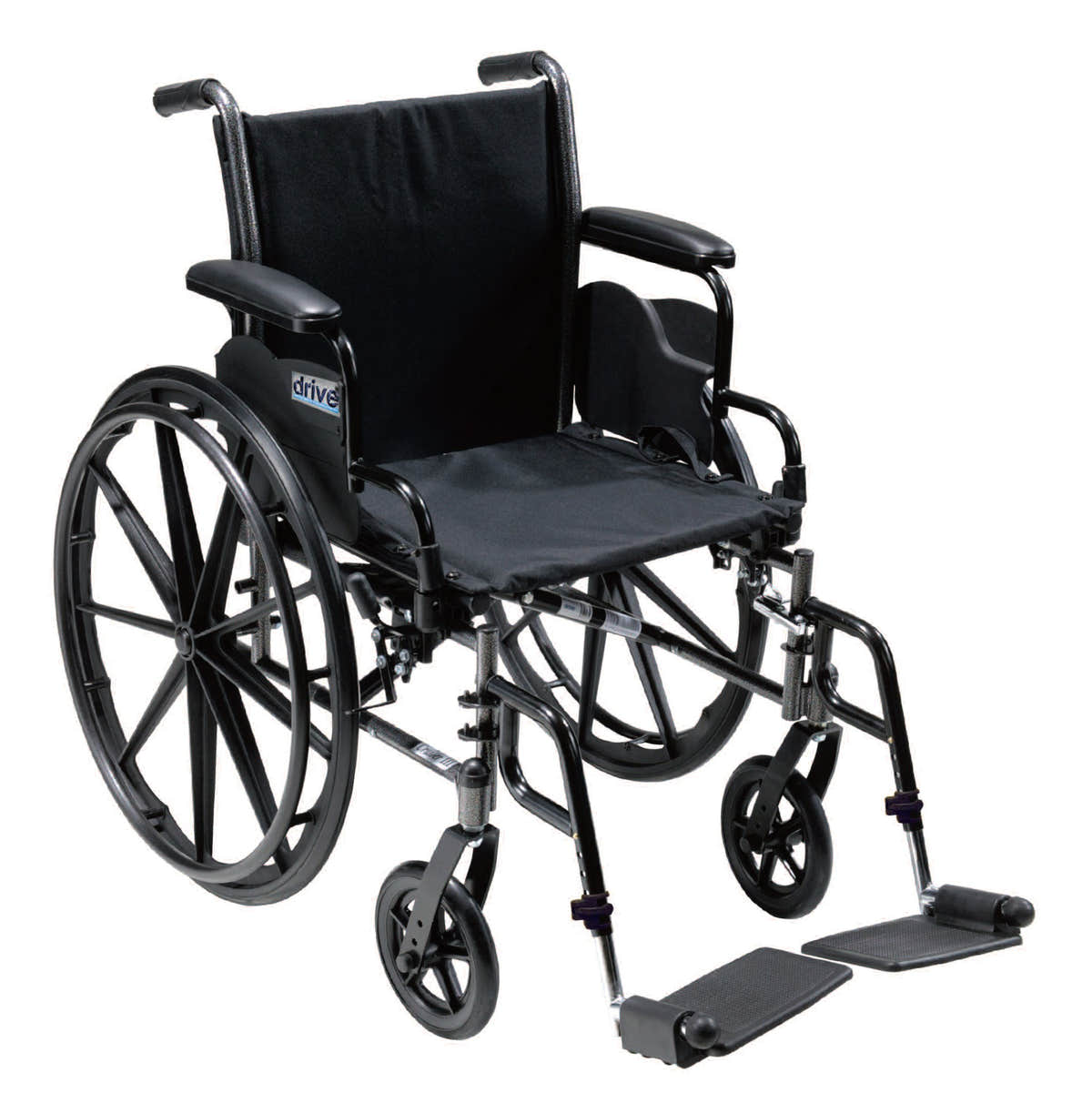
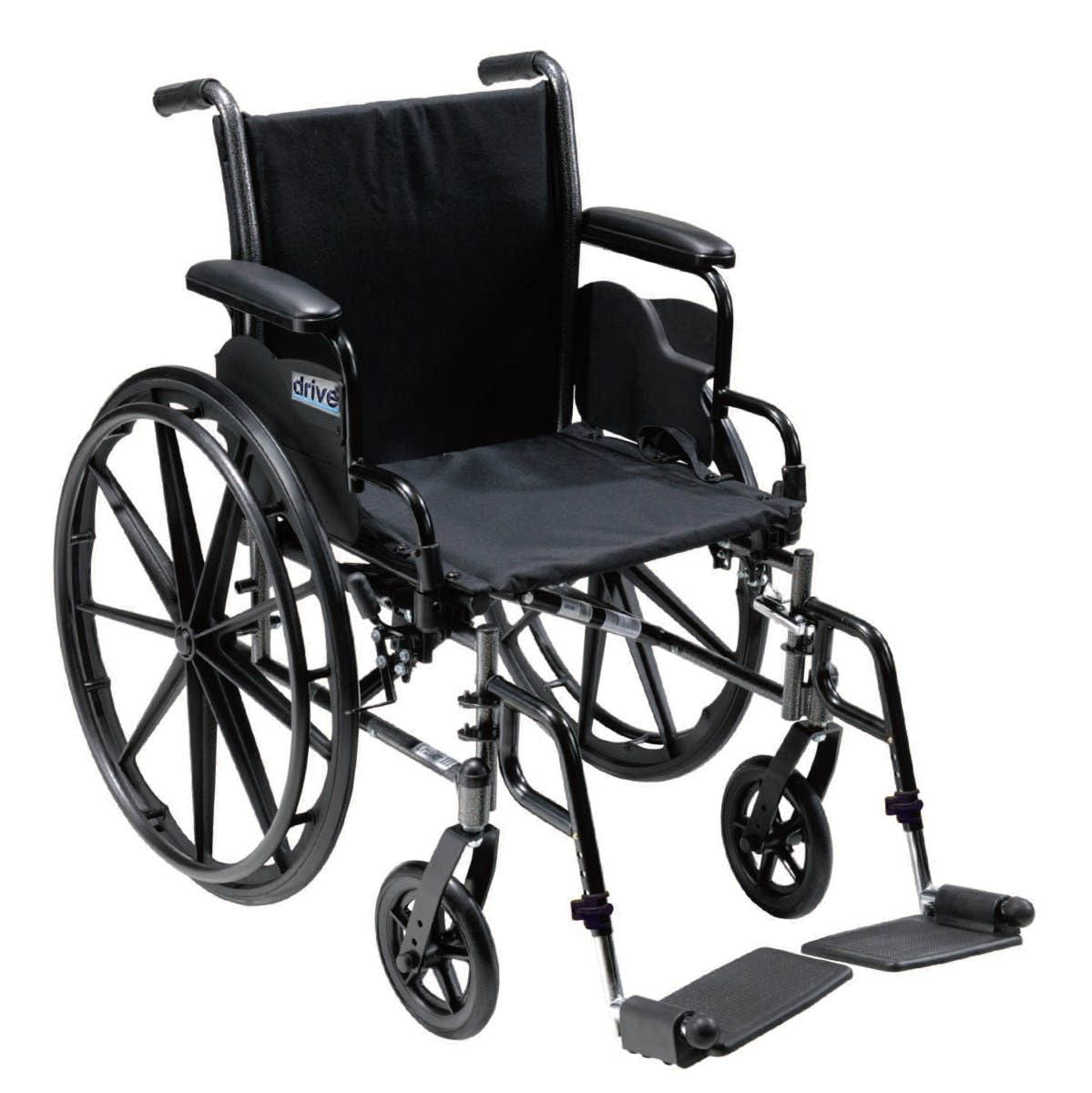
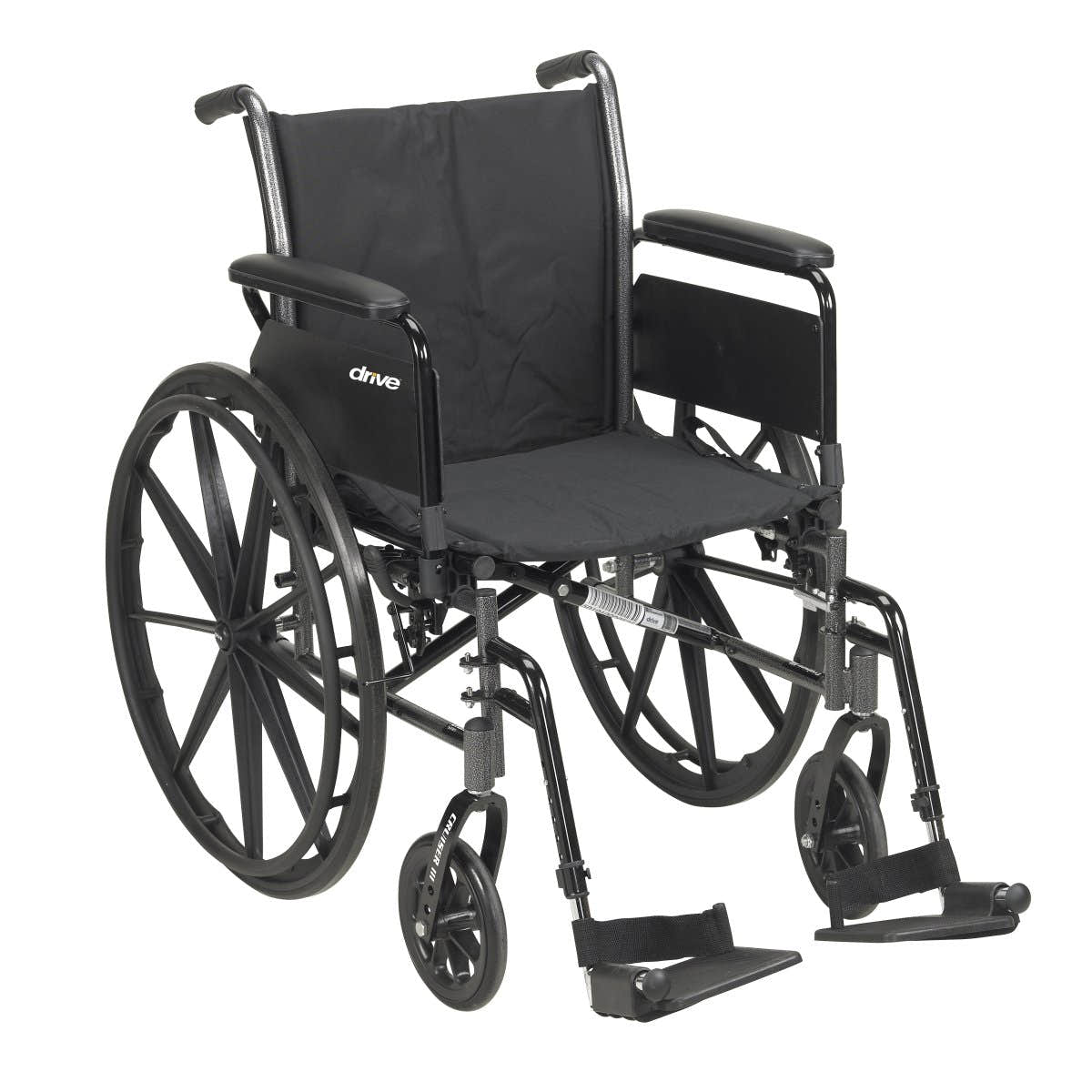
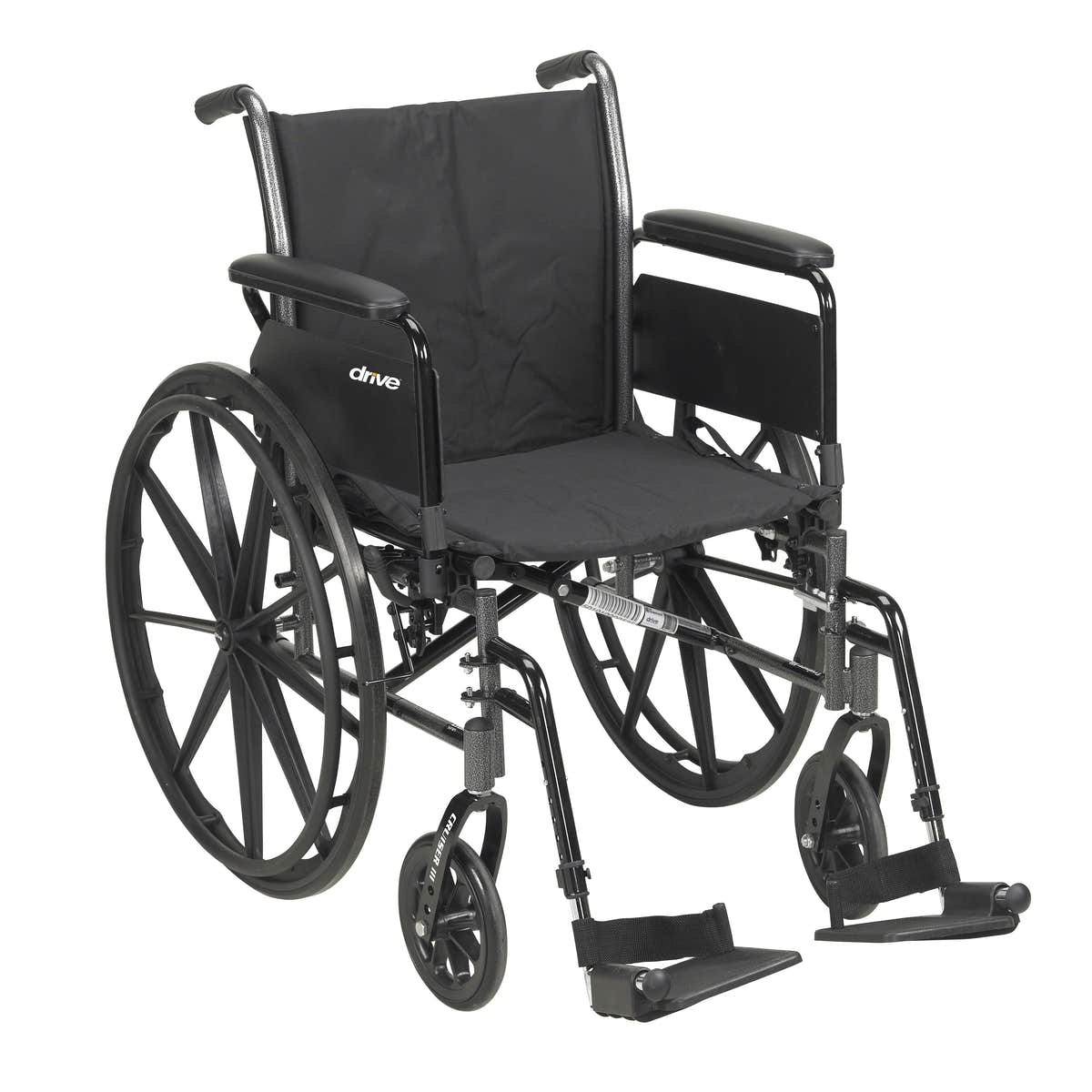
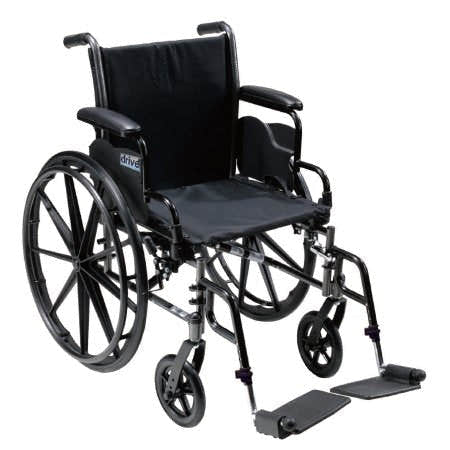
drive Cruiser III Lightweight Wheelchair, 20-Inch Seat Width - 705194_EA - 1
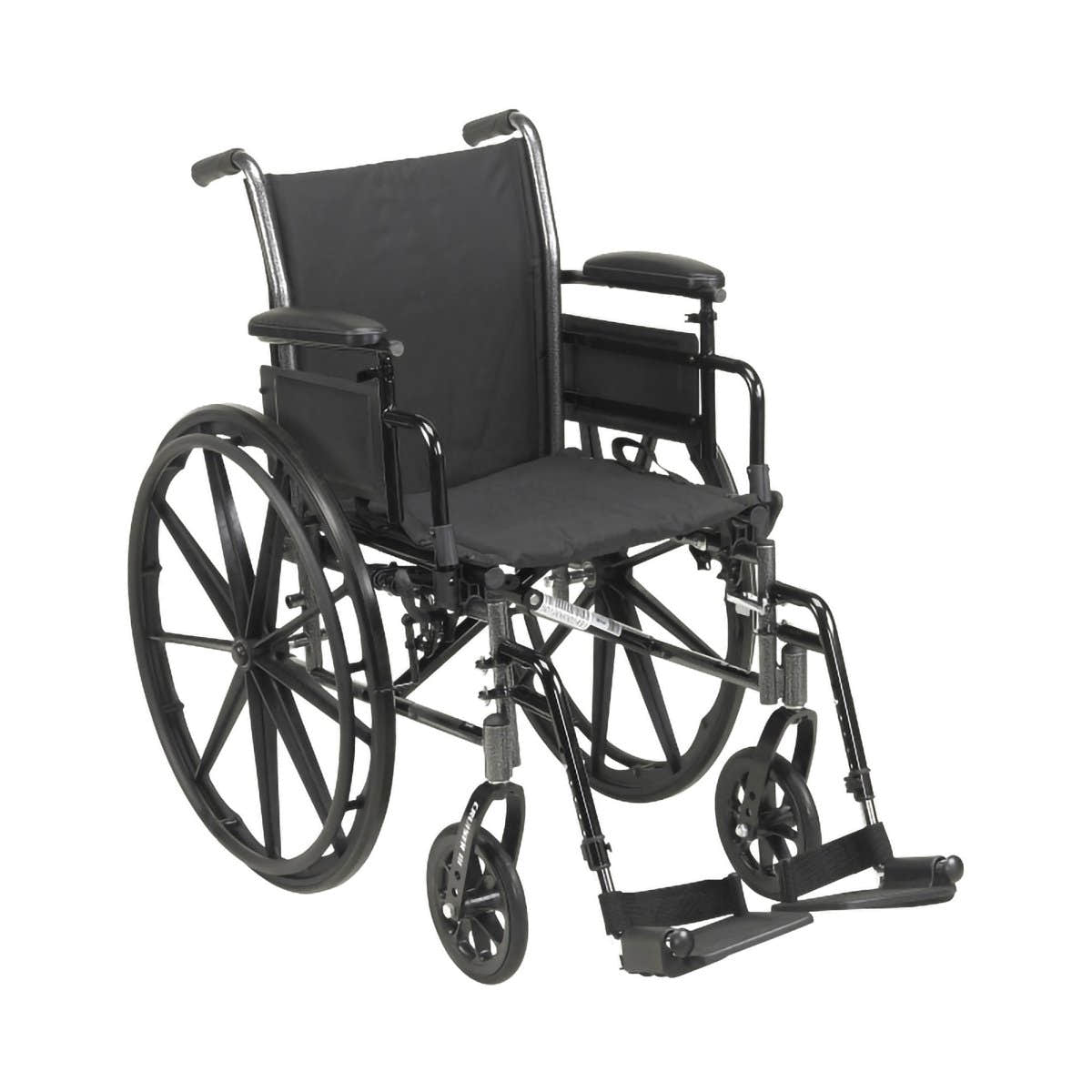
drive Cruiser III Lightweight Wheelchair, 20-Inch Seat Width
Sale price$265.99 Regular price$324.99
McKesson Dual Axle Lightweight Wheelchair - 1128892_EA - 1
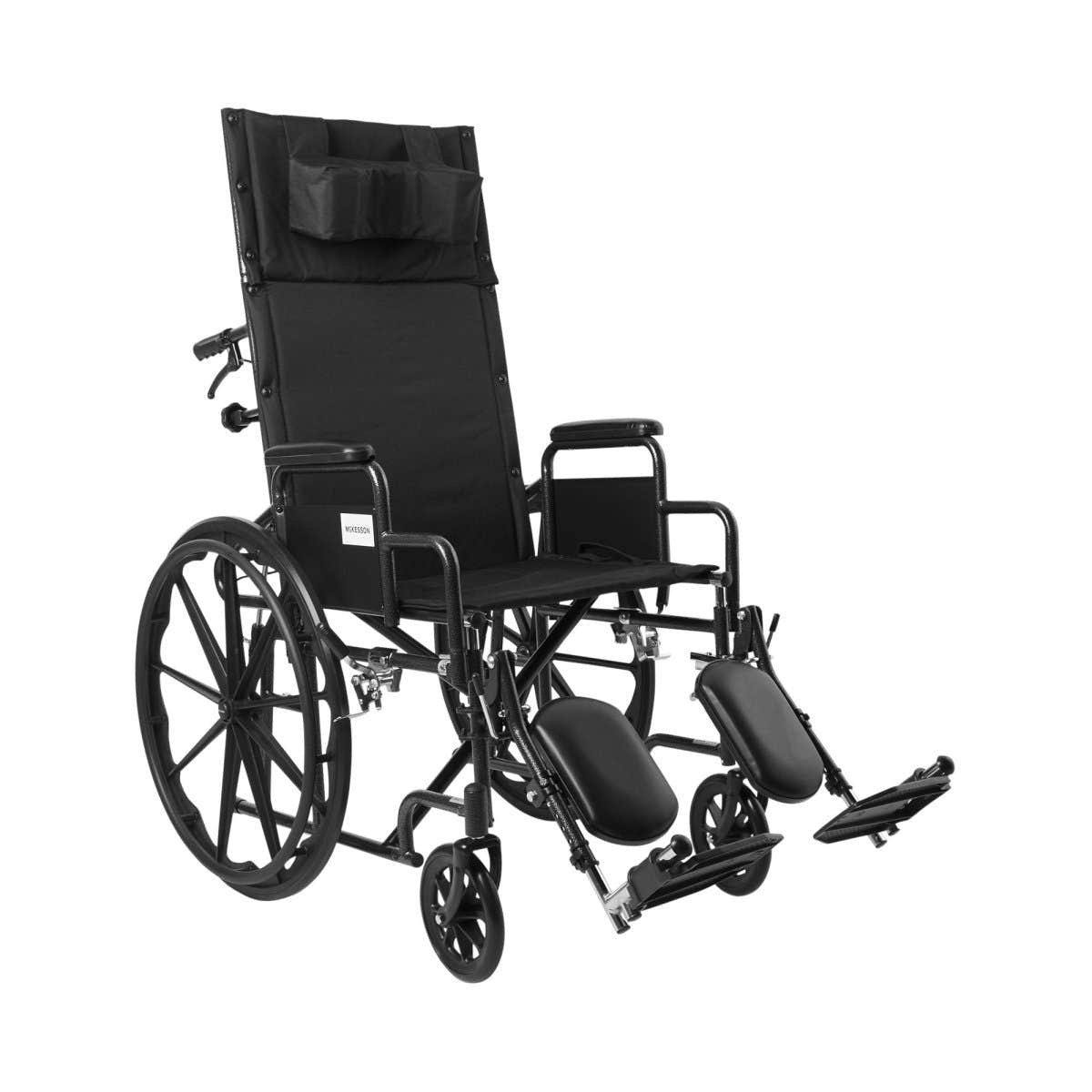
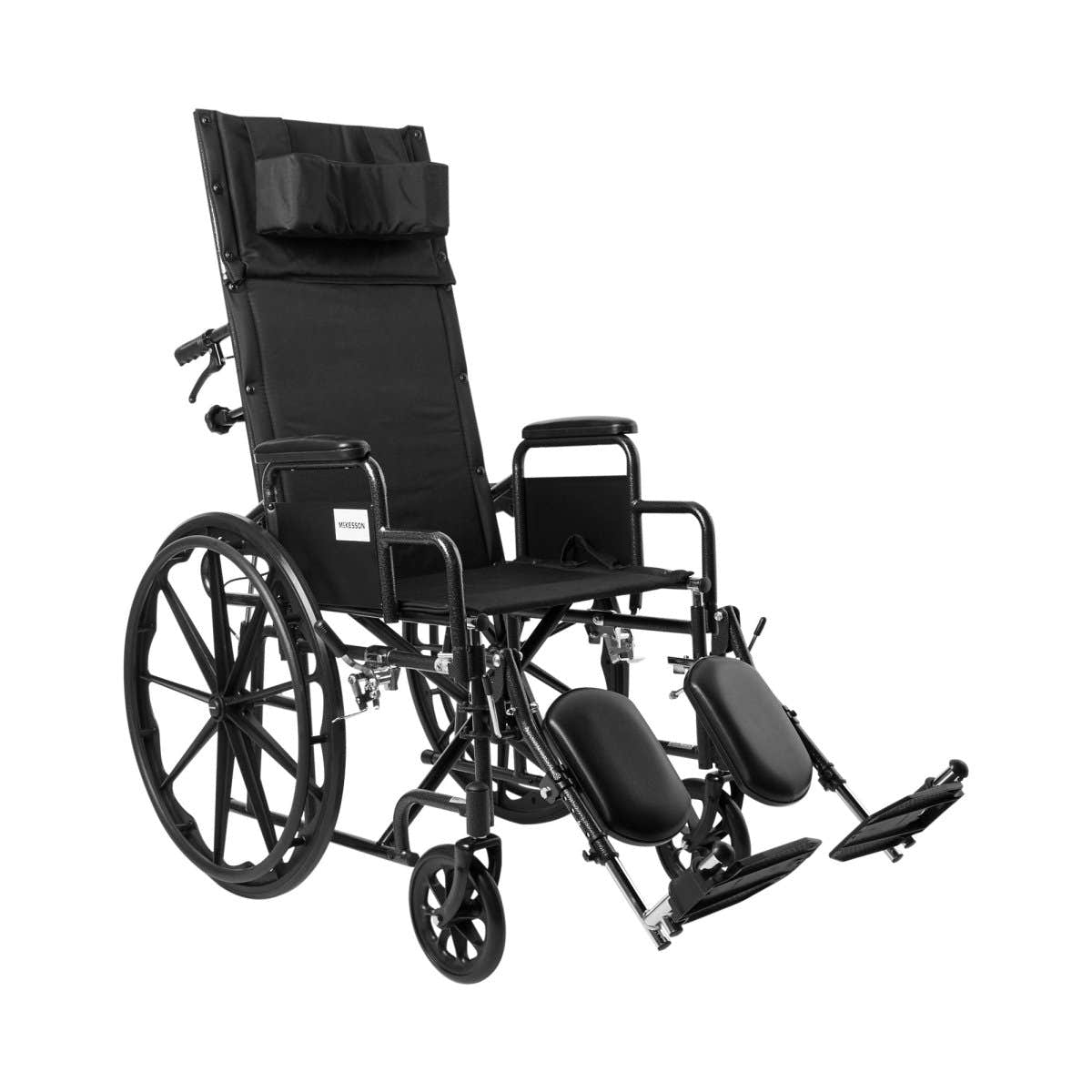
McKesson Reclining Wheelchair, 20-Inch Seat Width - 1065291_EA - 1
McKesson Reclining Wheelchair, 18-Inch Seat Width - 1065290_EA - 1
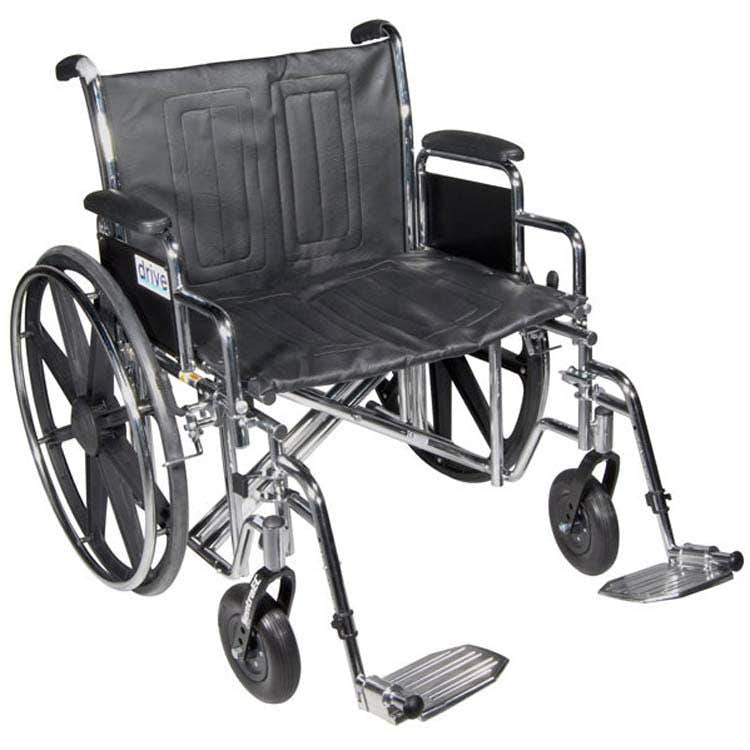
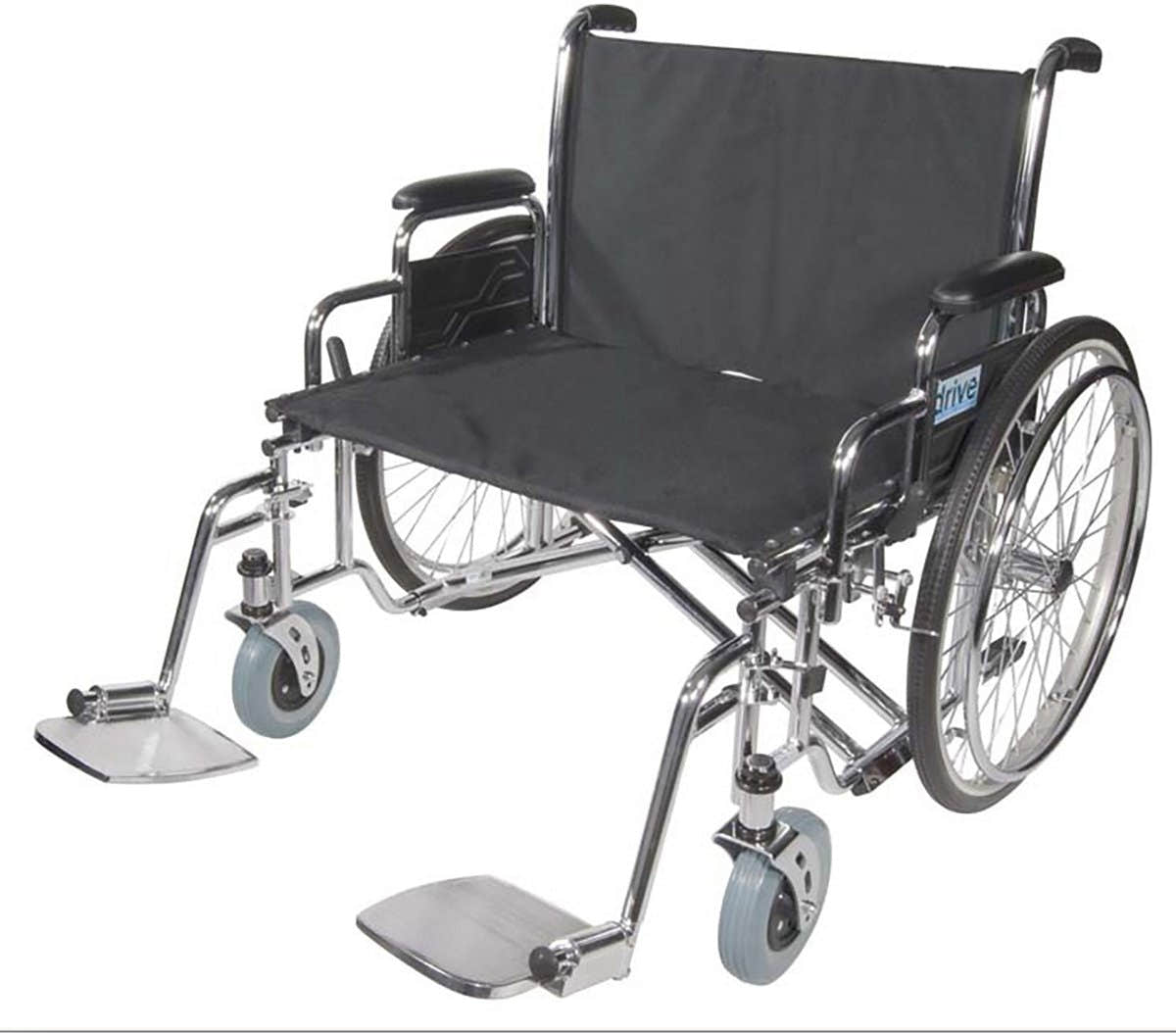
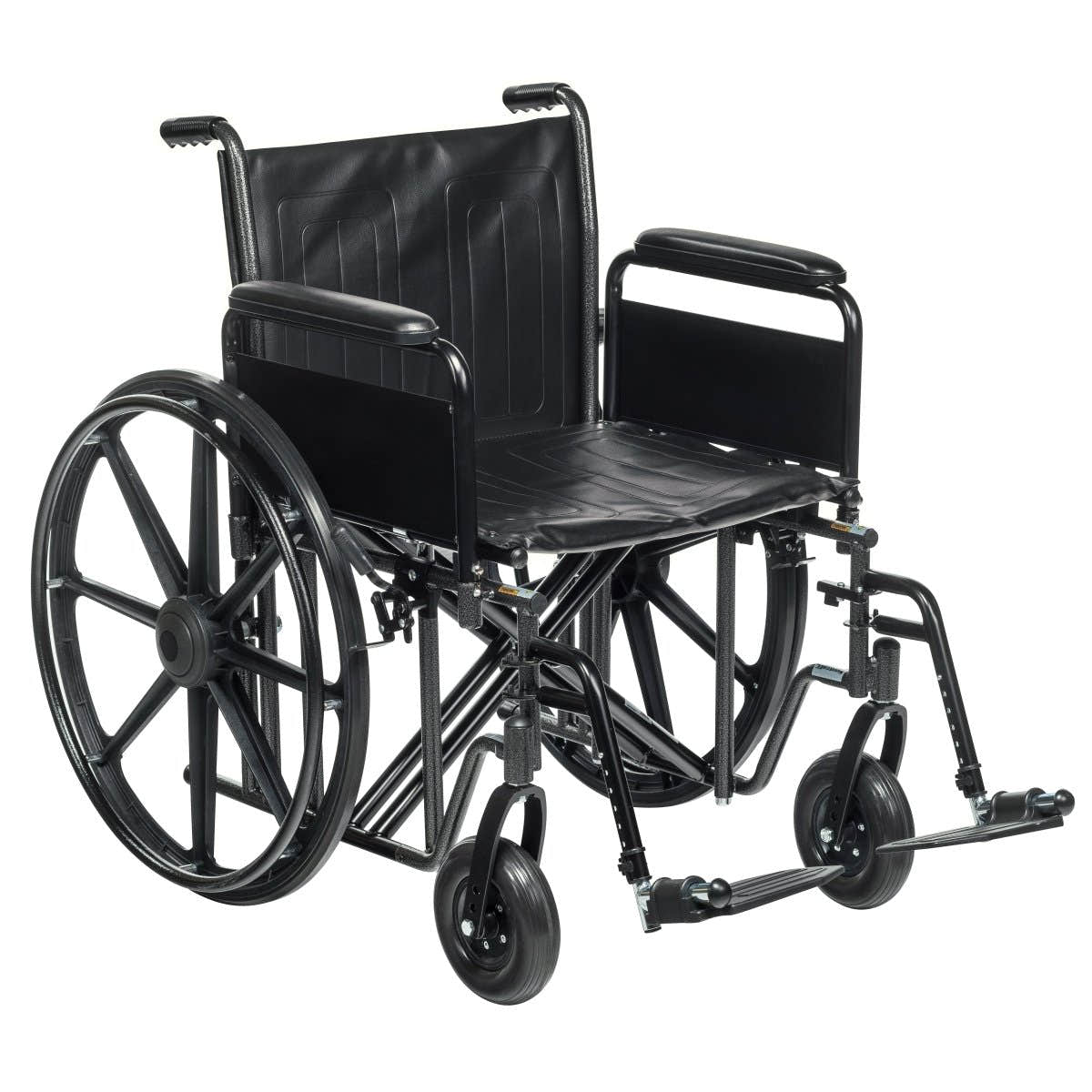
Mckesson Bariatric Wheelchair - 1205415_CS - 1
McKesson Bariatric Wheelchair
Sale price$439.99

Frequently Asked Questions about Manual Wheelchairs

A manual wheelchair is a mobility device propelled by the user or a caregiver that helps people with limited walking ability move around safely and independently. Manual wheelchairs come in a range of styles, including lightweight, bariatric, and reclining options, to support different levels of mobility and daily activity.

Manual wheelchairs are designed for individuals who have difficulty walking due to injury, illness, disability, or age-related mobility limitations. Manual wheelchairs are also appropriate for people recovering from surgery or those who need part-time mobility assistance, as well as caregivers who push users who cannot self-propel.

Start by considering the user's weight capacity, body measurements, and how the wheelchair will primarily be used — indoors, outdoors, or both. Key features to compare across manual wheelchairs include seat width, arm style, footrest type, and whether a lightweight or bariatric frame is needed.

Manual wheelchair sizing is primarily determined by seat width, which should allow about one inch of space on each side of the user's hips when seated. Seat depth, back height, and weight capacity are also important measurements to review before selecting a manual wheelchair.

Lightweight manual wheelchairs are built with lighter frame materials to make transport, self-propulsion, and storage easier compared to standard manual wheelchairs. Lightweight models are a good choice for active users or caregivers who frequently lift or load the wheelchair into a vehicle.

Yes, bariatric manual wheelchairs are specifically designed to accommodate higher weight capacities and wider seat dimensions for larger users. Bariatric manual wheelchairs offer reinforced frames and wider seats to ensure safe, comfortable support for individuals who exceed the limits of a standard wheelchair.

Swing-away footrests on a manual wheelchair are footrest assemblies that pivot to the side, making it easier for users to transfer in and out of the chair safely. Swing-away footrests are a common feature on manual wheelchairs and are generally preferred over fixed footrests for everyday use.

Fold a manual wheelchair by removing or swinging away the footrests, then pulling upward on the seat upholstery or cross-brace to collapse the frame. Store manual wheelchairs in a dry location away from moisture and extreme temperatures to protect the frame and upholstery from premature wear.

Yes, manual wheelchairs are often covered by Medicare, Medicaid, or private insurance when a physician documents medical necessity for the device. Coverage details vary by plan and diagnosis, so it is best to contact your insurance provider and ask for a Letter of Medical Necessity from your doctor before purchasing.

A manual wheelchair is designed to be self-propelled by the user using large rear wheels, while a transport wheelchair has smaller rear wheels and is intended to be pushed entirely by a caregiver. Manual wheelchairs offer more independence for users who have upper body strength, whereas transport chairs are lighter and easier for caregivers to maneuver.

Recently viewed