Mölnlycke is a trusted name in professional wound care, known for developing dressings that balance clinical performance with patient comfort. This collection brings together their broad range of wound management solutions — from advanced foam and silicone dressings to transparent films, composite dressings, and sodium chloride-impregnated options — making it straightforward to find the right dressing for a specific wound type or care setting.
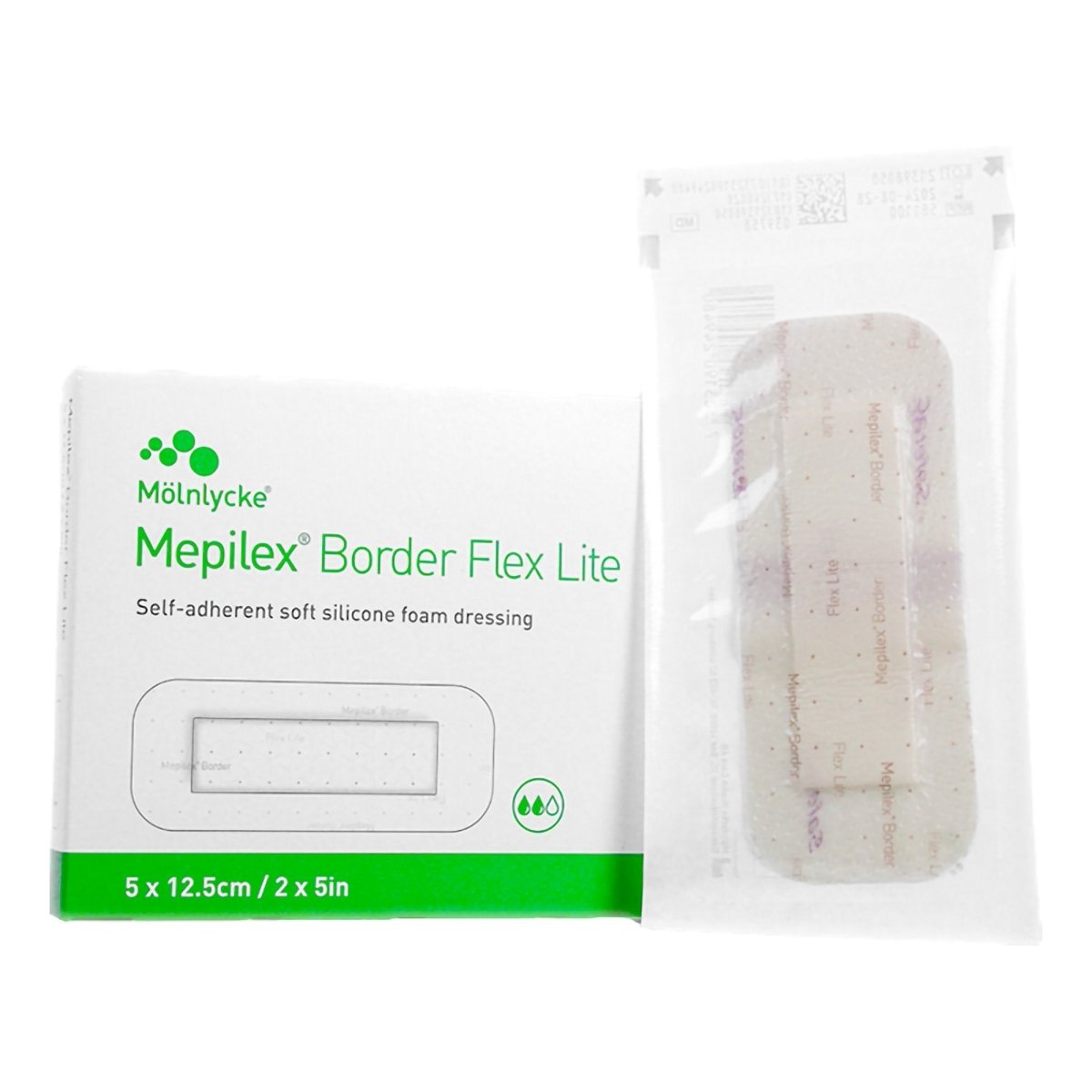
Silicone foam dressings: The Mepilex Border Flex line offers bordered, adhesive designs in multiple sizes, providing a gentle hold that is considerate of surrounding skin.
Transparent film dressings: The Mepore Film Transparent Film Dressing allows wound monitoring without dressing removal, available in a range of sizes to suit different coverage needs.
Composite dressings: The Alldress Composite Dressing combines multiple layers into a single, convenient product for streamlined wound management.
Silicone gel sheeting: Mepiform self-adherent silicone dressings are designed for use on healing skin surfaces and are available in compact sizes for targeted application.
Sodium chloride impregnated dressings: Mesalt dressings come in pad and ribbon formats, offering flexibility for wounds with different shapes and depths.
How to Choose the Right Mölnlycke Dressing
Selecting the appropriate dressing depends on several factors, including wound location, size, exudate level, and whether adhesion to surrounding skin is desirable. Here are a few practical considerations:
Wound size and shape: Mölnlycke products come in a wide variety of dimensions. Check product sizing carefully against the wound area to ensure adequate coverage without unnecessary bulk.
Adhesive vs. non-adhesive: Bordered, adhesive dressings like the Mepilex Border Flex line stay in place without additional tape, while non-adhesive options offer more flexibility for sensitive or fragile skin.
Exudate management: Foam dressings are well suited to wounds producing moderate to heavy drainage, while transparent films and composite dressings work well for lower-exudate situations or when wound visibility is a priority.
Post-operative care: Mepilex Border Post-Op dressings are specifically shaped for incision-site coverage following surgery.
A Note on Professional Guidance
Wound care needs vary significantly from person to person. If there is any uncertainty about which product is most appropriate for a particular wound type or care plan, consulting a qualified healthcare professional is always the recommended first step. This collection is intended to support those who already have guidance in place or are purchasing on behalf of a care setting.
Frequently Asked Questions about Molnlycke
Molnlycke wound dressings are used to manage a wide range of acute and chronic wounds, including surgical incisions, pressure injuries, and exuding wounds. The collection includes foam, silicone, transparent film, and sodium chloride impregnated dressings, giving clinicians and caregivers options for different wound types and healing stages.
Molnlycke dressings are designed for patients with wounds requiring professional-grade management, including post-surgical patients, individuals with chronic wounds, and those prone to skin sensitivity. Caregivers, nurses, and clinicians frequently use these dressings in both clinical and home care settings where reliable wound protection is needed.
Start by assessing the wound type, depth, and level of exudate before selecting a Molnlycke dressing. Foam dressings work well for moderate to heavy drainage, silicone dressings suit sensitive or fragile skin, transparent film dressings are best for low-exudate wounds, and sodium chloride impregnated dressings are typically used for infected or heavily contaminated wounds.
Apply a foam wound dressing by first cleaning and drying the wound area, then placing the dressing directly over the wound with the absorbent side facing the wound bed. Smooth down any adhesive border to secure the edges, and change the dressing according to the wound condition or as directed by a healthcare provider.
Molnlycke dressings are available in multiple sizes to accommodate different wound dimensions, ranging from small dressings under three inches to larger options exceeding six inches in length or width. Selecting the correct size ensures adequate coverage beyond the wound margin, which helps maintain a proper seal and supports effective healing.
Yes, silicone foam dressings are generally safe for sensitive or fragile skin because the silicone contact layer is designed to adhere gently without bonding to the wound surface. This reduces trauma and pain during dressing changes, making silicone foam a preferred option for elderly patients or anyone with delicate skin that cannot tolerate aggressive adhesives.
Yes, a transparent film dressing allows caregivers to visually inspect the wound without removing the dressing, since the clear polyurethane film provides a direct view of the wound bed. This feature helps detect early signs of infection or changes in wound status while keeping the site protected and maintaining a moist healing environment.
Molnlycke dressings are considered a strong value because the collection covers a broad spectrum of wound care needs under one trusted brand, reducing the need to source multiple product lines. Consistent quality across foam, silicone, film, and impregnated dressing types means fewer complications, less frequent dressing changes, and better overall wound outcomes over time.
Molnlycke foam dressings offer superior absorbency, cushioning, and moisture management compared to standard gauze dressings, which can dry out, stick to the wound bed, and require more frequent changes. Foam dressings also create a more consistent moist wound environment, which current wound care evidence supports as beneficial for faster and more effective healing.
Molnlycke wound dressings should be stored in a cool, dry location away from direct sunlight, moisture, and extreme temperatures to preserve sterility and material integrity. Always keep dressings in their original sealed packaging until use, and check the expiration date before applying any dressing to ensure the product remains within its validated shelf life.
Do you still have questions about Molnlycke?
If we still haven't answered your question, you can contact us by live chat or email and we will get back to you as soon as possible.