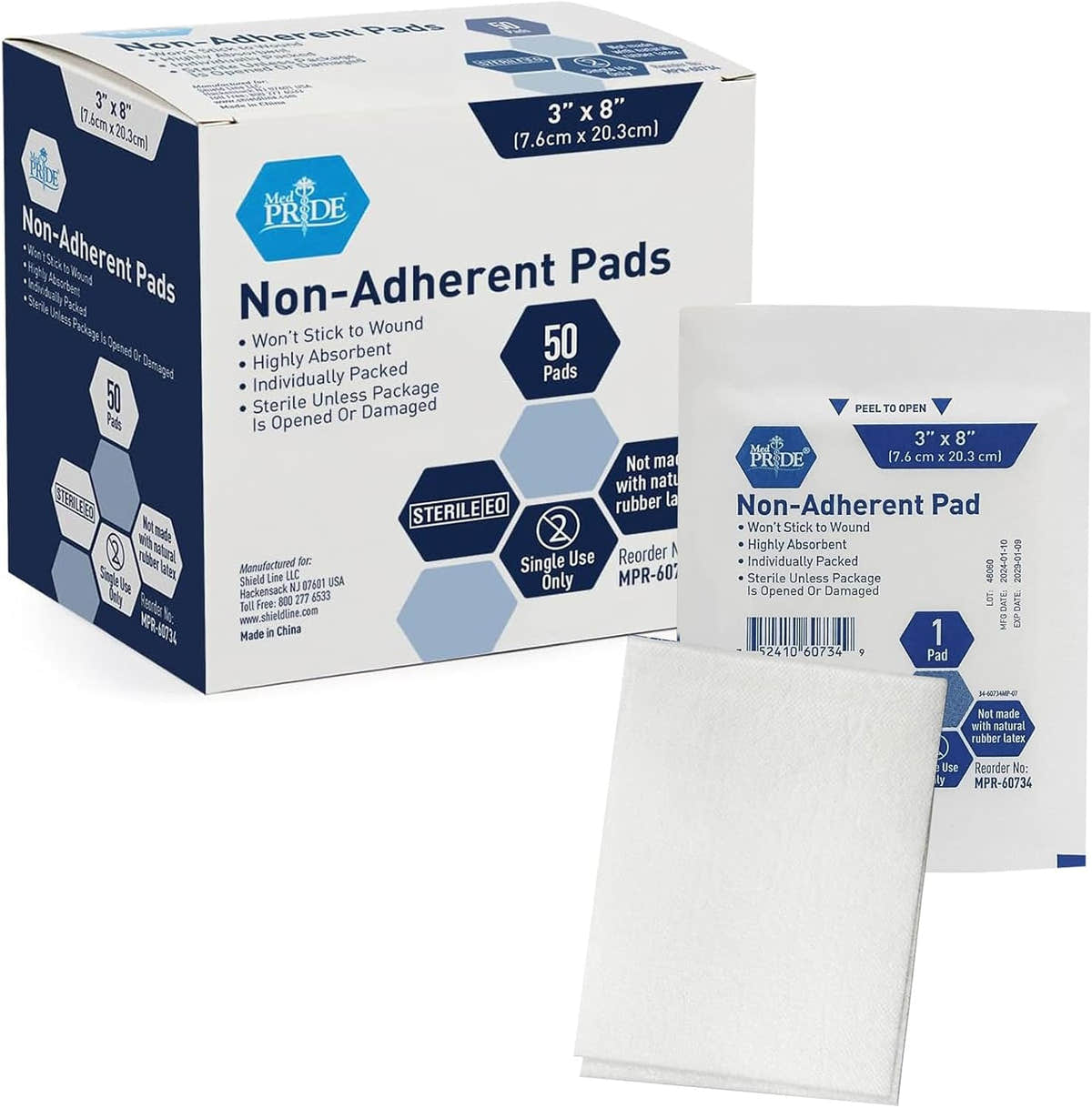
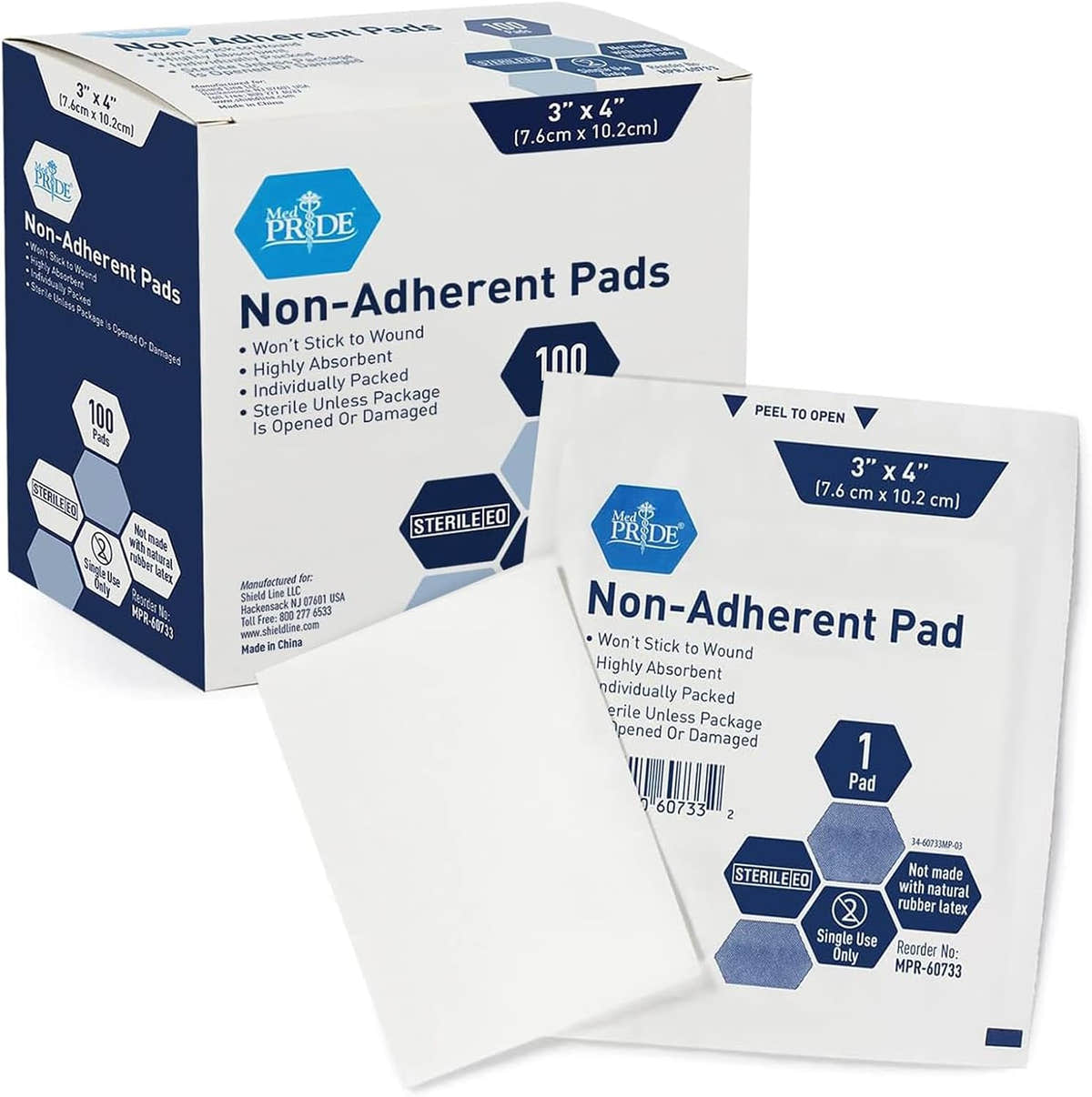
Benefits of Non-Adherent Dressings
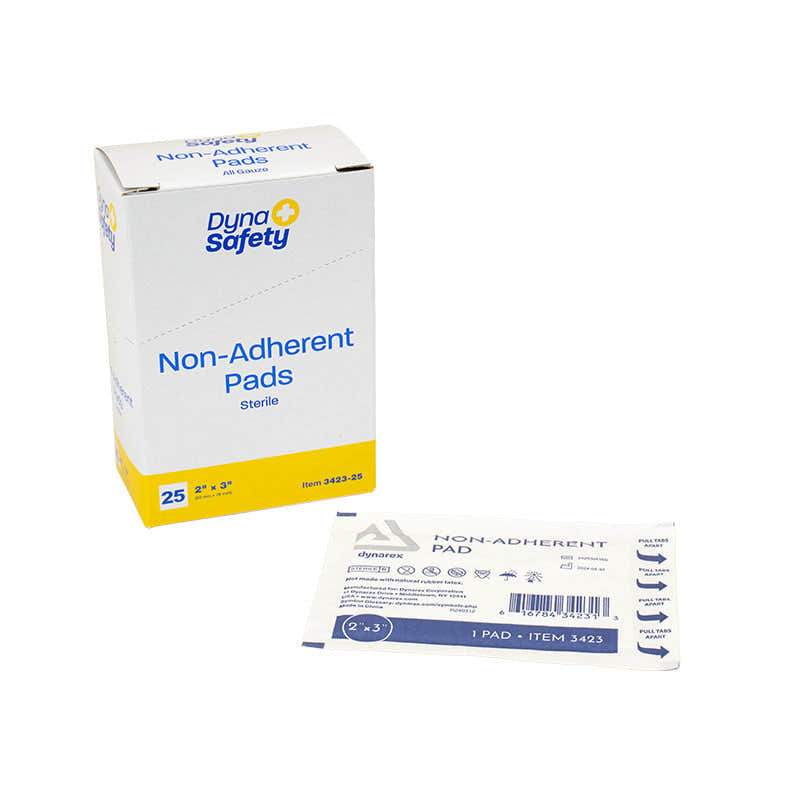
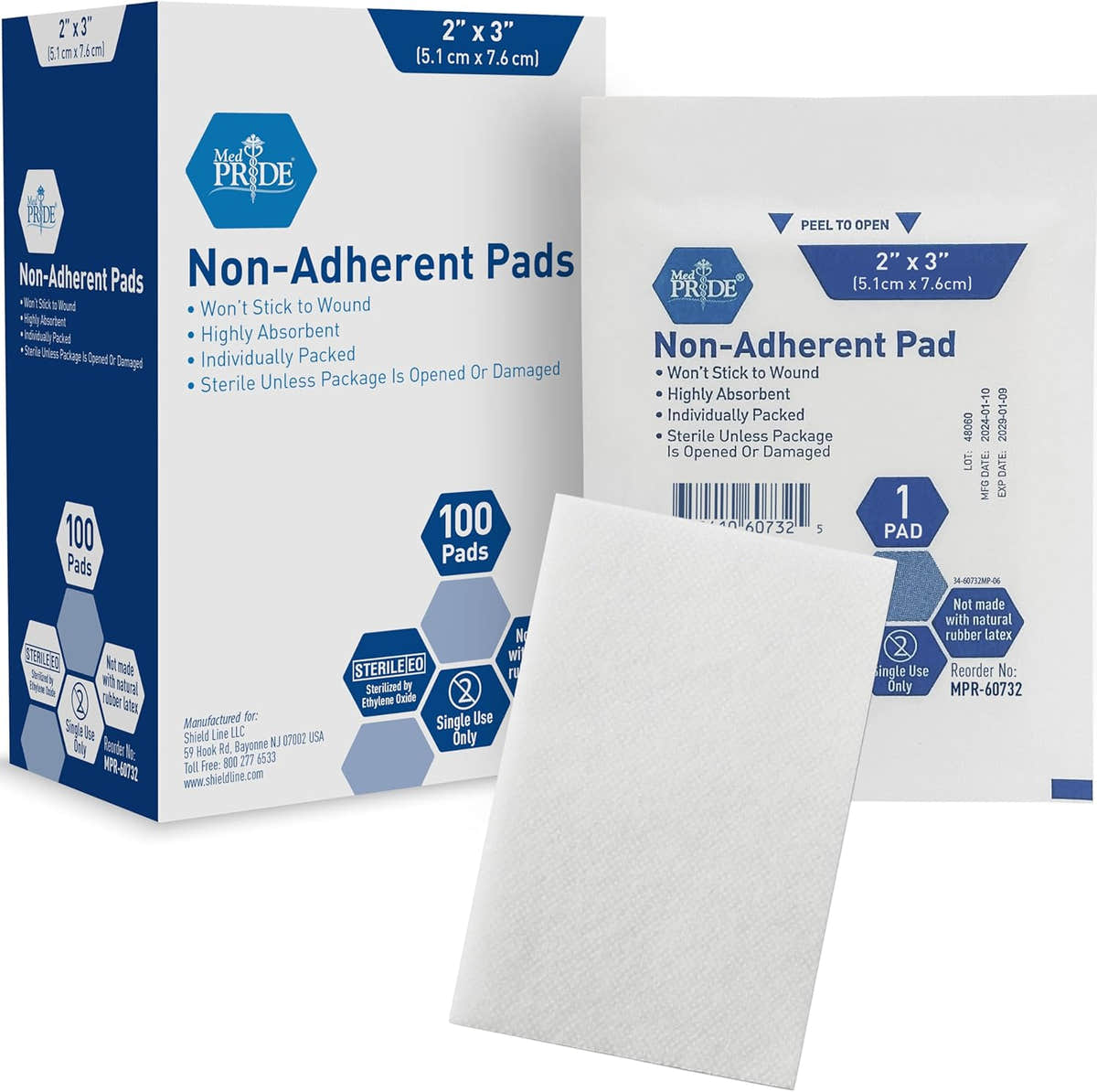
At Cart Health, we offer a diverse range of non-adherent dressings designed to meet your unique wound care needs. Our dressings provide superior benefits over traditional adhesive options, ensuring a seamless healing process. Here's why our non-adherent dressings are the preferred choice:
1. Pain-Free Dressing Changes
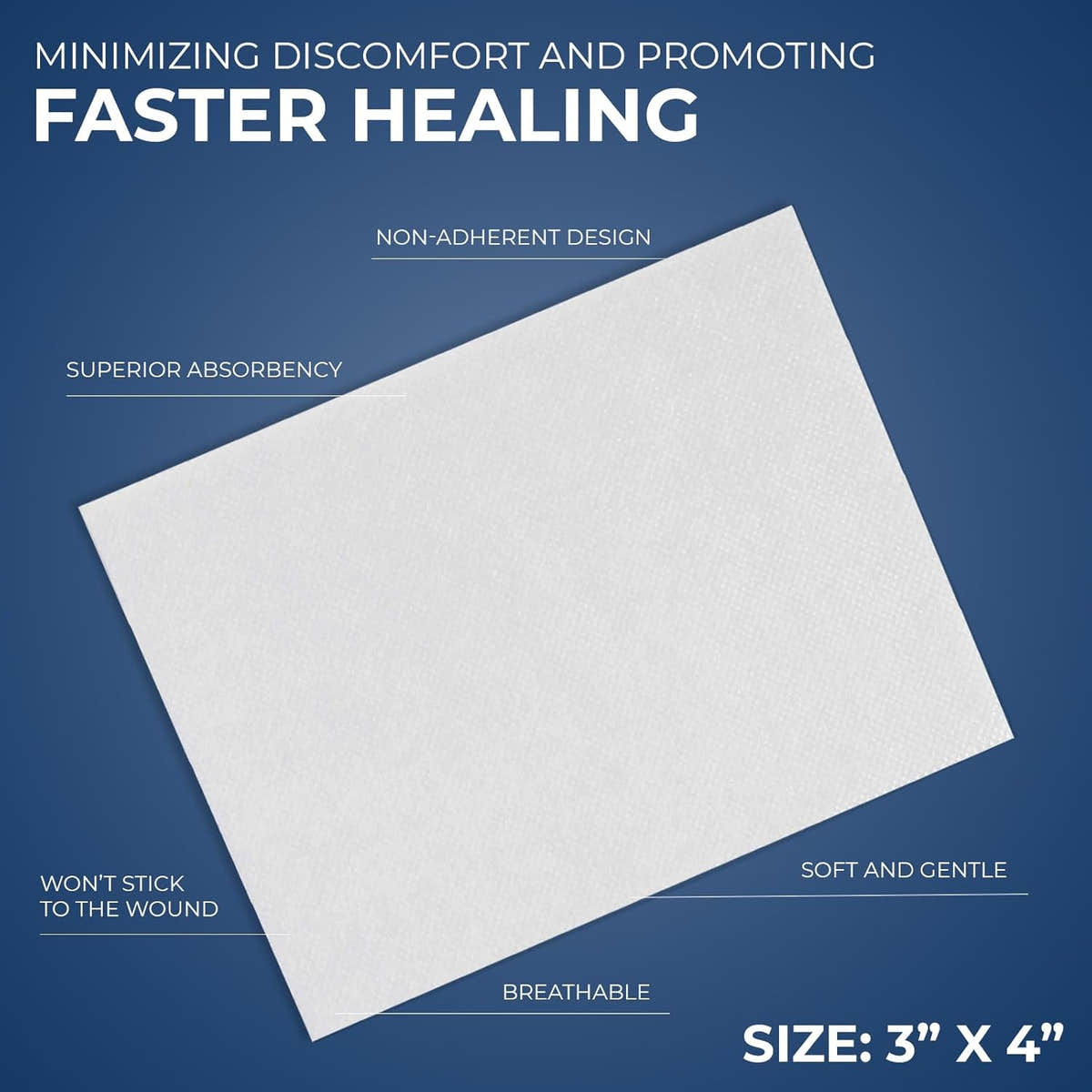
Our non-adherent dressings are carefully crafted to minimize pain during dressing changes. Unlike adhesive dressings that can tug on the skin and cause discomfort, our dressings allow for easy removal without sticking to the wound. You can confidently change dressings knowing that you'll experience minimal pain.
2. Enhanced Wound Protection
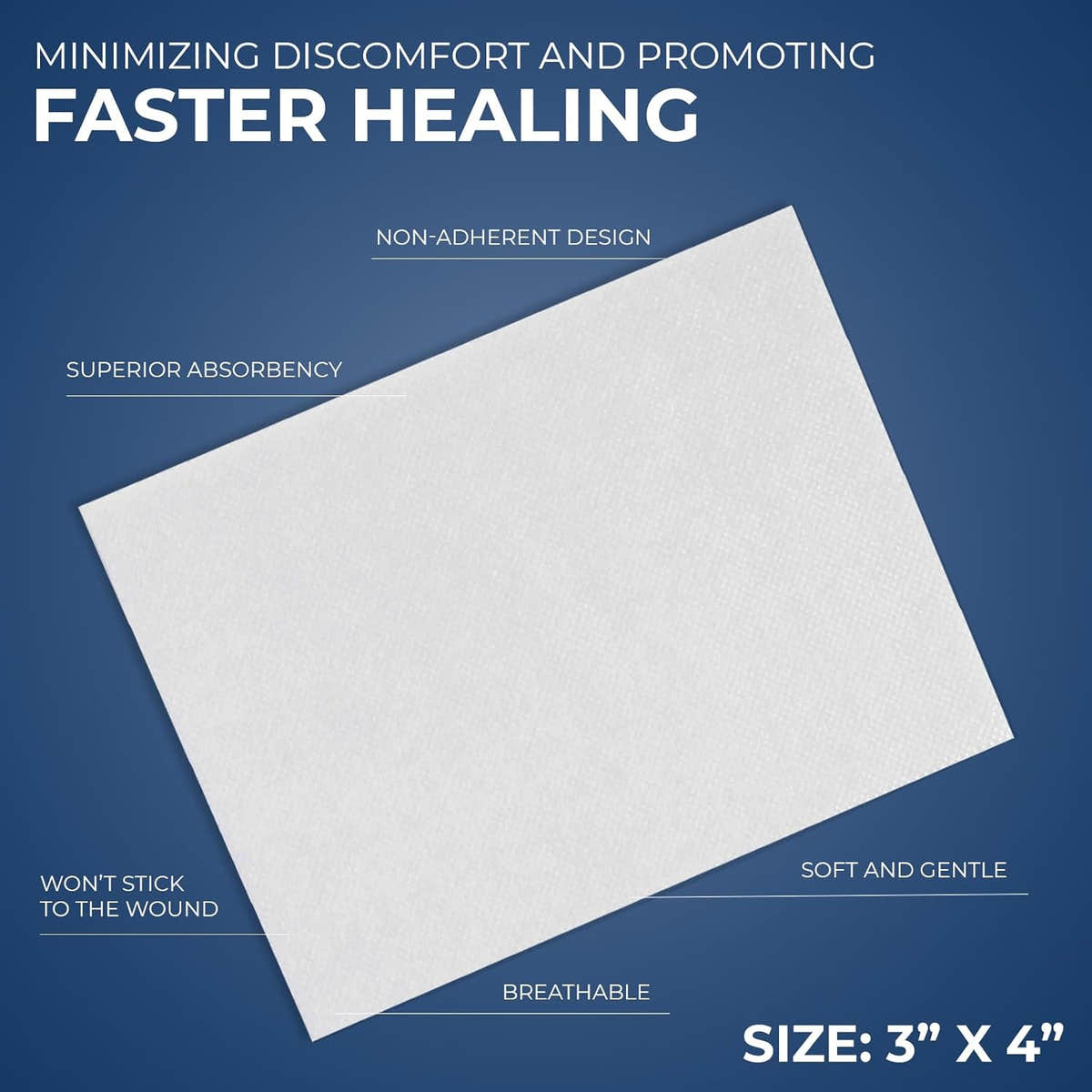
With our non-adherent dressings, you can provide optimal protection for your wounds. The non-stick surface creates a barrier between the wound and the dressing, preventing the dressing from adhering and causing damage when it's time for a change. This protection ensures that your wounds are shielded from external contaminants, promoting a hygienic healing environment.
3. Reduced Risk of Infection
One of the critical advantages of non-adherent dressings is their ability to minimize the risk of infection. By preventing the dressing from sticking to the wound, we create an environment that is less conducive to bacterial growth. This reduces the chances of infection, allowing your wound to heal more effectively and efficiently.
4. Breathable and Gentle on the Skin
Our non-adherent dressings are designed to be breathable and gentle on your skin. The materials used in their construction promote airflow, preventing excessive moisture buildup. This breathability helps maintain an ideal healing environment while keeping your skin comfortable and free from irritation.
Why people choose Non-Adherent Dressings for their wound care
When it comes to wound care, choosing the right dressing is crucial for optimal healing. At Cart Health, we're committed to providing you with high-quality non-adherent dressings that prioritize your comfort and well-being. Experience the following benefits when you choose our dressings:
- Easy and pain-free dressing changes
- Enhanced protection for your wounds
- Reduced risk of infection
- Breathable and gentle on your skin
With our non-adherent dressings, you can trust that your wounds will receive the care they deserve, ensuring a faster and more comfortable healing process.
Introducing Non-Adherent Dressing to the Wound.
When selecting a wound dressing gauze, follow the recommendations on the dressing package. It's important to maintain a sterile environment and ensure that gloves, cotton applicators, and any other objects used are either sterile or have been sterilized. You can shop sterile gloves here. Know how to clean and dry a wound as directed by a nurse or wound care professional.
To decrease the risk of contamination, have all of the necessary supplies on hand before dressing the wound, including a biohazard bag.
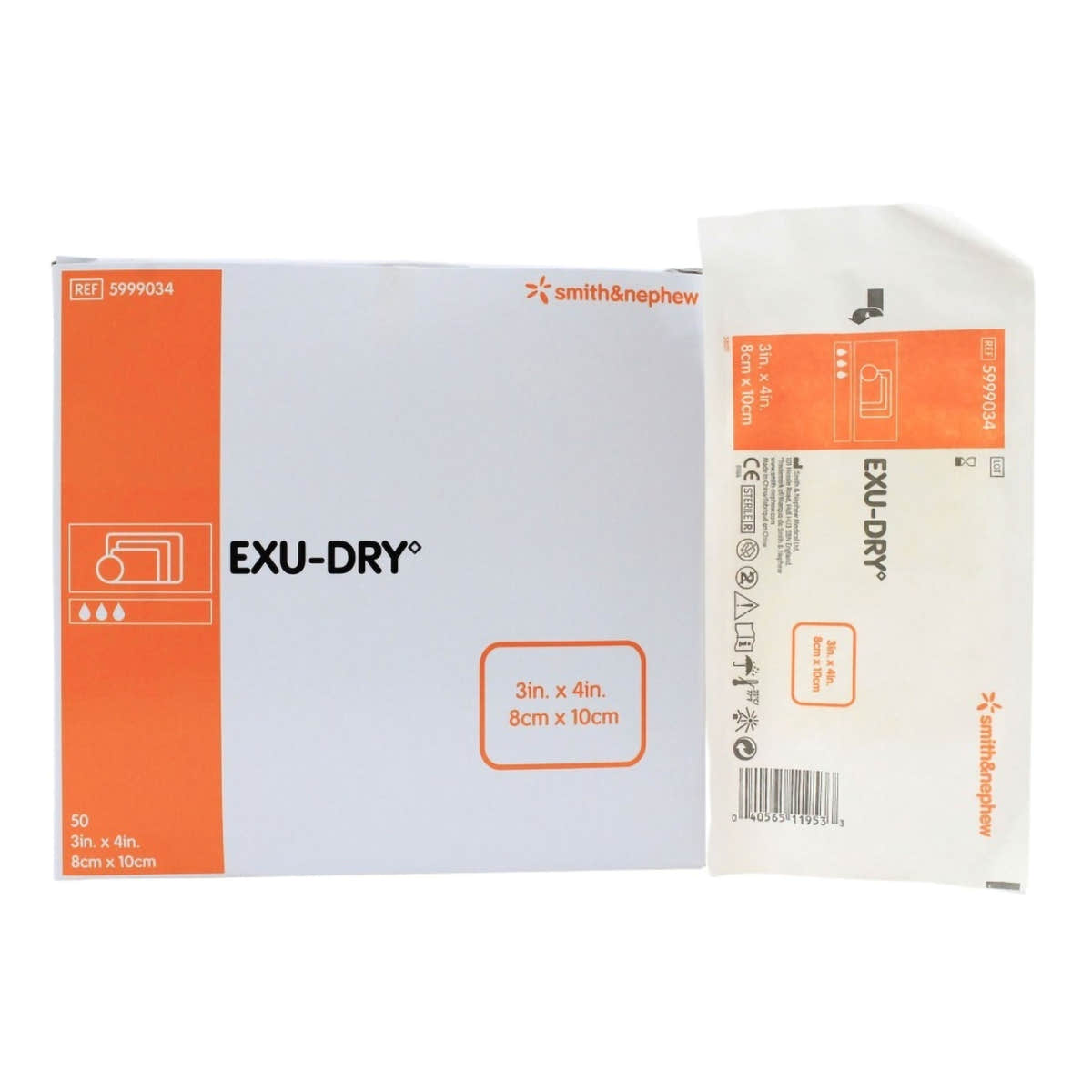
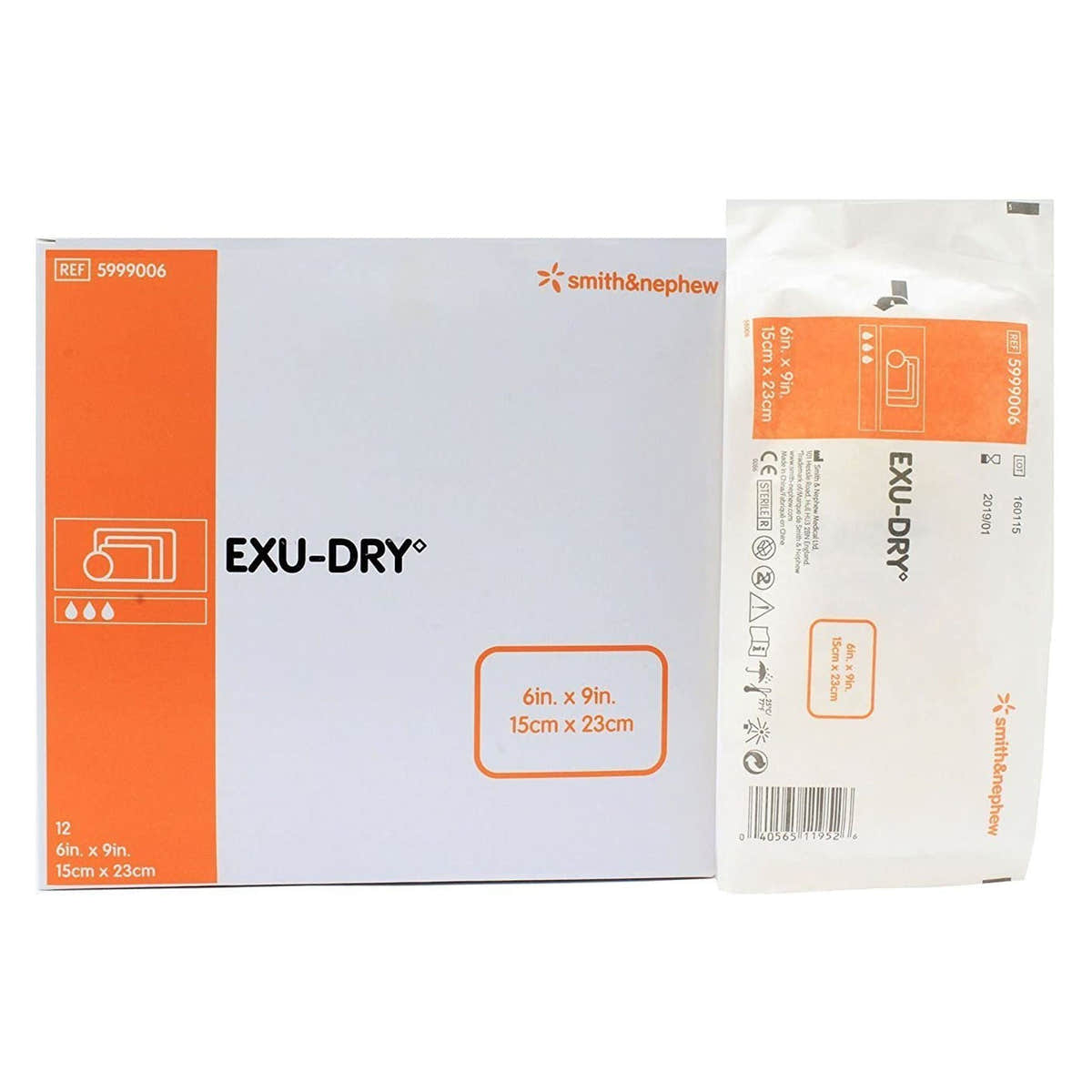
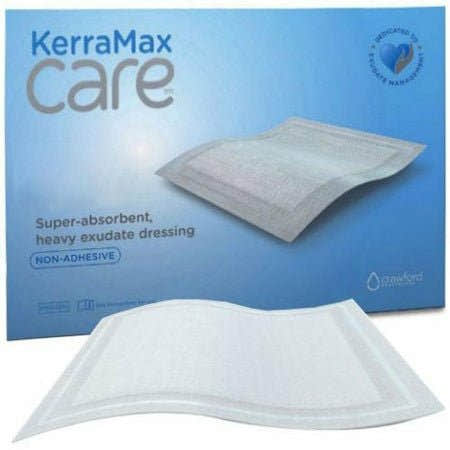
Nonadherent dressing bandages used include petrolatum gauze, Vaseline gauze, Xeroform gauze dressing, non-adhering dressing, Telfa dressing, dry dressing, Tegafoam, Kendall Telfa, and Medipore Plus. Non-adherent dressings are ideal for draining or scabbed wounds. We carry non-adherent bandages for a range of wounds, including small cuts, lacerations, and burns. Vitality Medical sells popular products such as Molnlycke Mepitel, Kendall Tefla, and Johnson & Johnson Adaptic. Purchase discounted non adherent dressings for wound treatment online today and save!