Nutritional Powders

69 products

Showing 25 - 48 of 69 products

Showing 25 - 48 of 69 products
View
ProCel Whey Protein Supplement - 671489_EA - 6
ProCel Whey Protein Supplement
Sale priceFrom $8.99
Choose options
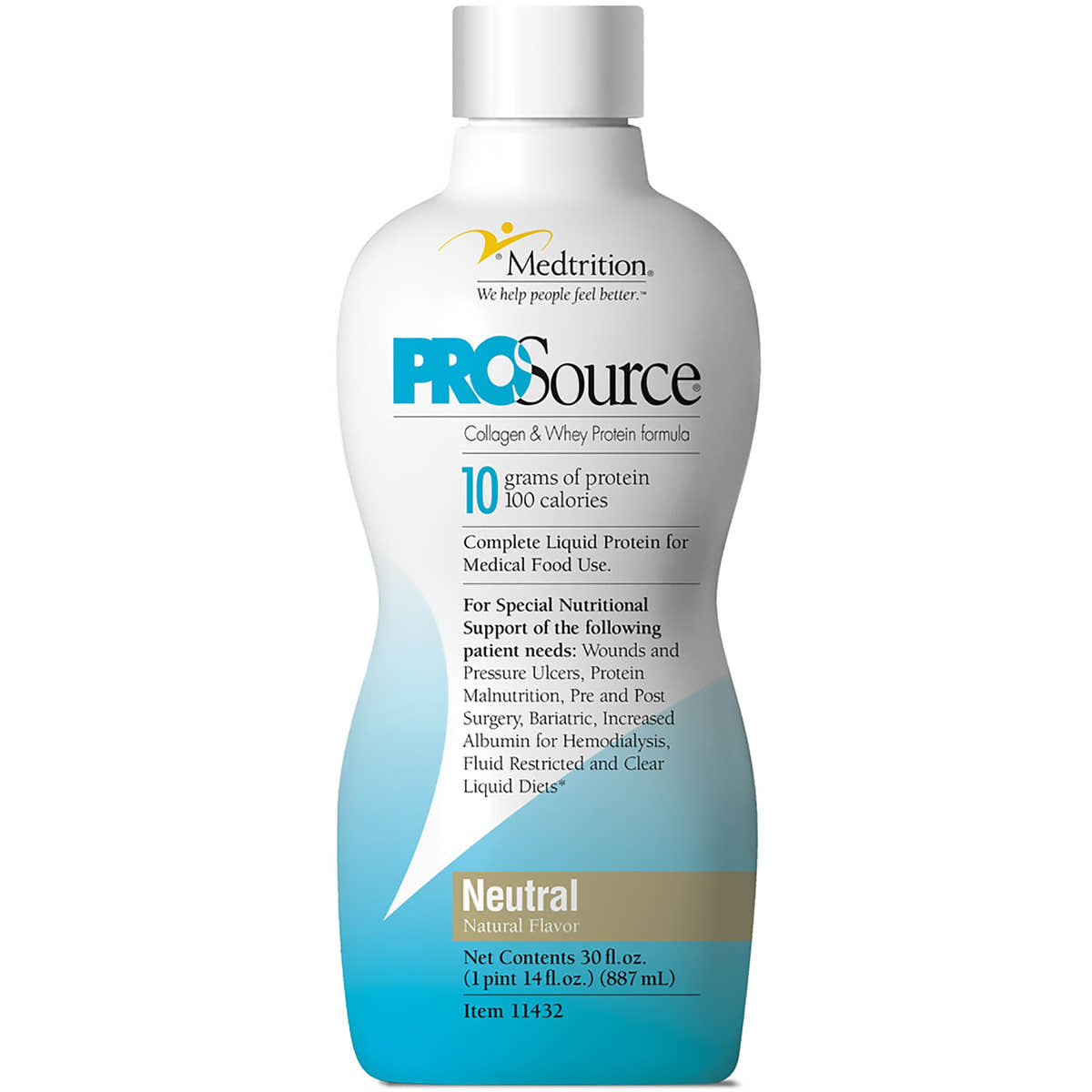
ProSource Protein Supplement, 30 oz. Bottle -Case of 4
ProSource Protein Supplement
Sale priceFrom $9.99
Choose options
Save 99%
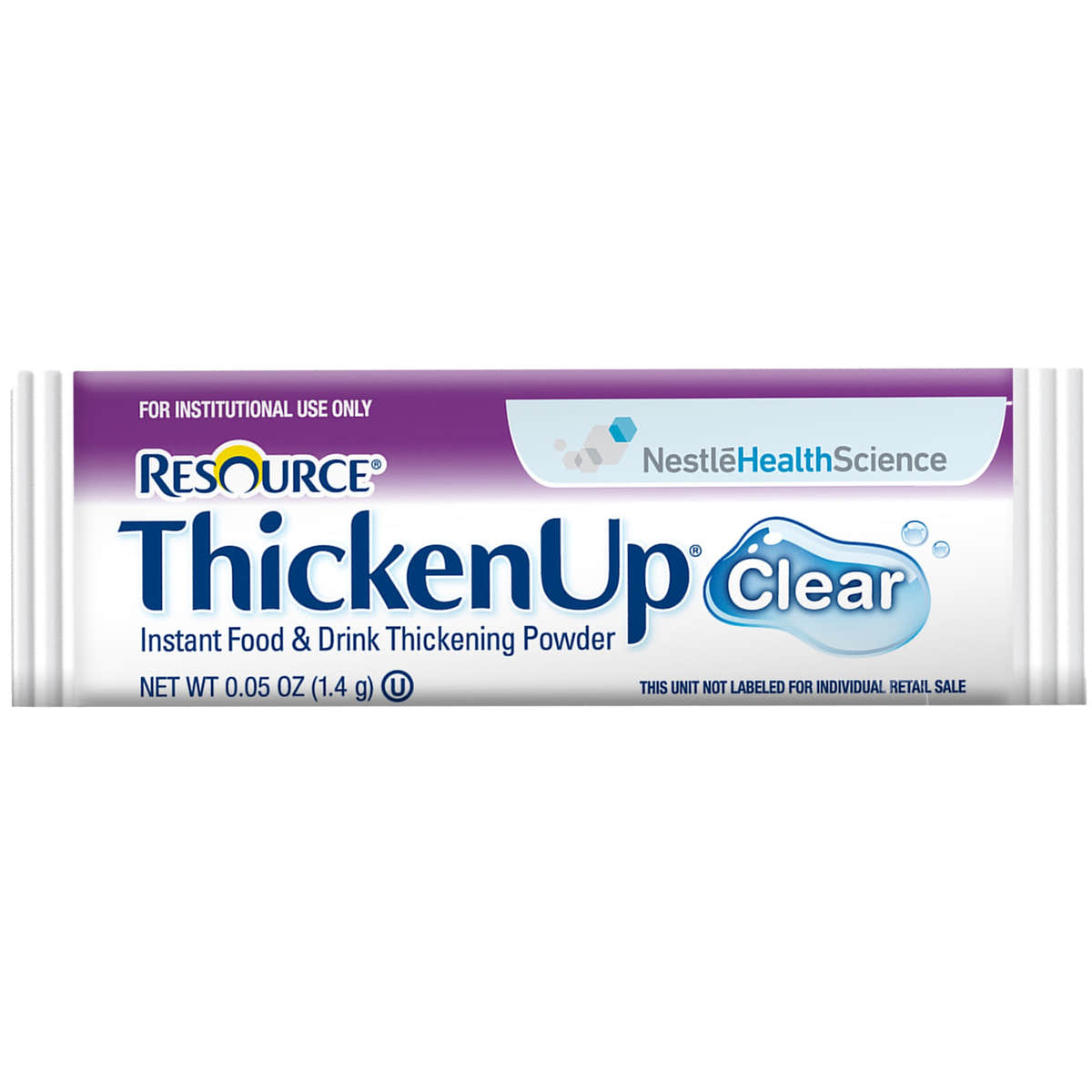
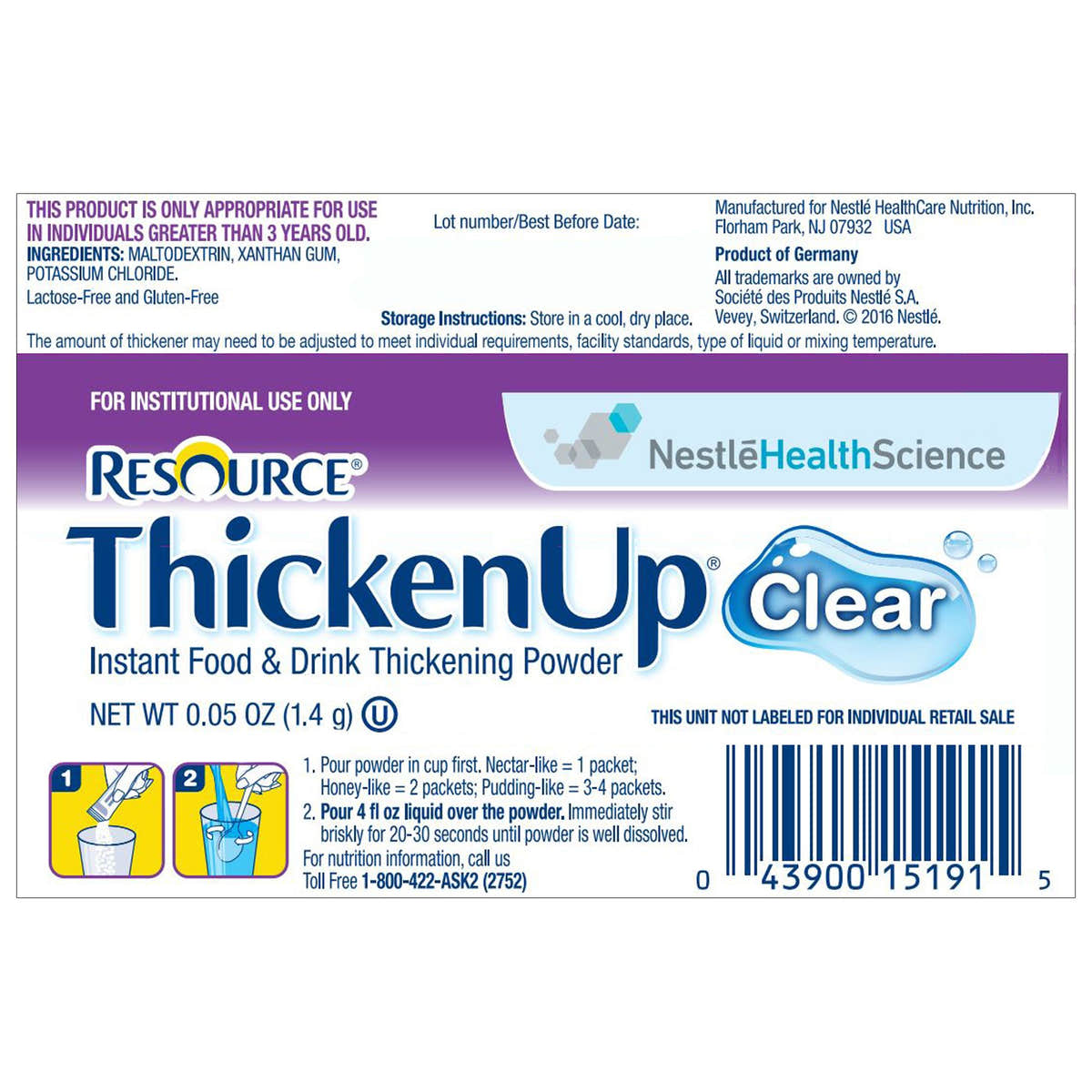
Resource ThickenUp Clear Food and Beverage Thickener, 0.05 oz. Packet -Case of 288
Resource ThickenUp Clear Food and Beverage Thickener
Sale priceFrom $0.99 Regular price$151.99
Choose options
Thick & Easy Clear Nectar Consistency Food and Beverage Thickener, Unflavored, 1.4 Gram Packet -Case of 100
Save 51%
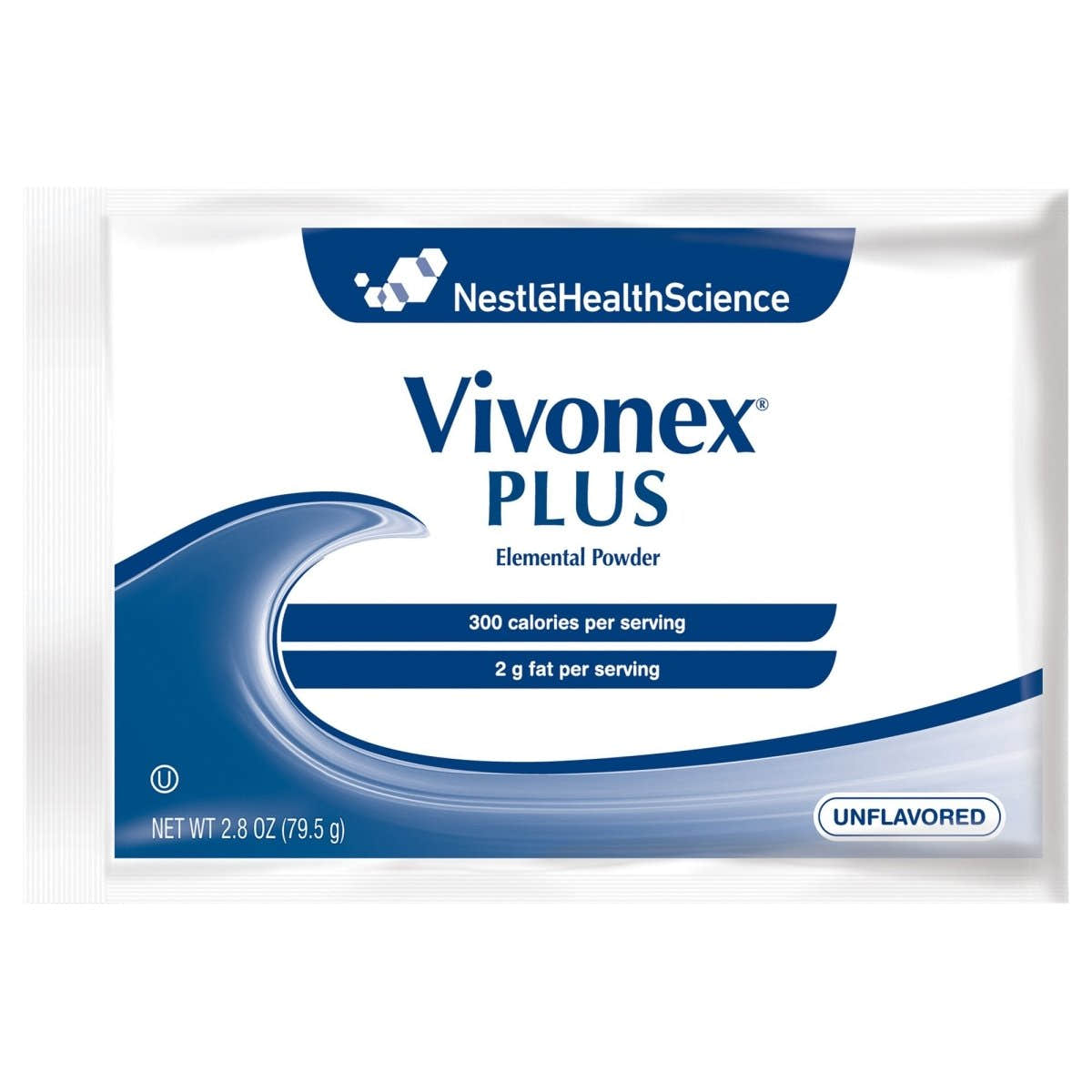
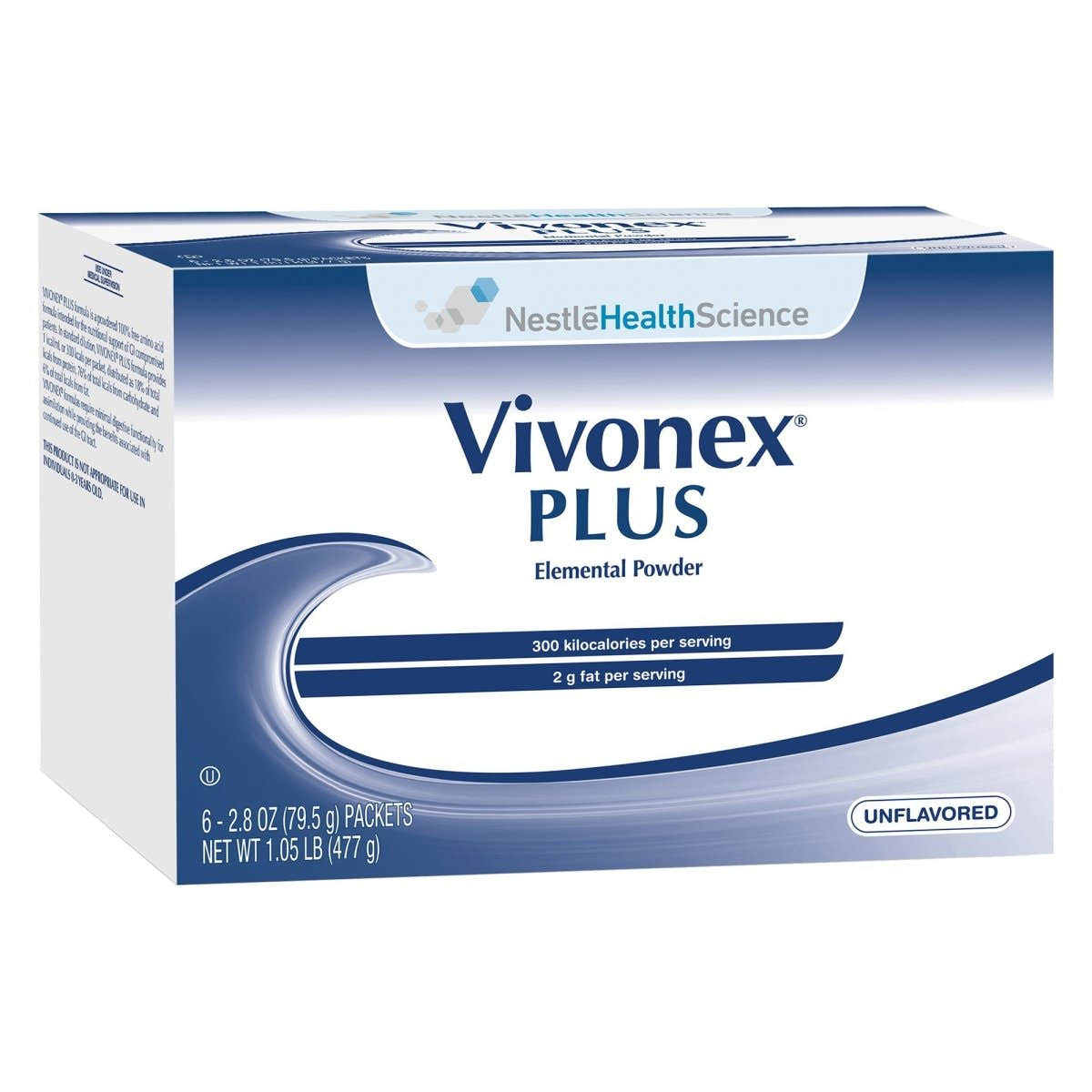
Vivonex Plus Elemental Powder - 746869_CS - 8
Vivonex Plus Elemental Powder
Sale priceFrom $17.99 Regular price$36.99
Choose options
Save 48%
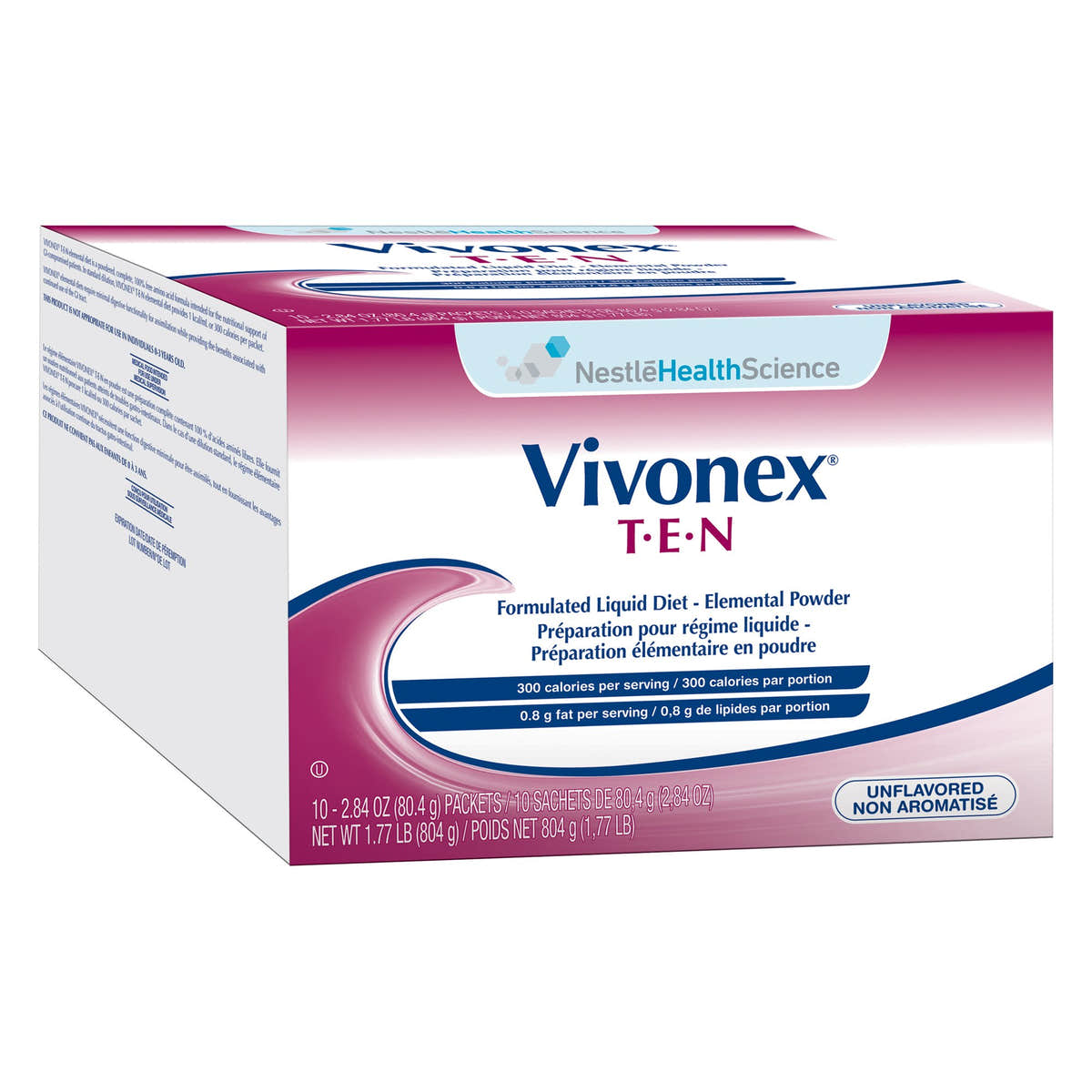
Vivonex T.E.N Elemental Powder, 2.84 oz. Packet -Box of 10
Vivonex T.E.N Elemental Powder
Sale priceFrom $15.99 Regular price$30.99
Choose options
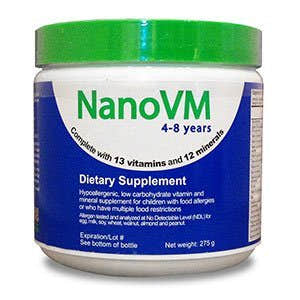
NanoVM Pediatric Oral Supplement 4-8 Years, 275 Gram Can -Each
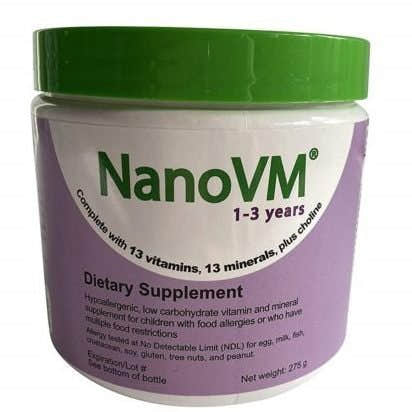
NanoVM Pediatric Oral Supplement 1-3 Years - 923964_BT - 1
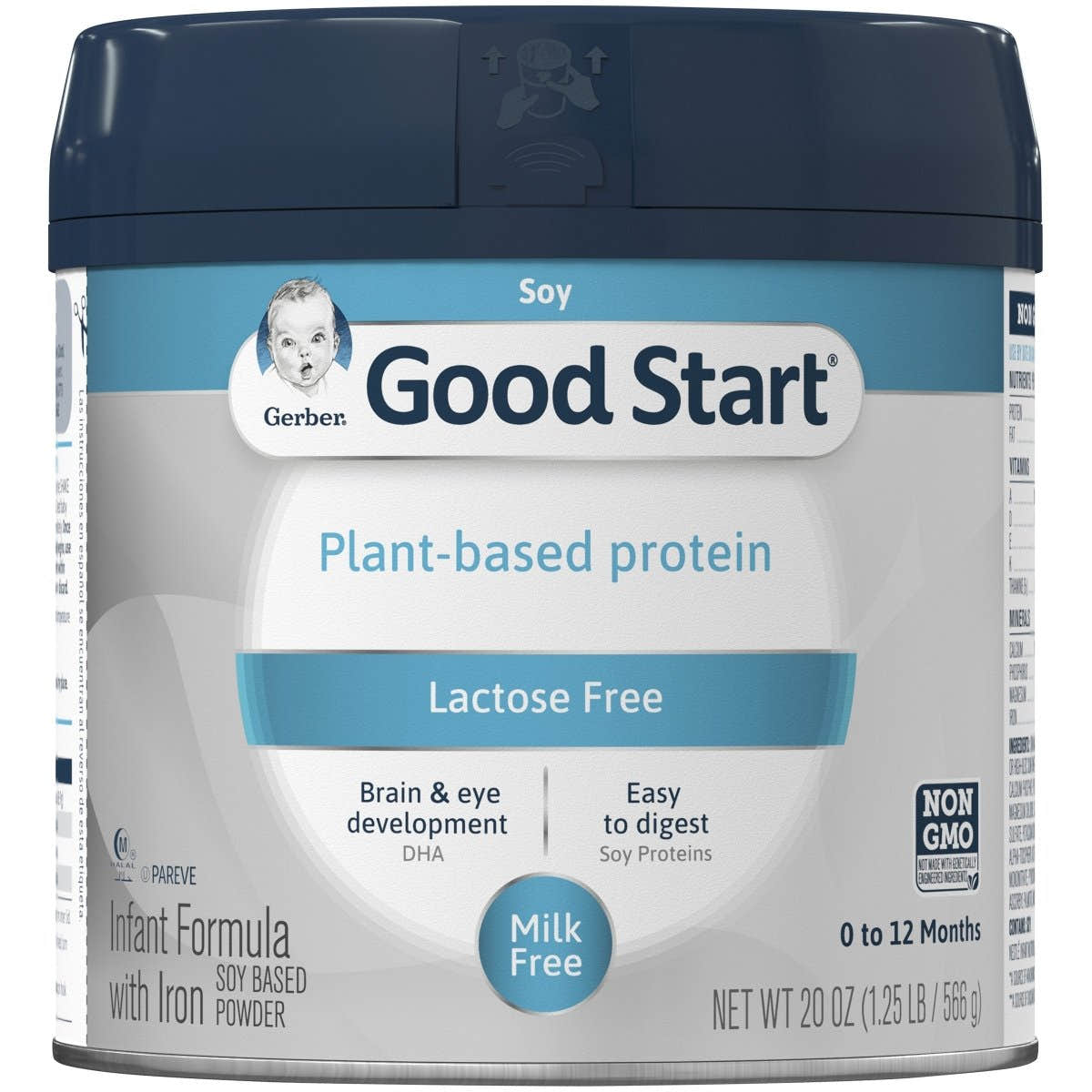
Gerber Good Start Soy Powder Infant Formula, 20 oz. Canister - 1133234_CS - 1
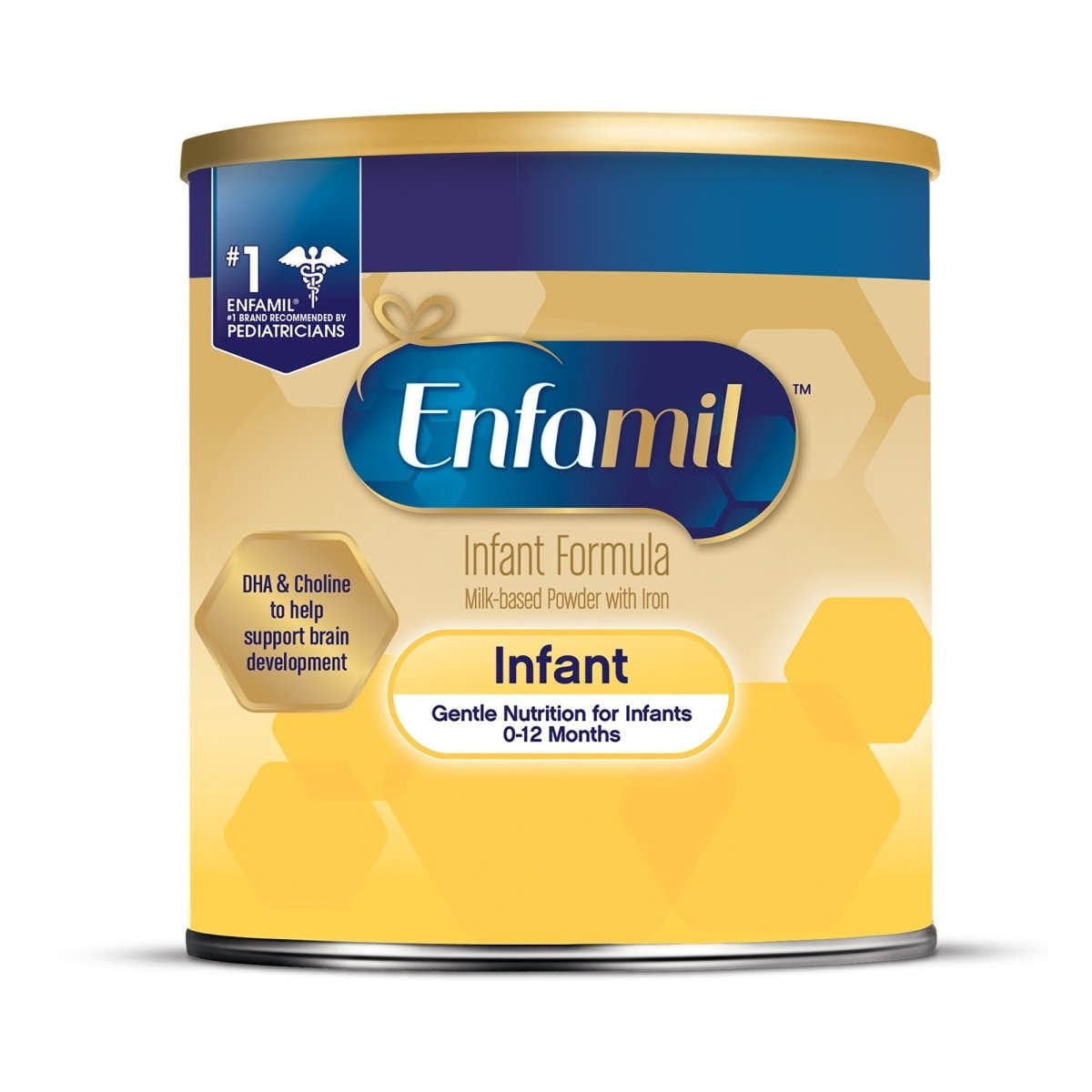
Enfamil Powder Infant Formula, 21.1 oz. Can - 1143059_CN - 1
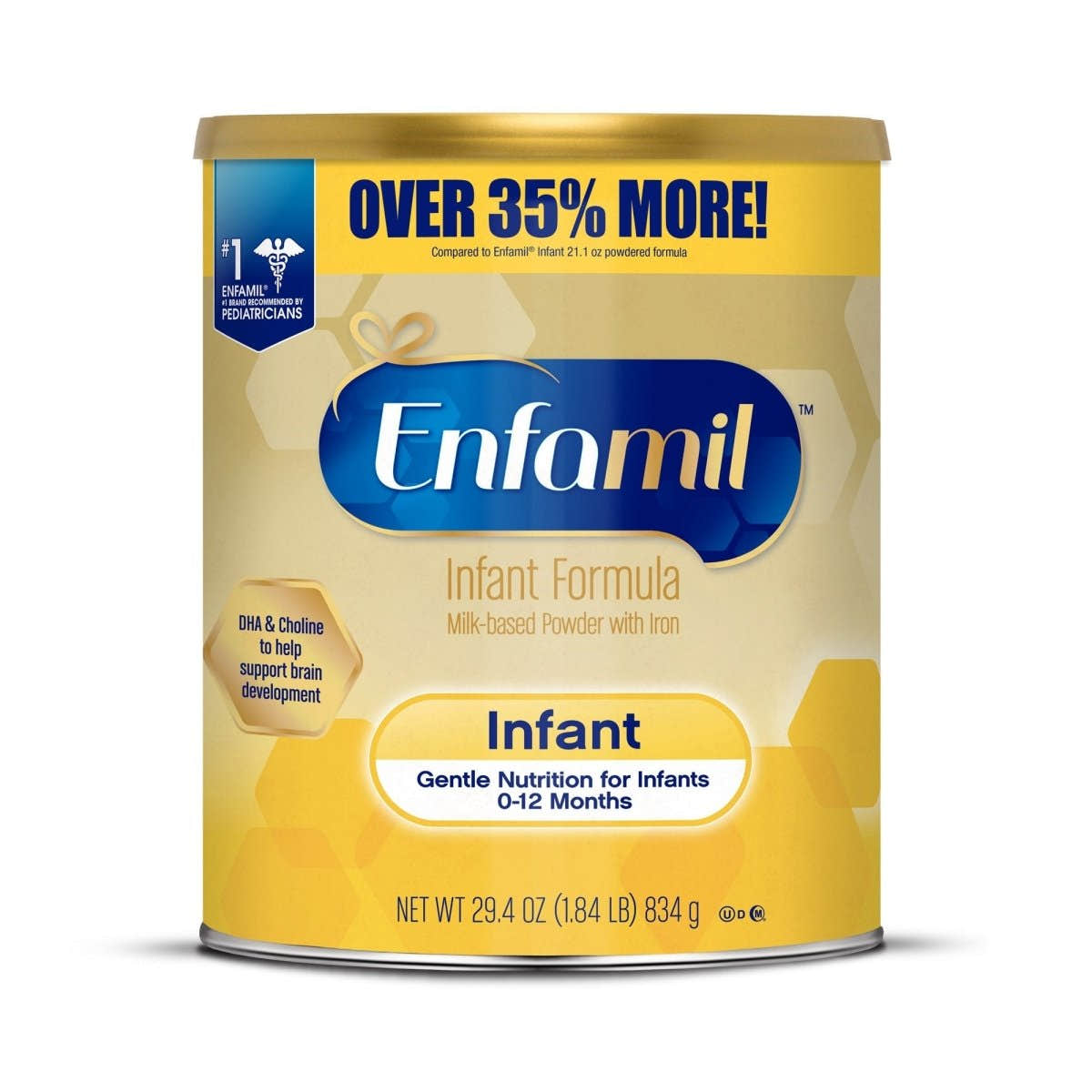
Enfamil Powder Infant Formula, 30 oz. Can - 1143062_CN - 1
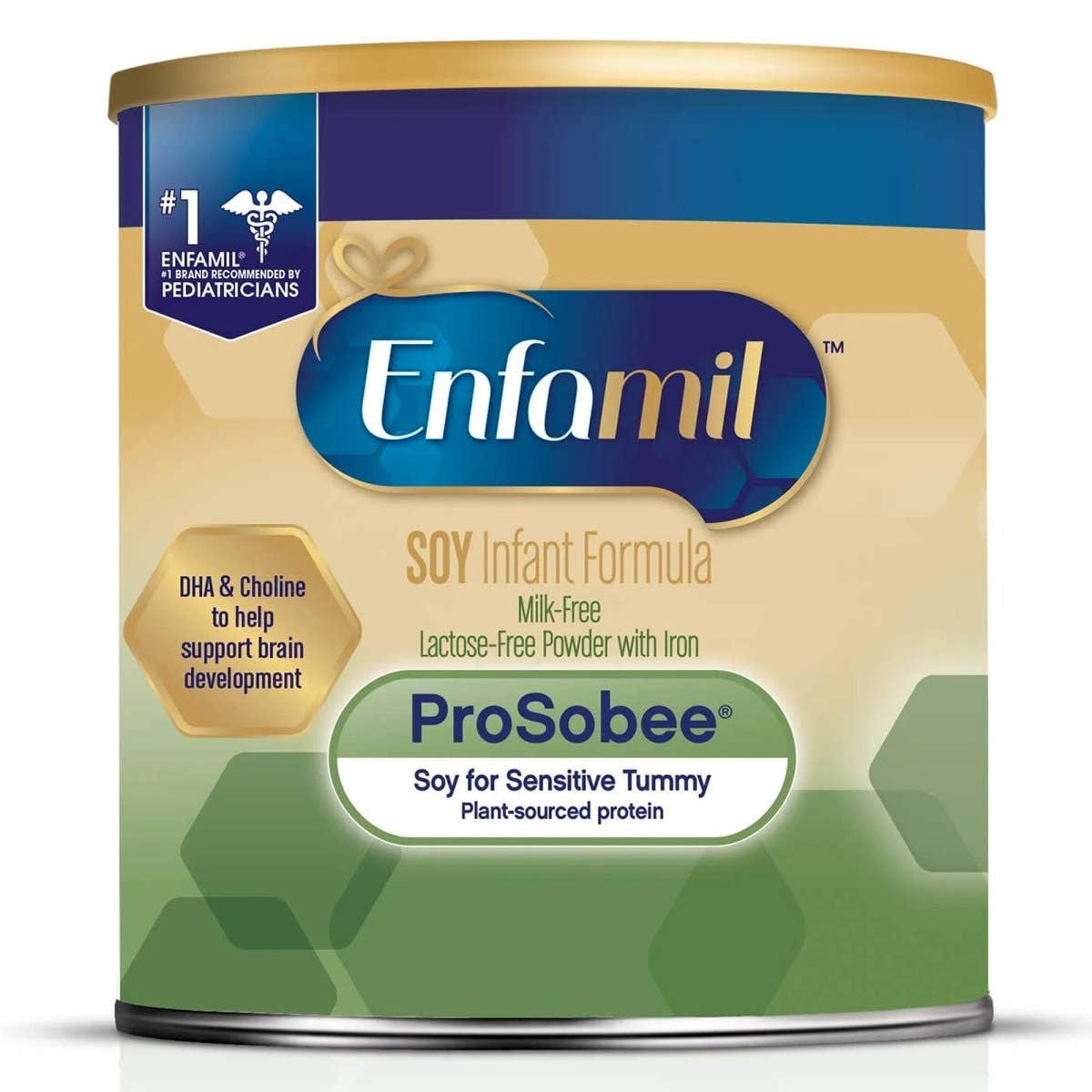
Enfamil ProSobee Powder Infant Formula, 20.9 oz. Can - 1162590_CS - 1

Frequently Asked Questions about Nutritional Powders

Nutritional powders are concentrated dietary supplements designed to support specific health needs, including infant feeding, toddler growth, amino acid supplementation, and protein intake. Nutritional powders can be mixed with liquids or foods to deliver targeted nutrients when whole-food sources alone are not enough to meet a person's requirements.

Nutritional powders are designed for a wide range of individuals, including newborns and infants who need formula-based feeding, toddlers requiring growth support, and people with specific medical or dietary needs such as amino acid deficiencies or low protein intake. A pediatrician or dietitian can help determine which type is appropriate.

Start by identifying your infant's specific dietary needs, such as sensitivity to soy, cow's milk protein intolerance, or a need for amino acid-based feeding. Nutritional powders for infants come in standard, gentle, soy-based, and amino acid-based formulas, so consulting a pediatrician before switching or starting a new formula is strongly recommended.

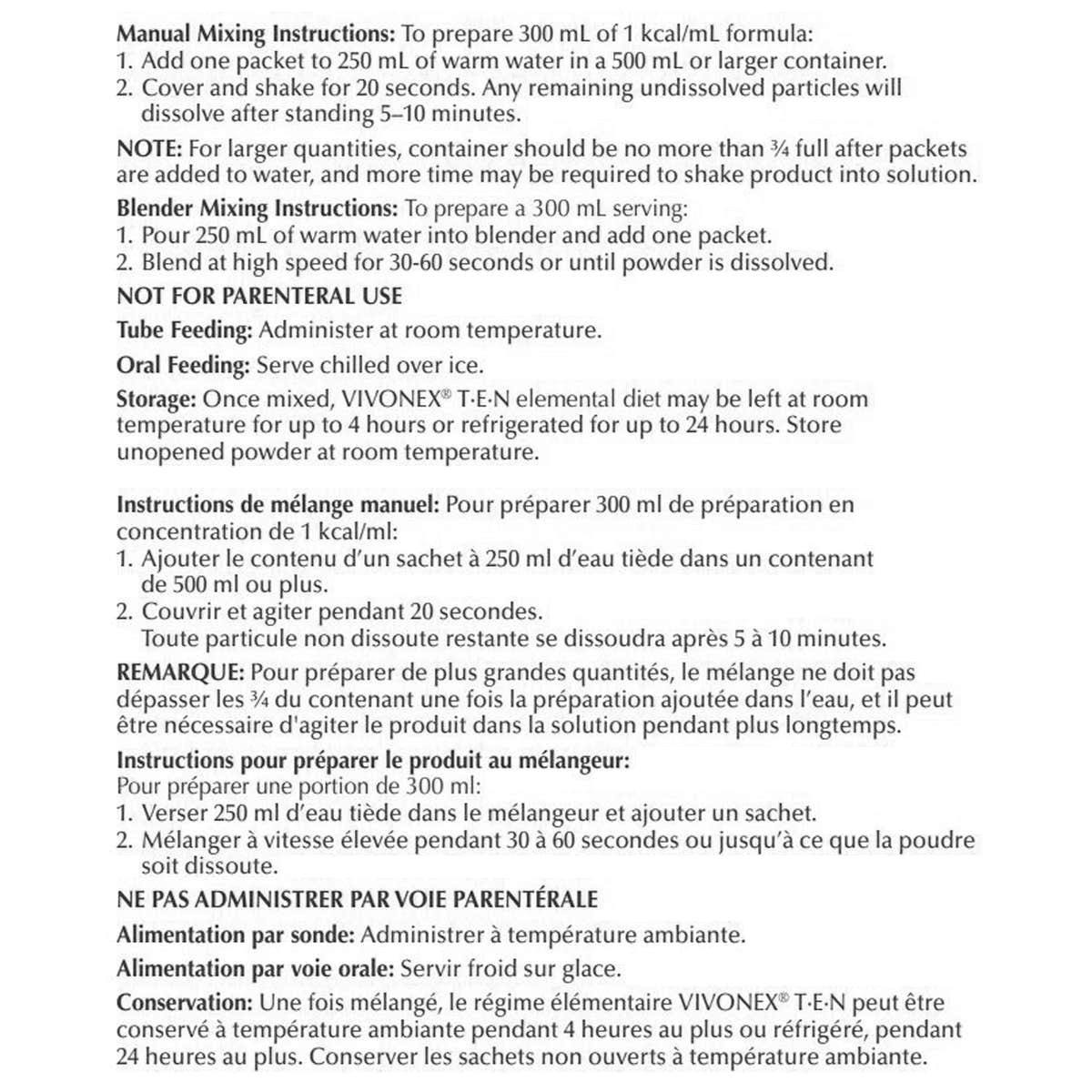
Mix nutritional powders with the amount of water or liquid specified on the product label, using a clean measuring scoop to ensure the correct concentration. Using too much or too little powder can affect nutrient delivery, so always follow the manufacturer's mixing instructions and never substitute water with other beverages unless directed by a healthcare provider.

Standard nutritional powders are made from whole or partially broken-down proteins, while amino acid-based nutritional powders contain free-form amino acids that require no further digestion, making them suitable for individuals with severe protein allergies or malabsorption conditions. Amino acid-based formulas are typically recommended by a physician for specific medical indications.

Yes, some nutritional powders are formulated to serve as a sole or primary source of nutrition, particularly infant formulas designed to replace or supplement breast milk. However, not all nutritional powders are intended as complete meal replacements, so checking the product label and consulting a healthcare provider is important before using any powder as a primary food source.

Nutritional powders formulated specifically as infant formula are considered safe for newborns when prepared and used according to label instructions. Infant nutritional powders are developed to meet established nutritional standards for early feeding, but caregivers should always verify that the formula type matches the infant's age range and any medical conditions before use.

Because individual dietary needs vary significantly across age groups and health conditions, nutritional powders are available in many formulations to address those differences. Infants, toddlers, and adults each have distinct nutrient requirements, and conditions like food allergies, metabolic disorders, or protein deficiency may require specialized powder formulations that standard options cannot address.

Store nutritional powders in a cool, dry place with the lid tightly sealed to prevent moisture and contamination. Most nutritional powders should be used within the timeframe printed on the packaging after opening, and prepared liquid formula should be refrigerated and consumed within 24 hours rather than stored at room temperature.

Nutritional powders generally offer a more cost-effective and portable option compared to ready-to-feed liquid formulas, since they require mixing with water before use. Ready-to-feed formulas are more convenient for travel or situations where clean water is unavailable, but nutritional powders typically provide more servings per package and are easier to store in larger quantities.

Recently viewed