Your privacy matters to us! By using our site, you agree to the collection and use of your Personal Information as described in our Privacy Policy.
Patient Safety
57 products
Showing 49 - 57 of 57 products
Patient Safety Supplies: Fall Protection, Alarms & Bathroom Safety
This collection brings together equipment designed to help caregivers, healthcare facilities, and families create safer environments for individuals who may be at risk of falls or need closer monitoring. From bed and chair alarm sensor pads to floor protection mats and bathroom safety aids, every product here serves a practical, proactive role in a well-planned care setting.
Bed alarm sensor pads: Placed on the mattress surface, these pads alert caregivers when a patient shifts or exits the bed. Options include the McKesson Bed Alarm Sensor Pad and moisture-resistant models from Protech, suited for a range of care environments.
Chair alarm sensor pads: Designed for use in wheelchairs or standard chairs, these pads trigger an alert when a seated individual begins to rise unsupported. The Stanley Standard Fall Management Chair Sensor Pad is a widely used example in this category.
Complete alarm systems: For facilities or home caregivers who need an all-in-one solution, systems like the UMP Economy Alarm System and the UMP Deluxe Alarm System pair a monitor unit with compatible sensor pads.
Floor protection mats: Placed bedside or alongside chairs, cushioned fall mats from brands like SafetyCare and FlatMat help reduce impact in the event of an unassisted exit.
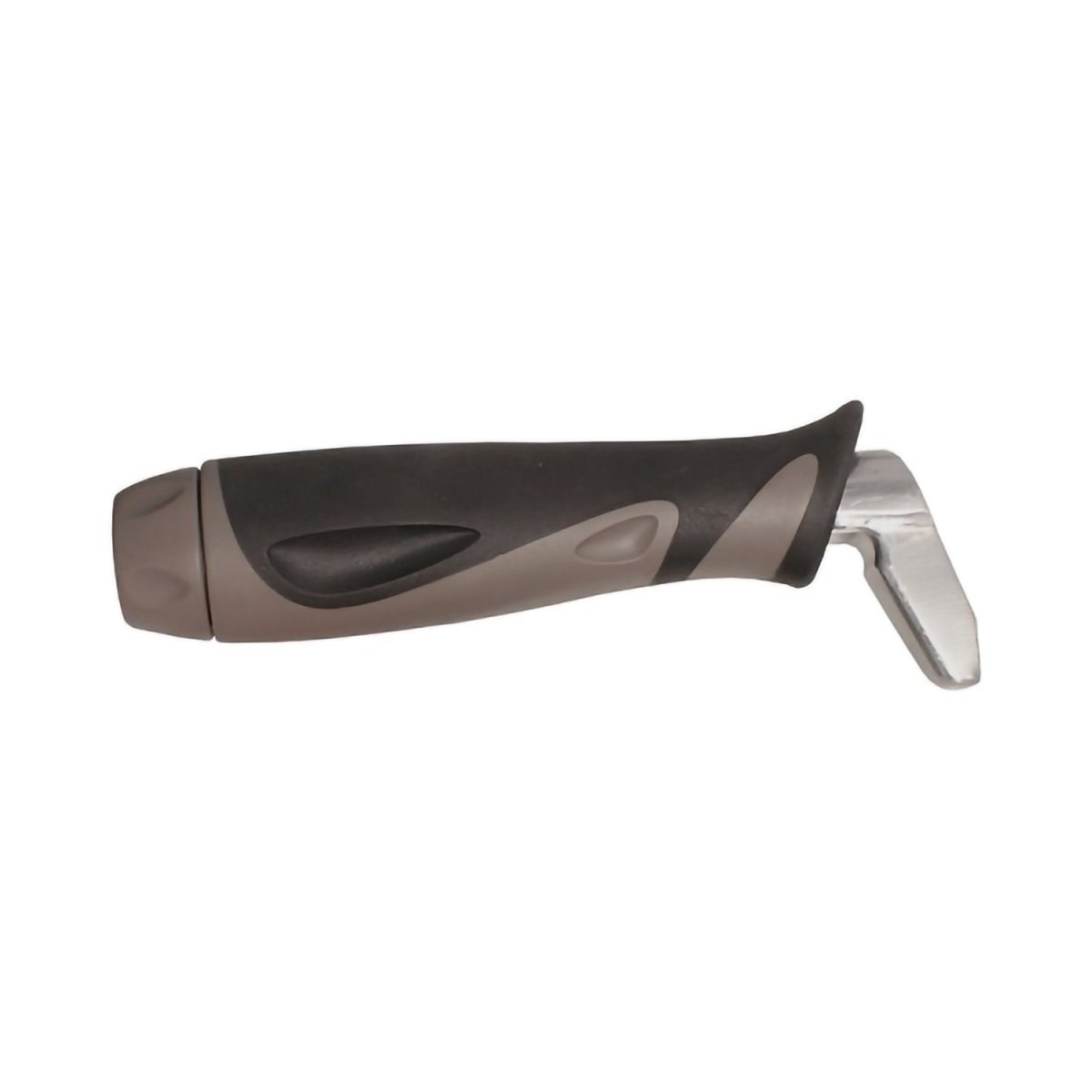
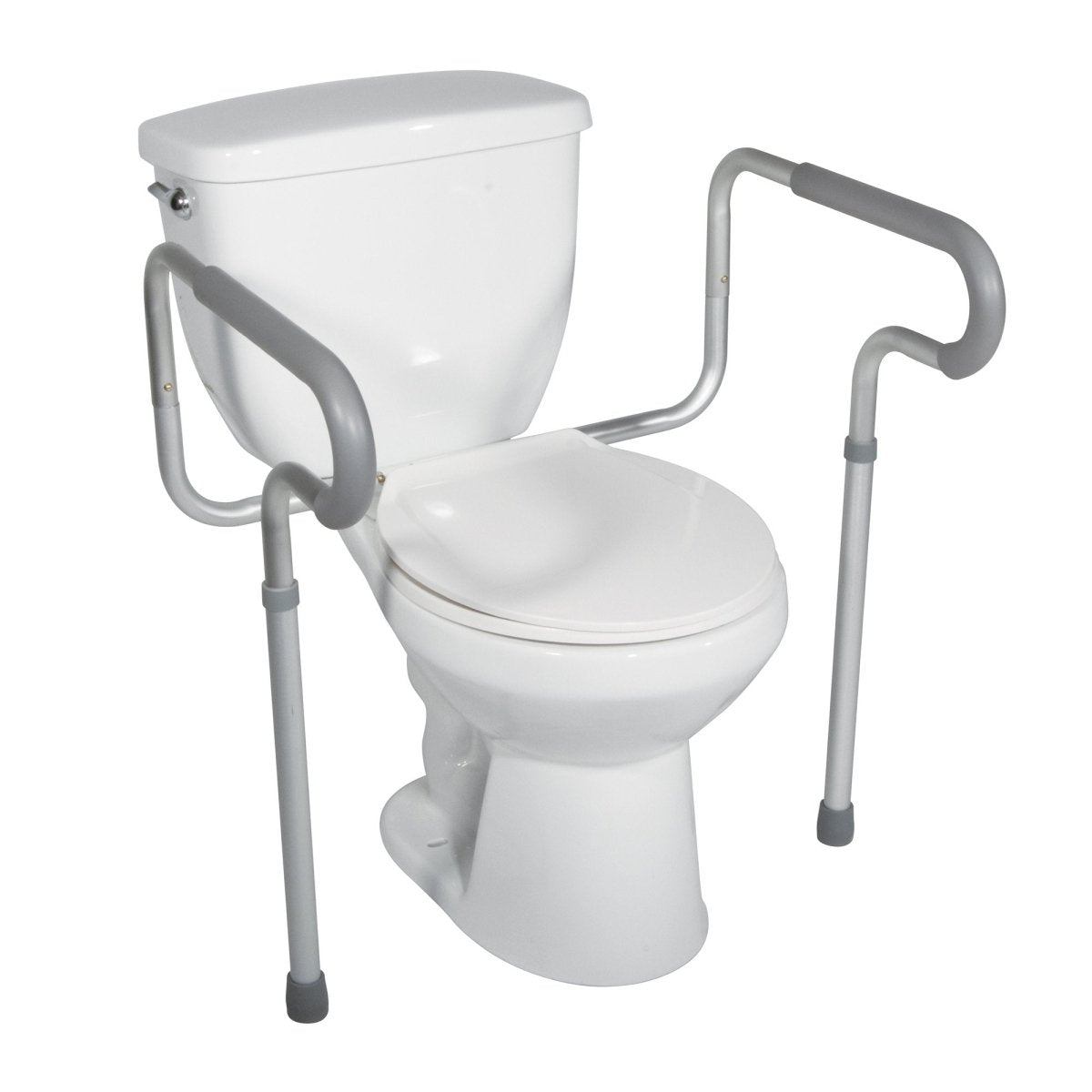
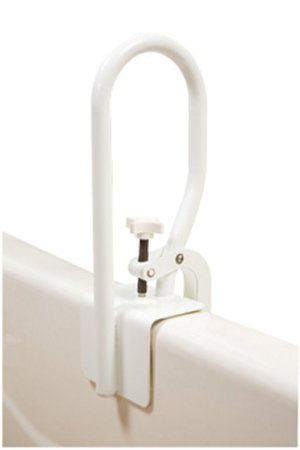
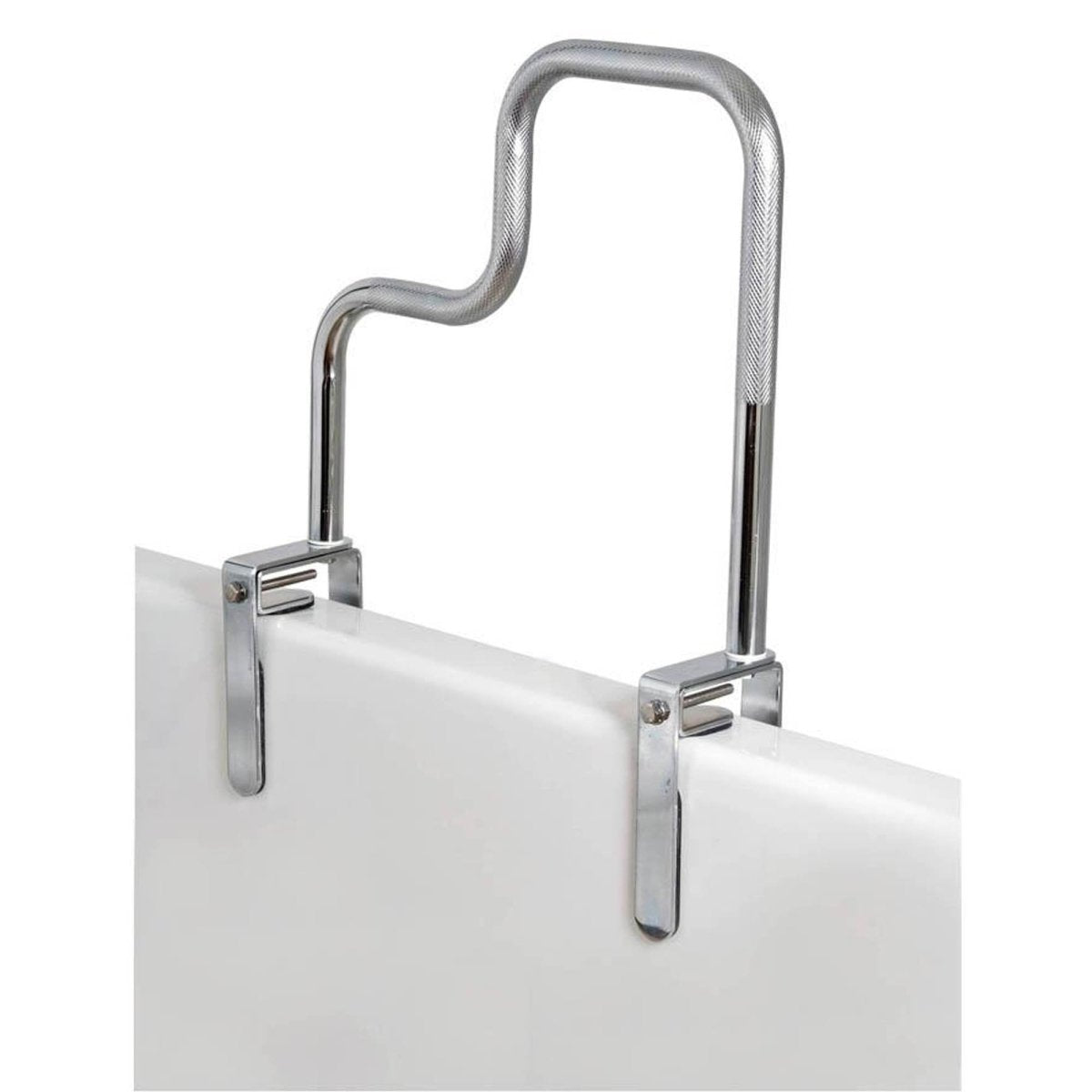
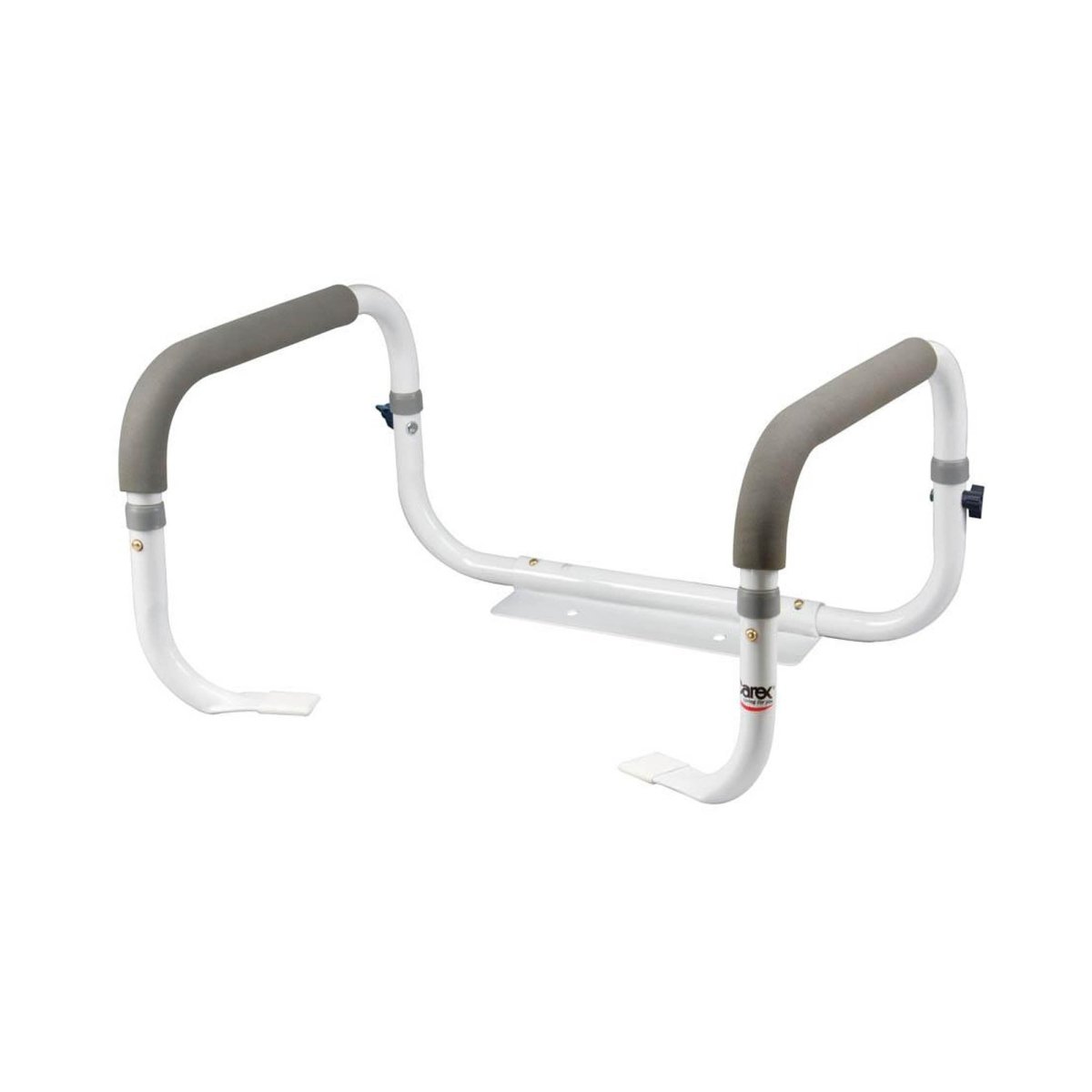
Bathroom safety products: Shower stools, grab bars, and related accessories support safer movement in high-risk bathroom environments.
Replacement accessories: Spare sensor pads, wristband straps, and other replacement parts keep existing alarm systems functioning reliably over time.
How to Choose the Right Product
The right combination of products depends on the care setting and the level of monitoring needed. Here are a few practical considerations:
Setting: Clinical environments such as hospitals and long-term care facilities often benefit from durable, moisture-resistant sensor pads and multi-zone alarm systems. Home care settings may call for simpler, easy-to-operate options like the SkiL-Care Econo Alarm System.
Compatibility: If you already own an alarm monitor, check that any sensor pad or accessory is compatible with your existing unit before purchasing. Many brands offer dedicated replacement pads for their systems.
Surface type: Bed sensor pads and chair sensor pads are distinct products built for different furniture. Make sure you're selecting the correct type for your intended use.
Moisture resistance: For higher-acuity care environments, moisture-resistant sensor pads offer added durability and easier maintenance.
Trusted Brands in This Collection
Products here come from established suppliers in the patient safety space, including McKesson, Skil-Care, UMP, Protech, SafetyCare, FlatMat, Fall Savers, and FreedomAlert. Each brand brings its own design approach, so reviewing individual product details can help caregivers and procurement teams identify the best fit. When in doubt, consulting with a healthcare professional or facility safety coordinator is always a sound step.
Frequently Asked Questions about Patient Safety
Patient safety alarms are electronic monitoring devices that alert caregivers when a patient moves, stands, or leaves a bed, chair, or room without assistance. These alarms help prevent falls by triggering an audible alert the moment unexpected movement is detected, giving staff or family members time to respond before an injury occurs.
Fall protection mats and bed alarm sensor pads are designed for elderly individuals, post-surgical patients, and anyone with a high risk of falling due to mobility limitations, cognitive impairment, or medication side effects. These products are commonly used in nursing homes, hospitals, rehabilitation centers, and private homes where caregivers need an extra layer of safety monitoring.
Place the bed alarm sensor pad flat on the mattress beneath the patient, then connect the pad to the alarm monitor unit according to the manufacturer's instructions. Make sure the pad is positioned under the area of the body that will shift when the patient attempts to get up, and test the alarm before leaving the patient unattended.
Chair alarm sensor pads are sized and shaped to fit on a seat cushion and detect when a patient rises from a chair, while bed alarm sensor pads are larger and designed to lie flat on a mattress to sense when a patient shifts weight or exits the bed. Using the correct pad type for the intended surface ensures accurate detection and fewer false alarms.
Fall protection mats reduce injury risk by providing a cushioned surface beside a bed or chair that absorbs impact if a patient falls before a caregiver can respond. These mats are typically placed on the floor in high-risk areas and work as a passive safety backup alongside alarm systems to minimize the severity of fall-related injuries.
No, not all alarm sensor pads are universally compatible with every alarm monitor system, as connector types and sensitivity settings can vary between brands and product lines. Before purchasing a replacement or additional sensor pad, check that the pad's connector matches the specific alarm monitor unit being used to ensure proper function.
Because the bathroom is one of the highest-risk areas in the home for falls, with wet surfaces, limited space, and the physical demands of bathing and toileting creating dangerous conditions for older adults and those with limited mobility. Bathroom safety products like grab bars, shower stools, and non-slip accessories help patients maintain independence while significantly reducing the chance of a serious fall.
Wipe down a moisture-resistant sensor pad with a damp cloth and a mild disinfectant approved for use on electronic medical accessories, then allow the pad to air dry completely before placing it back in use. Avoid submerging the pad in water or using harsh chemical sprays that could damage the internal sensors, and inspect the pad and cord regularly for signs of wear.
Yes, a patient safety alarm system is worth using at home for an elderly parent who has a history of falls, nighttime wandering, or difficulty calling for help in time. These systems provide caregivers with immediate notification of unsafe movement, which can prevent serious injuries and give families greater peace of mind without requiring constant in-person supervision.
When choosing between patient safety alarm systems, consider the intended setting, whether the patient is in a bed or chair, the alarm volume needed, and whether the system requires a wired sensor pad or offers wireless monitoring. Also look at whether the alarm monitor is portable or stationary, and confirm that replacement sensor pads are readily available for the model you select.
Do you still have questions about Patient Safety?
If we still haven't answered your question, you can contact us by live chat or email and we will get back to you as soon as possible.