Your privacy matters to us! By using our site, you agree to the collection and use of your Personal Information as described in our Privacy Policy.
Safety and Grab Bars
28 products
Showing 25 - 28 of 28 products
Safety and Grab Bars: Steady Support for Bathrooms, Toilets, and Beds
Safety and grab bars are practical, everyday aids designed to provide a reliable point of support wherever it matters most — stepping into a tub, rising from a toilet, or getting in and out of bed. Cart Health carries a range of options from trusted brands including Drive Medical, McKesson, Carex, Stander, Nova Ortho-Med, and more, so shoppers can find a style and mounting type that fits their space and routine.
Wall grab bars: Permanently mounted bars for high-traffic areas like showers and hallways. Options include knurled steel finishes for a firmer grip — such as the Drive Knurled Steel Wall Grab Bar — offering durable, long-term support.
Suction-cup grab bars: Tool-free bars that attach to smooth, non-porous surfaces without drilling. The Drive Suction-Cup Grab Bar is a popular choice for renters or those who need a flexible, repositionable solution.
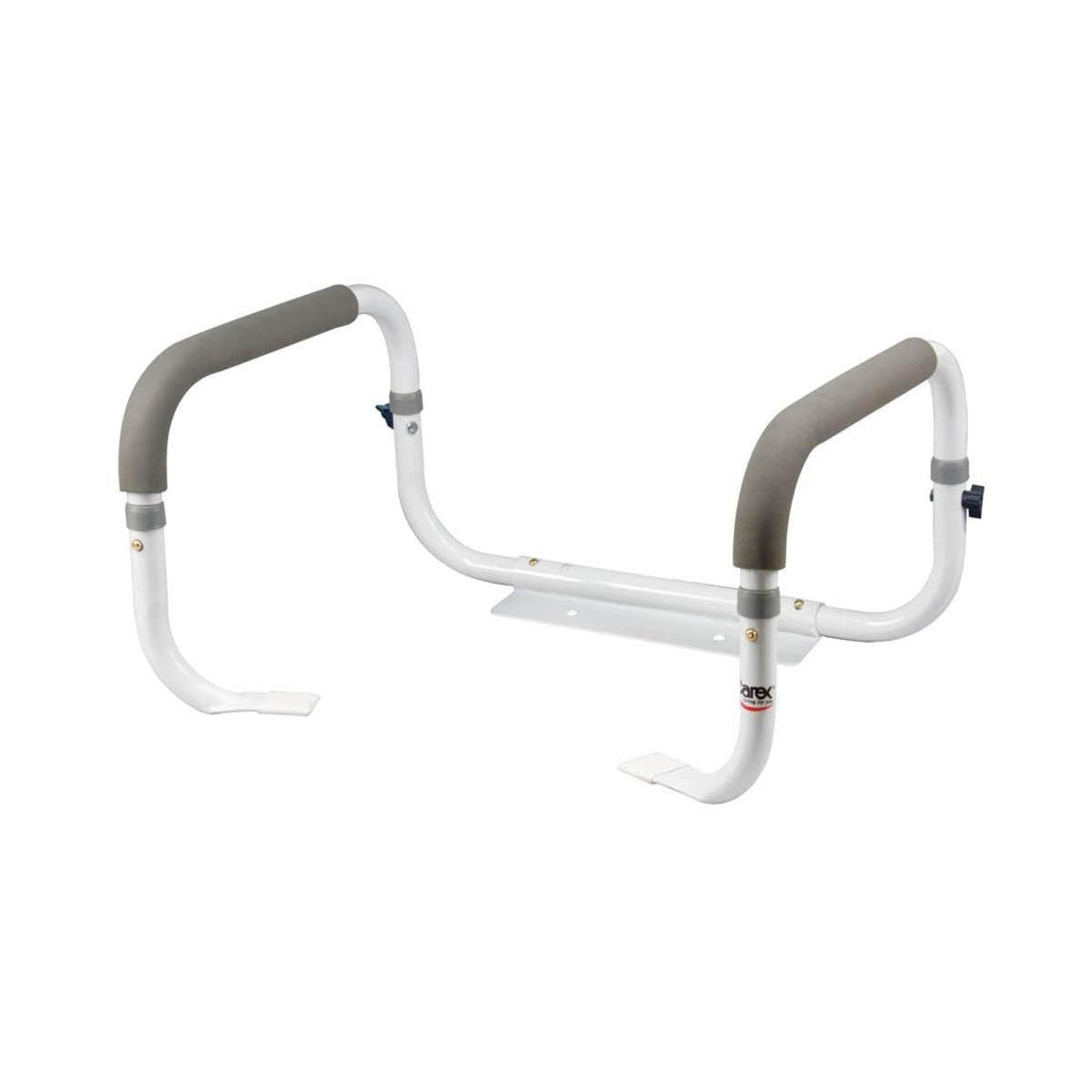
Toilet safety rails and frames: Freestanding or clamp-on frames that fit around most standard toilets to assist with sitting and standing. The Carex Toilet Safety Frame is a well-regarded example in this category.
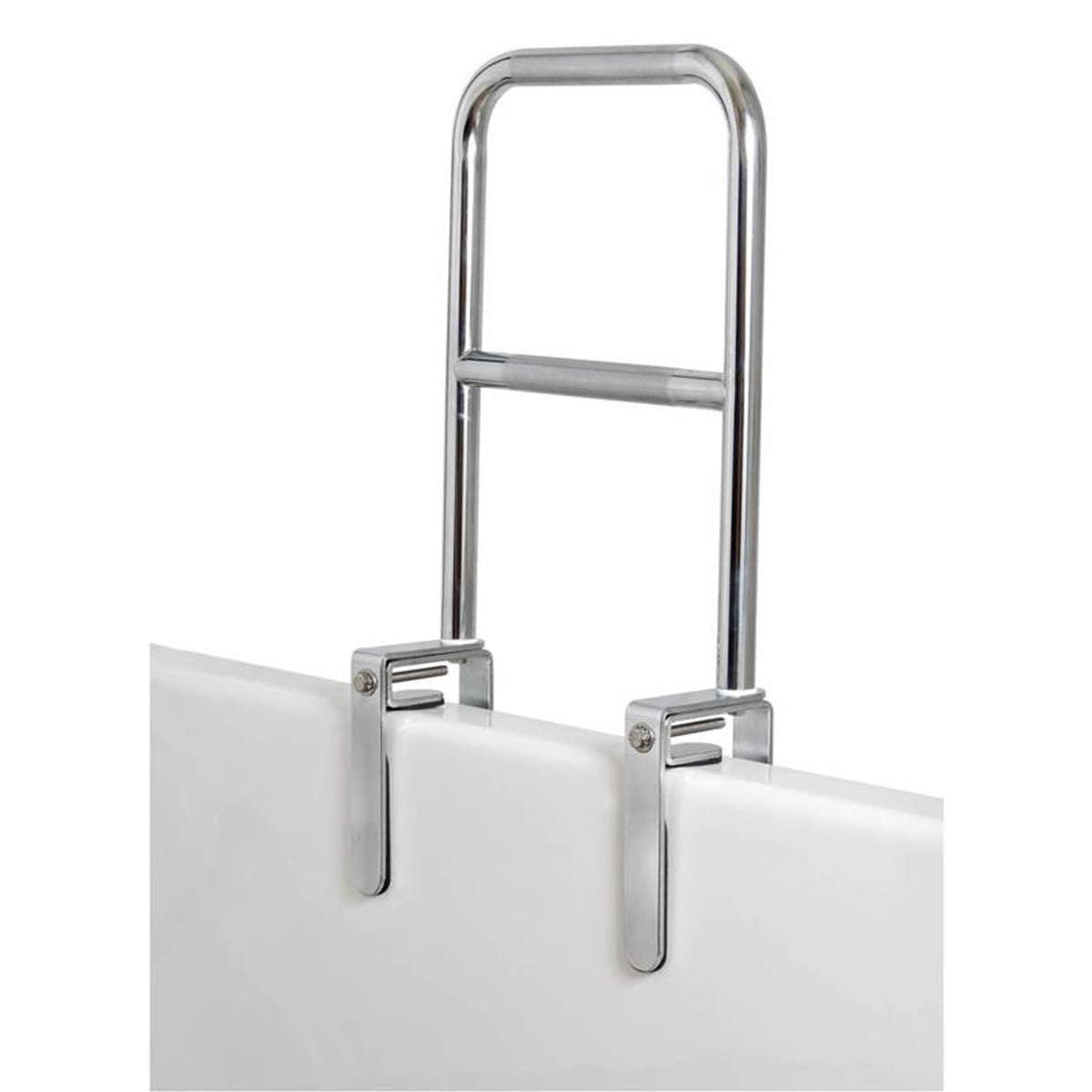
Bathtub grab bars: Bars shaped and sized specifically for tub edges, available in both suction-cup and wall-mount styles.
Bed support rails: Rails that attach to or slide under a mattress to assist with repositioning or transitioning in and out of bed. The Carex Standard Bed Support Rail is a straightforward option for standard bed frames.
Bath steps: Low-profile steps that make it easier to step over tub edges safely.
How to Choose the Right Bar or Rail
The best choice depends on where the support is needed and what kind of installation works for the space. Here are a few practical considerations:
Permanent vs. temporary installation: Wall-mounted bars generally offer the most stability and are ideal for a dedicated bathroom setup. Suction-cup models are better suited for travel or spaces where drilling isn't an option — keep in mind they require a clean, smooth surface to function correctly.
Location: Match the product type to the area — toilet rails for commode support, bathtub bars for tub entry, bed rails for bedroom assistance. Each is engineered differently for its intended use.
Material and finish: Steel bars tend to be more rigid and durable; plastic or aluminum options may be lighter and easier to reposition. Knurled textures add grip in wet conditions.
Weight capacity and sizing: Review the individual product specifications carefully to confirm the bar or rail is appropriate for the intended user and space dimensions.
Brands You Can Rely On
Every product in this collection comes from established medical supply brands — Drive Medical, McKesson, Carex, Stander, Nova Ortho-Med, Mabis Healthcare, and The Comfort Company — known for building equipment to consistent quality standards. When in doubt about which product is the right fit for a specific situation, consulting an occupational therapist or healthcare professional can help narrow down the most appropriate choice.
Frequently Asked Questions about Safety and Grab Bars
Safety and grab bars are bathroom and bedroom aids designed to give people a stable handhold when sitting, standing, or moving around areas where falls are most likely to happen. Grab bars reduce the risk of slipping on wet surfaces and help people maintain independence during daily activities like bathing, using the toilet, and getting in and out of bed.
Safety and grab bars are designed for older adults, people recovering from surgery, and anyone living with a disability, balance issue, or limited mobility. They are also a smart precaution for anyone who has experienced a fall or feels unsteady in the bathroom or bedroom, regardless of age.
Start by locating wall studs or using appropriate wall anchors rated for the expected load before mounting a wall grab bar. Position the bar at a height and angle that feels natural to grip during the specific movement you need support for, and always follow the manufacturer's weight capacity guidelines to ensure the bar holds securely.
Suction-cup grab bars attach to smooth, non-porous surfaces without tools or permanent hardware, making them a portable and renter-friendly option, while wall-mounted grab bars are anchored directly into the wall and generally support higher weight capacities with greater long-term stability. The right choice depends on whether you need a permanent solution or a temporary, movable one.
Choosing the right grab bar depends on where you need support, the surface type available, and the user's weight and grip strength. Wall grab bars work best for permanent installations in tiled showers and tubs, while suction-cup grab bars suit smooth surfaces and temporary needs, and toilet safety rails are specifically designed to assist with sitting and standing.
Yes, most properly installed wall grab bars are rated to support the full weight of an adult, though weight capacity varies by product and installation method. Always check the specific weight limit listed for the grab bar you choose, and ensure wall-mounted models are secured into studs or with appropriate anchors to achieve the rated capacity.
Safety grab bars are commonly made from steel, aluminum, or plastic, with steel and aluminum options offering the highest strength and durability for permanent wall installations. Many grab bars feature a knurled or textured grip surface to reduce slipping, and some include a rust-resistant finish suited for wet bathroom environments.
Safety and grab bars are a worthwhile investment for home use because they significantly lower the risk of falls, which are one of the leading causes of injury among older adults. Compared to the cost of a fall-related injury or hospital stay, grab bars are an affordable, practical modification that supports independence and peace of mind.
Clean grab bars regularly with a mild soap and water solution, wiping down the grip surface to remove soap residue, moisture, and any buildup that could make the bar slippery. For suction-cup grab bars, periodically remove and reattach the suction cups to verify the seal is still strong, and inspect all bar styles for signs of loosening or corrosion.
Grab bars should be placed at the specific points where a person transitions between positions, such as along the side of the bathtub, inside the shower, and beside the toilet. The ideal height and angle will vary by the user, so positioning grab bars where they can be reached without overreaching or leaning provides the most effective fall prevention support.
Do you still have questions about Safety and Grab Bars?
If we still haven't answered your question, you can contact us by live chat or email and we will get back to you as soon as possible.