Heading home after a surgical procedure is a major milestone in your recovery journey. Whether you are managing your own recovery or helping a loved one as a family caregiver, caring for a healing incision can feel like a significant responsibility. However, performing proper post-surgical wound care is one of the most important steps you can take to prevent complications, support your body's natural healing process, and get back to your daily routine safely. According to the Centers for Disease Control and Prevention (CDC), taking the right steps to care for your surgical site at home significantly reduces the risk of developing a surgical site infection (SSI). This guide will walk you through the essential supplies, step-by-step instructions, and safety precautions you need to navigate this process with confidence and peace of mind.
Understanding Your Healing Incision
A post-op incision is a precise cut made by a surgeon that is typically closed with sutures (stitches), staples, skin glue, or adhesive strips. According to the National Institutes of Health (NIH), wound healing occurs in several overlapping phases, and understanding these phases can help ease your mind during recovery.
First, during the inflammatory phase (which lasts a few days), your body sends white blood cells to protect the area. This may cause some mild redness, swelling, and tenderness around the cut. Next, during the proliferative phase, your body begins to rebuild tissue and blood vessels, which often results in a light pink color and some itching. Finally, the remodeling phase is when the skin strengthens, and a scar gradually forms. Recognizing these natural stages of healing helps you understand what is normal and what might require a call to your surgeon.
Choosing the Right Wound Dressings for Recovery
There are many different types of wound dressings available, and the right one for you depends on your specific surgery, the location of the incision, and how much fluid the wound is draining. When you are discharged from the hospital, your surgical team will provide instructions on which types to use. Understanding the options can help you feel more comfortable managing your supplies:
- Gauze Dressings: The most traditional option, woven from cotton or synthetic fibers. They are highly breathable and versatile, making them excellent for protecting wounds and absorbing light drainage.
- Non-Adherent (Non-Stick) Dressings: These have a special coating that prevents the dressing from sticking to the wound bed. This is crucial for delicate, fresh incisions, as it prevents pain and tissue damage when you remove the pad.
- Transparent Film Dressings: Clear, thin sheets that allow caregivers and doctors to see the wound without removing the dressing. They are water-resistant but allow oxygen to pass through, keeping the skin healthy.
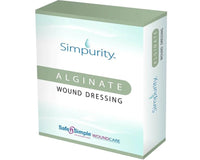
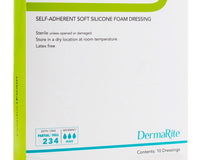
- Hydrocolloid and Foam Dressings: Often used for wounds with moderate to heavy drainage, these advanced dressings absorb fluid while maintaining a moist healing environment, which can help minimize scarring.
Essential Supplies to Gather
Before you begin, it is vital to have all your tools organized and ready. Your discharge paperwork from the hospital will outline exactly what your surgeon recommends. Generally, having a well-stocked home care kit prevents unnecessary stress and ensures you can maintain a clean environment. Here are the essential supplies you should gather:
- Sterile Gauze Pads: Used for cleaning the wound and absorbing any drainage.
- Medical Tape: Keeps the gauze in place. Choose gentle paper tape or silicone tape if you have sensitive or fragile skin.
- Disposable Gloves: Medical-grade gloves help maintain a clean environment and protect both the patient and caregiver from bacteria.
- Sterile Saline Solution: Often recommended by healthcare professionals for gently rinsing and cleaning the wound.
- Clean Scissors: For cutting tape or gauze. These should be wiped with rubbing alcohol before each use.
- A Clean Waste Bag: Keep a small plastic bag nearby to immediately discard dirty dressings and gloves.
Step-by-Step Guide to Post-Surgical Wound Care at Home
Changing a surgical dressing can feel intimidating, but following a consistent, clean routine will help protect the healing tissue. Here is a step-by-step guide to help you perform this task safely and comfortably.
Step 1: Clean and Prepare Your Workspace
Choose a clean, flat surface, such as a freshly wiped table or countertop. Avoid high-traffic areas or spaces near open windows where dust and pet hair might circulate. Wipe down the surface with a household disinfectant, and lay down a clean paper towel or a clean cloth to place your unopened supplies on.
Step 2: Wash Your Hands Thoroughly
Hand hygiene is the single most effective way to prevent infection. According to the CDC, you should wash your hands with warm water and soap for at least 20 seconds. Be sure to scrub between your fingers, under your fingernails, and up your wrists. Dry your hands with a clean paper towel, and use that towel to turn off the faucet so you do not recontaminate your hands.
Step 3: Put on Gloves and Remove the Old Dressing
Slip on a pair of clean, disposable gloves. Gently peel back the tape of the old dressing, pulling in the direction of hair growth to minimize discomfort. Support the skin with your other hand to prevent pulling. If the dressing is stuck, do not rip it off. If your doctor allows it, you can moisten the edges with sterile saline to help loosen it. Carefully lift the dressing away and discard it in your plastic waste bag.
Step 4: Inspect the Wound and Remove Gloves
Take a moment to look at the incision. Note any changes in color, swelling, or the amount and color of any fluid on the old dressing. Once inspected, peel off your gloves by pulling them inside out, discard them in the waste bag, and wash your hands again with soap and water.
Step 5: Clean the Incision Gently
If your surgeon has instructed you to clean the wound, put on a fresh pair of gloves. Wet a sterile gauze pad with sterile saline solution or clean, soapy water as directed by your healthcare provider. Gently pat the incision from the center outward, or from top to bottom. Never scrub, rub, or pick at the incision, as this can break open the healing skin or pull out stitches. Use a new gauze pad for each wipe to avoid spreading bacteria.
Step 6: Apply the New Dressing
Open your new, sterile wound dressings carefully, touching only the outer edges to keep the sterile side clean. Place the dressing directly over the incision. Secure it in place with medical tape on all four sides to create a secure, protective seal.
Step 7: Clean Up and Wash Hands Again
Place all used supplies, including gloves, tape backings, and packaging, into your trash bag and tie it closed. Wash your hands one final time with soap and water. Document the date and time of the dressing change, along with any observations, in a recovery log.
Supporting Healing from the Inside Out
Proper post-surgical wound care is not just about what you put on the outside of your body; it is also about how you care for yourself on the inside. Your body requires extra energy and nutrients to rebuild tissue and repair blood vessels during the recovery period.
- Stay Hydrated: Drinking plenty of water is essential for maintaining blood circulation, which delivers vital oxygen and nutrients to your healing incision.
- Eat a Balanced Diet: According to the NIH, protein is the building block of new tissue. Ensure you are eating enough lean proteins, like chicken, fish, beans, or tofu. Vitamins A and C, along with zinc, are also critical for skin repair.
- Manage Chronic Conditions: If you have diabetes, managing your blood sugar is vital. The American Diabetes Association (ADA) notes that high blood sugar levels can slow down the healing process and increase the risk of infection. Work closely with your doctor to keep your blood sugar in your target range during recovery.
- Avoid Smoking: Nicotine constricts blood vessels, reducing the amount of oxygen that reaches your wound. Avoiding smoking during your recovery can dramatically improve your healing outcomes.
Common Mistakes in Post-Surgical Wound Care
Even with the best intentions, it is easy to make mistakes during home recovery. Avoiding these common pitfalls can protect your skin and speed up your recovery:
- Using Harsh Antiseptics: Many people believe that rubbing alcohol, hydrogen peroxide, or iodine are good for wound care. However, the NIH notes that these harsh chemicals can actually damage new, healthy cells and delay the healing process. Stick to sterile saline or plain water unless your doctor specifically prescribes an antiseptic.
- Picking at Scabs or Peeling Skin: Scabs are your body's natural bandages. Picking them off exposes the raw tissue to bacteria and increases the risk of scarring. Let scabs fall off naturally.
- Letting the Wound Dry Out Completely (Unless Instructed): While some incisions need to be kept dry, many heal faster when kept slightly moist under a proper dressing. Follow your surgeon's specific instructions regarding moisture.
- Taking Baths or Swimming Too Soon: Submerging your incision in water (like in a bathtub, pool, or hot tub) introduces bacteria into the wound. Stick to sponge baths or showers as approved by your surgical team.
When to Call Your Doctor
While some mild redness and clear or light-pink fluid are normal in the first few days after surgery, you must monitor the incision closely for signs of infection. Contact your healthcare provider immediately if you notice any of the following symptoms:
- An increase in redness, swelling, or warmth around the incision.
- Pus or thick, yellow, green, or foul-smelling drainage.
- A fever (typically 101°F or higher, or as specified by your surgeon).
- Incision edges that are pulling apart or gaping open.
- Pain that is worsening over time and not relieved by your prescribed pain medication.
- Stitches or staples that break or fall out too early.
Never hesitate to reach out to your care team. It is always better to ask a question and have peace of mind than to let a potential infection go untreated.
How often should I change my post-surgical dressing?
The frequency of dressing changes depends on your surgeon's instructions and the type of wound. Some dressings need to be changed daily, while others can stay in place for several days. Always follow your discharge instructions, and change the dressing immediately if it becomes wet, dirty, or loose.
Can I shower with a post-surgical wound?
You should only shower once your surgeon gives you permission, which is typically 24 to 48 hours after surgery. When showering, do not let the stream of water hit the incision directly, and do not scrub the area. Gently pat the incision dry with a clean towel afterward. Avoid soaking in baths, hot tubs, or swimming pools until the wound is completely closed.
Is it normal for a surgical wound to itch?
Yes, mild itching is a very common and normal part of the healing process. It usually occurs during the proliferative phase as new skin cells grow and nerves begin to recover. However, you should avoid scratching the area, as this can introduce bacteria or open the wound. If the itching is accompanied by severe redness, swelling, or a rash, contact your doctor.
What should a healing incision look like?
A healing incision should gradually look less red and swollen over time. The edges should stay clean and closed together. You may notice some light pink color and small amounts of clear or slightly yellow fluid in the first few days, which is normal. Over several weeks, the incision will close completely and fade into a scar.
This article is for general educational purposes and is not medical advice. Always consult your healthcare provider for guidance specific to your situation.