Recovering from a major operation is a journey that requires patience, rest, and careful planning. While your body needs time to heal, staying still for long periods can increase your risk of developing a serious medical issue: a blood clot. Understanding the steps for preventing blood clots after surgery is one of the most important parts of your recovery plan. According to the Centers for Disease Control and Prevention (CDC), blood clots are a highly preventable complication of surgery, yet they remain a leading cause of hospital readmissions. By taking proactive steps at home, you and your caregivers can protect your health, manage recovery symptoms like swelling and edema (fluid buildup), and support a smooth, safe recovery.
Why Surgery Increases Your Risk of Blood Clots
During and after surgery, your body's natural healing processes are highly active. However, several factors combine to increase the risk of a blood clot, specifically a condition called Deep Vein Thrombosis (DVT). A DVT is a blood clot that forms in a deep vein, most commonly in your lower legs, thighs, or pelvis.
According to the National Institutes of Health (NIH), surgery increases this risk for three main reasons:
- Reduced Movement: When you are asleep during surgery or resting in bed afterward, your calf muscles are not contracting to pump blood back up to your heart. This causes blood flow to slow down, or "pool," in your lower extremities.
- Blood Vessel Damage: The surgical procedure itself can sometimes cause minor, temporary damage to nearby blood vessels, which can trigger the body's natural clotting response.
- Changes in the Blood: After surgery, your body naturally releases substances that help your blood clot to prevent excess bleeding at the incision site. While this is helpful for healing, it also makes your blood stickier and more likely to form unwanted clots inside your veins.
If a clot forms, it can block normal blood flow, leading to localized symptoms like swelling (edema) in the affected leg. More seriously, a piece of the clot can break off and travel through your bloodstream to your lungs. This is a life-threatening condition called a Pulmonary Embolism (PE). This is why learning the steps for preventing blood clots after surgery is so critical for every patient.
Your Guide to Preventing Blood Clots After Surgery
This practical guide provides step-by-step actions you can take at home to keep your blood flowing safely. Always follow the specific instructions provided by your surgical team, as every recovery plan is unique to the patient's health history and the type of surgery performed.
Step 1: Move as Soon and as Often as Allowed
Physical movement is the single most effective way to keep your blood circulating. When you walk, your calf muscles contract, acting as a natural pump to push blood back up toward your heart.
- Ask your doctor for clear guidelines: Before you leave the hospital, ask exactly when you can start walking and how often you should do so.
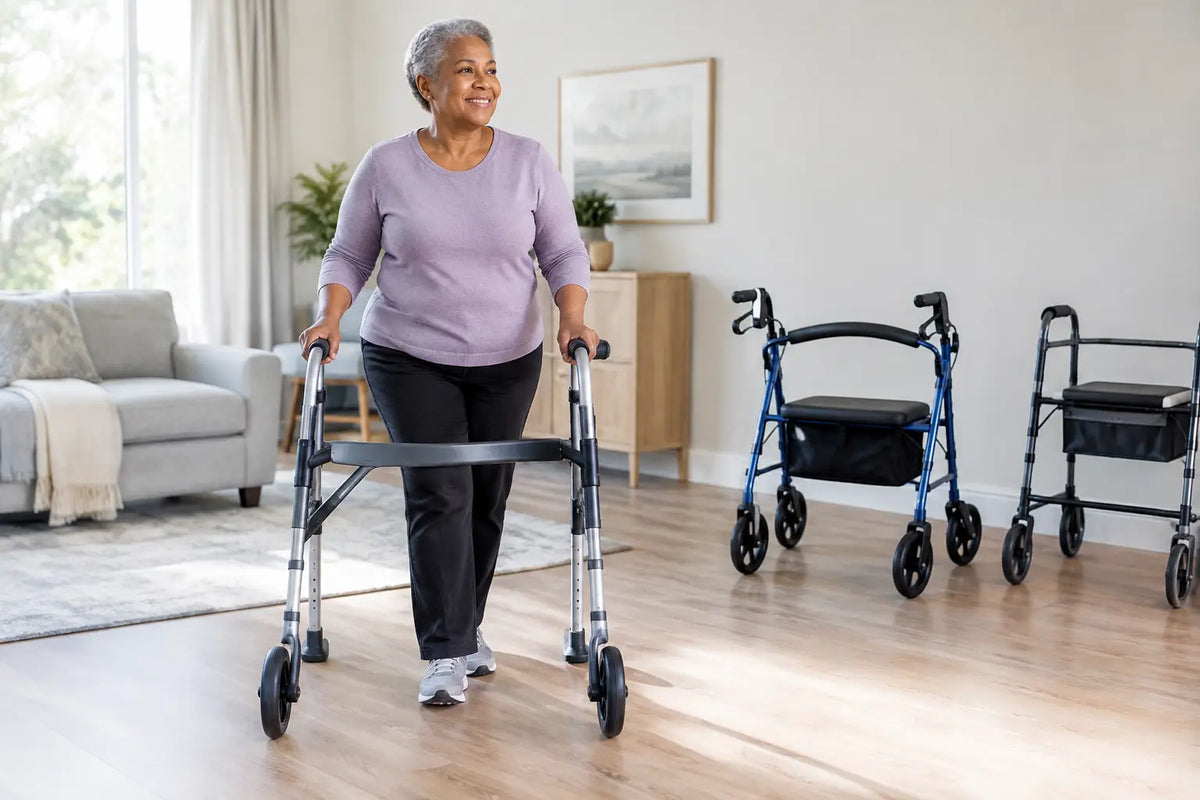
- Start small: Do not feel pressured to walk long distances immediately. Even short walks from your bed to the bathroom or around your living room make a significant difference.
- Set a schedule: Aim to get up and walk for 5 to 10 minutes every hour or two during the day, as permitted by your healthcare provider.
Step 2: Wear Graduated Compression Stockings Correctly
Your doctor may prescribe compression stockings to help manage swelling and keep blood moving. These are specially designed, elastic socks that fit tightly around the ankle and gradually loosen as they go up the leg. This pressure gradient helps prevent blood from pooling in your lower legs.
To put them on safely and comfortably, follow these steps:
- Dry your skin: Ensure your legs are completely dry. You can use a small amount of baby powder or cornstarch on your legs to help the fabric slide more easily.
- Turn the stocking inside out: Reach inside the stocking, grab the heel, and pull the stocking inside out down to the heel portion.
- Position your foot: Slip your foot into the foot portion of the stocking up to your heel, ensuring your heel is centered in the heel pocket.
- Pull up gradually: Slowly pull the rest of the stocking up over your ankle and calf. Smooth out any wrinkles or bunches as you go.
- Check the top band: Never fold or roll the top band down, as this can create a tight ring that actually blocks blood flow. The stocking should sit smoothly against your skin.
Step 3: Perform Gentle Leg Exercises in Bed or Sitting
When you are resting in bed or sitting in a chair and cannot walk, you can still keep your calf muscles active. Perform these simple exercises every hour while you are awake:
- Ankle Pumps: Point your toes down toward the foot of the bed, then pull them up toward your chin. Repeat this movement 10 to 15 times.
- Ankle Circles: Draw circles with your big toes, first clockwise, then counterclockwise. Repeat 10 times in each direction.
- Knee Bends: If your surgery allows, slowly slide your heel up toward your buttocks, bending your knee, then slide it back down. Repeat 10 times per leg.
Step 4: Take Prescribed Blood Thinners Safely
Your doctor may prescribe medication to prevent clots, often called blood thinners or anticoagulants. These medications do not actually "thin" your blood; instead, they increase the time it takes for a clot to form.
- Take them exactly as prescribed: Do not skip doses or stop taking them early, even if you feel completely back to normal.
- Monitor for side effects: Because these medications reduce your body's ability to clot, you may bruise more easily or bleed longer if you get a cut. Use a soft-bristled toothbrush and an electric razor to minimize the risk of bleeding.
Step 5: Stay Well Hydrated
Drinking plenty of fluids helps keep your blood flowing easily. When you are dehydrated, your blood can become thicker and more prone to clotting.
- Drink water: Unless your doctor has placed you on a fluid restriction due to a heart or kidney condition, aim to drink 8 to 10 glasses of water daily.
- Limit dehydrating beverages: Avoid alcohol and limit drinks high in caffeine, as these can contribute to dehydration.
Essential Supplies for Home Recovery
Having the right supplies ready before you return home can make your recovery safer and more comfortable. Consider gathering the following items:
- High-quality compression wear: Ensure you have at least two pairs of compression stockings so you can wear one pair while the other is being washed.
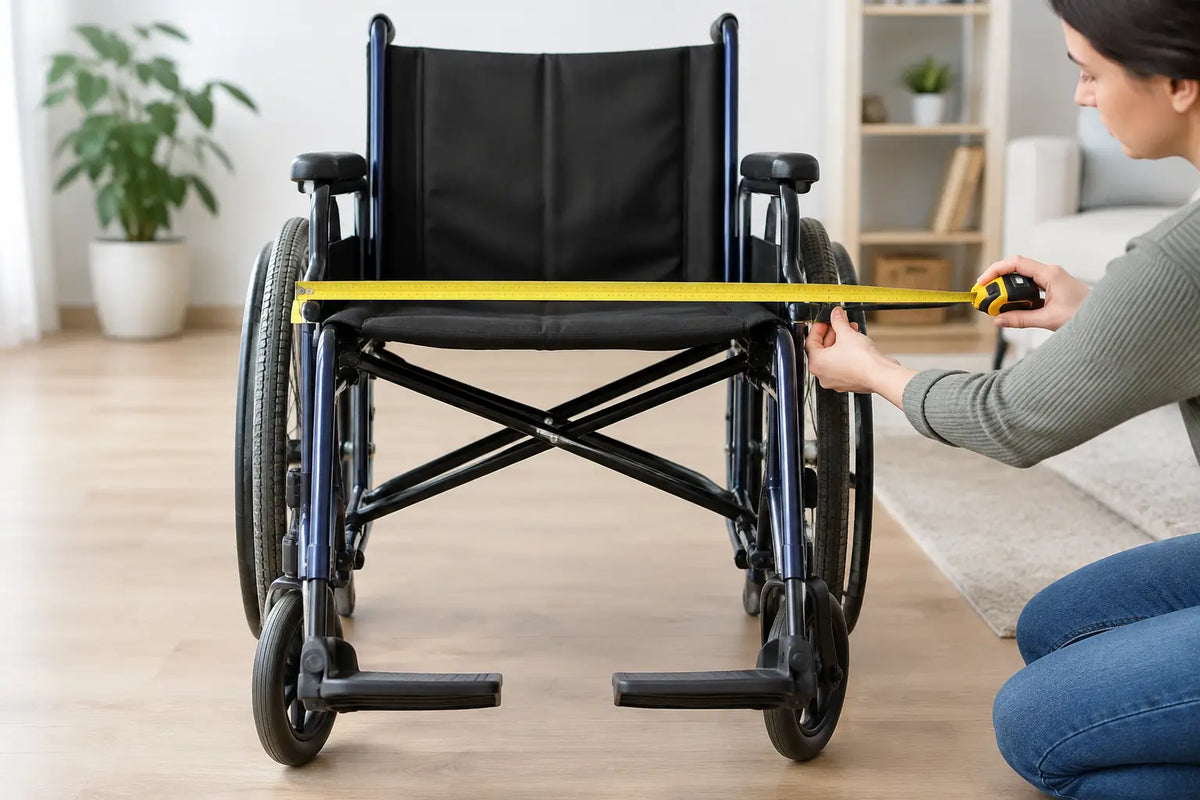
- A flexible measuring tape: Your calf and thigh measurements are crucial for finding the correct stocking size. Stockings that are too tight can restrict blood flow, while those that are too loose will not provide enough pressure.
- A stocking donner: This is a simple metal frame or plastic slide designed to help people with limited mobility pull on tight compression socks without straining.
- A sturdy, supportive chair: Avoid soft, deep couches that make it difficult to stand up. A firm chair with armrests will help you stand up safely to begin your daily walks.
Common Mistakes to Avoid
To ensure your safety and support your recovery, be mindful of these common mistakes:
- Allowing stockings to bunch up: Wrinkles or folds in your compression wear can create high-pressure areas that pinch your skin and restrict blood flow. Always smooth them out completely.
- Crossing your legs: Crossing your legs at the knees or ankles can compress the veins in your legs, slowing down your circulation. Keep your feet flat on the floor or elevated on a supportive footstool.
- Staying in one position for too long: Whether you are sitting in a chair or resting in bed, change your position slightly every 30 minutes to keep your circulation active.
- Ignoring mild symptoms: Do not assume that mild leg pain or slight swelling is just normal post-surgical soreness. Always report these changes to your care team.
Tips for Caregivers Supporting a Loved One
If you are caring for a loved one recovering from surgery, your support is invaluable. You can help them stay safe by:
- Assisting with daily exercises: Gently remind them to perform their ankle pumps and leg exercises every hour.
- Helping with compression stockings: Putting on compression socks can be physically challenging. Offer to assist them, ensuring the fabric is smooth and the heel is properly aligned.
- Monitoring skin health: Check the skin on their legs daily for signs of irritation, redness, or breakdown, especially around the top band of the stocking and the heels.
- Keeping a daily log: Track their walks, medication times, fluid intake, and any symptoms they experience to share with their healthcare provider.
When to Call Your Doctor or Seek Emergency Care
While you are recovering, you must monitor your body closely. According to the American Heart Association, recognizing the warning signs of a blood clot early can save lives. Contact your doctor immediately if you notice any of these signs of DVT in your legs or arms:
- Increased swelling (edema) in one leg or arm.
- Pain, tenderness, or cramping in your calf or thigh that does not improve with rest.
- Skin that feels unusually warm to the touch in a specific area of your leg.
- Redness or discoloration of the skin on your leg.
Go to the nearest emergency room or call 911 immediately if you experience any signs of a Pulmonary Embolism (PE), which occurs when a clot travels to your lungs:
- Sudden shortness of breath or difficulty breathing.
- Sharp chest pain that may feel worse when you take a deep breath.
- A rapid or irregular heartbeat.
- Unexplained coughing, which may bring up blood.
- Feeling dizzy, lightheaded, or fainting.
Frequently Asked Questions
How long do I need to wear compression stockings after surgery?
The duration varies depending on your specific surgery, overall health, and mobility level. Many doctors recommend wearing them for two to six weeks post-surgery, or until you are fully mobile and back to your normal activity level. Always follow your surgeon's specific instructions.
Can I sleep in my compression stockings?
You should only sleep in your compression stockings if your surgeon has explicitly instructed you to do so. In many cases, stockings are worn during the day when you are sitting or standing, and removed at night because blood flows more easily when you are lying flat.
How do I know if my compression stockings fit correctly?
Correctly fitting stockings should feel snug and supportive, but not painfully tight or restrictive. They should not pinch your skin, leave deep red marks, or cause numbness or tingling in your toes. If you experience any of these symptoms, remove them and consult your provider for a different size.
Does drinking water really help prevent blood clots?
Yes. Staying well-hydrated keeps your blood flowing smoothly and prevents it from thickening. When you are dehydrated, your blood volume drops, making it easier for blood cells to stick together and form clots.
This article is for general educational purposes and is not medical advice. Always consult your healthcare provider for guidance specific to your situation.