Returning home after a surgical procedure is a major milestone in your healing journey. Whether you or a loved one are recovering from a joint replacement, abdominal surgery, or another medical procedure, the transition to home care requires careful preparation. Proper pain and swelling management after surgery is one of the most important parts of your recovery journey. When you manage these symptoms effectively, you do not just feel more comfortable—you also help your body heal faster and reduce the risk of complications.
It is completely normal to feel a bit overwhelmed by the recovery process. Caregivers and patients alike often worry about doing too much or too little. Fortunately, with a structured plan, a few essential recovery supplies, and a clear understanding of your doctor's instructions, you can safely navigate this period at home. This guide provides practical, step-by-step instructions to help you minimize discomfort, reduce swelling, and recover with confidence.
Why Do Pain and Swelling Happen After Surgery?
To manage your recovery, it helps to understand why your body reacts the way it does. During surgery, tissues are cut and manipulated. The body views this as an injury and immediately begins a natural healing process. According to the National Institutes of Health (NIH), the first stage of healing is inflammation. During this stage, your body sends extra blood, white blood cells, and fluids to the surgical site to repair the tissue.
This biological response causes two main symptoms:
- Pain: Pain is your body’s alarm system. It alerts your brain to protect the injured area so you do not move in ways that could disrupt your stitches or healing tissues.
- Swelling (Edema): Edema is the medical term for swelling caused by fluid trapped in your body's tissues. While some fluid is necessary for healing, too much swelling can cause a tight, throbbing sensation, limit your movement, and actually increase your pain.
By actively managing both pain and swelling, you allow oxygen-rich blood to flow more freely to the surgical site, which promotes faster tissue repair.
Step-by-Step Guide to Pain and Swelling Management After Surgery
Managing your recovery at home is easiest when you break it down into daily, manageable steps. Here is a practical, step-by-step routine you can follow to keep pain and swelling under control.
Step 1: Create and Follow a Medication Schedule
One of the most common mistakes in post-surgical care is waiting until pain becomes severe before taking medication. This is often called "chasing the pain," and it makes comfort much harder to regain. According to the American Society of Anesthesiologists (ASA), pain is much easier to prevent than it is to overcome once it starts.
- Keep a log: Write down the exact times you take each medication. Include the drug name, the dose, and whether you took it with food.
- Set alarms: Use your phone or an alarm clock to remind you when the next dose is due, even during the night if your doctor recommends staying on a round-the-clock schedule for the first few days.
- Consult your team: Never change your medication dose or take over-the-counter pain relievers without checking with your surgeon or pharmacist first, as some medications can interact safely or unsafely with your prescribed drugs.
Step 2: Master the Art of Elevation
Gravity is your best friend when it comes to reducing swelling. When a surgical site is lower than your heart, fluid naturally pools there due to gravity. Elevating the area helps the fluid drain back toward your heart, where your lymphatic system can safely process and remove it.
According to the American Academy of Orthopaedic Surgeons (AAOS), proper elevation requires keeping the surgical area higher than the level of your heart. Here is how to do it safely:
- Use supportive pillows: Avoid using standard, soft bed pillows that flatten out quickly. Instead, use firm, contoured foam wedge pillows designed specifically for elevation. These keep your limb stable and properly angled.
- Avoid bending the joint: If you had knee surgery, do not place a pillow directly under your knee crease, as this can restrict blood flow. Instead, support the entire length of your leg, keeping the knee slightly straight but supported.
- Elevate frequently: Aim to elevate the surgical area for 20 to 30 minutes at a time, several times a day, or as directed by your surgical team.
Step 3: Apply Cold Therapy Safely
Cold therapy is incredibly effective for both pain and swelling. Cold temperatures temporarily numb the nerve endings, which dulls sharp pain. Cold also constricts (narrows) the blood vessels in the area, which limits fluid buildup and reduces swelling. However, cold therapy must be used with caution to protect your skin.
- Always use a barrier: Never apply an ice pack or gel pack directly to bare skin. Always wrap the pack in a thin, clean towel or pillowcase to prevent frostbite and skin damage.
- Watch the clock: Apply cold therapy for no more than 15 to 20 minutes at a time. Leaving ice on for too long can cause your body to react by sending more blood to the area, which actually increases swelling.
- Give your skin a break: Wait at least 40 to 60 minutes between cold therapy sessions to allow your skin temperature to return to normal.
- Keep dressings dry: If you have a surgical bandage, ensure that condensation from the ice pack does not get the dressing wet. Moisture can introduce bacteria to your incision.
Step 4: Use Compression Wisely
Compression helps apply gentle, steady pressure to your tissues, preventing fluid from accumulating and causing swelling. Depending on your surgery, your doctor may recommend compression stockings (often called TED hose) or elastic bandages.
- Apply bandages evenly: If you are wrapping a limb with an elastic bandage, start from the point furthest from your body (like your ankle) and wrap upward (toward your thigh). This encourages fluid to flow toward your torso.
- Check for tightness: The wrap should feel snug but never tight, throbbing, or painful.
- Monitor your skin: Check your fingers or toes frequently. If they look blue or pale, feel cold to the touch, or feel numb or tingly, the compression is too tight. Remove the wrap immediately and reapply it more loosely.
Step 5: Balance Rest with Gentle Movement
While rest is vital for healing, staying completely still can actually worsen swelling and increase your risk of dangerous blood clots. According to the Centers for Disease Control and Prevention (CDC), deep vein thrombosis (DVT)—a blood clot that forms in a deep vein, usually in the leg—is a serious risk after surgery.
- Perform gentle exercises: If approved by your doctor, perform simple movements like ankle pumps (pointing your toes down and then pulling them up) or gently flexing your calf muscles while resting. This acts as a natural pump to keep blood and fluid moving.
- Take short walks: Walk around your room or hallway for a few minutes every hour or two during the day. Do not push yourself to the point of exhaustion or pain.
- Follow physical therapy guidelines: If you were given specific exercises by a physical therapist, perform them exactly as prescribed.
Essential Recovery Supplies to Keep on Hand
Having the right tools ready before you arrive home makes managing your recovery much easier and less stressful. Consider stocking up on these helpful items:
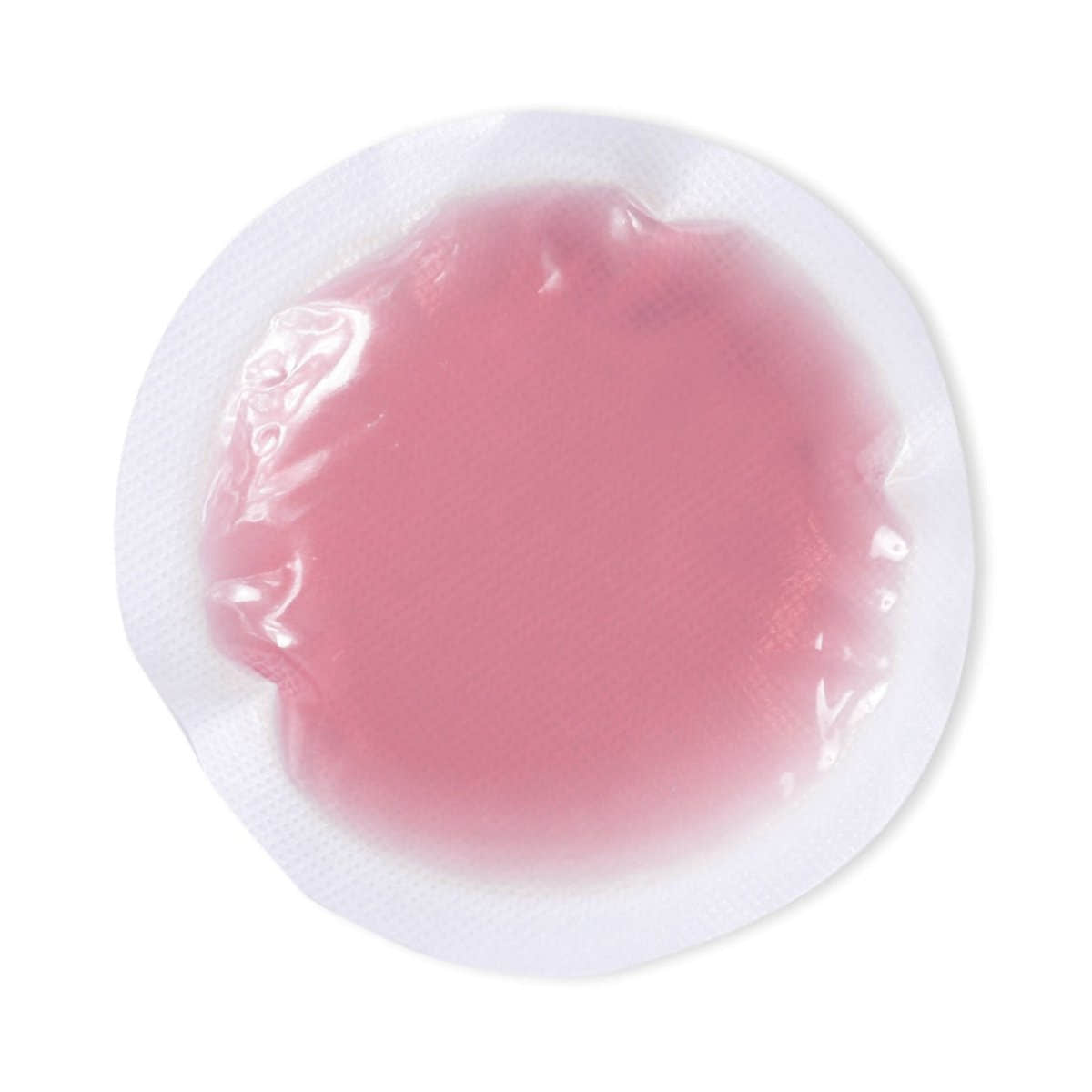
- Reusable Gel Cold Packs: Look for packs that remain flexible even when frozen, as they mold comfortably to your body shape.
- Elevation Wedges: Foam wedges designed for legs or arms help you maintain the perfect elevation angle without slipping.
- Elastic Bandages and Compression Wear: High-quality, breathable wraps and stockings help manage swelling and support weak joints.
- Non-Slip Socks: These keep you safe and stable on slick floors during your short recovery walks.
- A Medical Logbook or Planner: A simple notebook dedicated to tracking your medications, pain levels, and fluid intake can keep your recovery organized.
Common Mistakes to Avoid
When managing recovery at home, caregivers and patients often fall into a few common traps. Being aware of these mistakes can help you avoid unnecessary discomfort:
- Applying heat too soon: While heat is great for chronic muscle aches, applying heat to a fresh surgical site dilates blood vessels. This brings more fluid to the area, which can severely worsen swelling and inflammation. Stick to cold therapy unless your doctor explicitly tells you otherwise.
- Neglecting hydration: Some people limit their water intake because they want to avoid frequent trips to the bathroom. However, dehydration causes your body to hold onto fluid, which can worsen swelling. Drinking plenty of water also helps prevent constipation, a common side effect of pain medications.
- Overexerting yourself on "good days": It is common to feel a sudden burst of energy and try to catch up on household chores. Overdoing it can cause a sudden spike in pain and swelling the following day, setting your recovery back. Pace yourself consistently.
When to Call Your Healthcare Provider
While pain and swelling are normal parts of the healing process, they should gradually improve over time. You should always monitor your recovery closely and know the warning signs that require professional medical attention.
Contact your surgeon or healthcare provider immediately if you experience any of the following:
- Signs of infection: A fever, increased redness or warmth around your incision, or foul-smelling drainage from the wound.
- Signs of a blood clot (DVT): Sudden, severe swelling in one leg, calf pain or tenderness, or redness and warmth in the back of your leg.
- Uncontrolled pain: Pain that worsens suddenly or does not improve even after taking your prescribed pain medication as directed.
- Shortness of breath or chest pain: This is a medical emergency. Call 911 immediately, as it could indicate a blood clot has traveled to your lungs.
How long does swelling typically last after surgery?
The duration of swelling depends heavily on the type of surgery you had. For minor procedures, swelling may peak within 48 to 72 hours and subside within a couple of weeks. For major orthopedic surgeries, such as a knee or hip replacement, mild swelling can persist for several months. Always consult your surgeon for a recovery timeline specific to your procedure.
Can I use heat instead of ice for post-surgical swelling?
No, you should avoid applying heat to a fresh surgical wound. Heat increases blood flow to the area, which can significantly worsen swelling and inflammation. Cold therapy is the safest and most effective choice for reducing acute swelling and numbing pain in the early weeks of recovery.
How high should I elevate my leg or arm to reduce swelling?
To effectively reduce swelling, you should elevate the surgical area so that it rests above the level of your heart. This allows gravity to help drain excess fluid back toward your chest. Using a structured foam wedge pillow is often the easiest way to maintain this position comfortably.
What are the signs that my compression wrap is too tight?
Your compression wrap should feel snug but comfortable. Signs that it is too tight include tingling, numbness, a throbbing sensation, cold skin, or a blue or pale color in your fingers or toes. If you notice any of these signs, remove the wrap immediately and reapply it more loosely.
This article is for general educational purposes and is not medical advice. Always consult your healthcare provider for guidance specific to your situation.