Preparing for a safe return home after an operation is a vital step in your healing journey. Using the right mobility aids for post-surgery recovery can make a profound difference in your daily life, helping you maintain your independence while protecting your surgical site. Whether you are recovering from a joint replacement, abdominal surgery, or a cardiac procedure, having the correct supportive equipment ready before you arrive home helps reduce the risk of falls and minimizes strain on your healing body. This guide will walk you through the different types of mobility equipment, how to choose the right fit for your needs, and safety tips to ensure a smooth recovery.
The Importance of Safe Movement After Surgery
According to the American Academy of Orthopaedic Surgeons (AAOS), early mobilization—or getting up and moving safely soon after surgery—is crucial for restoring joint function, improving circulation, and preventing complications such as deep vein thrombosis (blood clots) and pneumonia. However, moving too quickly or without proper support can lead to dangerous slips, falls, or excessive weight-bearing on a healing limb.
Using assistive devices helps bridge the gap between your immediate post-operative limitations and your long-term recovery goals. By distributing your body weight more evenly and providing a wider base of support, these tools allow you to perform essential daily tasks—like walking to the bathroom, standing at the kitchen counter, or navigating hallways—with confidence and safety. Always follow the specific weight-bearing guidelines provided by your surgical team, as these will dictate which mobility aid is safest for you.
How to Choose the Right Mobility Aids for Post-Surgery Recovery
Not all mobility devices are created equal, and the right choice depends heavily on your specific surgery, balance levels, strength, and weight-bearing restrictions. Below, we break down the most common types of mobility equipment and how to match them to your unique recovery needs.
1. Standard and Rolling Walkers
Walkers provide a high level of stability and are often the first line of support immediately after major orthopedic surgeries, such as hip or knee replacements. They surround your body on three sides, offering a sturdy frame to lean on.
- Standard Walkers (No Wheels): These require you to lift the device entirely off the ground with each step. They offer maximum stability and are ideal if you have strict non-weight-bearing restrictions. However, they require sufficient upper-body strength and can slow down your walking pace.
- Two-Wheeled Walkers: These feature wheels on the front two legs and rubber tips on the back. You can slide the walker forward without lifting it, which promotes a more natural walking pattern. They are highly recommended by physical therapists for initial post-operative home recovery.
2. Rollators (Four-Wheeled Walkers)
A rollator features wheels on all four legs, hand brakes, and a built-in seat. This design is excellent if you have general weakness or endurance issues and need to take frequent breaks. However, because they roll easily, they are not suitable if you have strict weight-bearing restrictions or severe balance issues, as the device could roll away from you if you lean too heavily on it.
3. Canes
As your strength improves, your physical therapist may recommend transitioning from a walker to a cane. Canes are designed to assist with balance and reduce load on a single side of the body.
- Single-Point Canes: These are lightweight and highly portable, best suited for the later stages of recovery when you only need minor balance assistance.
- Quad Canes: Featuring a four-pronged base, quad canes stand upright on their own and provide a wider base of support than single-point canes. They are excellent for individuals recovering from surgeries that affect one side of the body more than the other, such as after a stroke or unilateral joint surgery.
4. Crutches
Crutches are commonly prescribed for younger patients or those with excellent upper-body strength and balance who must remain completely off one leg (non-weight-bearing). Standard underarm (axillary) crutches are typical for short-term recovery, while forearm crutches offer more maneuverability for longer-term needs. Proper fitting is critical to prevent nerve irritation under the arms.
5. Knee Scooters (Knee Walkers)
If you are recovering from foot, ankle, or lower-leg surgery and must remain non-weight-bearing for several weeks, a knee scooter is a highly mobile alternative to crutches. You rest your injured leg's knee on a padded platform and propel yourself with your healthy leg. This keeps the injured foot completely elevated while keeping your hands free when stopped.
6. Wheelchairs and Transport Chairs
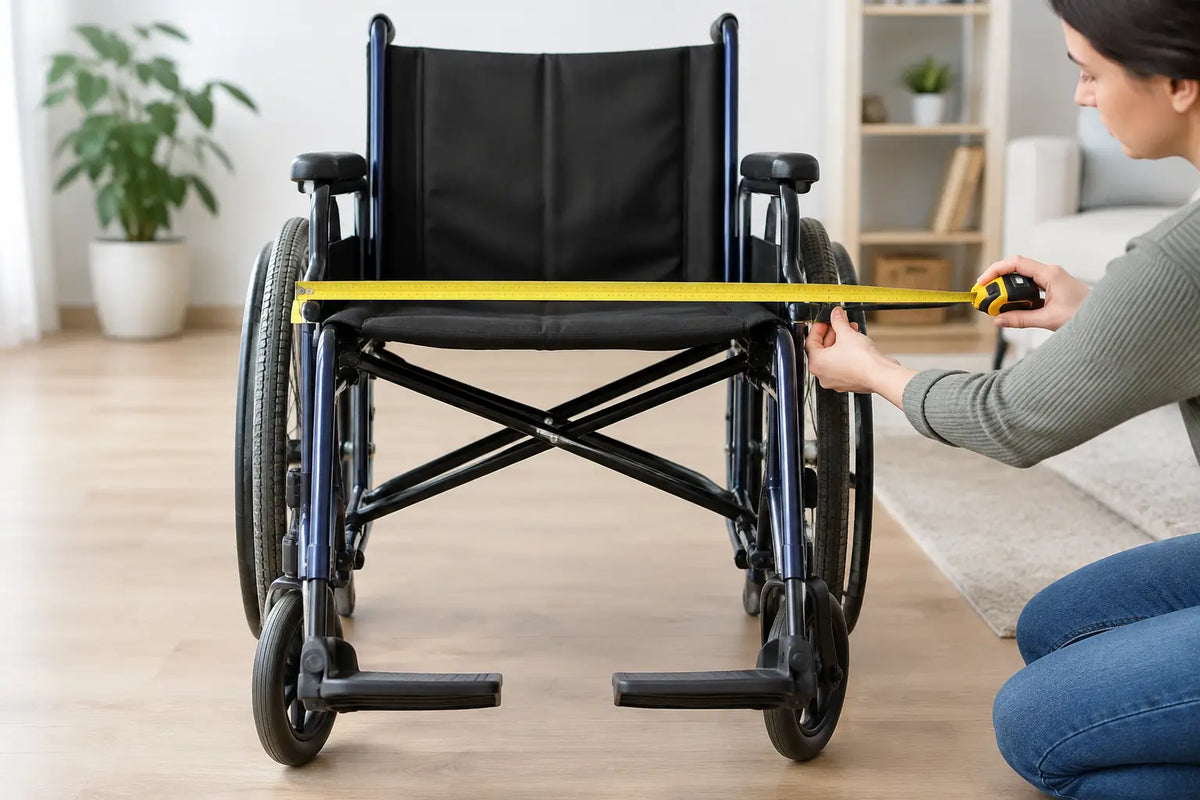
For major surgeries or when walking even short distances is too exhausting, a wheelchair or transport chair is essential. Standard wheelchairs allow you to propel yourself using the large rear wheels. Transport chairs have four small wheels and require a caregiver to push you. They are lightweight, fold easily, and are perfect for traveling to follow-up doctor appointments.
Key Features and Specifications to Consider
When selecting your recovery equipment, pay close attention to the product specifications to ensure safety and comfort. Look for the following key features:
- Weight Capacity: Always check the manufacturer's weight limit. Standard mobility aids typically support up to 250 or 300 pounds. If you require a higher limit, look for heavy-duty or "bariatric" models designed to support 400 to 500 pounds or more.
- Device Weight and Portability: If you or a family caregiver will need to load the device into a car trunk, look for lightweight aluminum frames that fold compactly.
- Grip Materials: Hand grips are usually made of plastic, foam, or gel. Foam and gel grips offer more cushioning for sore hands, while plastic or rubber grips are easier to wipe down and sanitize.
- Braking Systems: For rollators and knee scooters, ensure the hand brakes are easy to squeeze and feature a locking mechanism so the device remains completely stationary when you sit down or stand up.
Sizing and Fitting Your Mobility Aid Safely
An improperly fitted mobility aid can cause poor posture, back pain, shoulder strain, and an increased risk of falls. According to the Mayo Clinic, taking the time to adjust your equipment to your specific height is one of the most important safety steps you can take.
How to Measure for Walkers and Canes
To find the correct height for your walker or cane, follow these simple steps:
- Put on the shoes you plan to wear most often during your recovery at home.
- Stand up straight with your arms hanging naturally at your sides.
- Have a family member measure from the crease of your wrist down to the floor.
- The grip of your walker or cane should align perfectly with this wrist crease measurement.
- When you place your hands on the grips, your elbows should bend at a comfortable angle of about 15 to 30 degrees.
How to Fit Underarm Crutches
When standing straight with your recovery shoes on, the top of your crutches should be about two inches (or two to three finger-widths) below your armpit. The handgrips should align with your wrist crease so that your elbows are slightly bent. Never rest your armpits directly on the crutch pads, as this can compress vital nerves and blood vessels; instead, support your weight using your hands and arms.
Common Mistakes to Avoid During Recovery
To protect yourself and ensure your equipment works exactly as intended, keep these common pitfalls in mind:
- Using Borrowed Equipment Without Inspection: While borrowing a walker from a neighbor is cost-effective, always inspect the rubber tips at the bottom. The National Institute on Aging (NIA) warns that worn-out, smooth rubber tips lose their traction and can easily slip on slick tile or hardwood floors. Replace worn tips immediately.
- Looking Down at Your Feet: It is natural to want to watch your steps, but looking down throws off your balance and aligns your spine poorly. Keep your head up and look about ten feet ahead of you.
- Carrying Items in Your Hands: Trying to hold a cup of tea or a phone while using a walker or cane compromises your grip. Use accessories like walker baskets, pouches, or trays to carry your personal items safely.
- Ignoring Home Hazards: Before your surgery, prepare your home by clearing pathways. Remove loose throw rugs, secure electrical cords, and ensure your hallways are well-lit to prevent trips.
Frequently Asked Questions
How do I know if I need a walker or a cane after surgery?
The choice depends on your weight-bearing restrictions and balance. Walkers provide maximum stability and are ideal if you cannot put full weight on one leg or have poor balance. Canes are better suited for later-stage recovery when you only need light assistance with balance and can fully support your own weight. Always consult your surgeon or physical therapist for a personalized recommendation.
Can I use a rollator immediately after a hip or knee replacement?
In most cases, physical therapists recommend starting with a standard or two-wheeled walker immediately after joint replacement surgery. Because rollators have four wheels that move freely, they can roll away from you if you lose your balance or lean too heavily on them. Rollators are usually introduced later in recovery once your balance and strength have improved.
How do I safely navigate stairs with a cane?
A helpful rule of thumb to remember is "up with the good, down with the bad." When going up stairs, step up first with your uninjured (strong) leg, then follow with your injured leg and the cane. When going down stairs, lead with your cane and your injured leg first, then step down with your strong leg. Always use a handrail if one is available.
What is the difference between a wheelchair and a transport chair?
A standard wheelchair has large rear wheels that allow you to push yourself. A transport chair has four small wheels and cannot be self-propelled; it requires a caregiver to push you. Transport chairs are typically lighter, more compact, and easier to fold for travel than standard wheelchairs.
This article is for general educational purposes and is not medical advice. Always consult your healthcare provider for guidance specific to your situation.