Bringing a loved one home after a surgical procedure is a significant milestone, but it can also feel like a daunting responsibility. As a family caregiver, you play a central role in their healing journey. Transitioning from the highly structured environment of a hospital to managing post surgery care at home requires careful planning, patience, and a compassionate approach. Your daily support not only helps speed up their recovery but also provides the emotional security they need during a vulnerable time. This guide is designed to provide you with practical, evidence-based advice and actionable steps to ensure your loved one's recovery is safe, comfortable, and dignified.
Preparing the Environment for Post Surgery Care at Home
One of the most effective ways to support a smooth recovery is to prepare the living space before your loved one even leaves the hospital. A safe, organized home minimizes stress and reduces the risk of accidental injuries. According to the Centers for Disease Control and Prevention (CDC), falls are a leading cause of injury among older adults, and the physical weakness, dizziness, or limited mobility following surgery significantly increases this risk.
To create a safe environment, focus on making adjustments to key areas of the home:
- Clear the Pathways: Walk through the main areas of the house and remove any potential tripping hazards. This includes loose throw rugs, electrical cords, clutter, and low furniture like coffee tables. Ensure there is a wide, clear path from the bedroom to the bathroom, especially if your loved one will be using a walker, cane, or wheelchair.
- Optimize Lighting: Poor lighting can easily lead to missteps. Install nightlights in the hallways, bedroom, and bathroom to ensure safe navigation during nighttime hours. Keep a flashlight or a bedside lamp within easy reach of your loved one's bed.
- Set Up a Central Recovery Station: Your loved one will spend a lot of time resting. Set up a table next to their bed or favorite chair with all their daily essentials. This station should include a water pitcher and cup, tissues, a phone charger, their reading glasses, a trash bin, and a bell or baby monitor so they can easily signal you when they need assistance.
- Assess the Bedroom: Make sure the bed is at an appropriate height. Ideally, when your loved one sits on the edge of the bed, their feet should rest flat on the floor. If the bed is too high, consider using a sturdy step stool with a handrail, or temporarily moving their bed to the ground floor to avoid stairs entirely.
Essential Recovery Supplies for Safety and Comfort
Having the right medical and comfort supplies on hand before your loved one arrives home is crucial for preventing unnecessary stress and last-minute trips to the store. Depending on the type of surgery, their physical needs will vary, but certain core items are universally helpful. You can find a wide range of these supportive products in our curated collection of recovery supplies.
Here are the primary categories of supplies you should consider gathering:
Wound Care and Dressing Materials
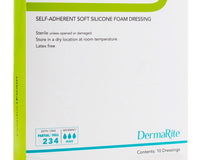
According to the National Institutes of Health (NIH), proper wound care is vital to prevent surgical site infections (SSIs)—which are infections that occur at the area of the body where the surgery took place. Ask the hospital discharge planner for a list of specific wound care products required. Common items include:
- Sterile gauze pads and non-stick dressings to cover the incision.
- Medical tape (such as silicone or paper tape) that is gentle on fragile skin.
- Disposable medical gloves to maintain clean conditions during dressing changes.
- Antiseptic wipes or sterile saline solution, if recommended by the surgical team.
Bathroom Safety Equipment
The bathroom is historically the most hazardous room in the home due to wet, slippery surfaces. To make bathing and toileting safer, consider installing:
- A Shower Chair or Bench: This allows your loved one to sit securely while bathing, reducing the risk of slipping or experiencing dizziness.
- A Raised Toilet Seat: Bending down to sit on a low toilet can strain surgical incisions, particularly after hip, knee, or abdominal surgeries. A raised seat with built-in grab bars makes sitting and standing much easier.
- Non-slip Bath Mats: Place these both inside the tub or shower and on the floor outside to provide secure footing.
Mobility and Positioning Aids
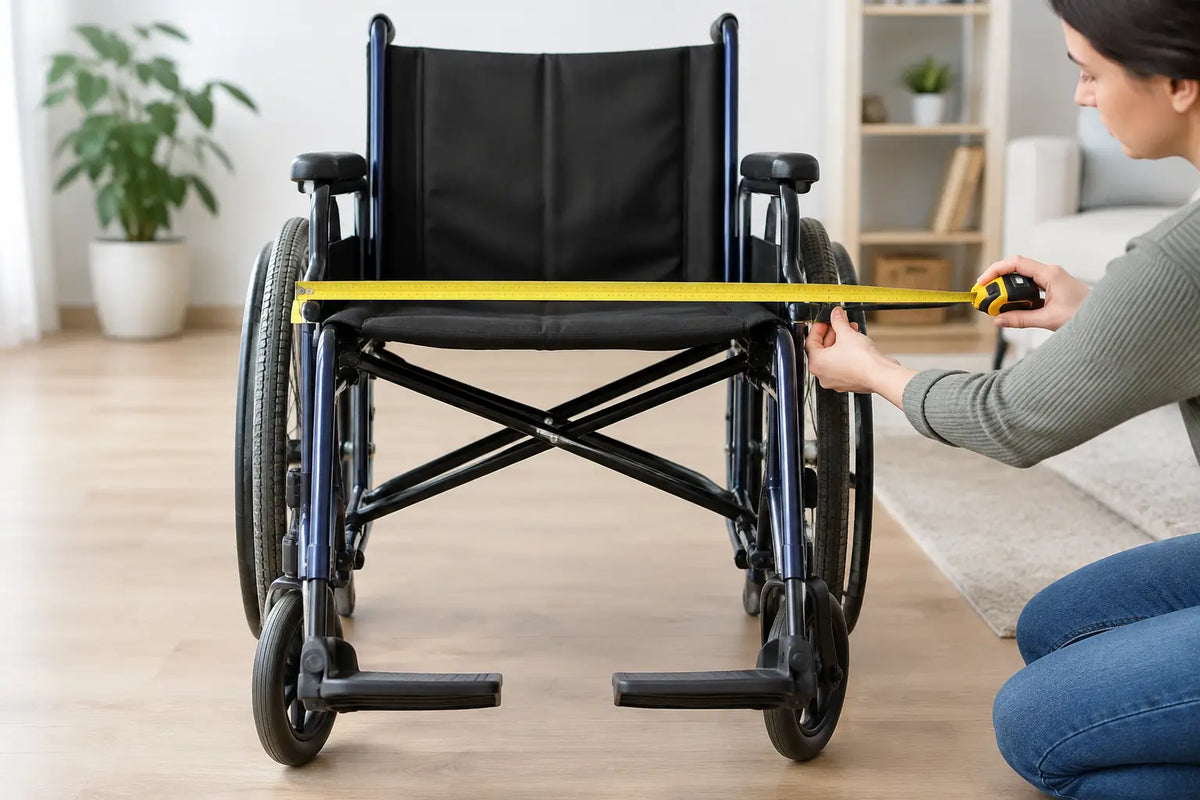
Keeping your loved one comfortable and mobile is a delicate balance. Mobility aids like walkers, canes, or crutches help them move safely while adhering to weight-bearing restrictions. Additionally, positioning aids like foam wedge pillows can help elevate swollen limbs or support the back, which is often necessary to relieve pressure on incisions and improve breathing.
Personal Hygiene and Incontinence Care
Temporary incontinence (loss of bladder or bowel control) or difficulty reaching the bathroom in time is a common side effect of anesthesia, pain medications, or catheter use. To maintain dignity and skin health, stock up on:
- Absorbent adult briefs or protective underwear.
- Disposable underpads (often called chux) to protect bedding and furniture from leaks.
- Rinse-free body washes and shampoo caps, which are incredibly helpful when a full shower is not yet permitted by the surgeon.
- Barrier creams to protect the skin from moisture breakdown.
Managing the Daily Routine and Medication Schedules
A structured daily routine helps reduce anxiety and ensures that critical recovery steps are not missed. One of your most important responsibilities as a caregiver will be managing medications.
The National Institutes of Health (NIH) emphasizes that proper medication adherence is key to pain management and preventing post-surgical complications. To manage this safely:
- Keep a Written Log: Do not rely on memory alone. Create a paper chart or use a digital app to track the name of each medication, the dose, the time it was given, and any side effects.
- Stay Ahead of Pain: It is generally easier to prevent pain from starting than it is to control it once it becomes severe. Administer pain medications exactly as prescribed by the doctor, especially during the first few days at home.
- Monitor for Side Effects: Many prescription pain medications (particularly opioids) can cause severe constipation, nausea, or drowsiness. Speak with their healthcare provider about stool softeners or dietary changes to manage these side effects.
Beyond medications, incorporate these healthy habits into the daily routine:
- Prioritize Hydration and Nutrition: Encourage your loved one to drink plenty of water throughout the day. Proper hydration, combined with a diet rich in fiber, helps prevent constipation. Protein-rich foods are also essential, as the body requires protein to rebuild tissues and heal incisions.
- Encourage Gentle Movement: While rest is vital, prolonged bed rest can lead to complications. The American College of Surgeons notes that early, gentle mobilization—such as short walks around the room or simple ankle flexes—helps prevent deep vein thrombosis (DVT), which are dangerous blood clots that can form in the deep veins of the legs. Always follow the specific physical therapy guidelines provided by their surgical team.
Preserving Dignity and Providing Emotional Support
Recovering from surgery is not just a physical challenge; it is also an emotional one. Experiencing a temporary loss of independence can make your loved one feel frustrated, anxious, or embarrassed. Preserving their dignity is a key component of high-quality care.
To support their emotional well-being:
- Practice Active Communication: Before assisting your loved one with personal tasks like bathing, dressing, or using the bathroom, explain what you are going to do and ask for their input. This helps them feel respected and in control of their body.
- Promote Independence: Encourage them to do as much as they safely can on their own, even if it takes a long time. Simple tasks like brushing their own hair, washing their face, or choosing their outfit can significantly boost their self-esteem.
- Choose Practical, Comfortable Clothing: Dress your loved one in loose-fitting, breathable clothing that is easy to put on and take off. Shirts with front button closures or magnetic snaps are ideal for those recovering from shoulder or chest surgery, while loose sweatpants accommodate bandages or leg braces.
- Acknowledge Mood Changes: It is common for individuals to experience mood swings, mild depression, or anxiety after surgery due to physical discomfort, medication side effects, or disrupted sleep. Listen to their feelings without judgment and offer gentle reassurance. If these feelings persist or worsen, consult their healthcare provider.
Monitoring for Post-Surgical Complications
While your daily focus is on comfort and routine, you must also act as an observant guardian. Knowing the difference between normal recovery symptoms and potential complications is vital.
According to the CDC, surgical site infections are a serious risk following any operation. Inspect the incision area daily (without touching it directly unless washing hands thoroughly first) and monitor for the following warning signs:
- Signs of Infection: Increased redness, swelling, warmth around the incision site, or foul-smelling drainage or pus.
- Fever: A body temperature above the specific limit set by your surgical team (typically 101°F or 38.3°C).
- Sudden Pain: Pain that suddenly intensifies and is not relieved by the prescribed pain medication.
- Signs of a Blood Clot (DVT): Swelling, warmth, redness, or tenderness in one calf or leg.
- Dehydration: Dark urine, extreme dry mouth, or dizziness when standing up.
When to Seek Immediate Medical Attention: If your loved one experiences sudden shortness of breath, chest pain, a rapid heart rate, or loses consciousness, call 911 or go to the nearest emergency room immediately. For other non-emergency symptoms or concerns about wound healing, contact their surgeon's office or primary care physician right away.
Supporting Yourself: The Importance of Caregiver Well-Being
Caring for a loved one after surgery is a demanding role that can quickly lead to physical and emotional exhaustion. To provide the best possible care, you must also prioritize your own health. Caregiver burnout is a common challenge, but it can be managed with the right strategies:
- Accept Assistance: When friends, family members, or neighbors offer to help, say yes. Keep a list of simple tasks they can handle, such as picking up groceries, preparing a meal, or sitting with your loved one while you take a short nap or run an errand.
- Maintain Your Own Routine: Do not neglect your own health. Eat nutritious meals, stay hydrated, and try to maintain a regular sleep schedule.
- Take Daily Respite Breaks: Even a 15-minute break to read a book, take a walk outside, or practice deep breathing can help reduce stress levels and clear your mind.
- Seek Support: Connect with other caregivers through local support groups or online forums. Sharing your experiences with others who understand your situation can provide valuable emotional relief.
How can I prevent falls during post surgery care at home?
To prevent falls, clear all pathways of clutter, throw rugs, and cords. Ensure the home is well-lit, especially at night, by installing nightlights in hallways and bathrooms. Use recommended mobility aids like walkers or canes, and install bathroom safety equipment such as shower chairs and raised toilet seats.
What are the warning signs of a surgical site infection?
According to the CDC, common signs of a surgical site infection include increased redness, swelling, or warmth around the incision, foul-smelling drainage or pus, worsening pain, and a fever. If you notice any of these signs, contact your loved one's surgical team immediately.
How do I manage my loved one's pain medication safely?
Keep a detailed, written log of all medications, including the drug name, dosage, and time given. Administer pain medications on the schedule prescribed by the doctor rather than waiting for pain to become severe, and monitor for common side effects like constipation or dizziness.
What types of recovery supplies should I have ready before discharge?
Essential supplies include wound care materials (sterile gauze, medical tape, and gloves), bathroom safety items (a shower chair and raised toilet seat), mobility aids, and personal hygiene products like protective underpads or rinse-free body washes.
This article is for general educational purposes and is not medical advice. Always consult your healthcare provider for guidance specific to your situation.