Heading home after a surgical procedure is a major milestone in your healing journey. However, transitioning from the highly structured environment of a hospital to your own house requires some careful planning. By preparing home for surgery ahead of time, you can significantly reduce your stress, prevent accidental injuries, and focus entirely on your physical healing. Taking these practical steps before your procedure ensures that everything you need is within easy reach and that your living space is adapted to your temporary physical limitations.
Why Preparing Home for Surgery Matters for Your Safety
According to the Centers for Disease Control and Prevention (CDC), falls are a leading cause of injury among adults, and the risk of falling increases significantly after surgery. Anesthesia, prescription pain medications, and physical weakness can all affect your balance and coordination. Preparing your space is not just about making your home comfortable; it is a vital step in preventing complications and ensuring a smooth, safe recovery. Setting up your environment beforehand allows you to rest without worrying about daily chores or safety hazards.
Step 1: Clear the Paths and Prevent Falls
The first and most crucial step in preparing your home is to create wide, clear pathways throughout your living space. You may need to navigate your house with a walker, crutches, or a cane, which requires more space than your usual walking path. According to the National Institutes of Health (NIH), making simple environmental changes is one of the most effective ways to prevent falls at home.
- Remove tripping hazards: Pick up loose throw rugs, bath mats, and electrical cords. Secure any loose carpeting or floorboards that could catch your foot.
- Rearrange furniture: Move small coffee tables, plant stands, or footstools out of primary walking paths. Ensure there is a wide, unobstructed path from your bed to the bathroom and the kitchen.
- Improve lighting: Install nightlights in hallways, bathrooms, and bedrooms. Consider motion-activated plug-in lights so you do not have to search for light switches in the dark.
- Keep floors dry: Ensure there are no leaks or wet areas in your home. If you have hardwood, laminate, or tile floors, wear non-slip socks or supportive shoes with rubber soles at all times.
Step 2: Create a Central Recovery Station
During the first few days or weeks after surgery, you will likely spend a large portion of your day resting. Setting up a dedicated "recovery station" keeps your daily essentials close by, minimizing the need to stand up, bend down, or walk long distances when you are fatigued.
- Choose the right chair or bed: Select a seat that is easy to get in and out of. Avoid low, deep sofas that require significant core and leg strength to exit. A firm chair with armrests is ideal because it provides leverage when you stand up.
-
Stock your bedside or side table: Keep a sturdy table next to your recovery spot. Fill it with essential items, including:
- A charged cell phone and a long phone charger cord.
- A list of emergency contacts, your pharmacy's phone number, and your doctor's office number.
- A bottle of water and healthy, easy-to-open snacks.
- Your daily medications, stored safely in a pill organizer or their original bottles.
- A box of tissues, hand sanitizer, and a small wastebasket.
- Entertainment, such as books, magazines, crosswords, or a remote control.
- Use a reacher-grabber tool: This simple tool allows you to pick up dropped items from the floor without bending over, which is especially important if you have had abdominal, back, hip, or knee surgery.
Step 3: Modify the Bathroom for Safety
The bathroom is one of the most hazardous areas in the home during post-surgical recovery due to slippery surfaces and the physical effort required to sit and stand. Making temporary modifications can greatly reduce your risk of slipping.
- Install a raised toilet seat: Standard toilets can be very low. According to the American Academy of Orthopaedic Surgeons (AAOS), joint replacement patients should avoid bending their hips past a 90-degree angle. A raised toilet seat reduces the distance you need to bend, protecting your joints and incisions.
- Use a shower chair or bench: Standing in the shower can be exhausting and unstable when you are recovering. A sturdy, non-slip shower chair allows you to bathe safely while seated.
- Add grab bars: Secure, professional-grade grab bars installed near the toilet and inside the shower provide vital support. Avoid temporary suction-cup grab bars, as they can slip under heavy weight.
- Place non-slip mats: Put non-slip rubber mats inside the tub or shower, and place a rubber-backed bath mat on the floor outside the tub to catch water.
Step 4: Organize Your Kitchen and Prep Your Meals
Nutrition plays a critical role in wound healing and tissue repair. However, cooking a full meal will likely be too demanding in the early days of your recovery. Preparing your kitchen ahead of time ensures you can eat well without overexerting yourself.
- Pre-make and freeze meals: Before your surgery, prepare simple, nutritious meals that can be easily reheated in a microwave. Focus on foods high in protein and vitamin C, which the NIH notes are essential for wound healing and tissue repair.
- Rearrange kitchen cabinets: Move frequently used items—such as plates, cups, bowls, and canned goods—to counter height. Avoid storing items in low bottom cabinets or high shelves that require bending or reaching.
- Stock up on easy snacks: Keep soft, easy-to-digest foods on hand, such as applesauce, yogurt, crackers, and oatmeal. These are gentle on the stomach if you experience temporary nausea from anesthesia or pain medications.
- Stay hydrated: Keep a pitcher of water on the counter or in the refrigerator, and use lightweight cups that are easy to lift and carry.
Step 5: Gather Your Recovery Supplies
Having the right medical and recovery supplies on hand before you arrive home prevents stressful, last-minute trips to the store. Depending on the type of surgery you are having, your healthcare team will recommend specific items to assist in your daily routine.
Commonly needed recovery supplies include:
- Wound care items: Sterile gauze pads, medical tape, adhesive bandages, and disposable gloves for dressing changes.
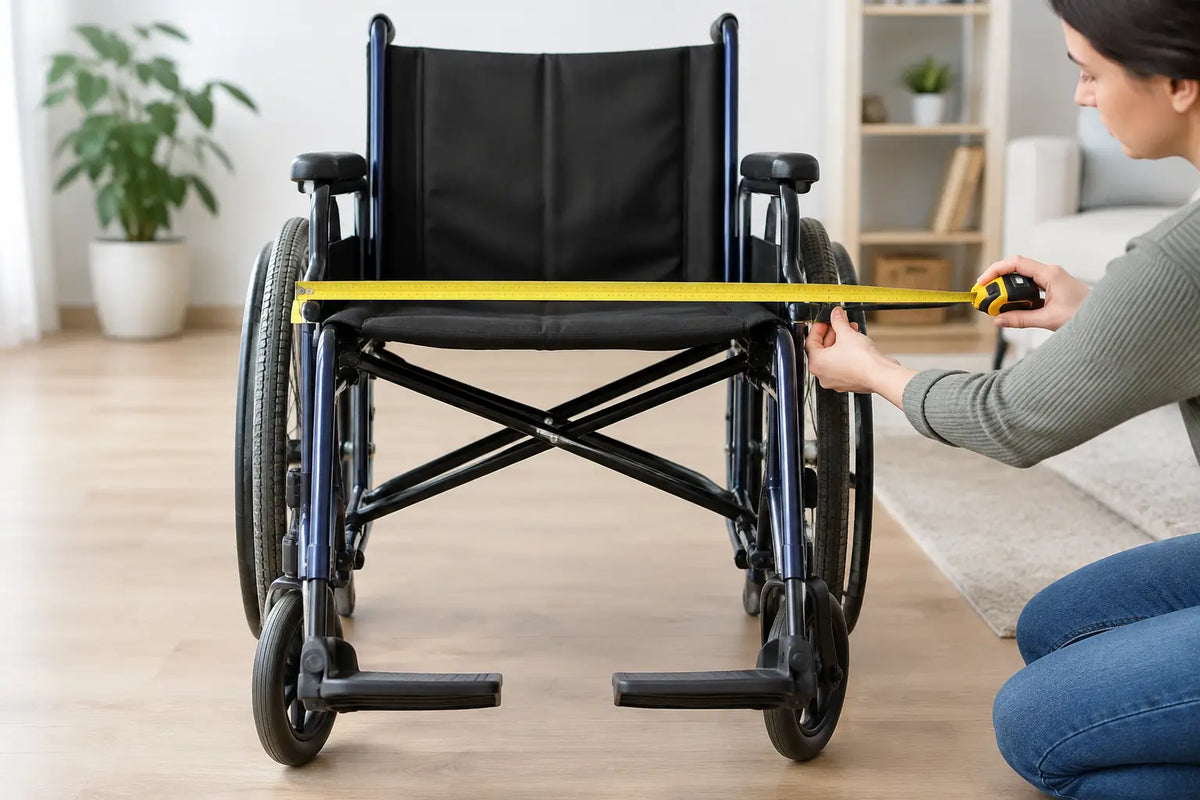
- Mobility aids: Walkers, canes, or crutches as recommended by your physical therapist.
- Personal care items: No-rinse body washes or cleansing wipes for days when you cannot take a full shower, and long-handled sponges to help you wash hard-to-reach areas.
- Comfort items: Specialized pillows, such as wedge pillows, to help elevate your head, back, or legs to reduce swelling and improve comfort while resting.
Common Mistakes to Avoid
Even with the best intentions, it is easy to overlook small details when planning for post-surgical care. Avoid these common pitfalls to ensure your recovery goes smoothly:
- Waiting until the last minute: Start preparing your home at least one to two weeks before your scheduled surgery. This gives you plenty of time to purchase necessary supplies and test out mobility aids.
- Overestimating your independence: Many patients expect to return to their normal routines immediately. Plan to have a family member, friend, or professional caregiver stay with you for at least the first 24 to 48 hours after discharge.
- Neglecting lighting: A dark hallway or bathroom is a major hazard. Ensure every path you might walk at night is brightly lit.
- Ignoring discharge instructions: Your surgical team will provide highly specific instructions regarding wound care, activity limits, and medication schedules. Read these carefully and keep them in a prominent place, like on your refrigerator.
When to Call Your Healthcare Provider
While some discomfort, mild swelling, and fatigue are normal parts of the healing process, certain symptoms require immediate medical attention. Contact your doctor, surgeon, or home health nurse right away if you experience:
- A fever (typically 101°F or higher, or as specified by your surgeon).
- Increased redness, warmth, swelling, or foul-smelling drainage around your incision site.
- Pain that worsens suddenly and is not relieved by your prescribed pain medication.
- Nausea or vomiting that prevents you from keeping fluids down.
- Shortness of breath, chest pain, or sudden swelling in your calf or leg (which could indicate a blood clot—call 911 for severe or sudden breathing difficulties).
How long before my surgery should I start preparing my home?
It is best to start preparing your home at least one to two weeks before your scheduled surgery. This allows you plenty of time to declutter, rearrange furniture, install safety equipment like grab bars or raised toilet seats, and stock up on recovery supplies without feeling rushed.
What are the most essential recovery supplies to have on hand?
Essential recovery supplies typically include wound care items (such as sterile gauze and medical tape), mobility aids (like a walker or cane), bathroom safety equipment (such as a shower chair and raised toilet seat), and comfort aids (like wedge pillows). Always consult your surgical team for a personalized list of supplies based on your specific procedure.
How can I make my bathroom safer for post-surgery recovery?
You can make your bathroom safer by installing a raised toilet seat to reduce bending, placing a sturdy shower chair in the tub, adding secure grab bars for support, and using non-slip rubber mats both inside and outside the shower to prevent slips on wet floors.
Will I need someone to help me at home after surgery?
Yes, it is highly recommended to have a family member, friend, or professional caregiver stay with you for at least the first 24 to 48 hours after you return home. They can assist with basic tasks, monitor your comfort, help manage medications, and provide support as you move around.
This article is for general educational purposes and is not medical advice. Always consult your healthcare provider for guidance specific to your situation.