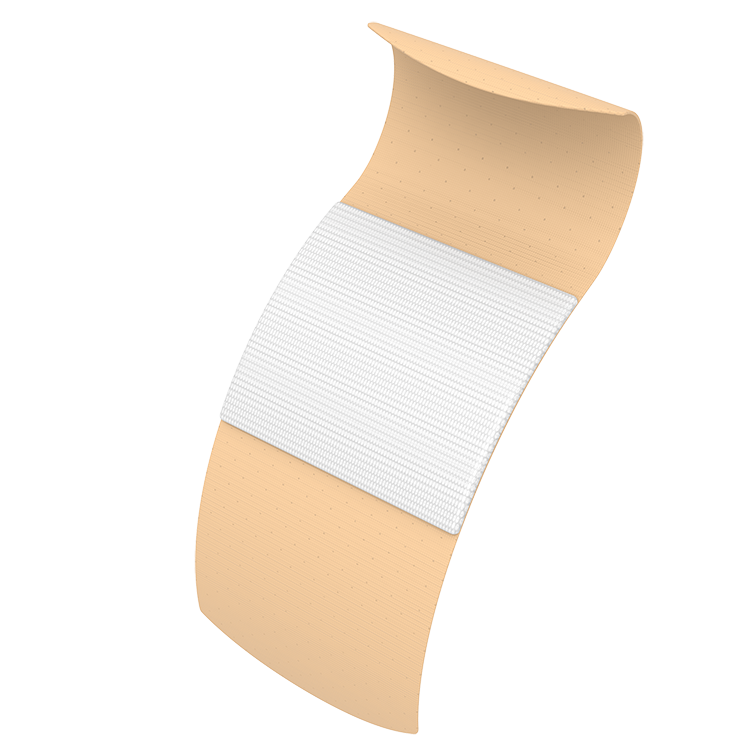
Adhesive Bandages

44 products

Showing 1 - 24 of 44 products

Adhesive Bandages for Everyday First Aid

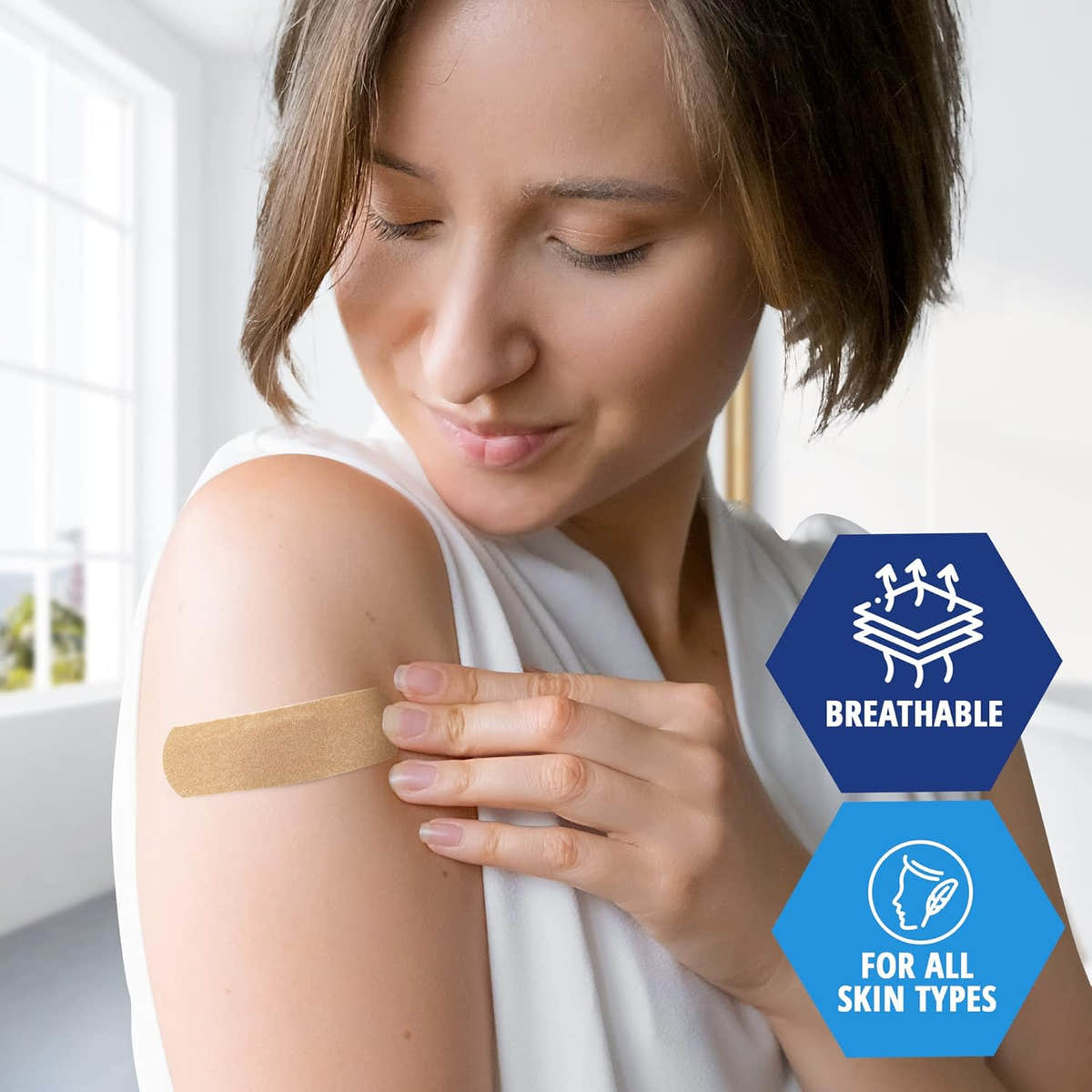
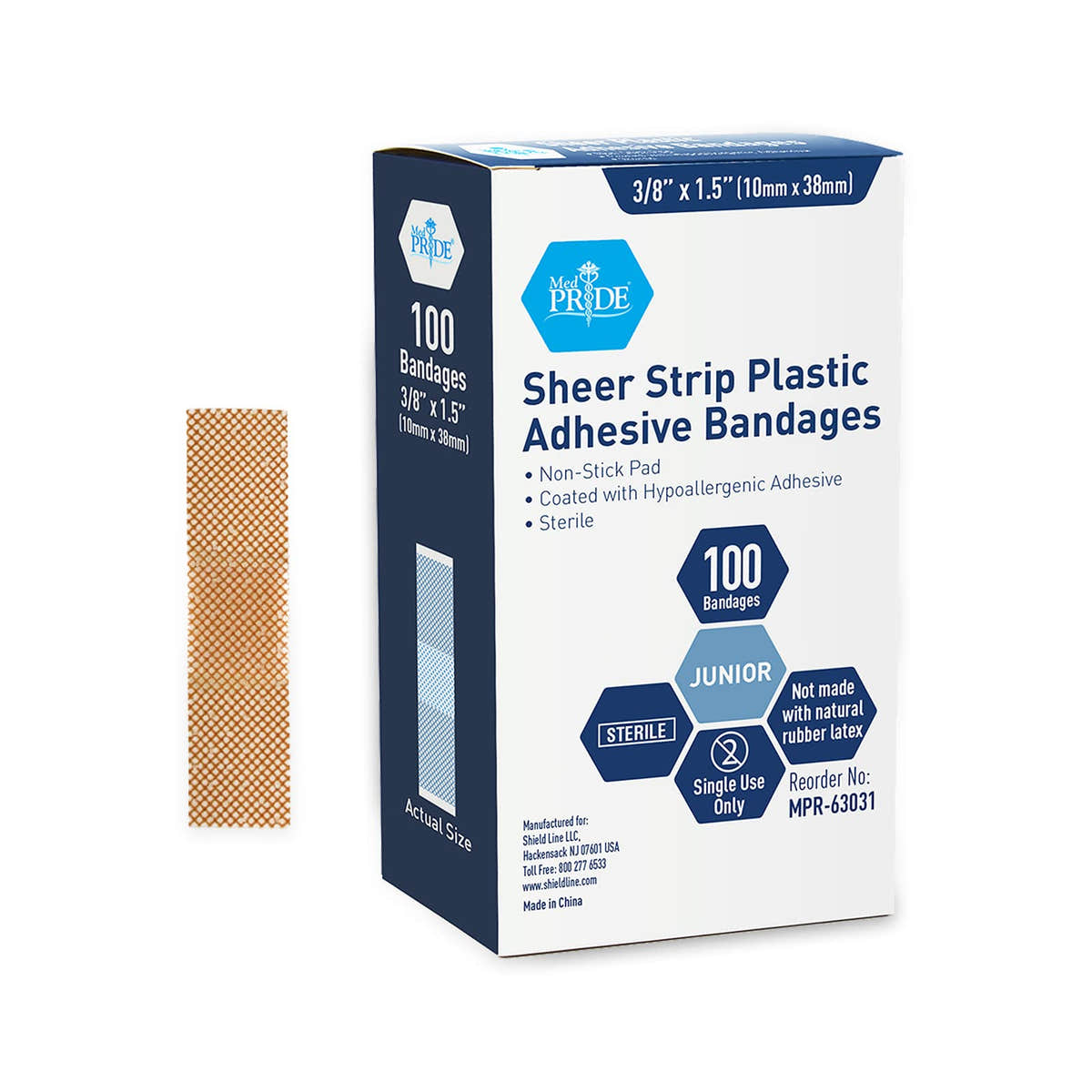
This collection offers a range of adhesive bandages designed to provide protection and care for minor cuts, scrapes, and wounds. With various sizes, types, and quantities available, individuals can find the right bandages to suit their first aid needs.

Showing 1 - 24 of 44 products
View
Curity Adhesive Spot Bandage - 943898_BX - 1
Curity Adhesive Spot Bandage
Sale priceFrom $2.99
$0.06 / item
Choose options

Frequently Asked Questions about Adhesive Bandages

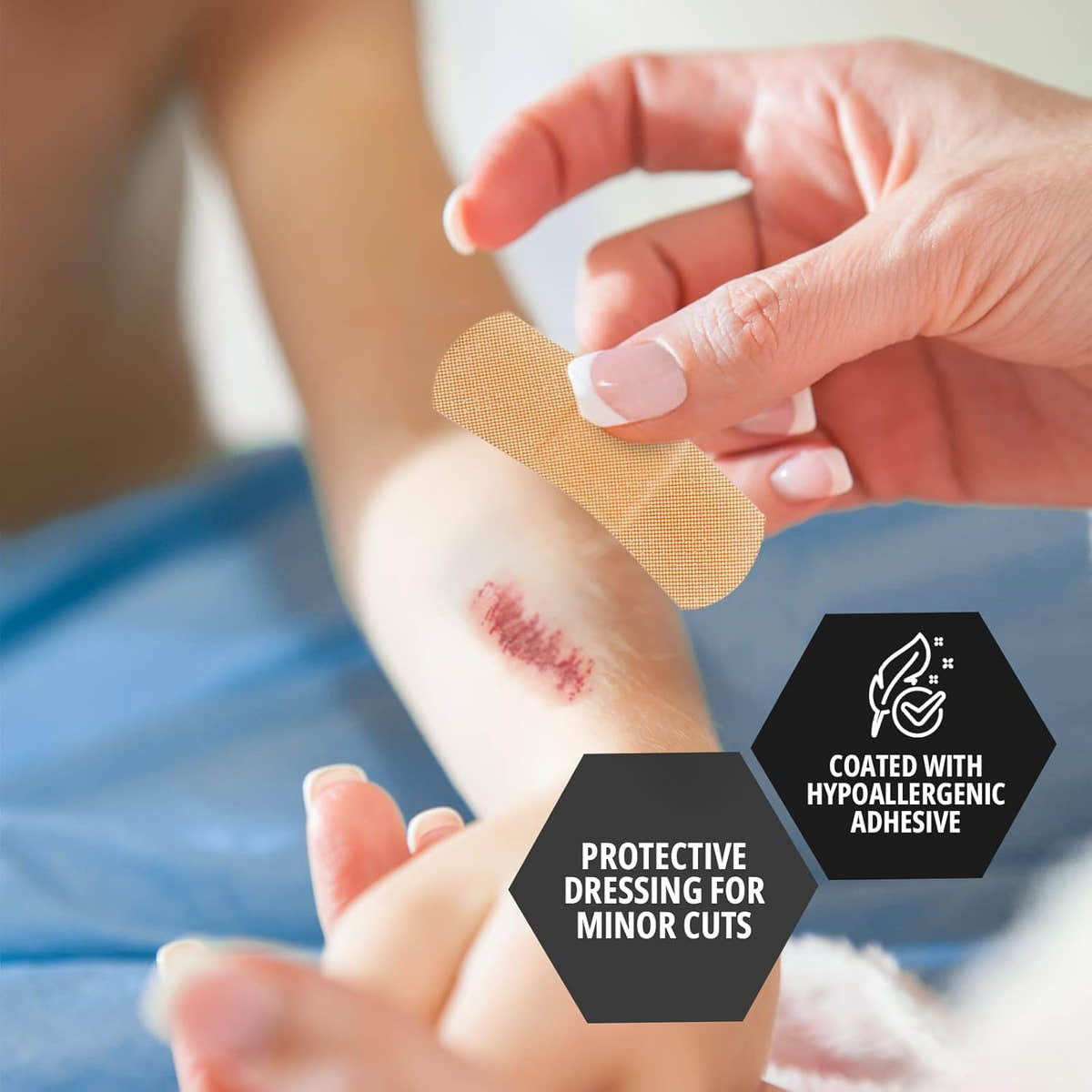
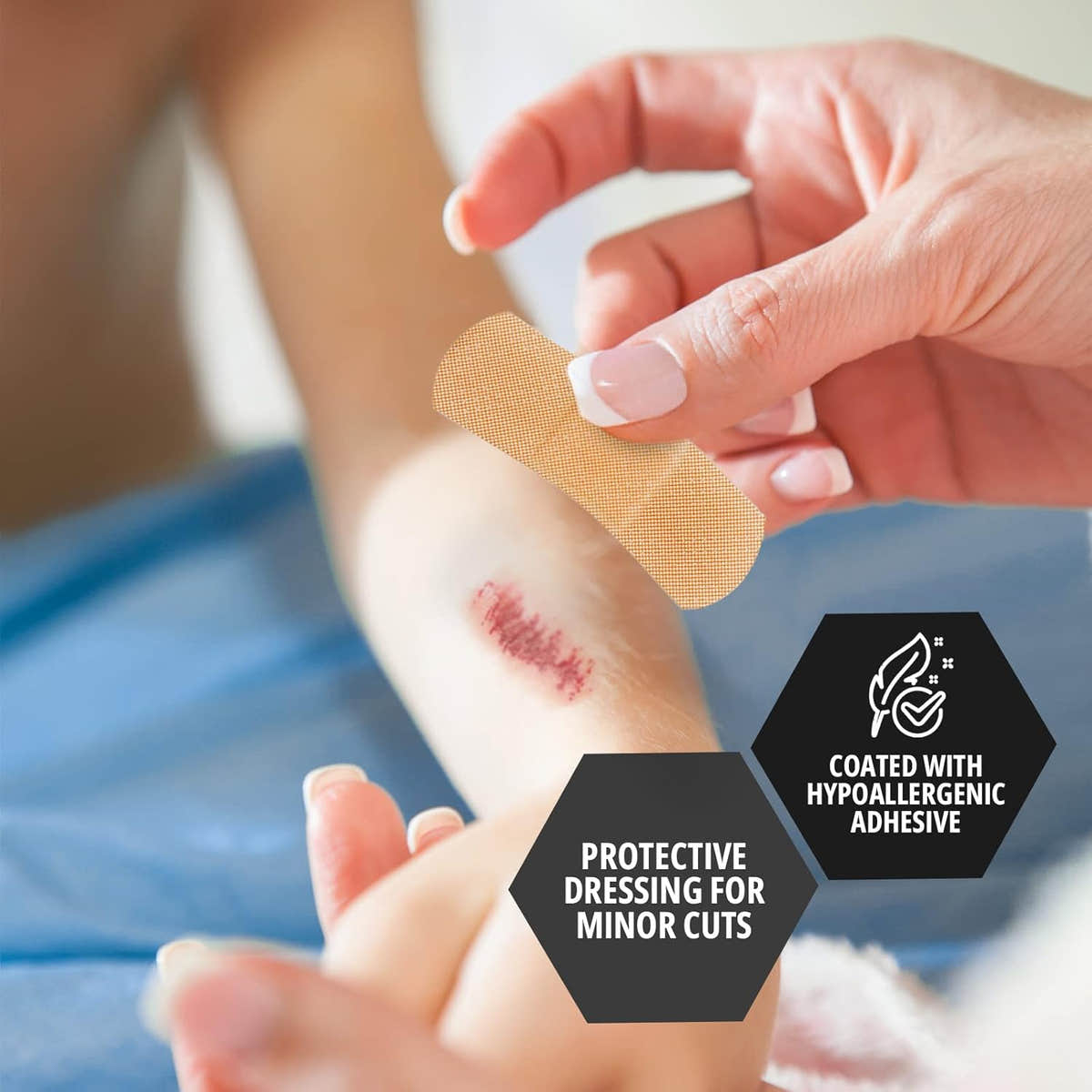
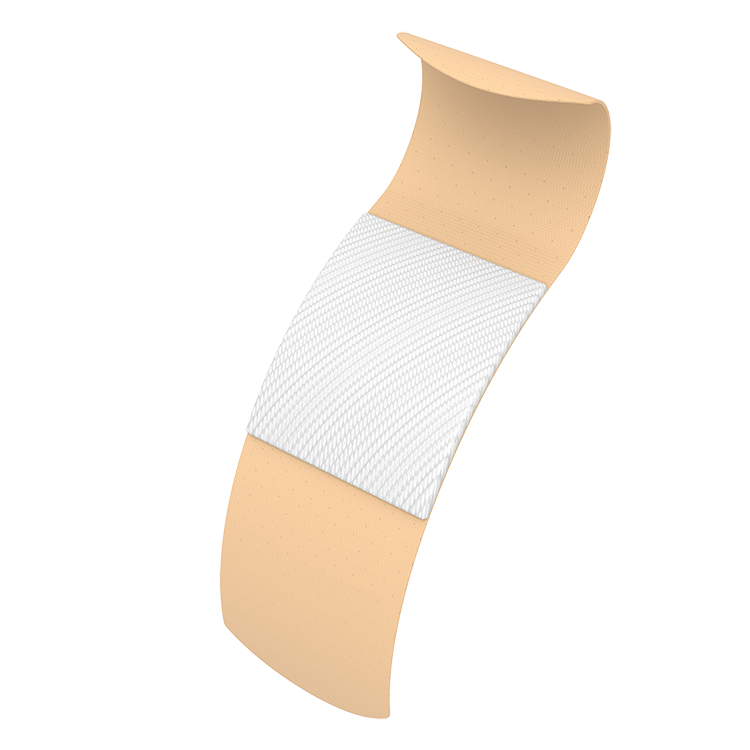
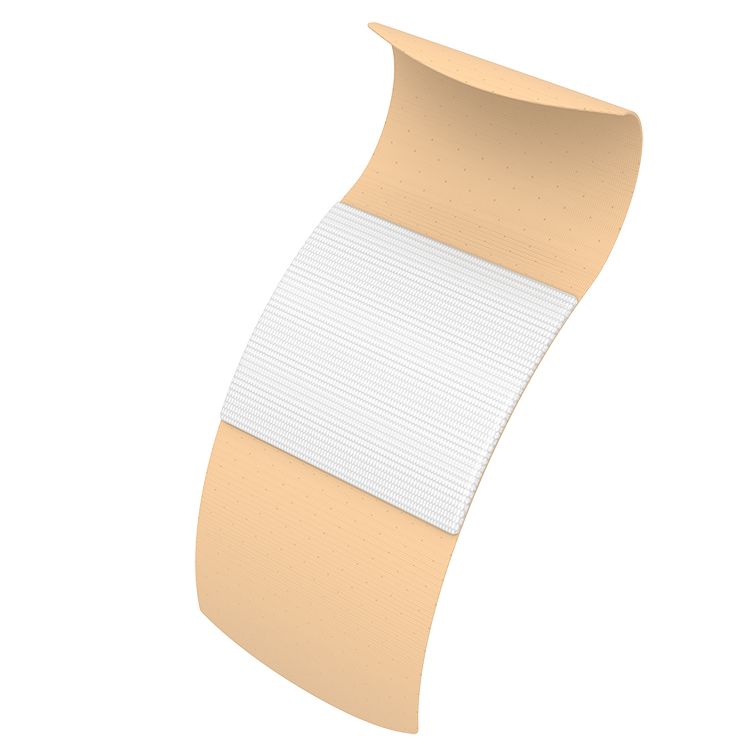
Adhesive bandages are self-adhesive wound coverings used to protect minor cuts, scrapes, and small wounds from dirt, bacteria, and further injury. Adhesive bandages hold a sterile pad against the skin to absorb minor bleeding and keep the wound clean while it heals.

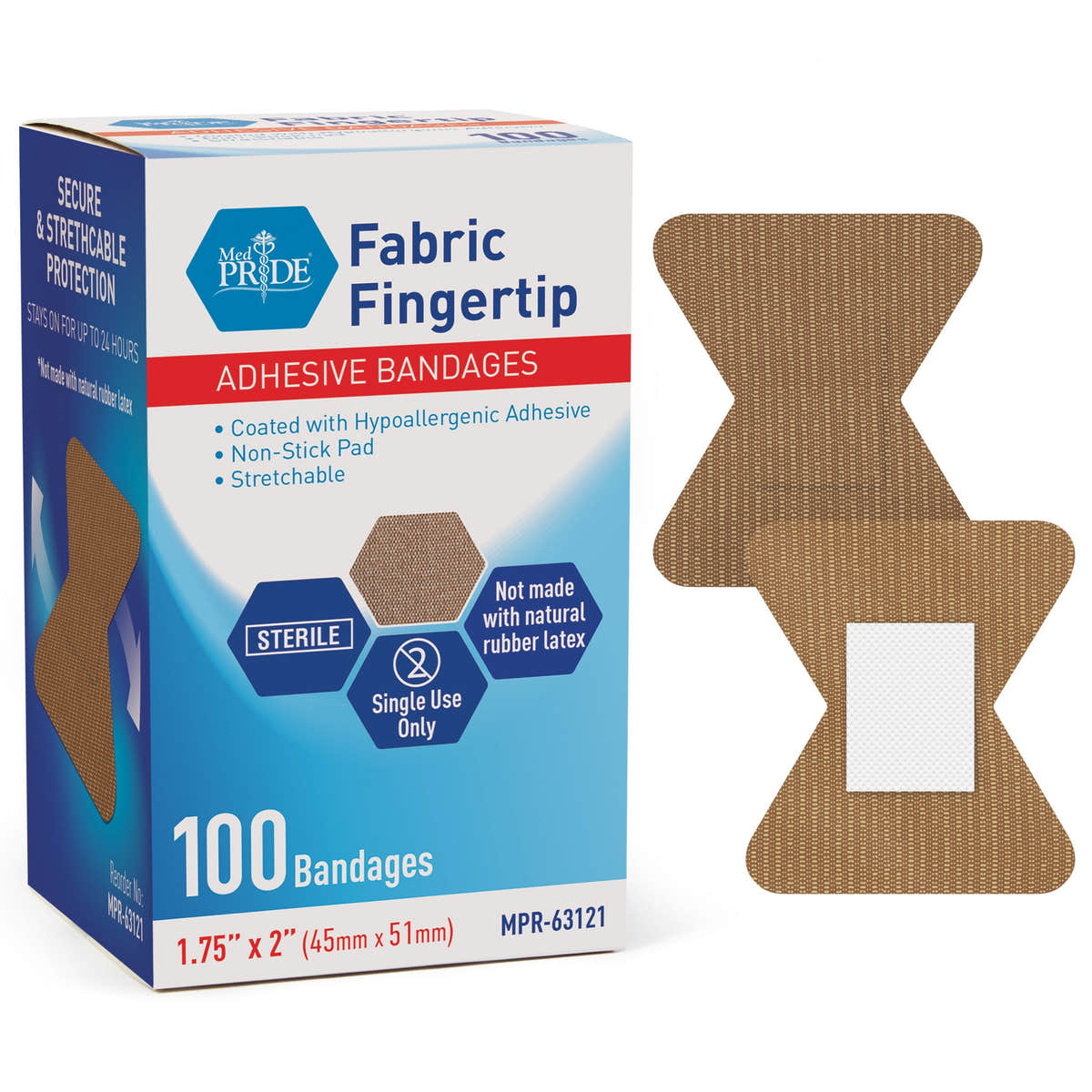
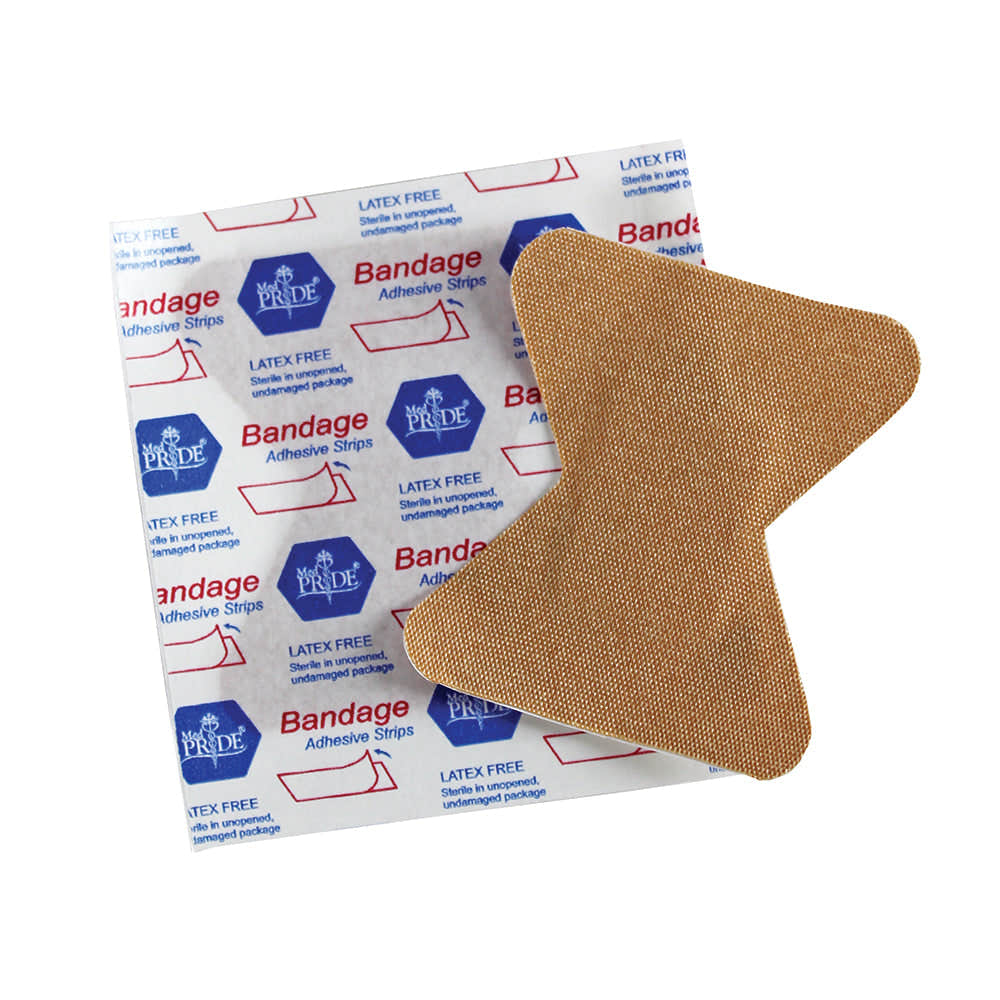
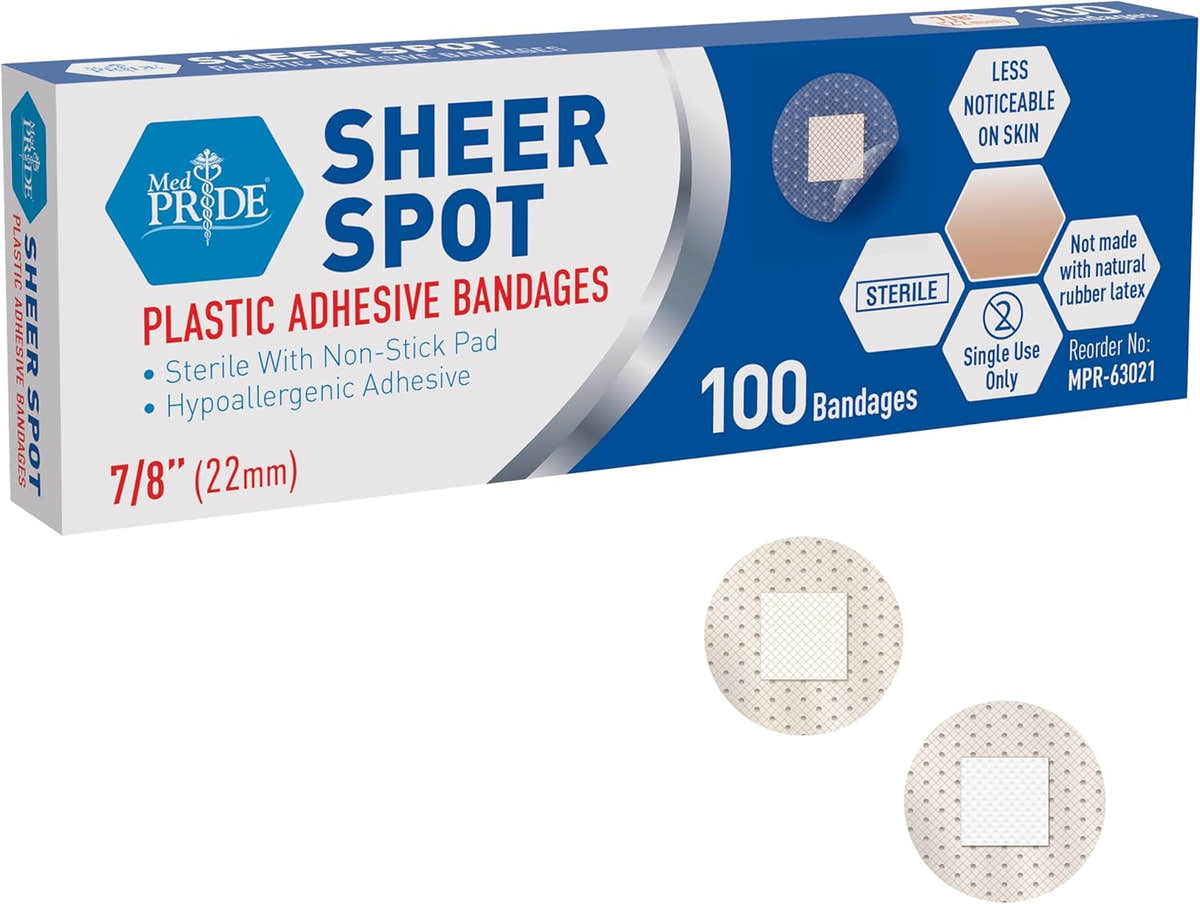
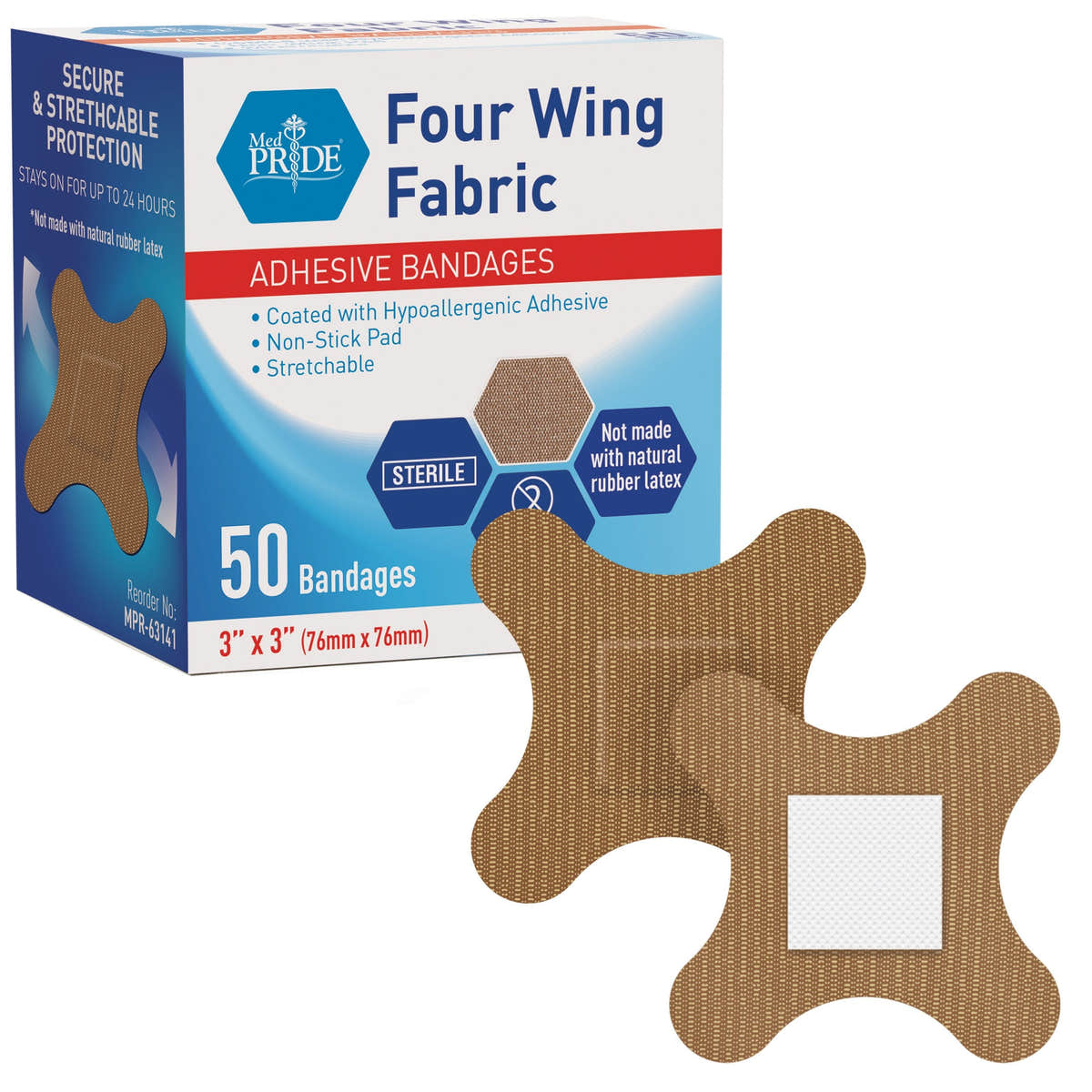
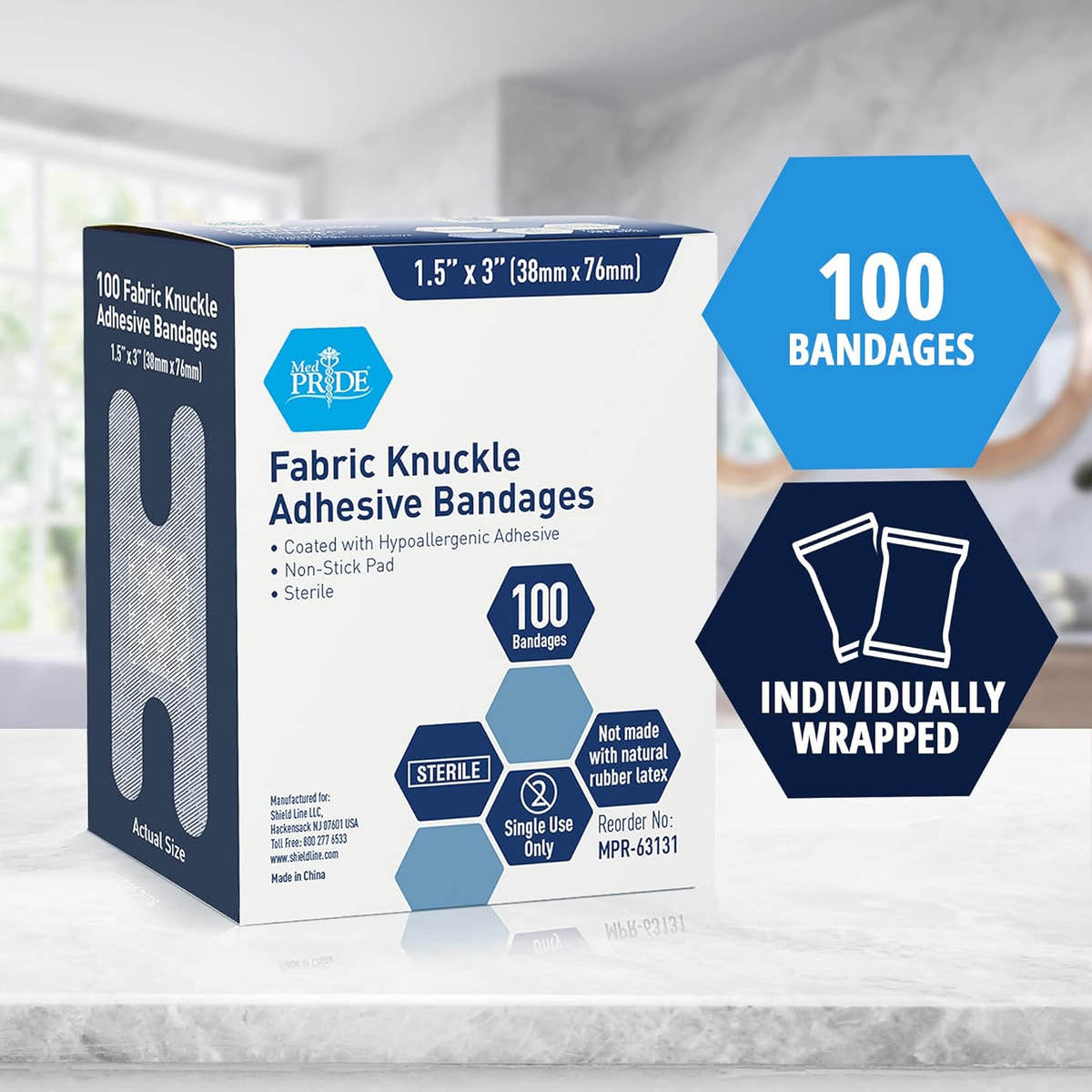
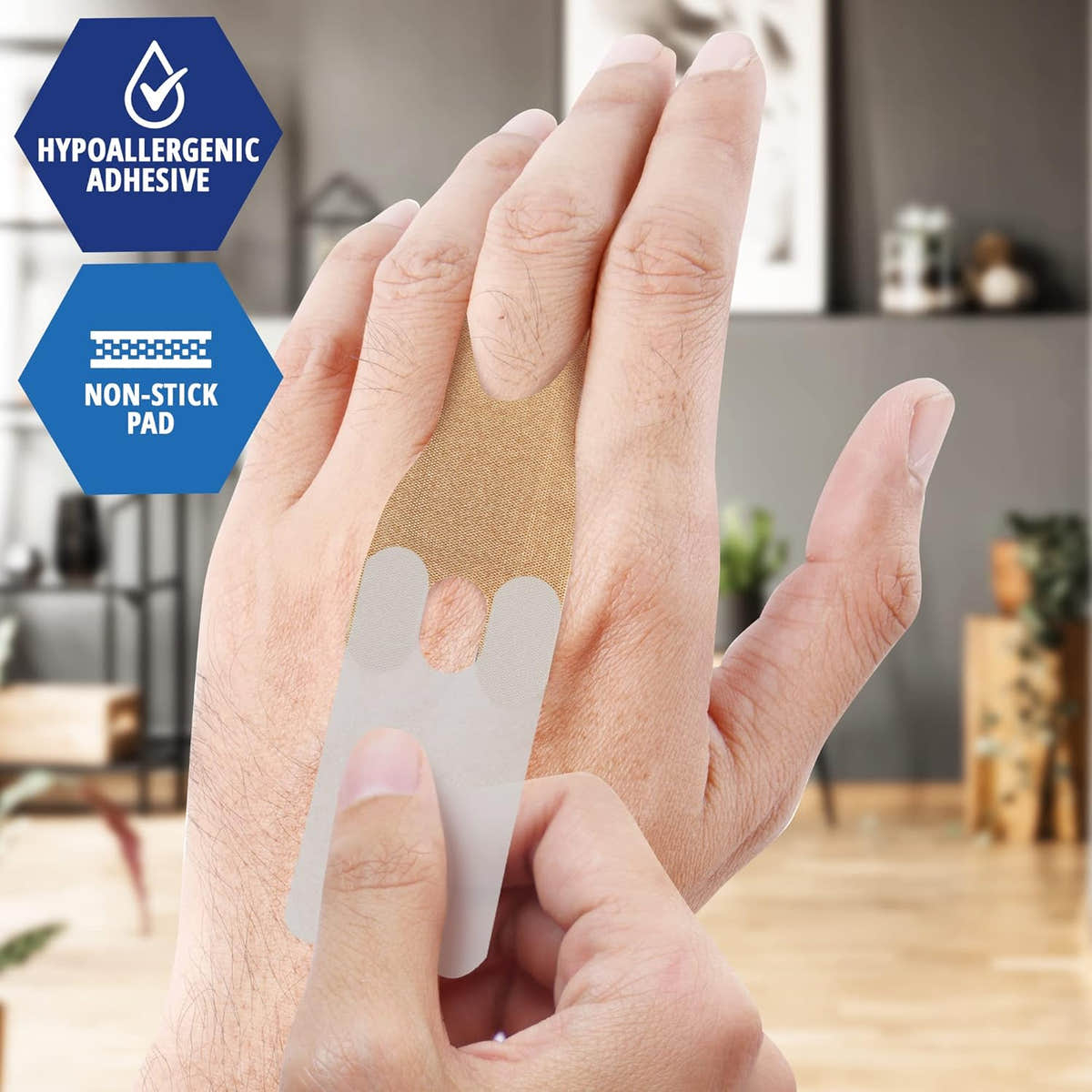
Adhesive bandages come in several types, including standard strip bandages, spot bandages for small round wounds, fingertip bandages, knuckle bandages, butterfly wound closures, and four-wing bandages for irregular wound shapes. Choosing the right type depends on the size and location of the wound being treated.

Adhesive bandages are designed for anyone who needs to cover and protect minor cuts, scrapes, or small wounds at home, at work, or in a clinical setting. Bulk quantities are especially practical for schools, offices, clinics, and healthcare facilities that go through first aid supplies regularly.

Choose an adhesive bandage that is large enough so the sterile pad fully covers the wound without the pad touching the surrounding skin. Fingertip and knuckle bandages are shaped to flex with joints, while larger strip bandages work better for flat areas like arms or legs.

Clean the wound thoroughly with water before applying an adhesive bandage, then peel back the protective strips and center the non-stick pad directly over the wound. Press the adhesive sides firmly against dry skin to create a secure seal that keeps the wound protected.

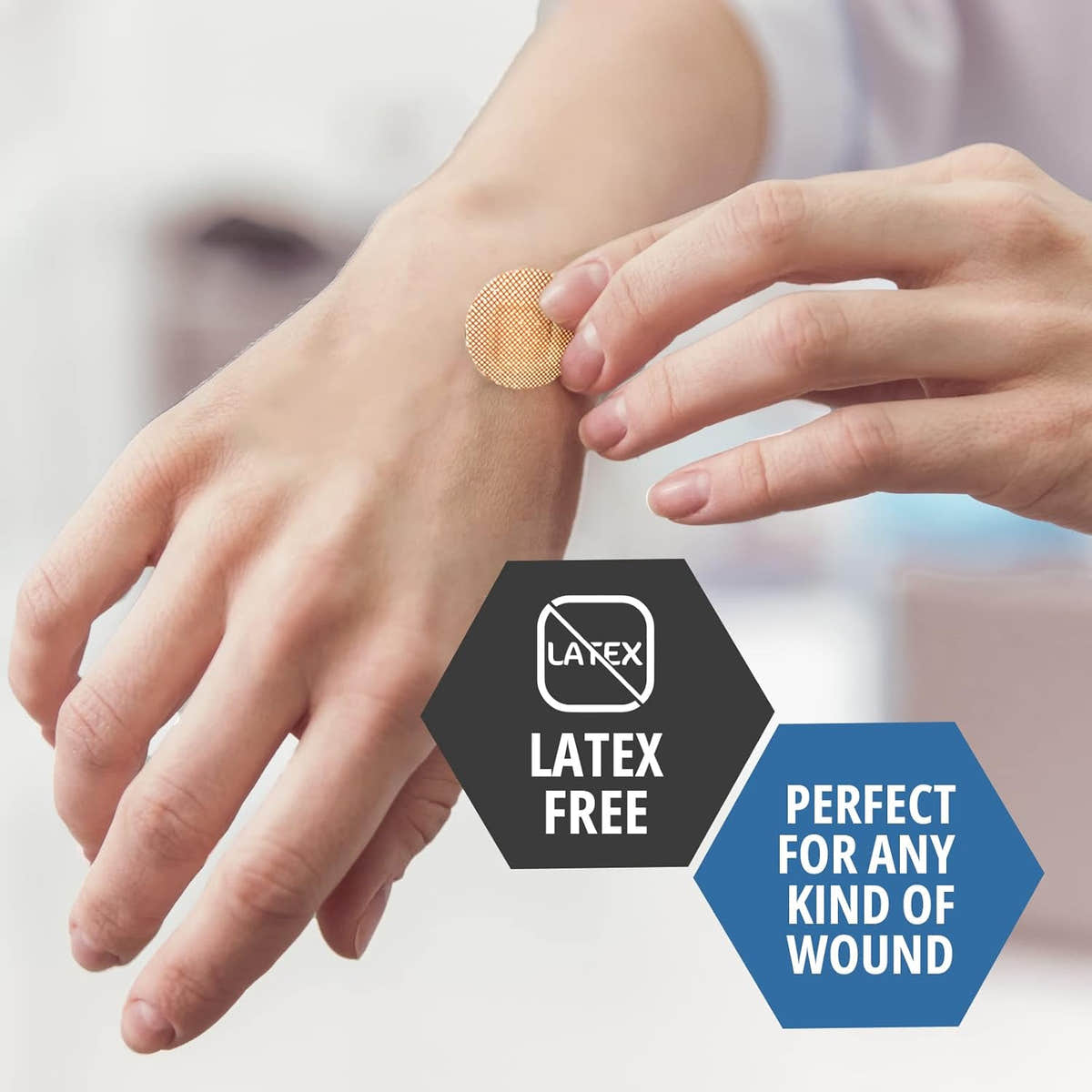
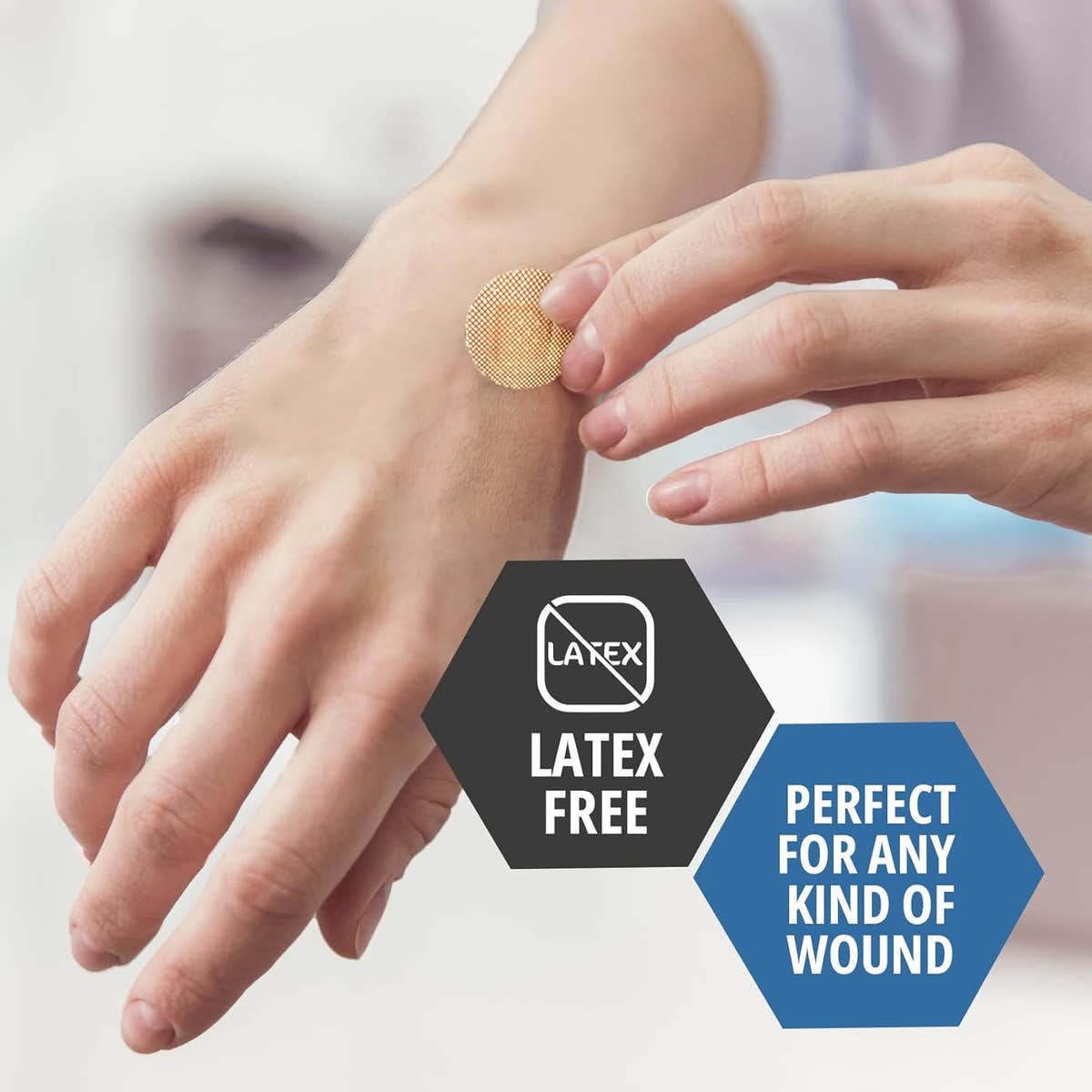
Yes, many adhesive bandages are coated with hypoallergenic adhesive, which makes adhesive bandages a suitable option for people with sensitive skin or mild adhesive sensitivities. Always check the product label to confirm hypoallergenic or latex-free claims before use if you have known skin allergies.

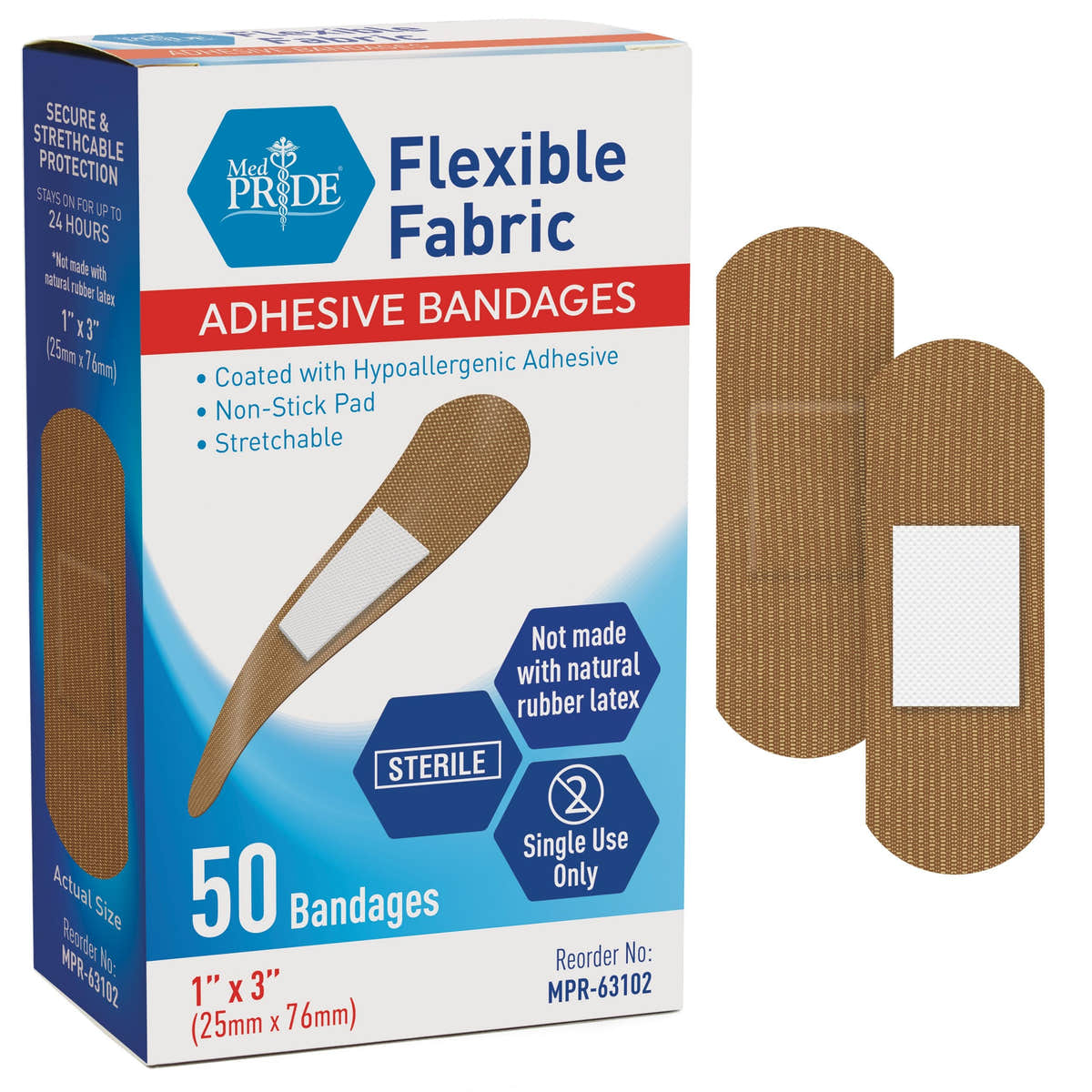
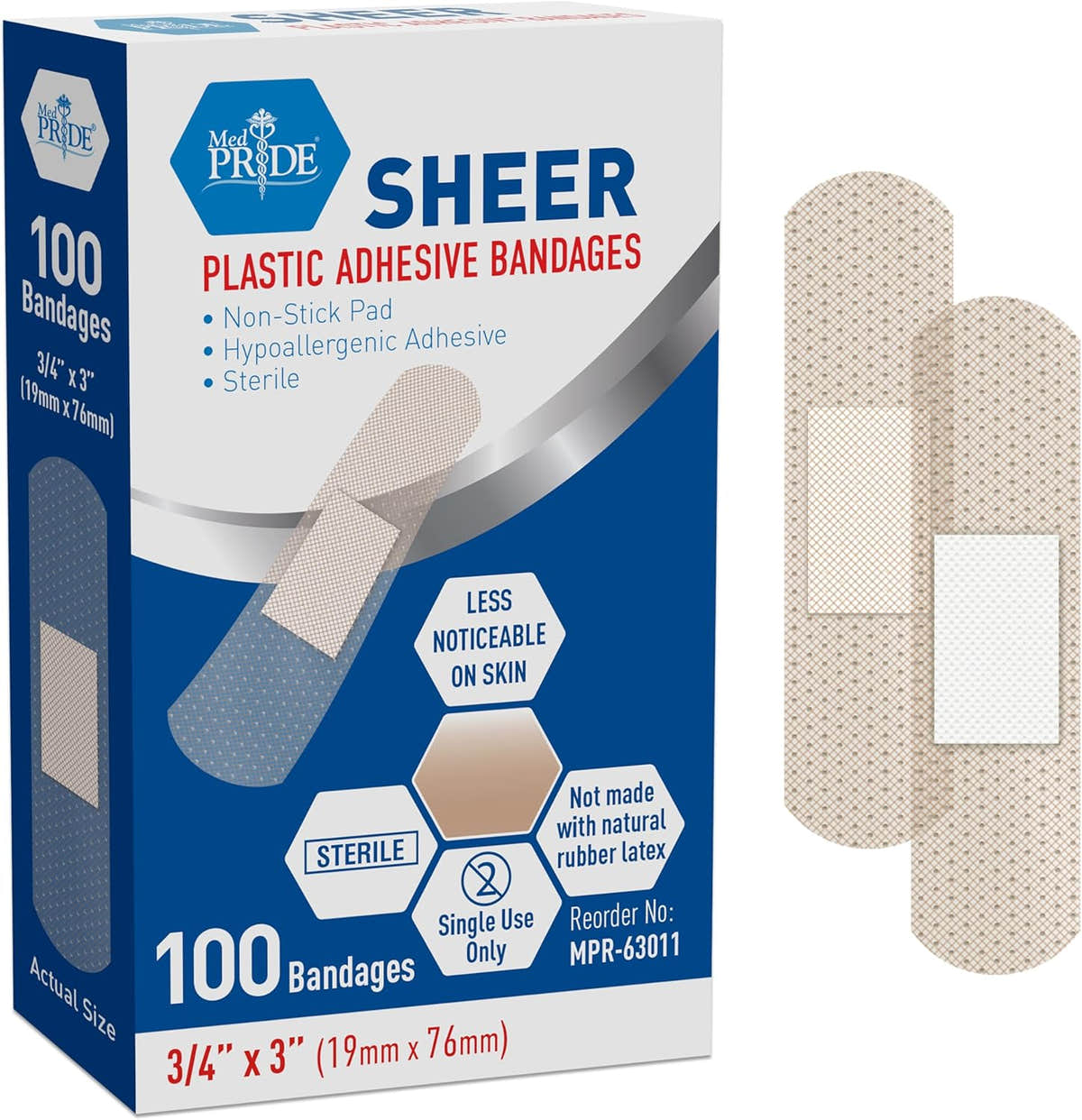
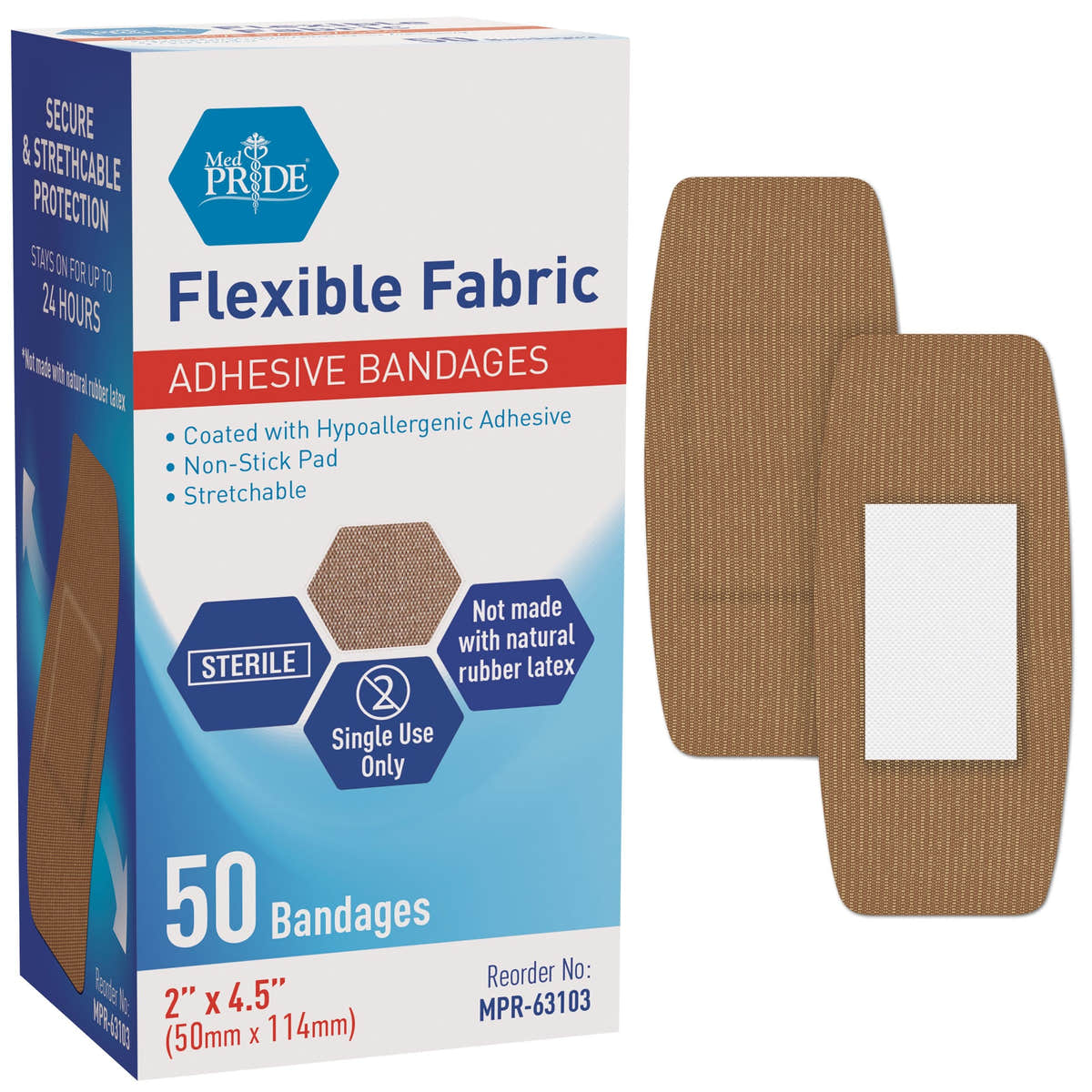
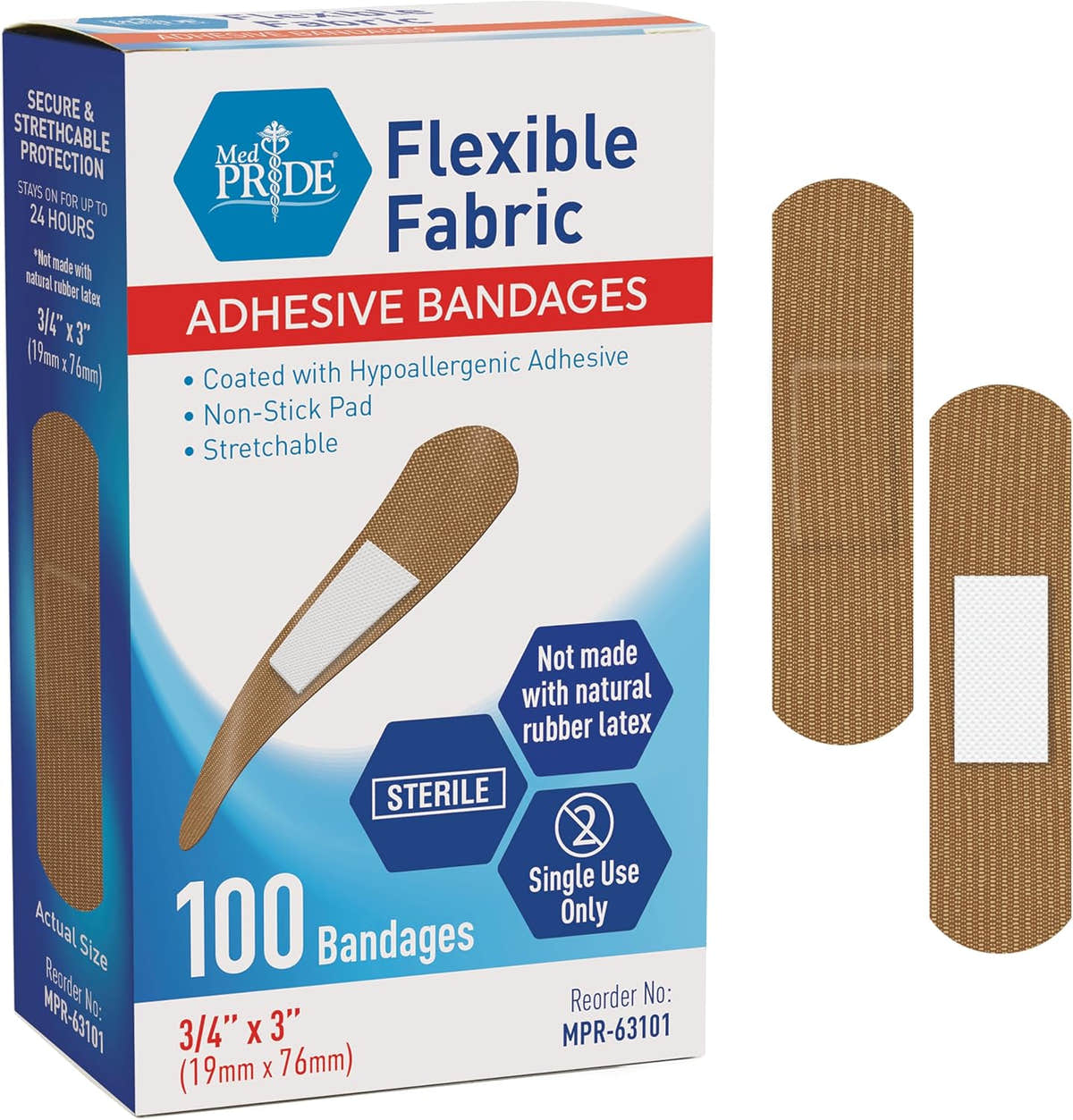
Fabric adhesive bandages are made from a flexible woven material that conforms well to joints and high-movement areas, while sheer adhesive bandages use a thin, translucent plastic backing that is less visible on skin. Fabric adhesive bandages tend to be more durable for active use, while sheer strips are a common choice for everyday minor wounds.

Yes, buying adhesive bandages in bulk is worth it for households, businesses, or medical facilities that use them frequently, since larger case quantities significantly reduce the per-bandage cost. Having a well-stocked supply of adhesive bandages also ensures first aid is always available when needed without last-minute restocking.

Store adhesive bandages in a cool, dry location away from direct sunlight and moisture to preserve the sterile packaging and adhesive quality. Keep adhesive bandages in their original sealed wrappers until use, and check the expiration date on the packaging to ensure the sterile pad and adhesive are still effective.

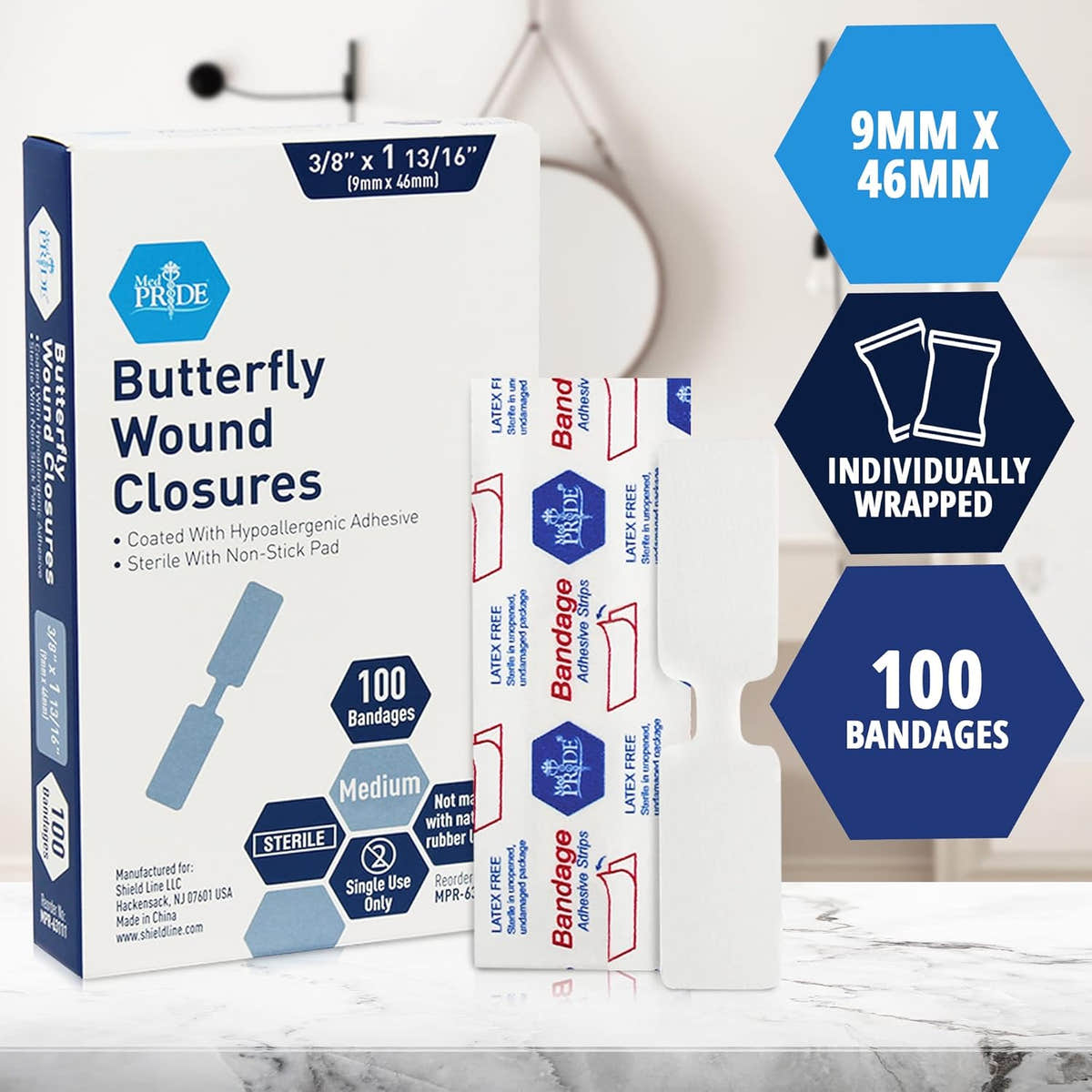
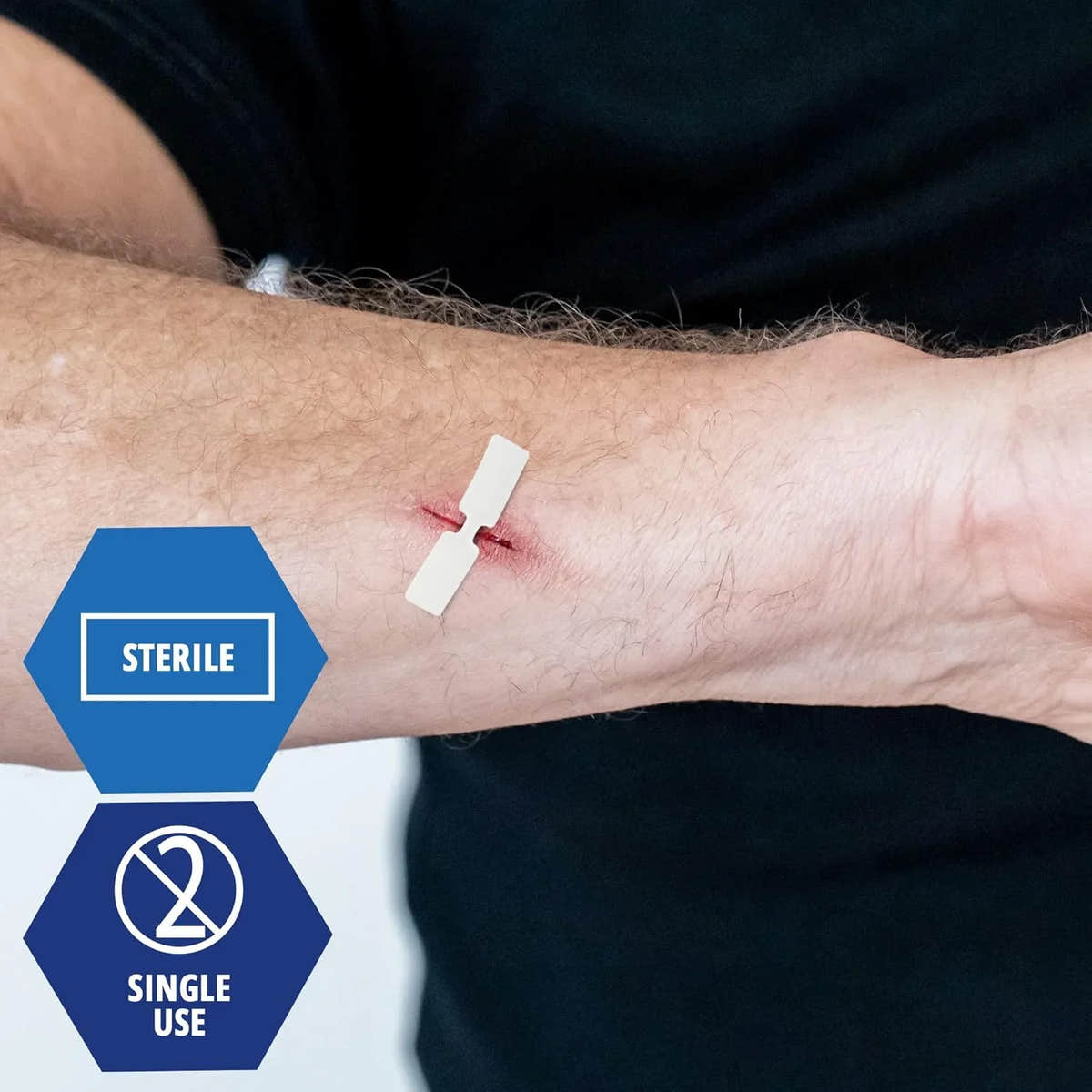
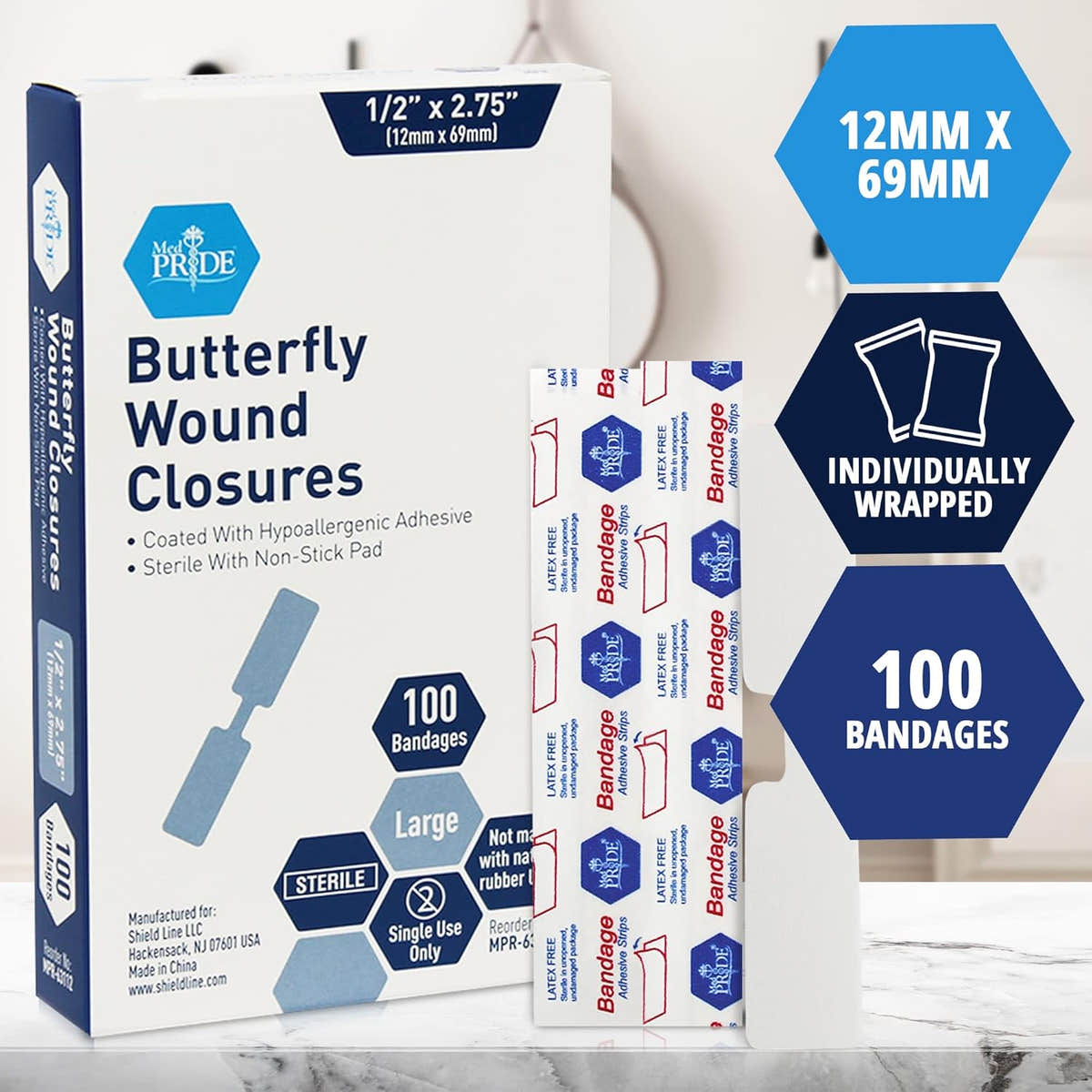
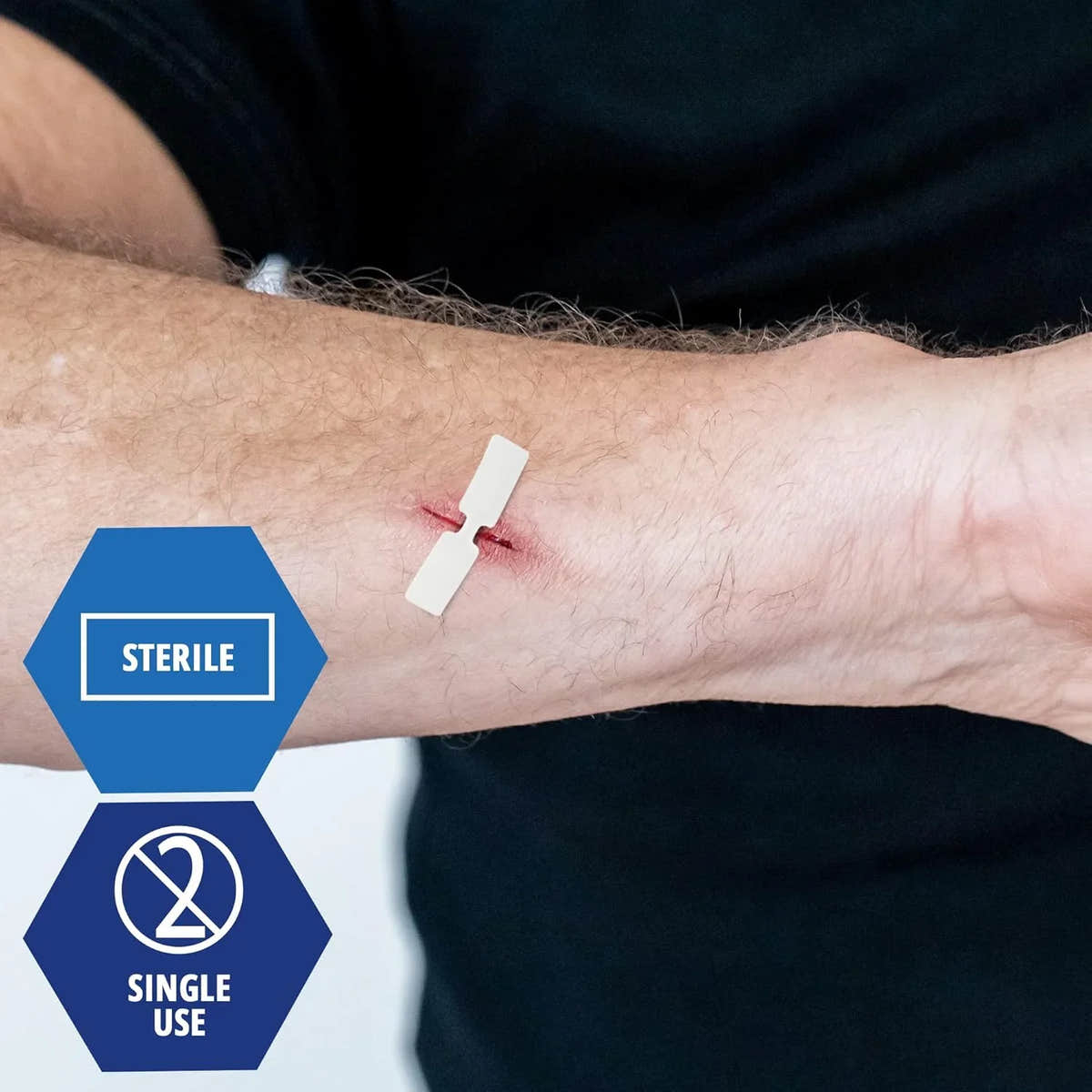
Butterfly wound closure adhesive bandages are narrow in the center and wider at the ends, designed to pull the edges of a deeper or gaping cut together rather than simply cover it. Regular strip adhesive bandages lay flat over a wound, while butterfly closures apply tension across the wound to help hold skin edges in place during healing.

Recently viewed