Returning home after a surgical procedure is a major milestone in your recovery journey. While being in your own space is comforting, transitioning to managing your recovery can feel a bit overwhelming, especially when it comes to caring for your incision. Learning the proper steps for post surgical wound care is one of the most important things you and your family caregivers can do to prevent infection, minimize scarring, and support your body’s natural healing process. With the right knowledge, a calm approach, and the proper supplies, you can confidently manage this process at home.
Every surgical wound is unique, and your surgeon will provide specific discharge instructions tailored to your procedure. However, understanding the general, evidence-based principles of wound management can help you feel more in control. This guide will walk you through the essential supplies you need, a detailed step-by-step cleaning and dressing routine, common mistakes to avoid, and the critical warning signs that mean it is time to contact your healthcare provider.
Understanding the Healing Process
According to the National Institutes of Health (NIH), wound healing is a complex, active process that occurs in distinct phases. Immediately after surgery, your body works to stop any bleeding. Over the next few days, you may notice mild swelling, redness, and warmth around the incision. This is a normal part of the inflammatory phase, where your body sends white blood cells to clean the area and protect against bacteria.
Over the following weeks, your body enters the proliferative phase, building new tissue and blood vessels to close the gap. Finally, during the maturation phase, the new skin strengthens, and a scar forms. To support these phases, your wound needs a clean, protected environment. Keeping the area free of dirt and germs while maintaining the right balance of moisture is key to a smooth recovery.
Essential Supplies for Home Wound Care
Before you begin, it is highly beneficial to gather all your supplies in one clean, organized space. Having everything within arm's reach prevents you from having to stop mid-process, which helps maintain a clean environment. Depending on your doctor's specific instructions, you will generally need the following items:
- Sterile gloves or clean disposable gloves: These act as a barrier between your hands and the healing wound.
- Sterile saline solution or mild, unscented soap: Used for gently cleansing the area.
- Sterile gauze pads: Ideal for cleaning the wound and patting it dry.
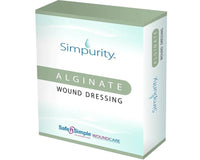
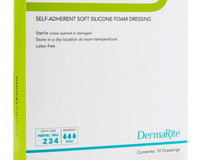
- Appropriate wound dressings: These may include non-stick (non-adherent) pads, absorbent gauze, or specialized silicone sheets, depending on the amount of drainage.
- Medical tape: Gentle paper tape or silicone tape is often preferred for sensitive skin.
- Clean scissors: If you need to cut gauze or tape to size (ensure they are wiped down with rubbing alcohol first).
- A clean waste bag: For immediate disposal of old dressings and used supplies.
A Step-by-Step Guide to Post Surgical Wound Care
Consistency and cleanliness are the foundations of successful healing. Follow these steps carefully each time you perform a dressing change. If you are a caregiver, talk through each step with the patient so they know what to expect and can remain relaxed.
Step 1: Prepare Your Workspace
Choose a clean, well-lit room with a flat surface, such as a cleared table or countertop. Wipe down the surface with a disinfectant spray or wipe. Wash your hands thoroughly with warm water and soap for at least 20 seconds, following the Centers for Disease Control and Prevention (CDC) guidelines. Dry your hands with a clean paper towel, and arrange your unopened supplies on the clean surface.
Step 2: Remove the Old Dressing Gently
Put on a pair of clean, disposable gloves. Carefully peel back the tape of the old dressing. To protect your skin, pull the tape parallel to your skin rather than pulling it straight up. Gently lift the dressing away from the wound. If the dressing is sticking, do not force it; consult your doctor's instructions, as they may recommend moistening it with sterile saline to help it slide off safely.
Step 3: Inspect the Wound and Old Dressing
Before discarding the old dressing, look at it briefly. Note the color, amount, and odor of any fluid or drainage. Some clear or slightly yellow fluid is normal in the first few days. Next, look at the incision itself. Check for any new redness, swelling, or gaps between the stitches or staples. Place the dirty dressing directly into your waste bag, remove your gloves, discard them, and wash your hands thoroughly once more.
Step 4: Clean the Incision Gently
Put on a fresh pair of clean or sterile gloves. Moisten a sterile gauze pad with sterile saline solution or clean, lukewarm tap water mixed with a mild, unscented soap (if approved by your surgeon). Gently pat or wipe the incision from one end to the other. Always clean from the cleanest area (usually the center of the incision) outward to the surrounding skin to avoid spreading bacteria. Never scrub, rub, or use a circular motion on the incision line, as this can disrupt new tissue growth and pull at your stitches.
Step 5: Dry the Area Completely
Take a fresh, dry sterile gauze pad and gently pat the skin dry. Moisture trapped under a new dressing can soften the skin around the wound (a process called maceration), which can delay healing and make the skin more vulnerable to tearing. Ensure the surrounding skin is completely dry so the new adhesive tape can stick properly.
Step 6: Apply the New Dressing
Open your new, sterile wound dressings carefully, holding them only by the edges to keep the center sterile. Place the dressing directly over the incision. Secure the edges with medical tape. Avoid pulling the tape too tight, as skin can swell slightly throughout the day, and tight tape can cause tension blisters or restrict blood flow. Finally, remove your gloves, place them in the waste bag, seal the bag, and wash your hands a final time.
Common Mistakes to Avoid
Even with the best intentions, simple mistakes can slow down your recovery. Being aware of these common pitfalls can help you keep your healing on track:
- Using harsh chemicals: According to the National Library of Medicine, using rubbing alcohol, hydrogen peroxide, or iodine on a healing surgical wound can actually damage new, delicate cells and delay healing. Unless specifically directed by your surgeon, stick to mild soap and water or sterile saline.
- Letting the wound dry out completely to "air out": While older advice suggested letting wounds scab over in the dry air, modern clinical consensus from organizations like the Wound, Ostomy, and Continence Nurses Society (WOCN) shows that cells grow and repair faster in a moist, protected environment. Keeping the wound covered with an appropriate dressing prevents scab formation, which can actually reduce scarring.
- Picking at scabs or peeling skin: It can be tempting to pick at peeling skin or small scabs around the incision, but doing so reopens the wound and introduces bacteria from your fingers. Let scabs fall off naturally.
- Reusing single-use supplies: Never reuse gauze pads, disposable gloves, or leftover portions of single-use saline bottles. Once opened, these items are no longer sterile and can harbor bacteria.
When to Call Your Healthcare Provider
While some discomfort, mild swelling, and light, clear drainage are normal parts of the recovery process, you must monitor your incision closely for signs of infection or complications. Because wound complications can escalate quickly, contact your surgeon or healthcare provider immediately if you experience any of the following:
- A fever (typically 101°F or higher, or as specified by your doctor).
- Increased redness, warmth, or swelling spreading outward from the incision line.
- Drainage that becomes thick, cloudy, green, or yellow, or has an unpleasant odor.
- Pain that is worsening over time and is not relieved by your prescribed pain medication.
- The edges of the incision begin to pull apart, gap, or open up.
- Bleeding from the incision that does not stop after applying gentle, direct pressure with a sterile gauze pad for a few minutes.
Frequently Asked Questions About Surgical Wound Care
How often should I change my post-surgical wound dressing?
You should always follow the specific schedule provided by your surgeon. Generally, dressings are changed once a day, or sooner if they become wet, dirty, loose, or fully saturated with fluid. Keeping a wet dressing on a wound can increase the risk of infection and irritate the surrounding skin.
Can I shower with a surgical wound?
This depends entirely on your surgeon's instructions and the type of closure used (such as waterproof glue versus traditional stitches). Many doctors recommend waiting 48 hours after surgery before showering. When you do shower, do not let the direct stream of water hit the incision, do not soak in a tub or swim, and gently pat the area completely dry afterward.
Is it normal for a surgical wound to itch?
Yes, mild itching is a very common sign that the nerves in your skin are healing and that new tissue is forming. However, you should avoid scratching the area, as this can damage the fragile new skin or introduce bacteria. If the itching is accompanied by spreading redness, hives, or a rash, contact your doctor, as this could indicate an allergic reaction to your dressing, tape, or ointment.
What should I do if my stitches or staples feel like they are pulling?
As swelling decreases and you begin to move more, you may feel a slight pulling sensation around your stitches or staples. This is generally normal, but you should avoid sudden stretching, heavy lifting, or movements that put direct stress on the incision line. If the pulling is painful or if you see the skin edges separating, contact your healthcare provider right away.
This article is for general educational purposes and is not medical advice. Always consult your healthcare provider for guidance specific to your situation.