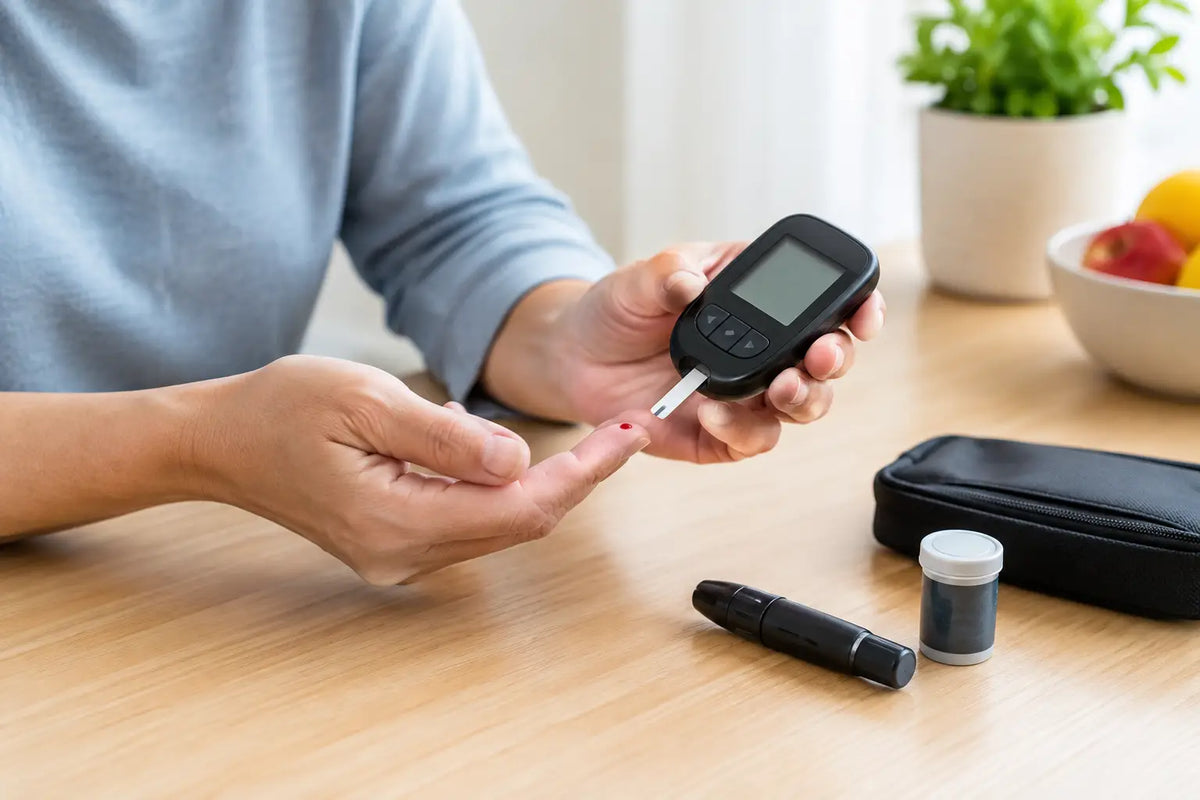
Managing a chronic condition like diabetes requires a proactive, daily approach to your health, and one of the most critical areas of focus is your feet. According to the Centers for Disease Control and Prevention (CDC), about 38 million Americans have diabetes, and approximately 25% of those individuals will develop a foot ulcer at some point in their lives. When a wound occurs on the foot, taking immediate action is essential. Proper diabetic foot ulcer care is not just about helping a wound heal; it is about protecting your mobility, preventing serious infections, and ensuring your overall well-being. This guide is designed to help patients and family caregivers navigate the daily steps of wound management safely, calmly, and effectively at home.
The Link Between Diabetes, Neuropathy, and Foot Wounds
To understand why foot wounds require such careful attention, it helps to understand how diabetes affects the body. The National Institutes of Health (NIH) explains that prolonged high blood sugar levels can damage blood vessels and nerves over time. This damage leads to two main complications that affect the feet: poor circulation and diabetic neuropathy.
Diabetic neuropathy is a type of nerve damage that often causes numbness, tingling, or a loss of sensation in the lower limbs. Because of this numbness, you might step on a small object, develop a blister from tight shoes, or sustain a minor cut without feeling any pain. When combined with poor circulation—which reduces the amount of oxygen-rich blood reaching the foot to repair tissue—even a tiny scrape can quickly turn into an open sore, or ulcer. Because these wounds heal slowly, they are highly vulnerable to infection, making prompt and consistent care an urgent priority.
Essential Supplies for Wound Care at Home
Before you begin the cleaning and dressing process, it is important to gather your supplies. Having everything in one clean, easily accessible place reduces stress and helps you maintain a sterile environment. Your healthcare provider will recommend specific products based on the depth, location, and drainage of the wound. Generally, a well-stocked home care kit includes:
- Sterile saline solution: Used to gently clean the wound without irritating the delicate new tissue.
- Sterile gauze pads: Essential for gently cleaning, drying, and covering the wound area.
- Medical tape: Choose a gentle, paper-based, or silicone-based tape designed for sensitive skin to avoid tearing when removed.
- Disposable medical gloves: To prevent the transfer of bacteria from your hands to the wound.
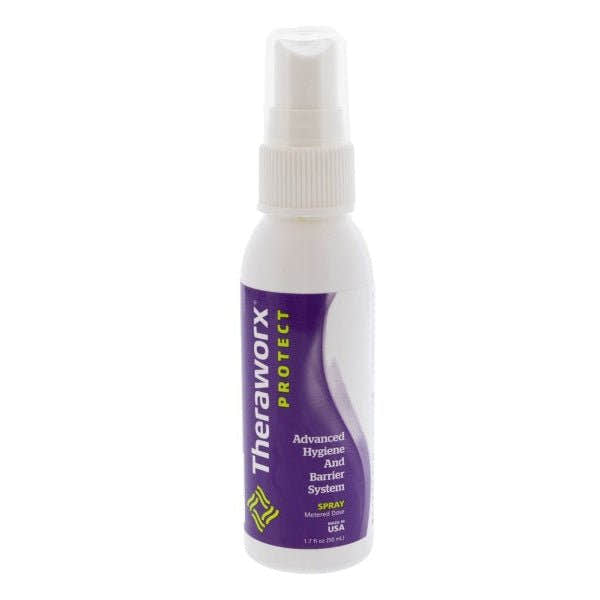
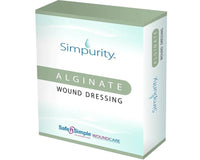
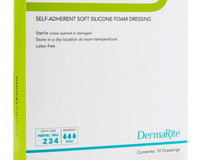
- Specialized wound dressings: Keeping a wound at the proper moisture level—neither too wet nor too dry—is vital for healing. This collection includes options like absorbent foam dressings for wounds with heavy drainage, hydrogels to add moisture to dry wounds, and protective silicone sheets that minimize pain during removal.
Step-by-Step Guide to Diabetic Foot Ulcer Care at Home
Always perform wound care in a clean, well-lit area. If you are a caregiver assisting a loved one, explain each step before you perform it to keep them comfortable and relaxed.
Step 1: Clean Your Hands and Prepare Your Workspace
Thoroughly wash your hands with warm water and soap for at least 20 seconds. Dry them with a clean paper towel. Clean the surface where you will place your supplies with a disinfectant wipe, lay down a clean towel, and arrange your supplies. Put on a fresh pair of disposable medical gloves.
Step 2: Gently Remove the Old Dressing
Carefully peel back the medical tape, pulling in the direction of hair growth to minimize skin irritation. If the dressing is stuck to the wound, do not pull or force it. Instead, moisten it gently with sterile saline solution to help it loosen, then slide it off carefully. Place the dirty dressing and gloves in a plastic trash bag, seal it, and wash your hands again before putting on a fresh pair of gloves.
Step 3: Inspect the Wound and Surrounding Skin
Take a close look at the ulcer every time you change the dressing. Look for any changes in size, color, or drainage. Check the skin around the wound for increased redness, swelling, or warmth. If you notice any unusual changes, write them down or take a photo so you can share them with your healthcare provider.
Step 4: Clean the Wound Gently
Pour sterile saline solution over the wound, or gently wipe the area with a saline-soaked sterile gauze pad. Always wipe from the center of the wound outward to avoid spreading bacteria. Never scrub the wound bed, as this can damage fragile new cells. According to the American Diabetes Association (ADA), you should avoid using harsh chemicals like hydrogen peroxide, rubbing alcohol, or iodine, as these substances can damage healthy tissue and delay the healing process.
Step 5: Dry the Surrounding Skin
Gently pat the healthy skin around the wound dry with a clean, dry gauze pad. Do not dry the wound bed itself; a slightly moist environment is ideal for cell growth and faster healing.
Step 6: Apply Prescribed Treatments and Dressings
If your doctor has prescribed a topical ointment, gel, or medication, apply it exactly as directed using a sterile cotton swab. Next, apply your chosen dressing from your collection of wound dressings. Ensure the dressing covers the entire wound, leaving a small margin of healthy skin around the edges to protect the surrounding tissue.
Step 7: Secure the Dressing
Use skin-safe medical tape or a soft, conforming bandage roll to hold the dressing securely in place. Be careful not to wrap the bandage too tightly, as this can restrict blood circulation to the foot. Make sure there are no wrinkles in the tape or bandage that could cause friction against the skin.
Step 8: Final Clean Up
Remove your gloves and discard them along with any used gauze or packaging. Wash your hands thoroughly with soap and water once more. Record the date, time, and any observations about the wound in a daily log to track progress.
Common Mistakes to Avoid
When managing a diabetic foot wound at home, avoiding common pitfalls can significantly support the healing process and prevent complications:
- Soaking your feet: While a warm foot soak might sound relaxing, the ADA strongly advises against it. Soaking can overly soften the skin (a process called maceration), making it fragile, prone to cracking, and highly susceptible to bacterial invasion.
- Walking barefoot: Even inside your own home, walking barefoot exposes your feet to dirt, bacteria, and the risk of accidental stubbed toes or scrapes. Always wear clean, supportive slippers or shoes.
- Using standard household bandages or harsh tape: Standard adhesive bandages can grip the skin too tightly and tear delicate tissue upon removal. Always use medical-grade, skin-safe adhesives.
- Ignoring minor changes: A small increase in redness or a slight change in odor might seem minor, but with diabetic wounds, these can be early signs of infection that require immediate medical attention.
When to Call Your Healthcare Provider Immediately
Because diabetic foot ulcers carry a high risk of complications, you should never hesitate to reach out to your care team. Contact your doctor immediately if you or your loved one experiences any of the following warning signs:
- A fever, chills, or body aches.
- Redness that is spreading outward from the edges of the wound.
- The skin around the wound feels increasingly warm to the touch or looks swollen.
- An increase in pain, throbbing, or tenderness in the foot or leg.
- Pus, cloudy fluid, or drainage that has a foul or unusual odor.
- The wound or the skin around it turns blue, grey, or black.
Daily Habits for Healthy Feet
Prevention is the ultimate goal of diabetic foot care. Incorporating simple, daily habits into your routine can help protect your feet from future injuries:
Perform daily foot checks: Inspect the tops, bottoms, and sides of your feet every single day. If you have trouble bending down, place a mirror on the floor or ask a family member or caregiver to help you check for blisters, cuts, or dry, cracking skin.
Keep skin clean and moisturized: Wash your feet daily with warm water and mild soap. Pat them completely dry, paying special attention to the areas between your toes. Apply a moisturizing lotion to the tops and bottoms of your feet to prevent cracking, but avoid putting lotion between your toes, as excess moisture there can encourage fungal infections.
Choose the right footwear: Wear clean, dry, seamless socks made of moisture-wicking materials. Avoid shoes that are too tight, pinch, or rub against your skin. Shake out your shoes before putting them on to ensure no small pebbles or debris are trapped inside.
How often should a diabetic foot ulcer dressing be changed?
The frequency of dressing changes depends on the type of dressing used and how much fluid the wound is draining. Some wounds need daily changes, while specialized dressings can be left in place for several days. Always follow the specific schedule prescribed by your healthcare provider.
Can I use hydrogen peroxide to clean a diabetic foot wound?
No. While hydrogen peroxide was once commonly used to clean cuts, medical consensus from organizations like the American Diabetes Association (ADA) shows that it can damage new, healthy cells and slow down the healing process. Use sterile saline solution or mild soap and water instead.
Why does neuropathy make foot wounds more dangerous?
Diabetic neuropathy causes nerve damage that can numb the sensation in your feet. Because you cannot feel pain normally, you might not notice a blister, scratch, or cut. This allows a minor injury to worsen and develop into a deep ulcer before you realize it is there.
What should I do if my wound dressing gets wet?
If your dressing becomes wet from bathing, sweat, or heavy wound drainage, it should be changed immediately. A wet dressing can soften the healthy skin surrounding the wound, making it fragile and increasing the risk of bacterial infection.
This article is for general educational purposes and is not medical advice. Always consult your healthcare provider for guidance specific to your situation.