The Golden Rule of Wound Care: Moist Wound Healing
For many years, the common belief was that wounds should be left open to the air to dry out and form a scab. However, modern medical science has proven otherwise. According to the National Institutes of Health (NIH), a moist wound environment is the gold standard for healing. When a wound is kept appropriately moist, new skin cells can grow and move across the wound surface much faster. This environment also reduces pain, prevents scarring, and helps the body naturally break down damaged tissue.
The goal of modern wound dressings is to create a perfect balance. If a wound is too dry, healing slows down, and the dressing can stick to the wound bed, causing pain when removed. If a wound is too wet, the surrounding skin can become soggy, white, and damaged—a process called maceration. The right dressing acts like a protective shield, keeping the wound at the ideal moisture level while blocking out harmful bacteria.
Evaluating Your Wound: What to Look For
Before you select a product from our comprehensive wound dressings collection, it is helpful to look closely at the wound itself. If you are working with a home health nurse or doctor, they will evaluate these same factors. When assessing a wound at home, consider the following characteristics:
- Drainage (Exudate): How much fluid is the wound producing? Wound fluid, medically known as exudate, can range from completely dry to heavily leaking. You will need a dressing that can either add moisture to a dry wound or absorb excess fluid from a wet one.
- Wound Depth: Is the wound a shallow scrape on the surface of the skin, or is it a deep crater? Deep wounds often require a filler or packing material to prevent the wound from closing at the surface before the bottom heals.
- Skin Condition around the Wound: Is the surrounding skin fragile, paper-thin, or easily irritated? Some adhesives can tear delicate skin, especially in elderly patients, so you may need gentle or non-adhesive options.
- Signs of Infection: According to the Centers for Disease Control and Prevention (CDC), signs of a localized infection include increased redness, swelling, skin that feels warm to the touch, worsening pain, or yellow or green pus. If you notice any of these signs, or if the patient develops a fever, contact a healthcare provider immediately.
A Guide to Common Wound Dressing Types
To help you navigate your options, here is a breakdown of the primary types of wound dressings available, what they do, and when they are typically used.
1. Gauze Dressings (Sponges, Pads, and Rolls)
Gauze is the most traditional and widely used wound care material. It is highly versatile and can be used for cleansing, packing, protecting, or covering wounds. Gauze comes in woven (loose fibers) and non-woven (tightly compressed fibers) formats. Non-woven gauze is generally preferred for wound contact because it leaves fewer lint fibers behind and is less likely to stick to the wound bed.
Best for: Minor cuts, scrapes, or as a secondary protective layer over a more specialized primary dressing. It is also useful for packing deep wounds when soaked in saline, though this must be changed frequently to prevent it from drying out.
2. Transparent Film Dressings
Transparent films are thin, flexible, see-through sheets of polyurethane coated with an adhesive. They do not absorb fluid, but they are waterproof and act as a barrier against bacteria and moisture from the outside. Because they are clear, they allow you or your doctor to monitor the wound without removing the dressing.
Best for: Superficial wounds with little to no drainage, such as minor burns, skin tears, or to secure IV catheters. They are also frequently used as a secondary dressing to hold other materials in place.
3. Hydrogel Dressings
Hydrogels are water-based gels, sheets, or impregnated guazes designed to donate moisture to dry wounds. If a wound has dry, black, or yellow crusty tissue (known as necrosis or slough), hydrogel helps soften this dead tissue so the body can naturally wash it away. This process is crucial because healthy new tissue cannot grow over dead tissue.
Best for: Dry wounds, minor burns, shingles outbreaks, or painful wounds that benefit from a cooling, soothing sensation.
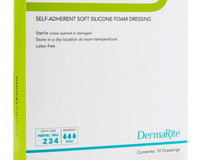
4. Foam Dressings
Foam dressings are made of polyurethane and are highly absorbent. They act like a soft sponge, drawing excess fluid away from the wound while maintaining a moist healing environment underneath. Foam dressings are cushioned, which helps protect the wound from friction, pressure, and physical bumps.
Best for: Wounds with moderate to heavy drainage, such as pressure injuries (often called bedsores) or surgical wounds. They are highly recommended for areas prone to friction, like the heels or hips.
5. Hydrocolloid Dressings
Hydrocolloids contain gel-forming agents (like sodium carboxymethylcellulose) backed by a waterproof adhesive layer. When the dressing contacts wound fluid, it forms a soft, protective gel. This gel keeps the wound moist, insulates the area to keep it at body temperature, and protects it from external contamination. Hydrocolloids can often be left in place for several days, reducing the pain of frequent dressing changes.
Best for: Shallow wounds with light to moderate drainage, such as minor pressure sores, blister protection, or donor sites from skin grafts. They should not be used on infected wounds.
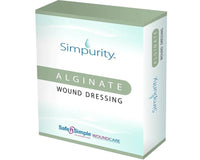
6. Alginate and Gelling Fiber Dressings
Alginate dressings are made from natural seaweed fibers. When they come into contact with wound drainage, they turn into a moist, biodegradable gel. Alginates are incredibly absorbent, capable of holding many times their weight in fluid. They also have mild homeostatic properties, meaning they can help stop minor bleeding.
Best for: Wounds with heavy to severe drainage, such as deep venous ulcers, diabetic foot ulcers, or packing deep, draining wounds. They require a secondary dressing (like gauze or a film) to hold them in place.
A Step-by-Step Guide on How to Choose the Right Wound Dressing
Now that you know the different types of dressings, you can use this simple step-by-step process to narrow down your choices based on your specific situation.
Step 1: Determine the Amount of Drainage
Look at the dressing you are currently changing. Is it completely soaked through in a few hours, or is it dry and sticking to the skin?
- Dry to lightly draining: Choose hydrogels to add moisture, or transparent films and hydrocolloids to lock in existing moisture.
- Moderate drainage: Choose hydrocolloids or foam dressings to absorb fluid without drying out the wound bed.
- Heavy drainage: Choose highly absorbent foam dressings, alginates, or gelling fibers.
Step 2: Assess the Wound Depth
If the wound is a flat, surface-level injury, a simple flat dressing (like a foam sheet or hydrocolloid) is sufficient. If the wound has depth, tunnel-like tracks, or undermining (pockets under the skin edge), you must gently pack the space. Leaving an empty cavity can allow the surface skin to close over a pocket of infection. Use alginate ropes or saline-moistened gauze to fill the space gently, then cover it with a secondary dressing.
Step 3: Consider Skin Sensitivity and Location
If the wound is on a joint (like an elbow or knee), you will need a flexible dressing that stretches with movement, such as a silicone foam or a flexible hydrocolloid. If the surrounding skin is fragile or prone to tearing, look for dressings with gentle silicone adhesives rather than traditional acrylic adhesives. Silicone dressings adhere securely but release gently without pulling at delicate skin cells.
Step 4: Watch for Specialty Needs
According to the American Diabetes Association (ADA), individuals living with diabetes have a higher risk of developing foot ulcers that heal very slowly due to poor circulation and nerve damage. If you are managing a diabetic foot ulcer, it is critical to work closely with a podiatrist or wound specialist. They may recommend specialized antimicrobial dressings, such as those containing medical-grade silver or honey, to help keep bacteria levels under control.
Tips for Safe Dressing Application and Removal
Choosing the right product is only half the battle; how you apply and remove it also matters. Always wash your hands thoroughly with soap and water before touching wound care supplies. Cleanse the wound gently with sterile saline or a mild wound cleanser as directed by your doctor—avoid harsh chemicals like rubbing alcohol or hydrogen peroxide, which can damage healthy new cells.
When applying a dressing, ensure it extends at least one inch beyond the edges of the wound to secure it to healthy, dry skin. When it is time to remove the dressing, peel it back slowly in the direction of hair growth rather than pulling straight up. If a dressing is stuck to the wound bed, do not rip it off. Instead, moisten it with sterile saline or water to help loosen it gently, preventing damage to the newly formed skin underneath.
How often should I change a wound dressing?
The frequency of dressing changes depends on the type of dressing and how much fluid the wound produces. Highly absorbent dressings like foams or hydrocolloids can sometimes be left in place for 3 to 7 days, while simple gauze dressings may need to be changed daily or multiple times a day. Always follow the specific instructions provided by your healthcare provider.
What is the difference between a primary and a secondary dressing?
A primary dressing makes direct contact with the wound bed to promote healing or absorb fluid (such as a hydrogel or an alginate). A secondary dressing is placed over the primary dressing to secure it in place, provide extra absorption, or protect the wound from dirt and bacteria (such as a transparent film or cohesive wrap).
Why does my wound dressing stick to the wound, and how can I prevent this?
Dressings stick when the wound bed dries out or when the drainage dries into the fibers of the dressing (common with woven gauze). To prevent this, choose non-adherent pads, hydrogels to add moisture, or dressings with a gentle silicone contact layer. If a dressing is stuck, saturate it with sterile saline before gently peeling it away.
Can I use a waterproof dressing in the shower?
Yes, certain dressings like transparent films and some bordered foam dressings are waterproof and designed to keep water out during quick showers. However, they should not be submerged in bathwater or pools. Always check the manufacturer's packaging to confirm if a dressing is waterproof, and consult your doctor before exposing a healing wound to water.
This article is for general educational purposes and is not medical advice. Always consult your healthcare provider for guidance specific to your situation.