A favorite recliner, wheelchair, or bedside chair can become difficult to use when sitting causes soreness, numbness, or skin irritation. Pressure cushions help redistribute body weight over a broader surface, making seated time more comfortable for people with limited mobility, those recovering from surgery, and anyone who spends long periods in one position.
They are a practical home-care item, but they are not one-size-fits-all. The right cushion depends on where it will be used, how easily the person can shift their position, the condition of their skin, and the level of support needed. Choosing with those details in mind can make daily routines more manageable for both the user and caregiver.
What Pressure Cushions Are Designed to Do
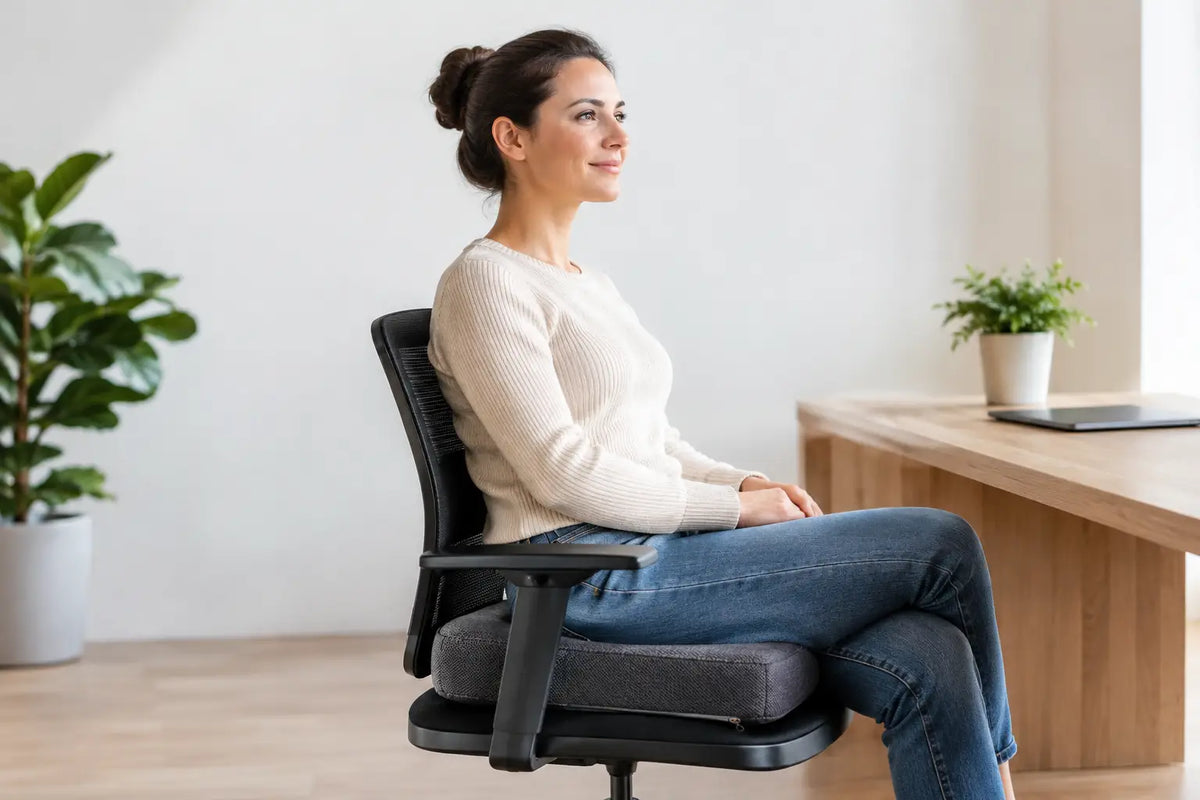
Pressure cushions are seat cushions made to reduce concentrated pressure around bony areas, especially the tailbone, hips, and upper thighs. Unlike a standard soft pillow, a pressure-relieving cushion is designed to hold its shape while helping spread weight more evenly.
This matters when someone sits for hours at a time with few opportunities to stand, walk, or reposition. Wheelchair users, people with weakness after an illness or injury, and adults on bed rest may be at greater risk for discomfort and pressure-related skin concerns. A cushion can be one part of a consistent comfort and skin-care routine.
It is helpful to keep expectations realistic. No cushion can prevent pressure injuries by itself, and a very soft cushion is not always the best choice. Regular position changes, skin checks, good nutrition and hydration, and guidance from a healthcare professional remain essential, particularly for people with reduced sensation or a history of pressure wounds.
Common Types of Pressure Cushions
The material inside a cushion changes how it feels, how much support it provides, and how much upkeep it needs. The best option often comes down to the user's mobility and the chair being used.
Foam cushions
High-density foam cushions are a common choice for everyday chairs, transport wheelchairs, and office-style seating. They are generally lightweight, simple to carry, and easy to use without pumps or adjustments. Some foam styles have contoured surfaces that help position the pelvis and legs more comfortably.
Foam may compress over time, especially with frequent use. For someone who needs a higher level of pressure redistribution or has significant skin concerns, basic foam may not provide enough support on its own. Check the product's weight capacity and whether the foam is designed for pressure relief rather than general comfort.
Gel cushions
Gel cushions use fluid-like gel sections, often combined with foam, to help distribute pressure and reduce heat buildup. They can feel stable and supportive, which may be useful for people who dislike the sensation of a highly air-filled cushion.
The trade-off is weight. Gel cushions can be heavier to move from a wheelchair to a car or dining chair. They may also feel firmer in a cool room until the material adjusts to body temperature.
Air-cell cushions
Air cushions contain connected or individual air cells that can be inflated to achieve a personalized level of immersion and support. They are often considered for wheelchair users and others who sit for extended periods, especially when pressure management needs are more complex.
Proper inflation is central to their performance. Too much air can create a hard, unstable surface; too little may allow the person to bottom out against the chair. These cushions also require routine checks for leaks, valve issues, and correct setup. A clinician or seating specialist can be especially helpful when selecting and adjusting an air-cell model.
Coccyx and cutout cushions
Coccyx cushions have a rear cutout or lowered section intended to reduce direct pressure on the tailbone. They can be helpful for temporary tailbone discomfort, postpartum recovery, or pain while sitting after a minor injury.
They are not automatically the right choice for every person at risk of skin breakdown. A cutout changes how weight is distributed, and the edge of the opening can create pressure in other areas if the cushion does not fit the user or chair correctly.
How to Choose a Cushion for Home Use
Start with the seat, not just the diagnosis. Measure the width and depth of the wheelchair, recliner, or chair where the cushion will be used. A cushion that is too narrow may not support the hips fully. One that is too deep can press behind the knees or make it harder to sit back properly.
Seat height matters too. Adding a thick cushion can raise the user enough that their feet no longer rest safely on the floor or wheelchair footrests. That can affect balance, transfers, and comfort. If standing from the chair is already difficult, even a small increase in height should be considered carefully.
Think about the person's daily routine. A lightweight foam cushion may be convenient for someone who moves between several chairs. A more advanced air or gel design may better suit someone who remains in a wheelchair for much of the day. If incontinence is a concern, look for a moisture-resistant, removable cover that can be cleaned according to the manufacturer's directions.
Weight capacity is another basic but important detail. It affects how the cushion performs, not just whether it physically holds the user. Choosing within the stated range helps preserve the intended support and reduces the chance of bottoming out.
Using Pressure Cushions Correctly
A quality cushion works best when it is placed on a stable, level seat with the cover facing the correct direction. Avoid stacking one cushion on top of another unless a clinician recommends it. Stacked cushions can create instability, alter posture, and make transfers harder.
Once seated, the person's hips should be supported evenly, with their back positioned against the chair back when appropriate. Watch for sliding forward, leaning strongly to one side, or a cushion that bunches underneath the thighs. These signs may mean the cushion, chair, or both need adjustment.
For people at higher risk of pressure injuries, caregivers should check the skin regularly for persistent redness, warmth, discoloration, tenderness, or open areas. On darker skin tones, redness may be harder to see, so feel for changes in temperature, firmness, or tenderness as well. Do not massage a reddened area, and seek medical guidance promptly if skin changes do not fade after pressure is relieved or if there is broken skin.
Repositioning remains necessary even with a pressure cushion. The timing depends on the individual's condition and care plan. Some people can shift their weight independently; others need reminders or hands-on assistance. A healthcare professional can recommend a schedule that fits the person's needs.
Cleaning and Replacing a Cushion
Daily use can expose cushions to moisture, food spills, and friction from clothing. Wipe down waterproof surfaces as directed, and wash removable covers according to their care labels. Make sure a cover is completely dry before putting it back on, since trapped moisture can irritate skin.
Inspect the cushion routinely for flattened foam, cracks, tears, leaking gel, damaged air cells, or loose valves. A cushion that looks worn may no longer provide the support it did when new. Replacement timing varies by material, use, and body weight, but visible damage or a noticeable loss of support are clear reasons to reassess it.
When to Ask for Professional Guidance
A primary care provider, wound care clinician, physical therapist, occupational therapist, or seating specialist can help when there is a current pressure injury, a history of recurring wounds, major changes in mobility, or uncertainty about wheelchair fit. Professional input is also worthwhile when a person has little sensation, cannot reposition independently, or has trouble maintaining a stable posture while seated.
For routine home needs, CartHealth makes it easier to compare pressure-relief seating options alongside other daily care supplies. The goal is not simply a softer seat. It is a cushion that supports comfort, positioning, and safer time spent in the places that matter most at home.
A well-fitted cushion, regular movement, and early attention to skin changes can help make everyday sitting feel more secure and more comfortable.