Adscope

4 products

Showing 1 - 4 of 4 products

Adscope Stethoscopes & Accessories for Clinical Professionals

Adscope designs stethoscopes and supporting accessories built for the demands of everyday clinical use. Whether you're a nursing student heading into your first rotation, a seasoned paramedic working in the field, or a cardiologist who needs precise acoustic performance, the Adscope lineup offers a model matched to your role and environment.

Showing 1 - 4 of 4 products
View
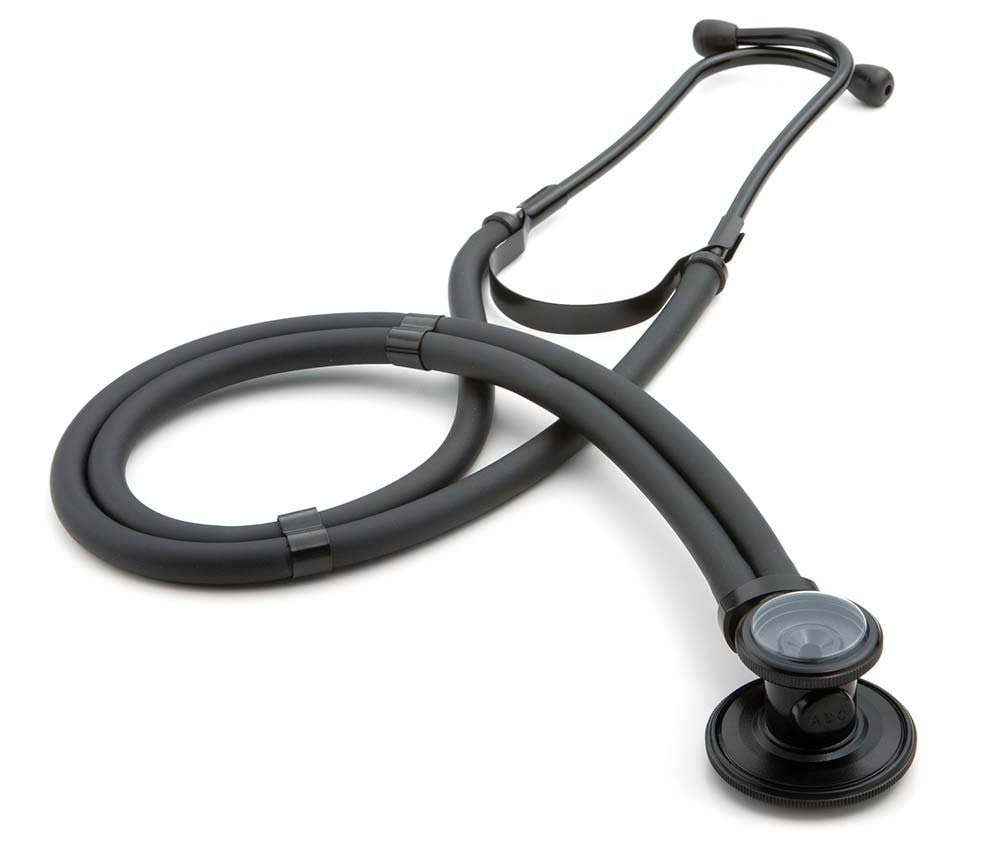
Adscope 646 Sprague - Rappaport Stethoscope - 497317_EA - 1
Adscope 603 Classic Stethoscope, Black -Each
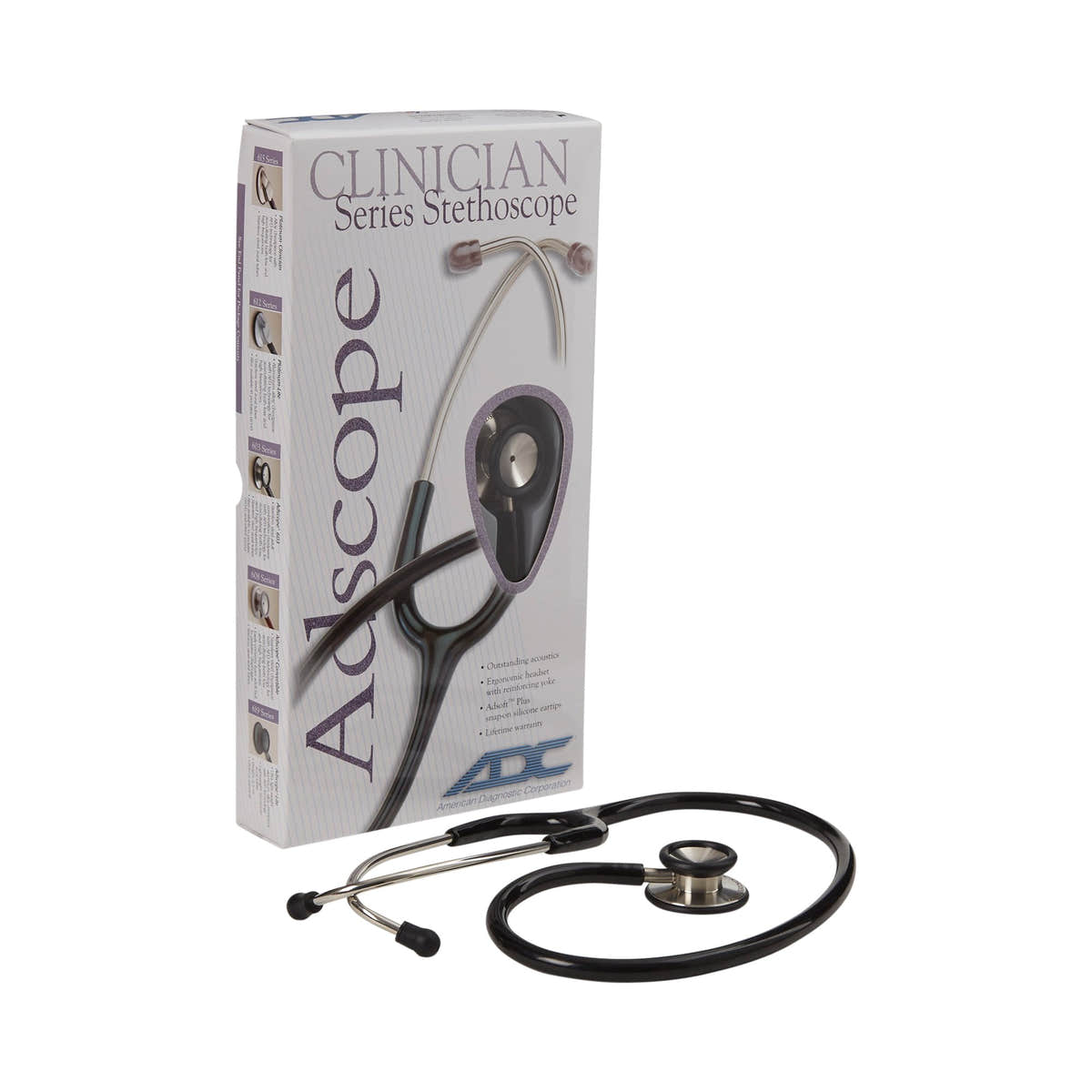
Adscope 603 Classic Stethoscope
Sale priceFrom $63.99

Choose options
Adscope 601 Cardiology Stethoscope -Each
Adscope Snap-on Eartip - 953777_EA - 1
Adscope Snap-on Eartip
Sale price$7.99

Frequently Asked Questions about Adscope

An Adscope stethoscope is a diagnostic acoustic instrument designed to amplify and transmit body sounds — including heart, lung, and bowel sounds — to the listener's ears. Adscope stethoscopes are available in several clinical grades, from basic Sprague-Rappaport styles to full cardiology-level models, making the line suitable for a wide range of healthcare settings.

Adscope stethoscopes are designed for healthcare professionals including physicians, nurses, paramedics, and medical students who need reliable acoustic performance for routine or advanced clinical assessments. Entry-level models work well for students and general practitioners, while cardiology-grade Adscope stethoscopes are better suited for specialists who require finer acoustic detail.

A Sprague-Rappaport stethoscope uses a two-tube design with interchangeable chest pieces and is typically used for general assessment, while a cardiology stethoscope features a single-lumen tube and tunable diaphragm engineered for superior low-frequency sound detection. For routine vitals and general use, a Sprague-Rappaport model is sufficient, but cardiologists and critical care clinicians typically benefit from a cardiology-grade stethoscope.

Place the ear tips of the stethoscope into your ears angled forward, then position the chest piece firmly against the patient's bare skin in the area you want to auscultate. Make sure the room is quiet, hold the chest piece steady to minimize friction noise, and switch between the diaphragm and bell sides depending on whether you are listening for high- or low-frequency sounds.

Yes, Adscope stethoscope ear tips are replaceable, and snap-on eartips are available as separate accessories designed to fit Adscope models. Replacing worn or damaged ear tips helps maintain a proper acoustic seal, which directly affects sound quality and comfort during use.

Wipe the chest piece, tubing, and ear tips of a stethoscope with a 70% isopropyl alcohol wipe or mild soap and water after each patient contact to prevent cross-contamination. Avoid submerging the stethoscope in liquid or using harsh solvents, as these can degrade the tubing material and damage the diaphragm over time.

Yes, the type of stethoscope significantly affects how clearly you can hear heart sounds, because acoustic design, tubing construction, and chest piece quality all influence sound transmission. A cardiology-grade stethoscope is engineered to detect subtle murmurs and low-frequency sounds that a basic or student-grade stethoscope may not reproduce with the same clarity.

Choose a stethoscope based on your clinical role — general practitioners and students typically do well with a classic or Sprague-Rappaport model, while cardiologists and critical care nurses benefit from a cardiology-grade stethoscope with a tunable diaphragm. Consider acoustic performance, chest piece type, tubing length, and ear tip comfort when comparing options within a stethoscope collection.

Yes, a Sprague-Rappaport stethoscope is a practical choice for nursing students because it is versatile, includes interchangeable chest piece attachments, and covers the acoustic range needed for clinical coursework. The multi-piece design also helps students learn the difference between bell and diaphragm auscultation techniques during their training.

Recently viewed