Your privacy matters to us! By using our site, you agree to the collection and use of your Personal Information as described in our Privacy Policy.
Ambulatory Accessories
96 products
Showing 1 - 24 of 96 products
Ambulatory Accessories: Everyday Essentials for Mobility and Safety
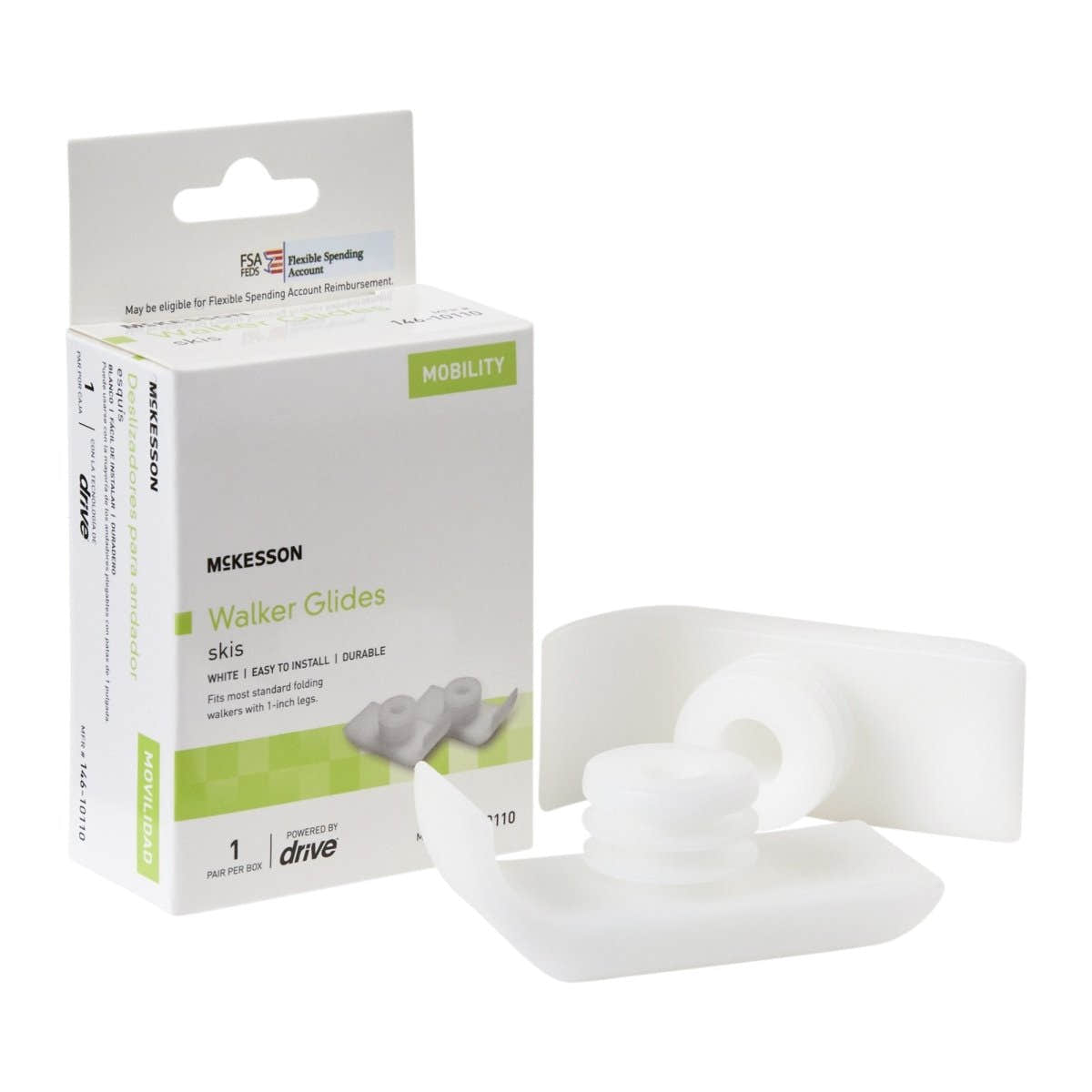
Ambulatory accessories are the practical, often overlooked items that keep mobility equipment working well and users moving safely. Whether supporting a caregiver managing daily routines or helping someone maintain independence at home or in a care setting, this collection brings together the replacement parts, comfort upgrades, and safety add-ons that make a real difference in day-to-day life. Brands like Skil-Care, Drive Medical, Stryker Medical, Nova Ortho-Med, and others are represented here, offering a range of options to suit different equipment and situations.
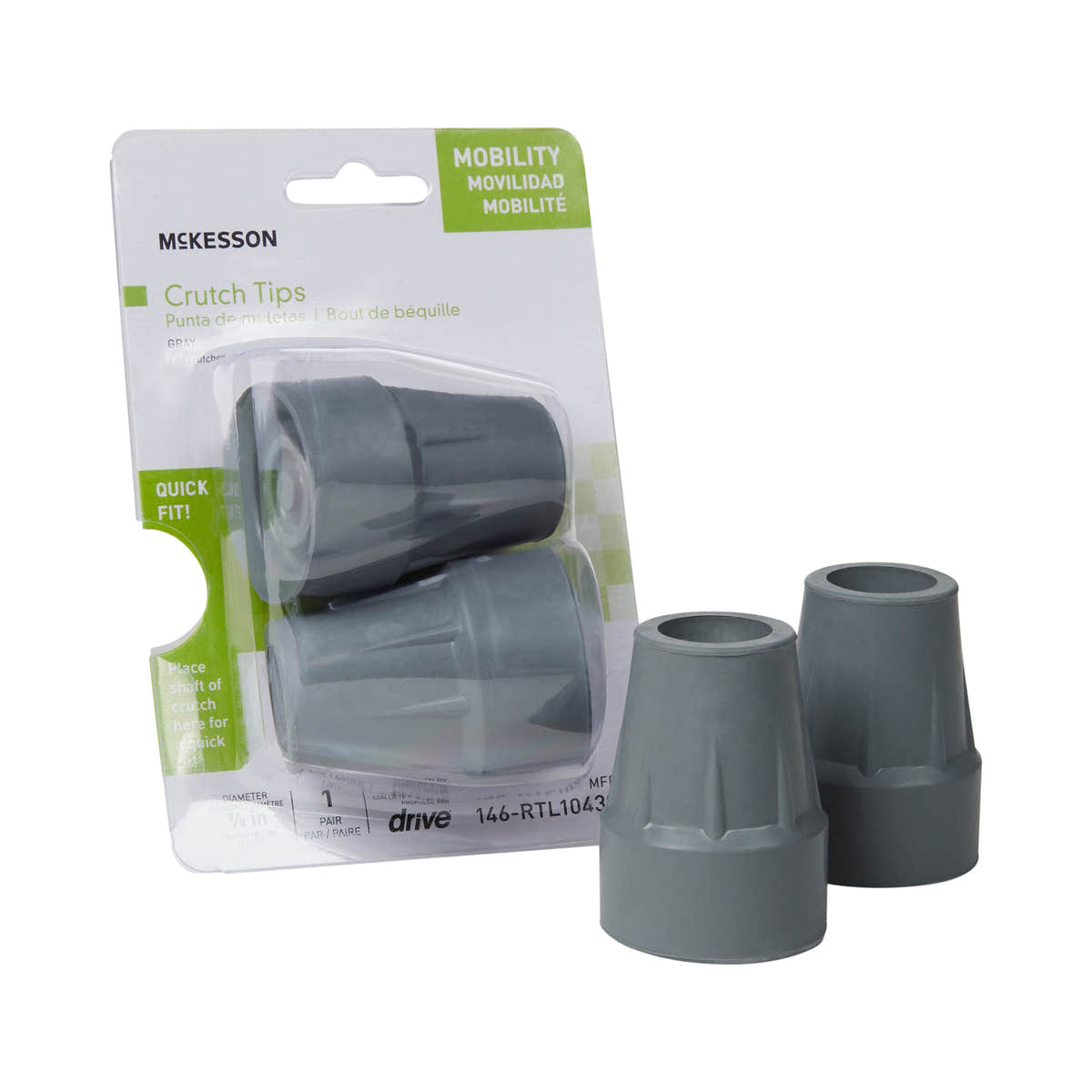
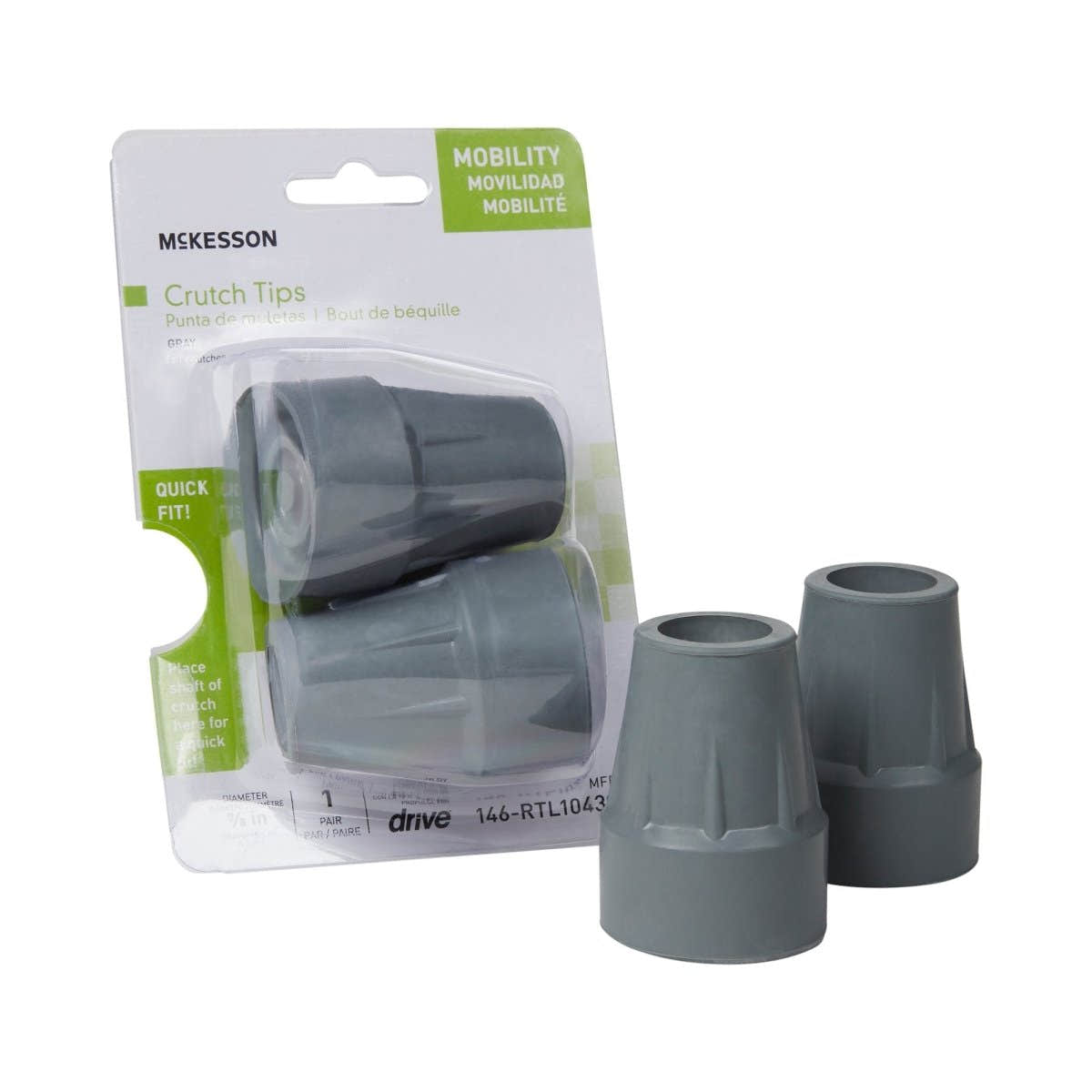
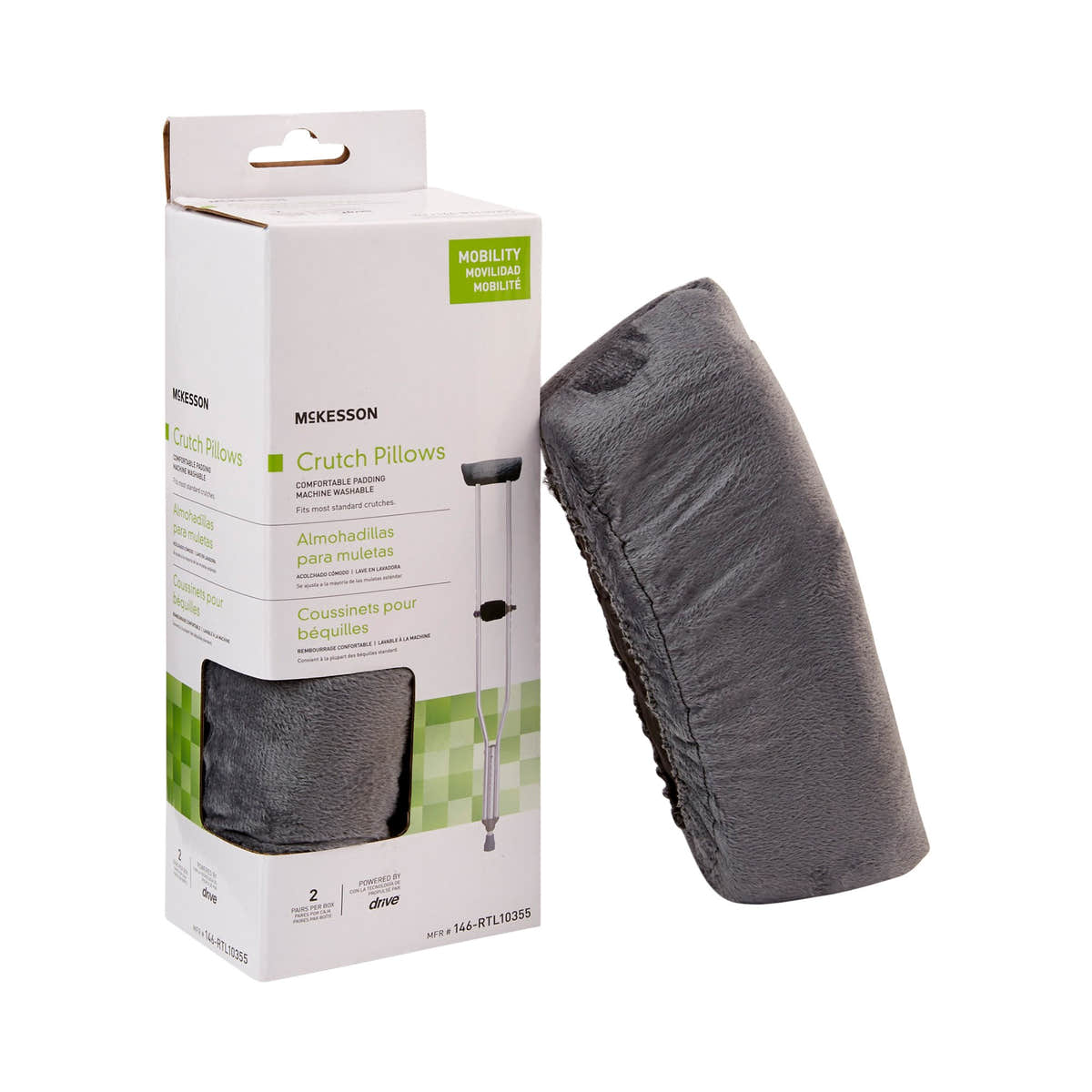
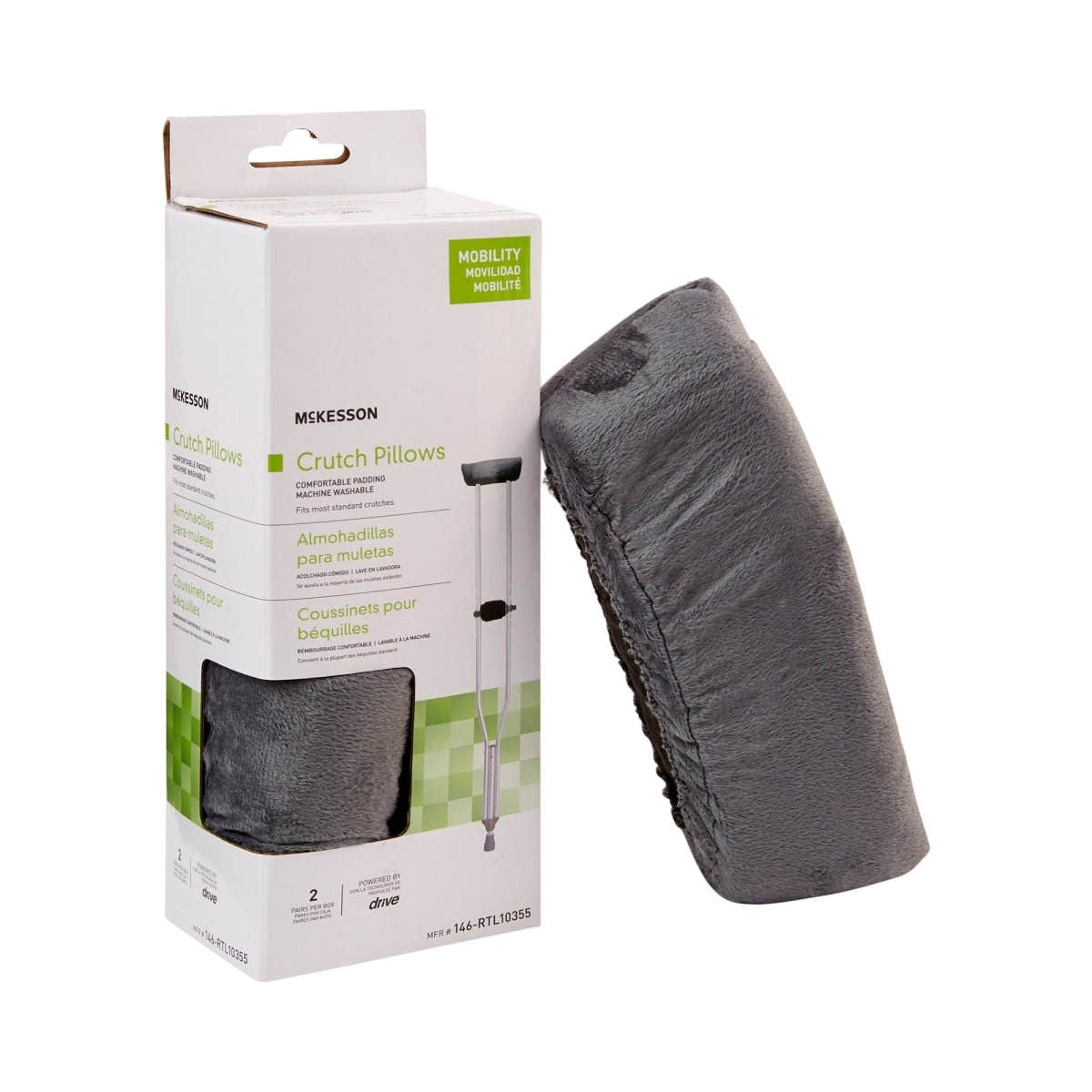
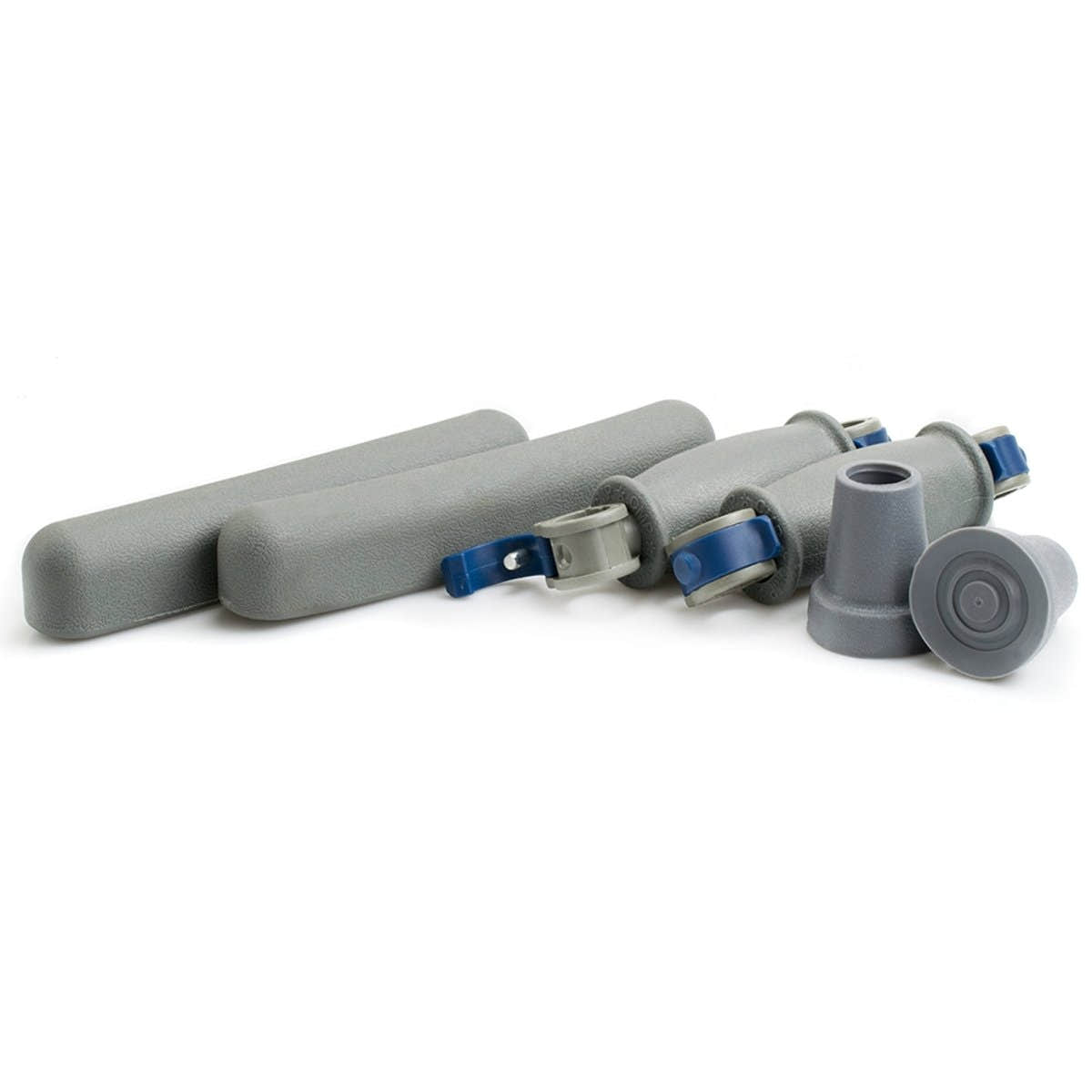
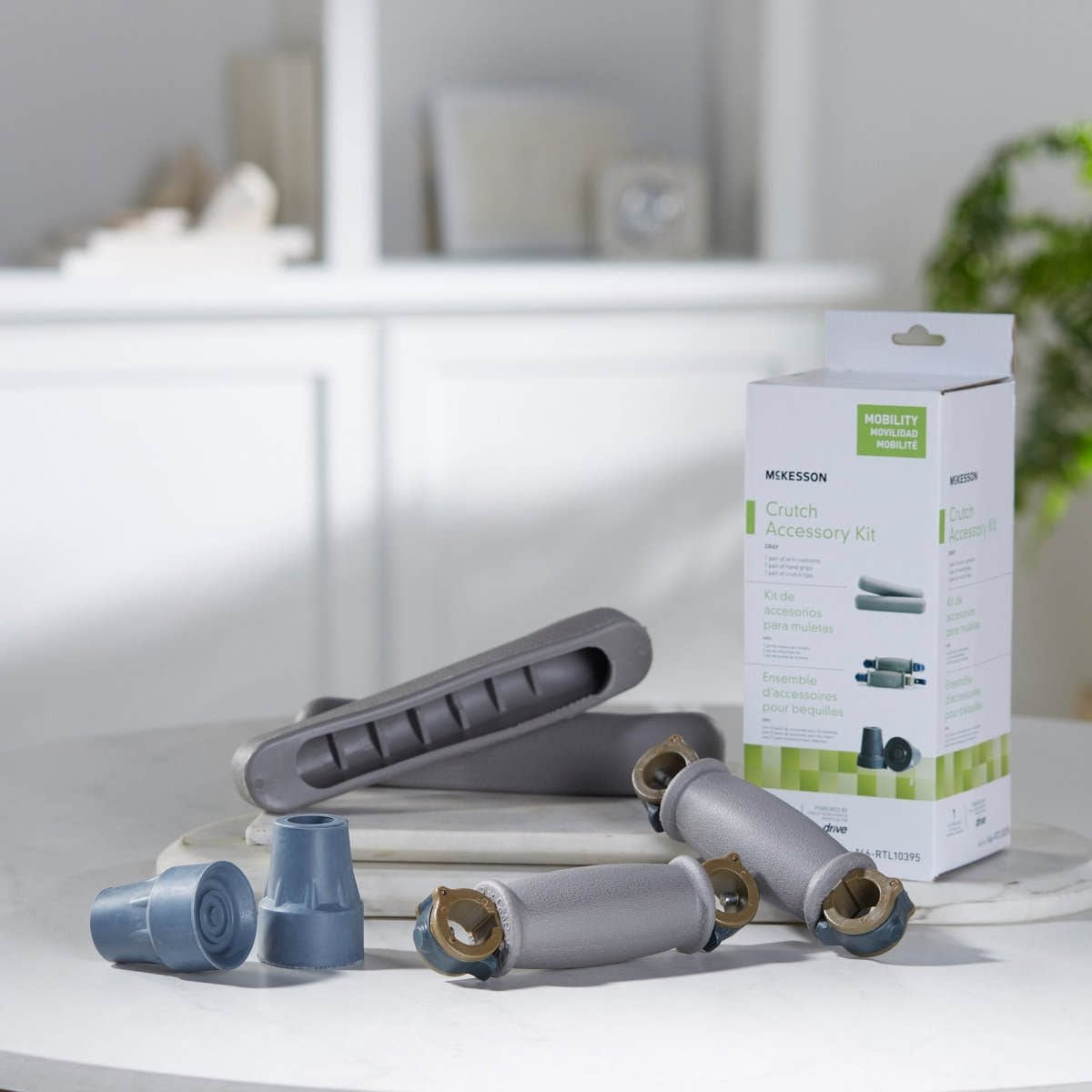
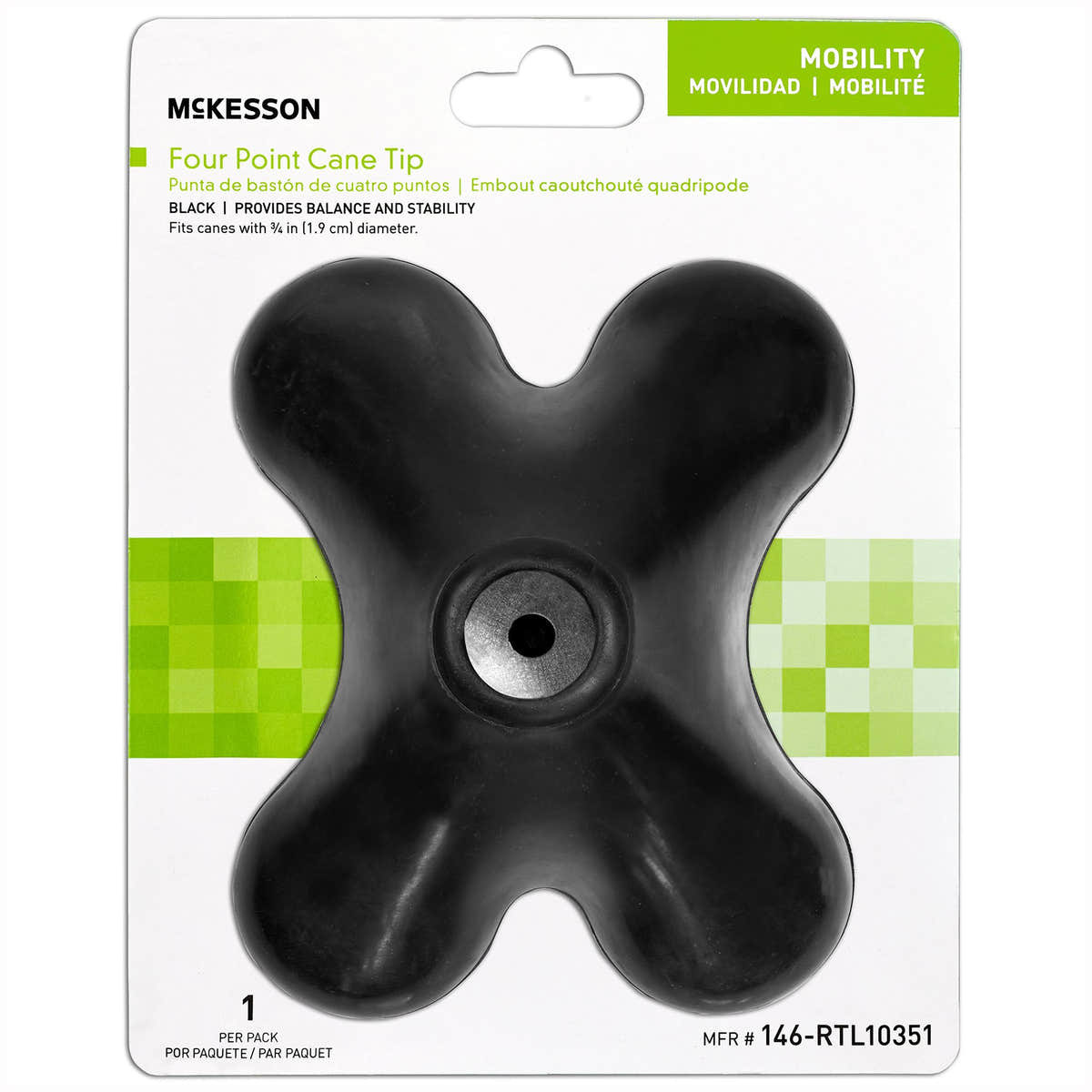
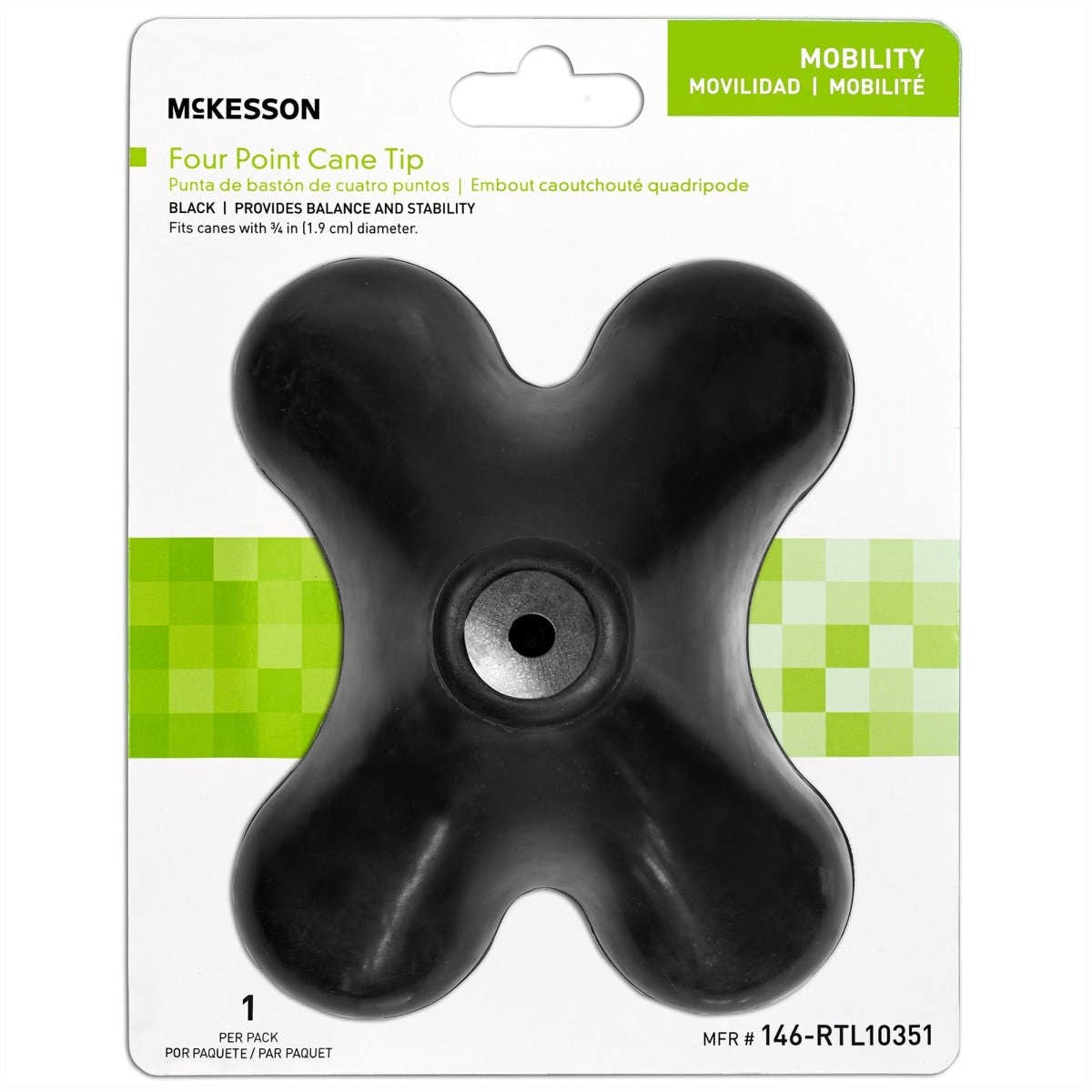
Crutch and cane accessories: Replacement tips and grips that help maintain traction and protect flooring — such as the McKesson Cane / Crutch Tip, a straightforward swap when wear sets in.
Wheelchair comfort and support add-ons: Seat and back pads, armrest replacements, posture supports, and footrest extenders designed to improve fit and comfort for wheelchair and geri-chair users.
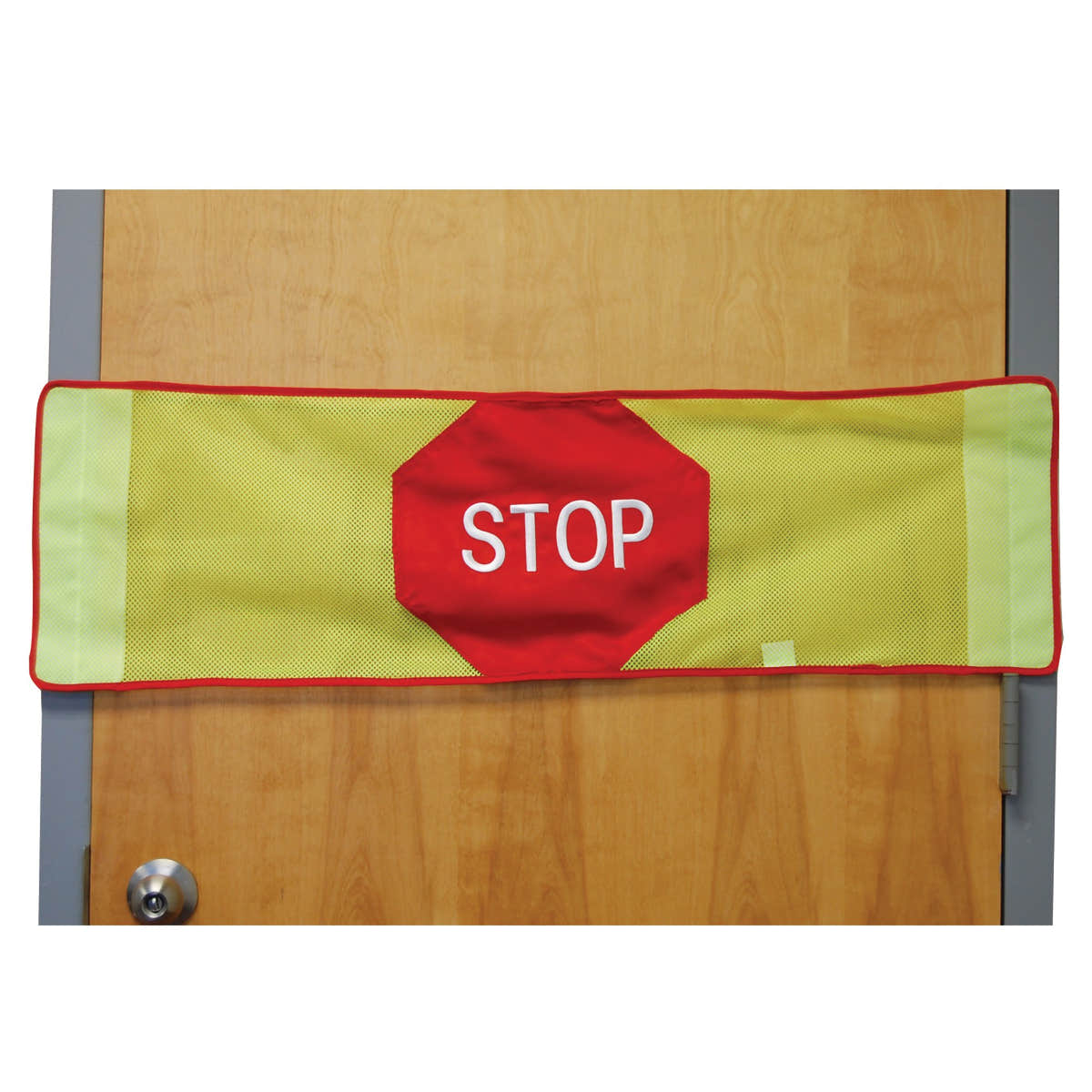
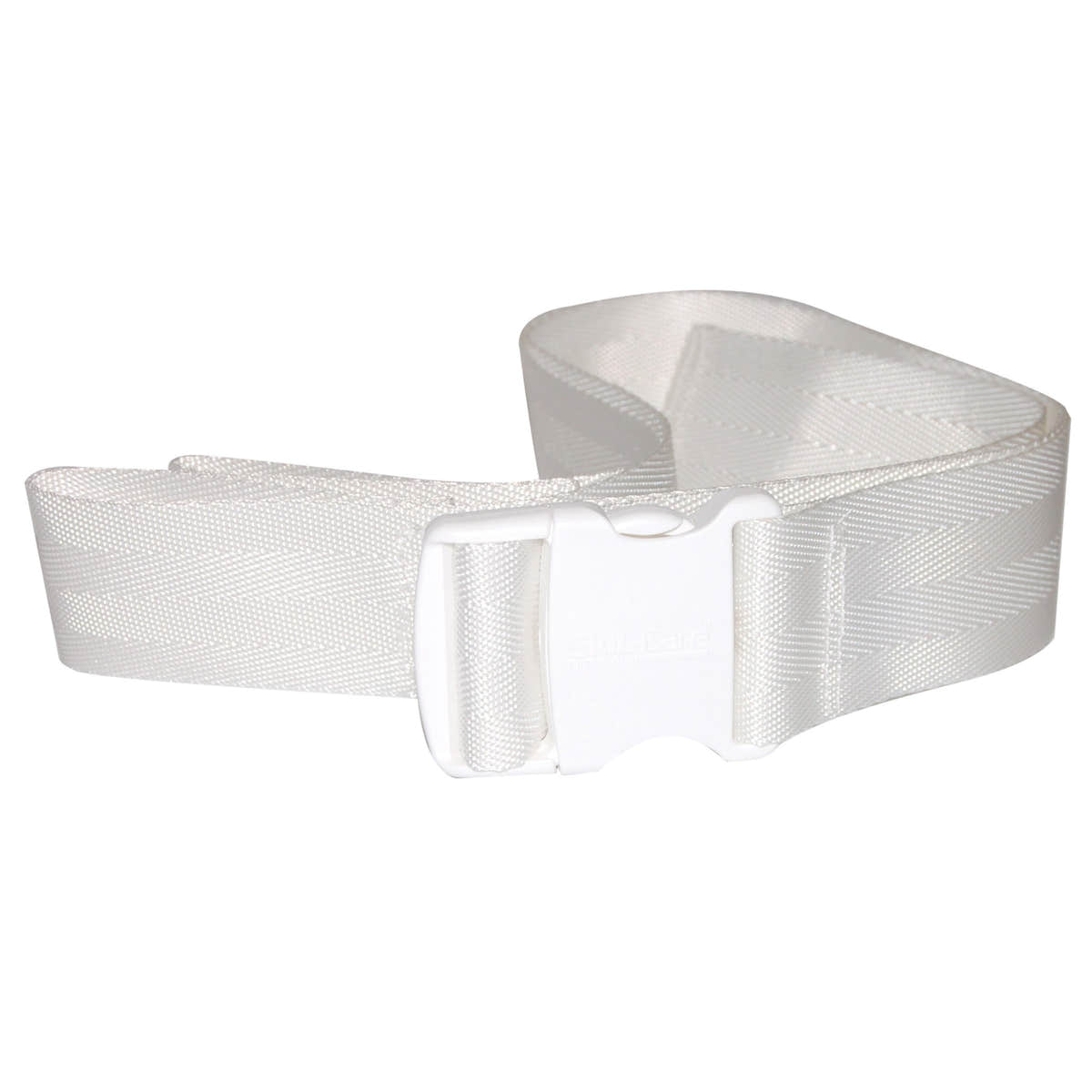
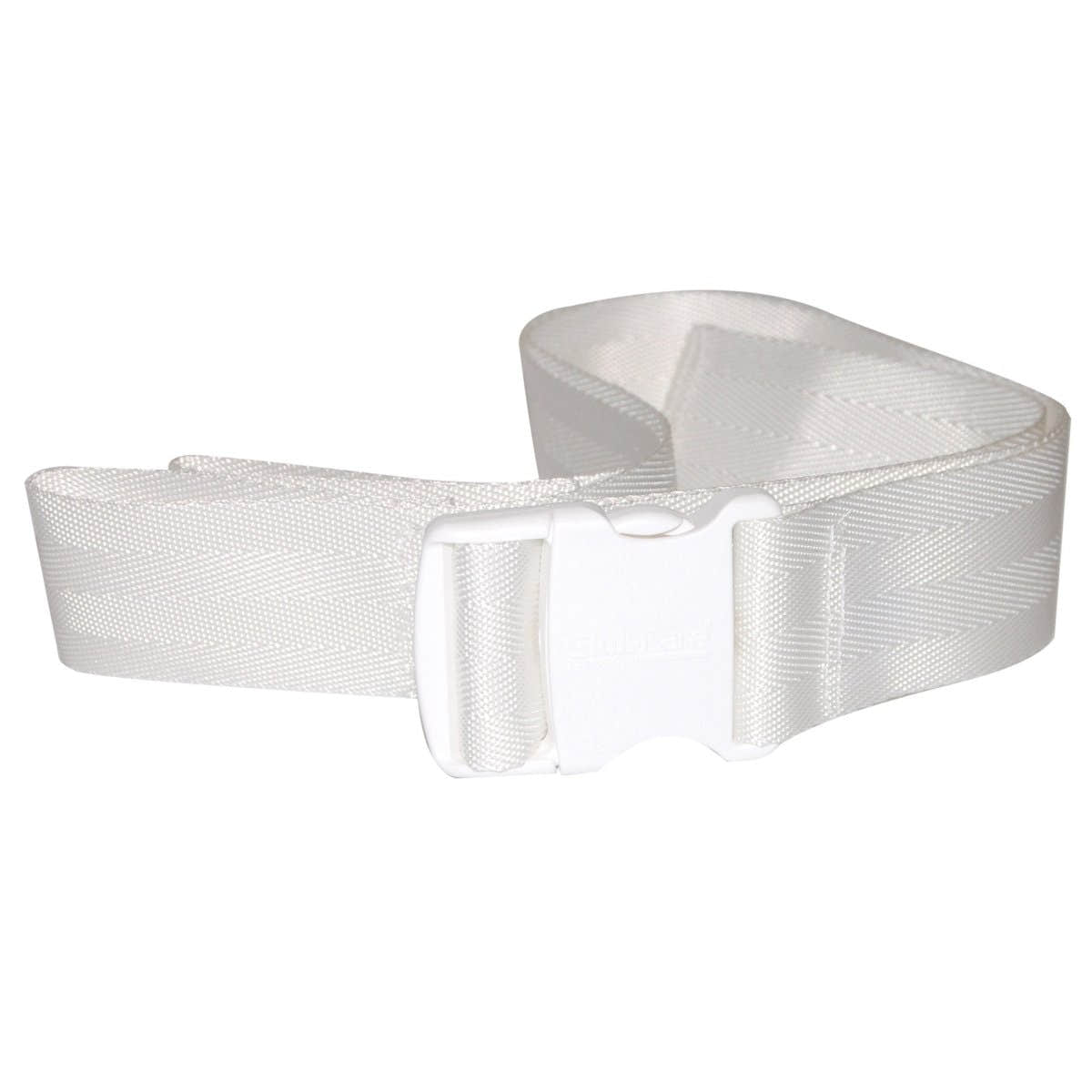
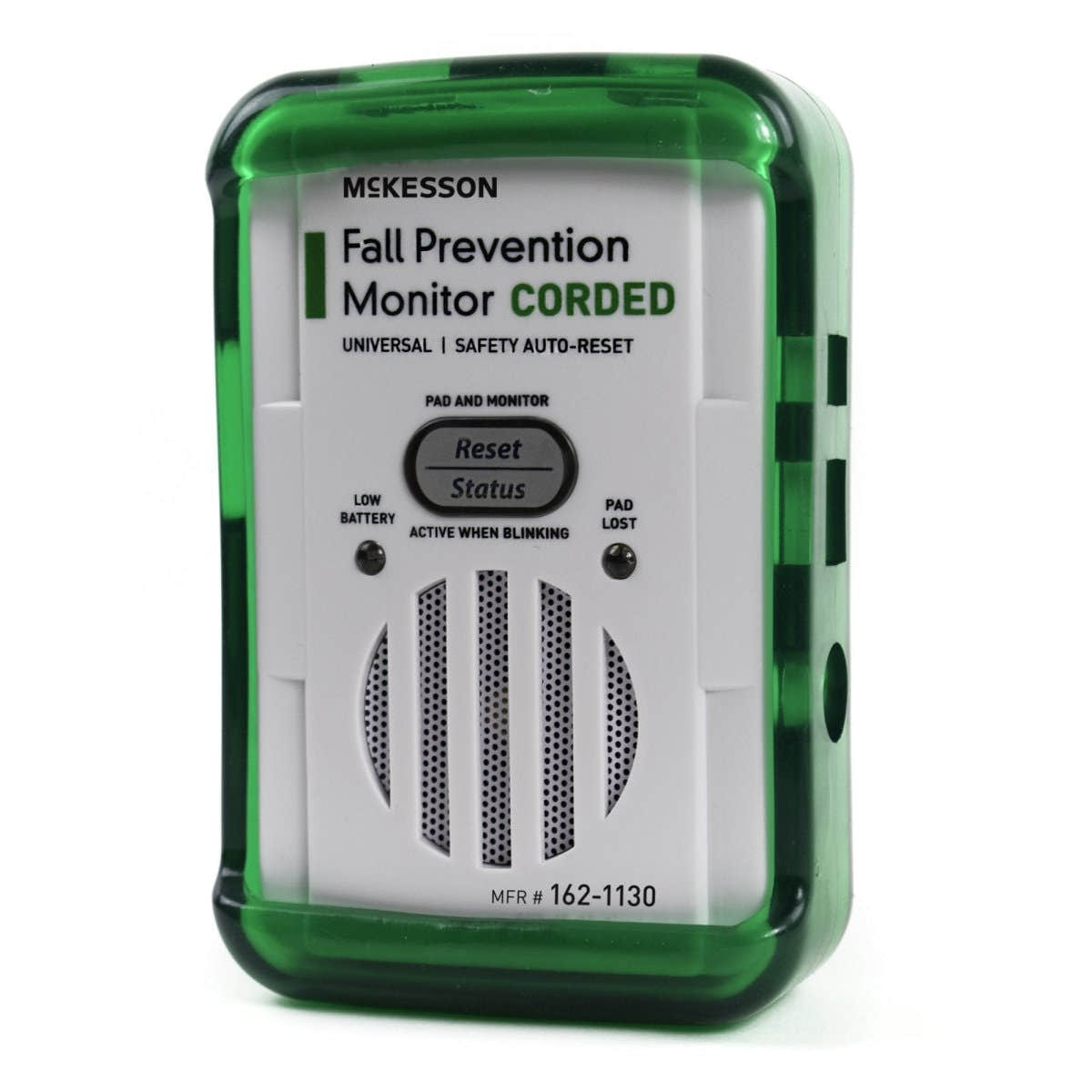
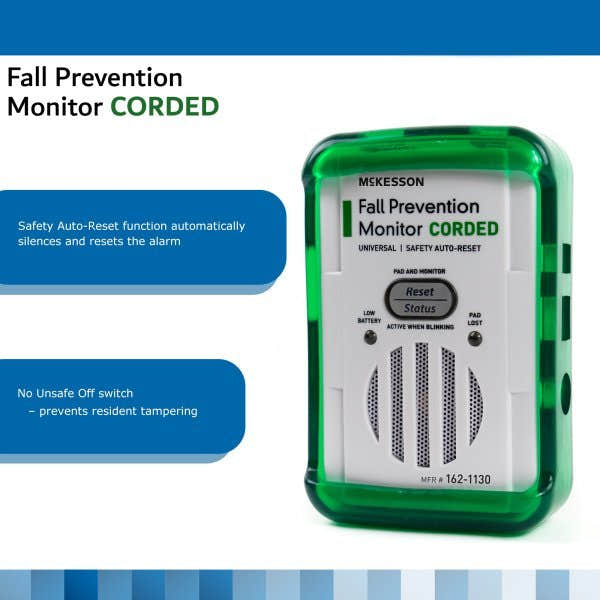
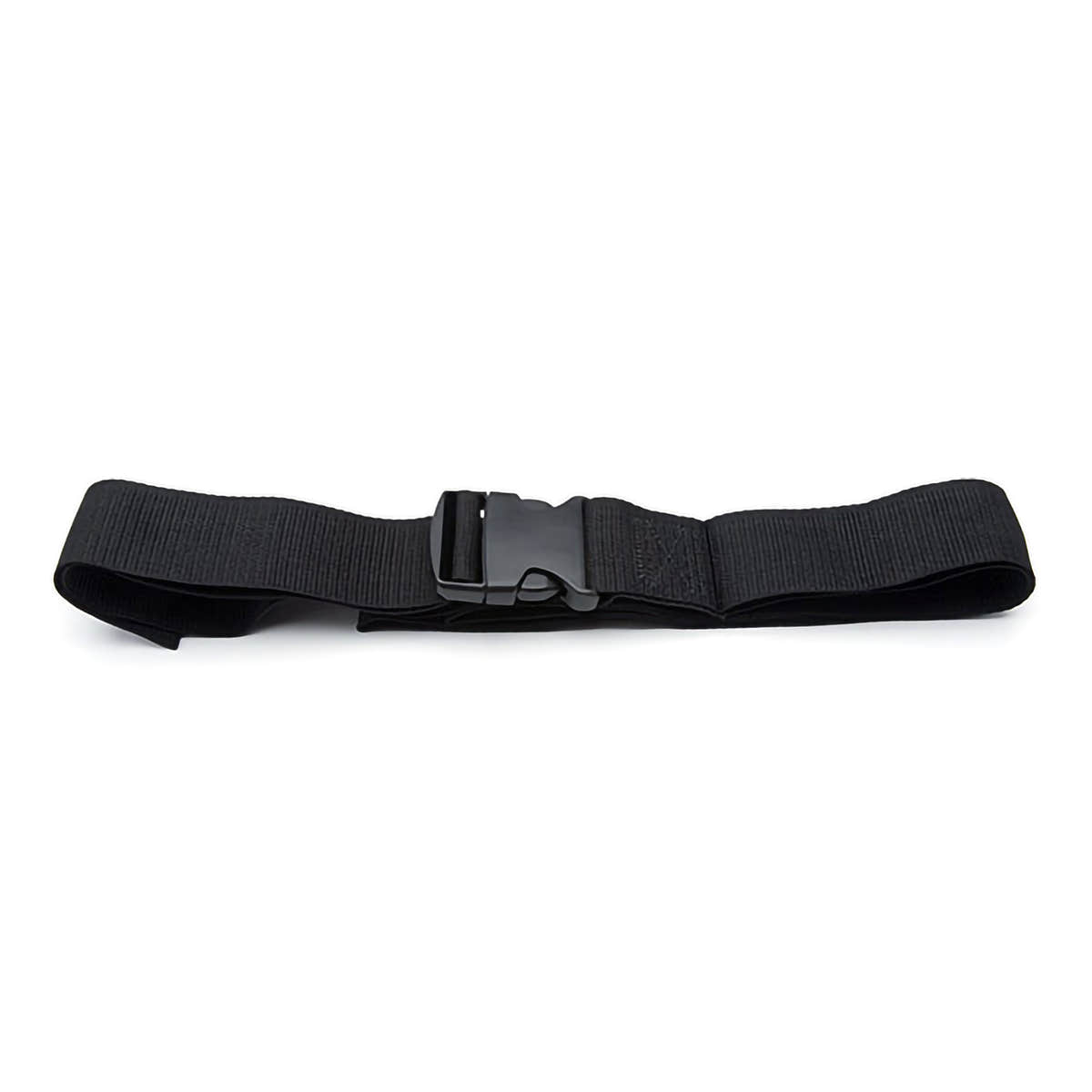
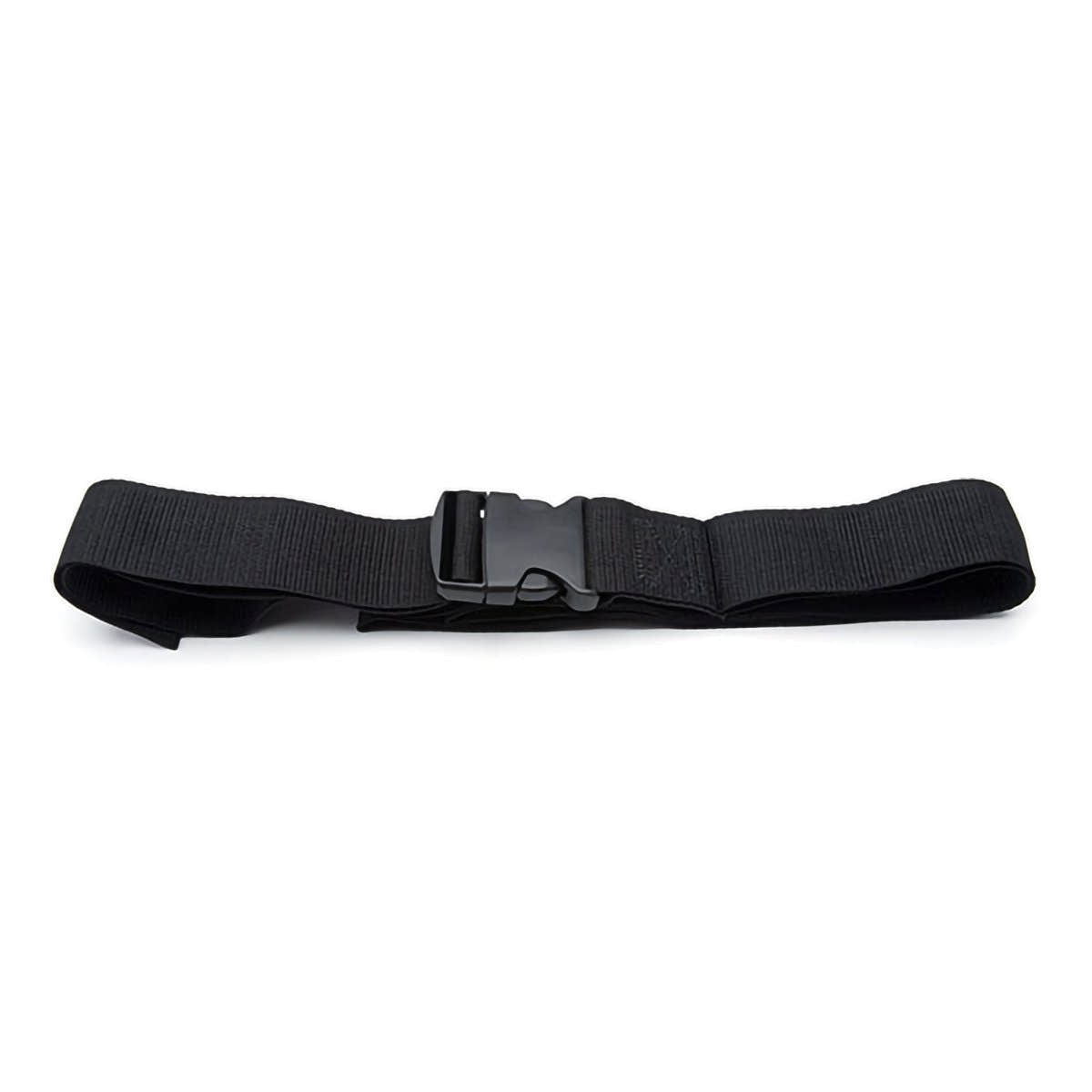
Safety and positioning aids: Gait belt handles, safety belts for shower and toilet use, and positioning supports that help caregivers and users manage transfers and seated stability.
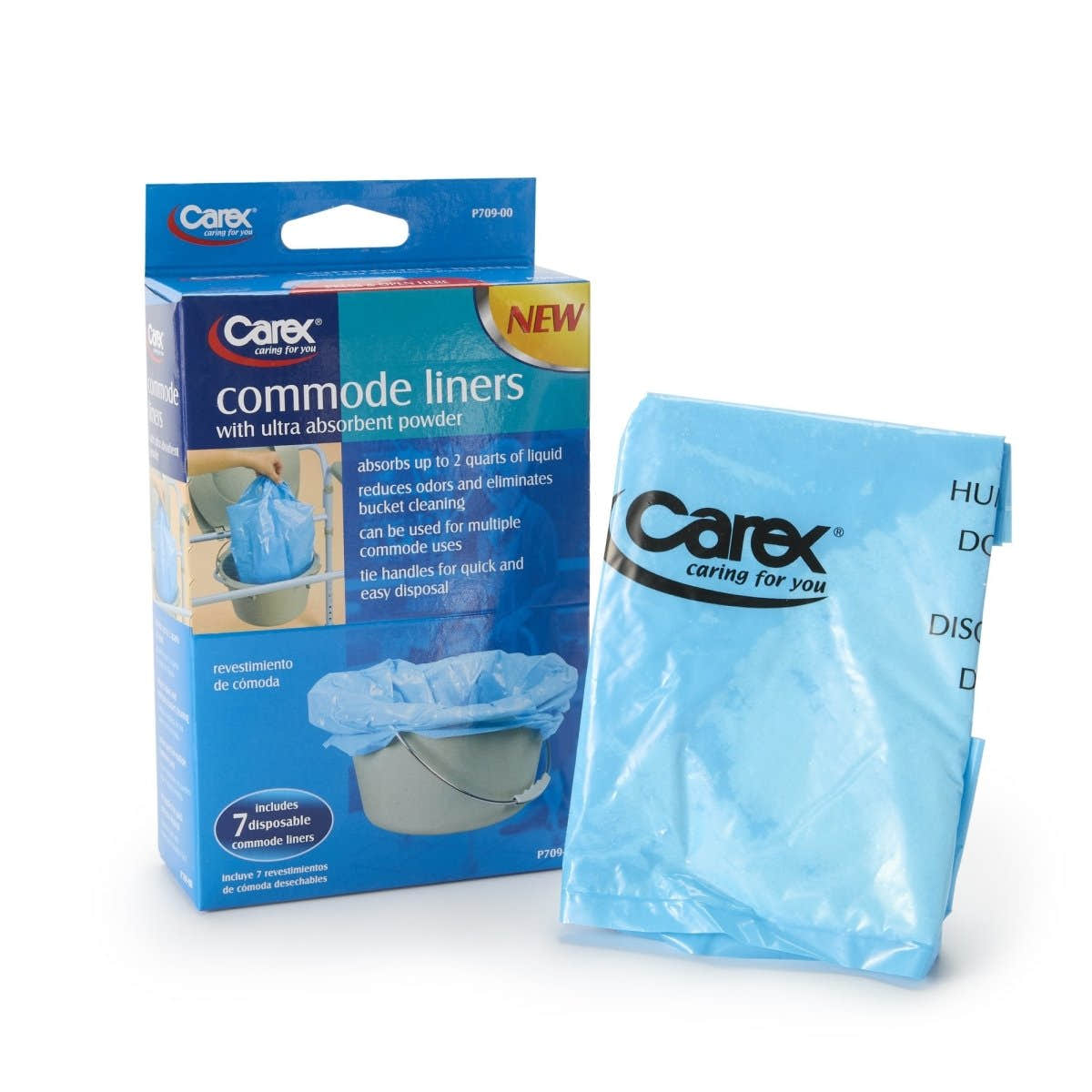
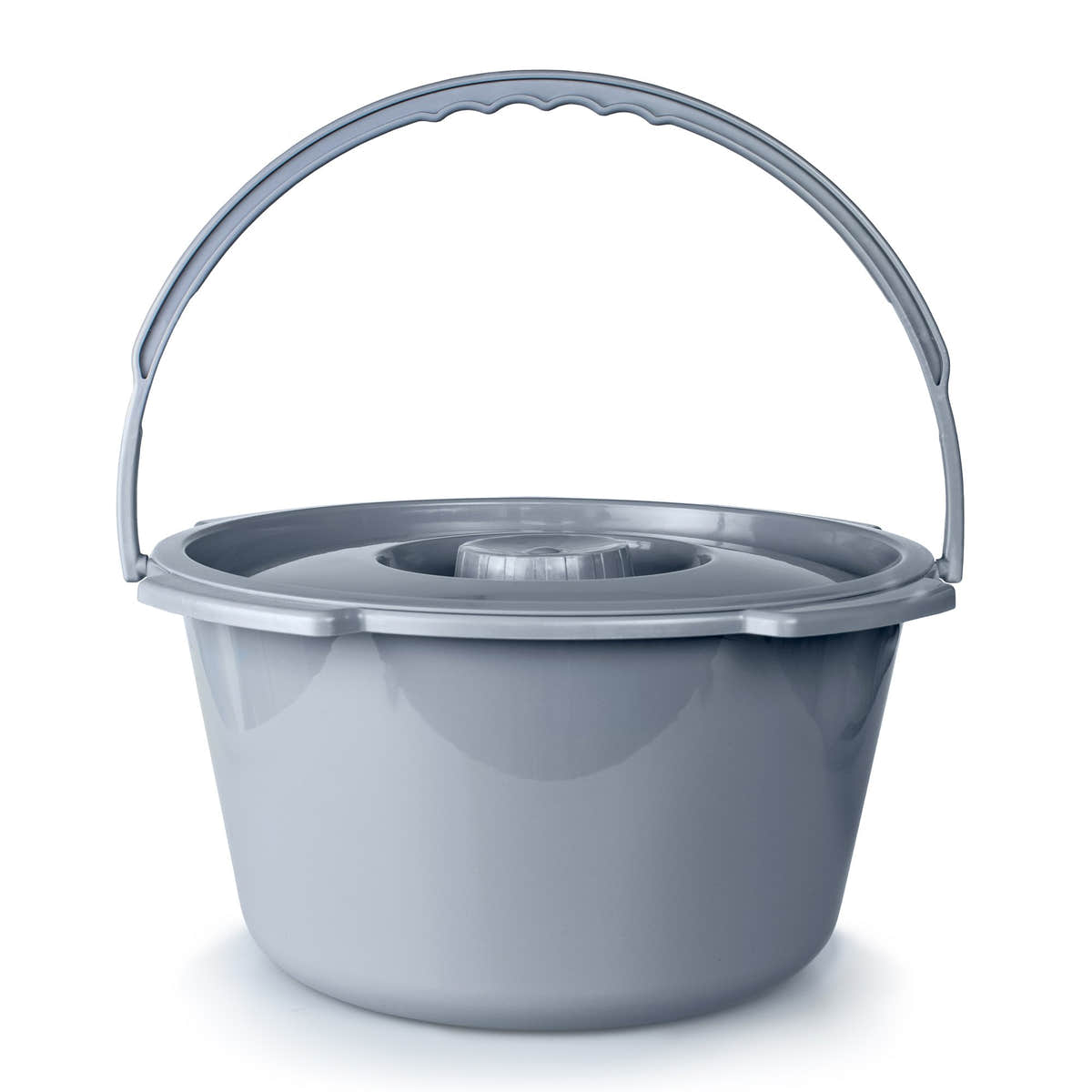
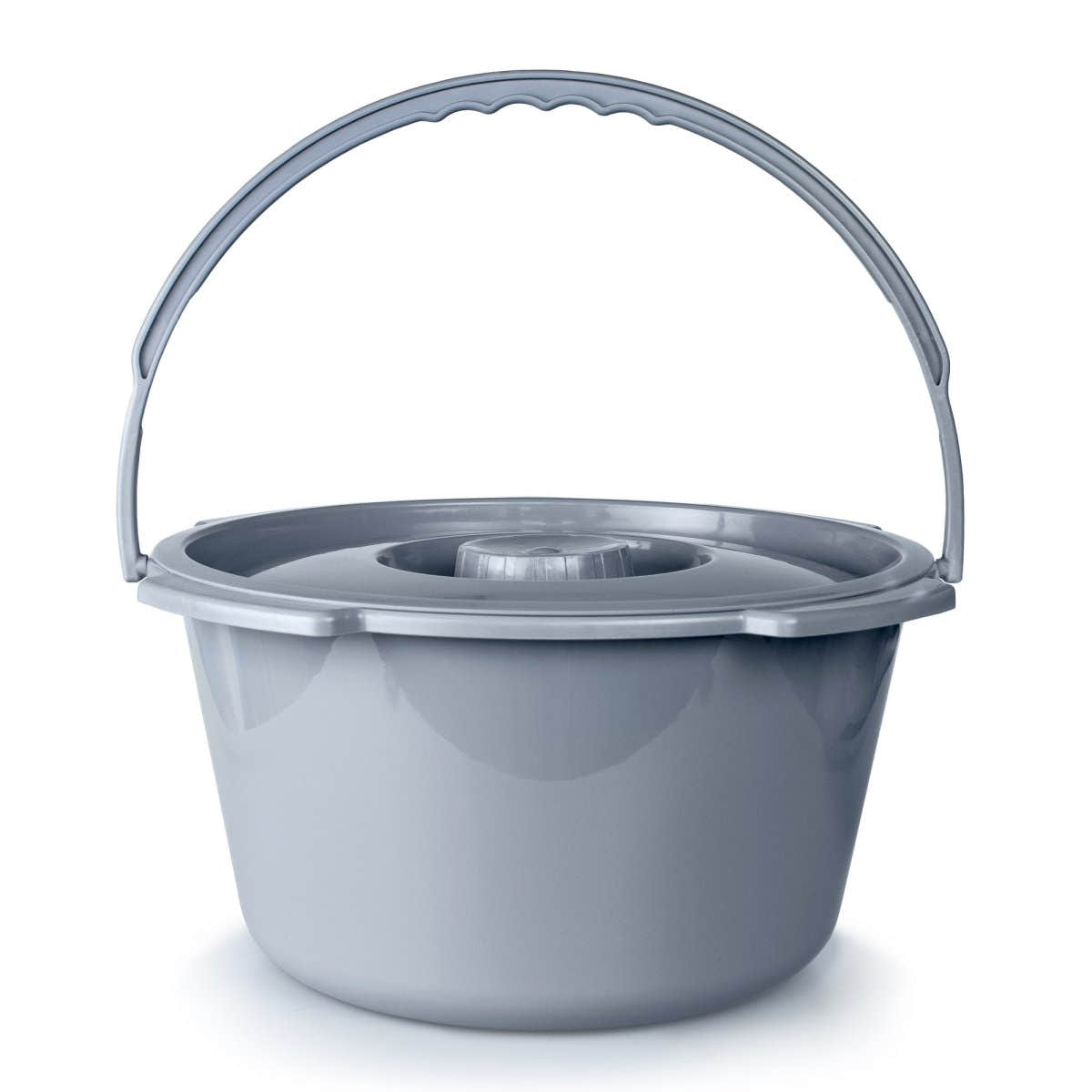
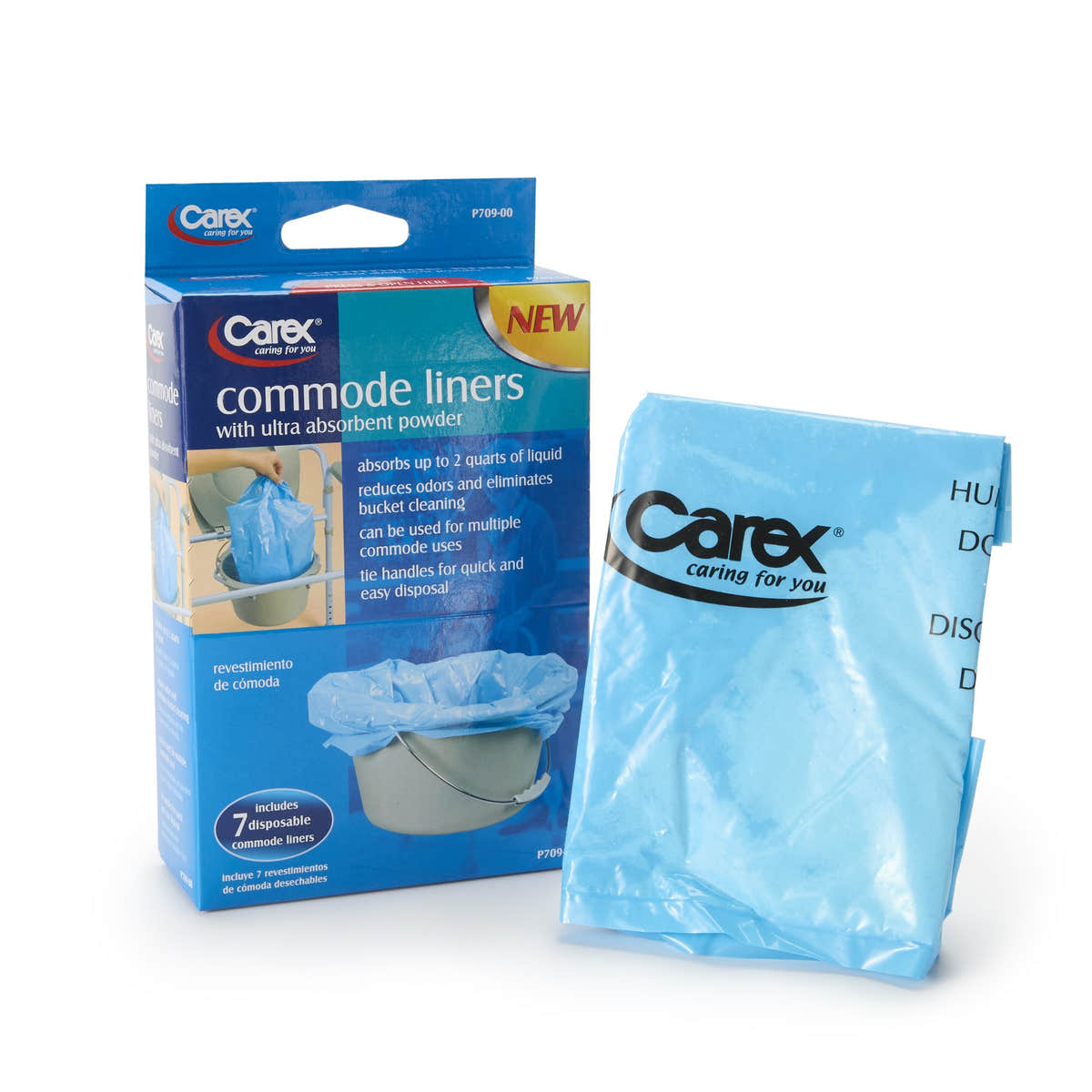
Commode accessories: Hygienic liners like Carex Commode Liners that simplify cleanup and help maintain sanitary conditions around bedside commodes.
Sit-to-stand support: Products like the Uplift Premium Seat Assist that provide a mechanical boost when rising from a seated position.
How to Choose the Right Accessory
Start by identifying the specific piece of equipment you're accessorizing — a manual wheelchair, a crutch, a commode, or a powered lift device. Many accessories are designed for compatibility with particular frame sizes or product lines, so checking dimensions and model compatibility before purchasing is important.
For comfort and positioning products, consider the user's typical daily routine and how much time is spent seated or in transit. Padding, posture supports, and footrest extensions can make a significant cumulative difference over the course of a day. When in doubt about which support or restraint is appropriate for a specific individual, consulting a healthcare professional or occupational therapist is a good step.
For replacement parts — tips, batteries, chargers — matching the original equipment specifications is the priority. Refer to your device's documentation or manufacturer guidance to confirm compatibility.
A Note on Caregiver-Focused Products
Several items in this collection, including safety belts, harness restraints, and gait belt handles, are tools commonly used by caregivers during assisted transfers and daily care routines. These products are designed to support proper technique and reduce strain for both the caregiver and the person receiving care. Proper training in their use is always recommended.
Frequently Asked Questions about Ambulatory Accessories
Ambulatory accessories are products designed to support safe movement, positioning, and daily living for people with limited mobility. These accessories include items like gait belts, wheelchair cushions, commode liners, and crutch tips that help patients and caregivers manage mobility challenges more safely and comfortably.
Ambulatory accessories are designed for individuals with limited mobility, balance issues, or physical disabilities, as well as the caregivers and healthcare professionals who assist them. These products are commonly used in home care settings, rehabilitation facilities, nursing homes, and hospitals to improve safety and independence.
Start by identifying the specific mobility challenge you need to address, such as fall prevention, positioning support, or transfer assistance. Ambulatory accessories vary widely by function, so matching the product type to the user's condition, weight capacity, and care environment will help you find the most appropriate option.
Ambulatory accessories include a broad range of mobility support products such as gait belts, wheelchair cushions and armrests, commode liners, crutch tips, footrest extenders, posture supports, and patient restraints. These products are intended to improve comfort, safety, and independence for people with varying levels of mobility.
Yes, many ambulatory accessories are safe for home use without professional supervision, but some products like restraints, gait belts, and transfer aids should be used according to manufacturer guidelines or under caregiver instruction. Always review the product's intended use and weight limits before use to ensure safety.
Clean ambulatory accessories regularly using mild soap and water or disinfectant wipes, depending on the material. Products like wheelchair cushions, padded supports, and commode liners may have specific care instructions, so always check the manufacturer's guidelines to avoid damaging the material or compromising the product's function.
No, not all ambulatory accessories are universally compatible with every wheelchair or mobility device. Accessories like footrest extenders, armrests, and posture supports are often designed to fit specific frame sizes or chair types, so checking compatibility specifications before purchasing is strongly recommended.
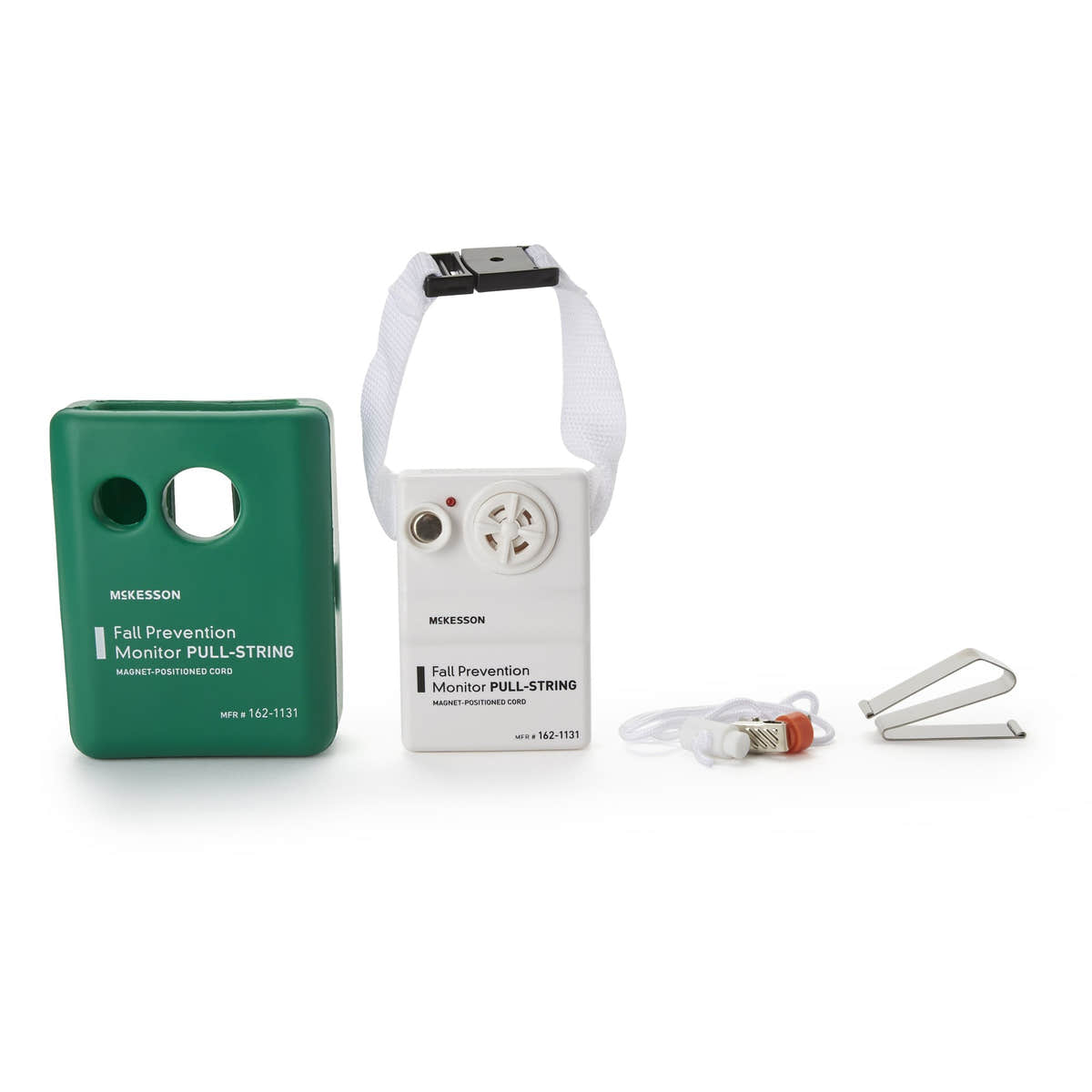
Because many mobility-related injuries occur during transfers, repositioning, or unsupported movement, ambulatory accessories like gait belts, safety belts, and non-slip strips play a critical role in reducing fall risk. Using the right combination of accessories helps stabilize patients and gives caregivers better control during assisted movement.
Ambulatory accessories for home care are available through medical supply retailers like Cart Health, which carries a wide selection of mobility support products suited for both home and clinical settings. Shopping through a dedicated medical supply store ensures you have access to products that meet healthcare-grade standards.
Ambulatory accessories are supplemental products that support or enhance the use of primary mobility devices, while durable medical equipment refers to the primary devices themselves, such as wheelchairs, walkers, or hospital beds. Ambulatory accessories like cushions, liners, and gait belts are meant to improve comfort and safety alongside those larger items.
Do you still have questions about Ambulatory Accessories?
If we still haven't answered your question, you can contact us by live chat or email and we will get back to you as soon as possible.