American Diagnostic Corp

3 products

Showing 1 - 3 of 3 products

American Diagnostic Corp: Trusted Diagnostic and Safety Equipment

American Diagnostic Corp (ADC) has built a long-standing reputation for producing reliable, professionally oriented medical equipment. This collection brings together ADC's diagnostic tools and safety accessories — making it a practical destination for healthcare professionals, clinics, and individuals who want dependable equipment for everyday health monitoring and emergency preparedness.
Showing 1 - 3 of 3 products
View
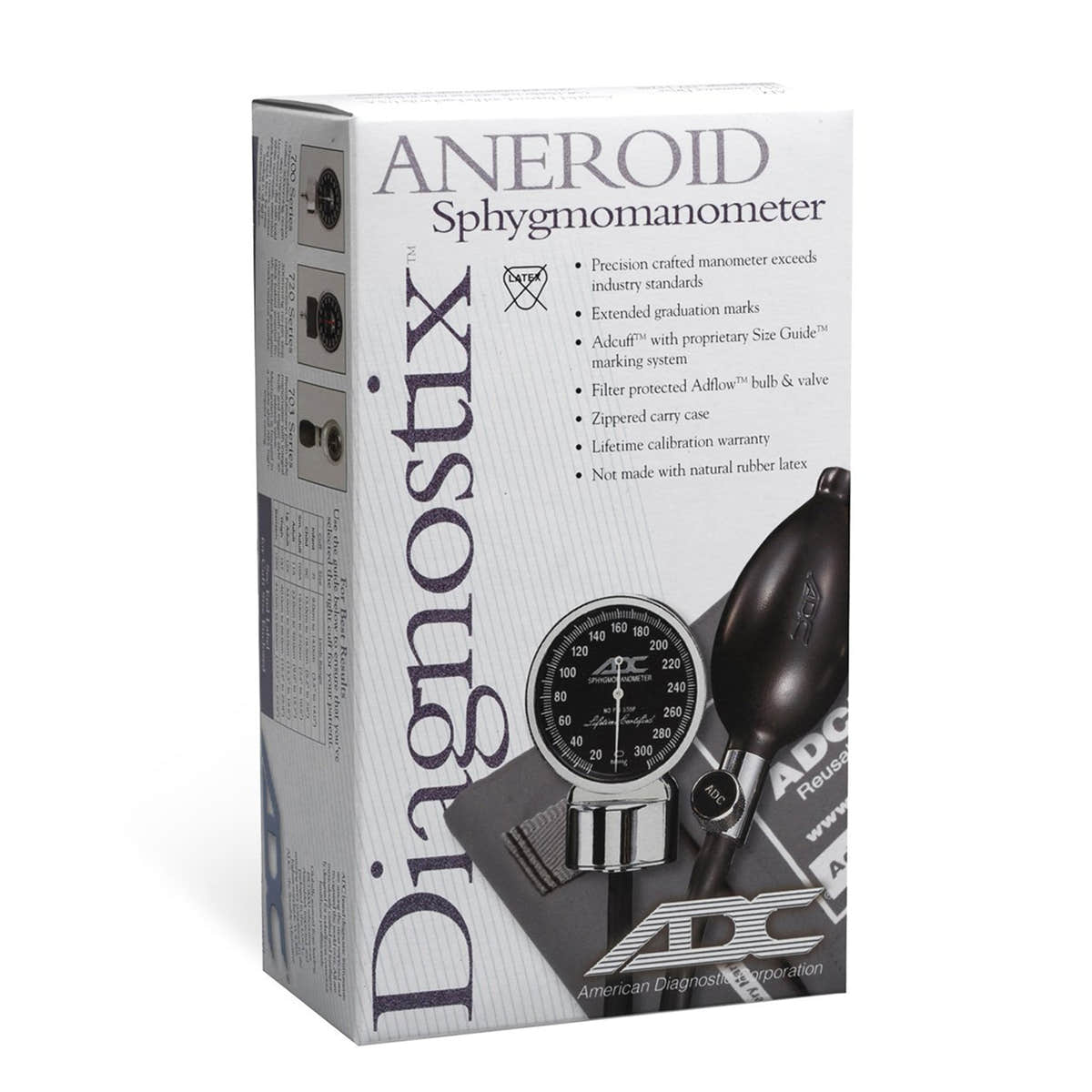
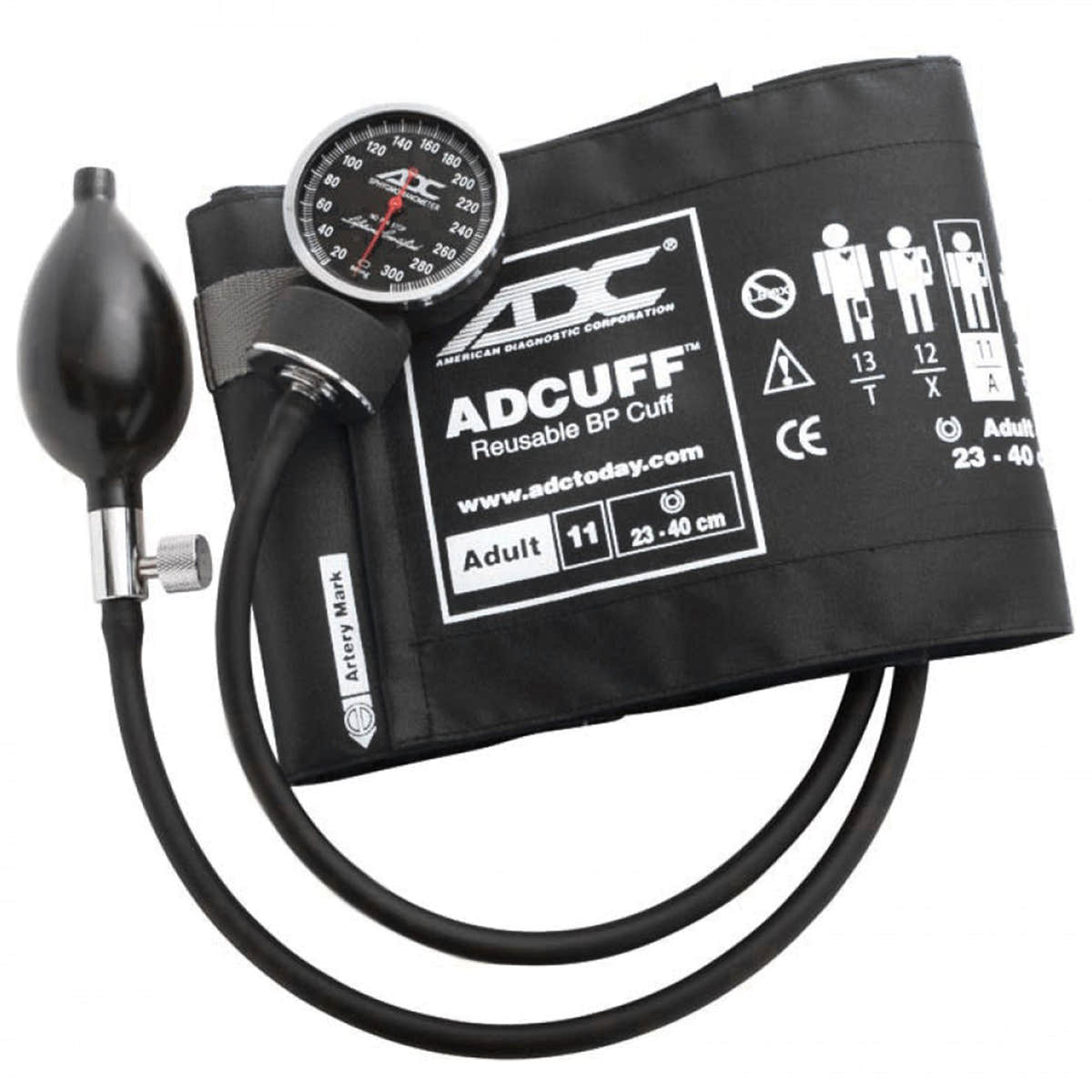
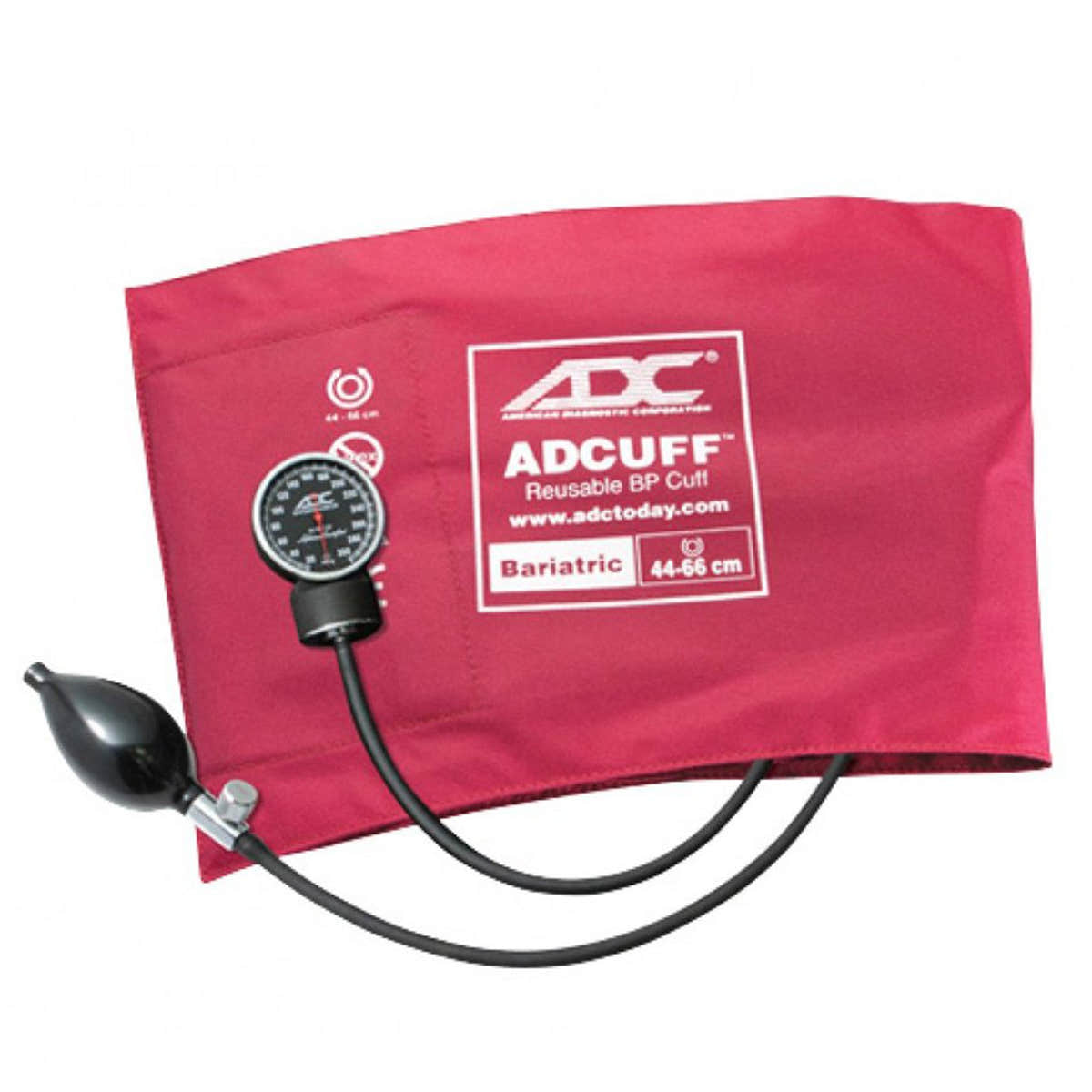
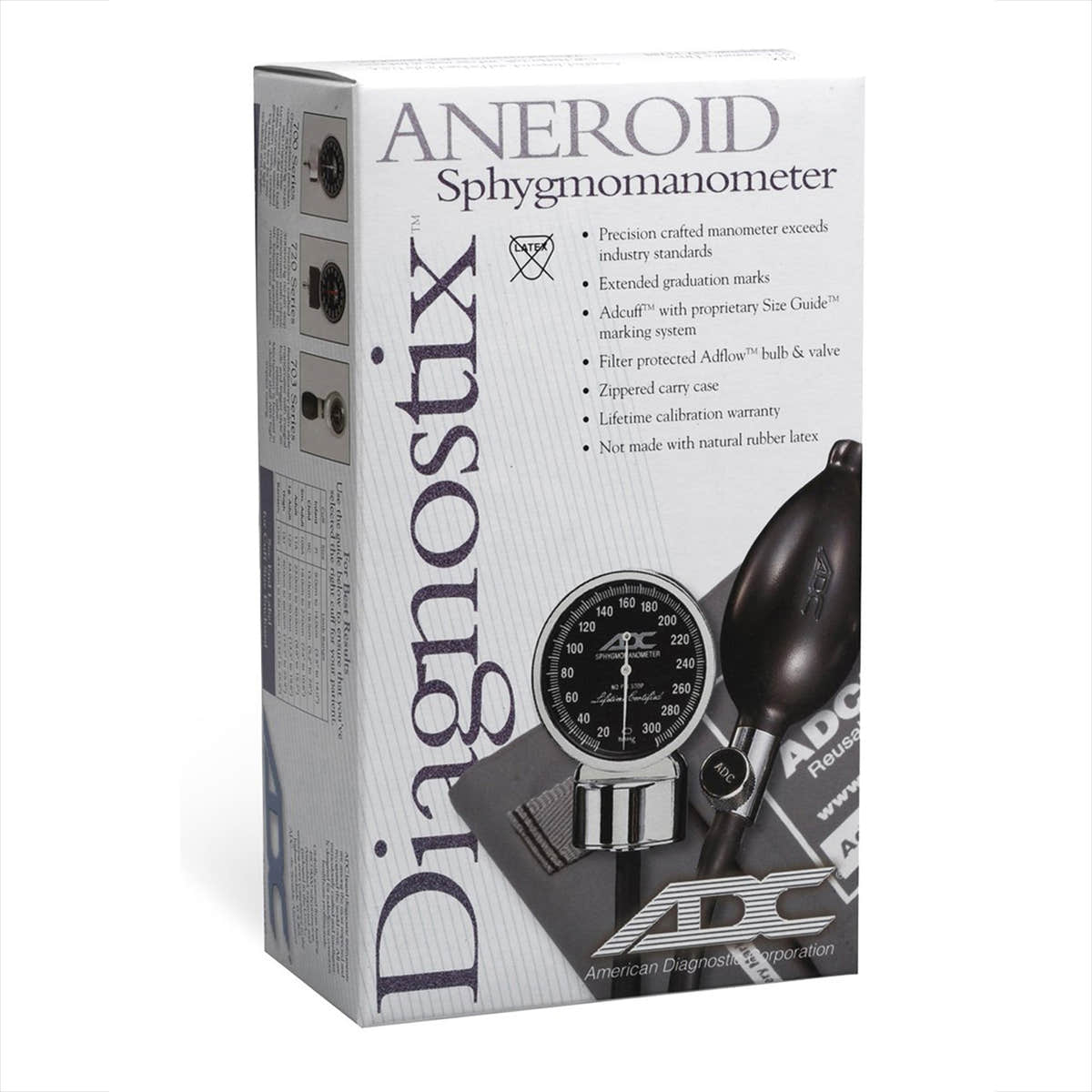
American Diagnostic Corp Diagnostic Sphygmomanometer With Cuff -Each
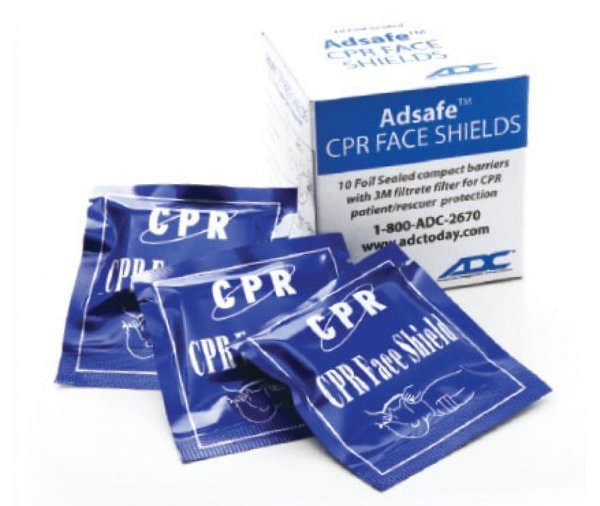
Adsafe CPR Face Shield Replacement - 572513_PK - 1

Frequently Asked Questions about American Diagnostic Corp

A CPR face shield is a thin protective barrier placed over a person's mouth and face during rescue breathing to reduce direct contact between the rescuer and the victim. CPR face shields typically include a one-way valve that allows air to pass through while blocking fluids, making emergency response safer for both parties.

CPR face shields are designed for anyone who may need to perform rescue breathing, including trained first responders, healthcare workers, lifeguards, teachers, and everyday bystanders who have completed basic CPR training. Having a face shield on hand is recommended for anyone who wants to be prepared to respond to a cardiac emergency safely.

Place the CPR face shield over the victim's mouth and nose, ensuring the one-way valve is centered over the mouth before beginning rescue breaths. Press the shield firmly against the face to create a seal, then breathe steadily through the valve while watching for chest rise to confirm effective ventilation.

Yes, most CPR face shields are designed to work on adult victims, though proper sizing and fit should be confirmed before use on children or infants. Always check the product specifications for age or size guidelines, and consider having pediatric-specific resuscitation masks available in settings where children may need emergency care.

A CPR face shield is a flat, disposable barrier that lies over the victim's face, while a CPR mask is a rigid or semi-rigid device that cups over the mouth and nose to create a more secure seal. Masks generally offer a more reliable seal and are preferred in clinical settings, while face shields are compact and easier to carry for everyday preparedness.

Store CPR face shields in their original sealed packaging in a cool, dry location away from direct sunlight and extreme temperatures to preserve the integrity of the barrier material. Many face shields come in compact keychain pouches or pocket cases, making them easy to keep in a first aid kit, bag, or vehicle for quick access.

Yes, CPR face shields do have a shelf life, and manufacturers typically print an expiration date on the packaging that should be checked regularly. Replacing face shields before they expire ensures the barrier material and one-way valve remain intact and functional when needed during an actual emergency.

No, CPR face shields are generally intended for single use and should be disposed of after each use to prevent cross-contamination. Using a fresh, sealed face shield for each rescue situation is the safest practice and aligns with standard infection control guidelines followed in both clinical and community settings.

Because having a CPR face shield in a first aid kit removes a common barrier to performing rescue breathing, which is concern about direct contact with an unknown person during an emergency. Including a face shield encourages bystanders to act quickly and confidently, which can be critical in the minutes before professional help arrives.

CPR face shields are available through medical supply retailers like Cart Health, which carries diagnostic and emergency response products from trusted medical brands. Purchasing from a dedicated medical supply store helps ensure the face shields meet quality standards appropriate for both personal preparedness and professional healthcare environments.

Recently viewed