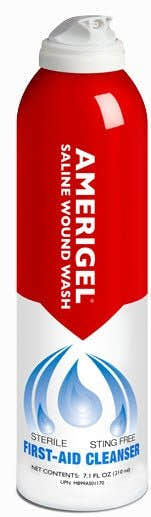
AMERX Health Care has built a reputation for developing clinically focused wound care solutions designed for everyday use at home and in professional settings alike. This collection brings together their line of specialized products, offering straightforward options for those who want reliable, purpose-built wound care from a brand dedicated to the field.
Gentle cleansing formulas: Products like Amerigel Wound Wash are formulated to help rinse and clean wounds without harsh ingredients that can disrupt the healing environment.
A focused brand approach: AMERX Health Care concentrates specifically on wound care, so each product in this collection reflects that dedicated expertise rather than being a general-purpose item.
Home and professional use: Whether a caregiver is managing wound care at home or a healthcare professional is stocking a clinic, AMERX products are designed with practical, real-world use in mind.
Simple, purposeful formulations: The range emphasizes function and ease of use, making it easier to maintain a consistent wound care routine.
How to Choose the Right AMERX Product
Start by considering the type of wound care task at hand. For cleaning and rinsing minor wounds, a dedicated wound wash solution is often the appropriate first step before applying any dressings or topical products. If you're unsure which product best fits a specific situation, consulting a healthcare professional is always a sensible approach — they can help match the right product to the right need.
About AMERX Health Care
AMERX Health Care is a brand focused squarely on wound care management. Their product development reflects a commitment to creating items that are practical for both clinical professionals and individuals managing wound care outside of a medical setting. Shoppers who value a brand with a clear, specialized focus will find AMERX a consistent and dependable choice within the Cart Health catalog.
Frequently Asked Questions about AMERX Health Care
Wound wash is a sterile saline or antimicrobial solution used to gently clean wounds, remove debris, and create a moist environment that supports natural tissue healing. Regular wound cleansing helps reduce the risk of infection and prepares the wound bed for dressings or other treatments.
Wound wash is designed for anyone managing acute or chronic wounds at home or in a clinical setting, including patients with diabetic foot ulcers, surgical incisions, abrasions, or pressure injuries. Caregivers and healthcare professionals also rely on wound wash as a standard first step in wound care protocols.
Apply wound wash by holding the nozzle a few inches from the wound and spraying gently to flush away debris, bacteria, and old wound fluid without scrubbing the tissue. After irrigation, pat the surrounding skin dry and apply an appropriate wound dressing to maintain a moist healing environment.
Yes, wound wash is formulated to be safe for direct use on open wounds, as most products in this category are isotonic and free from harsh chemicals that can damage delicate granulation tissue. Always follow the product labeling and consult a healthcare provider for deep puncture wounds or wounds showing signs of serious infection.
Yes, wound wash helps prevent infection by physically flushing out bacteria, contaminants, and necrotic debris that can delay healing and lead to wound complications. Consistent cleansing with wound wash is one of the most evidence-supported steps in reducing infection risk across all wound types.
Wound wash products designed for wound care are typically pH-balanced and gentle enough to preserve healthy cells, whereas hydrogen peroxide can damage new tissue and slow healing. Compared to plain saline mixed at home, commercially prepared wound wash is sterile, consistent in concentration, and delivered in a controlled-spray format for easier application.
Because wound wash is sterile and precisely formulated, healthcare professionals recommend wound wash over tap water to minimize the risk of introducing contaminants or disrupting the wound's delicate cellular environment. Tap water can vary in microbial content and mineral levels, making sterile wound wash a safer and more reliable choice for wound irrigation.
Wound wash can generally be used on most external wound sites, including the legs, feet, arms, torso, and pressure-prone areas like the heels and sacrum. Always check product labeling for any site-specific restrictions, and consult a clinician before using wound wash near the eyes or inside body cavities.
Store wound wash at room temperature, away from direct sunlight and extreme heat or cold, to preserve the sterility and stability of the solution. Once a container has been opened, check the product label for recommended use-by timeframes, as sterility can be compromised after the seal is broken.
When choosing a wound wash, look for a sterile, isotonic formulation that is free from alcohol and cytotoxic ingredients that can harm healing tissue. Consider the delivery format, such as a pressurized spray versus a pour bottle, since controlled irrigation pressure helps clean wounds effectively without causing additional trauma.
Do you still have questions about AMERX Health Care?
If we still haven't answered your question, you can contact us by live chat or email and we will get back to you as soon as possible.