
Argyle

3 products

Showing 1 - 3 of 3 products

Argyle Airway and Suction Supplies at Cart Health

This collection brings together a focused range of airway management and suction supplies from Argyle, a trusted name in respiratory and suctioning equipment. Whether you're stocking a clinical setting or sourcing reliable supplies for professional use, Argyle products are designed to support precise, efficient airway care.

Showing 1 - 3 of 3 products
View
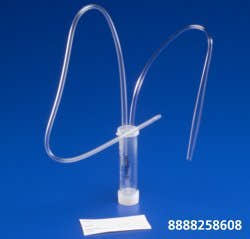
Argyle Lukens Mucus Specimen Trap - 163078_EA - 1
Argyle Suction Bubble Tubing - 161266_EA - 1
Argyle Suction Bubble Tubing
Sale priceFrom $21.99
Choose options
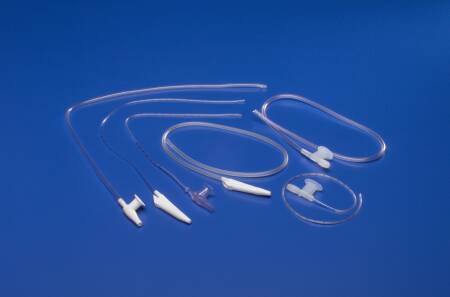
Argyle Suction Catheter - 358597_CS - 1
Argyle Suction Catheter
Sale priceFrom $1.99
Choose options

Frequently Asked Questions about Argyle

A suction catheter is a flexible tube used to clear mucus, secretions, or other obstructions from a patient's airway or body cavity. Suction catheters are commonly used in hospitals, long-term care facilities, and home care settings to maintain open airways in patients who cannot clear secretions on their own.

Airway suction catheters are designed for use by trained healthcare professionals, including nurses, respiratory therapists, and physicians, who need to clear secretions from a patient's airway. Suction catheters may also be used in home care settings by caregivers who have received proper instruction from a clinician.

Start by selecting the correct catheter size for the patient, then attach the suction catheter to the suction source tubing and apply the appropriate level of suction pressure. Insert the catheter gently into the airway without applying suction, then apply suction while withdrawing in a rotating motion to avoid trauma to the airway tissue.

A Lukens specimen container is an inline collection device used to trap mucus or other secretions during suctioning so the sample can be sent to a laboratory for analysis. Lukens specimen containers are commonly used in respiratory care and diagnostics when a sputum or mucus sample is needed for culture or cytology testing.

Connect suction bubble connector tubing between the suction source and the suction catheter or collection device to create a sealed, controlled pathway for secretion removal. Suction bubble connector tubing helps regulate airflow within the suction circuit and is designed to be compatible with standard suction system connections used in clinical settings.

Suction catheters are available in a range of French sizes to accommodate different patient populations, from neonates to adults. Selecting the correct suction catheter size depends on the patient's age, airway diameter, and the clinical indication, so always follow your facility's protocol or a clinician's guidance when choosing a size.

Yes, suction catheters and suction connector tubing are generally designed to be compatible with standard wall-mounted and portable suction units used in hospitals and care facilities. Always verify that the connector fittings match your specific suction equipment before use to ensure a secure, leak-free connection.

Because a Lukens specimen container is specifically designed to collect an uncontaminated mucus or sputum sample directly inline during the suctioning procedure, reducing the risk of sample degradation or contamination. This makes Lukens specimen containers the preferred choice when a laboratory-quality specimen is required for diagnostic testing rather than simple airway clearance.

No, suction catheters are typically single-use, disposable devices intended for one patient and one suctioning session to prevent cross-contamination and reduce infection risk. Reusing a suction catheter can introduce bacteria into a patient's airway, so always follow your facility's infection control policies and dispose of used catheters properly.

Store suction catheters and Lukens specimen containers in a clean, dry location away from direct sunlight, moisture, and extreme temperatures to maintain sterility and packaging integrity. Always check the expiration date and inspect the packaging for damage before use, as compromised packaging may indicate the product is no longer sterile.

Recently viewed