Your privacy matters to us! By using our site, you agree to the collection and use of your Personal Information as described in our Privacy Policy.
Arm, Hand & Finger Supports
3 products
Showing 1 - 3 of 3 products
Arm, Hand & Finger Supports: Comfortable, Practical Solutions for Everyday Recovery
Whether someone is recovering from a minor injury, managing post-surgical care, or simply needs extra support during daily activities, the right arm, hand, or finger support can make a meaningful difference in comfort and mobility. Cart Health's collection brings together purposeful supports designed to fit a range of needs — from lightweight arm slings to targeted hand and finger options — so shoppers can find what works best for their situation.
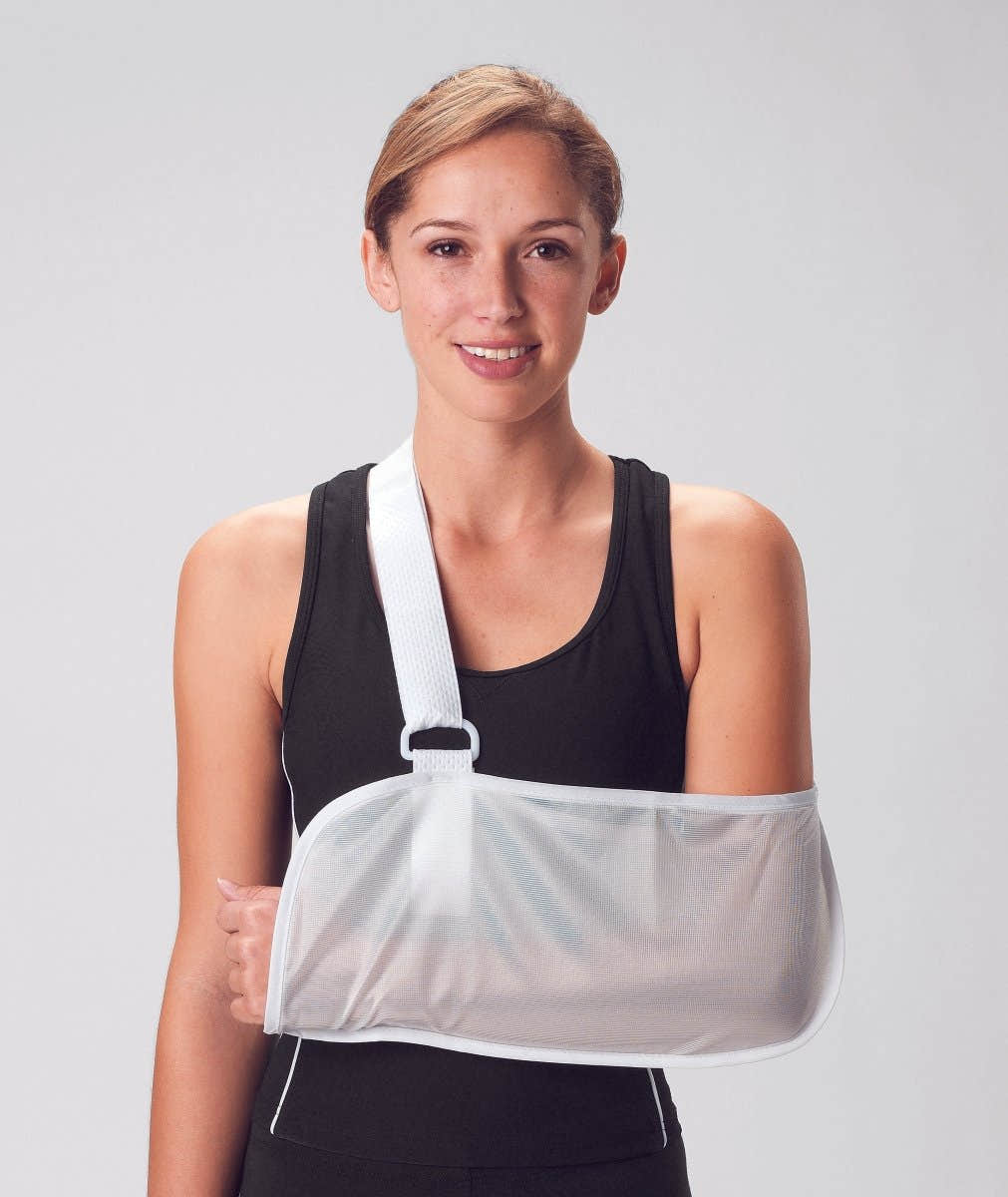
Arm slings: Designed to hold and stabilize the arm in a comfortable position, reducing strain on the shoulder, elbow, and wrist during the healing process.
Breathable materials: Many supports, like the Chieftain Unisex White Tietex Mesh Arm Sling, feature mesh fabrics that promote airflow and help keep the skin comfortable during extended wear.
Unisex sizing options: Supports in this collection are built to accommodate a wide range of body types, making it easier to find a practical fit.
Trusted brands: Products from established manufacturers like Chieftain reflect a focus on quality construction and reliable everyday use.
How to Choose the Right Support
Consider the area of support needed: Arm slings address the full arm and shoulder region, while hand and finger supports target more localized areas. Think about where comfort and stabilization are most needed.
Think about wear duration: For all-day wear, breathable mesh materials — such as those used in the Chieftain mesh arm sling — can help reduce discomfort from heat and moisture buildup.
Check for adjustability: Look for supports with adjustable straps or closures to help achieve a secure, personalized fit.
Consult a healthcare professional: A doctor, physical therapist, or occupational therapist can offer guidance on which type of support is most appropriate for a specific situation.
A Note on Fit and Comfort
A well-fitting support should feel secure without restricting circulation or causing additional discomfort. When trying on or fitting an arm sling or hand support, pay attention to how the material feels against the skin and whether the positioning feels natural. If anything feels off, it's worth revisiting sizing or speaking with a medical professional before continued use.
Who This Collection Is For
This collection is a practical resource for caregivers, individuals managing short-term recovery, healthcare facilities stocking everyday supplies, and anyone looking for reliable upper-limb support products. The range of options available means there's likely something suitable whether the need is immediate or planned ahead of time.
Frequently Asked Questions about Arm, Hand & Finger Supports
Arm, hand, and finger supports are orthopedic devices used to immobilize, stabilize, or protect injured or post-surgical limbs during recovery. These supports reduce movement that could delay healing and are commonly recommended after fractures, sprains, soft tissue injuries, or surgical procedures affecting the arm, wrist, hand, or fingers.
Arm, hand, and finger supports are designed for people recovering from upper limb injuries, surgeries, or conditions that require immobilization or reduced movement. Common users include patients with fractures, sprains, tendon injuries, post-operative wounds, or chronic conditions like carpal tunnel syndrome that benefit from external stabilization.
Start by sliding the injured arm into the sling cradle so the elbow sits snugly in the corner and the hand is slightly elevated above elbow level. Bring the strap around the back of the neck and adjust the length until the forearm is supported at a comfortable angle, typically around 90 degrees.
Choosing the right size arm or hand support requires measuring the affected limb according to the manufacturer's sizing chart, which typically references forearm length, hand circumference, or finger width depending on the product type. A properly fitted support should feel snug but should never restrict circulation or cause numbness.
Yes, many arm, hand, and finger supports are designed for extended daily wear, but the recommended wearing schedule depends on the specific injury and your healthcare provider's instructions. Some supports are worn continuously during recovery, while others are used only during activity or sleep to manage pain and prevent further strain.
Arm slings and hand supports are commonly made from breathable mesh fabrics, cotton blends, neoprene, or foam-padded materials designed to balance comfort with durability during recovery. Mesh constructions are especially popular because they allow airflow to the skin, which helps reduce heat and moisture buildup during extended wear.
Because an arm sling offloads the weight of the entire forearm and hand from the shoulder and elbow joints, making it the preferred choice when the goal is full limb rest rather than targeted joint stabilization. Slings are commonly recommended after shoulder dislocations, upper arm fractures, or post-surgical recovery where movement restriction is the primary treatment objective.
Most arm, hand, and finger supports can be hand-washed in cool water with mild soap and then air-dried flat to preserve their shape and elasticity. Always check the care label before washing, as some supports contain metal stays, foam inserts, or specialty materials that require removal before laundering or cannot be machine-washed.
Arm, hand, and finger supports are available through medical supply retailers like Cart Health, which carries a range of orthopedic support options for home recovery and clinical use. Purchasing from a dedicated medical supplier ensures the products meet quality standards and that you have access to accurate sizing guidance and product specifications.
Yes, an arm sling is different from other arm supports because a sling suspends the entire forearm from the neck or shoulder to eliminate limb weight-bearing, while braces and splints are designed to stabilize specific joints without full suspension. The right choice depends on the injury location, severity, and whether the treatment goal is rest, stabilization, or compression.
Do you still have questions about Arm, Hand & Finger Supports?
If we still haven't answered your question, you can contact us by live chat or email and we will get back to you as soon as possible.