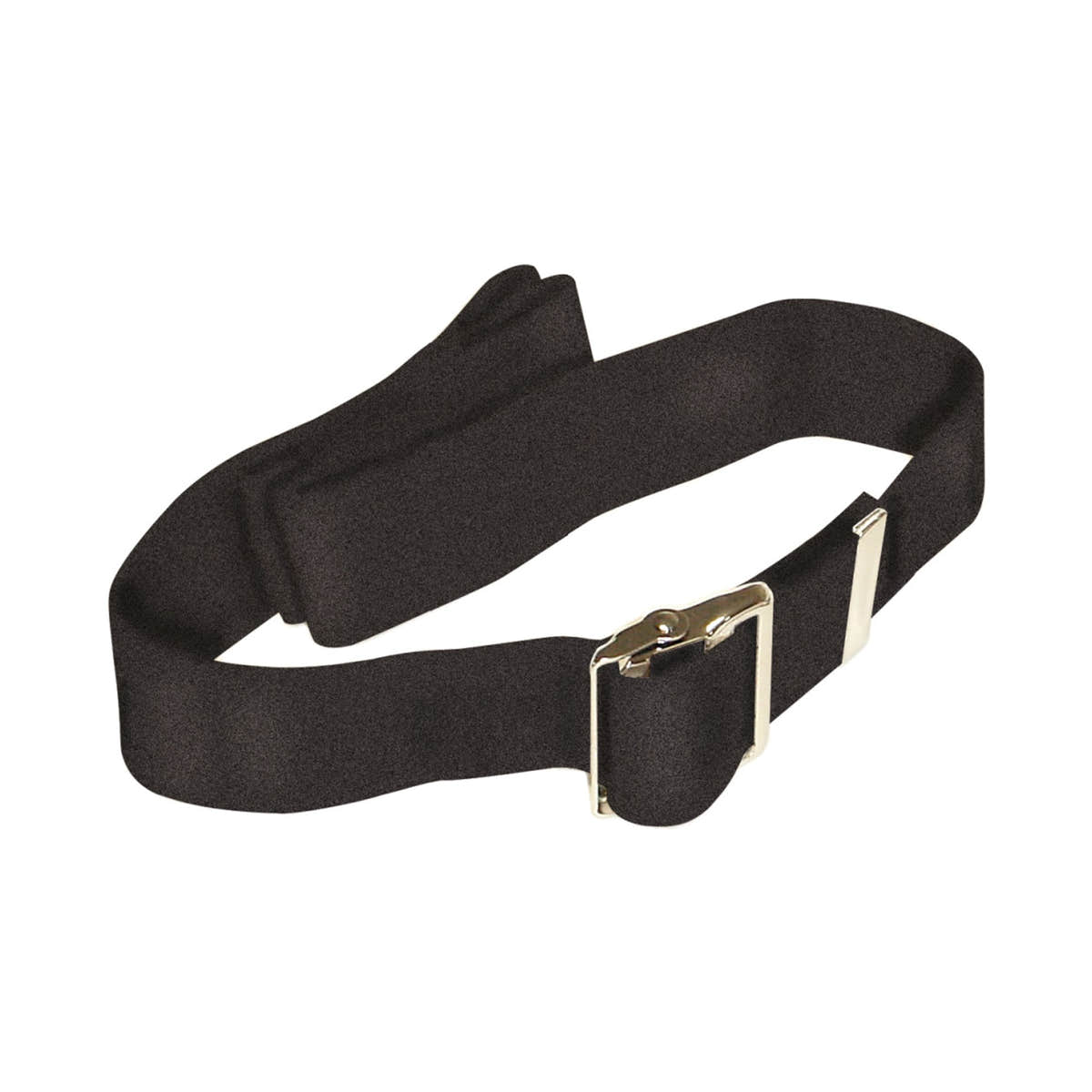
Belts

8 products

Showing 1 - 8 of 8 products

Gait Belts & Transfer Belts for Safe, Supported Movement

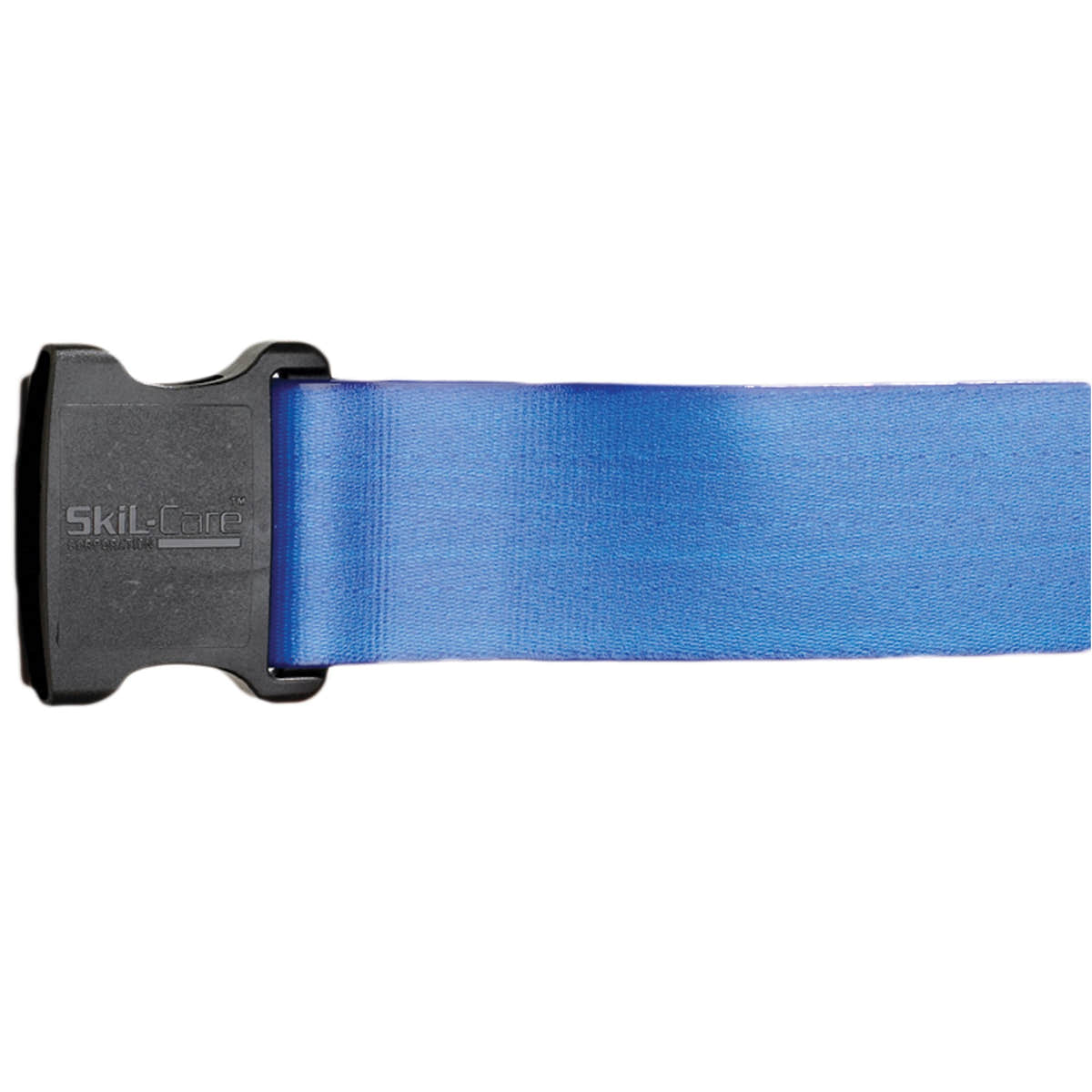
This collection brings together gait belts and transfer belts from trusted brands including McKesson, SkiL-Care, FabLife, Posey, and Maddak. These belts are widely used by caregivers, physical therapists, and healthcare professionals to assist individuals during walking, repositioning, and transfers. Whether you're outfitting a clinical setting or supporting someone at home, choosing the right belt comes down to a few key factors: material, length, buckle type, and load capacity.
Showing 1 - 8 of 8 products
View
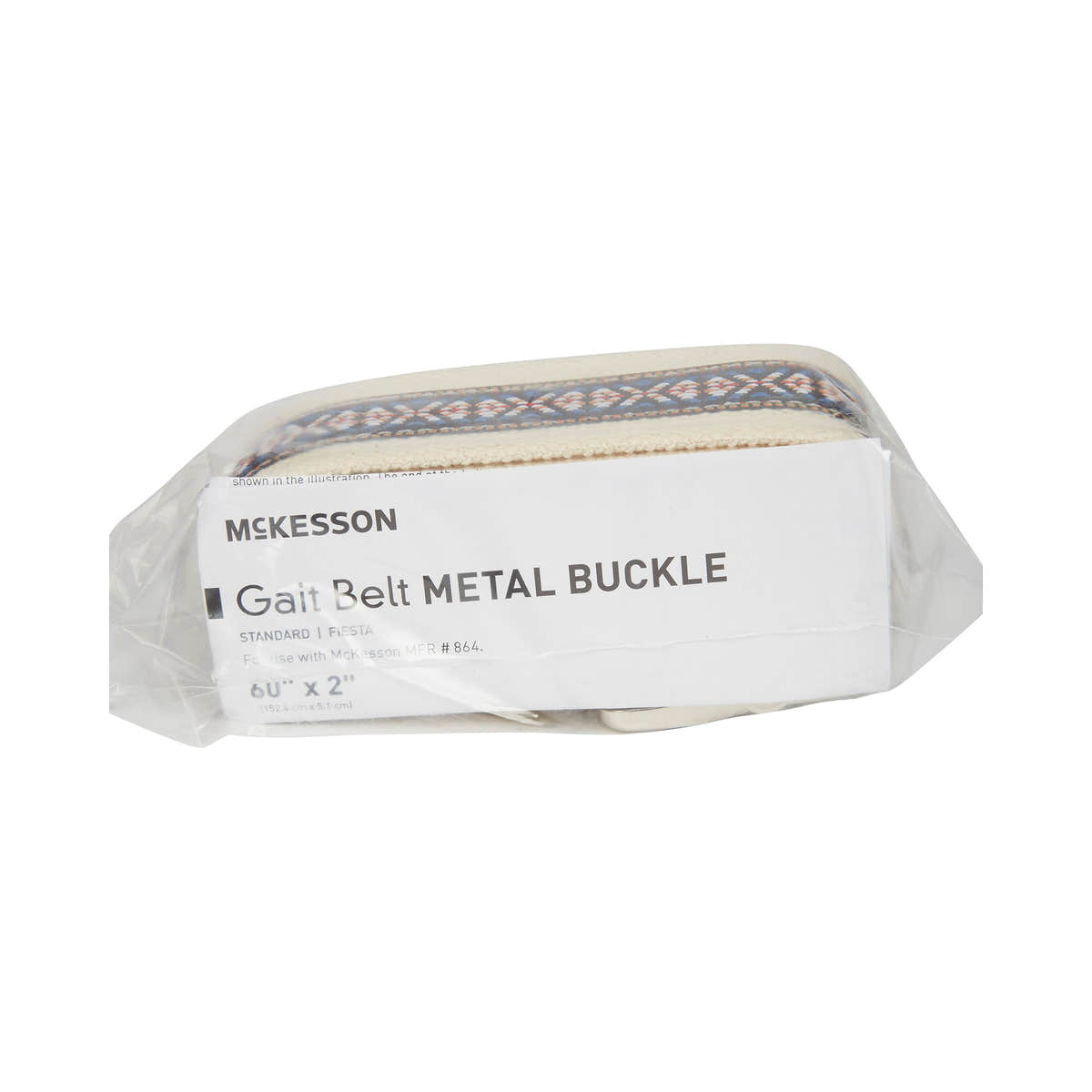
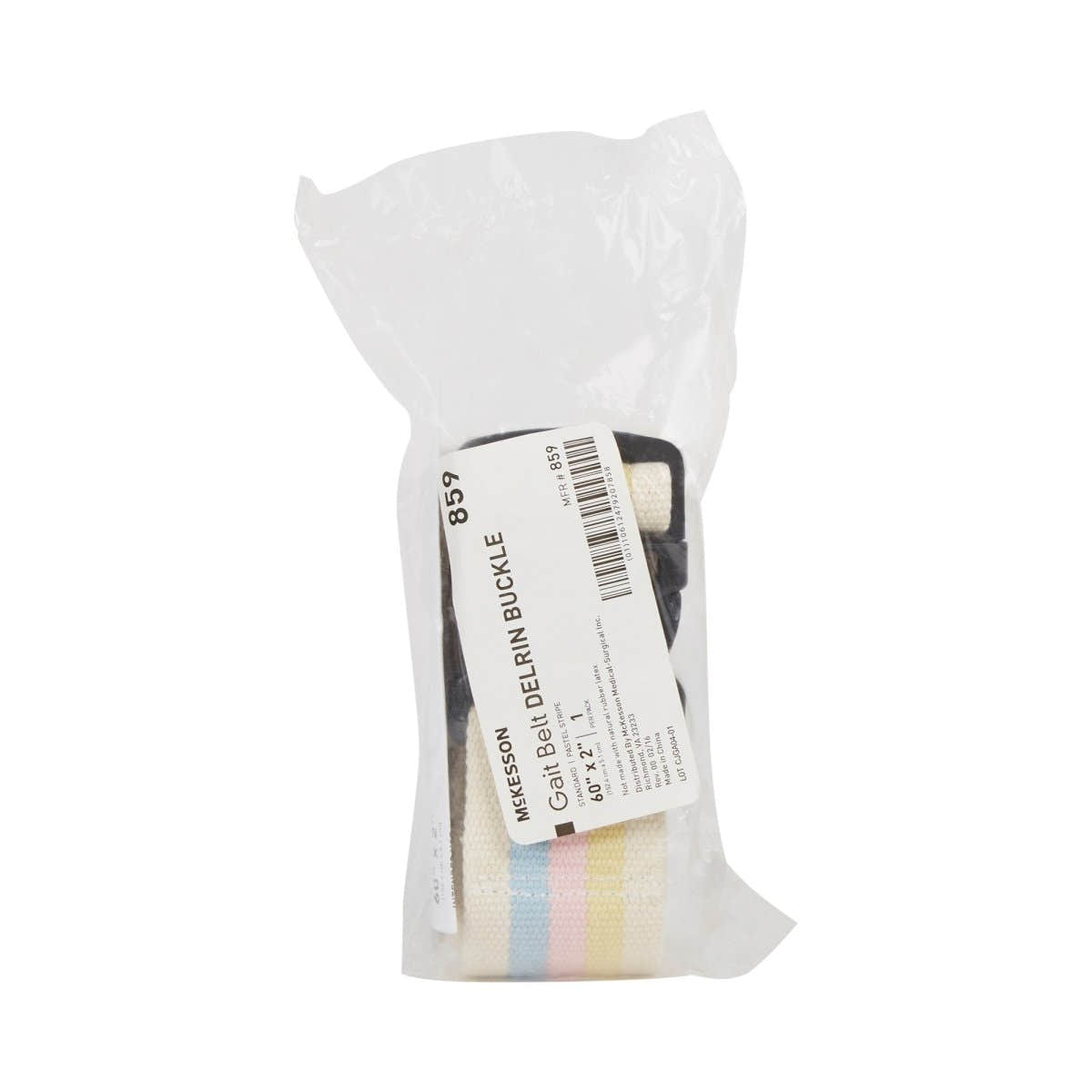
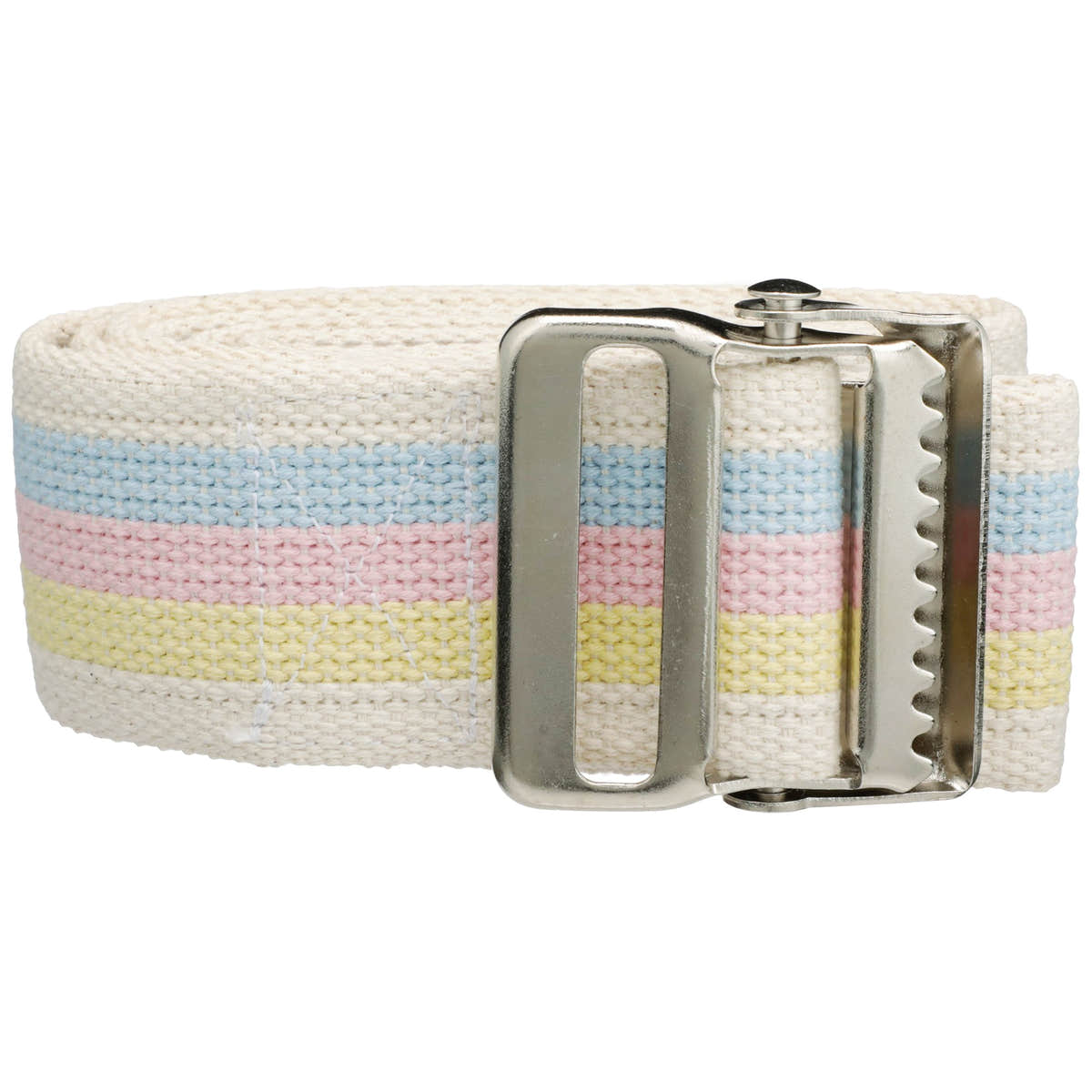
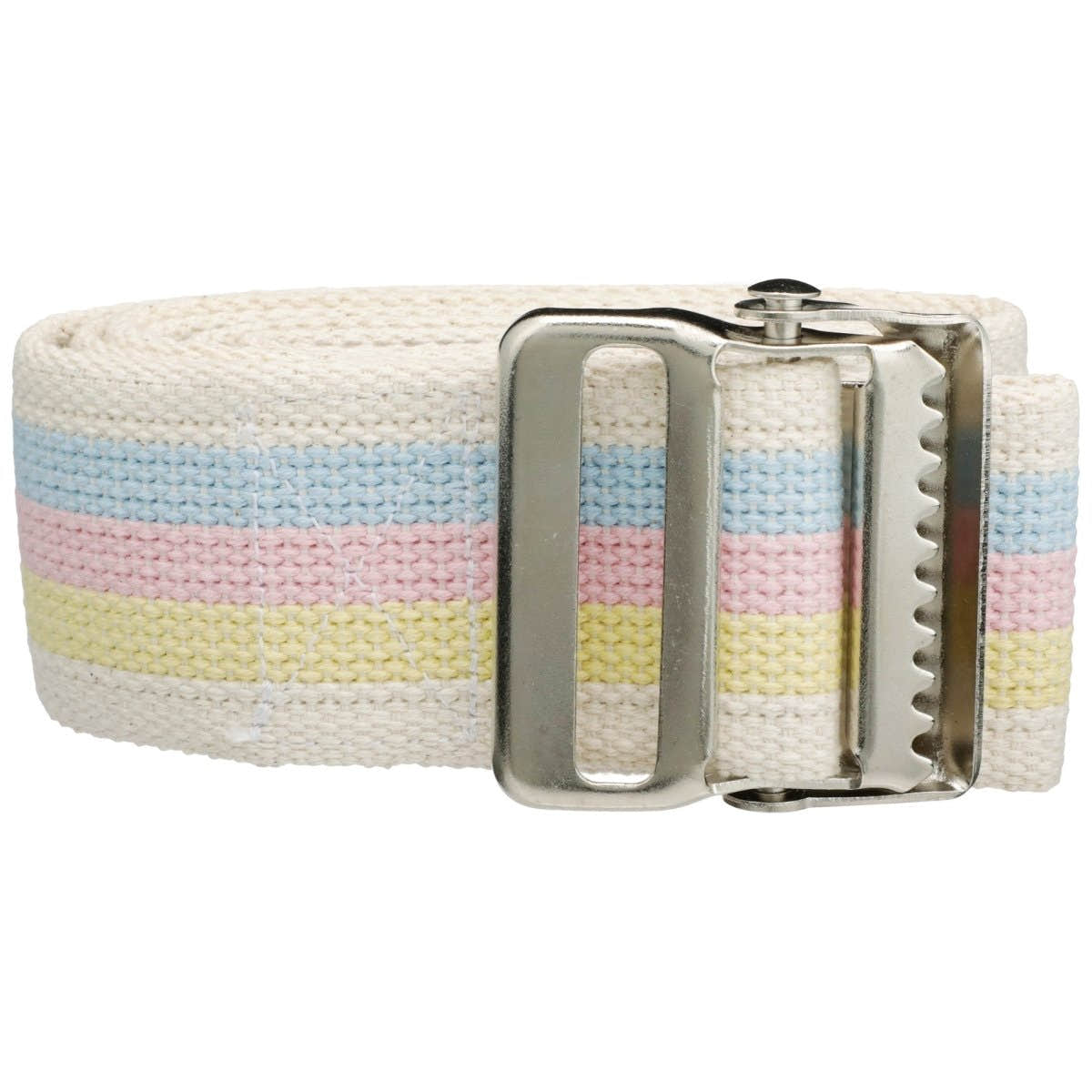
McKesson Gait Belt, 60 Inch, Fiesta Design -Case of 48
McKesson Gait Belt, 60 Inch
Sale priceFrom $9.99
Choose options
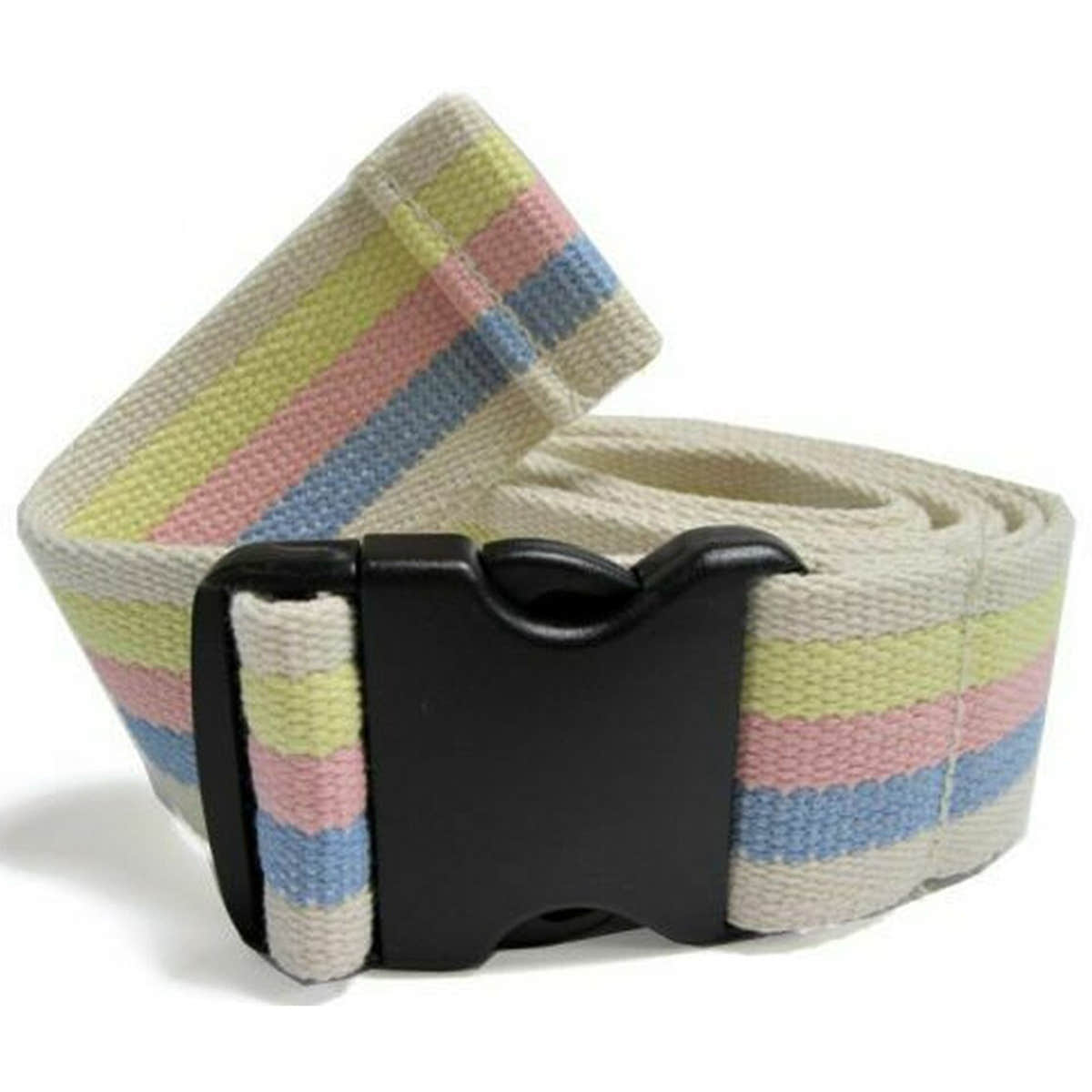
Maddak 54 Inch Gait Belt - 972673_EA - 1
Maddak 54 Inch Gait Belt
Sale price$19.99
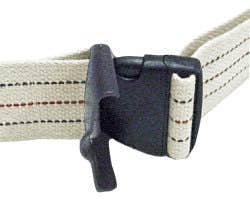
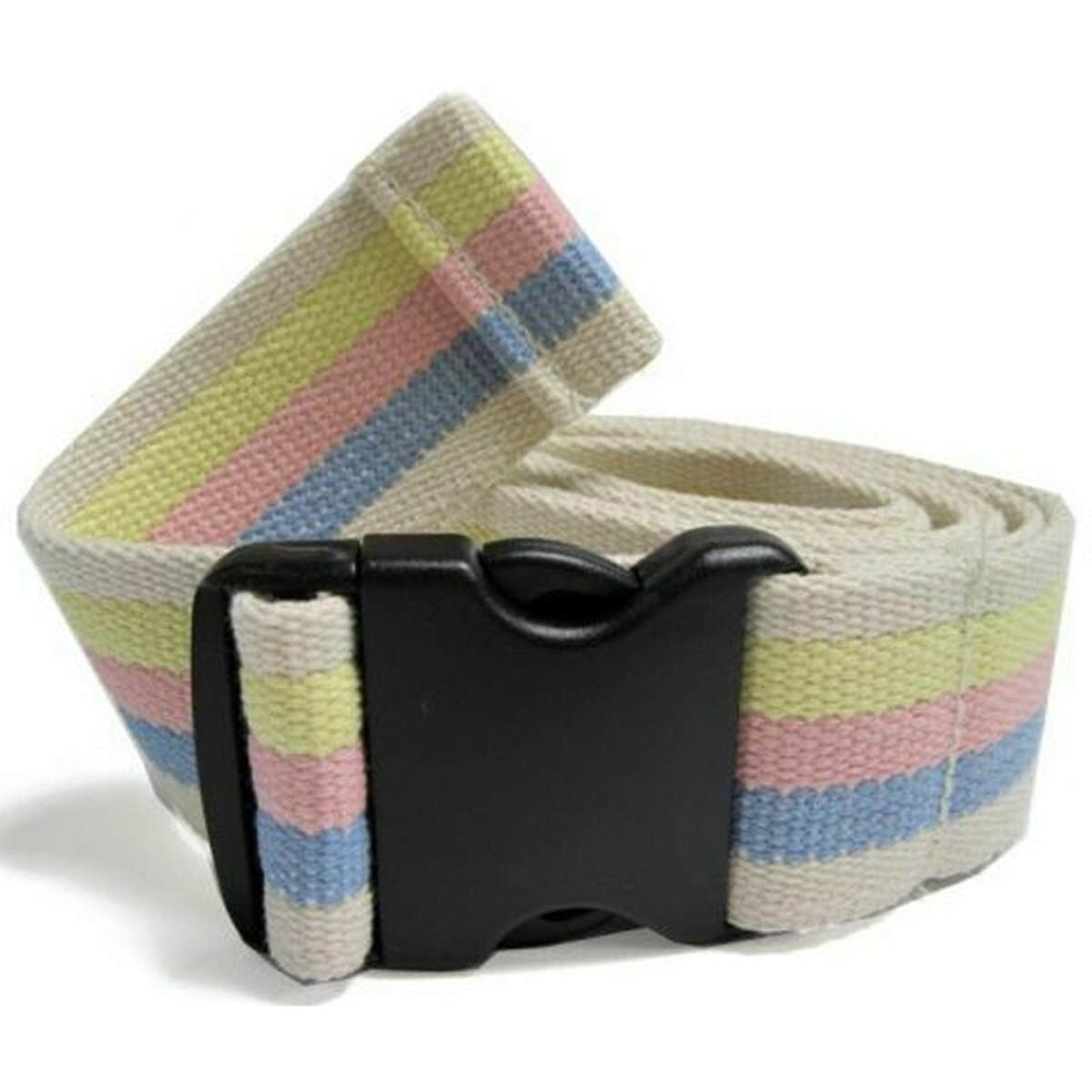
FabLife Gait Belt, 60 Inch -Each
FabLife Gait Belt, 60 Inch
Sale price$16.99

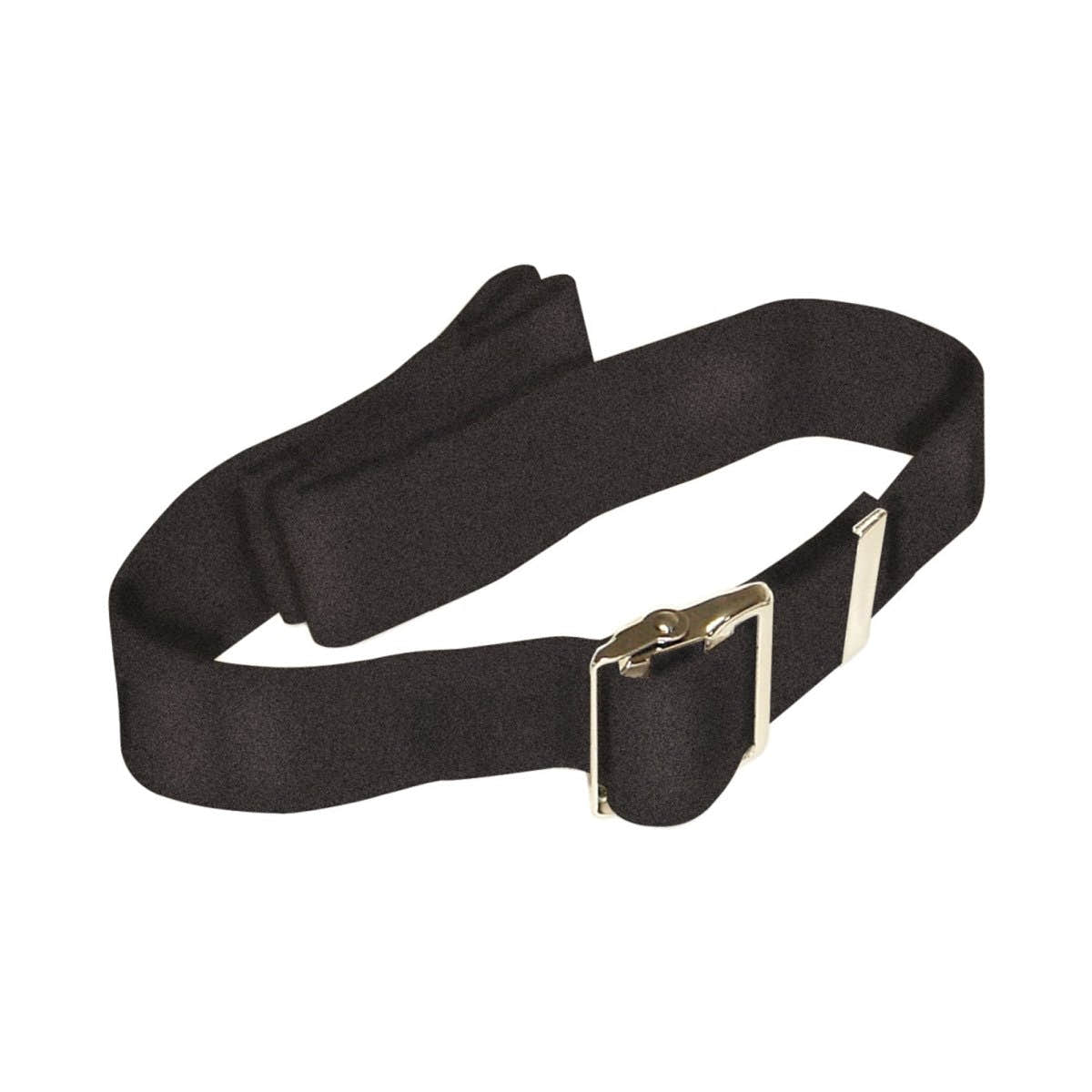
Posey Padded Belt - 251427_EA - 1
Posey Padded Belt
Sale price$24.99

Frequently Asked Questions about Belts

A gait belt is a assistive device worn around a patient's waist that gives caregivers a secure grip during transfers, walking assistance, and repositioning. Gait belts help reduce the risk of falls and back injuries for both the patient and the caregiver during mobility assistance.

Gait belts are designed for caregivers, nurses, physical therapists, and home health aides who assist patients with limited mobility, balance issues, or rehabilitation needs. Gait belts are commonly used in hospitals, nursing facilities, and home care settings with patients recovering from surgery, stroke, or injury.

Place the gait belt around the patient's waist, over clothing, and thread the buckle so it fastens securely at the front or side. The belt should be snug enough that you can slide two fingers underneath — not so tight it restricts breathing, and not so loose it shifts during movement.

Grip the gait belt from underneath with an underhand hold near the patient's back or side to provide stable support during walking. Stand close to the patient, slightly behind and to one side, guiding movement while keeping a firm grip on the belt throughout each step.

Gait belt sizing depends on the patient's waist measurement, and most standard gait belts available measure around 54 to 60 inches in length to accommodate a wide range of body sizes. Heavy-duty options are also available for patients who require extra length or reinforced strength during transfers.

Yes, a gait belt is considered a safe and widely recommended tool for patient transfers when used correctly by a trained caregiver. Gait belts distribute the force of a transfer more evenly and give the caregiver a reliable handhold, which significantly lowers the risk of dropping or injuring the patient.

Gait belts are commonly made from cotton webbing, heavy-duty nylon webbing, or vinyl, depending on the intended use and patient needs. Some gait belts feature padded designs for added patient comfort, while others use reinforced webbing and durable buckles for heavier-duty transfer situations.

Because gait belts give caregivers a stable, centralized grip point that distributes support across the patient's core rather than pulling on a vulnerable limb or loose fabric. Grabbing a patient's arm or clothing during a transfer increases the risk of joint injury, skin tears, and loss of control for both the patient and caregiver.

Most fabric gait belts can be machine washed in warm water and air dried to maintain strength and hygiene between uses. Vinyl gait belts can typically be wiped down with a damp cloth and mild disinfectant. Always inspect the buckle and stitching for wear before each use and replace any belt that shows fraying or damage.

A heavy-duty gait belt is constructed with reinforced webbing and stronger buckles designed to support higher weight capacities and more frequent use than a standard gait belt. Standard gait belts work well for general mobility assistance, while heavy-duty versions are better suited for bariatric patients or high-demand clinical environments.

Recently viewed