
BIOFILM

1 product

Showing 1 - 1 of 1 product

Biofilm Hemostatic Products: Trusted Wound-Care Essentials

The Biofilm collection at Cart Health brings together hemostatic agents designed to help manage minor bleeding quickly and effectively. Whether you're stocking a home first-aid kit, a workplace safety station, or a travel bag, these products offer a straightforward, dependable option when fast response matters most.
Showing 1 - 1 of 1 product
View
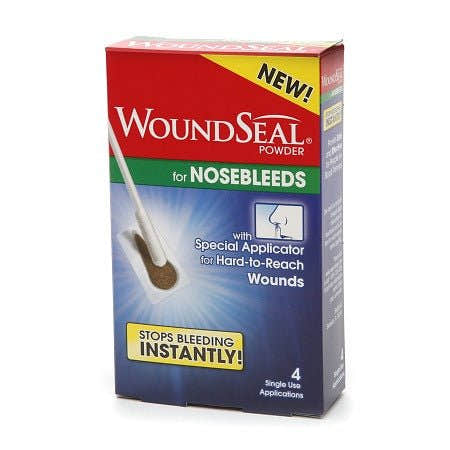
WoundSeal Hemostatic Agent for Nosebleeds, 4 per Pack - 811665_BX - 1

Frequently Asked Questions about BIOFILM

A hemostatic agent is a medical product designed to stop bleeding quickly by promoting clot formation at the wound site. Hemostatic agents are commonly used for nosebleeds, minor cuts, and surface wounds where bleeding needs to be controlled fast without applying prolonged manual pressure.

Apply the hemostatic agent directly to the bleeding area inside the nostril, following the instructions included with the product. The powder or material works by absorbing moisture and forming a protective seal over the wound, which helps stop bleeding within minutes.

Hemostatic agents for nosebleeds are designed for adults and children who experience frequent or hard-to-stop nosebleeds, including those on blood thinners or with clotting concerns. They are also useful for caregivers, first responders, and households where nosebleeds occur regularly.

Yes, hemostatic agents formulated specifically for nosebleeds are generally safe for nasal use when applied as directed. Always check the product labeling to confirm the product is intended for nasal application, and consult a doctor if bleeding is severe or does not stop after treatment.

Hemostatic agents stop bleeding by absorbing blood and moisture at the wound site, which concentrates clotting factors and helps form a stable seal over the injury. This physical mechanism speeds up the body's natural clotting process without requiring stitches or prolonged pressure.

A hemostatic agent actively promotes clot formation using specialized materials, while a regular bandage simply covers the wound and relies on the body to clot on its own. Hemostatic agents are especially useful when bleeding is brisk or when standard pressure and bandaging are not enough to control blood loss.

Yes, hemostatic agents can be particularly helpful for people who take blood thinners, since anticoagulant medications slow the body's natural clotting response. Using a hemostatic agent helps compensate by mechanically promoting clot formation at the surface, though anyone on blood thinners should still consult their physician about managing bleeding episodes.

The number of applications in a pack of hemostatic agents depends on the specific product and pack size included in the collection. Checking the product packaging or product description will confirm the quantity per pack so you can make sure you have enough on hand for your needs.

Hemostatic agents should be stored in a cool, dry place away from moisture, heat, and direct sunlight to preserve their effectiveness. Keep hemostatic agent packets sealed in their original packaging until use, and check the expiration date regularly to ensure the product will perform as expected when needed.

Because pinching the nose requires sustained pressure for several minutes and does not always work reliably, especially for people with frequent or heavy nosebleeds. A hemostatic agent provides an active clotting mechanism that can stop bleeding faster and with less discomfort, making it a practical alternative for recurring or difficult nosebleeds.

Recently viewed