Blood Pressure Cuffs

18 products

Showing 1 - 18 of 18 products

Blood Pressure Cuffs for Home, Clinical, and Professional Use

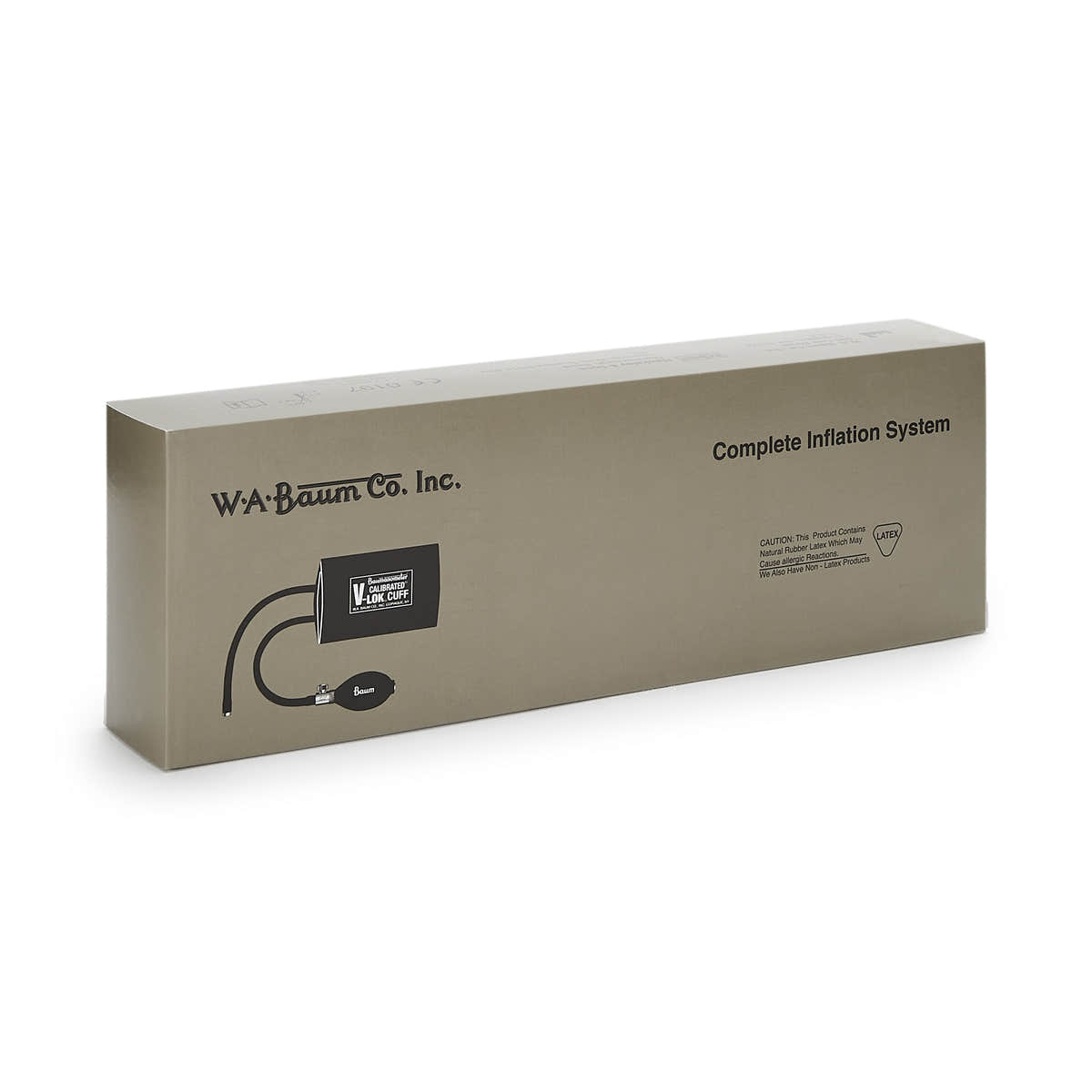
Whether you're equipping a clinical setting, supporting a home monitoring routine, or replacing a worn cuff on an existing device, Cart Health carries blood pressure cuffs from trusted brands including Omron, McKesson, Adcuff, W.A. Baum, Advantage, and Drive Medical. This collection brings together replacement cuffs, complete inflation systems, and manual kits designed to work with a range of sphygmomanometers and monitors.
Showing 1 - 18 of 18 products
View
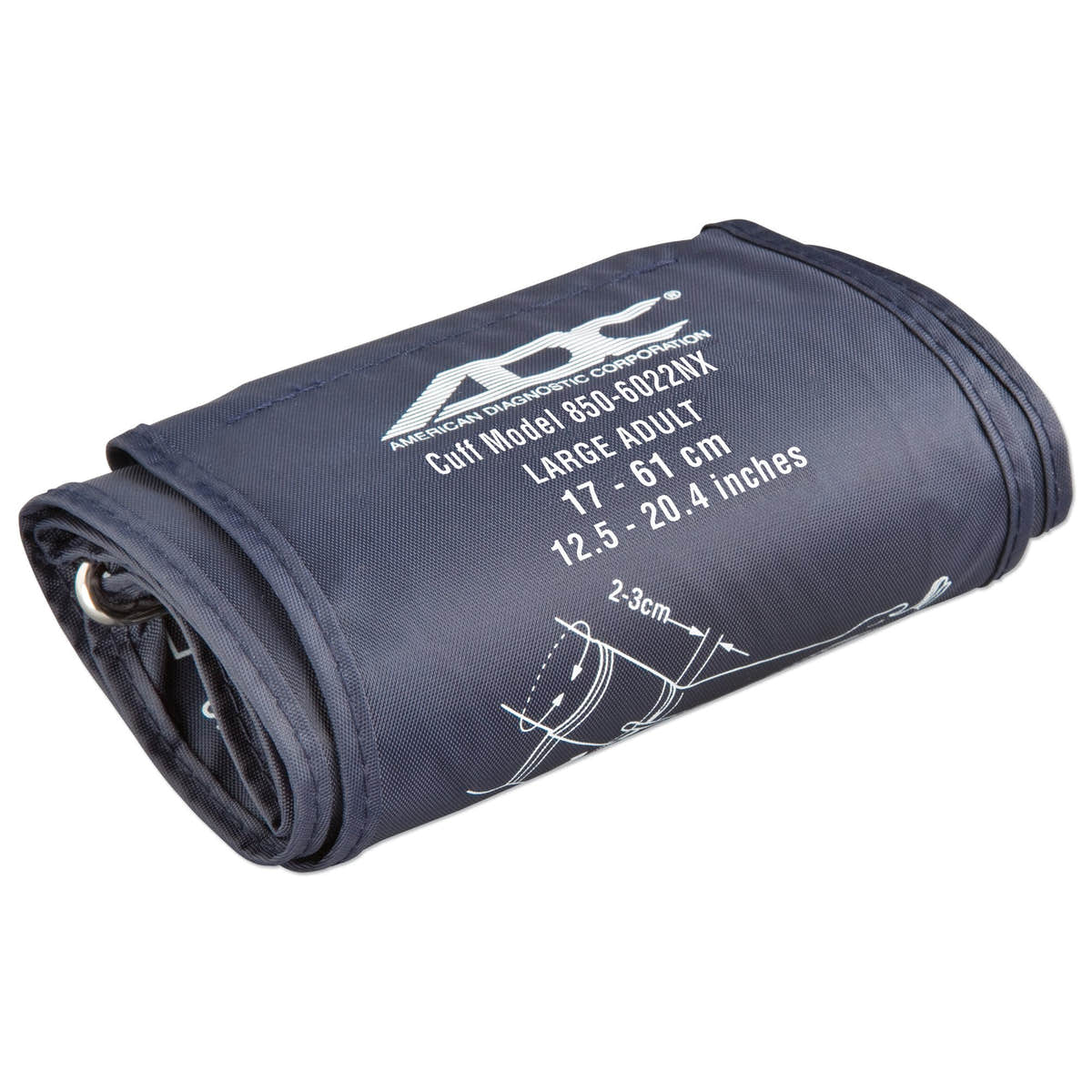
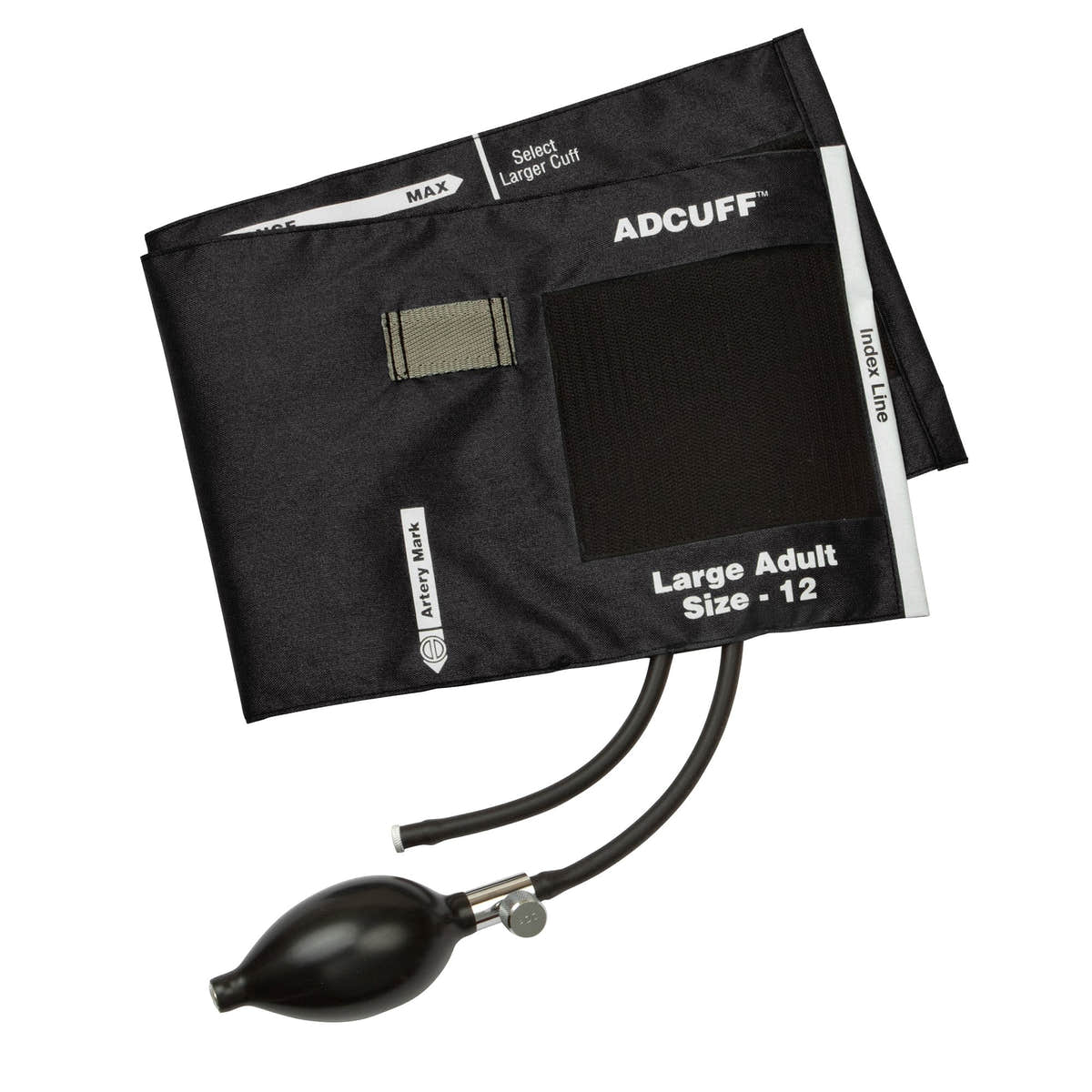
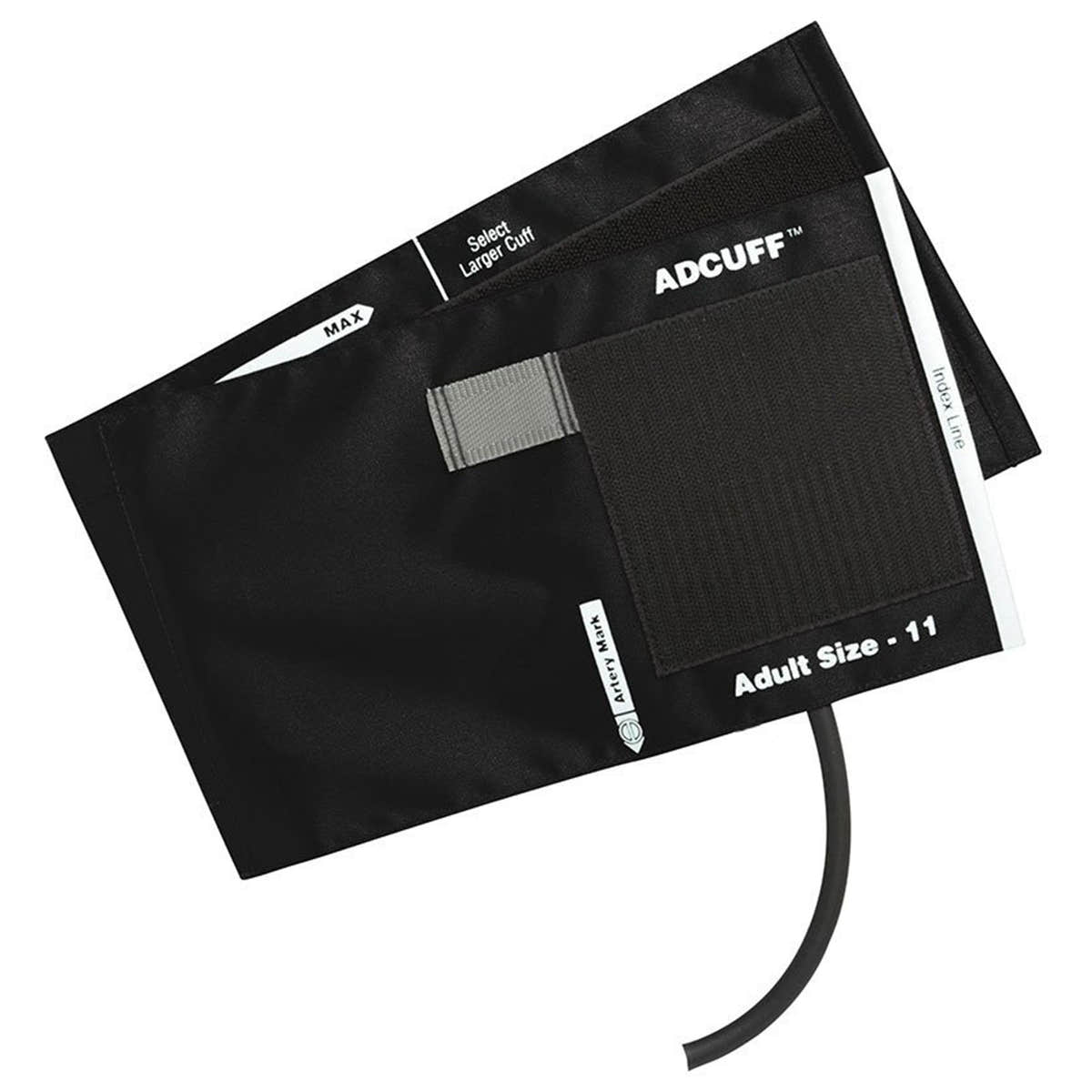
Adcuff Inflation System, Black, Large -Each
Adcuff Inflation System
Sale priceFrom $35.99
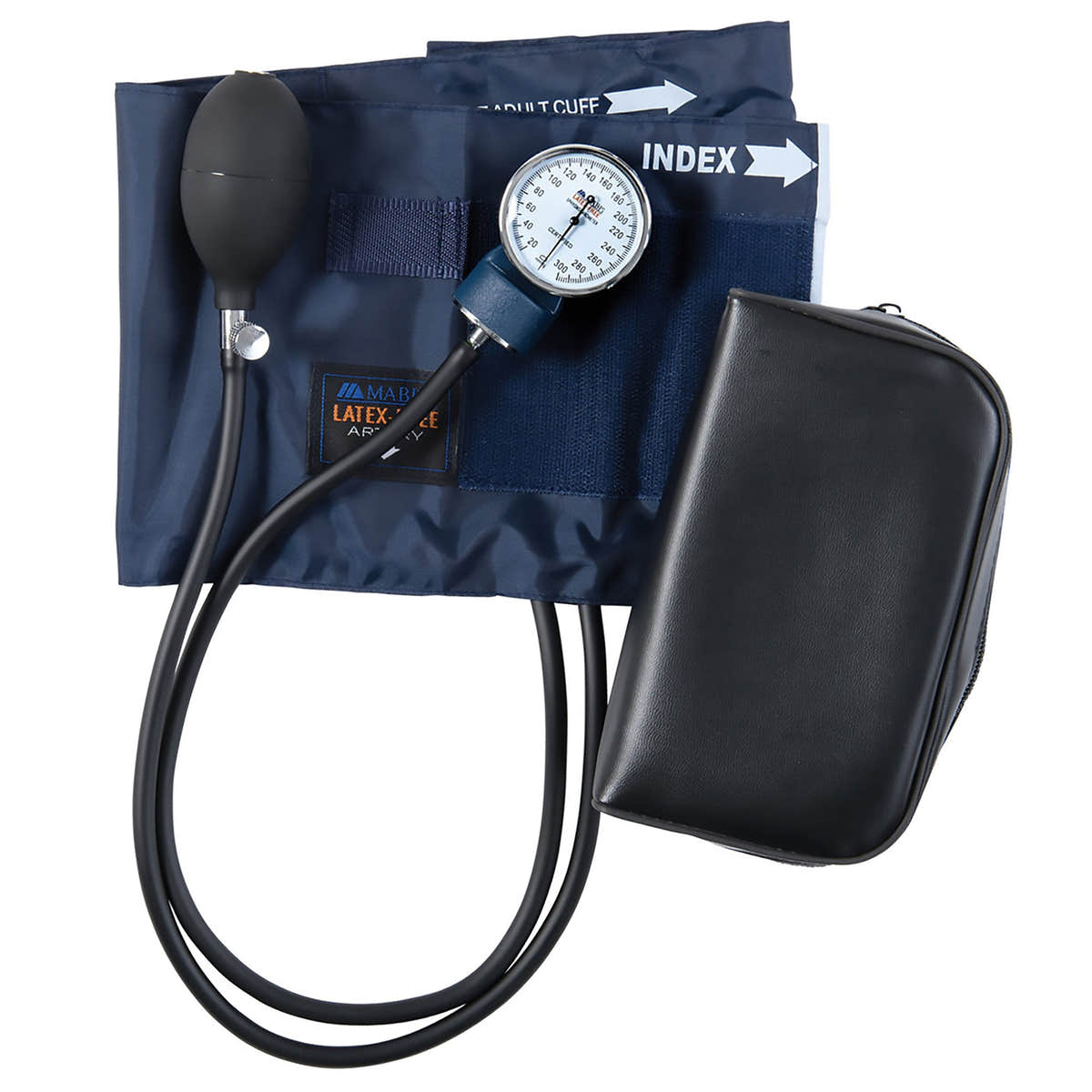
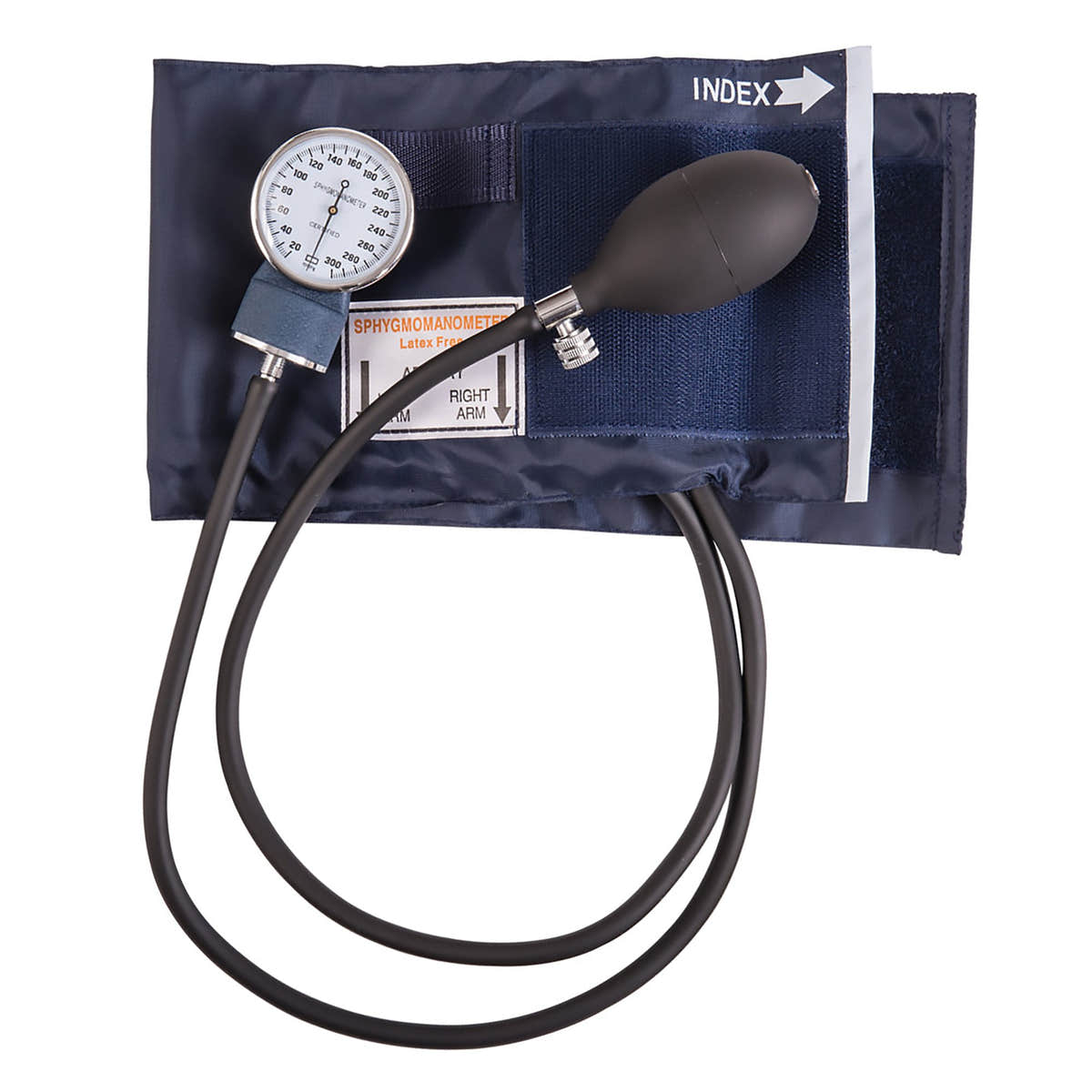
Precision Aneroid Sphygmomanometer -Each
Precision Aneroid Sphygmomanometer
Sale priceFrom $22.99
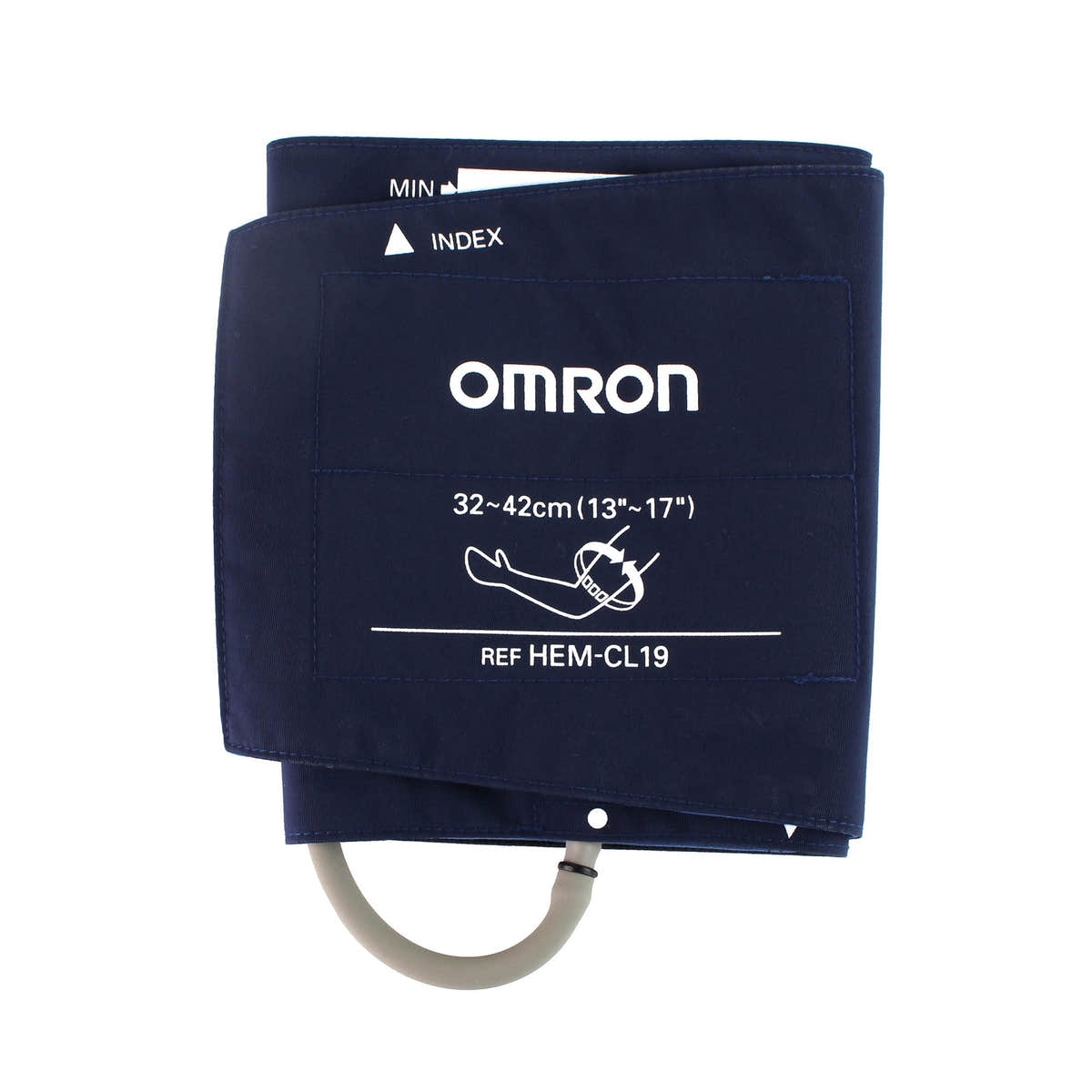
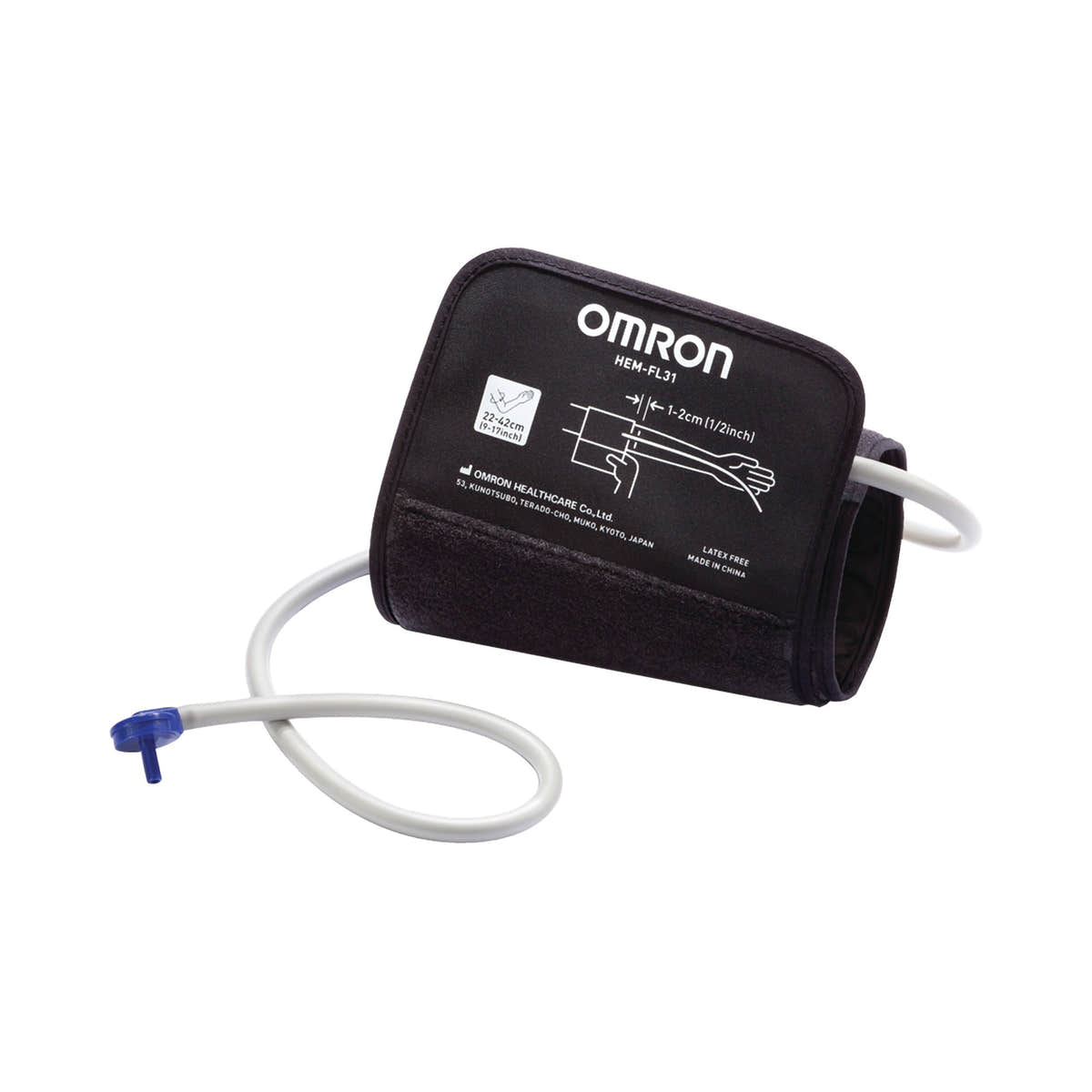
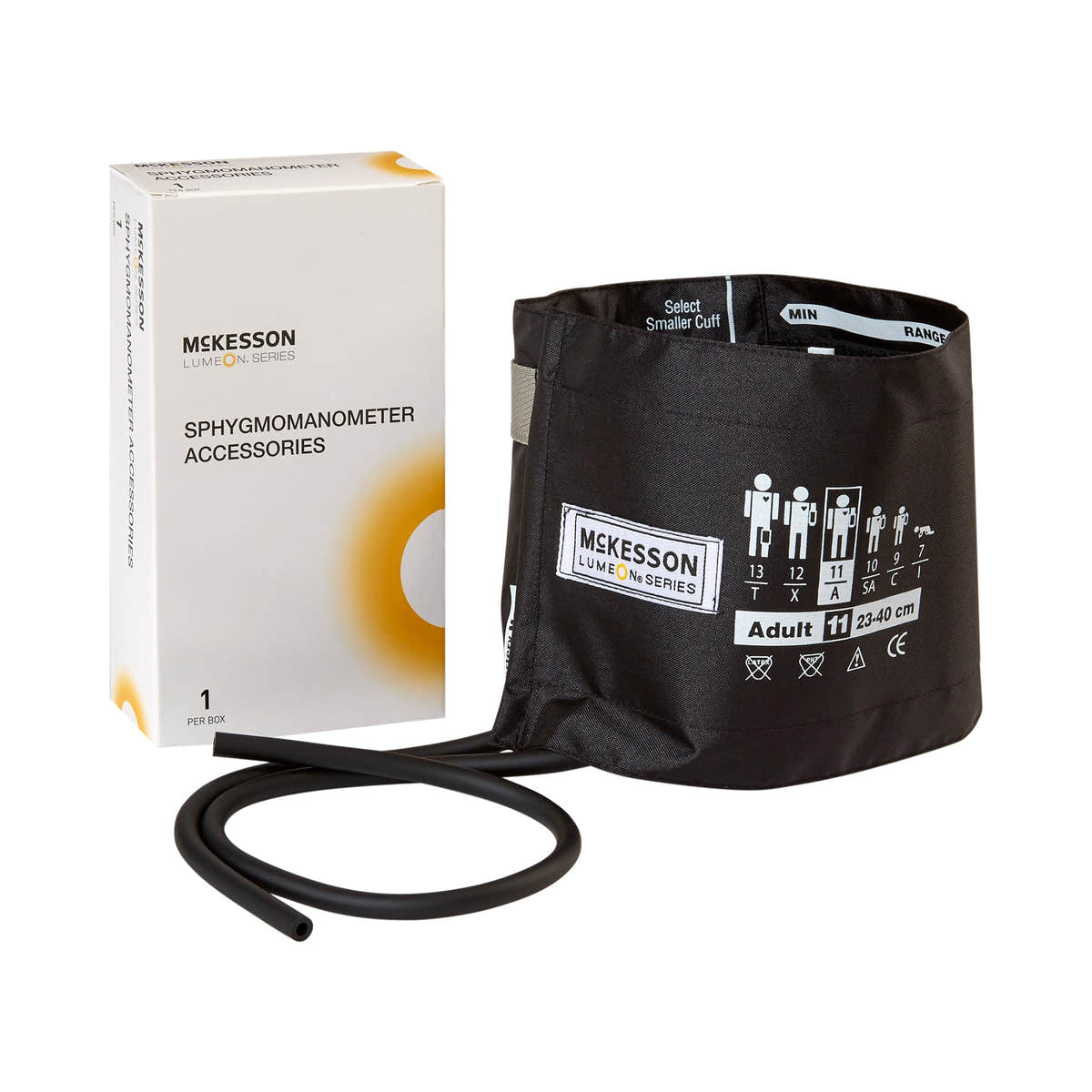
Omron Easy-Wrap ComFit Cuff -Each
Omron Easy-Wrap ComFit Cuff
Sale price$27.99
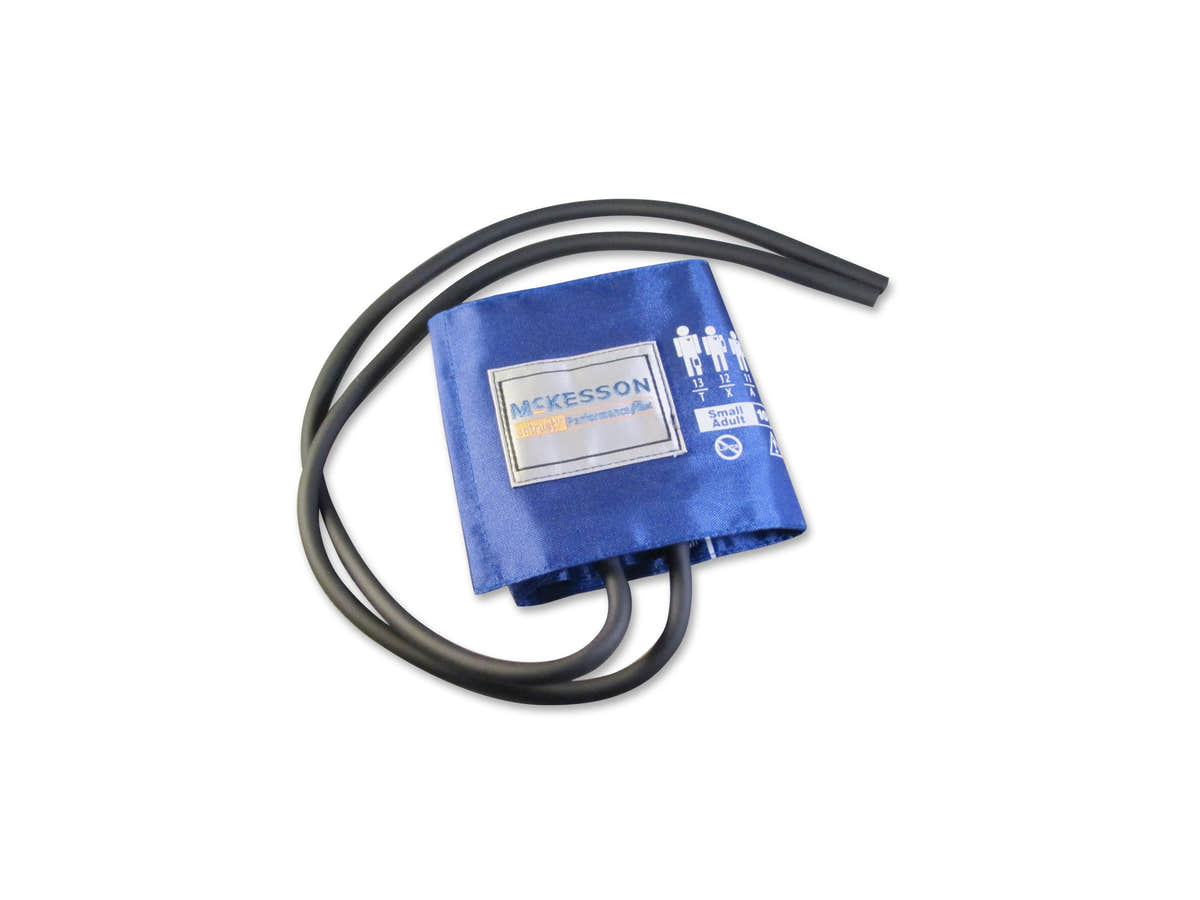
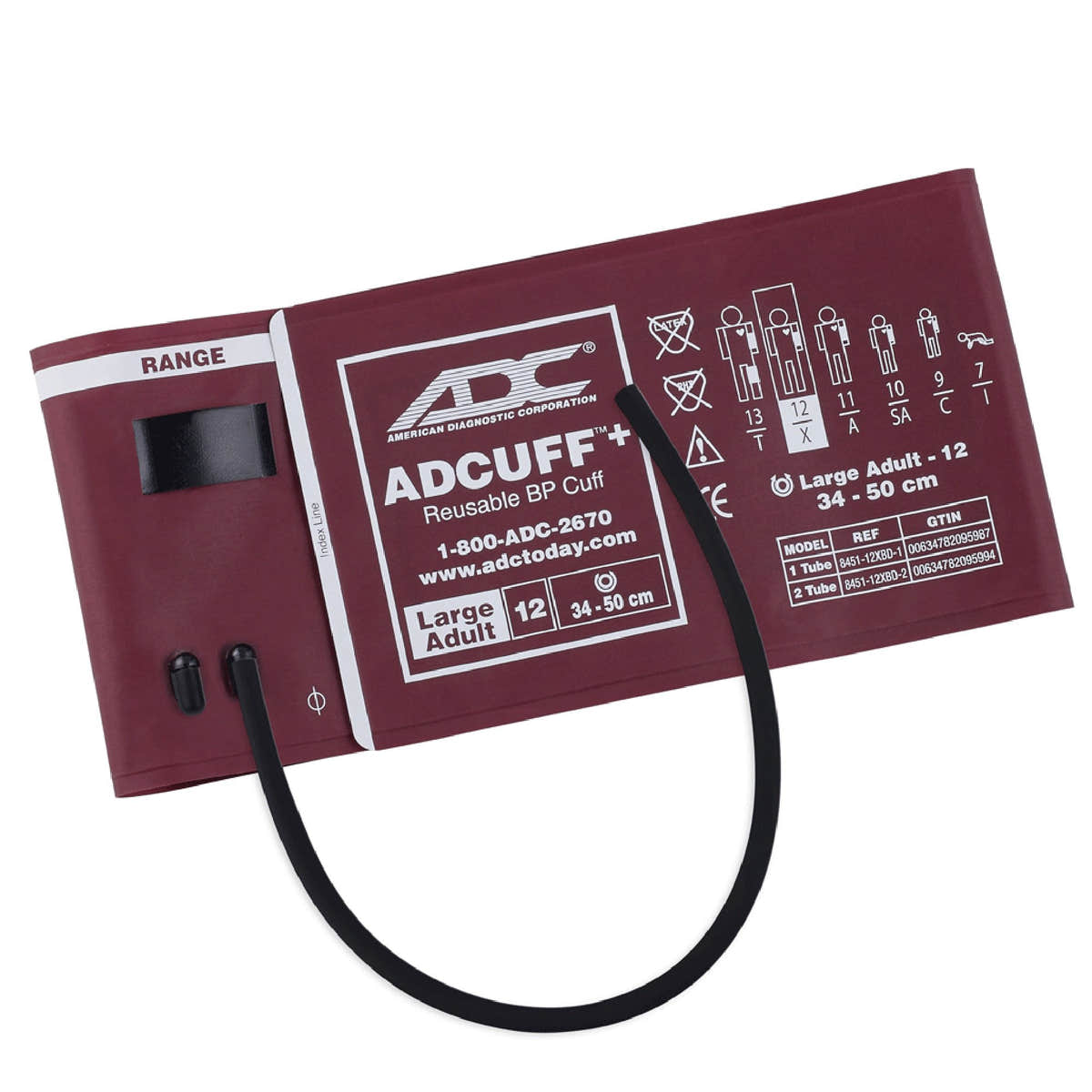
Adcuff Cuff 1 Tube Bladder, Size 12 -Each
Adcuff Cuff 1 Tube Bladder
Sale priceFrom $28.99
Advantage Ultra Blood Pressure Cuff, Large -Each
Advantage Blood Pressure Cuff - 942743_EA - 1
drive Blood Pressure Cuff - 1089100_EA - 1
drive Blood Pressure Cuff
Sale price$22.99
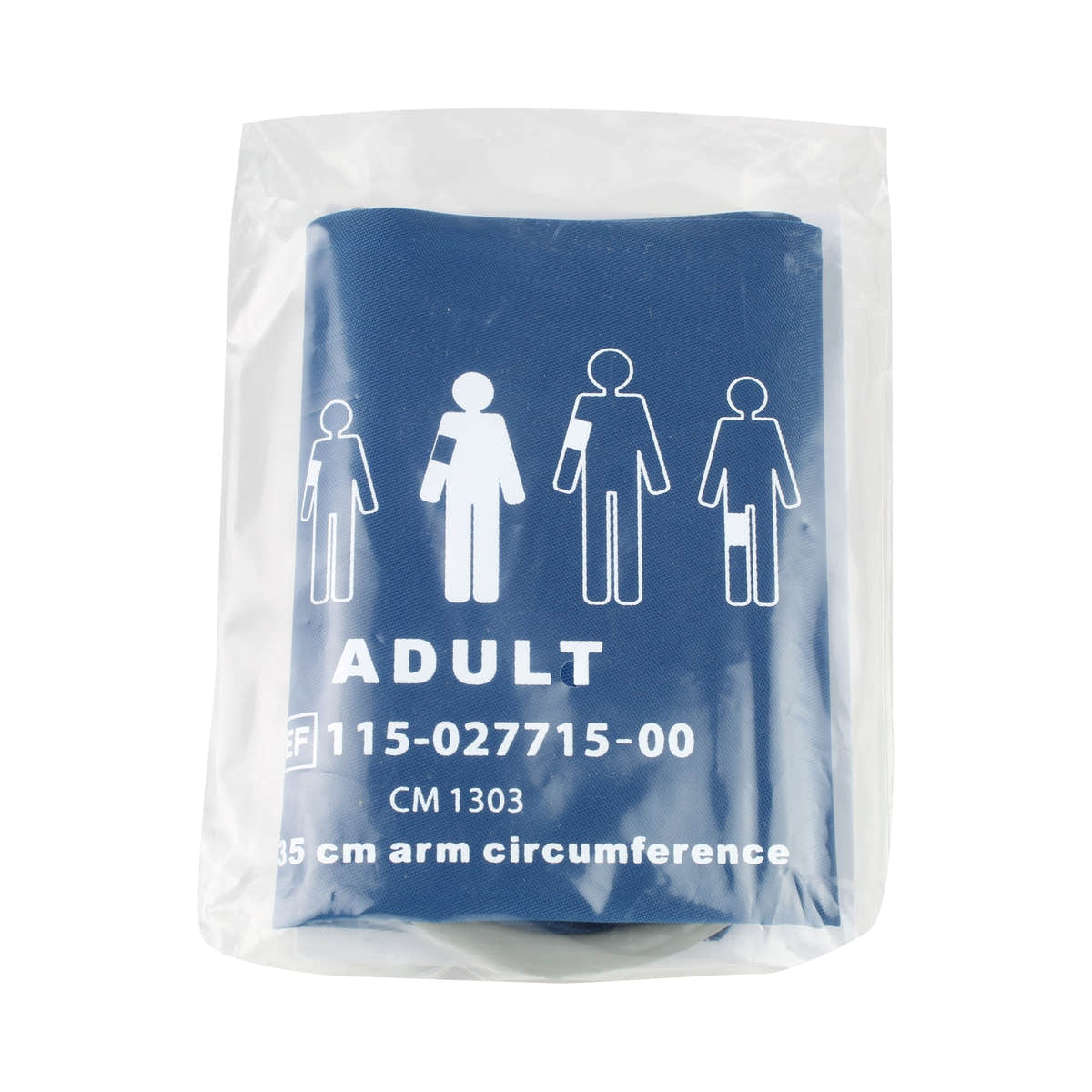
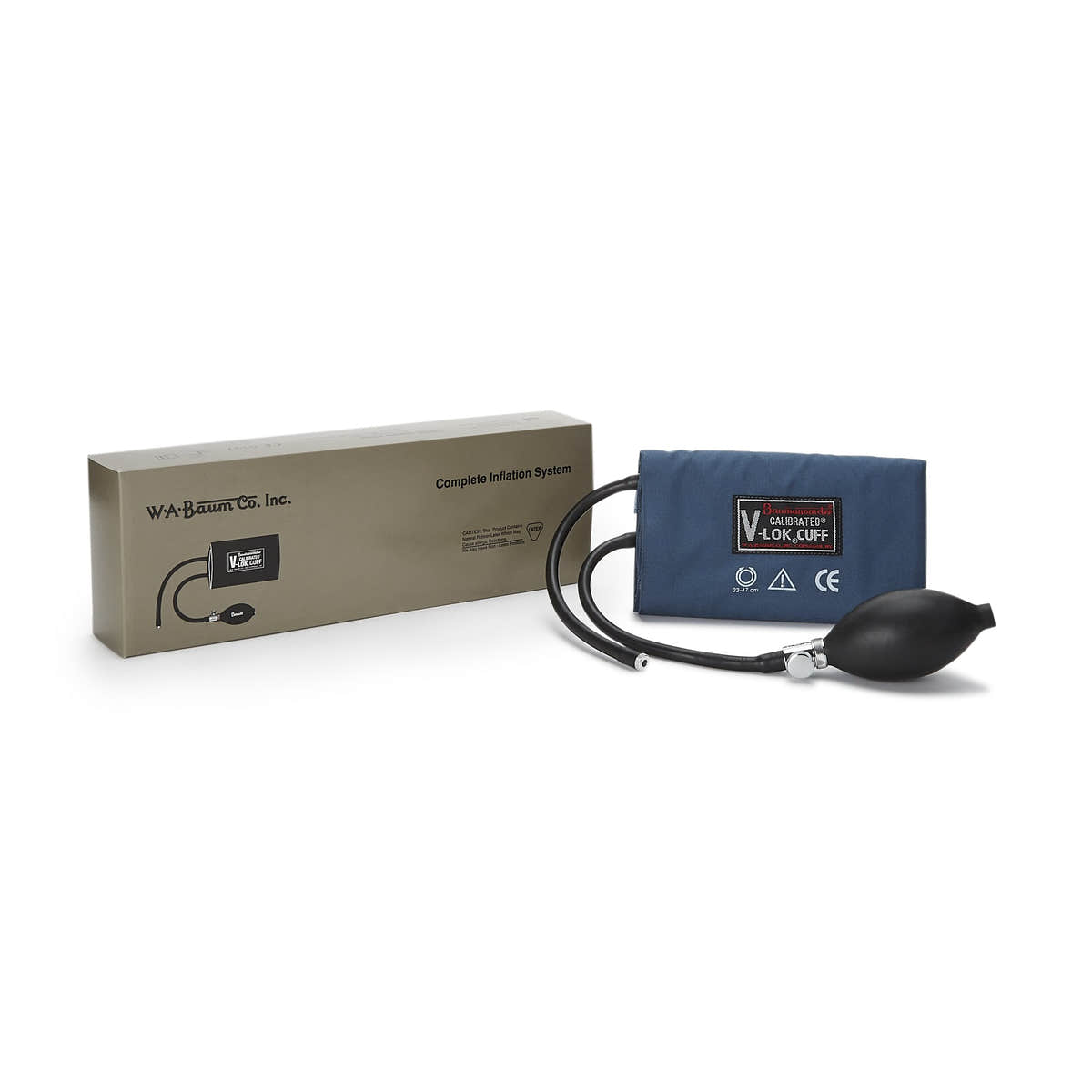
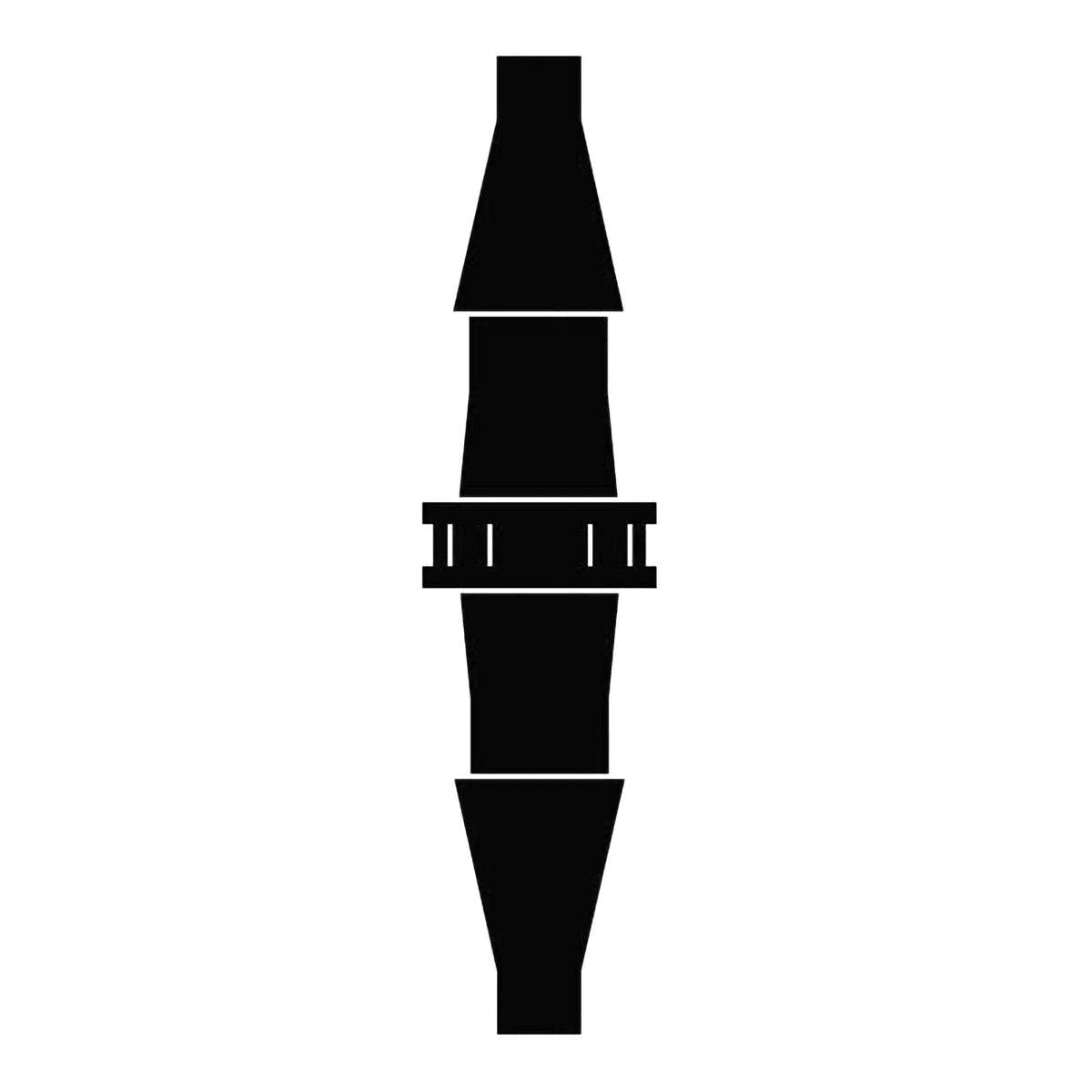
W.A. Baum Tubing Connector - 243727_EA - 1
W.A. Baum Tubing Connector
Sale price$7.99
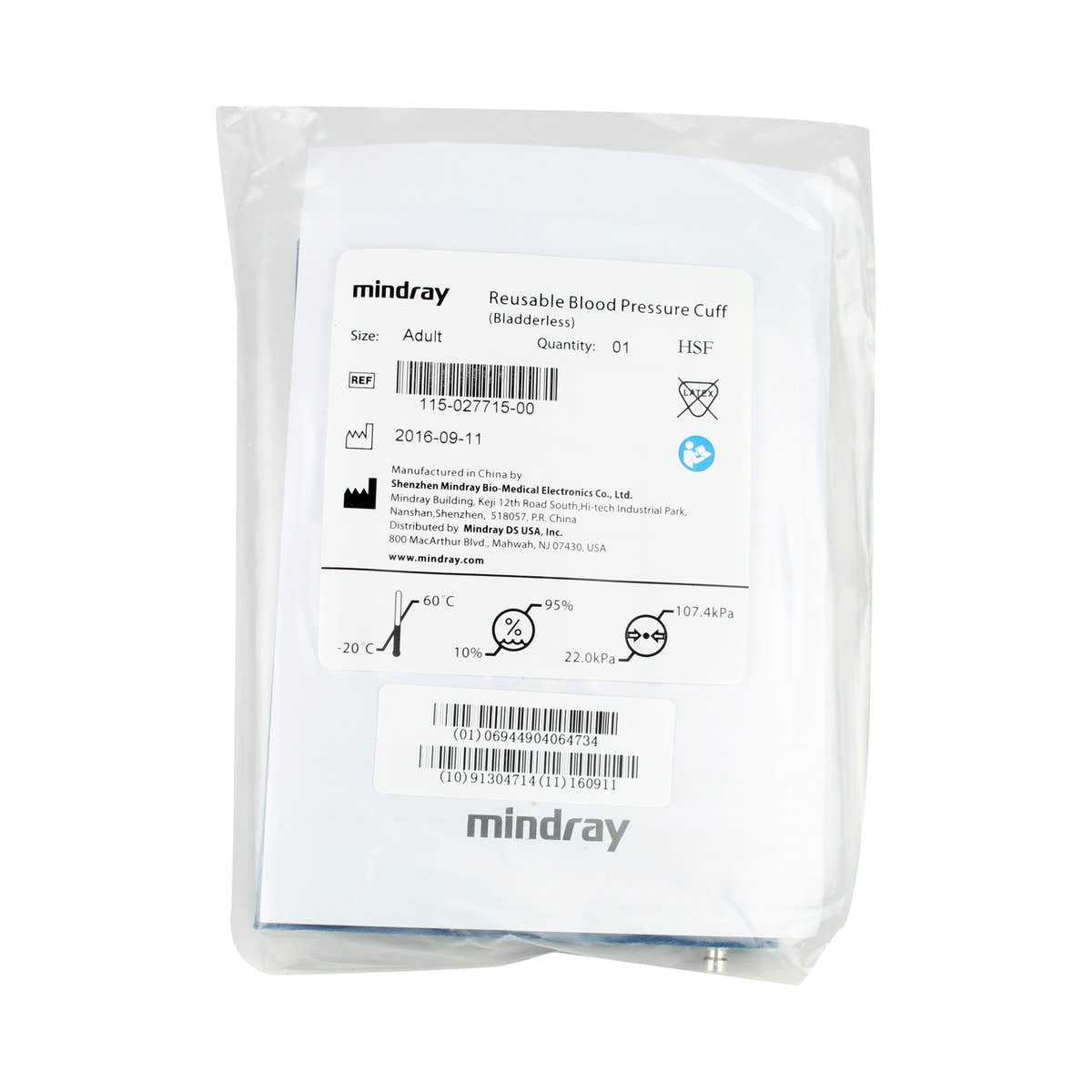
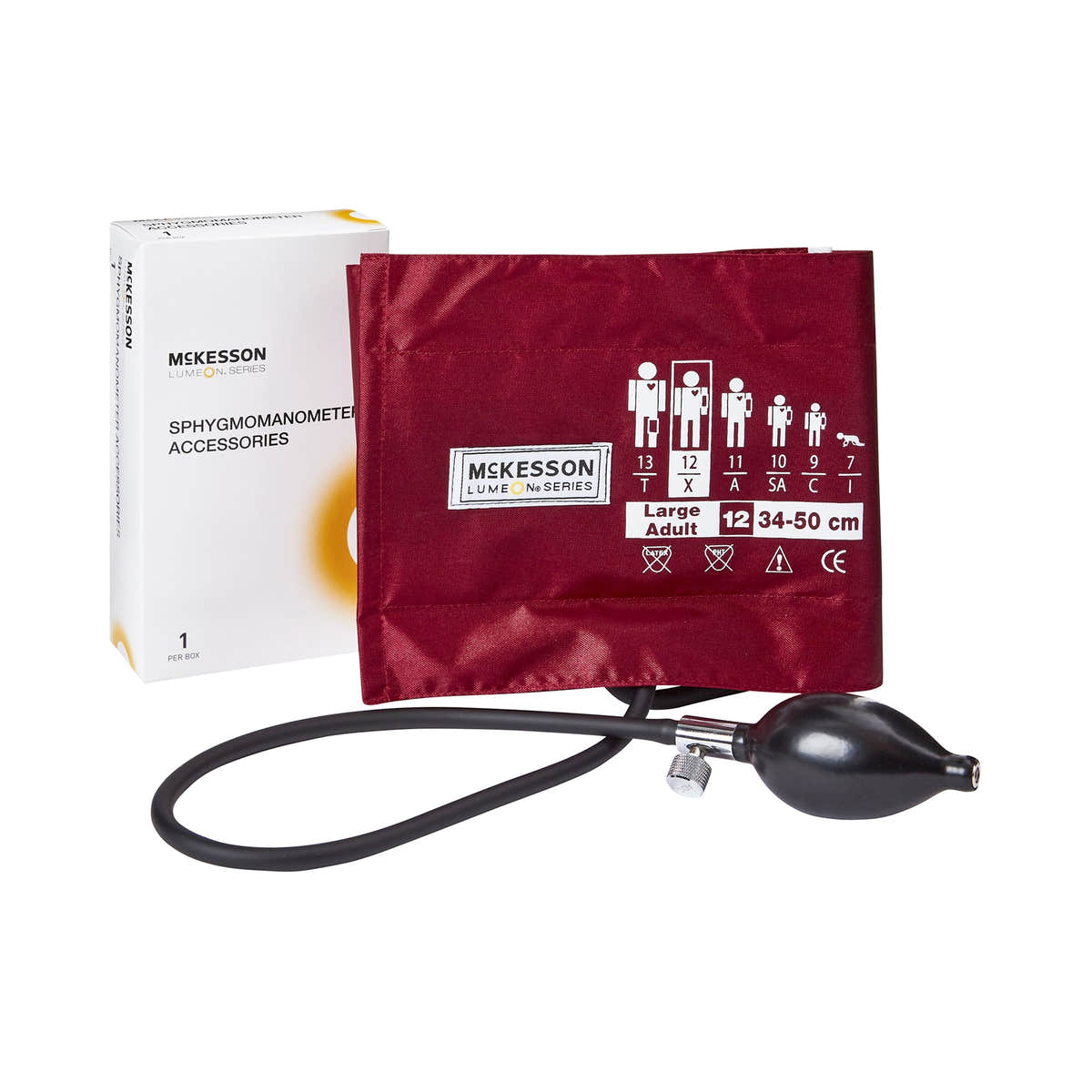
Mindray Blood Pressure Cuff, 24 - 35 cm -Each
Mindray Blood Pressure Cuff
Sale priceFrom $36.99
Choose options
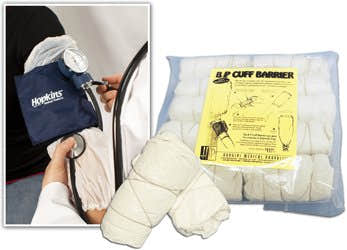
Hopkins Blood Pressure Cuff Protective Sleeve -Pack of 100
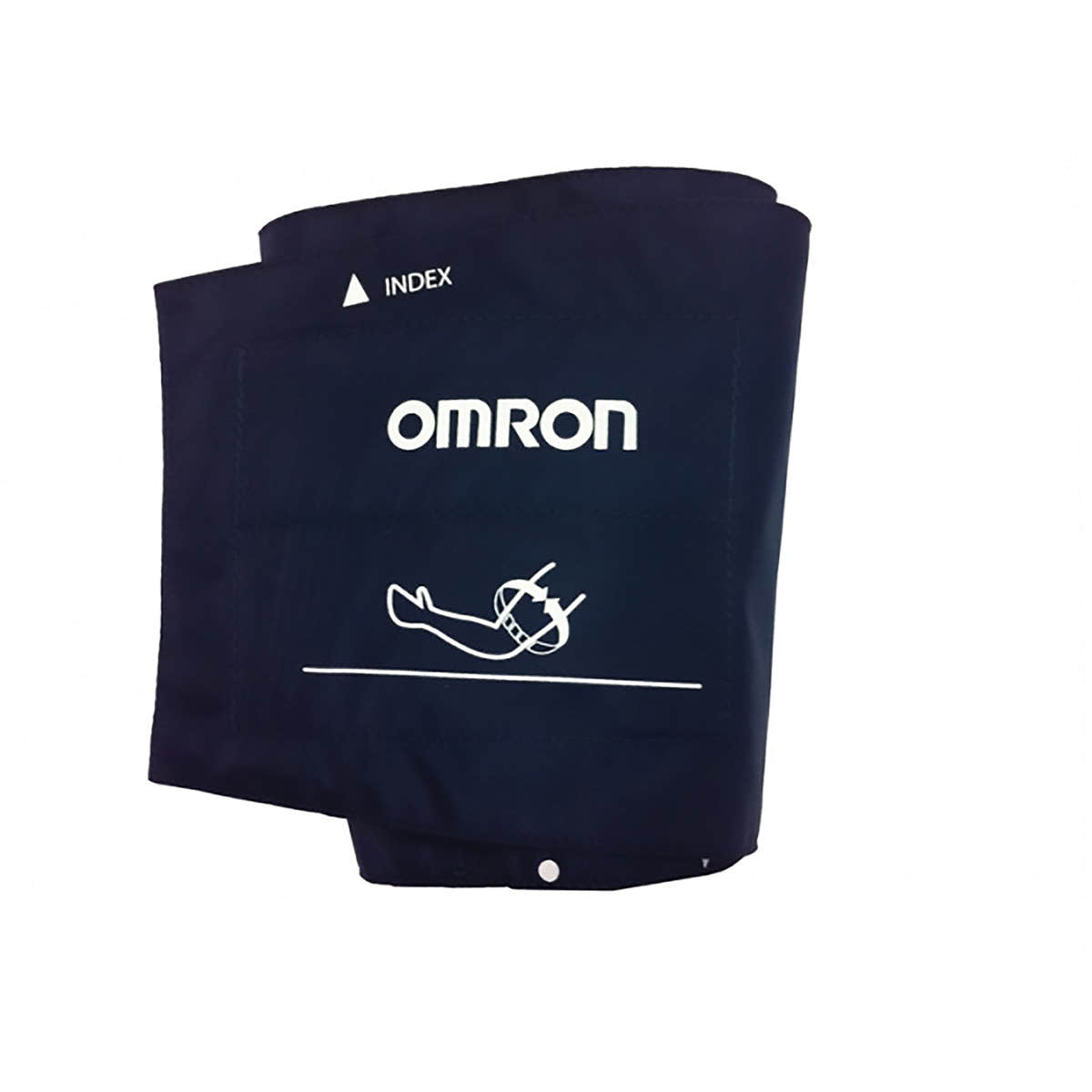
Omron Blood Pressure Cuff - 985418_EA - 1
Omron Blood Pressure Cuff
Sale price$25.99
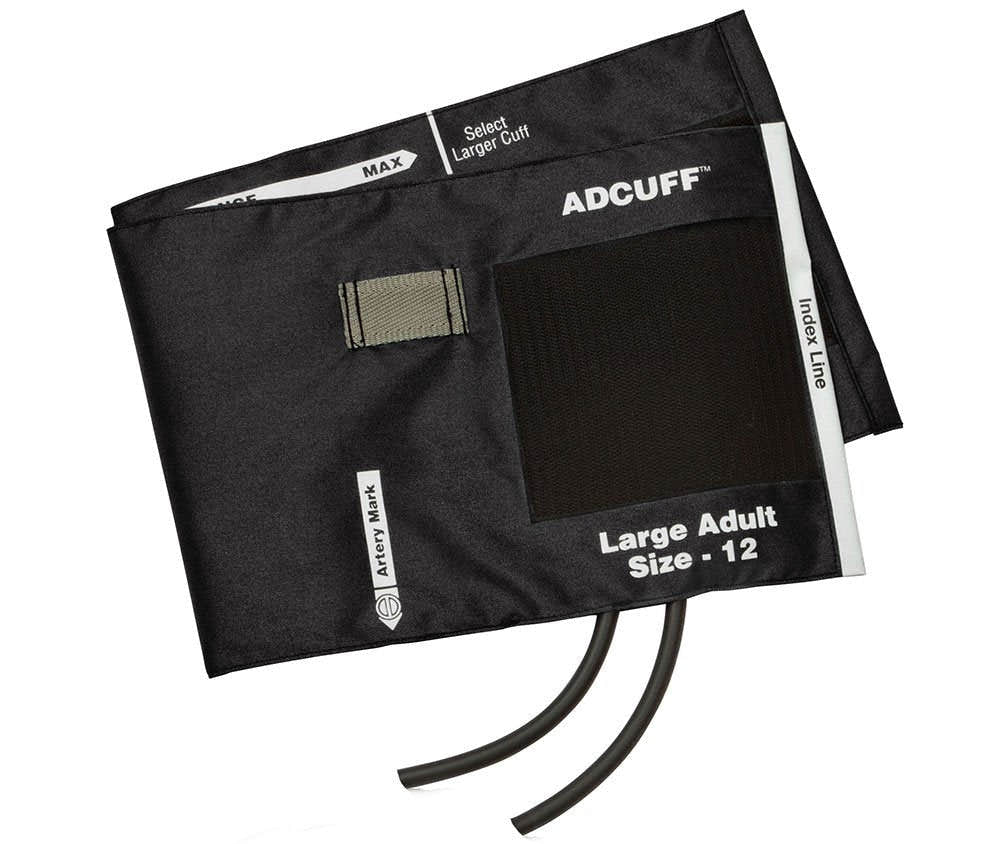
Adcuff Cuff 2-Tube Bladder - 257054_EA - 1
Adcuff Cuff 2-Tube Bladder
Sale price$41.99
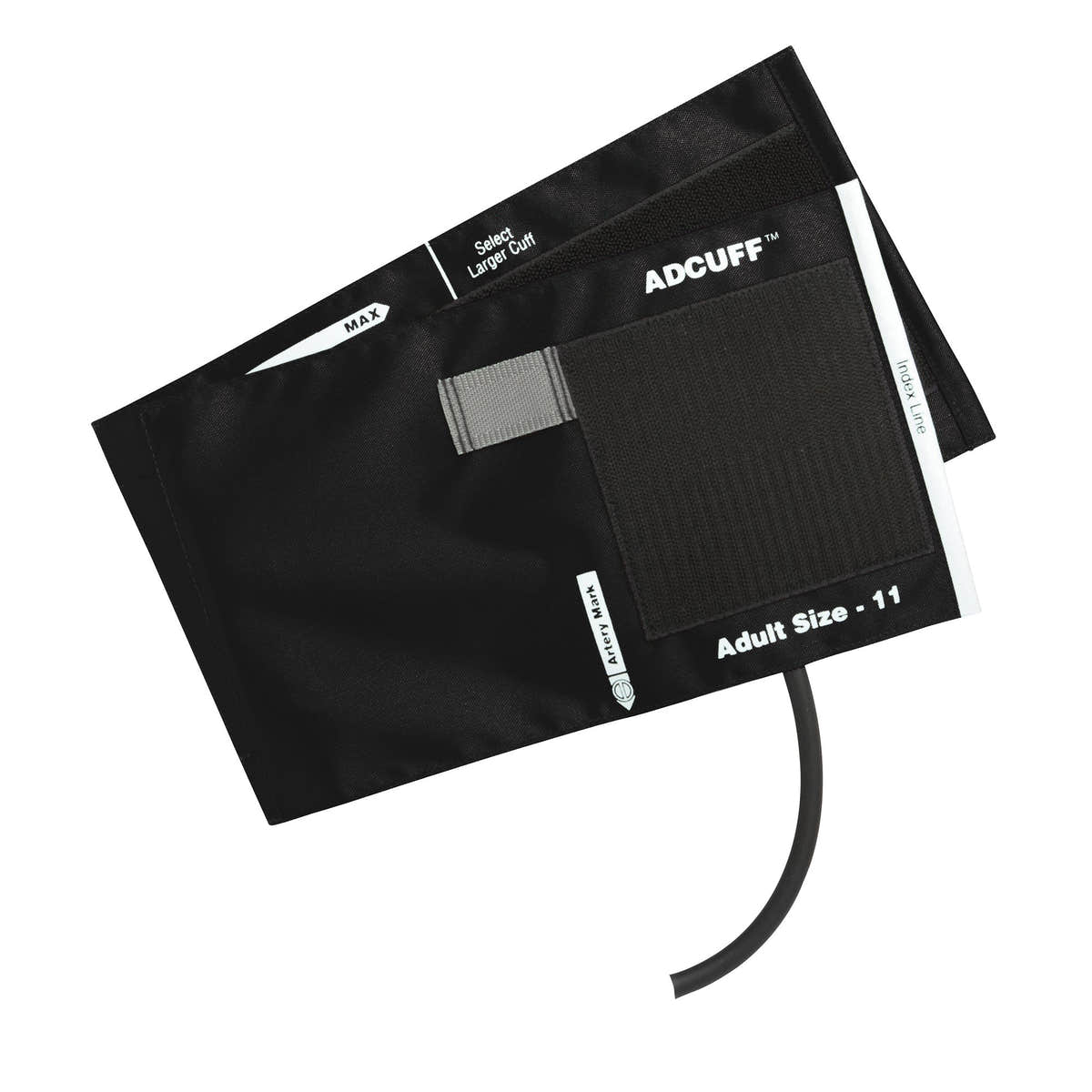
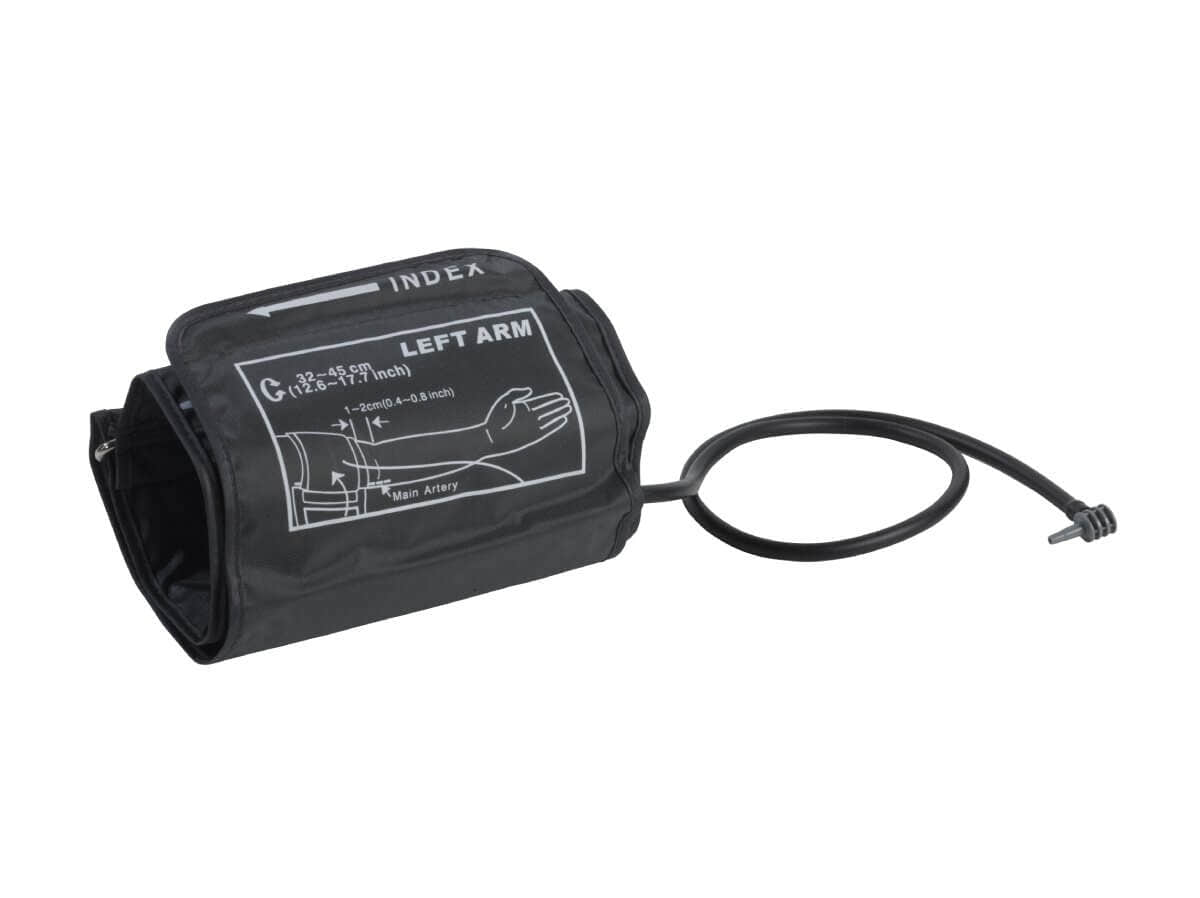
Adcuff Blood Pressure Cuff, 1-Tube Bladder -Each

Frequently Asked Questions about Blood Pressure Cuffs

A blood pressure cuff is a medical device that wraps around the upper arm or wrist to measure systolic and diastolic blood pressure readings. Blood pressure cuffs work by temporarily restricting blood flow and detecting pressure changes as the cuff deflates. They are used in both clinical settings and at home for ongoing cardiovascular monitoring.

Blood pressure cuffs are designed for anyone who needs to monitor cardiovascular health, including patients with hypertension, heart disease, or diabetes, as well as caregivers and healthcare professionals. Doctors often recommend regular blood pressure monitoring for adults over 40 or those with a family history of high blood pressure. Home monitoring can help catch changes between clinical visits.

Place the blood pressure cuff snugly on your bare upper arm, about one inch above the elbow, with the artery marker aligned over the brachial artery. Sit quietly for five minutes before taking a reading, keep your arm at heart level, and avoid talking during measurement. Taking two or three readings a few minutes apart and averaging them gives the most accurate result.

Blood pressure cuffs come in several sizes, typically ranging from pediatric and small adult to standard adult, large adult, and thigh sizes, based on arm circumference. Using the correct blood pressure cuff size is critical for accuracy — a cuff that is too small will give falsely high readings, while one that is too large may read too low. Measure the circumference of your upper arm to find the right fit.

No, blood pressure cuffs are not universally compatible with all monitors — cuffs are designed to connect with specific tubing configurations, connector types, and monitor brands. Some blood pressure cuffs use a single-tube bladder system while others use a two-tube design, so always verify compatibility with your monitor before purchasing a replacement cuff. Checking the connector size and tube count ensures a proper fit.

Because an incorrectly sized blood pressure cuff applies uneven pressure to the artery, which directly distorts systolic and diastolic measurements. A cuff bladder that does not encircle at least 80 percent of the arm circumference will produce inaccurate results. Healthcare guidelines recommend measuring arm circumference and matching it to the cuff size chart provided by the manufacturer.

Manual blood pressure cuffs require a trained user to listen for Korotkoff sounds with a stethoscope, making them preferred in clinical settings for their precision. Automatic blood pressure cuffs are easier for home users because the monitor inflates and deflates on its own and displays the reading digitally. The best choice depends on whether the cuff will be used by a healthcare professional or a patient at home.

Clean a blood pressure cuff by wiping the outer fabric with a damp cloth and a mild disinfectant, avoiding soaking the bladder or tubing in liquid. Store blood pressure cuffs in a cool, dry location away from direct sunlight and extreme temperatures, which can degrade the bladder material over time. Always roll or fold the cuff loosely to prevent creasing the internal bladder.

A blood pressure cuff typically lasts one to two years with regular use before the bladder or tubing may begin to lose integrity and affect reading accuracy. Signs that a blood pressure cuff needs replacement include visible cracks in the tubing, a cuff that will not hold pressure, or consistently inconsistent readings. Clinical facilities often replace cuffs on a scheduled basis to maintain diagnostic reliability.

Recently viewed