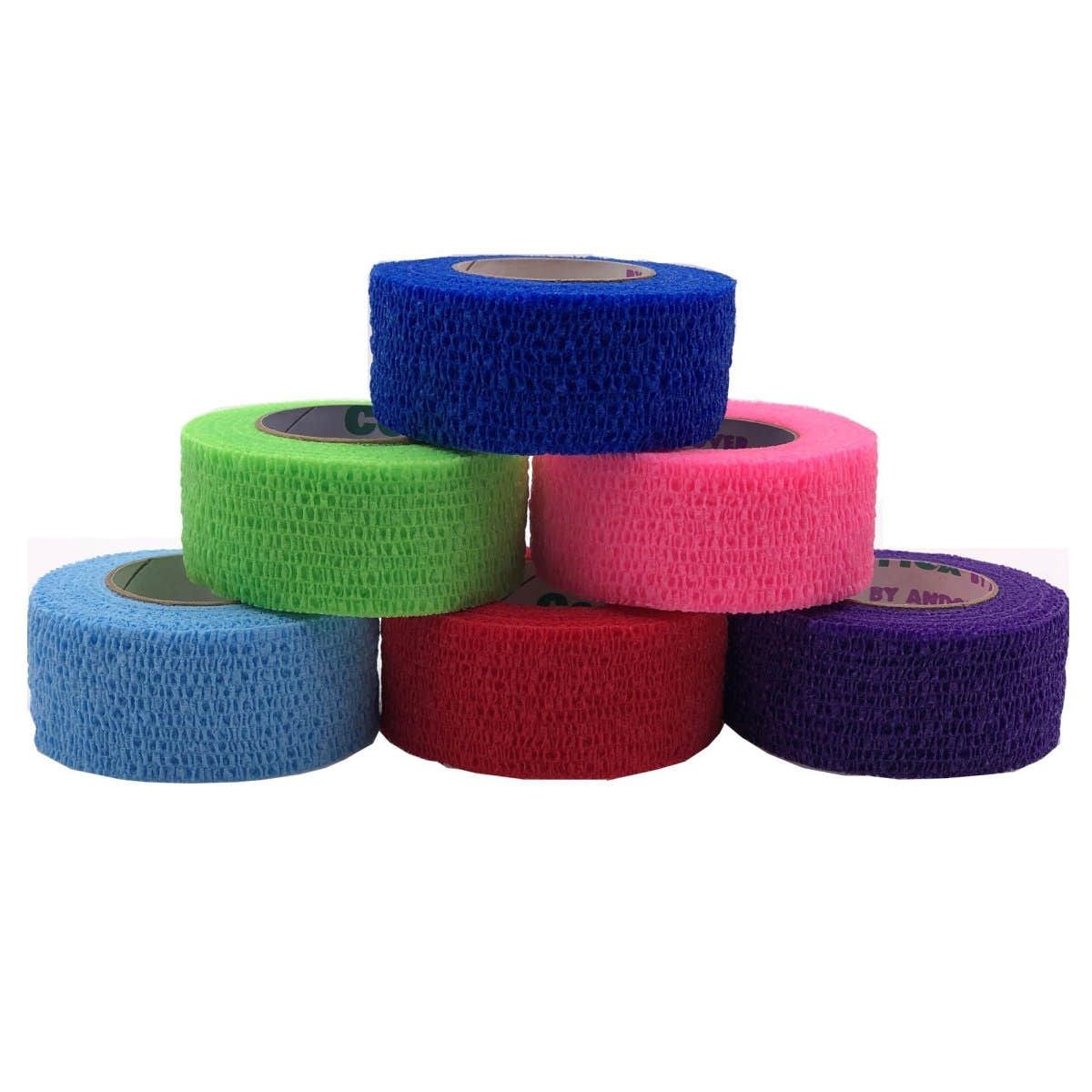
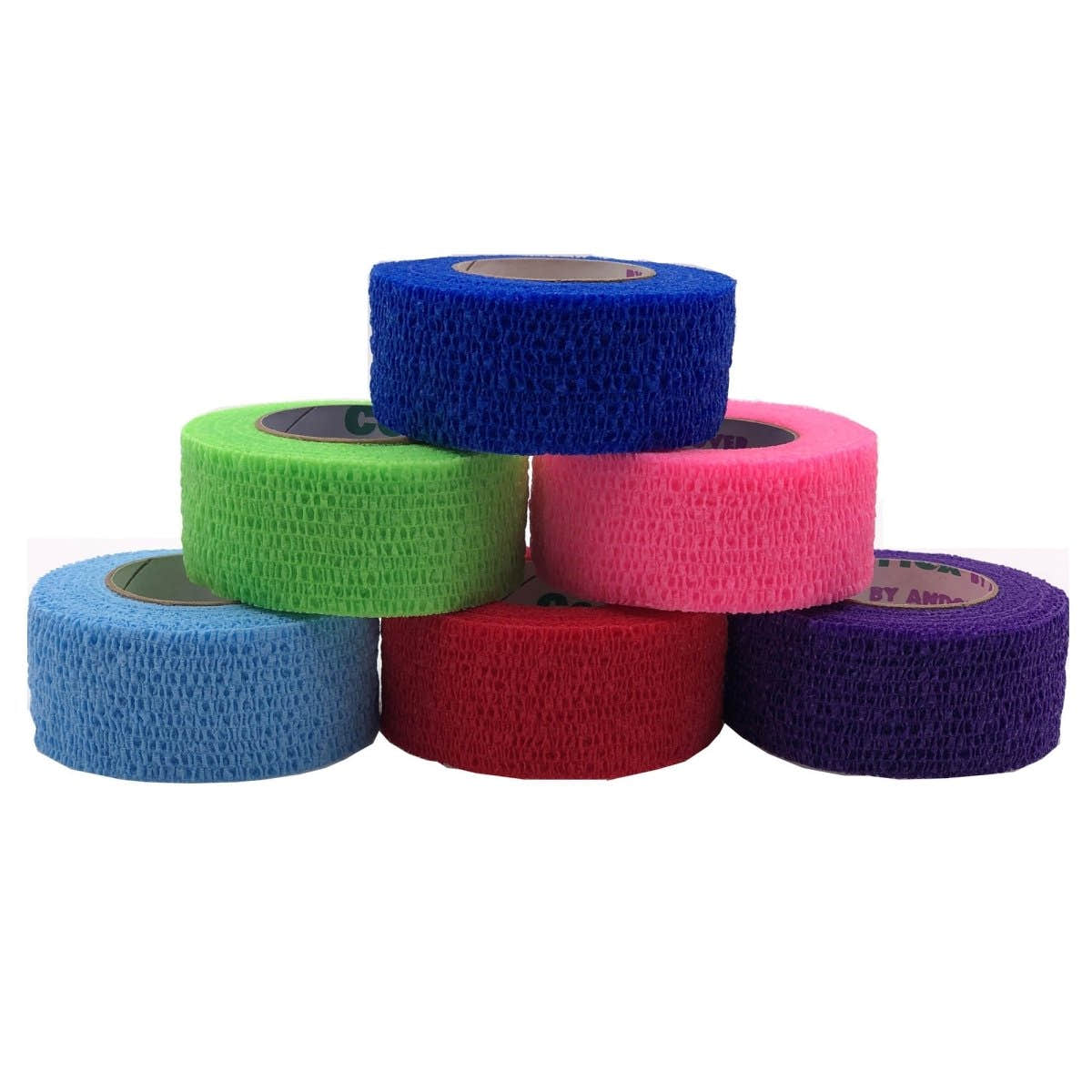
CoFlex Cohesive Bandages: Reliable, Self-Adherent Wrap for Everyday Support
The CoFlex collection at Cart Health brings together cohesive bandages designed to stay in place without pins, clips, or adhesive. CoFlex wraps bond to themselves rather than to skin or hair, making them a practical choice for athletes, caregivers, first-aid kits, and anyone who needs a dependable, comfortable wrap that holds securely and removes cleanly.
Self-adherent cohesive bandages: Wraps that cling to themselves and release from skin without leaving residue — a hallmark of the CoFlex design.
Versatile everyday use: Suitable for securing dressings, providing light compression, or supporting joints during activity.
Comfortable, flexible material: CoFlex bandages conform to the body's contours and allow natural movement while maintaining their hold.
Easy application: No special tools needed — simply unroll, wrap, and press the end against itself to secure.
How to Choose the Right CoFlex Wrap
CoFlex bandages are generally available in different widths to suit different areas of the body. Narrower widths work well for fingers and wrists, while wider wraps are better suited for knees, ankles, or larger limbs. If you are unsure which width or application method is appropriate for a specific need, consulting a healthcare professional is always a good step.
The CoFlex Self Adherent Closure Cohesive Bandage is a strong starting point for those looking for a trusted, straightforward wrap that performs reliably across a range of everyday situations.
A Brand Built Around Simplicity and Performance
CoFlex has established itself as a recognizable name in cohesive bandaging by focusing on what matters most: a wrap that stays put, feels comfortable, and comes off easily when the job is done. Whether stocking a home first-aid kit or a professional supply cabinet, the CoFlex cohesive bandage range offers a dependable option worth keeping on hand.
Frequently Asked Questions about Coflex
A cohesive bandage is a self-adhering wrap that sticks to itself without clips or tape, used to secure dressings, support joints, and provide light compression during injury recovery. Cohesive bandages are popular in both clinical and home care settings because they conform to the body and stay in place without irritating the skin.
Apply a cohesive bandage by starting at the furthest point from the body and wrapping in overlapping spiral turns toward the heart, stretching the bandage slightly as you go. Avoid wrapping too tightly, which can restrict circulation — the wrap should feel snug but comfortable, and you should be able to slide a finger underneath.
Cohesive bandages are designed for athletes, caregivers, and medical professionals who need a reliable, easy-to-remove wrap for wound care, joint support, or securing IV lines and splints. Cohesive bandages are also a practical choice for pet owners and veterinary use, since the self-adhering design works well on fur without adhesive.
No, a cohesive bandage and a compression bandage are not the same thing, though cohesive bandages can provide mild compression when applied with tension. Compression bandages are specifically engineered to deliver measured, graduated pressure for conditions like edema or venous insufficiency, while cohesive bandages are more versatile for general wound care and support.
Yes, cohesive bandages can generally be used near sensitive skin because the self-adhering material bonds only to itself, not to skin or hair, reducing the risk of irritation or tearing on removal. Always place a non-adherent dressing or padding between the bandage and any open wound before wrapping.
Choose a cohesive bandage width based on the body part you need to wrap — narrower widths work well for fingers and wrists, while wider widths are better suited for knees, ankles, and larger limbs. Selecting the correct width ensures even coverage and prevents the bandage from bunching or creating pressure points.
Some cohesive bandages contain natural rubber latex, while others are manufactured latex-free for patients and caregivers with latex sensitivities or allergies. Always check the product packaging or specifications before use if latex allergy is a concern, and look for products clearly labeled as latex-free.
Because cohesive bandages are coated with a low-tack bonding agent that activates only when the bandage surface contacts itself, rather than reacting to skin or other materials. This design allows the bandage to hold securely during activity while peeling away cleanly without leaving adhesive residue or causing skin trauma on removal.
Store cohesive bandages in a cool, dry location away from direct sunlight and extreme heat, which can degrade the self-adhering properties over time. Keeping bandages in their original sealed packaging until use helps preserve elasticity and bonding strength for the full shelf life of the product.
Cohesive bandages differ from elastic bandages in that cohesive bandages adhere to themselves and require no clips, pins, or tape to stay in place, while traditional elastic bandages rely on metal fasteners or tape to secure the end. Cohesive bandages are also easier to remove and less likely to unravel during activity, making them a convenient alternative for everyday wound care and sports use.
Do you still have questions about Coflex?
If we still haven't answered your question, you can contact us by live chat or email and we will get back to you as soon as possible.