DermaView

10 products

Showing 1 - 10 of 10 products

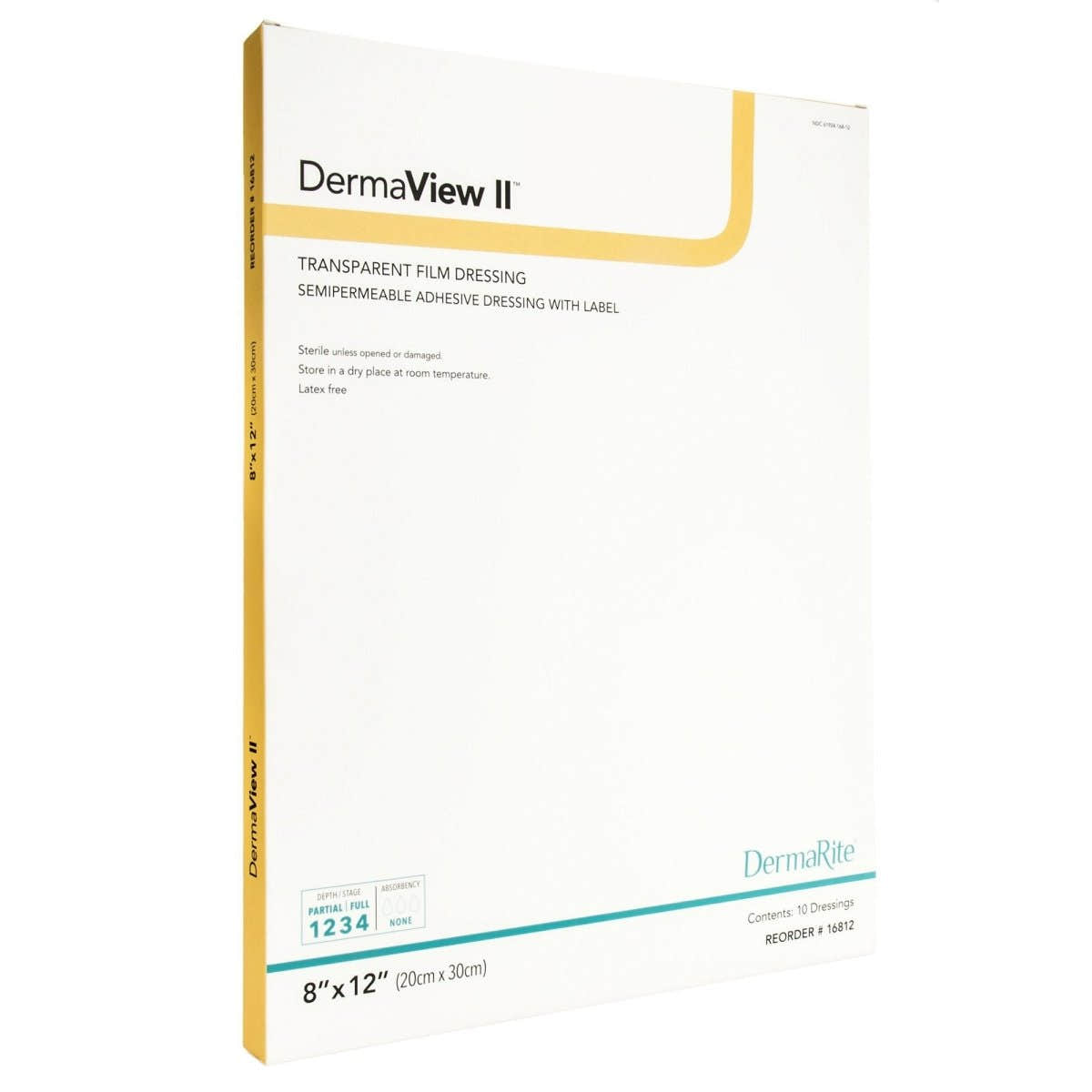
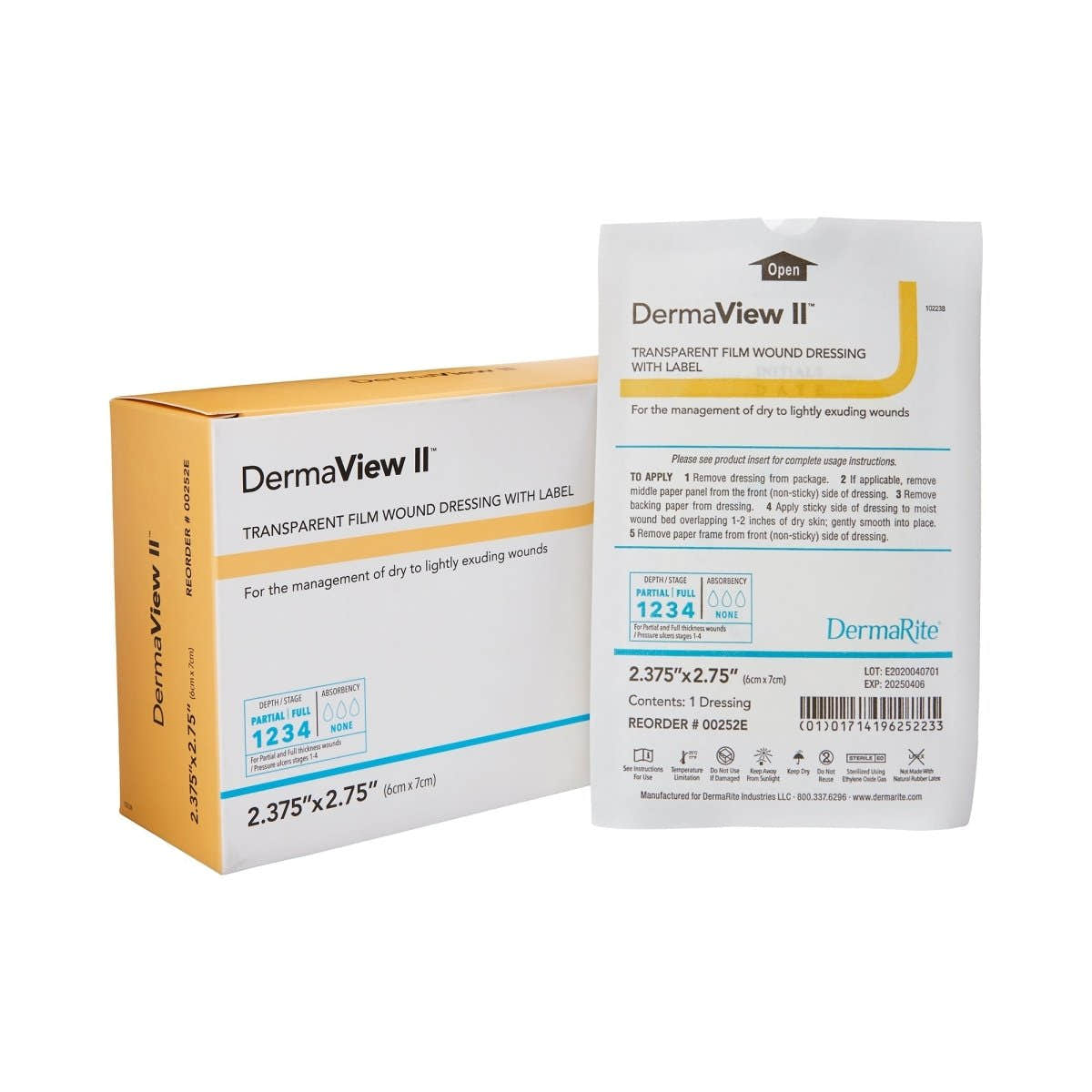
DermaView Transparent Film Dressings — Versatile Wound Coverage from DermaRite Industries

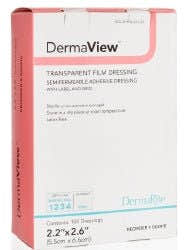
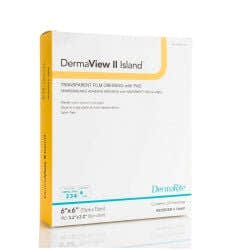
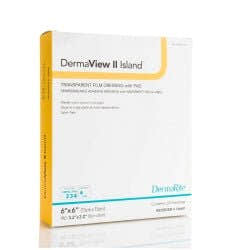
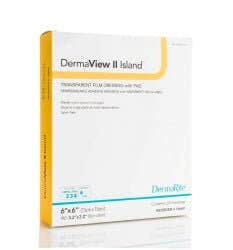
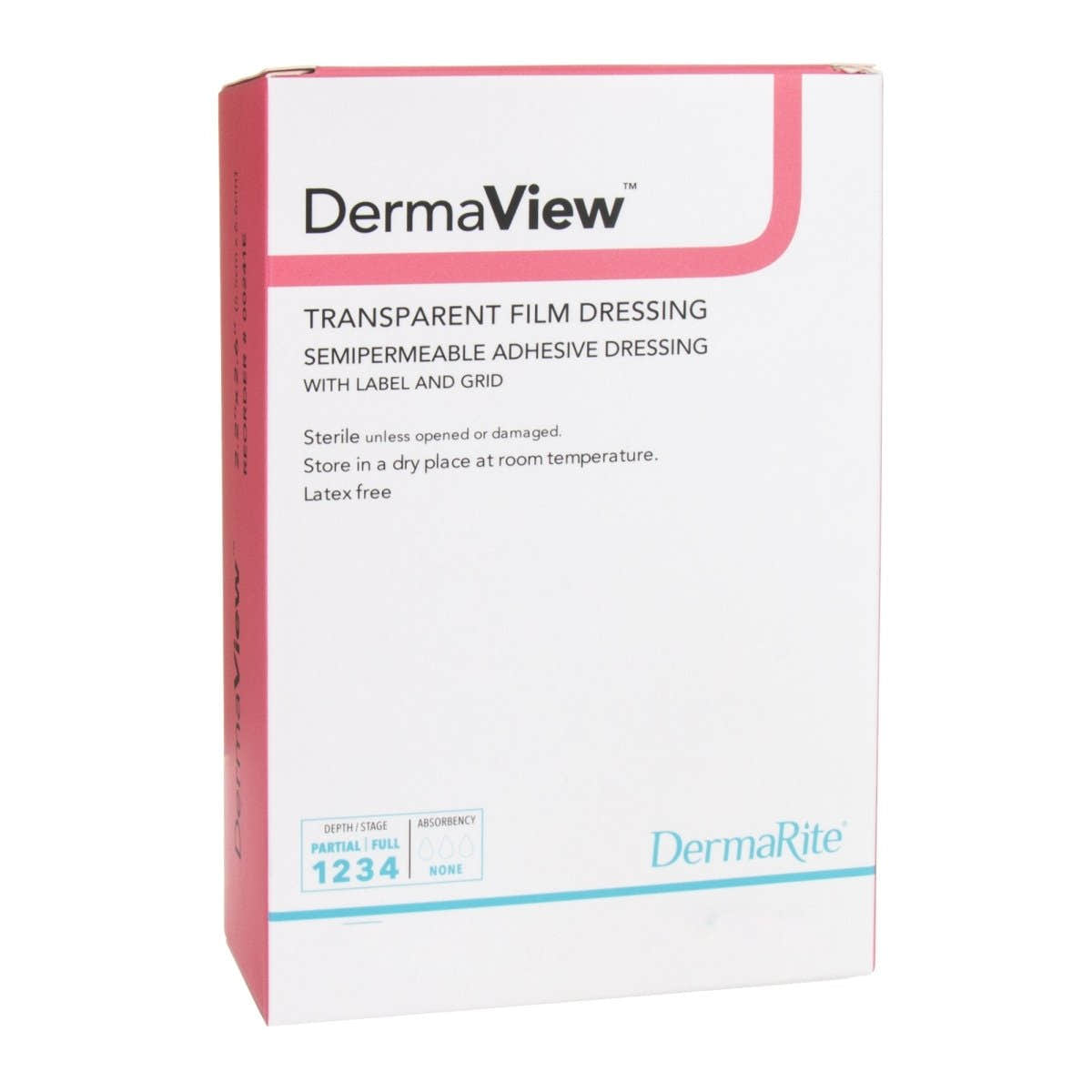
The DermaView collection brings together transparent film dressings from DermaRite Industries in a range of formats and sizes designed to suit different wound care needs. Whether you're stocking a clinical setting or managing wound care at home, this line offers options that balance visibility, protection, and ease of use — from roll formats for custom cutting to pre-sized bordered and island dressings ready to apply.
Showing 1 - 10 of 10 products
View

Frequently Asked Questions about DermaView

A transparent film dressing is a thin, clear, adhesive wound cover that protects minor wounds, abrasions, and surgical sites while allowing moisture vapor to escape and keeping bacteria out. Transparent film dressings are also commonly used to secure IV sites and protect skin prone to breakdown. The see-through design lets caregivers monitor wound healing without removing the dressing.

Transparent film dressings are designed for patients, caregivers, and clinicians managing superficial wounds, minor burns, abrasions, blisters, post-surgical incisions, or IV catheter sites. Transparent film dressings work well in both home care and clinical settings. They are especially useful when frequent wound monitoring is needed without disturbing the wound bed.

Clean and thoroughly dry the wound area before applying a transparent film dressing, then peel back the release liner and smooth the dressing over the site without stretching it. Avoid trapping air bubbles under the film. Press firmly around the edges to ensure a secure seal that keeps out contaminants while maintaining a moist wound environment.

A transparent film dressing with pad combines a central absorbent wound contact layer with the surrounding transparent film, making transparent film dressings with pad better suited for wounds with light drainage. Standard transparent film dressings have no absorbent pad and are best for non-draining or minimally exuding wounds. Choosing between the two depends on how much wound fluid is present.

Transparent film dressings are available in a wide range of sizes, from small individual pre-cut sheets measured in centimeters or inches to continuous roll formats measured in yards. Roll formats offer flexibility for cutting custom sizes, while pre-cut individual dressings provide consistent sizing for specific wound types. Selecting the right size helps minimize waste and ensures proper wound coverage.

Yes, transparent film dressings are waterproof, which means the wound site stays protected during bathing or light exposure to moisture. The film barrier blocks water and bacteria from reaching the wound while still allowing moisture vapor to pass through, helping to prevent maceration of the surrounding skin. This breathable waterproof barrier is one of the key advantages of transparent film dressings.

No, transparent film dressings do not need to be changed daily under normal circumstances. Transparent film dressings can typically remain in place for several days as long as the seal stays intact, there is no sign of infection, and fluid has not pooled excessively beneath the film. Always follow the guidance of a healthcare provider for specific change schedules.

Because transparent film dressings create a moist wound environment that supports faster healing, while traditional gauze can dry out and stick to the wound bed. Transparent film dressings also allow visual monitoring without removal, reduce the risk of contamination, and conform comfortably to body contours. For clean, low-exudate wounds, transparent film dressings are generally considered the more advanced option.

Yes, transparent film dressings can be used on sensitive skin, though caregivers should select products specifically designed with gentle adhesives to minimize trauma during removal. Transparent film dressings with a bordered or framed design can be easier to remove without pulling on fragile skin. Always assess skin condition before application and consult a clinician for patients with very delicate or compromised skin.

Recently viewed