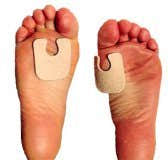
Dr. Jill's Foot Pads Inc

2 products

Showing 1 - 2 of 2 products

Dr. Jill's Foot Pads Inc — Targeted Cushioning for Everyday Comfort

Dr. Jill's Foot Pads Inc has built a straightforward reputation around one core idea: precise, well-placed padding that helps feet feel better throughout the day. This collection brings together their specialized foot pads designed to cushion specific pressure points — so whether someone is on their feet for long shifts, breaking in new shoes, or simply looking for a little extra support underfoot, there's a practical option here worth exploring.
Showing 1 - 2 of 2 products
View
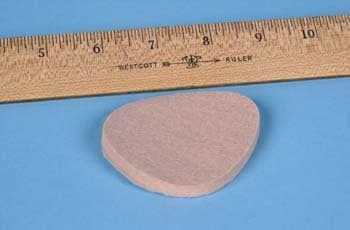
Dr. Jill's Foot Pads Inc Metatarsal Cushion - 940264_BG - 1
Dr. Jill's Foot Pads Inc Callus Pad - 940280_BG - 1

Frequently Asked Questions about Dr. Jill's Foot Pads Inc

Foot pads are cushioning inserts placed on specific areas of the foot to reduce pressure, friction, and pain caused by calluses, bony prominences, or repetitive stress. Foot pads work by redistributing weight away from sensitive spots, which helps relieve discomfort during walking or standing.

Metatarsal cushions and callus pads are designed for people who experience forefoot pain, ball-of-foot soreness, callus buildup, or pressure-related discomfort from prolonged standing, tight footwear, or foot deformities. These foot pads are also commonly recommended for people with conditions like metatarsalgia or plantar calluses.

Place a metatarsal cushion just behind the ball of your foot so the pad sits beneath the metatarsal heads, not on top of them. Proper positioning shifts pressure away from the painful area, so taking a moment to test placement before walking ensures the best relief.

Apply a callus pad directly over the callused or irritated skin, pressing firmly so the pad stays in place throughout the day. Clean and dry the skin before application to improve adhesion, and replace the pad if the edges begin to lift or the cushioning feels compressed.

A metatarsal pad is designed to cushion and offload pressure from the ball of the foot and metatarsal bones, while a callus pad is designed to protect thickened or hardened skin from further friction and irritation. Choosing between the two depends on whether your discomfort comes from bone pressure or surface skin buildup.

Yes, most foot pads can be worn with a wide range of footwear, though fit may vary depending on the shoe style and available space inside. Roomier shoes tend to work best, since tight footwear can shift the pad out of position and reduce its effectiveness.

Foot pads can be appropriate for people with diabetes or sensitive skin, but anyone with these conditions should consult a healthcare provider before use, since reduced sensation or circulation requires extra care. Checking the skin regularly for irritation or pressure marks is especially important for high-risk individuals.

Because metatarsal cushions redistribute weight away from the metatarsal heads, they reduce the concentrated pressure that causes ball-of-foot pain during walking or standing. By lifting and supporting the metatarsal arch, these foot pads help restore more even weight distribution across the forefoot.

Choose a foot pad based on where your pain or irritation is located — metatarsal cushions are best for ball-of-foot and forefoot pressure, while callus pads are better suited for protecting areas of thickened skin. If you are unsure of the cause of your discomfort, a podiatrist can help identify the right type of foot pad for your needs.

Store foot pads in a cool, dry place away from direct sunlight and moisture to preserve the cushioning material and any adhesive backing. Keeping foot pads in their original packaging or a sealed container helps prevent dust or debris from compromising the adhesive before use.

Recently viewed