Your privacy matters to us! By using our site, you agree to the collection and use of your Personal Information as described in our Privacy Policy.
Ear Syringes
2 products
Showing 1 - 2 of 2 products
Ear Syringes for Clinical and Home Care Use
Ear syringes are a practical tool for gentle irrigation of the ear canal, commonly used in clinical settings, home health care, and professional medical environments. Cart Health carries ear syringes from trusted medical supply brands, including McKesson and Busse Hospital Disposables, so caregivers and healthcare professionals can find a reliable option suited to their workflow.
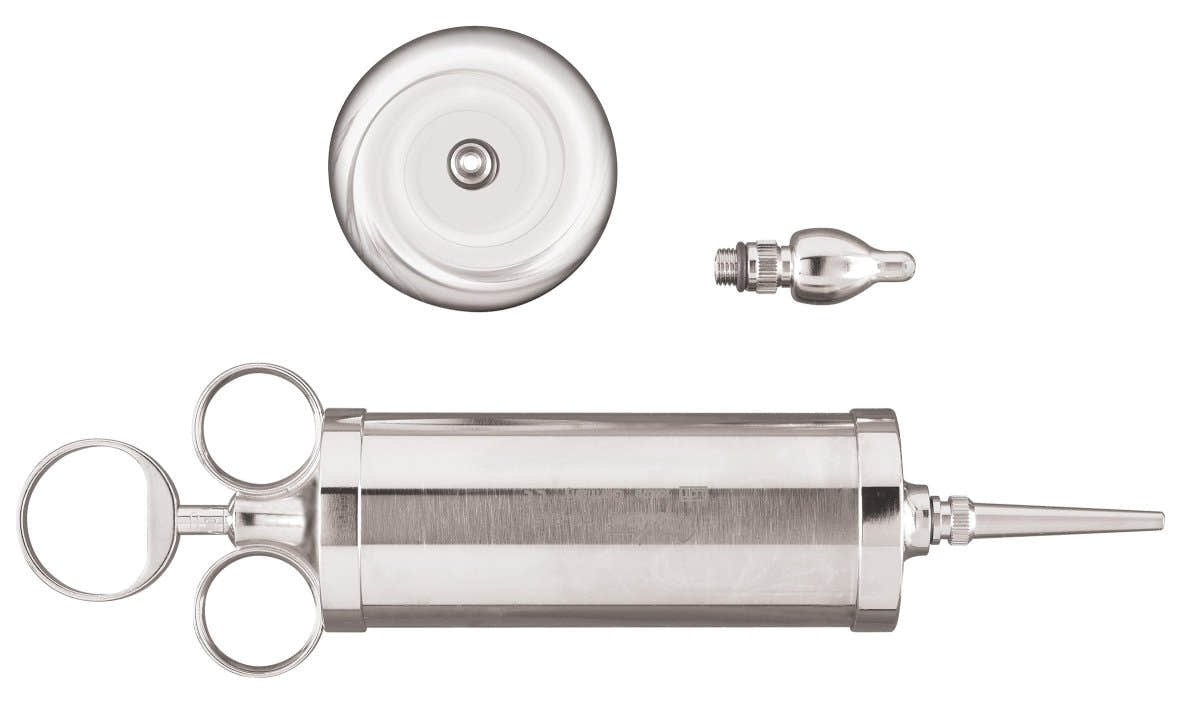
Ear syringes with shields: Designed to help direct the flow of irrigation fluid while providing added control during use — a common choice in clinical and exam-room settings.
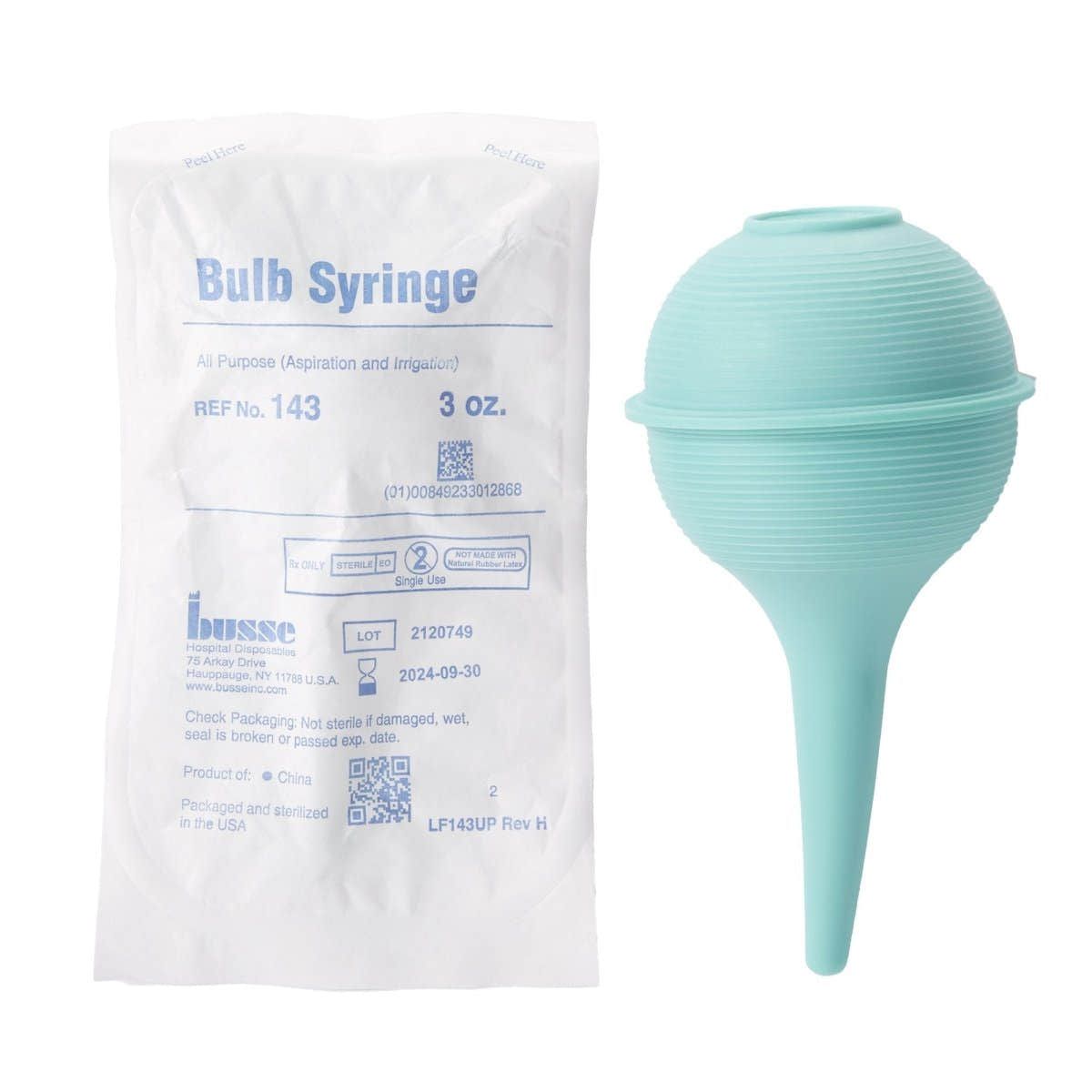
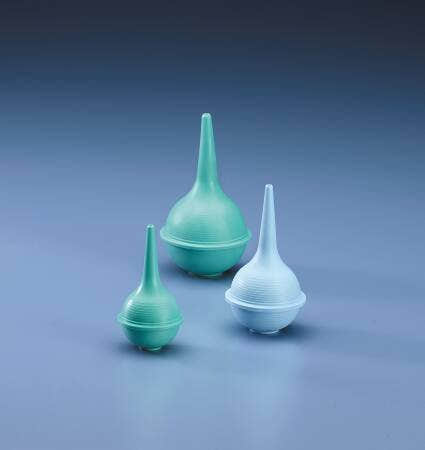
Ear and ulcer bulb syringes: Versatile bulb-style syringes that can serve dual purposes for both ear irrigation and wound care, making them a practical option for multi-use supply rooms.
The right ear syringe depends on the setting and intended use. For dedicated ear irrigation in a clinical environment, an ear syringe with a shield offers added directional control. For facilities that need a more versatile instrument, a bulb syringe that handles both ear and ulcer irrigation can help consolidate supply needs.
When selecting a syringe, consider factors such as material, single-use versus reusable design, and compatibility with your facility's protocols. If you are unsure which type is appropriate for a specific application, consulting a qualified healthcare professional is always a good step.
Who Uses Ear Syringes
Healthcare facilities such as clinics, hospitals, and physician offices that perform routine ear irrigation procedures.
Home health aides and caregivers following guidance from a medical provider for at-home ear care.
Medical supply purchasers stocking exam rooms or procedure carts with dependable, single-use or reusable irrigation tools.
Frequently Asked Questions about Ear Syringes
An ear syringe is a handheld bulb-shaped device used to flush the ear canal with water or saline to remove excess earwax or debris. Ear syringes are commonly used in clinical settings and at home to safely irrigate the ear and relieve blockages caused by wax buildup.
Ear syringes are designed for patients experiencing earwax buildup, as well as healthcare providers performing ear irrigation in clinical or home care settings. Caregivers managing ear hygiene for elderly or pediatric patients also frequently use ear syringes as a gentle, non-invasive option.
Fill the ear syringe bulb with warm water or saline, tilt the patient's head to the side, and gently squeeze the bulb to direct a steady stream of fluid into the ear canal. Avoid forcing the tip too deeply into the ear, and allow the fluid to drain naturally after each flush.
An ear syringe with a shield includes a protective guard near the tip that limits how far the device can be inserted into the ear canal, reducing the risk of injury. A standard bulb syringe lacks this guard, making the shielded version a safer choice for home use or when working with patients who may be sensitive.
Yes, certain ear syringes are designed for dual use, suitable for both ear irrigation and ulcer or wound flushing. Ear and ulcer bulb syringes are commonly stocked in medical settings for this reason, offering flexibility for caregivers who need a single tool for multiple irrigation tasks.
Choose an ear syringe size based on the volume of fluid needed for effective irrigation and the age or anatomy of the patient being treated. Larger bulb capacities allow for more thorough flushing with fewer refills, while smaller sizes may be more appropriate for pediatric patients or targeted wound care.
Yes, ear syringes are generally safe for home use when used as directed, particularly models that include a tip shield to prevent over-insertion. Users should always use body-temperature water or saline, avoid aggressive squeezing, and consult a healthcare provider before irrigating ears if there is any history of ear surgery or perforation.
Rinse ear syringes thoroughly with clean water after each use, allow them to dry completely, and store them in a clean, dry location away from direct sunlight. Many ear syringes are intended for single-patient use, so always check the product labeling to determine whether the device is reusable or disposable.
Because ear irrigation is a routine procedure in clinical settings, buying ear syringes in bulk reduces per-unit cost and ensures staff always have a sterile or clean device on hand. Facilities such as urgent care clinics, long-term care centers, and home health agencies frequently stock ear syringes in quantity to support ongoing patient care.
Ear syringes are individual bulb devices used to manually flush the ear canal, while ear irrigation kits typically include additional components such as a basin, tubing, or a specialized tip for a more controlled flow. For basic wax removal, an ear syringe alone is often sufficient, but full kits may be preferred in clinical environments requiring greater precision.
Do you still have questions about Ear Syringes?
If we still haven't answered your question, you can contact us by live chat or email and we will get back to you as soon as possible.