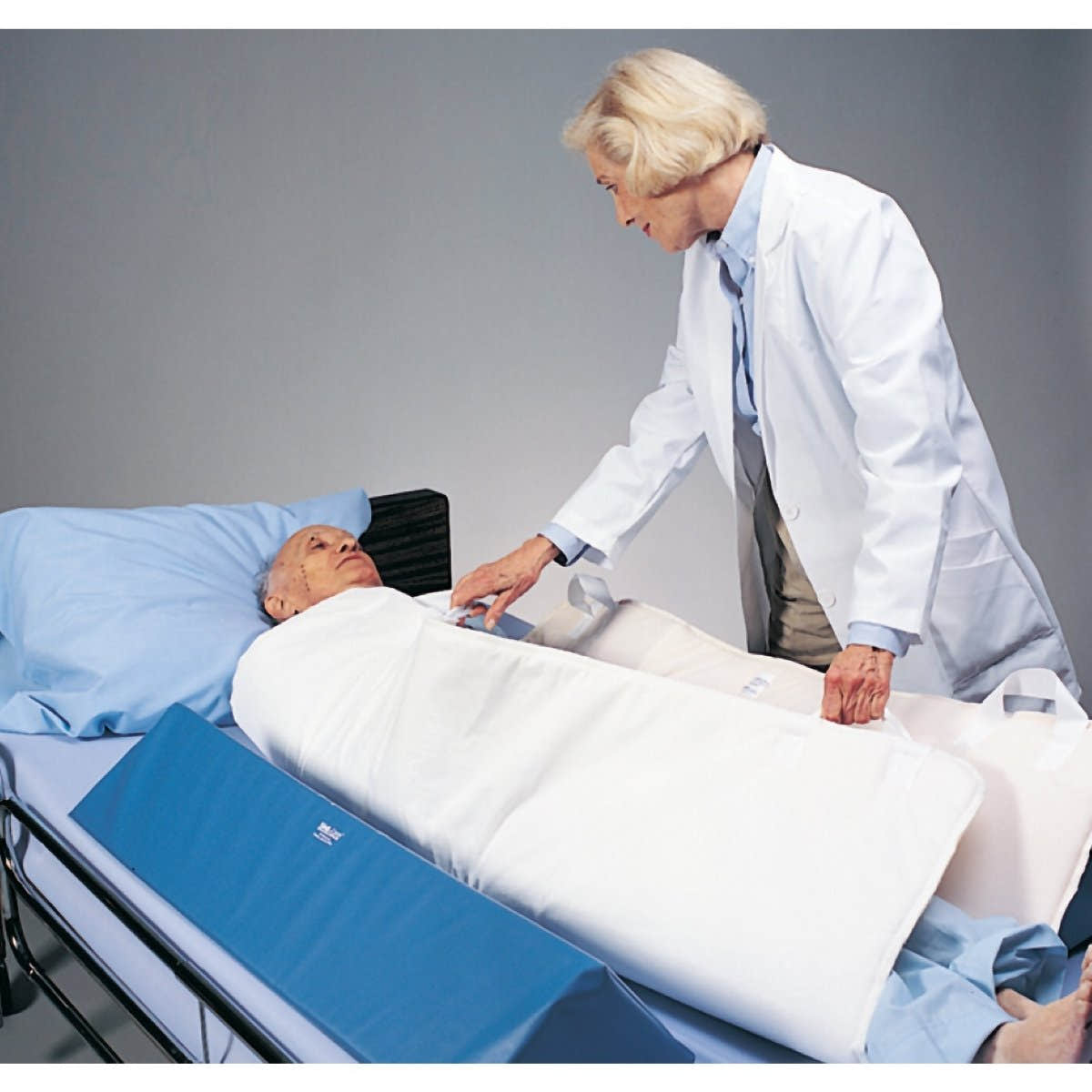
Elevators, Rolls and Wedges

11 products

Showing 1 - 11 of 11 products

Elevators, Rolls and Wedges: Positioning Support for Rest, Recovery, and Comfort

Whether supporting a limb after a procedure, improving sleep posture, or helping a caregiver keep a patient comfortably positioned, the right wedge, roll, or elevator makes a meaningful difference. This collection brings together a range of foam and cushioned positioning aids from trusted brands like McKesson, Drive Medical, DMI, Skil-Care, and more — designed to work in beds, chairs, and clinical settings alike.

Showing 1 - 11 of 11 products
View
Mckesson Body Aligner - 929204_CS - 1
McKesson Body Aligner
Sale priceFrom $10.98
Choose options
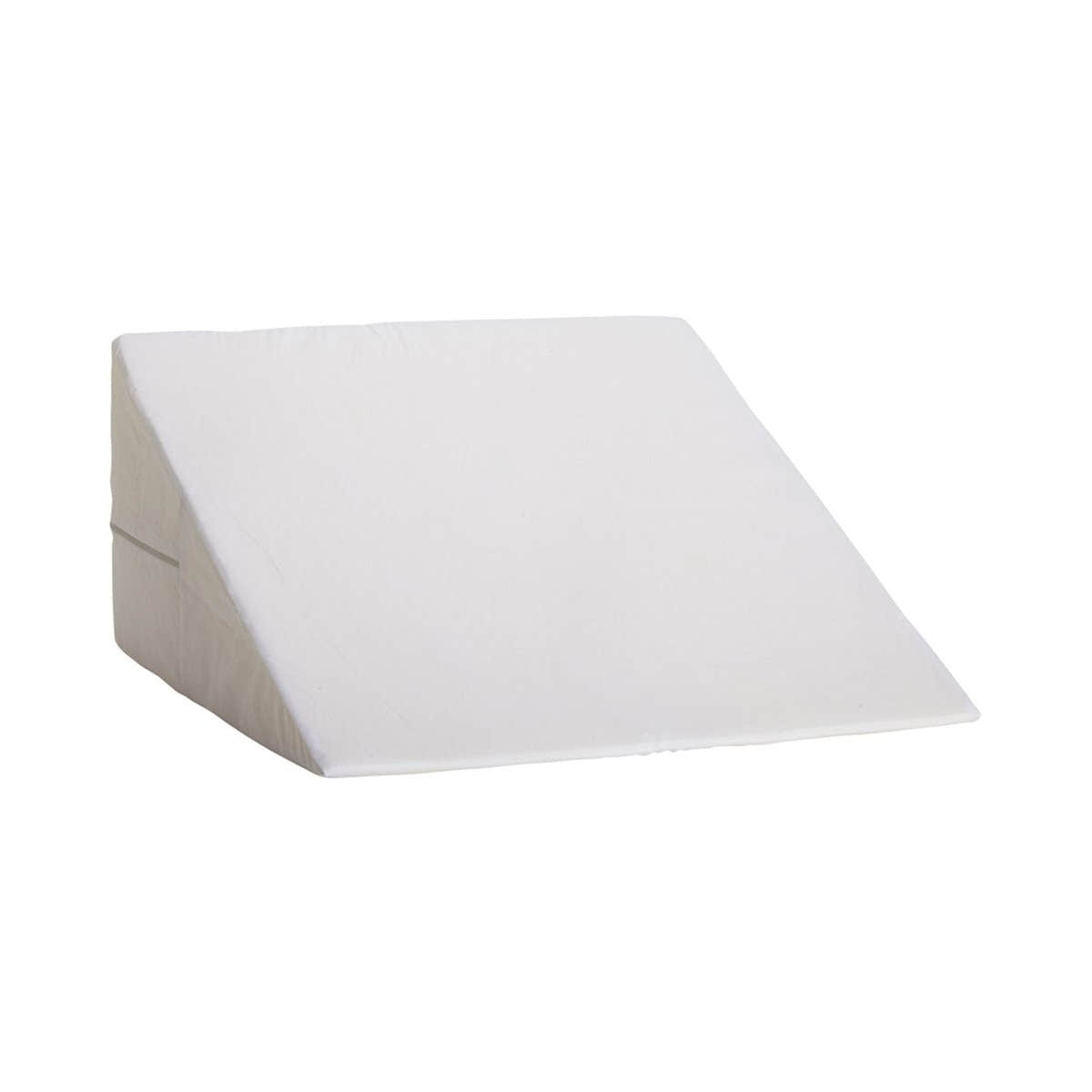
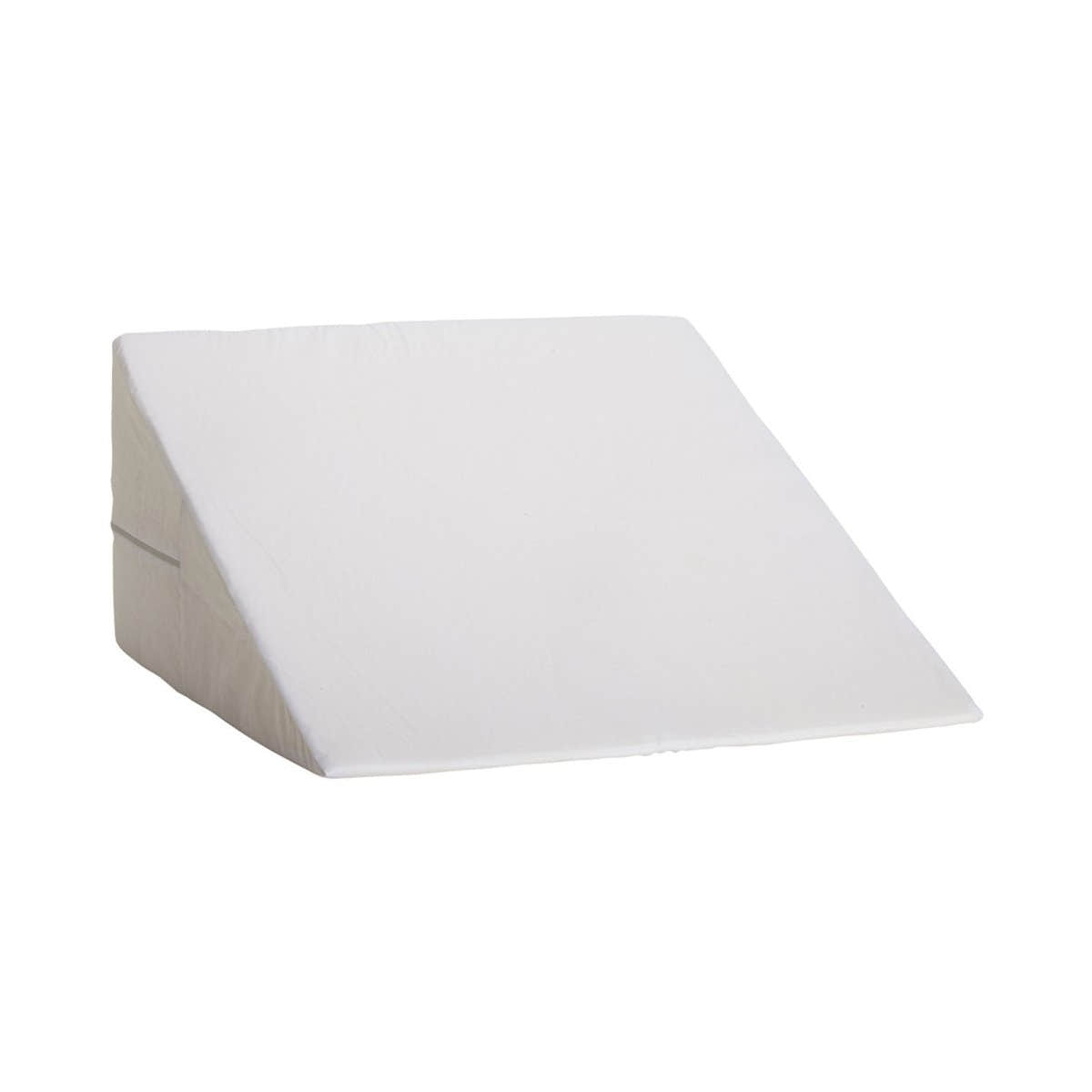
Drive Folding Bed Wedge - 1133970_EA - 1
Drive Folding Bed Wedge
Sale price$42.99
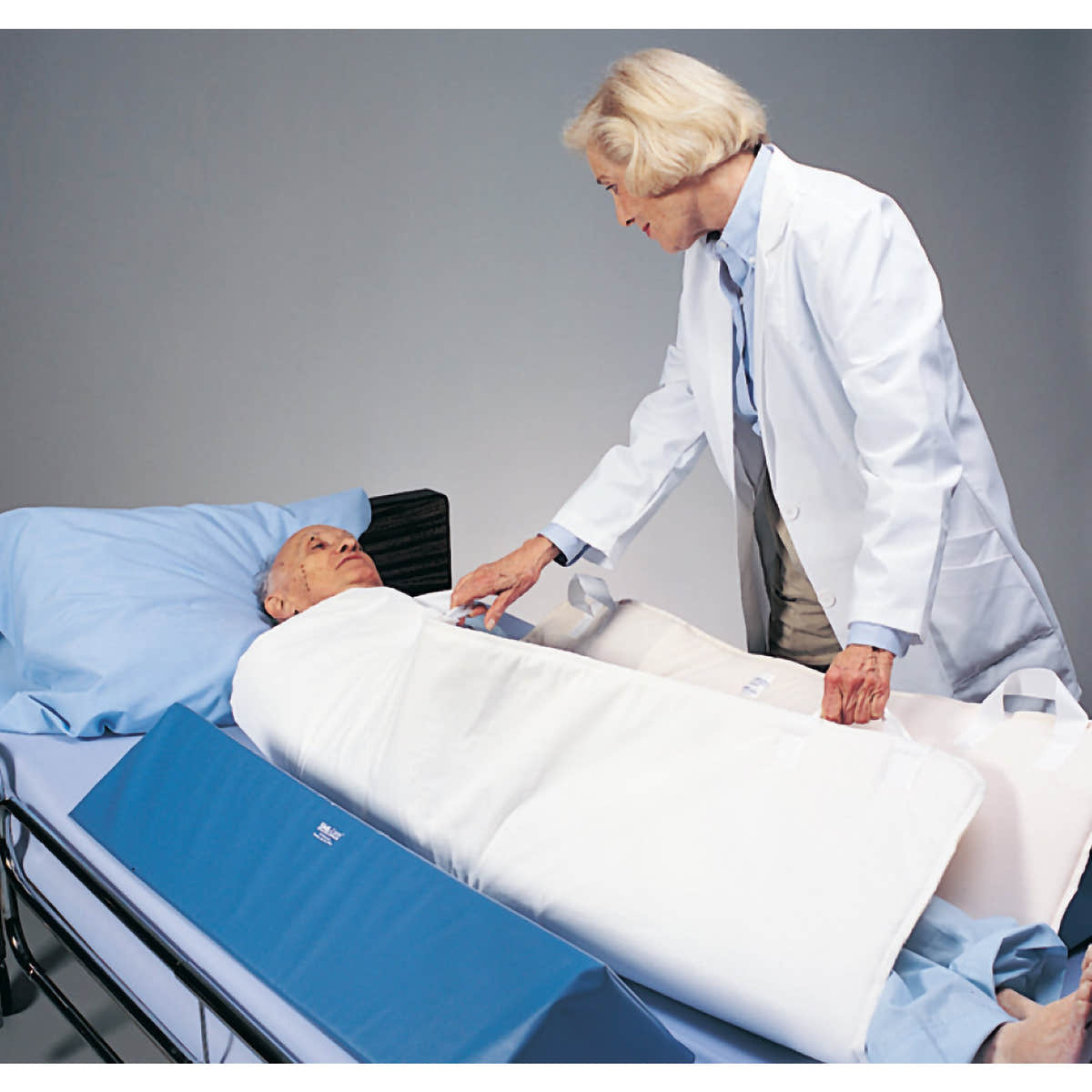
Skil Care Positioning Wedge - 252747_PR - 1
Skil Care Positioning Wedge
Sale price$76.99
Nova Ortho Med Bed Wedge With Half Roll Pillow - 1172876_CS - 1
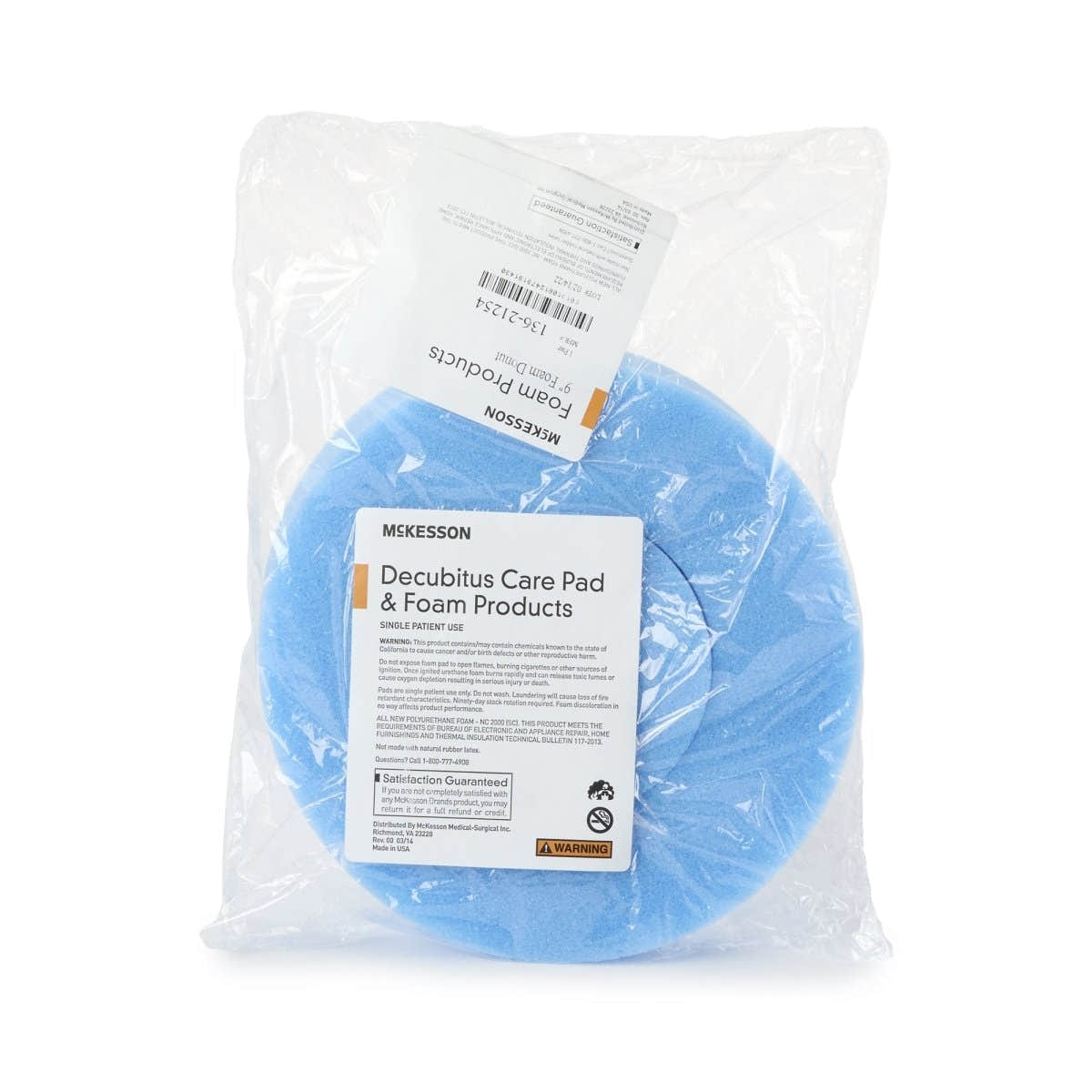
Mckesson Donut Positioner Cushion - 929203_CS - 1
McKesson Donut Positioner Cushion
Sale priceFrom $3.99
Choose options
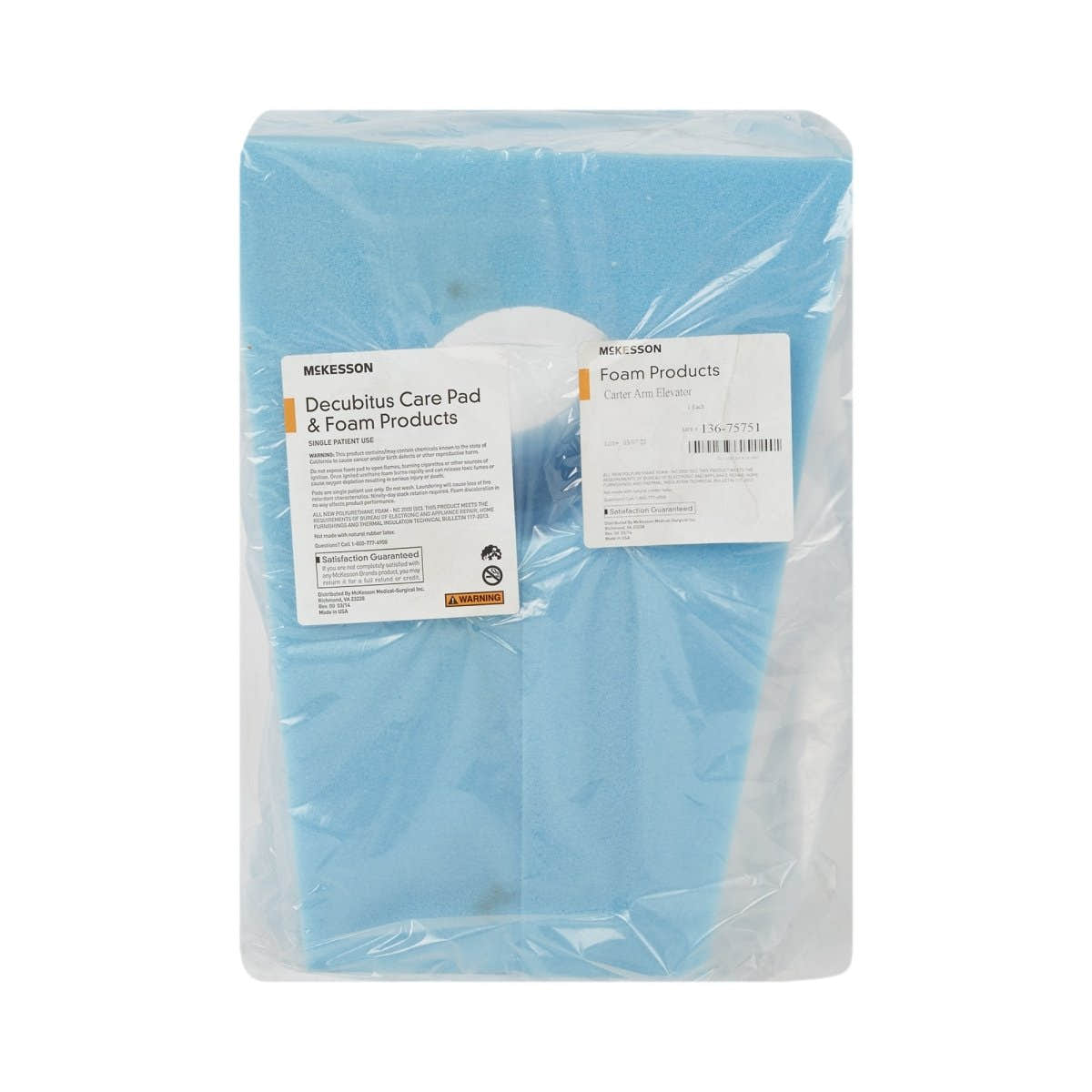
Mckesson Arm Elevator - 929215_CS - 1
McKesson Arm Elevator
Sale priceFrom $37.99
Choose options
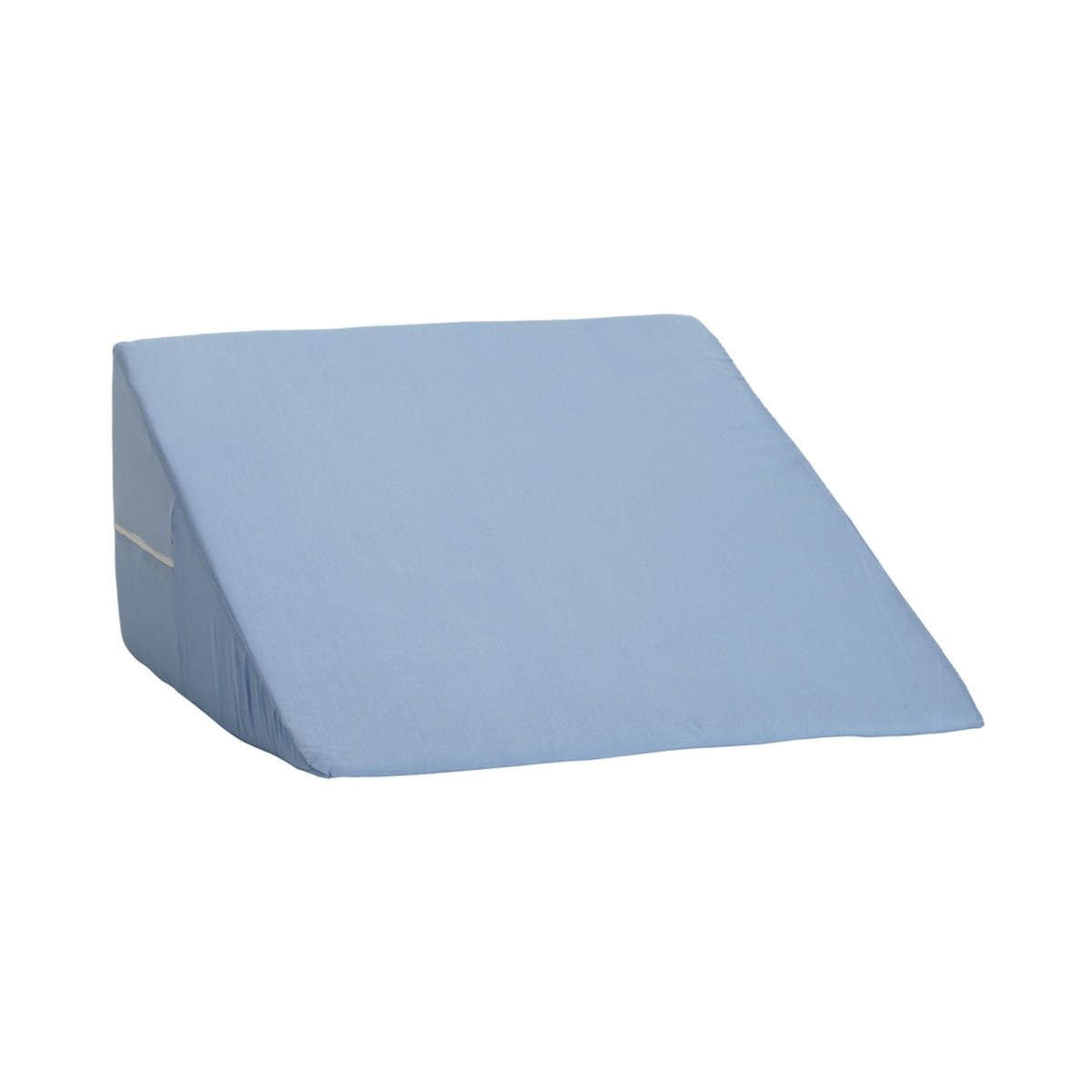
Dmi Positioning Wedge - 833149_EA - 1
DMI Positioning Wedge
Sale priceFrom $44.99
Choose options
Dmi Foam Bed Wedge - 415881_EA - 1
DMI Foam Bed Wedge
Sale price$61.99
Comfor Cervical Pillow - 734822_EA - 1
Comfor Cervical Pillow
Sale price$22.99
TLC Pad Replacement Positioning Pad -Each
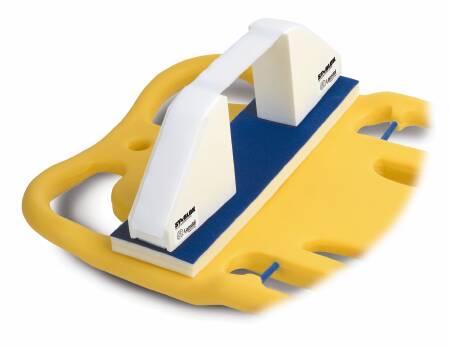
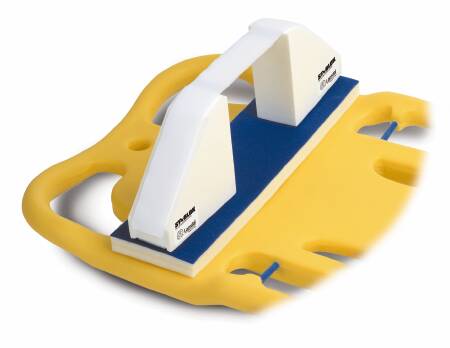
Sta-Block Head Immobilizer, 5½ x 22½ Inch -Box of 30
Sta-Block Head Immobilizer
Sale priceFrom $8.99
Choose options

Frequently Asked Questions about Elevators, Rolls and Wedges

Positioning wedges and elevators are foam or cushioned supports used to prop, elevate, or align specific body parts during rest, recovery, or medical care. They help reduce pressure, improve circulation, and keep the body in a therapeutic position. Many are used after surgery or for managing chronic conditions like acid reflux or back pain.

Positioning wedges and rolls are designed for people recovering from surgery, managing pressure injuries, or dealing with conditions that require sustained body alignment during rest. Caregivers also use them for patients with limited mobility who cannot reposition themselves. They are commonly recommended for use in both home care and clinical settings.

Place the bed wedge on a flat surface with the highest end supporting the area you want elevated, such as the head, back, or legs. Position yourself against the wedge so your body rests at the desired incline. Most bed wedges work directly on top of a mattress and do not require any additional setup.

A positioning wedge is an angled foam support that elevates or tilts a body part, while a positioning roll is a cylindrical cushion used to support curves like the neck, knees, or lower back. Wedges are typically used for sustained elevation, and rolls are used to fill gaps and maintain natural body contours during rest.

Choose a positioning wedge or elevator based on the body part being supported and the degree of elevation needed for your condition. Larger wedges provide greater incline for areas like the back or legs, while smaller wedges and elevators suit arms or localized support. When in doubt, consult a healthcare provider for guidance on the appropriate angle and size.

Yes, a foam bed wedge is generally safe for nightly use when it is sized and positioned correctly for your body and sleep style. Most foam wedges used in this category are designed for extended, repeated use. If you experience discomfort or worsening symptoms, stop use and speak with a healthcare provider.

Because positioning wedges are made from firm, supportive foam that holds its shape under body weight, unlike regular pillows that compress and shift during sleep. Wedges maintain a consistent angle throughout the night, which is important for therapeutic positioning. Standard pillows do not provide the structural support needed for medical-grade elevation or alignment.

Spot clean positioning wedges and body rolls with a mild soap and damp cloth, then allow them to air dry completely before use. Many models in this category come with removable, washable covers that can be laundered separately. Avoid submerging the foam core in water, as moisture trapped inside can break down the material and reduce support over time.

Positioning wedges and elevators can also be used on recliners, sofas, wheelchairs, and exam tables to support proper body alignment. Smaller arm elevators are commonly used in chairs or alongside desks during recovery. Their portability makes them practical for home, clinical, and travel use depending on the design.

Yes, a positioning wedge can help relieve symptoms of acid reflux by elevating the upper body during sleep, which reduces stomach acid from flowing back into the esophagus. Wedges are also used to support the lumbar region or elevate the legs to ease lower back pressure. Results vary by individual, and a doctor should be consulted for ongoing medical conditions.

Recently viewed