Essential Medical Supply

2 products

Showing 1 - 2 of 2 products

Essential Medical Supply Underpads for Reliable Surface Protection

This collection brings together underpads from Essential Medical Supply, a trusted name in protective bedding and surface care. Whether the need is for a standard bed-sized pad or an extended option for larger surfaces, these underpads are designed to provide a dependable layer of protection for mattresses, furniture, and other surfaces in home or care settings.

Showing 1 - 2 of 2 products
View
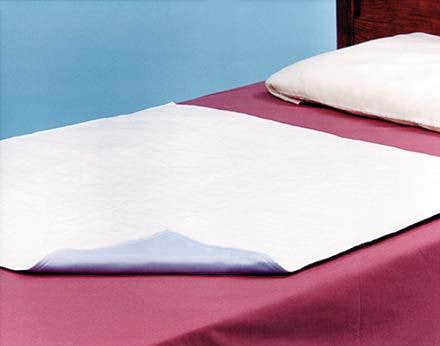
Quik-Sorb Underpad, 36 x 54 Inch - 696440_EA - 1
Quik-Sorb Underpad, 36 x 80 Inch - 1081772_EA - 1

Frequently Asked Questions about Essential Medical Supply

Underpads are absorbent pads placed on beds, chairs, or other surfaces to protect against leaks from incontinence, wound drainage, or post-surgical discharge. Underpads draw moisture away from the skin and lock it into an absorbent core, helping keep both the patient and the surface beneath them dry and comfortable.

Disposable underpads are designed for individuals managing incontinence, caregivers assisting bedridden patients, and anyone recovering from surgery or illness who needs reliable surface protection. Underpads are commonly used in home care settings, nursing facilities, and hospitals where maintaining a clean, dry surface is essential for patient comfort and skin health.

Place the underpad absorbent-side up on the bed, chair, or surface where the patient will be resting, positioning it directly under the hips and lower body for maximum coverage. Smooth out any wrinkles before use to ensure even fluid distribution, and replace the underpad promptly after each episode of incontinence to protect skin integrity.

Underpads for hospital or full-size beds are typically available in larger dimensions designed to cover the width of a standard mattress and extend from the hips to the knees. Choosing a wider and longer underpad provides better surface protection and reduces the chance of leaks reaching the mattress during repositioning or movement.

Yes, a larger underpad generally provides better protection because underpads with greater surface area cover more of the bed or chair and reduce the risk of leaks reaching the underlying surface. For patients who move frequently during sleep or require repositioning, a larger underpad offers more reliable coverage than a smaller option.

Underpads should be changed after each incontinence episode or whenever the surface feels wet or soiled, since leaving a saturated underpad in place increases the risk of skin irritation and pressure injuries. For best results, caregivers should check underpads regularly throughout the day and night rather than waiting for visible signs of leakage.

Yes, underpads can be used on chairs, wheelchairs, and other seating surfaces in addition to beds, making underpads a versatile option for individuals who spend extended time seated. Folding or trimming an underpad to fit the seat area can help keep it in place and provide targeted protection where it is needed most.

Because underpads wick moisture away from the skin and keep the surface beneath a patient dry, underpads play a direct role in reducing the risk of skin breakdown, pressure ulcers, and rashes caused by prolonged moisture exposure. Consistent use of underpads as part of a care routine helps maintain skin integrity, especially for patients with limited mobility.

Underpads protect the surface a person rests on, while adult briefs are worn directly on the body to contain leaks at the source, so the two products serve different but complementary purposes. Many caregivers use underpads together with adult briefs as a layered approach to incontinence management, providing both body-worn and surface protection for added security.

Underpads should be stored in a cool, dry location away from direct sunlight and moisture to preserve their absorbency and prevent the materials from degrading before use. Keeping underpads in their original sealed packaging until needed helps protect them from dust and humidity, extending their usable shelf life in home or clinical storage settings.

Recently viewed