FabLife designs practical, straightforward tools built to support everyday movement and independence. Whether you're a caregiver, a rehabilitation professional, or someone outfitting a home for a family member, FabLife products are made to be dependable, easy to use, and built with real-world needs in mind.
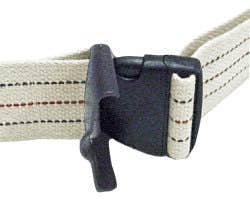
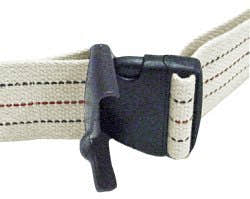
Caregiver support tools: Products like the FabLife Gait Belt, 60 Inch are designed to assist with safe patient transfers and ambulation, giving caregivers a reliable grip during mobility assistance.
Durable, functional construction: FabLife items are built to hold up in everyday use — in homes, clinics, and care facilities alike.
Straightforward sizing and design: Products are made to fit a range of users without unnecessary complexity, so finding the right fit is simple.
Professional-grade reliability: FabLife is a trusted name among rehabilitation and home care professionals, offering consistent quality across their product line.
How to Choose the Right FabLife Product
Start by identifying the specific task or challenge you're looking to address — whether that's safer patient transfers, improved mobility support, or another daily living need. Consider the environment where the product will be used most often, and think about who will be doing the handling: a trained caregiver, a family member, or the individual themselves.
For transfer and ambulation support, the FabLife Gait Belt is a commonly recommended starting point — it's a foundational tool in many caregiving settings. If you're unsure which product best fits a specific situation, consulting with a physical therapist or occupational therapist can help guide the right choice.
Who FabLife Products Are Made For
FabLife serves a broad range of users: professional caregivers, home health aides, rehabilitation therapists, and families supporting loved ones at home. The products are designed to be practical and accessible, without requiring specialized training to understand their purpose or use.
Frequently Asked Questions about FabLife
A gait belt is a safety device used to help caregivers assist patients with standing, walking, or transferring between surfaces. The belt wraps around the patient's waist and gives the caregiver a secure grip, reducing the risk of falls during mobility assistance.
Gait belts are designed for caregivers, nurses, physical therapists, and home health aides who assist patients with limited mobility. They are especially useful when helping elderly individuals, post-surgical patients, or anyone who needs support during standing or walking.
Place the gait belt around the patient's waist, over clothing, and fasten the buckle securely at the front. Slide two fingers under the belt to check that it is snug but not too tight, leaving enough room for a firm caregiver grip without restricting breathing.
Grip the gait belt firmly from the side or back of the patient's waist before asking the patient to stand. Stay close to the patient's body as they move, using the belt to guide and stabilize them rather than pulling or lifting by the arms.
Gait belt sizing depends on the patient's waist measurement plus enough extra length to buckle securely and allow a caregiver handhold. Longer gait belts, such as those around 60 inches, are generally recommended for bariatric patients or those with larger waist measurements.
No, a gait belt should not be placed over the abdomen of a patient with recent abdominal surgery, a feeding tube, a colostomy, or significant abdominal injuries. In these cases, consult a physical therapist for alternative transfer techniques or assistive equipment.
Gait belts are most commonly made from cotton canvas or nylon webbing, both of which offer durability and a firm grip surface for caregivers. Some gait belts include padded sections or metal buckles for added comfort and security during transfers.
Because grabbing a patient by the arm during transfers can cause joint injuries, bruising, or shoulder dislocations, especially in frail or elderly individuals. A gait belt distributes the caregiver's support across the patient's core, making transfers safer for both the patient and the caregiver.
Clean a gait belt by hand washing or machine washing it in warm water with mild detergent, then allow the belt to air dry completely before storing. Inspect the buckle and webbing regularly for fraying, cracks, or damage, and replace the belt if any wear is found.
Yes, a gait belt can absolutely be used in home caregiving settings and is not limited to hospitals or rehabilitation facilities. Family caregivers and home health aides commonly use gait belts to safely assist loved ones with daily mobility tasks like getting up from a chair or walking to the bathroom.
Do you still have questions about FabLife?
If we still haven't answered your question, you can contact us by live chat or email and we will get back to you as soon as possible.